Review · BARCELONA
Barcelona: The Spanish Civil War Historical Walking Tour
Barcelona’s old town looks polished today, but its streets still carry the marks of the Spanish Civil War. This 2.5-hour walking tour helps you read the city beyond its Gothic façades, tracing the places where anarchists, loyalists, fascists, and ordinary residents fought over Spain’s future.
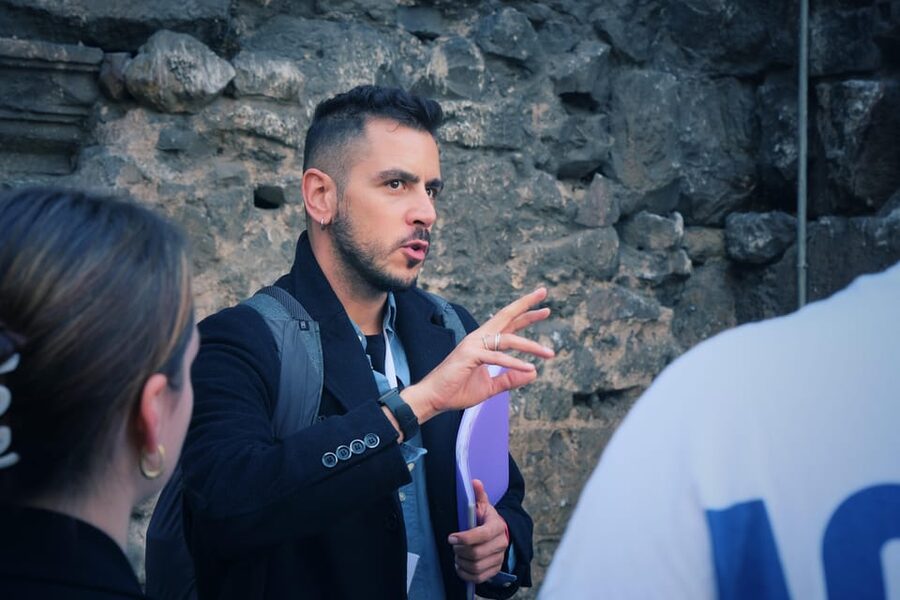
I like the way the guides make a tangled subject easier to follow, and I like the use of photographs to show what the streets looked like during the fighting. Guides such as Javier, Chrisa, Yannis, Filipa, Henrieta, and Evan are praised for clear explanations and thoughtful answers.
The main drawback is that this is a serious tour about war, dictatorship, political violence, and historical trauma. You will also spend plenty of time standing, and the tour runs in rain or shine. Comfortable shoes and weather protection matter.
Key points to know before you book
- Barcelona through George Orwell’s eyes: Visit locations connected with Homage to Catalonia and the street fighting Orwell described.
- A clear guide to confusing factions: Learn how fascists, republicans, anarchists, labor groups, the Catholic Church, and international volunteers fitted into the conflict.
- History beyond famous façades: Look at the old town as a place of political struggle, bombings, barricades, and repression.
- Strong visual support: Guides use historical photographs to connect present-day streets with the events that took place there.
- More standing than walking: The route is a stroll between stops, with longer talks in place, rather than two and a half hours of nonstop walking.
- A useful modern connection: The tour explains Franco’s dictatorship and how Spain deals with this past today.
Why Barcelona’s old town tells a different story
Most first-time visitors meet Barcelona through Gaudí, grand squares, Roman walls, and Gothic churches. Those sights matter, but they can make the city seem like a beautiful stage set with no political past. This tour changes the way you look at the old town.
The streets around the Gothic Quarter were not simply backdrops during the Spanish Civil War. They were places where political loyalties collided, where people built barricades, and where fascist bombing brought the war into daily life. The tour uses those physical surroundings to explain the conflict instead of treating it as a list of dates and generals.
That approach has real value. You do not need to rely on a museum display or a distant battlefield to understand what happened. You are standing in the same urban setting where the conflict became personal and immediate.
Barcelona is especially useful for this kind of tour because its experience was tied to industrial labor, trade unions, Catalan identity, anarchism, and sharp political divisions. The story here was not identical to the story in every other part of Spain. A guide can show you how national events played out through local streets and neighborhoods.
More History Walking Tours in Spain
- Barcelona: Tapas Walking Tour with Food, Wine, and History
★ 4.8 · 4,261 reviews - Barcelona Tapas Walking Tour: Food, Wine & History
★ 4.5 · 1,928 reviews - Barcelona: Dark History Night Walking Tour
★ 4.8 · 344 reviews
Meeting at Plaça de Catalunya and entering the old city
The tour begins on the sidewalk in front of Foot Locker on Plaça de Catalunya. Look for the guide with a white umbrella. This is a busy central meeting point, so give yourself enough time to find the correct side of the square and be ready when the guide gathers the group.
From there, the route moves into the old town. The exact order of stops can vary with the guide, but the overall structure is clear: first establish the political and social background, then explain the war, then connect the conflict to Franco’s 36-year dictatorship and Spain today.
This opening matters because the Civil War did not appear out of nowhere. The guide sets out the forces that shaped the crisis, including fascism, republican politics, labor movements, anarchism, regional tensions, and the role of the Catholic Church. Without that groundwork, the conflict can sound like a bewildering list of groups. With it, the competing aims become easier to follow.
The strongest guides do not simply recite facts. They pause to check that you understand the story and allow time for questions. That is useful here, since the political labels are easy to confuse and the same people or organizations could have changing alliances.
Making sense of the rival factions
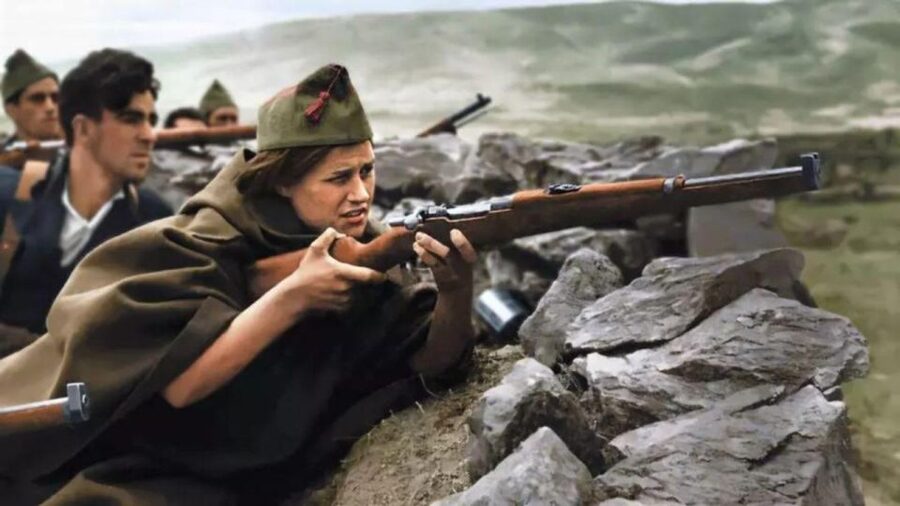
The tour’s central task is sorting out who fought whom and why. You will hear about the forces supporting the Spanish Republic, the military uprising led by Francisco Franco, fascist support from Hitler and Mussolini, anarchist movements, labor organizations, and the International Brigades.
This is not a simple two-sided story. Even those opposing Franco did not always agree on what should replace the existing order. Some wanted to defend the republic. Others wanted social revolution. Still others wanted to preserve political control while fighting the military uprising. These tensions became especially important in Barcelona.
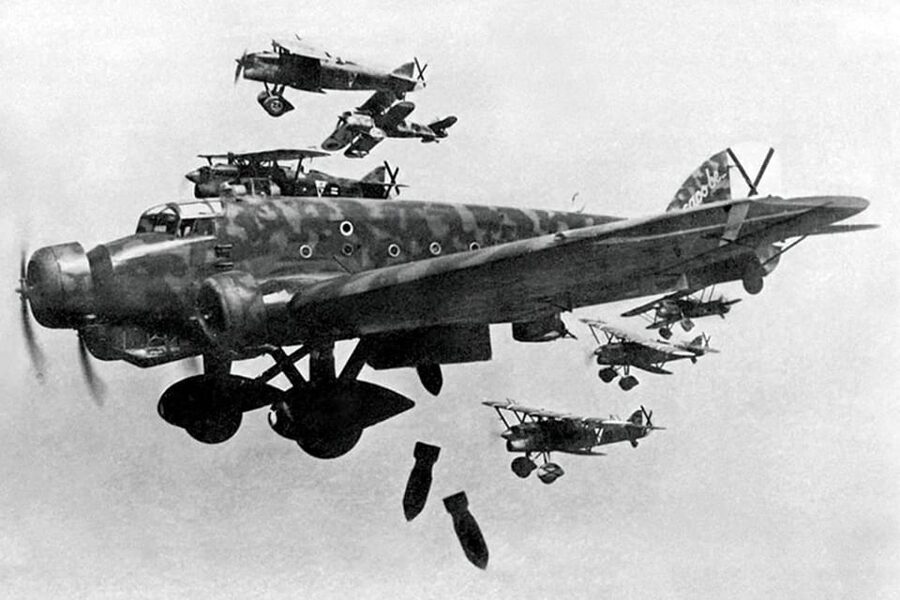
Your guide also explains the role of foreign powers. Hitler’s Germany and Mussolini’s Italy backed Franco, while the International Brigades brought volunteers from other countries to fight for the Republic. The response of the Western Allies is another important part of the story, especially for understanding why the conflict became both a Spanish tragedy and an international warning.
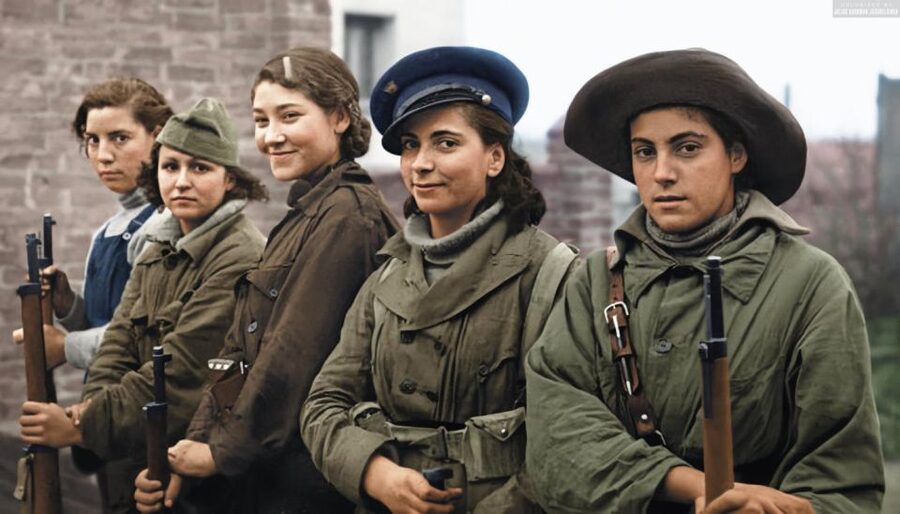
The best part of this section is its human scale. The tour does not focus only on famous leaders. It also looks at workers, women, families, political activists, and ordinary people caught in the violence. One especially worthwhile subject is Mujeres Libres, the anarchist women’s organization. Its story adds a needed view of women’s political work and the limits placed on them, even within movements that claimed to seek social equality.
Seeing Orwell’s Barcelona in the present-day streets
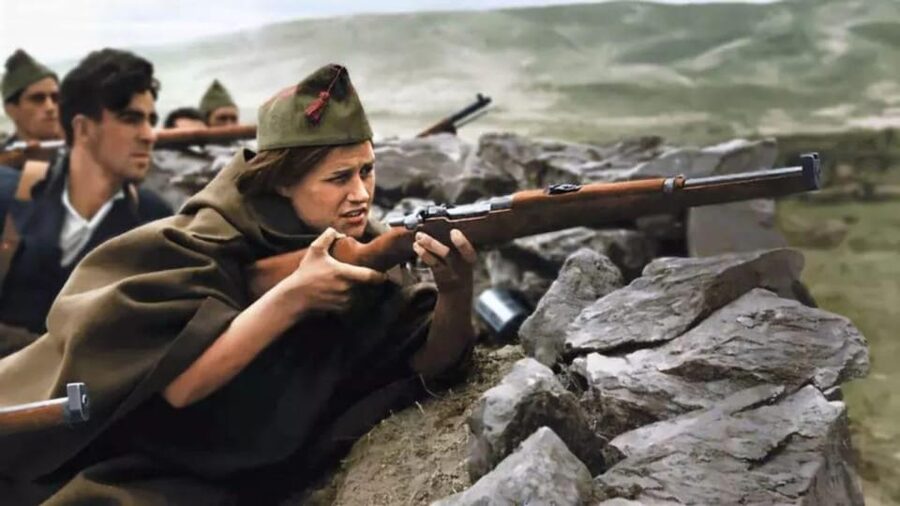
George Orwell’s Homage to Catalonia is one of the best-known personal accounts of the war, and the tour visits places connected with the scenes he described. You do not need to have read the book, but reading it beforehand would add another layer to the walk.
The point is not simply to say that Orwell was once in Barcelona. The streets help explain what he saw: a city where political tension was visible, where armed groups controlled different areas, and where political conflict could turn into street fighting. The tour connects his account with the wider struggle between revolutionary hopes and the effort to maintain a united republican government.
This part should appeal to history readers, but it also works if you know little about Orwell. The guide’s photographs help bridge the gap between his Barcelona and the city you see now. A modern café, shopfront, or square can look ordinary until you learn what happened there.
Do not expect a preserved battlefield or a large memorial at every stop. Much of the power comes from the lack of obvious markers. The city has changed, while the historical meaning has often remained quiet or contested. That makes the guide’s explanation especially important.
More History Walking Tours in Barcelona:
- History and Hauntings of Salem Guided Walking Tour
★ 5.0 · 14,564 reviews - Lisbon: History, Stories and Lifestyle Walking Tour
★ 4.8 · 10,902 reviews - Boston: Freedom Trail History Small Group Walking Tour
★ 5.0 · 6,450 reviews - Historic Charleston Guided Sightseeing Walking Tour
★ 5.0 · 6,216 reviews
Bombings, barricades, and the scars beneath the façades
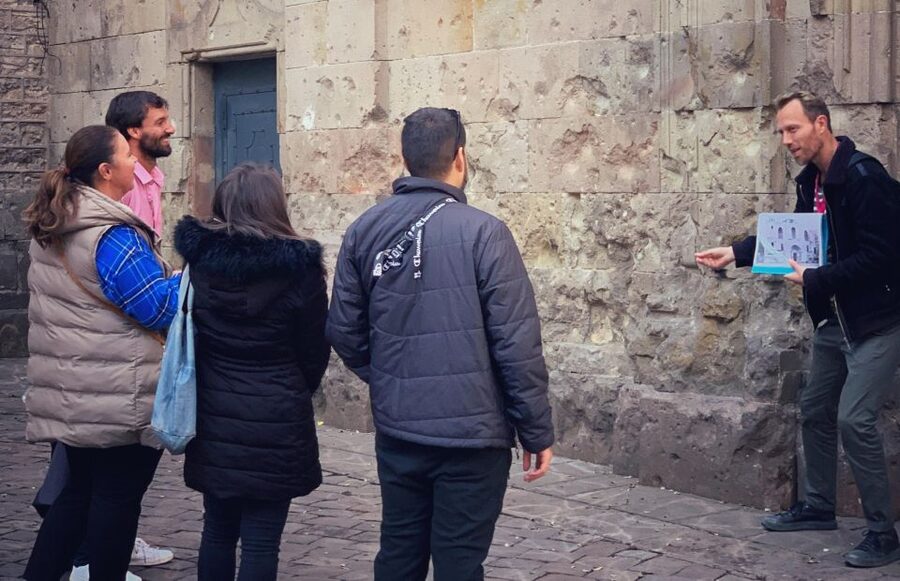
The walk also examines the impact of fascist bombing and fighting in the old town. Barcelona was not an abstract military target. Bombs, shortages, fear, and political violence affected civilian life.
Historical photographs are a major help here. They let you compare the current streets with images from the war and see how much has changed. The visual material also makes the explanations more concrete for anyone who has trouble picturing events from a spoken account alone.
You should expect to stop in public streets rather than enter a series of formal museums. The tour description points out that Barcelona has very few official museums or memorials devoted to this subject. That is both a strength and a limitation.
It is a strength because the city itself becomes the classroom. It is a limitation because the experience depends heavily on the guide’s skill and on your ability to listen while standing outdoors. On a cold or wet day, that can be tiring. One practical report from a January tour noted that the group had to wait outside for a while, so wrap up properly in winter.
From wartime defeat to Franco’s dictatorship
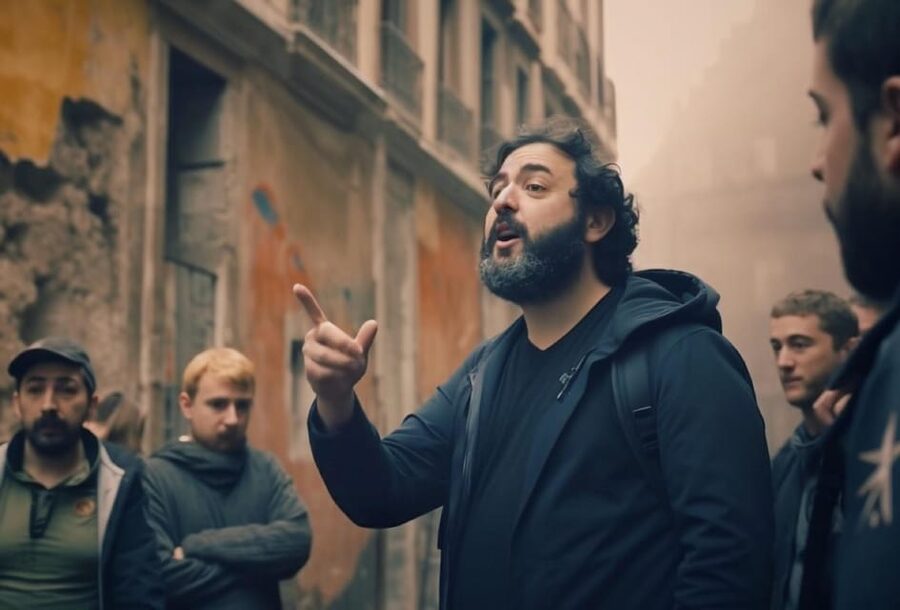
The tour does not stop in 1939. It follows the war into the 36 years of dictatorship that came after Franco’s victory. This wider time frame is essential. The war explains the dictatorship, but the dictatorship also shaped how families remembered, or avoided remembering, the war.
You will consider the role of the Catholic Church, the treatment of political opponents, and the Western response to Franco’s regime. The guide also connects the period to present-day Spain, including the question of historical memory and how the country deals with unresolved trauma.
That modern connection gives the tour more purpose than a standard old-town history walk. You are not only learning why a street mattered in the 1930s. You are also considering why public memory can remain difficult decades later.
The discussion is presented as history rather than a political shouting match. Still, the subject is politically charged. If you want a tour that avoids difficult questions, this is not the right choice. If you want to understand how dictatorship, memory, and current politics remain connected, it is a useful addition to a Barcelona visit.
What the guides do especially well
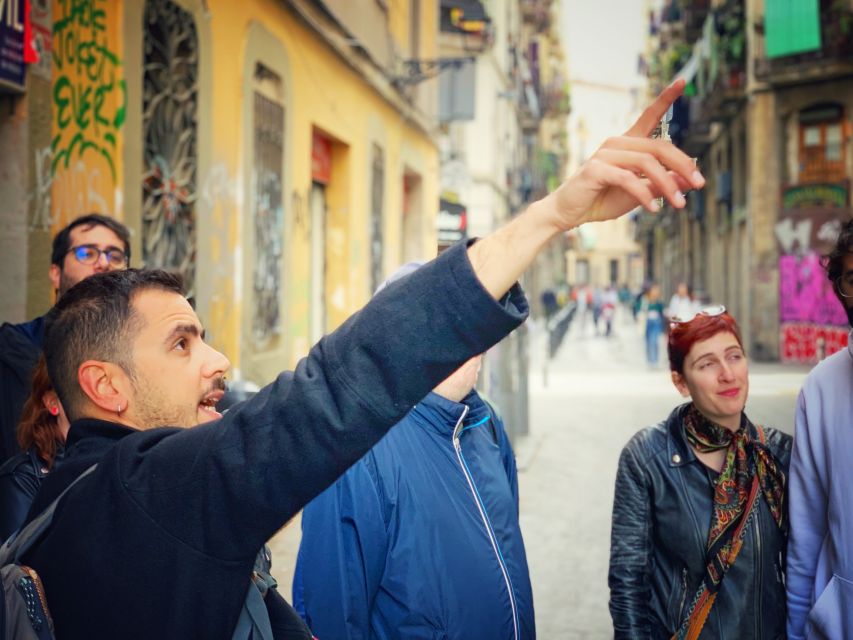
The guide can make or break a walking tour, and the feedback here points to a consistent strength: clear teaching. Javier is praised for making a complicated topic accessible, with a dry sense of humor and an easy manner. Chrisa is repeatedly recognized for organizing difficult material in a way that is simple to follow while still allowing room for detail.
Yannis is described as especially strong on the background to the war, industrial Barcelona, the competing factions, and the years after the conflict. Filipa brings strong preparation and personal interest in Franco’s Spain. Henrieta is noted for answering questions carefully and speaking clear English. Evan is praised for balancing humor, context, and an objective explanation of the factions.
The guides do not all use exactly the same approach, so your experience will have its own character. That is normal for a tour led by several historians and educators. The common thread is the effort to explain rather than impress.
Guides also appear willing to answer questions beyond the basic route. Some extend the conversation a little at the end and offer suggestions for food or other activities. Treat that as a pleasant extra rather than a guaranteed part of the schedule.
How demanding is the walk?
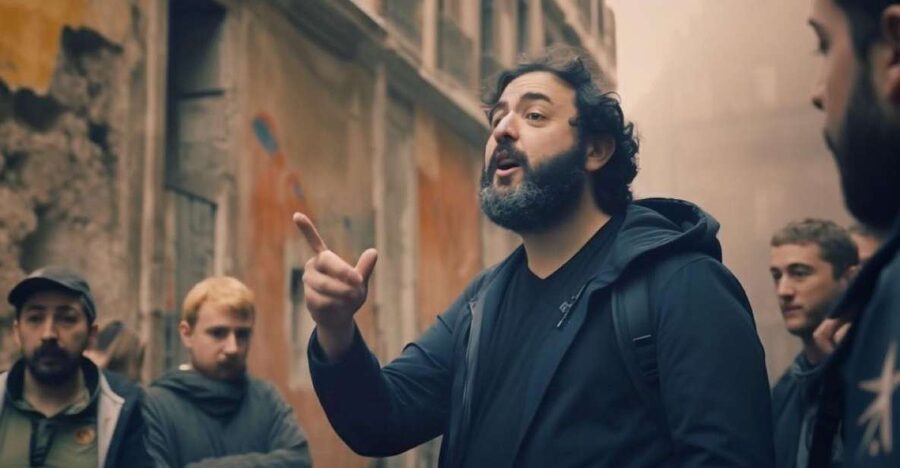
The tour lasts about two and a half hours, but you are not walking continuously. You stroll from one point to another, then stand while the guide explains what happened there. That makes it manageable for many people who would not want a fast-paced city walk.
Comfortable shoes are still a good idea. Old-town streets can be uneven, and standing in one place for long stretches may bother you more than the walking itself. If you have mobility concerns, the activity is listed as wheelchair accessible, though outdoor surfaces and group movement are still worth considering.
The tour runs rain or shine. Bring an umbrella or rain jacket when the forecast is uncertain, and use sun protection in warm weather. The audio equipment can also affect comfort: wireless guiding systems are typically used, depending on the guide, with an additional cost of 1 euro per person payable by cash or card at the start.
The tour is offered in English, with an optional English audio guide. Private groups are available if you want a more personal format or have a group with a particular interest in the subject.
Is 46 dollars a fair price?
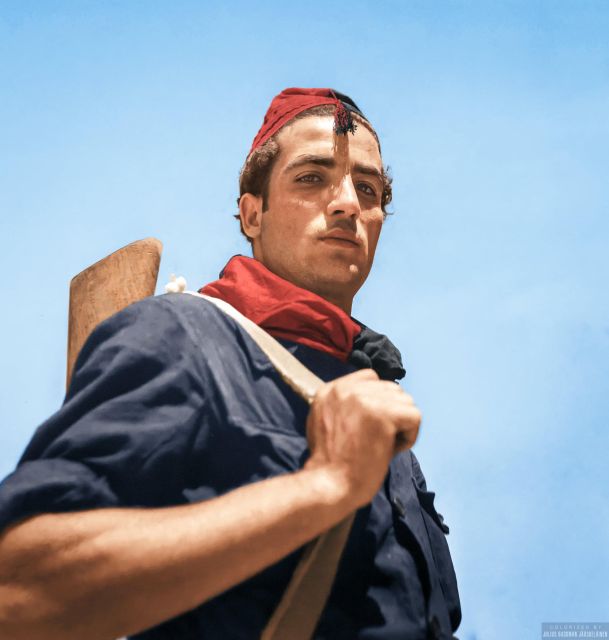
At 46 dollars per person, this is not the cheapest way to spend two and a half hours in Barcelona. You are paying for a specialist walking tour rather than a general orientation stroll, and that distinction matters.
The value comes from the guide’s preparation, the historical photographs, the route through places linked to the fighting, and the effort to explain the war’s political background and later consequences. Since the city has few official museums focused on the Civil War, a good guide fills a real gap.
The cost makes the most sense if you are interested in modern Spanish history, political movements, journalism, literature, or the way cities remember conflict. It also works well early in your stay, since the context may change how you see Barcelona’s historic center afterward.
If you only want pretty architecture and light sightseeing, you may find the price harder to justify. This is a serious educational experience, not a relaxed sightseeing loop with a few war stories added.
Who should take this tour?
I would recommend it most strongly to adults and older teenagers who enjoy history and do not mind political discussion. Several families have brought teenagers and found the subject rewarding, but the activity is not advised for young children because it deals with war, dictatorship, repression, and political violence.
You do not need prior knowledge. The tour is designed to explain the background, and the guides work to make the competing factions understandable. Still, reading a short introduction to the Spanish Civil War or a few chapters of Homage to Catalonia beforehand could help you get more from the detail.
This is also a good choice for repeat visitors. If you have already seen the major Gaudí sites and classic Gothic Quarter sights, the tour gives you a different way to understand the same city. It is especially useful for anyone who wants to look past Barcelona’s tourist façade and consider the lives of workers, activists, women, and families who shaped its past.
Should you book the Barcelona Civil War tour?
Book it if you want a serious, place-based explanation of the Spanish Civil War and Franco’s dictatorship. The strongest reasons are the careful breakdown of rival factions, the Orwell connections, the photographs, and the way the tour links past events to Spain’s current debate over memory.
Skip it if you want a short, cheerful introduction to Barcelona, if you dislike standing outdoors, or if war and political history are not subjects you want during your holiday. For everyone else, the 46-dollar price is reasonable for a specialist guide and a subject that is otherwise hard to encounter through the city’s usual sightseeing circuit.
The tour finishes near Barcelona city hall in the Gothic Quarter, leaving you well placed to continue exploring on foot. Go with an open mind, dress for the weather, and expect to leave with a more complicated, and more honest, view of Barcelona.
FAQ
Where does the Spanish Civil War walking tour meet?
The meeting point is on the sidewalk in front of Foot Locker on Plaça de Catalunya. Your guide will carry a white umbrella.
How long does the tour last?
The tour lasts about two and a half hours and finishes near Barcelona city hall in the Gothic Quarter.
Is the tour conducted in English?
Yes. The live tour guide speaks English, and an optional English audio guide may be available.
Is the tour suitable for children?
Children are allowed to join, but the tour is not advised for young children because it covers politics, war, dictatorship, and related difficult subjects.
Is the tour wheelchair accessible?
Yes, the activity is listed as wheelchair accessible.
Is there an extra fee for audio equipment?
Wireless tour guiding systems are typically used, depending on the guide. An additional 1 euro per person is charged at the beginning and can be paid by cash or card.
New walking tours around Barcelona
- From Barcelona: Montserrat Walking and Horseback Riding Tour★ 4.8 · 81 reviews
- Barcelona: Walking tour with Montjuic Castle & Cable Car★ 4.7 · 832 reviews
- Barcelona: Gothic Quarter Walking Tour w/ Montjuïc Cable Car★ 4.4 · 90 reviews
- Barcelona Walk Like a Local: El Born & Gothic 15+ Sights★ 4.9 · 88 reviews
- Barcelona: Private Walking Tour with a Local★ 4.5 · 202 reviews
- Barcelona: Jewish Quarter 2-Hour Walking Tour★ 4.8 · 333 reviews
- Barcelona: Ramblas, Old Town & Gaudí Houses Walking Tour★ 4.9 · 239 reviews
- Barcelona: Old Town Private Walking Tour of Past and Present★ 5.0 · 160 reviews
Barcelona Walking Tours, side by side.

Barcelona Tapas and Wine Experience Small-Group Walking Tour
Read our review →
Barcelona: Tapas Walking Tour with Food, Wine, and History
Read our review →
Barcelona Helicopter, Sailboat & Old Town Private Walking Tour
Read our review →
Barcelona: Old Town and Gothic Quarter Walking Tour
Read our review →
Barcelona: City Walking Tour with a Local Guide
Read our review →
Barcelona: Helicopter Flight, Boat Ride, and Walking Tour
Read our review →
Barcelona Old Town & Gothic Quarter Small Group Tour
Read our review →