
Review · COPENHAGEN
Copenhagen: Christiania & Christianshavn Guided Walking Tour
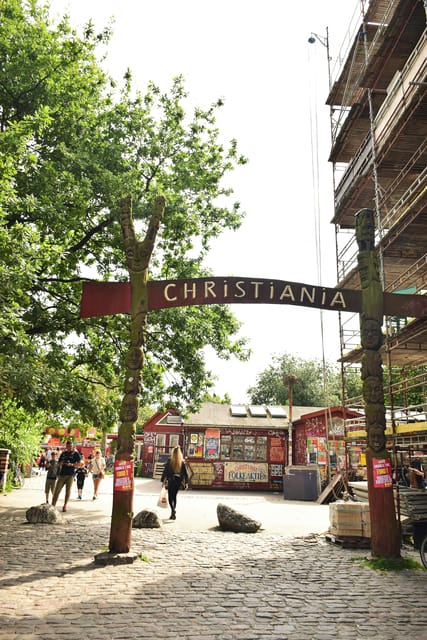
Christiania is the star here: a colorful, unconventional community tucked inside Copenhagen, where street art, alternative lifestyles, and a complicated past give the city a very different face. This walk pairs it with Christianshavn, a canal-side district where old architecture and modern Copenhagen sit close together.
I like the personal angle, especially when the guide grew up in the area. Guides such as Lysander and Christian have shared local memories, social changes, and useful food tips. I also like the small group limit of 10, which keeps the walk conversational. The drawback is simple: two hours is not long enough for a full tour of Christiania, and the experience runs rain or shine.
Key points
- A local view of Christiania: Learn how this unusual community developed and what makes it different from ordinary Copenhagen neighborhoods.
- Canals and old Christianshavn: See handsome streets, waterside buildings, and the Church of Our Saviour.
- A small group of up to 10: The size suits questions and informal conversation.
- Free time in Christiania: You get time to look around on your own rather than staying beside the guide every minute.
- Useful Copenhagen advice: Expect suggestions for Danish and international food, cafes, cultural sights, and ways to avoid tourist traps.
- A two-hour introduction: This is a focused neighborhood walk, not a full-day sightseeing tour.
Why Christianshavn and Christiania work well together
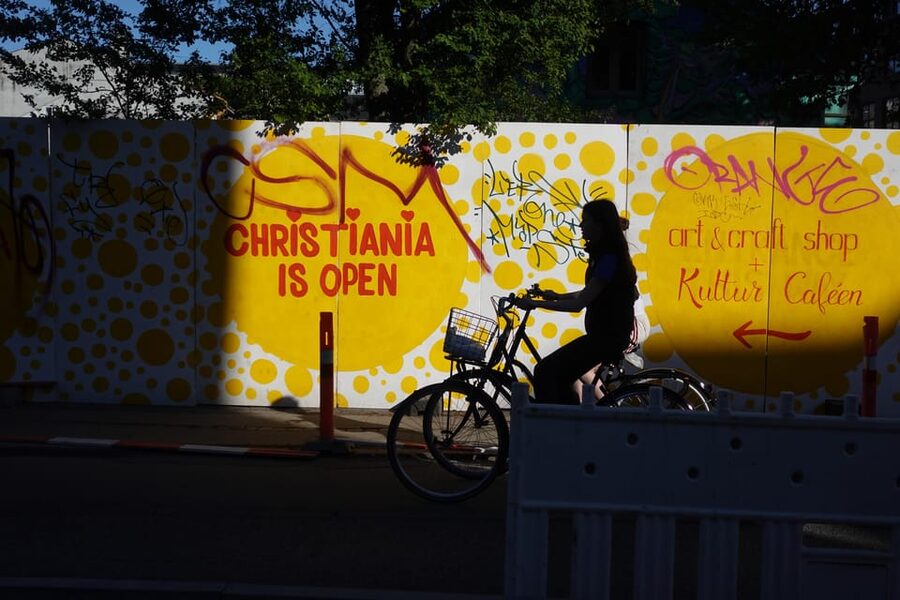
Copenhagen can feel polished, orderly, and carefully designed. Christianshavn and Christiania add some necessary wrinkles. In one short walk, you see canals, historic buildings, a famous church, modern waterfront architecture, and a community built around a different set of social ideas.
That contrast gives the tour its purpose. Christianshavn provides the city framework: streets shaped by waterways, old buildings, and the steady rhythm of daily life. Christiania then shifts the mood. Its art, architecture, and community rules make it feel less like a standard Copenhagen attraction and more like a place you need explained by someone who knows its background.
I would choose this tour early in a Copenhagen visit if you want help getting your bearings in the eastern part of the city. Your guide can point out places to return to, suggest cafes and restaurants, and explain which nearby sights deserve your time. The advice is especially useful if you prefer local neighborhoods to a checklist of major attractions.
The walk is in English and uses a live guide. Guides have included Lysander, Christian, Simon, and Noah. The strongest feature is not a scripted performance but the chance to ask questions and hear first-hand details from someone connected to the area. That local link has made the walk feel more like a conversation with an informed friend than a formal lecture.
More walks with a guide around Copenhagen:
- Copenhagen: City Highlights Walking Tour With Local Guide
★ 4.7 · 316 reviews - Copenhagen: Guided Walking Tour in French
★ 4.9 · 249 reviews - Copenhagen: Guided Walking Tour
★ 4.9 · 154 reviews
Starting near Dronningensgade
The stated meeting point is Dronningensgade 4, outside the blue house connected with Lost With a Local. Check your booking details carefully before setting off, since the information gives two starting-location options but names this address specifically.
Dronningensgade puts you in the Christianshavn area from the start. That matters because you do not spend the opening minutes on a long transfer from a distant meeting point. The tour begins where the neighborhood story is already visible in the streets and canals.
Plan to arrive with comfortable shoes and a little time to spare. This is a walking tour with several stops, not a vehicle-based sightseeing trip. Transportation is not included, and neither are food or drinks, so bring water if you need it and eat before the walk if you prefer not to wait until afterward.
The guide may be waiting outside the blue house, so do not simply look for a large tour bus or a standard visitor center. Small walking tours often depend on a clear meeting point, and this is one occasion when reading the meeting instructions closely pays off.
Christianshavn’s canals and the Church of Our Saviour
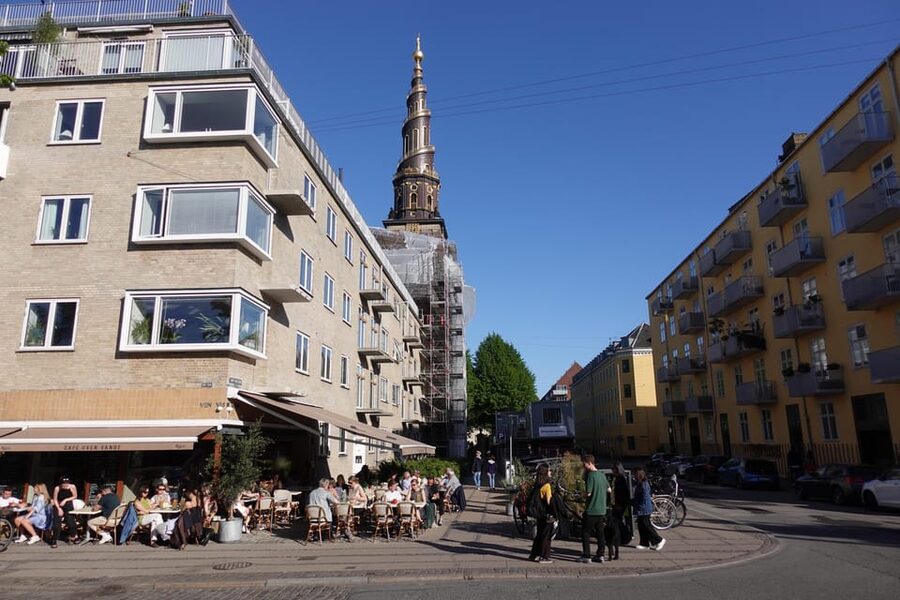
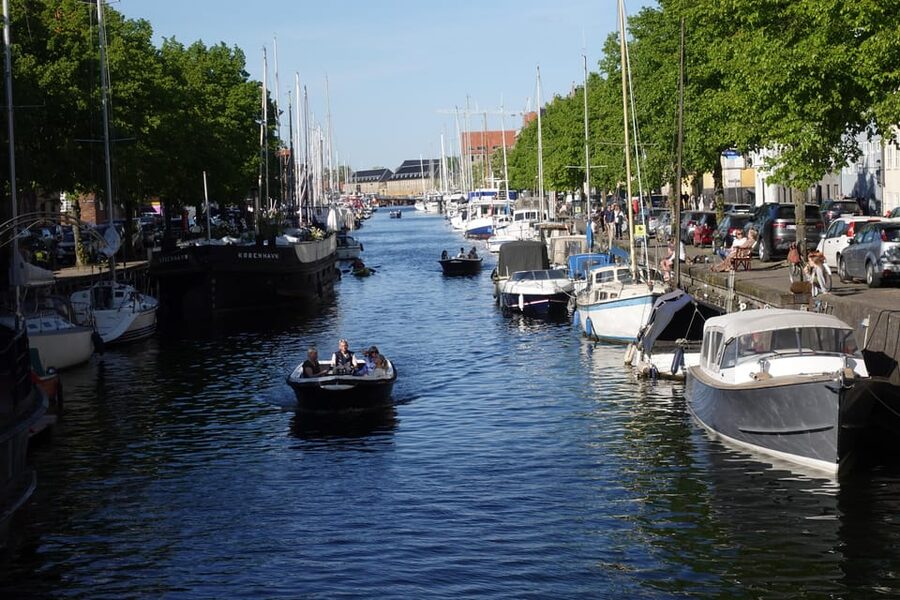
The first part takes you through old Christianshavn. The area is known for its canals, unusual street plan, and distinctive buildings. Here, the pleasure is in noticing how the water shapes the neighborhood. The canals are not just a scenic backdrop. They help explain the district’s character and its long connection with trade, housing, and city growth.
Your guide fills in the background as you walk. Expect a mix of local history, architecture, and everyday observations rather than a long list of dates. That approach suits Christianshavn, where a building or canal becomes more interesting once you understand how it fits into the neighborhood.
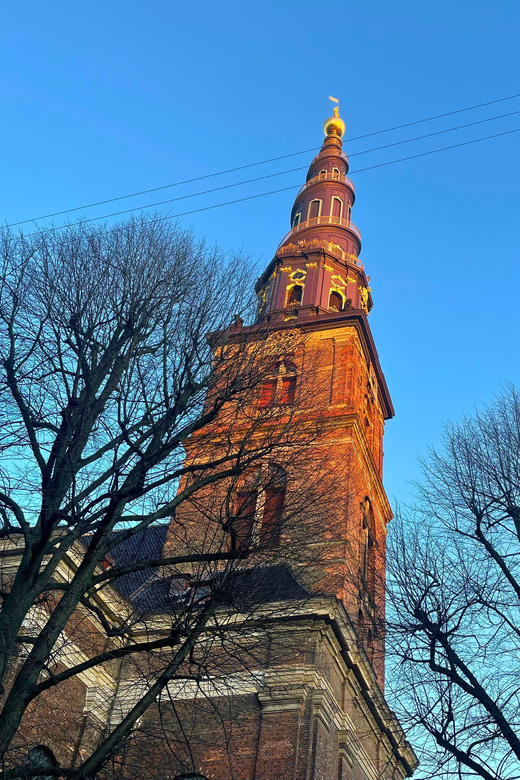
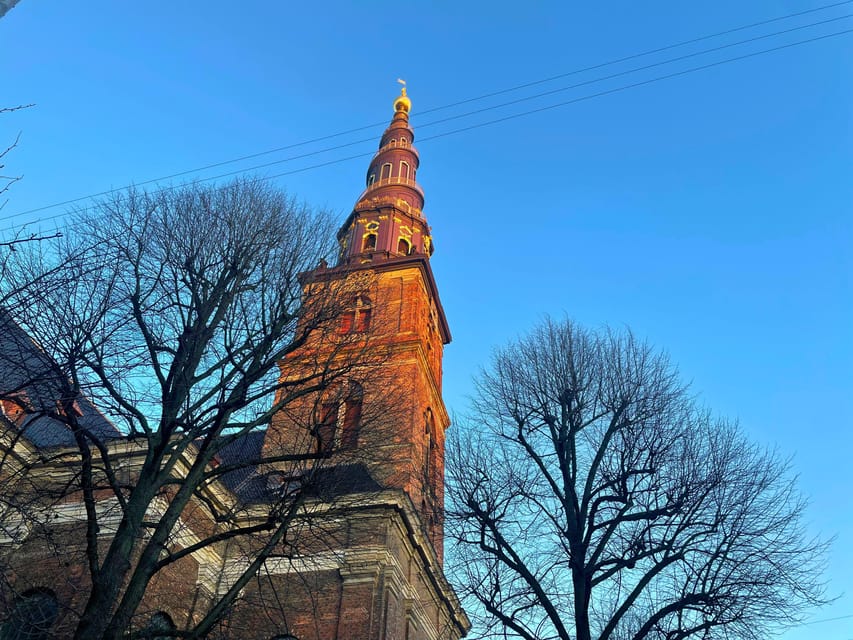
The Church of Our Saviour receives about 15 minutes. Its presence gives the walk a clear landmark and a chance to talk about one of the area’s best-known buildings. The stop is short, so do not expect an extended interior visit or time for a full architectural study. Instead, treat it as a compact explanation within a broader neighborhood walk.
I like this opening because it gives Christiania a useful setting. You first see a formal, established part of Copenhagen. Then you move into a community that developed outside the usual pattern. Without the Christianshavn section, Christiania could seem like an isolated oddity. Together, the two stops show how close very different versions of city life can be.
Entering Freetown Christiania
Christiania is the main reason to book this experience. The community is known for its anti-capitalist outlook, colorful street art, alternative lifestyles, and unusual social history. It is not presented as a standard museum exhibit. You walk through an active neighborhood, and that means the tone can change from one corner to the next.
The guide explains the story behind the community and the forces that shaped it. This is where a local voice helps. Christiania is easy to reduce to photographs, murals, or a quick joke about its reputation. A thoughtful explanation gives you a better sense of the tensions and changes that have affected the area.
Expect around 30 minutes of free time in Christiania. This is a good design choice. You receive context before exploring, then get a little space to look around at your own pace. You can take in the artwork, notice the informal buildings, and absorb the atmosphere without having to stay in a tight group every second.
Keep your expectations realistic. Thirty minutes is enough for an introduction, not an exhaustive examination of every path and corner. The community is also not a theme park built for sightseeing. Be respectful, follow local rules, and pay attention to the guide’s instructions.
Some people will find Christiania fascinating because it offers a view of Copenhagen outside the polished center. Others may find parts of it rougher or less predictable than conventional attractions. I see that as part of the point, but it also means this tour is best for someone open to a neighborhood with strong character rather than someone seeking a tidy, conventional attraction.
More walking tours around Copenhagen:
- Private Walking Grand Tour of Copenhagen
★ 5.0 · 3,953 reviews - Copenhagen Highlights Walking Tour
★ 5.0 · 2,324 reviews - Politically Incorrect Private Highlights Walking Tour
★ 5.0 · 1,244 reviews - Copenhagen: Group Walking Tour – City Highlights – 2 Hours
★ 4.7 · 1,088 reviews
From alternative community to modern waterfront
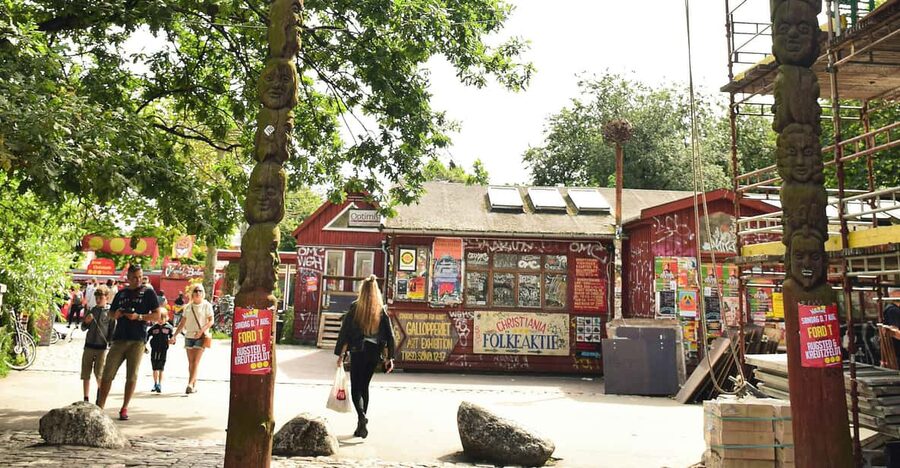
After Christiania, the walk moves toward the modern side of Christianshavn. This change in mood is one of the route’s useful features. You are not left with only one image of the district. Instead, you see old canals, an alternative community, and contemporary city development within the same compact area.
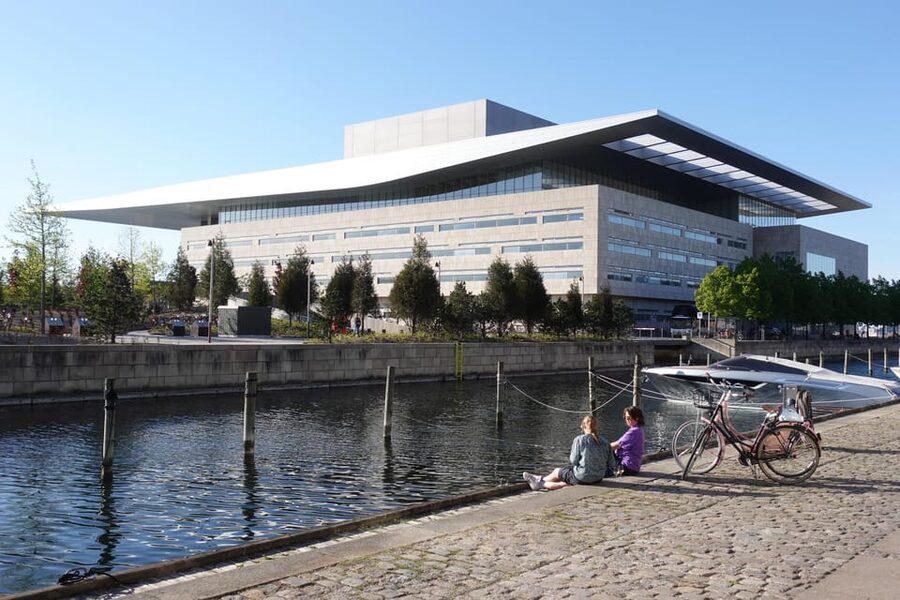
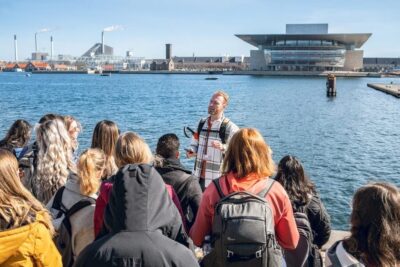
The Copenhagen Opera House receives about 15 minutes. From this part of the route, the focus is on the modern waterfront and the contrast it creates with the older district. The stop gives you a chance to consider how Copenhagen has continued to change while retaining older neighborhoods nearby.
Again, the time is brief. Do not book this expecting a guided tour inside the opera house or a performance. It is a neighborhood stop and a visual counterpoint to Christianshavn and Christiania.
The stated finish is at Strandgade 95, 1401 København, Denmark. The meeting information also says the activity ends back at the meeting point, so confirm the exact finishing arrangement when you book. Either way, the route remains concentrated in this part of Copenhagen, which makes it easy to continue exploring nearby on your own afterward.
What the small group changes
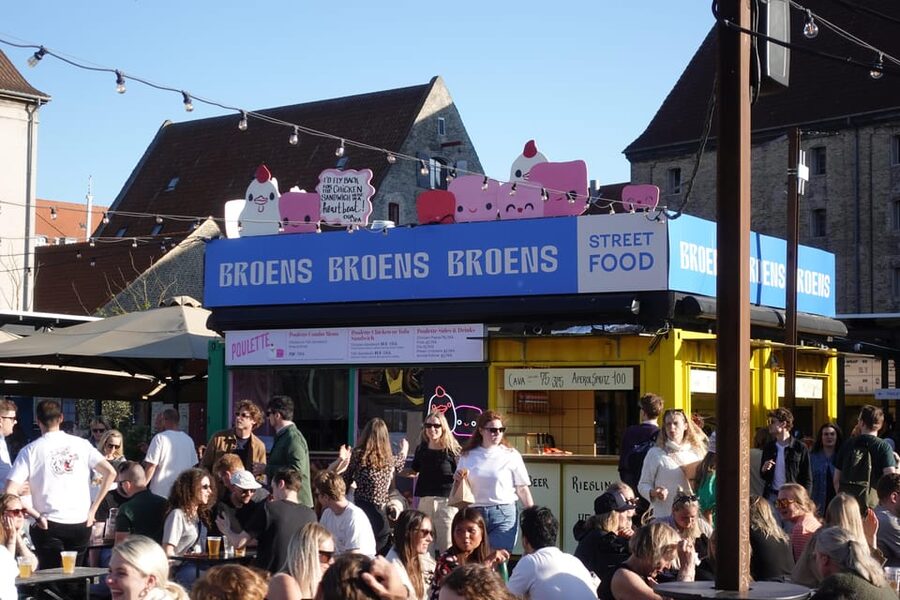
The group limit is 10 people. That is small enough for the guide to hear questions without shouting across a crowd, and it leaves room for a more relaxed pace. Several guides, including Lysander and Christian, have been praised for being friendly, clear, and easy to talk with.
That personal tone is important here. Christiania raises questions that do not fit neatly into a standard sightseeing script. You may want to ask about the community’s past, social changes in the area, or how local life differs from the image presented in guidebooks. A small group makes those questions more practical.
The walk has also worked well in difficult weather. It takes place rain or shine, and one guide continued despite heavy rain. That shows commitment, but it also gives you a clear packing instruction: bring weather protection. Copenhagen weather can make an exposed canal walk less pleasant if you arrive unprepared.
The pace has been described as comfortable, with enough information to keep the walk interesting without turning it into a lecture. Still, it remains a walking experience, and the surface conditions around an old urban district may not feel as smooth as a modern museum floor. The activity is listed as wheelchair accessible, but you may still want to confirm the precise route and current conditions if you need specific access arrangements.
The value of $49
At $49 per person, this is not the cheapest way to see Christianshavn. You are paying for a two-hour guided walk, not admission to a major attraction or a meal. The value rests on the local interpretation, the small group, and the practical advice you receive along the way.
I think the price is easier to justify if you want context. You can walk through Christianshavn and Christiania on your own for free, but you would not necessarily understand the background or know which details matter. You also would not have a local person pointing out food options and nearby cultural stops.
The price is less convincing if you mainly want free time for photography or a long independent visit to Christiania. In that case, a self-guided walk may suit you better. This experience is for someone who wants a compact explanation first, followed by a short period of independent exploration.
The flexible booking terms help if your Copenhagen schedule is still moving. You can reserve now and pay later, and cancellation is free up to 24 hours before the activity for a full refund. Those conditions reduce the risk of booking a walking tour before you know exactly how your days will fit together.
Who will enjoy this walk most
I would recommend it to first-time Copenhagen visitors who want something beyond the central sights. It is also a good fit if you have already seen the main center and want a neighborhood with more edge and local character.
The tour suits you particularly well if you:
- Prefer small groups to large organized outings
- Like asking questions as you walk
- Want an explanation of Christiania rather than a quick photo stop
- Enjoy architecture, canals, street art, and social history in the same outing
- Appreciate restaurant, cafe, and cultural suggestions from a local guide
- Have only two hours for a focused introduction
Families and mixed-age groups may also find the length manageable, though the subject matter and setting are better suited to people comfortable with an alternative community and a less polished urban environment.
You may want another option if you need a long visit inside the Church of Our Saviour, a full tour of the opera house, or extensive independent time in Christiania. Neither major building is the central attraction of this walk. The neighborhood itself is the subject.
Practical advice before you go
Wear shoes suited to two hours on foot. Dress for changing weather because the tour runs in rain or shine. Do not count on transportation, food, or drinks being supplied.
Check the starting point, especially the instruction to meet outside the blue house at Dronningensgade 4. Also verify the end point, since the route information names Strandgade 95 while the meeting details refer to returning to the meeting point.
Keep your camera ready, but do not let it replace the explanation. The street art and canals are easy to photograph. The more useful part of the tour is understanding why the districts look and feel so different.
Afterward, use the guide’s recommendations while the area is still fresh in your mind. You may receive suggestions for Danish food, international restaurants, cafes, cultural sights, and ways to avoid places aimed only at passing sightseers. Those tips can make the $49 feel more worthwhile because they continue helping after the walk ends.
Should you book the Christianshavn and Christiania walk?
Book it if you want a local-led introduction to two contrasting Copenhagen districts, especially if Christiania interests you but you would like context before exploring alone. The small group, personal stories, manageable two-hour length, and practical food advice make it a useful first look.
Skip it if your priority is a long, independent visit or a detailed tour inside the church or opera house. You can see those landmarks only briefly here.
For most people with an open mind and a free afternoon, I think the tour earns its place in a Copenhagen plan. It shows you a side of the city that a standard center walk will not, and it gives you enough local guidance to keep exploring after the guide says goodbye.
FAQ
How long is the Christianshavn and Christiania walking tour?
The tour lasts two hours.
What language is the tour conducted in?
The live tour guide speaks English.
How much does the tour cost?
The listed price is $49 per person.
Where does the tour start?
The stated meeting point is Dronningensgade 4, outside the blue house connected with Lost With a Local. Check your booking details for the exact starting location.
What places are included on the route?
The route includes old Christianshavn, the Church of Our Saviour, Freetown Christiania, the Copenhagen Opera House, and a finish listed at Strandgade 95.
Is there free time in Christiania?
Yes. The visit to Freetown Christiania includes about 30 minutes of free time.
What happens if it rains?
The tour operates rain or shine, so bring suitable weather protection.
New walking tours around Copenhagen
- Copenhagen’s oldest and original food tour (Est. 2011).★ 4.8 · 442 reviews
- Copenhagen: Hygge and Happiness Culture Walking Tour★ 4.9 · 539 reviews
- Copenhagen: Private Walking Tour★ 4.6 · 174 reviews
- Copenhagen: Private Walking Tour with a Local★ 4.6 · 249 reviews
- Copenhagen: Highlights & Hygge Guided Walking Tour w/ Lunch★ 4.9 · 75 reviews
- Copenhagen: Politically Incorrect Beer Tasting Walking Tour★ 4.8 · 239 reviews
- Copenhagen: City Highlights Walking Tour with Local Guide★ 4.8 · 87 reviews
- Copenhagen: Guided Walking Tour in French★ 4.9 · 249 reviews
Copenhagen Walking Tours, side by side.
Copenhagen: Group Walking Tour – City Highlights – 2 Hours
Read our review →
Copenhagen: Hygge and Happiness Culture Walking Tour
Read our review →
Copenhagen’s oldest and original food tour (Est. 2011).
Read our review →
Copenhagen: City Highlights Walking Tour With Local Guide
Read our review →
Lists this walk sits on