
Review · MOROCCO
Fez: Guided Walking Tour of the Historic Medina
Fez is easiest to understand from inside its maze of lanes, and this walk puts you there with a local guide who knows how the city works. Abdul is the name most often associated with this experience, and his route goes beyond the headline sights to workshops, food stalls, neighborhood streets, and quieter parts of the medina. The craft work is a real highlight, especially when you see how much hand labor goes into leather, metal, wood, and other traditional goods.
I like the way the tour joins major monuments with ordinary daily life, rather than treating the medina as one large shopping street. I also like the price: at $22 per person, four hours with a guide, workshop visits, food stops, and time in the souks is strong value. The main catch is that the walk can last much longer than four hours, and the lanes are difficult for anyone with limited mobility.
Key points
- Local insight: Abdul is frequently assigned and was born and raised in or near the Old Medina, giving the walk a personal local angle.
- Historic architecture: Visit Bou Inania Madrasa and Al-Attarine Madrasa, two of Fez’s key Islamic-era buildings.
- Traditional leatherwork: See the tanneries and learn how leather processing methods have passed from one generation to the next.
- Working craft shops: Enter artisan workshops and watch people make traditional Moroccan goods by hand.
- Food along the way: The route includes Moroccan lunch and may include small tastes from local food stalls, though food is not listed among the official inclusions.
- Flexible finish: Return to your hotel or keep exploring the souks and medina after the guided walk.
Why a local walk makes Fez easier to read
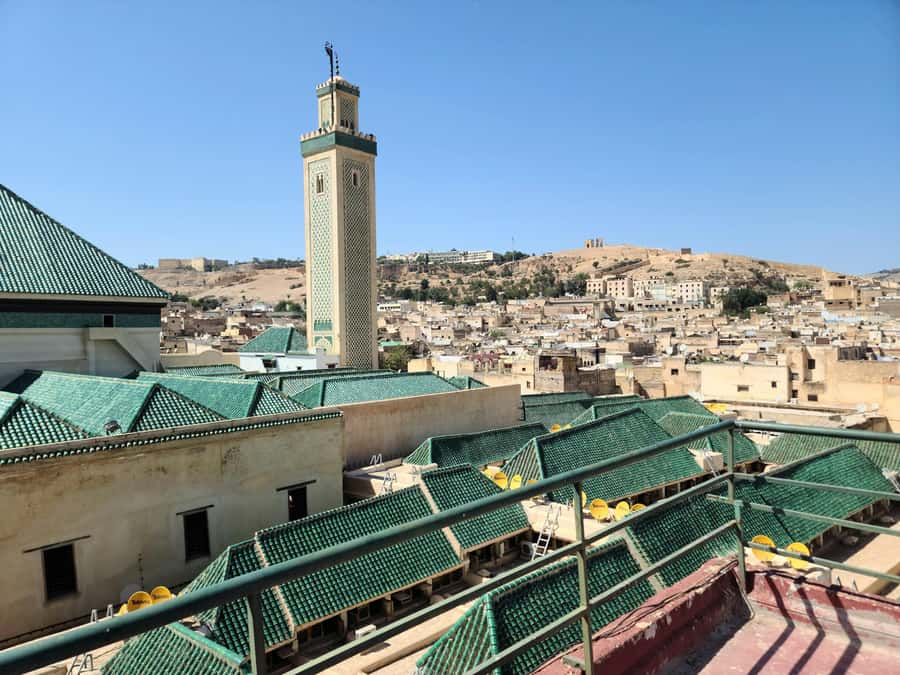
Fez’s Old Medina is not simply a historic quarter with a few monuments placed along a tidy route. It is a working city of narrow passages, shops, homes, workshops, mosques, schools, markets, and sudden changes in atmosphere.
That makes it rewarding, but also confusing. You can walk for ten minutes and lose your sense of direction. A guide helps you notice what you would otherwise pass without understanding: a craft being made behind an open doorway, a side lane used mainly by local residents, or a market selling everyday goods rather than souvenirs.
Abdul receives the strongest praise in the supplied information, and several people describe him as someone born and raised in the medina. His personal connection matters because he can explain Fez through family stories and daily life, not only dates and building names. Other guides named in the supplied material include Reda and Ahmed, so the exact person may depend on the date you book.
This is not the best choice if you want a short, tightly timed stroll from one monument to the next. It suits you better if you want conversation, detours, local contacts, and time to stop when something catches your eye.
More Old Town Walking Tours in Morocco:
- Marrakech: Colorful Medina Souks Guided Walking Tour
★ 4.7 · 2,470 reviews - Marrakech: Saadian Tombs & Bahia Palace, Medina Guided Tour
★ 4.6 · 1,989 reviews - Explore Fes: Unforgettable Guided Walking Tour of the Medina
★ 4.7 · 1,339 reviews
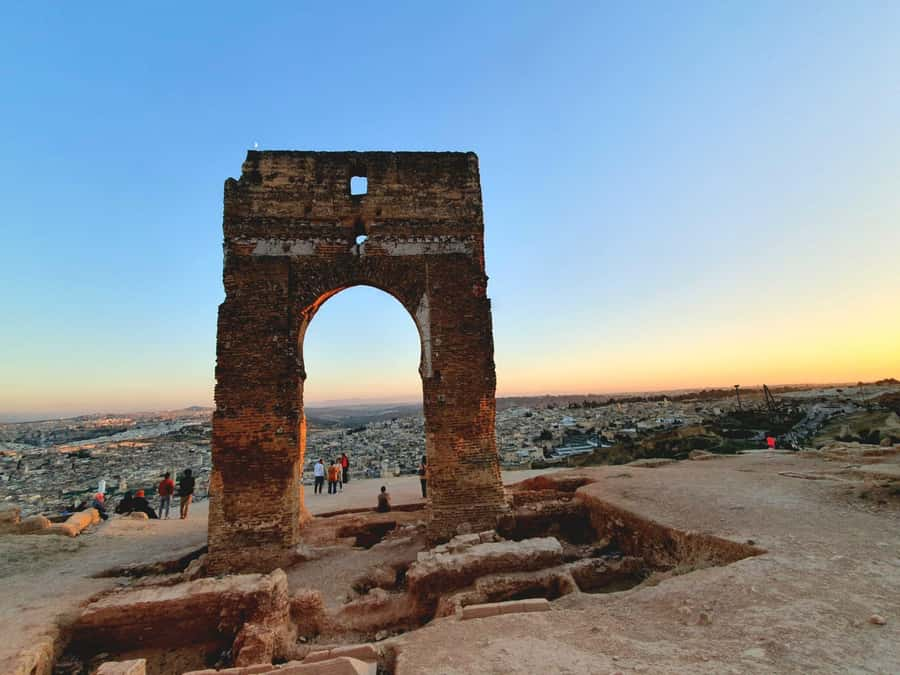
Starting at Bab Guisa
The meeting point is the arch at Bab Guisa. Look for a guide in uniform or holding a sign with the activity provider’s logo, CASACADO VOYAGEURS.
Bab Guisa is a useful starting point because you enter the medina on foot rather than beginning with hotel pickup. Hotel transportation is not included, so arrange your own way to the gate and leave a little extra time to find the guide.
At the start, expect a short explanation of the route and the day’s plan. The exact order can change, particularly if a workshop, market, food stop, or local event is active. That flexibility seems to be part of the experience, but it also explains why the walk often lasts longer than the advertised four hours.
Bring a charged phone, since it can help with meeting arrangements and navigation after the tour. Do not bring large luggage or an oversized bag. You will have an easier time with comfortable shoes, sun protection, and water, although water is not specifically listed as supplied.
Bou Inania and Al-Attarine madrasas
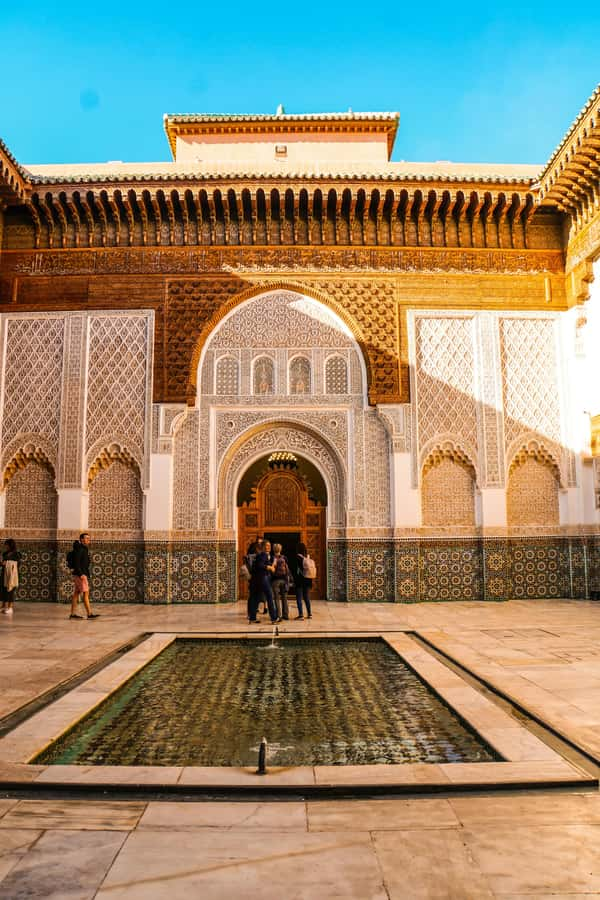
The first main section focuses on two of Fez’s best-known religious schools, Bou Inania Madrasa and Al-Attarine Madrasa.
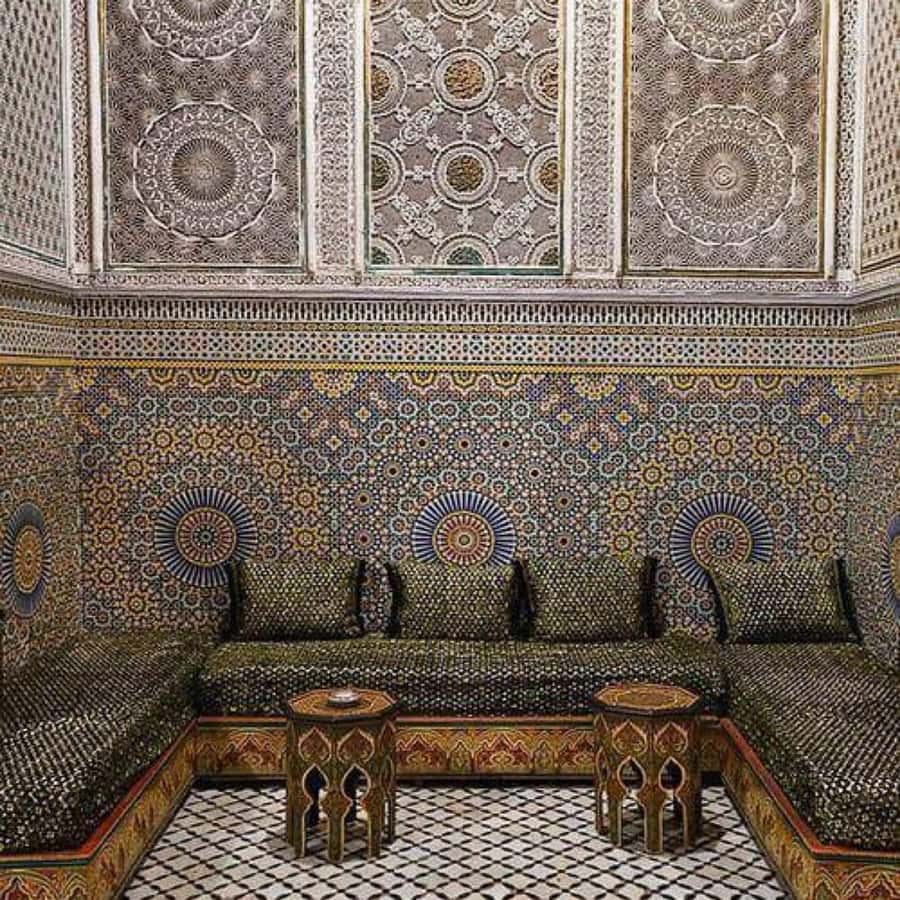
These buildings are worth seeing for their carved plaster, tilework, wood details, and carefully arranged courtyards. A guide gives the decoration a purpose and context, helping you look beyond the general impression of colorful Moroccan design. You will hear how the buildings fit into the history of Fez and why they matter as parts of the city’s religious and educational life.
Do not expect a museum-style visit with every room guaranteed to be open. The activity description promises visits to these landmarks, but opening conditions and the pace of the group can affect how long you spend inside. The value here comes from combining the architecture with a walk through the surrounding medina.
This is also where a guide can help you get your bearings. After seeing the formal beauty of the madrasas, you move into the more active streets, where the city’s working character becomes clearer.
The tanneries and the smell of working leather
The traditional tanneries are one of the tour’s most memorable stops. Leather has been processed in Fez for centuries, and the methods you see are described as techniques handed down through generations.
You may be shown how hides move through stages of cleaning, coloring, and preparation. The sight is striking, but this is not a polished attraction. Tanneries are working places, and the smell can be strong. If you are sensitive to odors, bring that expectation rather than assuming this will feel like a quiet museum visit.
The stop is valuable because it connects a finished souvenir to the labor behind it. A leather bag or belt in a shop can look simple. Seeing the work involved gives you a better basis for judging quality and price later.
Use care around crowded lanes and viewing areas. Keep your belongings close, listen to the guide, and do not rush to buy the first leather item you see. The walk is more useful when you treat the tannery as a lesson in production, not only as a shopping stop.
More History Walking Tours in Morocco:
- Fes: A Guided Walking Tour Through the Historic Medina
★ 4.4 · 97 reviews - Fez: Walking Tour in the Ancient City of Fez
★ 4.8 · 73 reviews - History and Hauntings of Salem Guided Walking Tour
★ 5.0 · 14,564 reviews - Lisbon: History, Stories and Lifestyle Walking Tour
★ 4.8 · 10,902 reviews
Souks, street food, and a Moroccan lunch
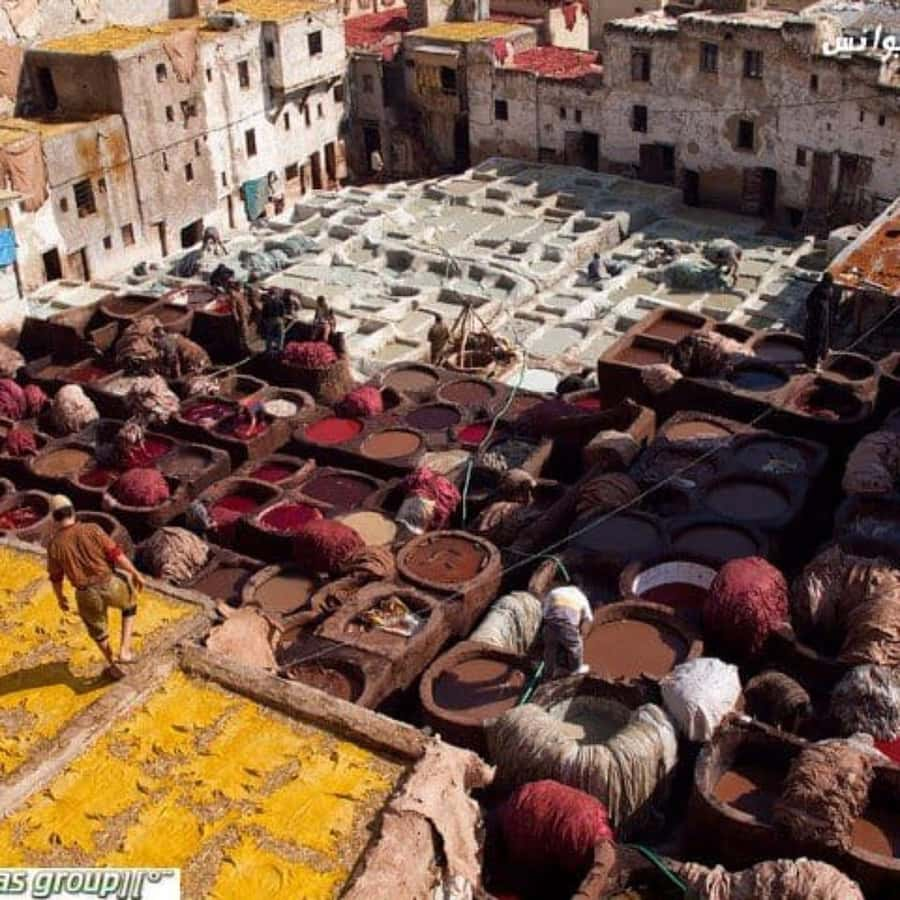
After the historic buildings and tanneries, the route moves through the souks. This is a chance to watch the medina function as a local market, with people shopping, working, carrying goods, and moving through spaces that can be too narrow for a normal city street.
You will have time to browse and shop for souvenirs. The guide can help you understand what you are looking at and may point out shops connected to local artisans. Several accounts describe stops for Moroccan sweets, fruit, nuts, pancakes, and other small tastes from food stalls.
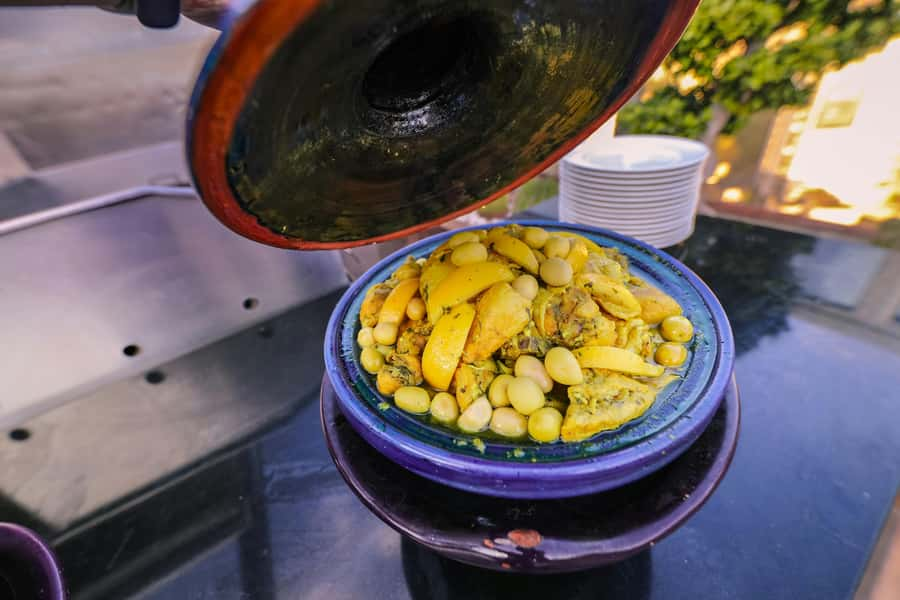
The experience also includes a Moroccan lunch at a local restaurant. The supplied details do not specify the exact menu or state that the meal is included in the $22 price, so plan to pay for lunch unless your booking confirmation says otherwise. That small point matters when comparing the tour with other food-inclusive activities.
I like the food element because it breaks up a long walk and gives you another way to experience Fez. Still, anyone with allergies or strict dietary needs should ask the guide or restaurant about ingredients before eating. No special menu is promised.
Shopping is part of the route, but you should not feel that you must buy something. Some people found the craft visits relaxed and free of pressure, while still receiving help with quality and bargaining. If you plan to buy leather, pottery, textiles, metalwork, or other goods, it may be smart to take notes during the tour and compare items before making your final purchases.
Artisan workshops where the work happens
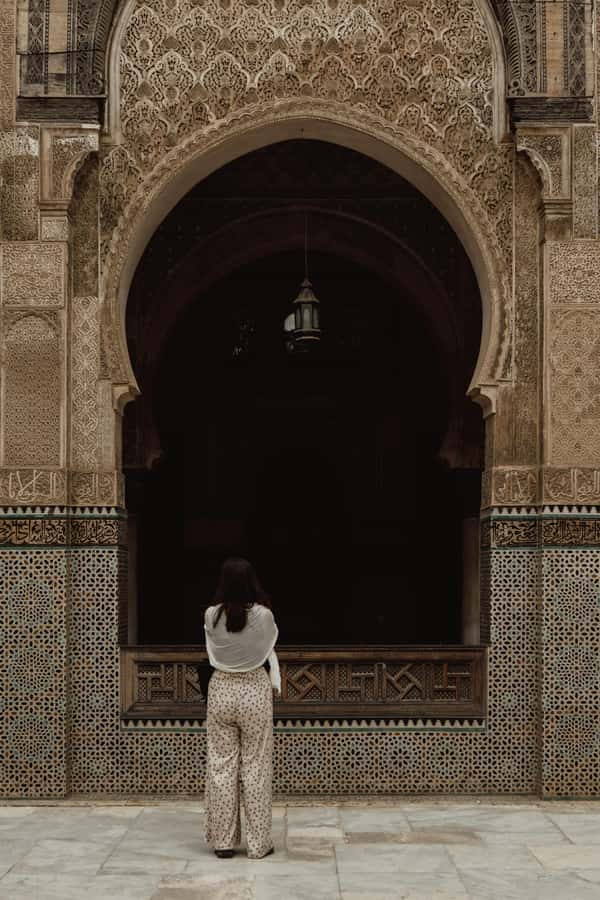
The workshop visits are among the strongest reasons to book this walk. You are not only shown finished objects in a shop. You can watch artists and craftspeople working with traditional methods and ask questions about how the goods are made.
The exact workshops can vary, but the emphasis is on seeing production up close. You might watch a craftsperson shape, cut, stitch, carve, or decorate an item, depending on the route that day. The point is not to guarantee one particular craft, but to show you the time, skill, and repeated handwork behind Moroccan souvenirs.
This changes the way you shop. After seeing an artisan at work, you can better understand why two items that look similar may have different prices. You may also decide that a smaller, well-made object is a better purchase than a large decorative piece chosen in a hurry.
There is an important practical distinction here. Workshops are also commercial spaces, so you may be invited to look at goods for sale. The information supplied for this activity indicates that buying is not required, and the strongest accounts describe the visits as comfortable rather than forced. Still, set your own budget before you go.
A route that can run six or eight hours
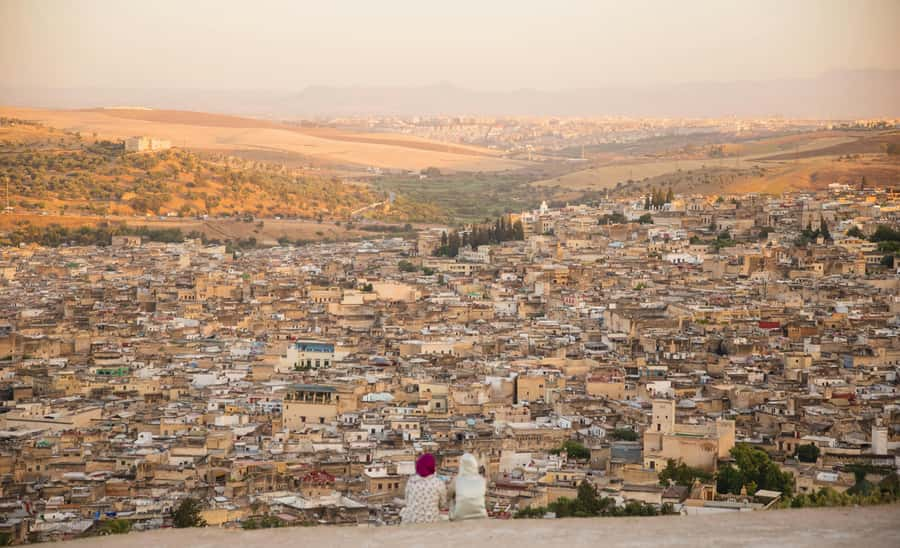
The advertised duration is four hours, but the route information also refers to a six-hour day, and several accounts describe walks lasting five, six, seven, or even eight hours. This is the most important timing detail to understand before booking.
Abdul appears to take his time when the group is interested. He may stop for food, answer questions, make an extra neighborhood visit, show a viewpoint, or spend longer at a workshop. That can turn a basic half-day walk into the main event of your day.
I would not schedule a train, dinner reservation, or separate tour immediately afterward. If you need the tour to finish at a fixed time, tell the guide at the beginning and confirm what can realistically fit into the available hours.
The long duration is a benefit if you want a personal introduction to Fez. It is a drawback if you have children who tire quickly, limited energy, or a tightly packed itinerary. One account described a stroller being managed with care, but the official information says the activity is not suitable for people with mobility impairments. The medina has narrow lanes, uneven surfaces, steps, and constant movement, so plan conservatively.
What the $22 price really buys
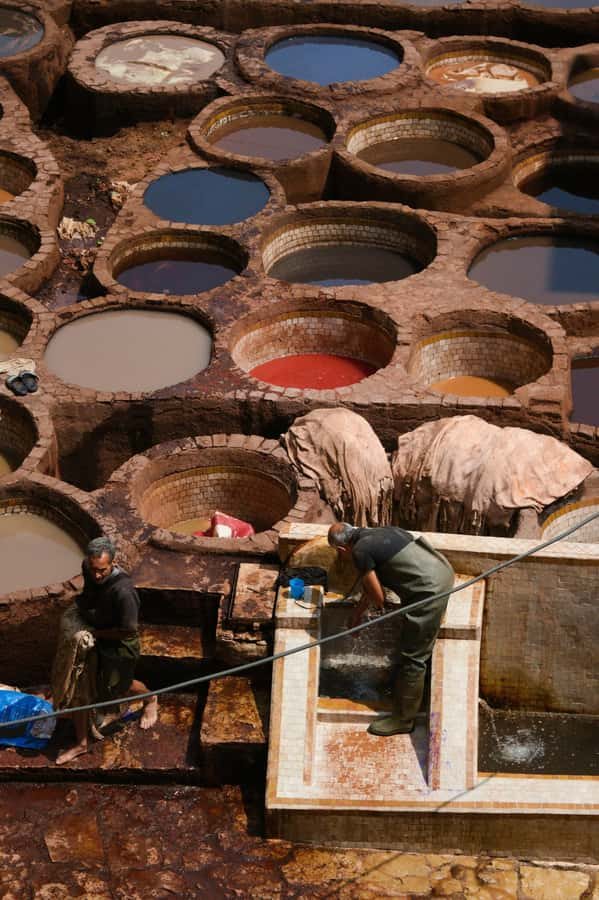
At $22 per person, the tour is inexpensive for a guided introduction to Fez. The price includes the walking tour, a live guide, and visits to workshops. Hotel pickup and drop-off are not included, and lunch is not clearly listed as included.
The value comes less from the number of monuments and more from access and interpretation. You can find Bou Inania Madrasa and Al-Attarine Madrasa on your own. You can also wander through the souks. What is harder to arrange alone is a smooth route through local streets, introductions at workshops, explanations of craft methods, and context for what you are seeing.
The guide may also help with practical matters such as finding a particular shop, understanding prices, or negotiating. Do not treat that as a guaranteed service, but it can be a useful bonus when the guide has strong local relationships.
For the best value, book this early in your Fez stay. You will learn how the medina is arranged, get ideas for food and shopping, and have a better sense of which places you want to revisit independently.
Who should book this walk
This tour fits first-time visitors who want help finding their way through Fez. It also suits people who care more about local life and handmade goods than about collecting a checklist of monuments.
Families can benefit from a guide who knows how to move through the lanes, but the physical demands should not be underestimated. Wear sturdy shoes, avoid large bags, and bring a hat, sunscreen, and an umbrella if weather is uncertain. Sleeveless shirts are not allowed, so dress with the medina’s religious and cultural setting in mind.
The available guide languages are English, French, and Spanish. Abdul’s English is described as self-taught and strong, while other assigned guides may have different styles. If language matters to you, confirm your preferred language when booking.
The walk is less suitable for anyone who dislikes shopping stops, strong smells, uneven streets, or flexible timing. It is also not a good match for a traveler who wants a private vehicle or hotel-to-hotel service.
Should you book the Fez medina tour?
Book it if you want Fez explained by someone who knows its streets, people, food, and crafts from close range. At $22, it offers unusually good value, especially if you use it as your first major activity in the city.
Go in expecting a real walking day, not a polished four-hour circuit. Allow extra time, keep your plans afterward loose, and bring shoes that can handle steps and uneven lanes. If you want monuments only, you can explore them independently. If you want the medina to feel less confusing and more human, this is the stronger choice.
FAQ
Where does the Fez walking tour meet?
The meeting point is at the arch of Bab Guisa. Look for the guide wearing a uniform or holding a sign with the activity provider’s logo.
How long does the tour last?
The advertised duration is four hours, but the route information also refers to six hours, and the walk may run longer. Several supplied accounts describe tours lasting between five and eight hours, so do not schedule anything immediately afterward.
Which languages are available?
Live guides are available in English, French, and Spanish.
Does the tour include hotel pickup and drop-off?
No. Hotel pickup and drop-off are not included, so you must make your own way to Bab Guisa and arrange your return afterward.
Is lunch included in the price?
The activity includes a Moroccan lunch stop at a local restaurant, but lunch is not listed among the official inclusions. Confirm whether you need to pay for the meal separately.
What should I bring?
Bring comfortable shoes, a sun hat, sunscreen, an umbrella, a camera, a charged smartphone, and a passport or identity card. A copy of your passport or ID is accepted. Large bags and luggage are not allowed, and sleeveless shirts are not permitted.
New walking tours around Morocco
- Marrakech 3-Hour Walking Tour★ 4.3 · 120 reviews
- Marrakech: Souk by Night Medina Guided Walking Tour.★ 4.3 · 166 reviews
- Marrakech: Monuments, Souks and Medina Guided Walking Tour★ 4.8 · 208 reviews
- Marrakech: Uncover Hidden Gems on a Half-Day Walking Tour★ 4.2 · 92 reviews
- Marrakech: Customized Guided Walking Tour★ 4.3 · 82 reviews
- Marrakech Guided Souks Tour with a Local Insider★ 4.6 · 109 reviews
- Marrakech: 3-Hour Monuments, Souks & Old Medina Walking Tour★ 4.7 · 133 reviews
- Marrakech: Authentic Moroccan Food Walking Tour & Dinner★ 4.8 · 261 reviews
Morocco Walking Tours, side by side.
Marrakech: Ben Youssef, Secret Garden, & Souks Walking Tour
Read our review →
Marrakech: Colorful Medina Souks Guided Walking Tour
Read our review →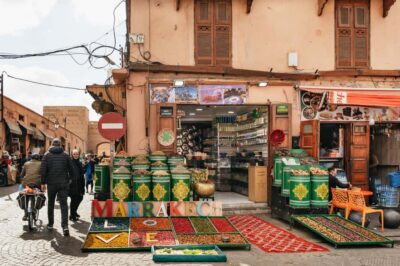
Marrakech: Saadian Tombs & Bahia Palace, Medina Guided Tour
Read our review →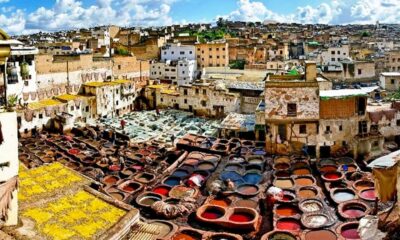
Explore Fes: Unforgettable Guided Walking Tour of the Medina
Read our review →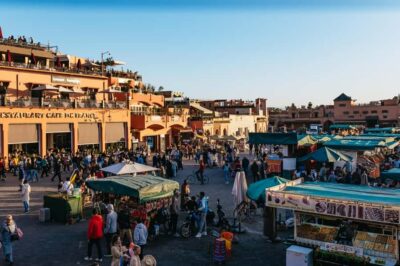
Marrakech: Medina by Night Walking Tour with Moroccan Tea
Read our review →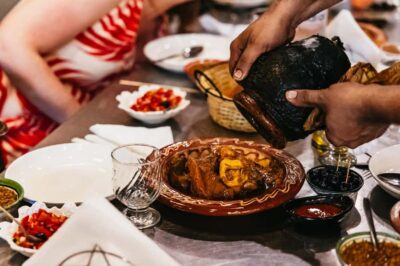
Marrakech: Authentic Moroccan Food Walking Tour & Dinner
Read our review →
Marrakech: Souk by Night Medina Guided Walking Tour.
Read our review →
Private Tour –In Old Medina of Fez with a Professional Guide
Read our review →Lists this walk sits on