Review · BRUGES
Historical Walking Tour: Legends of Bruges
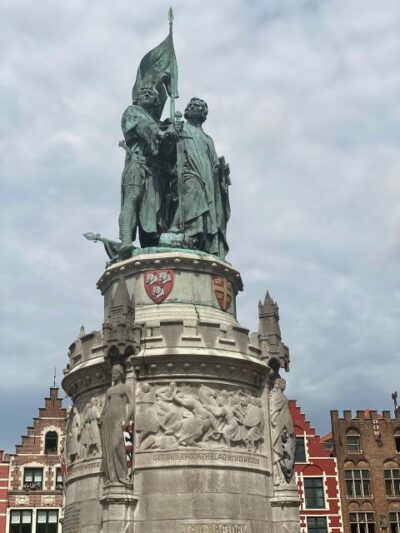
Bruges reveals its best stories at street level. On this low-cost walk, you move from the Markt’s medieval trading ground to the Burg, passing a bell tower, a former hospital, a beguinage, a brewery, canals, and one of Europe’s most famous Madonna statues. The city’s legends give the pretty buildings some bite.
I like the clear route and the amount you cover in just over two hours. I also like the guide-led storytelling, especially when local guides such as Louis, Victoria, Martin, Sander, or Celine add personal knowledge and visual aids to the standard history. The main drawback is simple: it is a fast overview, so you will not spend long inside museums or monuments, and cold or wet weather can make the walk hard with small children.
Key points to know before you book
- Eleven central stops in 2 hours and 15 minutes: You see Bruges’ major sights without spending your first day working out the map.
- Stories rather than silent sightseeing: Expect tales about French kings, Emperor Maximilian, the nickname Fools of Bruges, swans, beer, and medieval trade.
- A very low price: At about $3.62 per person, this is one of the easiest ways to get a city orientation, though tips are recommended.
- Guide quality shapes the experience: Guides named Louis, Victoria, Martin, Sander, Wouter, and others have been praised for humor, local knowledge, and strong storytelling.
- A real walking tour: Wear sensible shoes and allow for cobbled streets, frequent stops, and outdoor exposure.
- A large-group possibility: The maximum is 24 people, though some departures may be much smaller.
Why this Bruges walk works as a first introduction
Bruges can feel almost too polished at first glance. Canal views, stepped gables, horse carriages, lace shops, and chocolate windows make it easy to admire the place without understanding it. This tour gives you a framework for the city.
The route begins at the Markt and ends at Burg Square, covering many of the sights that define central Bruges. You do not need to plan a complicated route or keep checking a map. Instead, you walk from one landmark to the next while the guide explains why each place mattered.
That structure is especially useful if you have only one day in Bruges. It also works well at the start of a longer stay, since the guide can point out places to revisit later. Martin, for example, was praised for suggesting good spots to return to, while Celine was valued for practical advice on getting around town.
The tone depends on the individual guide, but the strongest descriptions point to a lively mix of facts, humor, and personal flair. Victoria is noted for bringing history and architecture to life, while Sander is praised for using visual aids. Thomas handled poor weather with humor, and Nicholas kept the walk enjoyable on a cold New Year’s day.
Do not expect a quiet academic lecture. The best version of this experience feels like a local explaining the city to you while you walk. That can mean an entertaining story about a public square, followed by a quick explanation of trade, politics, or religion.
More History Walking Tours in Belgium
- Historical Walking Tour: Legends of Antwerp
★ 5.0 · 1,837 reviews - Historical Walking Tour: Legends of Gent
★ 5.0 · 1,761 reviews - Brussels: Historical Walking Tour with Chocolate & Waffle Tasting
★ 5.0 · 1,165 reviews
The Markt explains Bruges as a trading city
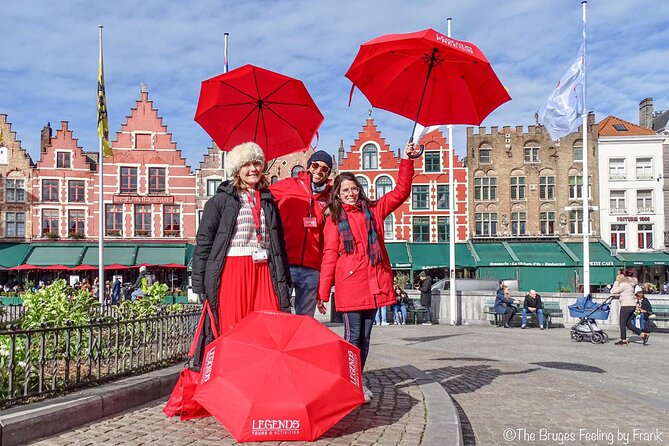
The Markt is the right starting point because it gives you a broad view of Bruges’ public life. Here, the guide introduces the city’s role as a medieval trading hub and explains how wealth moved through Bruges.
The stop lasts about 15 minutes, enough time to understand why this square became the city’s public stage. You also hear about the difficult relationship between Bruges and the French king. That political tension adds useful context to the handsome buildings around you.
I like beginning here because the square is not treated as a postcard backdrop. You learn that Bruges was shaped by commerce, power, and arguments over who controlled the city. The explanation makes later stops, especially Burg Square, easier to understand.
The Markt can be busy, so stay close to the guide and make sure you can hear. A group of up to 24 people is allowed, and the square is an open public place rather than a quiet museum setting.
The Belfort turns a famous tower into a working building
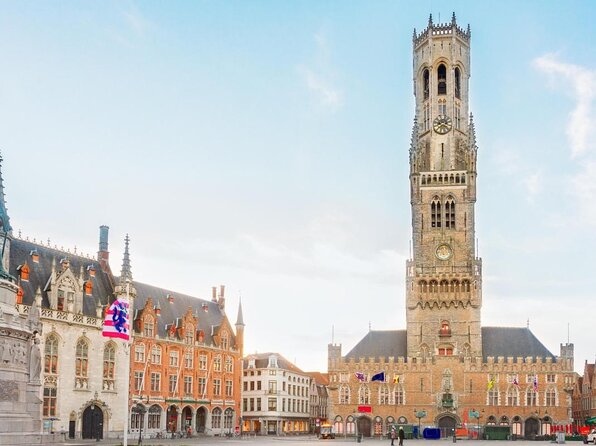
The Belfort is one of Bruges’ defining landmarks, but the tour focuses on its role rather than simply admiring its height. You visit the halls behind the belfry and hear how the tower served Bruges during the Middle Ages.
This stop lasts around 10 minutes. It is not presented as a tower climb, so do not assume that your tour ticket includes access to the top. One useful tip from the experience is that visitors who want to climb the tower should buy those tickets in the morning.
That advice matters because the Belfort is a popular attraction, and the walking tour itself does not give you hours to wait in line. Treat the guided stop as your introduction, then decide if you want to return for the climb.
Gruuthusemuseum and the business of beer

At the Gruuthusemuseum, you learn about the former city palace of a wealthy Bruges family. Their fortune was tied to a monopoly in part of the beer trade, which gives the stop a welcome link between grand architecture and ordinary drinking habits.
The explanation lasts about 10 minutes. You may not have time for a full museum visit, but you gain a reason to return if the palace and its collections interest you.
This is one of the tour’s more useful habits: it connects a building to the people who used it. Rather than treating Bruges as a collection of pretty façades, the guide shows how trade created social power.
More crime and mystery walks around Belgium:
- Historical Walking Tour: The Story of Bruges – by Legends
★ 4.7 · 483 reviews - Bruges Guided Walking Tour: Stories, Mysteries and People
★ 4.2 · 71 reviews - Prague: Ghost Walking Tour Where Legends Come To Life
★ 4.4 · 5,253 reviews - Edinburgh Darkside Walking Tour: Mysteries, Murder and Legends
★ 5.0 · 3,862 reviews
Sint-Janshospitaal and medieval care
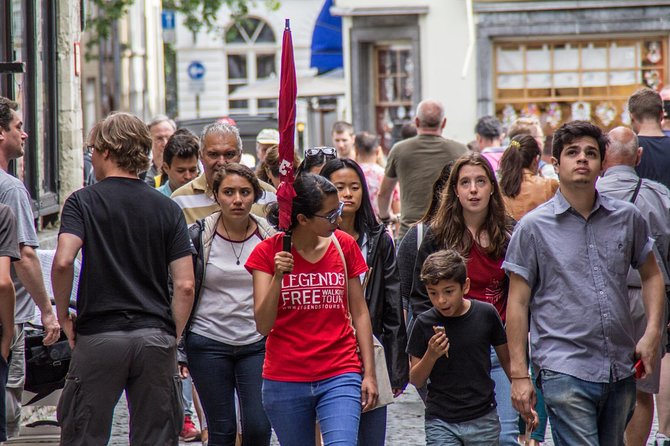
The stop at Sint-Janshospitaal introduces one of Bruges’ oldest surviving hospitals. The guide explains its place in medieval society and why such institutions mattered.
You spend about 10 minutes here. The hospital is important not only for its age, but also because it helps you picture a city where religious life, charity, medicine, and public duty were closely linked.
If you want a long look at the hospital’s art and rooms, plan separate time. On the walking tour, the value is the historical setting and the explanation of its role. It is another example of the tour giving you the key idea, then leaving you free to return later.
The Beguinage offers a quieter side of Bruges
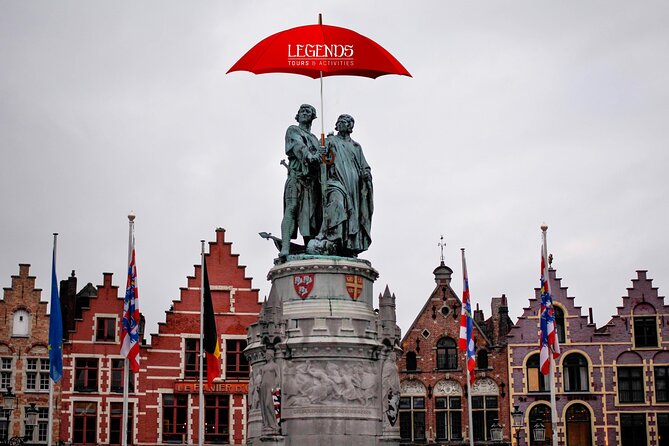
The Princely Beguinage Ten Wijngaarde brings a change of pace. You walk into a picturesque community where women have lived together for more than 800 years.
The stop takes about 10 minutes. Its appeal is less about a dramatic legend and more about the calm enclosed setting and the glimpse it gives into a distinctive form of religious and social life.
The beguinage is also a useful reminder that Bruges was not only about merchants, rulers, and rich families. Women formed their own communities and created a lasting place within the city.
Keep your voice low and follow the guide’s instructions here. The setting is peaceful, and the short stop works best when you pause to notice the buildings and atmosphere rather than rushing to take photographs.
De Halve Maan explains the city’s beer pipeline
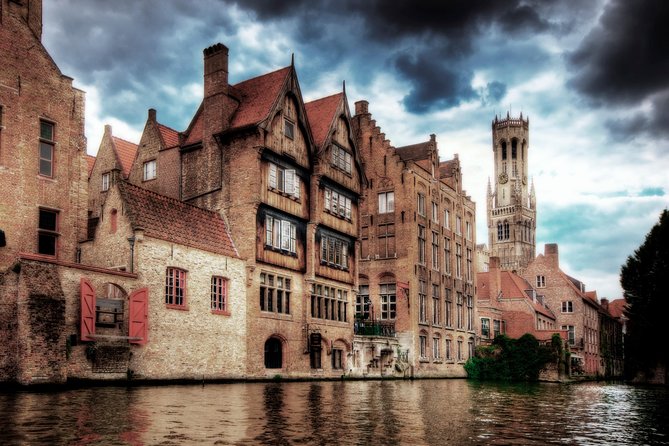
Outside De Halve Maan Brewery, the guide tells the story behind Bruges’ nickname, Fools of Bruges. You also see a section of the beer pipeline running beneath the city.
This 10-minute stop is a crowd-pleaser because it connects a working brewery with a strange local tale. It also gives you a practical example of how modern Bruges handles an old city center without filling its narrow streets with beer trucks.
The brewery itself is not described as a full tasting or brewery visit within this walking tour. If beer is a major reason for your visit, consider this a preview rather than the whole experience.
Minnewater Lake and the swans of Bruges
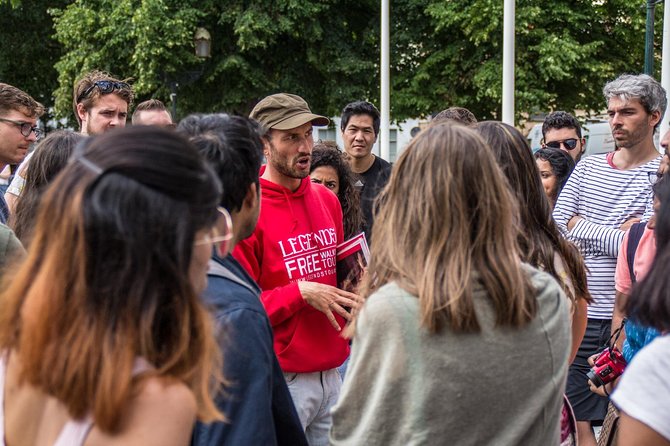
At Minnewater Lake, often called the Lake of Love, the guide explains why swans appear on Bruges’ canals. You also hear about the city’s conflict with Emperor Maximilian of Austria.
This is one of the longer stops, at about 15 minutes. The setting gives the history room to breathe. After crowded squares and busy streets, the water and open space make a pleasant pause.
The swan story is a good example of the tour’s approach. You get a local legend, then a political explanation that shows Bruges was not always a peaceful picture-book town. If you are taking photographs, this is one of the stops where you may want a few extra minutes after the group moves on.
Onze-Lieve-Vrouwekerk brings art and power together
The Church of Our Lady, or Onze-Lieve-Vrouwekerk, is one of the route’s major architectural stops. Its brick tower is the second tallest brick tower in the world, and the church houses Michelangelo’s Madonna and Child.
The guide also points out the tombs of the last Dukes of Burgundy. In about 10 minutes, you get a compact lesson in architecture, art, and dynastic power.
This is a good place to listen closely, since the church can be visually overwhelming. You may be tempted to focus only on the tower or sculpture, but the connection between Bruges, the Burgundian court, and Italian art is what gives the stop its weight.
The tour gives you an introduction, not a full art-history visit. If Michelangelo’s statue is high on your list, allow separate time to see it at your own pace.
Groeningemuseum adds Flemish art to the walk
The route continues into the garden of the Groeningemuseum, where works by major Flemish masters are displayed. This is a short stop of about five minutes.
That timing tells you what to expect. You are getting a quick orientation to the museum and its importance, not a full guided gallery visit. Still, the stop helps connect Bruges’ medieval wealth with the painting tradition that later made the region famous.
I appreciate this kind of preview because it helps you decide where to spend your own time. If you enjoy Flemish art, mark the museum for a longer visit after the walk.
Huidenvettersplein remembers an unpleasant trade
At Huidenvettersplein, the old Tanner’s Square, the guide explains the business of greasing animal skins and turning them into leather. It was necessary work, but not pleasant work.
The stop lasts around 10 minutes. This is one of the better reminders that old cities were working places, not just royal residences and church districts. The smells, trades, and labor that supported Bruges are part of its story too.
The square also helps balance the tour’s more elegant stops. After palaces, churches, and canals, you get a glimpse of a rougher craft that supported everyday life.
Burg Square closes the political story
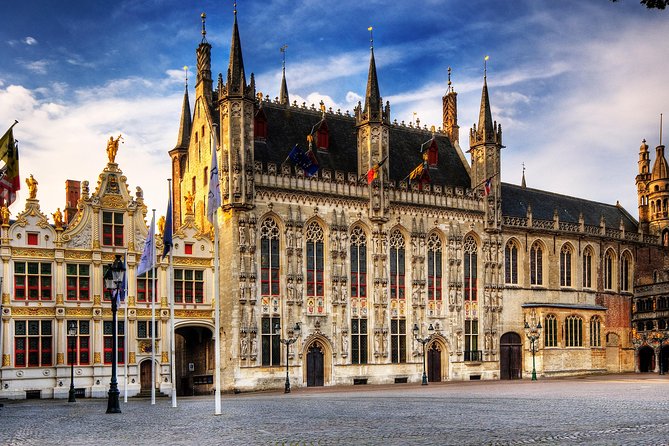
The final stop is Burg Square, reached after passing the old Fishmarket. The square is described as the political heart and birthplace of Bruges.
This closing 15-minute stop brings the route back to power and government. You begin with the Markt and medieval trade, then finish at the place where civic authority took shape. That gives the walk a sensible arc rather than ending at a random landmark.
Burg Square is also a good place to continue exploring on your own. The tour ends here, so you can ask the guide for suggestions before separating. This is where local guides can add real value, especially if you want advice about food, chocolate, museums, or what to see next.
Price, group size, and the value of a tip
At about $3.62 per person, this is an unusually inexpensive way to see Bruges with a guide. The price covers the walking experience and listed fees, but tips are recommended. Think of the booking price as access to the tour and the tip as recognition for the guide’s time and work.
That low price does come with limits. You are not buying a private tour, museum admissions, or a long stop at every landmark. You are buying a structured introduction, local stories, and help finding your way through the center.
The maximum group size is 24. Some departures can be much smaller, and one especially fortunate group had only four people, which allowed plenty of questions. You should not count on such a small group, but you can expect the experience to vary depending on the day and departure.
The strongest guides appear to combine clear English with humor and local connection. Several are described as Bruges-born or raised in the city, including guides such as Louis and Celine. Others, including Martin, Sander, Wouter, Willem, Erik, Emiel, Patrick, Sam, Thomas, and Victoria, were praised for their storytelling, historical explanations, or friendly style.
Because guides vary, I would book this for the route and format rather than expecting one particular person. If you are assigned a guide you especially enjoy, ask for their suggestions at the end.
Walking conditions and practical planning
The tour lasts about 2 hours and 15 minutes and covers a lot of ground. You will move between squares, canals, churches, gardens, and historic streets, with short explanations at each stop.
Wear comfortable shoes. Bruges is best seen on foot, but a long walk with repeated standing can be tiring, particularly in cold weather. One family left early because their toddler was struggling with freezing conditions.
Weather matters here. The experience requires good weather, and poor conditions can lead to a different date or a full refund. If you are visiting during a wet or cold spell, dress for an outdoor walk rather than an indoor museum visit.
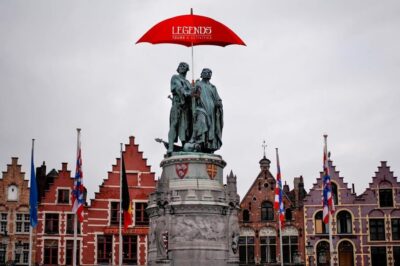
The meeting point is Pieter de Coninck en Jan BreydelMarkt. The tour ends at Burg 15 on Burg Square, giving you a different place from which to continue your day. It is offered in English, uses a mobile ticket, allows service animals, and is near public transportation.
Confirmation is provided when you book. You can cancel for a full refund up to 24 hours before the start time. Changes or cancellations within 24 hours are not accepted for a refund.
Who should choose Legends of Bruges
I would choose this tour if you are visiting Bruges for the first time and want the major sights explained in one sitting. It is also a good fit for a short stay, a day trip, or anyone who prefers stories to reading plaques.
Families can enjoy the variety, especially the tales about swans, beer, kings, and the Fools of Bruges. Still, the length and weather make it less suitable for a very young child who dislikes walking or standing.
Art lovers should see the church and Groeningemuseum as introductions, then return independently. Beer fans will enjoy the brewery story, but should not assume the walk includes a brewery tour or tasting.
If you want a slow photographic walk, a private architectural tour, or long museum visits, this may feel rushed. The route is designed to show you the city’s main ideas, not to give every sight a full hour.
Should you book this Bruges walking tour?
Yes, if you want a cheap, well-organized first look at Bruges with a strong chance of hearing good local stories. The route covers the essential center, and the best guides add humor, personal knowledge, and useful suggestions for the rest of your visit.
Book it early in your Bruges stay so you can use the guide’s advice afterward. Just bring sensible shoes, prepare for the weather, remember that tips are recommended, and keep separate time for the Belfort climb, museum interiors, or church visits that deserve a slower look.
FAQ
How long does the Legends of Bruges walking tour last?
The tour lasts approximately 2 hours and 15 minutes.
Where does the tour begin and end?
It begins at Pieter de Coninck en Jan BreydelMarkt in Bruges and ends at Burg 15 on Burg Square.
What language is the tour offered in?
The tour is offered in English.
How much does the tour cost?
The listed price is about $3.62 per person. Tips are recommended.
How many people can join the tour?
The maximum group size is 24 people.
Can I cancel for a full refund?
Yes. You can cancel at least 24 hours before the start time for a full refund. Cancellations or changes made less than 24 hours before the start time are not accepted for a refund.
New walking tours around Belgium
- Historical Walking Tour: The Story of Bruges – by Legends★ 4.7 · 483 reviews
- Antwerp: Historical Walking Tour in the Old City★ 4.8 · 373 reviews
- Ghent Walking Tour with Optional Add-ons: Boat & Beer★ 4.0 · 124 reviews
- Ghent: Private Walking Tour with a Local★ 4.6 · 93 reviews
- Ghent: Private 2-Hour Walking Tour★ 4.7 · 134 reviews
- Ghent: Guided Walking Tour and Canal Boat Trip★ 3.8 · 128 reviews
- Ghent: Belgian Chocolate Walking Tour with Tastings★ 4.9 · 259 reviews
- Brussels: Guided Walking Tour with Optional Beer Tasting★ 4.2 · 89 reviews
Bruges Walking Tours, side by side.
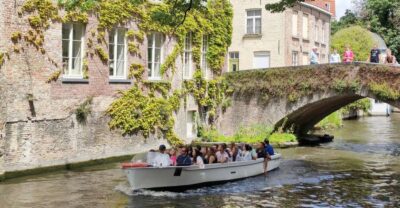
Bruges: Small Group Boat Cruise and Guided Walking Tour
Read our review →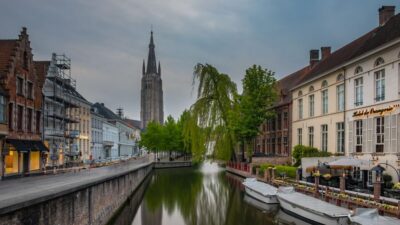
Bruges: Walking Tour, Canal Boat Trip w/Beer Tasting Option
Read our review →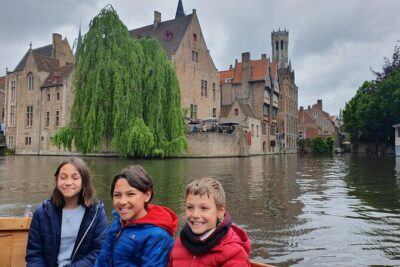
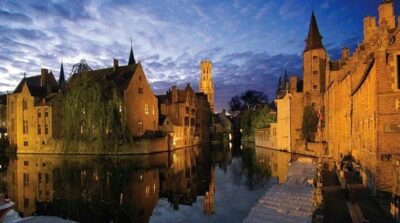
Historical Walking Tour: The Story of Bruges – by Legends
Read our review →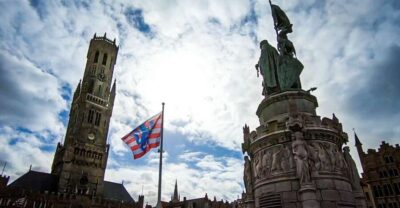
Bruges: Nightly Tales and Untold History Walking Tour
Read our review →