
Review · AUSTRALIA
Margaret River: Birds of Prey Encounter and Forest Walk
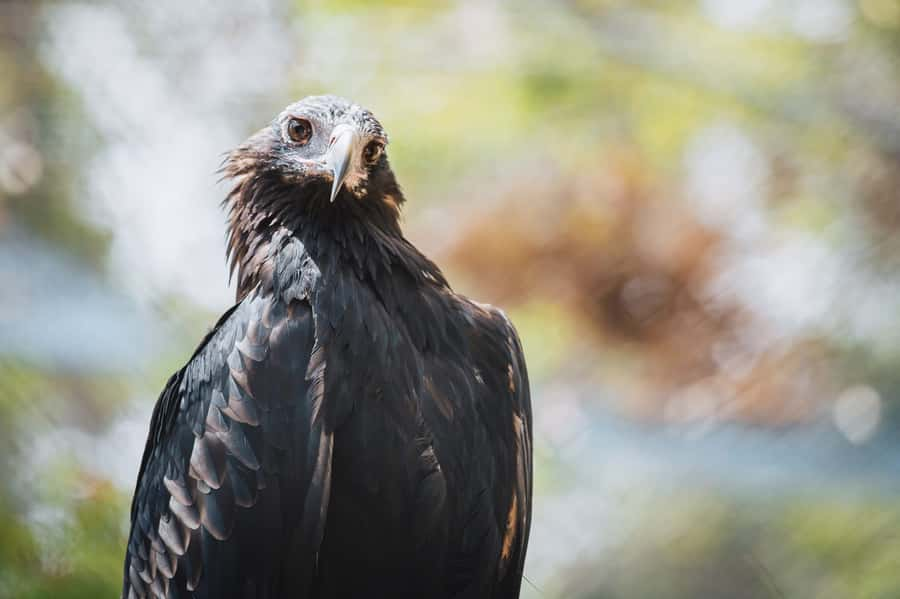
The best part of this Margaret River outing is the close flight display. You may see a bird sweep over the audience, catch food in the air, or take food from a handler’s hand. The encounter also brings you close to owls, hawks, falcons, eagles and kites, with presenters explaining the traits that make each bird so well suited to its life.
I like the mix of a lively presentation and a quiet 1km forest walk. I also like that your admission supports a centre caring for injured, orphaned and displaced birds. The main consideration is that this is a working sanctuary with a rustic feel, not a polished wildlife park, and one flying display may feature only a small number of birds.
Key points at a glance
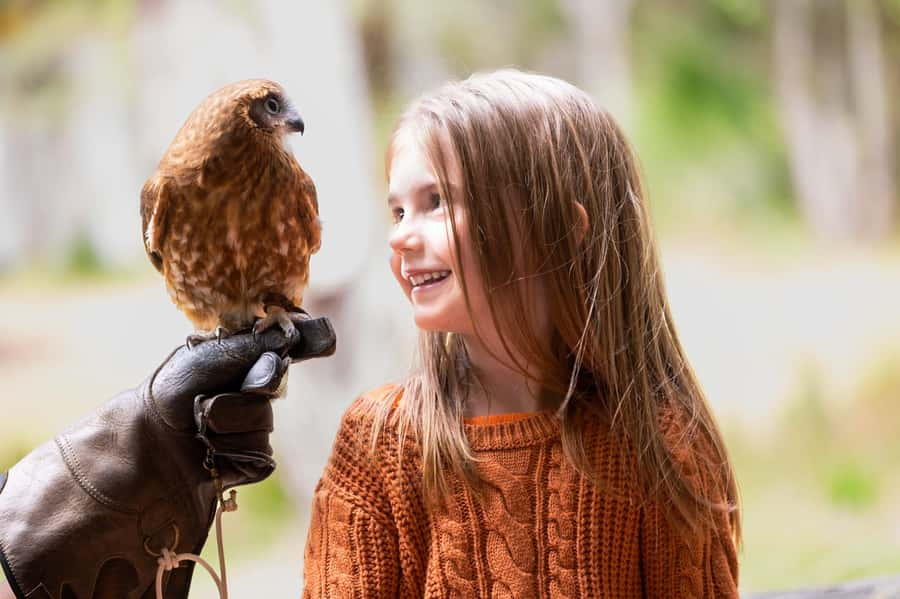
- Birds flying over the audience: The twice-daily encounter can include close flight work, food-catching and direct interaction with handlers.
- A genuine rehabilitation mission: Capes Raptor Centre cares for injured, orphaned and displaced birds of prey.
- A 1km walk through native forest: Use the path before or after the presentation to see more elusive birds in their aviaries.
- Presenters who make the information accessible: Rob, Rachel, Robert, Anne-Marie, Tara and Cherie have all led engaging sessions at different times.
- Good value at $17: The price covers the live encounter and the forest walk, making this a modest-cost Margaret River activity.
- Easy access from town: The centre is 5 kilometres south of Margaret River and the activity is wheelchair accessible.
Why this raptor centre is worth your time
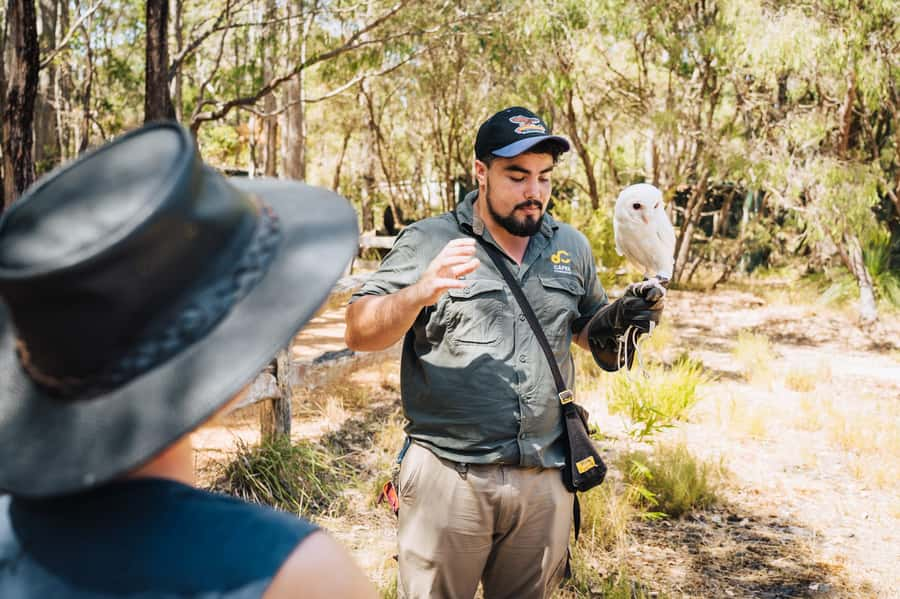
Capes Raptor Centre gives you two different experiences in one visit. The first is the scheduled Bird of Prey Encounter, where a presenter introduces you to the birds and explains their behaviour, feeding habits and survival skills. The second is a slower walk through native forest, where you can stop at enclosures and meet birds that may not take part in the flying display.
That contrast matters. The presentation gives you action and close contact. The walk gives you time to look properly at the birds and understand the wider work of the centre. I would allow the full 90 minutes rather than treating this as a quick stop on the way to another Margaret River attraction.
The centre focuses on eagles, hawks, falcons, owls and other raptors that need care. Some birds may have been injured, orphaned or displaced and cannot return to the wild. You are not simply watching a show. You are also seeing the result of a rehabilitation and education program.
At $17 per person, the experience is priced well for the South West. You receive a live presentation, access to the sanctuary and the 1km walk. It is especially good value for families, since the flying birds provide excitement while the talks give older children and adults plenty to think about.
More walking tours around Australia:
- Sydney Opera House Official Guided Walking Tour
★ 4.5 · 3,770 reviews - From Sydney: Blue Mountains Tour with Waterfall Walk & Lunch
★ 4.8 · 2,400 reviews - Sydney The Rocks Guided Walking Tour
★ 5.0 · 1,546 reviews
The Bird of Prey Encounter and close flying display
The main presentation takes place twice daily, though you should check the available starting times when booking. The forest walk can happen before or after the encounter, so you have some flexibility when planning the visit.
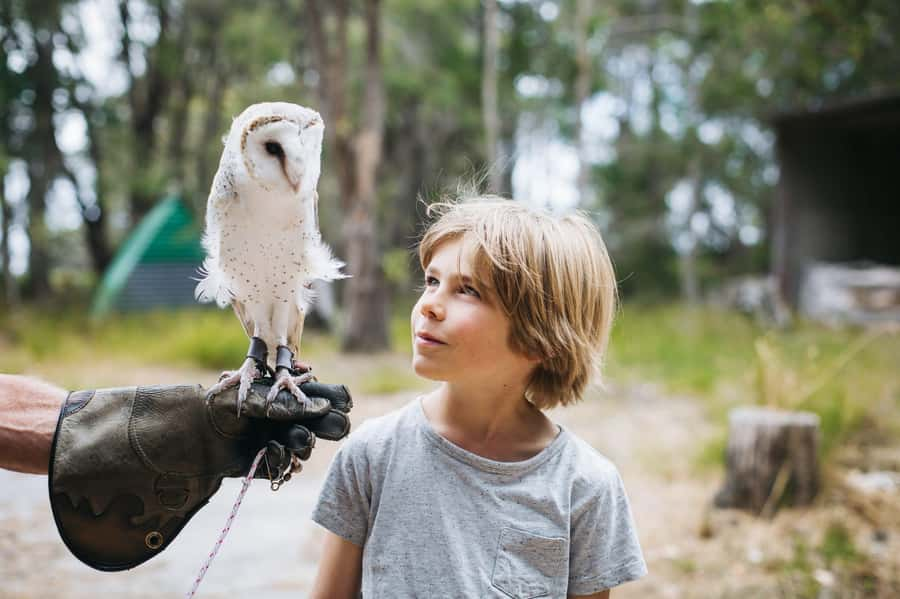
The presentation combines explanation with action. You might see an owl brought close for a careful look, then watch a kite or another raptor fly across the viewing area. Some birds catch food from the air, while others eat from a handler’s hand. These moments help you understand the bird’s speed, balance and accuracy far better than a static enclosure can.
The display can also be interactive. Presenters bring the audience into the talk with questions and practical examples, and you may have a chance to have your photo taken with a bird of prey. The exact birds and number of flying birds can vary, so you should not assume every session will include a long parade of species.
That is the fair trade-off. The display is not designed as a large-scale theatrical production. One session may focus on two main types of bird, which can feel limited if you expect a constant stream of different raptors. The strength is the close contact and the explanation, not sheer size.
Presenters named in the available information include Rachel and Robert, Rob, Anne-Marie, Tara and Cherie. Rob is particularly good at keeping the talk clear and lively, while Rachel and Robert have led sessions that work well for families. The staff approach the subject with care, and you can ask questions about the birds and the dangers they face.
A particularly useful part of the talk concerns poisoned rodents. Rodenticides such as RATSAK can remain active in a dead rodent, creating a risk for raptors that eat it. This gives the presentation a practical conservation message. You leave with a clearer idea of how everyday household products can affect wildlife.
The flying birds are the obvious stars, but the quieter lessons are just as valuable. You learn why an owl is suited to hunting at night, how kites use the air to search for food, and why a bird with an injury may need long-term care. The information is aimed at a general audience, so children can follow it without adults feeling talked down to.
Walking the 1km native forest path
You can take the forest walk before or after the scheduled encounter. I would choose the order based on the day’s timing and your energy, since the walk is not just a short path between two buildings. It gives you a second look at the centre’s birds and lets you set your own pace.
Along the 1km route, you meet more of the resident birds, including powerful and elusive raptors that may not fly during the presentation. Some birds are shy, so you may need to pause and look carefully rather than expect an immediate response.
The forest setting adds calm after the excitement of the flight display. Native vegetation helps the sanctuary feel connected to the local area, and the walk gives you space to notice the birds’ different sizes, postures and habits. For families, it is also a useful way to let children move around after sitting through the talk.
The path has a self-guided format. That means you are free to stop at the aviaries that interest you, but you will not have a presenter explaining every bird at each enclosure. The quality of your visit will partly depend on how much time you give it.
The centre’s aviaries are described as clean and safe, though the overall setting has a rustic character. One piece of feedback suggested that some enclosures could be updated. I would treat that as a useful expectation-setting point: come for the birds and the care program, not for a polished, high-tech attraction.
The sanctuary is continuing to develop its aviaries and structures. That may mean parts of the centre feel practical rather than finished, but it also shows that your admission is connected to an ongoing operation rather than a purely commercial show.
What makes the conservation work meaningful
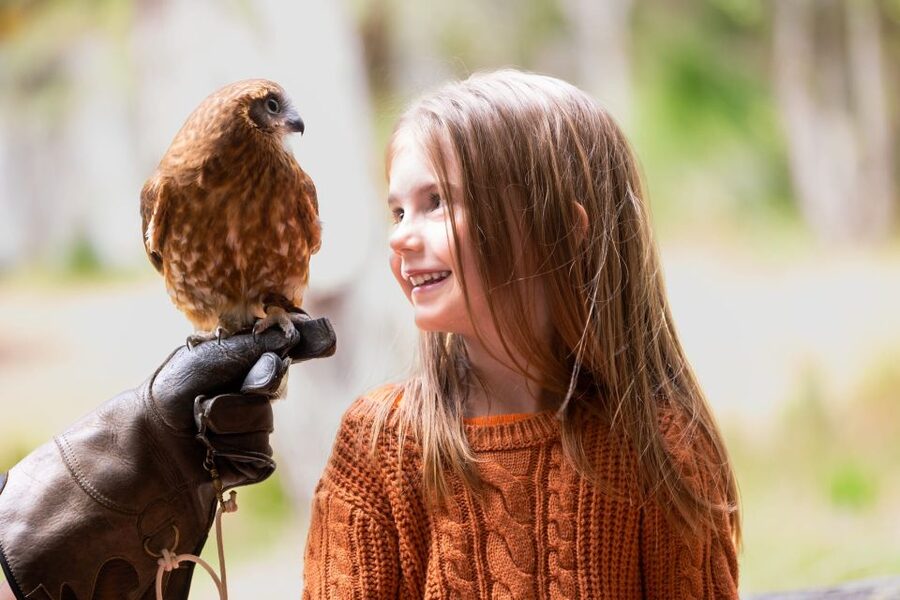
Raptors are easy to admire from a distance, but harder to understand. Their power can make them seem untouchable. At Capes Raptor Centre, the close encounter shows you the opposite side: these birds can be vulnerable to injury, poisoning, habitat pressure and human carelessness.
The centre takes in birds that are injured, orphaned or displaced. Not every bird can return to the wild, so the sanctuary provides a safe place for long-term care. The forest walk lets you see those residents as individuals rather than as a single group of impressive birds.
The talks also explain the role of public awareness. The warning about poisoned rodents is practical and memorable because it connects the birds’ welfare with choices made around homes and farms. You do not need to be a bird expert to understand the point.
I appreciate that the conservation message does not replace the fun. You still get the thrill of a bird flying overhead, the chance to see an owl close up and the odd personality of birds such as Kevin the kite. But the entertainment has a useful purpose: it makes you pay attention to the animals and the problems they face.
Same streets, a different story:
- Ultimate Melbourne Walking Tour: History, Laneways & Culture
★ 5.0 · 1,451 reviews - Sydney: The Rocks 90-Minute History Walking Tour
★ 4.7 · 1,092 reviews - Great Ocean Road Tour Plus Koalas, Forest Walk and Morning Tea
★ 4.5 · 1,068 reviews - Great Ocean Road 12 Apostles & Rainforest Walk with Morning Tea
★ 4.5 · 549 reviews
Is $17 good value in Margaret River?
For a 90-minute activity, $17 is a sensible price. Margaret River has plenty of food, wine and outdoor options that can quickly cost more, while this visit gives you a scheduled presentation plus access to a sanctuary and forest path.
The value is strongest if you attend the encounter and complete the walk. If you only watch the presentation and leave, you will miss half of what the admission includes. Give yourself enough time to follow the path at an unhurried pace.
The price also works well for families. The action keeps younger children interested, while the presenters offer enough detail for adults. Grandparents, parents and children can all find something to enjoy, though the walk may feel slower for anyone looking only for a fast animal show.
Food and drink are not included, and there is no transportation included. You need to make your own way to the centre, which is 5 kilometres south of the Margaret River townsite. This is straightforward if you have a car, but you should factor in the transfer when building your day.
Who will enjoy this experience most?
I would recommend this to anyone interested in Australian wildlife, especially if you want more than a standard animal enclosure. The close flying display gives you a memorable introduction to raptors, while the walk helps you see the centre’s wider work.
Families are a particularly good fit. Children can watch Bonnie fly overhead, see an owl at close range and follow the birds along the path. The presenters keep the information lively, so the experience does not feel like a long classroom talk.
It also suits adults who want a quieter conservation stop between Margaret River wineries, beaches or forest attractions. You do not need specialist bird knowledge. The explanations cover the basics clearly and add practical details that make the visit worthwhile.
Photography is another reason to go, since the experience includes the chance to have your photo taken with a bird of prey. Follow the staff’s instructions and remember that the birds’ comfort comes first.
You might want to choose another activity if you expect a large, highly produced show with many species flying one after another. The display may include only a limited number of birds, and the sanctuary’s rustic facilities will not suit everyone. The appeal here is closeness, care and education.
Practical details for planning your visit
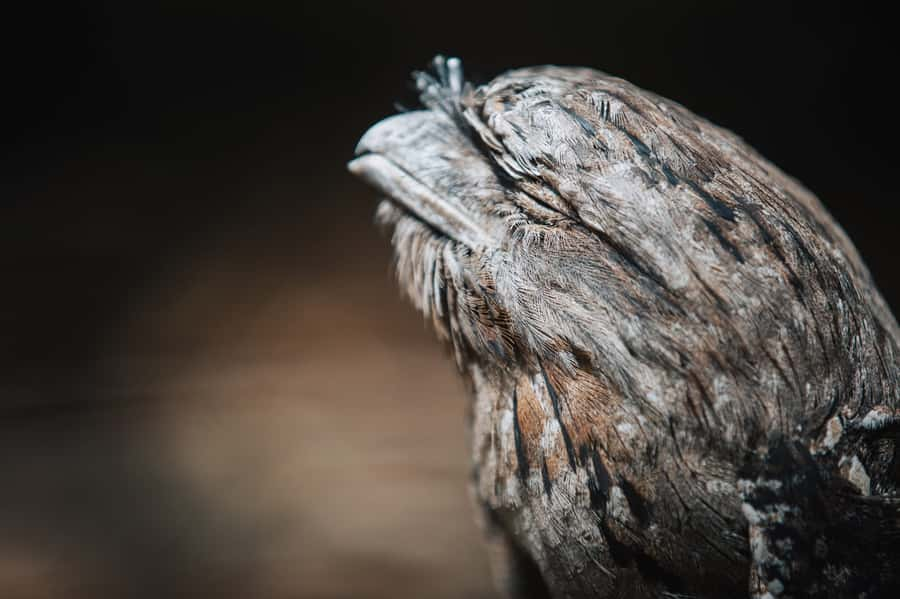
Capes Raptor Centre is 5 kilometres south of Margaret River townsite. Transportation is not included, so plan your own way there and allow enough time to arrive for the scheduled encounter.
The total duration is 90 minutes. Since the walk can take place before or after the presentation, you can arrange the visit around the available session time. I would avoid squeezing it into a very tight schedule, especially if you want to stop at the aviaries and take photographs.
English is the language used by the host or greeter and during the presentation. The activity is wheelchair accessible, which makes it a practical choice for a wider range of visitors.
You can cancel up to 24 hours in advance for a full refund, and a reserve-now, pay-later option is available. Those terms are useful if your Margaret River plans depend on weather, family schedules or changes to your driving route.
There is no food or drink included. Bring your own planning around meals, and treat the centre as a focused wildlife visit rather than a full-day attraction with catering.
My verdict: book it if you want close contact with raptors
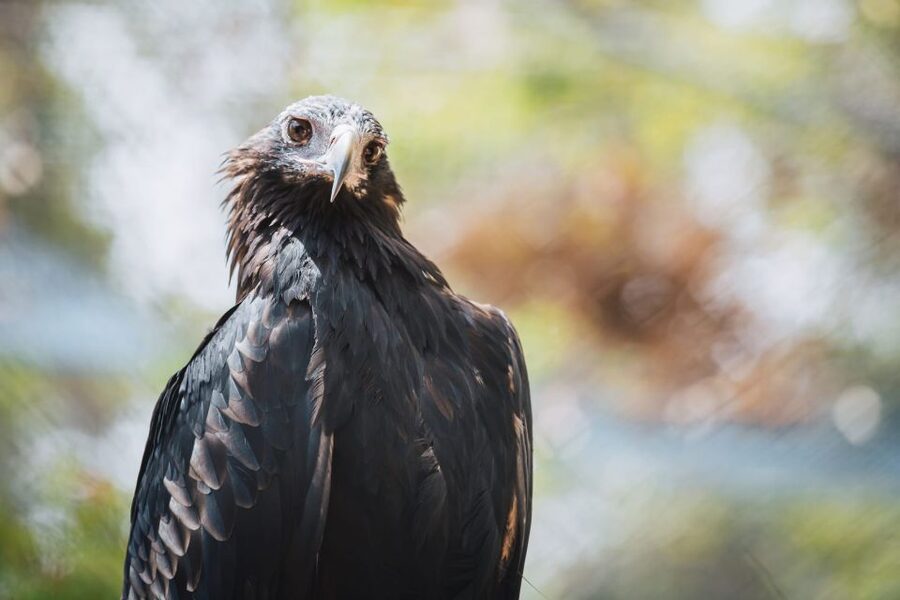
I would book the Margaret River Birds of Prey Encounter if you want a modestly priced wildlife activity with a clear conservation purpose. The strongest parts are the close flying work, the lively explanations from presenters such as Rob, Rachel and Robert, and the chance to follow the 1km path at your own pace.
Go with realistic expectations. This is a rustic sanctuary, not a large entertainment venue, and the number of birds in the flight display may be limited. But for $17, you get meaningful contact with owls, kites and other raptors, plus a better understanding of why injured birds need specialist care.
If you are in Margaret River and have 90 minutes to spare, this is an easy activity to justify, especially for families and anyone who values authentic wildlife encounters over polished spectacle.
FAQ
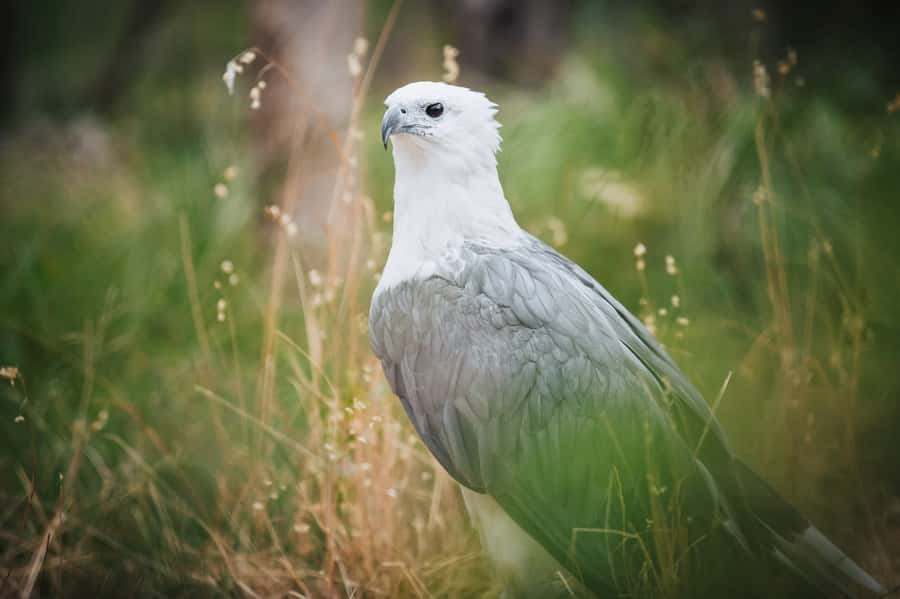
Where is Capes Raptor Centre?
Capes Raptor Centre is located 5 kilometres south of the Margaret River townsite in Western Australia.
How long does the experience last?
The activity lasts 90 minutes.
What does the $17 price include?
The price includes the twice-daily Bird of Prey Encounter and the 1km self-guided forest walk.
Can I see birds flying during the encounter?
Yes. The Bird of Prey Encounter includes flying demonstrations, which can include birds flying over the audience, catching food in the air or eating from a handler’s hand.
Can I take a forest walk before the presentation?
Yes. The forest walk can take place before or after the Bird of Prey Encounter.
Is transportation included?
No. Transportation to Capes Raptor Centre is not included.
Is food or drink included?
No. Food and drink are not included in the activity.
Is the experience wheelchair accessible?
Yes. The activity is wheelchair accessible.
New walking tours around Australia
- Melbourne Chocolate Wonderland Walking Tour★ 4.7 · 116 reviews
- Melbourne: Ghosts, Murder, & Mystery Guided Walking Tour★ 4.5 · 261 reviews
- Melbourne: Street Art Walking Tour with a Street Artist★ 4.9 · 147 reviews
- Melbourne: Guided Night-Time Food Walking Tour★ 4.7 · 76 reviews
- Melbourne: History and Donuts Walking Tour★ 4.9 · 72 reviews
- From Triabunna: Maria Island Cruise & Guided Walk with Lunch★ 4.9 · 126 reviews
- From Melbourne: Grampians National Park Small Group Tour★ 4.8 · 96 reviews
- Discover Perth Walking Tour: History, Art, Sights + More!★ 4.9 · 183 reviews
Australia Walking Tours, side by side.
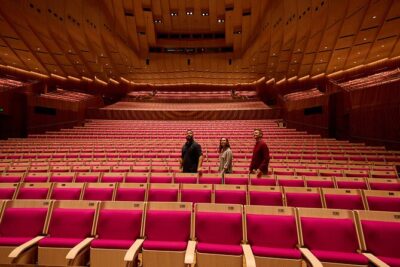
Sydney Opera House Official Guided Walking Tour
Read our review →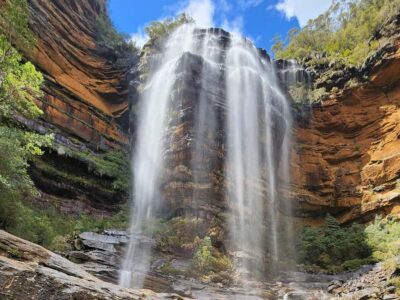
From Sydney: Blue Mountains Tour with Waterfall Walk & Lunch
Read our review →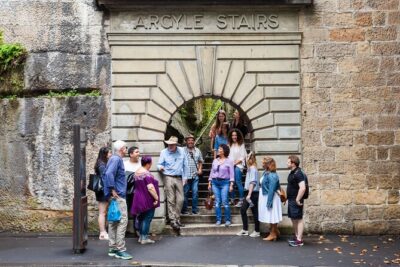

Ultimate Melbourne Walking Tour: History, Laneways & Culture
Read our review →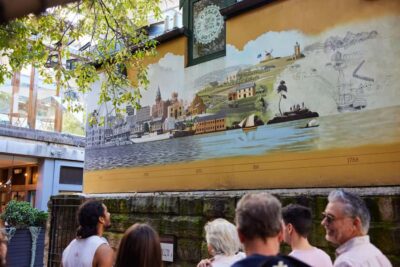
Sydney: The Rocks 90-Minute History Walking Tour
Read our review →
Great Ocean Road Tour Plus Koalas, Forest Walk and Morning Tea
Read our review →
Great Ocean Road 12 Apostles & Rainforest Walk with Morning Tea
Read our review →
Discover Perth Walking Tour: History, Art, Local Insights + More!
Read our review →Lists this walk sits on