
Review · ITALY
Matera Walking Tour with Casa Grotta & Rock Church Entry
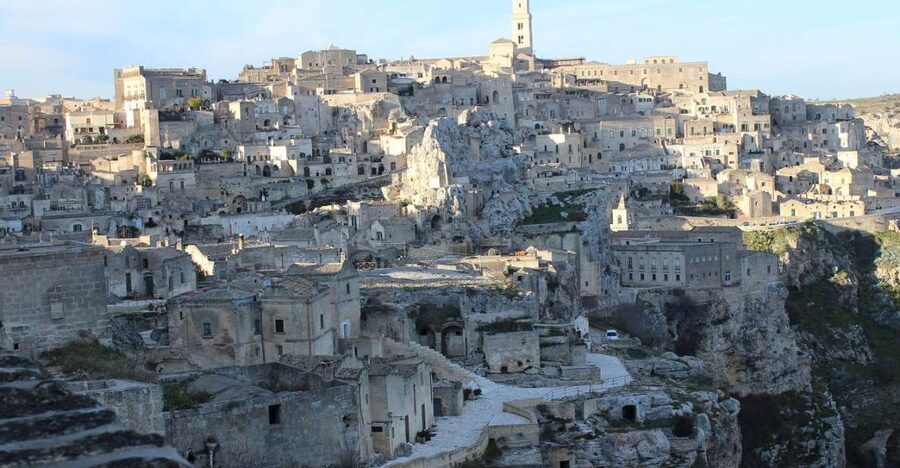
Matera’s Sassi cave districts are far more than a photogenic maze of stone lanes. They tell the story of families who lived in rock-cut homes, shared courtyards, and communal spaces until the 1950s. This tour connects those places in a sensible route, with a local guide to explain what you are seeing.
I like the entry to both Santa Maria de Idris and San Giovanni in Monterrone, and I like that the price includes the cave house and Peasant Civilization Museum. The main drawback is the walking itself: steep steps, uneven surfaces, and strong summer heat can make the two hours tiring, especially for anyone with limited mobility.
Key points to know
- The tour crosses all three historic areas: You see the central city, Civita, Sasso Barisano, and Sasso Caveoso rather than only one viewpoint.
- Rock-church admission is included: Santa Maria de Idris and San Giovanni in Monterrone are part of the experience, along with the Peasant Civilization Museum.
- A Casa Grotta makes daily life easier to understand: Original furnishings show how several generations once shared a cave home.
- Local guides add personal context: Guides such as Lorenza, Anna, Patrizia, and Annalisa have been praised for clear English, patience, and strong local knowledge.
- Plan for hills and heat: Comfortable shoes are essential, and a morning or late-day departure is wiser than noon in summer.
- The $35 price is strong value: You receive a licensed guide and several admission tickets in a compact two-hour introduction.
Why this two-hour walk is a smart first look at Matera
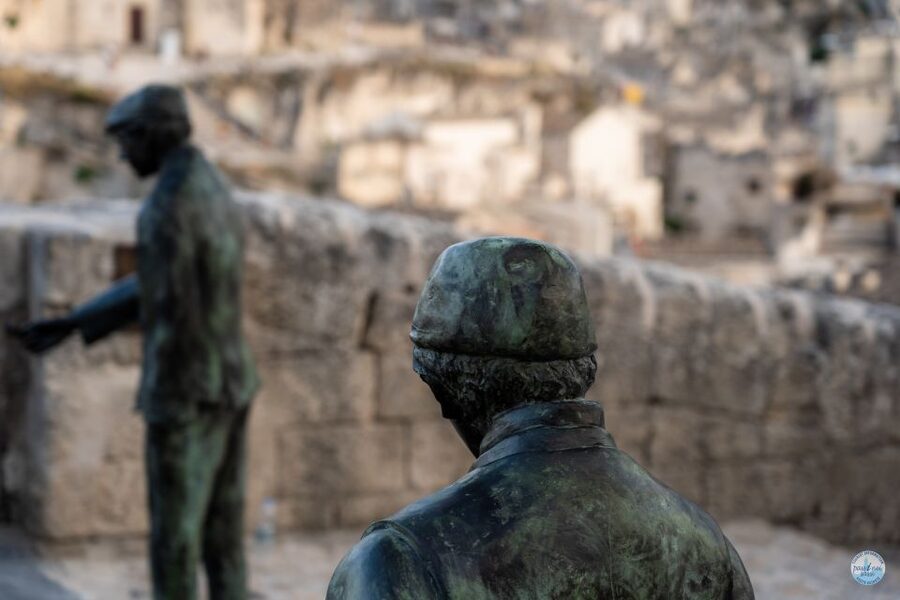
Matera can be confusing at first. The old city is made up of lanes, stairways, terraces, churches, and homes cut into pale rock. From one viewpoint, the Sassi can look like an abandoned ruin. From another, you see restaurants, guesthouses, churches, and ordinary homes folded into the same ancient setting.
A guide gives those layers some order. Instead of simply taking photographs from a terrace, you learn how the neighborhoods worked, why the caves were occupied, and how Matera changed in the twentieth century. The route also gives you a useful map in your head, so you can return to favorite corners later.
The experience begins at the Passi nei Sassi office on Via Don Giovanni Minzoni 13, also listed as Via Don Minzoni 13. After a short walk, the official route begins around Piazza Vittorio Veneto. The tour finishes at Piazza Giovanni Pascoli, so you should not expect to end where you started.
At $35 per person, this is a reasonable way to get your bearings. The cost includes the regional guide plus admission to two rock churches and the Peasant Civilization Museum. You do not get food or drinks, so bring water, especially between June and September.
More Music Walking Tours around Italy:
- La Spezia: Guided Walking Tour with Italian-Inspired Music
★ 4.9 · 72 reviews - London: The Great British Rock and Roll Music Walking Tour
★ 4.9 · 1,783 reviews - The Great British Rock and Roll Walking Tour
★ 5.0 · 1,371 reviews
Piazza Vittorio Veneto and Matera’s historic center
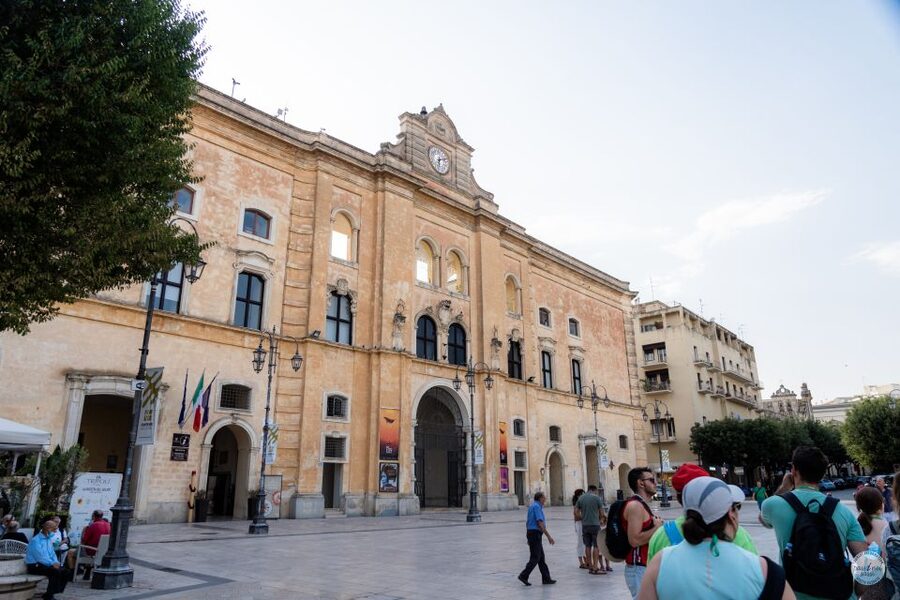
Piazza Vittorio Veneto is a practical starting point because it introduces you to Matera before the route drops into the Sassi. Here you begin with the city’s churches, noble buildings, and central streets, then move toward the older quarters.
This opening section matters because it places the caves in a wider setting. Matera is not only a prehistoric-looking settlement. It is also a living southern Italian city with a formal center, later buildings, religious sites, and everyday urban life.
Your guide will point out architectural details and explain how the city developed around the ravine. Guides have been especially valued for making this information easy to follow, even when the subject becomes technical. One guide, AnnaLisa, was praised for explaining architectural styles in a clear and entertaining way. That is useful in Matera, where a wall may contain several periods of construction.
The central streets are generally easier underfoot than the Sassi, but the route soon becomes more demanding. Keep your water bottle handy and avoid wearing smooth-soled shoes.
Civita and the view over Sasso Barisano
The walk continues to Civita, the medieval core perched above the two main Sassi districts. From here, you get a broad view across Sasso Barisano, with its caves, stone churches, stairways, and irregular alleys.
This is one of the best moments for photographs, but the view is also an important geography lesson. Your guide can show you how the houses were arranged and why the ravine shaped the city. Seen from above, the Sassi look chaotic. Once you understand the slopes and shared lanes, the pattern becomes easier to read.
Sasso Barisano is often associated with a denser collection of cave homes and rock-cut structures. The guide helps you distinguish homes from churches, storage spaces, workshops, and other communal areas. That explanation turns a scenic stop into a useful introduction to how the district functioned.
The group size can vary, but one reported group had 15 people and was still handled well. Smaller groups may feel more personal, and one morning departure reportedly had only two people. You cannot count on a private walk, but the guides are used to keeping a group together while making stops for views and explanations.
Sasso Caveoso and the old vicinati
Sasso Caveoso is the most dramatic part of the route. Here, the rock faces and cave dwellings feel especially close to the ravine, and the old lanes give you a stronger sense of the district as a place where people once lived rather than simply a scenic attraction.
The guide explains the vicinati, shared residential spaces where several households used a common courtyard and facilities. This is a key part of Matera’s story. A cave home by itself can seem like an unusual curiosity, but the vicinato shows the social system around it. Families lived close together, shared resources, and organized daily life around communal spaces.
You also visit the so-called barbarian cemetery, an archaeological site with a mysterious atmosphere. The stop adds another layer to the area, showing that the story of the Sassi reaches well beyond the modern visitor route.
Expect steps, uneven paving, and frequent changes in level. The route is not presented as suitable for people with mobility impairments, and strollers, baby carriages, and electric wheelchairs are not allowed. Some guides adjust the route or use easier paths when possible, but you should still be comfortable walking uphill and downhill.
More walking tours around Italy:
- Venice: Doge’s Palace and St Mark’s Basilica Walking Tour
★ 4.4 · 6,291 reviews - Milan: Guided Walking Tour & Last Supper Visit with Ticket
★ 4.7 · 5,409 reviews - Naples: Street Food Walking Tour with Local Guide
★ 4.9 · 4,976 reviews - Florence: Highlights Walking Tour with Expert Guide
★ 4.6 · 4,662 reviews
Santa Maria de Idris and San Giovanni in Monterrone
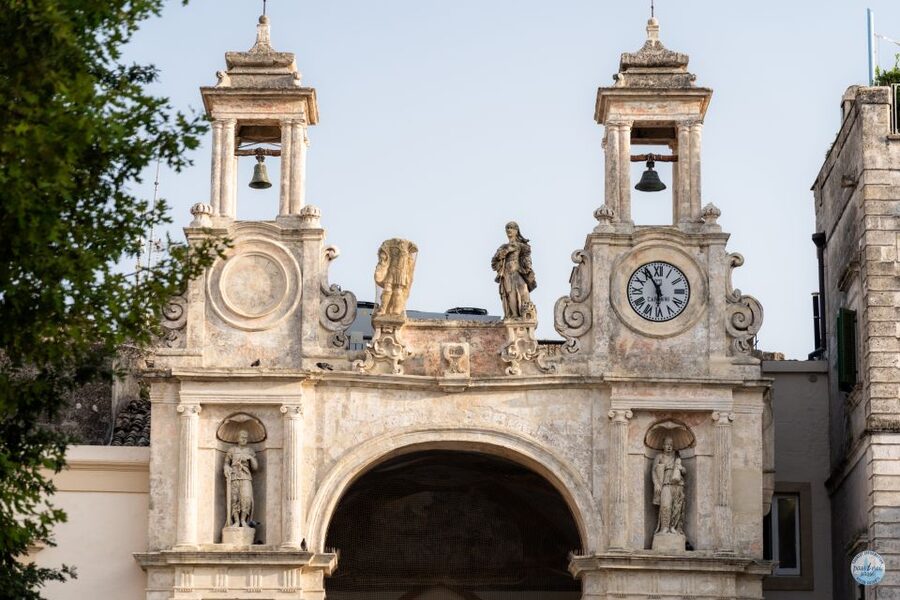
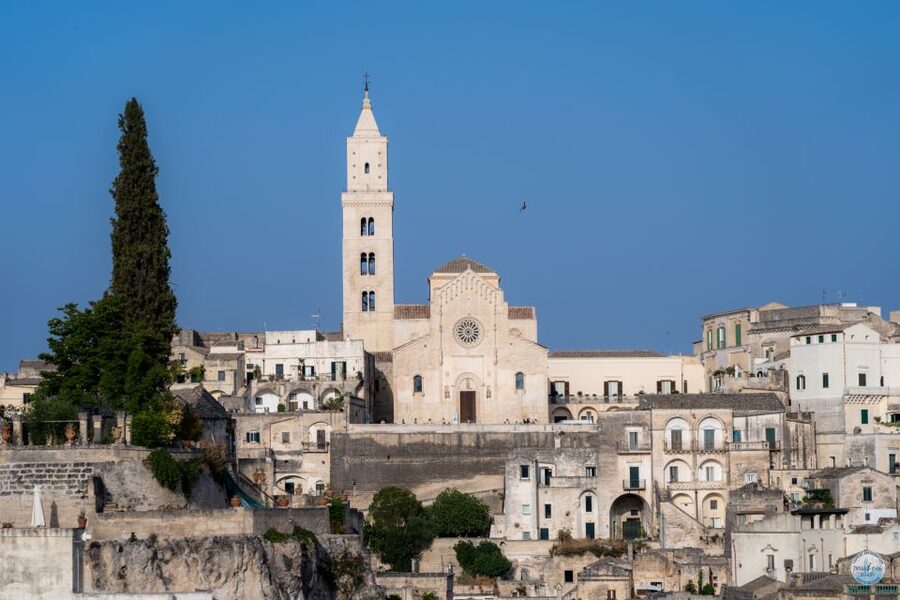
The Monterrone rock is one of the tour’s main rewards. Cut into this imposing outcrop are Santa Maria de Idris and San Giovanni in Monterrone, two of Matera’s most important rock-hewn churches.
Inside, the atmosphere changes immediately. The stone walls, low spaces, and surviving frescoes give you a sense of how worship took place in a church shaped directly from the rock. The admission is included, so you are not left choosing between the church and another paid sight later in the day.
Santa Maria de Idris is especially memorable for its position and views. It is the church most likely to appear in photographs of Matera, but the interior gives it more weight than a postcard image. Your guide can explain the religious setting, the art, and the way the church fits into the rock.
San Giovanni in Monterrone completes the visit and helps you see that the Monterrone is not a single decorative stop. It is a small cluster of spaces with its own religious and architectural story.
Entry lines can become disorganized on crowded Saturdays. A guide can help your group approach the entrance and understand where to wait. That practical help may sound minor, but it matters when the lanes are full and the church entrance is not obvious.
The Casa Grotta and a home from the 1950s
The Casa Grotta is the most useful stop for understanding ordinary life. It is furnished with original objects and arranged as a typical cave dwelling in a shared neighborhood.
This is not a grand palace or a polished museum. That is precisely why it works. You see the cramped conditions in which families lived, with domestic life organized within a limited space. The visit helps you picture how cooking, sleeping, storage, work, and family life could overlap.
The Sassi were not simply abandoned because they looked old. By the twentieth century, overcrowding, poor sanitation, and difficult living conditions had become serious concerns. Families were relocated in the 1950s, leaving the cave districts largely empty for a period before later restoration and tourism.
A guide’s explanation is valuable here because it prevents a romantic reading of the caves. Matera is beautiful, but the old homes also represent poverty and hard choices. Several guides have been praised for explaining both the earlier lifestyle and the city’s modern life without turning the visit into a sentimental story.
The Casa Grotta visit is listed as about 15 minutes. That is enough time for a focused introduction, though you should not expect an extended museum visit.
The Museum of Peasant Civilization
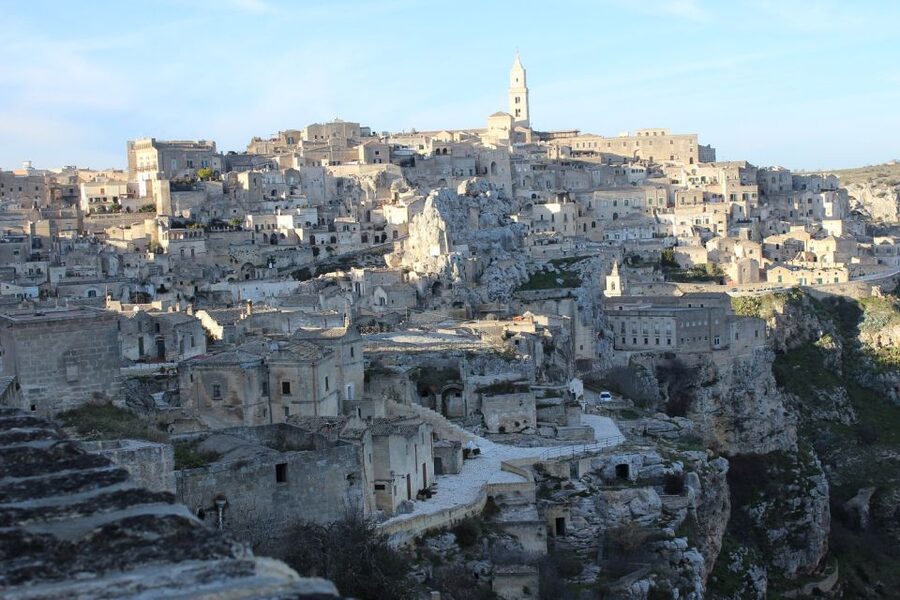
The Peasant Civilization Museum adds objects and social detail to what you have seen outdoors. The Casa Grotta shows a physical home. The museum broadens the picture with tools, household items, and material connected with rural life.
Together, the two stops make the tour stronger. A walk through the Sassi can leave you with dramatic views but only a vague idea of daily work. The museum gives those views a human scale. You begin to understand what people used, how they organized domestic tasks, and why the cave neighborhoods were active communities.
The museum also helps explain the difference between a historic site and a preserved stage set. These were working homes and neighborhoods, not scenery created for visitors. That context is one of the main reasons to choose a guided tour instead of simply wandering through the streets with a phone map.
What the guides add to the experience
The strongest part of this experience is the guide. The licensed local guides are not interchangeable narrators reading a script. Names associated with particularly strong departures include Lorenza Borrelli, Anna, Patrizia, Annalisa, Vita, Maria, and Guido.
Lorenza has been praised for clear English, a logical route, and the ability to answer questions while keeping a group moving. Her local connection is especially useful: she has shared family links to Matera’s cave-dwelling past. Anna has been described as patient, warm, and proud of the city. Annalisa is noted for setting a comfortable pace and adding rests in shaded spots during hot weather.
You should not book expecting one particular guide unless the reservation specifically confirms that person. Still, the repeated pattern is reassuring: the guides explain the city clearly, keep groups together, and adjust when conditions require it.
Language options include English, Italian, Spanish, German, and French. An optional audio guide is available in Spanish. English-language departures have been well received for clarity, but accents and speaking styles can vary from one guide to another.
Timing, heat, rain, and the walking effort
The scheduled duration is two hours, but the walk may run to two and a half or even three hours if the guide adds rest stops, manages heat, or takes time with questions. That is usually a benefit, but leave a little room in your schedule.
Summer midday departures can be hard. Strong sun reflects off the pale stone, and some sections offer little shade. A morning or later departure is the better choice when available. Wear walking shoes with a good grip, carry water, and bring sun protection.
The tour operates in light rain. A wet day can make stone steps slippery and views less clear, though rain does not automatically cancel the experience. One particularly wet departure still included the main sections of the city, with the guide keeping the group indoors where possible.
The route is not suitable for people with mobility impairments. It also does not allow strollers, baby carriages, or electric wheelchairs. If you can walk but need a slower pace, tell the guide at the start. Guides have sometimes chosen easier paths, added pauses, or extended the tour in extreme heat.
Who will get the most from this tour?
I would choose this walk for a first visit to Matera, especially if you have only a day or two in town. It gives you the essential geography, the major cave districts, two rock churches, a cave home, and the Peasant Civilization Museum without forcing you to plan every stop yourself.
It also suits anyone who wants context rather than photographs alone. Families, architecture fans, and visitors interested in rural life will get more from the explanations than from an unstructured walk.
Independent explorers can use the tour as an introduction, then return to the Sassi on their own. The route shows you where to go and what deserves a closer look later. It is less suitable if you want a slow, private photography walk or if you find hills and uneven stone difficult.
Is $35 a good value in Matera?
Yes, for most first-time visitors. The price includes the guide and admission to Santa Maria de Idris, San Giovanni in Monterrone, and the Peasant Civilization Museum. You also receive a structured route through the historic center, Civita, Sasso Barisano, and Sasso Caveoso.
A self-guided walk costs less, but it will not necessarily explain the shared vicinati, the cave homes, or the social changes that led to the 1950s evacuations. You may also miss a church entrance or spend time retracing your steps in the maze.
The tour does not include food or drinks, and there is no promised refreshment stop. Bring your own water and eat before or after the walk. For a modest extra cost over admission alone, the licensed guide makes the experience easier to follow and far more useful.
Should you book the Matera Sassi walk?
Book it if this is your first time in Matera, you want the major sights in one compact route, and you can manage hills and uneven ground. The combination of local explanation, two rock churches, a Casa Grotta, and the Peasant Civilization Museum gives you a clear picture of both Matera’s beauty and its difficult past.
Skip it if you want complete independence, cannot handle stairs, or prefer to explore at a very slow pace without a fixed route. Otherwise, $35 is a sensible investment, particularly when your schedule is short. Choose a cooler time of day, wear proper shoes, and allow more than two hours in case the guide slows down for heat, crowds, or questions.
FAQ
How long does the Matera walking tour last?
The scheduled duration is two hours. Some departures can last longer, particularly in hot weather or when the guide adds rest stops and answers questions.
Where does the tour begin?
The meeting point is at the Passi nei Sassi office on Via Don Giovanni Minzoni 13, also shown as Via Don Minzoni 13. The exact meeting point can vary with the option booked.
Where does the tour finish?
The stated finish point is Piazza Giovanni Pascoli.
Which areas of Matera does the route cover?
The walk includes the historic center, Civita, Sasso Barisano, and Sasso Caveoso.
Are the rock-church admission tickets included?
Yes. Admission to Santa Maria de Idris and San Giovanni in Monterrone is included.
Is the Casa Grotta included?
Yes. The route includes a guided visit to a typical Casa Grotta furnished with original objects.
Is the Peasant Civilization Museum included?
Yes. The museum admission is included in the tour price.
Which languages are available?
The live guide options are Spanish, Italian, German, English, and French. An optional audio guide is available in Spanish.
What should I bring?
Bring comfortable walking shoes. Water and sun protection are also sensible, although food and drinks are not supplied.
Can I take this tour in light rain?
Yes. The tour operates in light rain. Be aware that wet stone can be slippery.
Is the tour suitable for people with mobility impairments?
No. The experience is not suitable for people with mobility impairments. Baby strollers, baby carriages, and electric wheelchairs are also not allowed.
Can I cancel the booking?
You can cancel up to 24 hours in advance for a full refund. The reserve-now, pay-later option allows you to hold a place without paying immediately.
New walking tours around Italy
- Rome: Fountains and Squares Small-Group Walking Tour★ 4.7 · 335 reviews
- Napoli: Walking Tour of Naples with Local Tour Guide★ 4.9 · 95 reviews
- Naples: Spanish Quarters Walking Tour★ 4.6 · 72 reviews
- Naples: Street Art, Wine and Food Tasting Walking Tour★ 5.0 · 163 reviews
- Naples: Historic Center and Sansevero Chapel Walking Tour★ 4.8 · 208 reviews
- Naples: Old Town Guided Walking Tour★ 4.8 · 553 reviews
- Naples: Street Food Experience With 6 Stops★ 4.7 · 392 reviews
- Naples Essentials: Monuments, Local Life & Street Art★ 4.9 · 79 reviews
Italy Walking Tours, side by side.
Venice: Doge’s Palace and St Mark’s Basilica Walking Tour
Read our review →
Milan: Guided Walking Tour & Last Supper Visit with Ticket
Read our review →
Naples: Street Food Walking Tour with Local Guide
Read our review →
Florence: Highlights Walking Tour with Expert Guide
Read our review →
Venice: San Marco to Rialto Walk & Spritz Like a Local
Read our review →
Uffizi & Accademia Timed Entry: Small Group Duomo Walking Tour
Read our review →
Lists this walk sits on