

Review · NEW ORLEANS
New Orleans: City and Cemetery Bus Tour Garden District Walk
New Orleans reveals itself best when you get beyond the French Quarter, and this tour does that in one useful sweep. You’ll visit St. Louis Cemetery #3, pause beneath ancient City Park oaks, ride past Lake Pontchartrain, and finish with a walk through the Garden District. Guides including Jim, Gail, John, and Donna have been praised for mixing local stories with humor.
I like the way the bus covers roughly 25 square miles without turning the day into a long slog. I also like the three different experiences: an above-ground cemetery, a leafy park with Café du Monde, and grand St. Charles Avenue. The tradeoff is time. City Park and the cemetery are brief stops, and some visitors wish the park got more attention than the Garden District.
Key points to know before booking
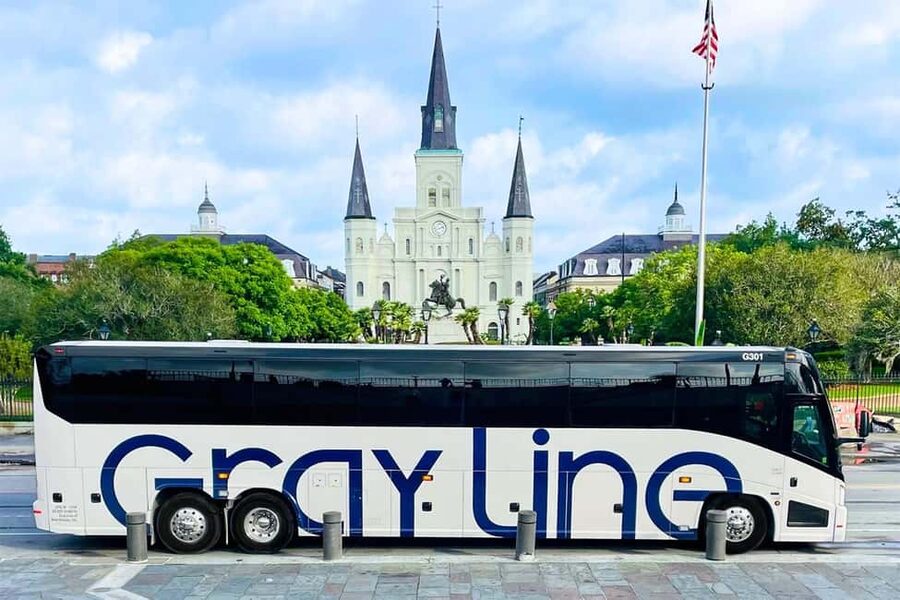
- A useful first-day overview: The route shows you far more than Bourbon Street, from Esplanade Avenue to Lake Pontchartrain and Uptown.
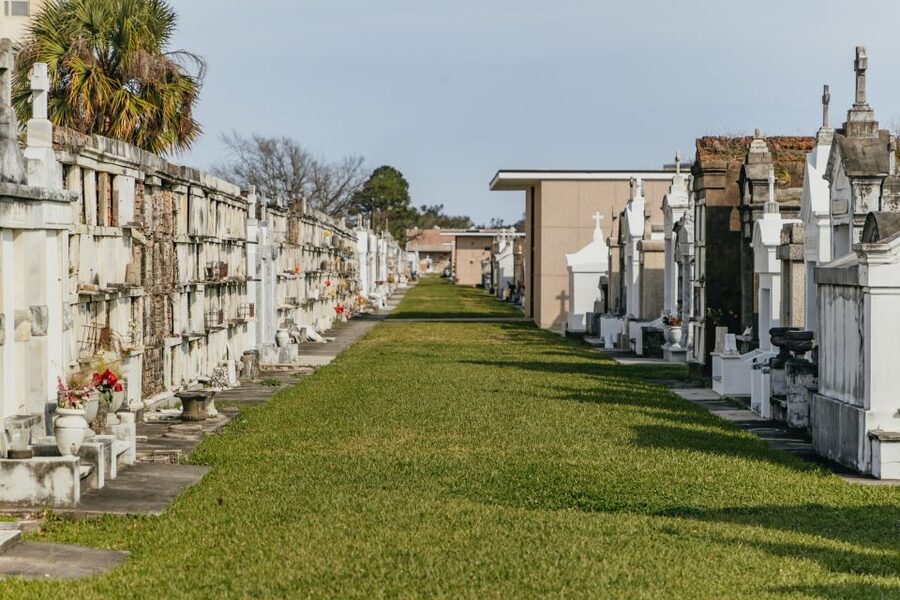
- St. Louis Cemetery #3: You enter a historic cemetery and hear why above-ground burial became part of New Orleans life.
- City Park stop: You have time for beignets, a café au lait, sculpture gardens, lagoons, and some of the city’s oldest oak trees.
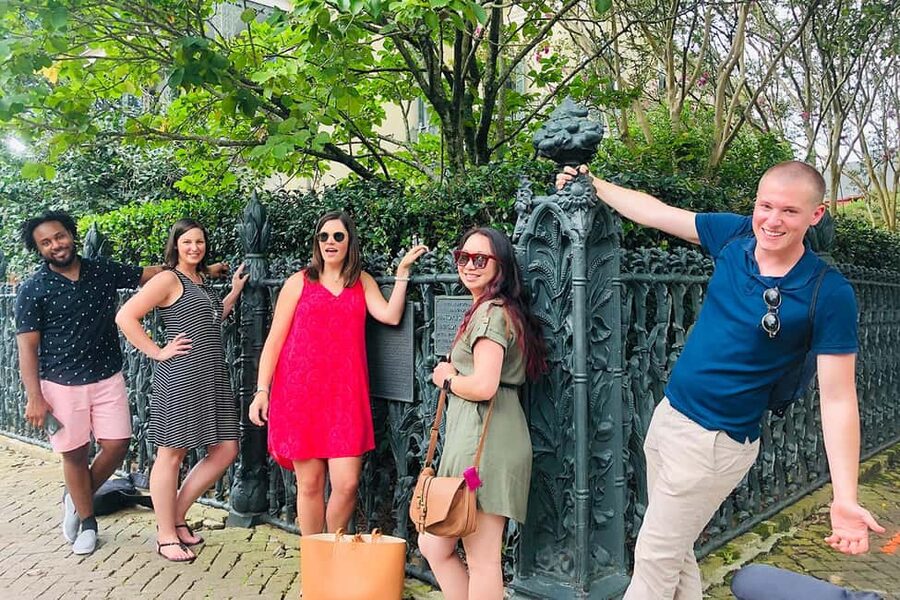
- Garden District walk: You leave the bus for a guided stroll among mansions, churches, schools, and the St. Charles streetcar route.
- Strong guide element: Named guides such as Jim, Gail, John, Donna, and Gayle have been singled out for humor, local insight, and clear storytelling.
- Plan for a city tour, not a slow walking tour: The bus does most of the mileage, while the stops offer short walks and photo time.
Why this three-hour route works

At $55 per person, this is priced as a compact orientation tour rather than a single-site visit. You are paying for a motorcoach, a live English-speaking guide, a cemetery visit, City Park time, and a Garden District walk. If you tried to connect all these areas independently, you would spend more time working out transportation and less time listening to the stories that tie the city together.
I especially like this route for a first visit. New Orleans can feel like several cities at once: French Quarter streets, old cemeteries, parkland, lakefront infrastructure, university avenues, and grand residential blocks. This tour gives you a map in your head before you choose where to return on foot.
The pace is brisk. You will not get a long, unhurried visit at every stop, and the bus ride itself takes a sizeable part of the three hours. That is the point, though. You are sampling the city rather than studying one neighborhood in detail.
More walking tours around New Orleans:
- New Orleans Premier Ghost, Voodoo and Vampire Walking Tour
★ 4.5 · 12,856 reviews - New Orleans Food Walking Tour of the French Quarter with Small-Group Option
★ 5.0 · 6,118 reviews - St. Louis Cemetery No. 1 Official Walking Tour
★ 4.5 · 3,941 reviews
Starting behind Jax Brewery in the French Quarter
The tour begins at the Gray Line Lighthouse at 400 Toulouse Street, behind Jax Brewery. Arrive at least 15 minutes early to exchange your voucher for a boarding ticket. The French Quarter can be slow to cross because of pedestrian and vehicle traffic, so do not cut this close if you are walking from a hotel or arriving by car.
Parking is available in lots on Decatur Street and near the dock, but these lots are independent of the tour company. You should allow extra time and expect hourly or daily charges.
Once aboard, the guide begins placing the French Quarter in the larger story of New Orleans. Rather than spending the entire morning around Bourbon Street, the bus follows the city’s expansion along Esplanade Avenue. This shift is valuable because it shows how New Orleans grew outward from its oldest core.
The drive also lets you rest between walks. That matters in hot or humid weather, and it makes this option easier for people who want to see several districts without spending three hours on foot.
St. Louis Cemetery #3 and the city of above-ground burial

The cemetery stop is one of the tour’s most distinctive parts. You visit St. Louis Cemetery #3 and go inside with the guide, rather than simply passing a cemetery wall from the bus.
The guide explains New Orleans burial customs and the use of above-ground vaults. This is not just a photo stop. It gives you a practical way to understand how local conditions and tradition shaped the city’s cemeteries.
The visit is guided, but it is not especially long. If you want to examine many vaults or wander far into the cemetery, you may find the allotted time short. One useful expectation to set is that you are getting an introduction, not an exhaustive cemetery study.
Still, this stop earns its place. The cemetery feels different from the architecture and street life you see in the French Quarter, and the guide’s explanation adds meaning to what could otherwise be a quick glance at old tombs.
Several guides have been praised for making this section especially memorable. Jim, in particular, has been described as funny, engaging, and able to turn background information into stories you remember later. That personal delivery matters on a group tour.
City Park, ancient oaks, and the Café du Monde decision

After crossing Bayou St. John, the bus reaches City Park. This is your chance to stretch your legs and see a greener side of New Orleans. The park includes lagoons, bayous, museums, attractions, sculpture gardens, and oak groves. Some of the oak trees are more than 800 years old.
You may use the stop for photographs, a short walk, or a visit to Café du Monde for beignets and café au lait. Food and drinks cost extra. The park is also a good place to take the kind of broad, leafy photo that looks very different from the French Quarter.
Here is the practical catch: time can be tight, especially if the café is crowded. A few visitors found the snack stop less useful because the café became overwhelmed by tour groups, while others felt there was not enough time to enjoy a beignet at a relaxed pace.
My advice is to decide before you get off the bus. If the café line is long, use the stop for the park and oak trees instead. If you want both food and the sculpture garden, you may have to move quickly. Some people also prefer spending more time here than on the Garden District walk, so your priorities matter.
The stop is still worthwhile because it breaks up the bus ride and gives you a look at one of New Orleans’ major public spaces. It also helps you see that the city is not only old streets and ornate buildings.
Same streets, a different story:
- New Orleans French Quarter, Voodoo and Culture Walking Tour
★ 4.5 · 2,961 reviews - New Orleans Garden District History Walking Tour
★ 5.0 · 2,879 reviews - French Quarter Historical Sights and Stories Walking Tour
★ 5.0 · 2,724 reviews - Ghost and Vampire Walking Tour Of The French Quarter
★ 4.5 · 2,406 reviews
Lake Pontchartrain and the city’s working edge

Back on the coach, the route follows the south shore of Lake Pontchartrain. The guide points out seafood restaurants, a marina, a historic lighthouse, and a post-Katrina pumping station. In the distance, you may see the 24-mile Causeway Bridge.
Despite its name, Lake Pontchartrain is a large brackish estuary connected to the Gulf of Mexico. It covers about 630 square miles and receives freshwater from rivers. That detail helps explain why the lake is important to the city’s environment, transport, food culture, and flood-control story.
The pumping station reference is especially useful after learning about New Orleans’ vulnerability to storms and flooding. This part of the tour is not a dramatic sightseeing stop. You stay on the bus, looking through the windows as the guide connects the water, infrastructure, and city.
That makes it a good example of what the tour does well. It does not only show pretty buildings. It gives you glimpses of the systems that keep New Orleans functioning.
St. Charles Avenue, streetcars, and Mardi Gras routes
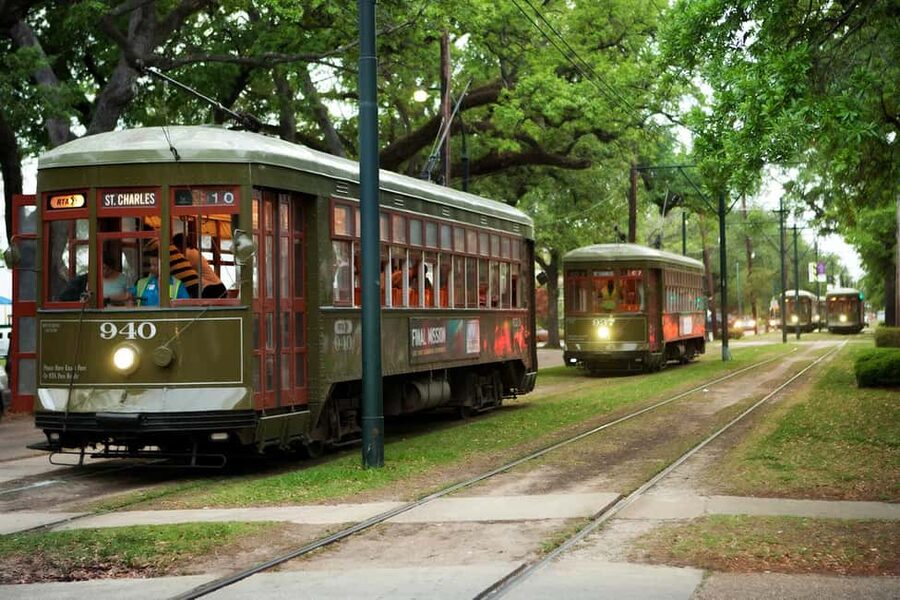
The next stretch takes you along St. Charles Avenue. This is one of the city’s grandest corridors, lined with elegant mansions, churches, and schools, including Loyola and Tulane Universities. The route also follows the path of the St. Charles streetcar and Mardi Gras parades.
You get to see this area first from the bus, then explore part of it on foot in the Garden District. That two-part view works well. From the coach, you understand the scale and continuity of the avenue. During the walk, you can slow down enough to notice architectural details and hear stories about the neighborhood.
The streetcar connection gives the avenue a useful sense of place. You are not simply looking at expensive houses. You are following a route that has carried daily riders and parade crowds through the city for generations.
The bus portion can feel like a procession of sights rather than a series of stops. Keep your eyes out the windows, but do not expect to leave the coach at every interesting building. The guide’s narration is important here, since the context makes the drive more than a transfer between neighborhoods.
Walking through the Garden District
The final major experience is a guided stroll through the Garden District, described as one of the best-preserved living neighborhoods in the United States. The walk takes you among large homes, churches, schools, and mature streets lined with historic character.
This is where the tour changes pace. After several drives and short stops, you get to walk and look around at ground level. You can take photographs, ask questions, and see how the neighborhood differs from the French Quarter.
The walk is not a full architectural survey. It is an introduction to the district, and the time is shared with the rest of the group. Some people would gladly trade part of this section for more City Park time, while others consider the Garden District the highlight.
I would choose this tour if you want a first look at the district before returning independently. The bus route shows you how the Garden District fits into the wider city, while the walk helps you decide which streets and buildings deserve a closer visit later.
The guides make a real difference here. Gail has been praised for warmth and passion, while John has been remembered for local knowledge and gentle dad jokes. Donna has also been singled out for lively storytelling and a strong connection to New Orleans. The exact guide varies, but the experience depends heavily on who is holding the microphone.
Guide quality, comfort, and accessibility

The strongest part of the experience is the guide’s storytelling. The best guides, including Jim, Gail, John, Donna, Gayle, and others, combine facts with humor and personal local perspective. You should expect an energetic group presentation rather than a quiet audio tour.
The driver matters, too. Alton and Tranise have received particular praise for safe, courteous driving, which is easy to appreciate when the coach is moving through crowded French Quarter streets and busy city roads.
The motorcoach format keeps the day manageable. You walk at the cemetery, City Park, and Garden District, but the bus carries you between districts. This suits families with older children, first-time visitors, and anyone who wants an overview without committing to a full day of walking.
The tour is wheelchair accessible, but the supplier does not accommodate scooters or walkers. Wheelchair arrangements must be made 48 hours ahead, and availability is required. Foldable wheelchairs can be stored with staff assistance. Confirm your needs before booking rather than assuming every mobility device will fit.
Timing, cancellations, and the best place in your trip
The experience lasts three hours, with departure times varying by date. It operates in English and returns to the original meeting point. It does not run on Mardi Gras Day or Thanksgiving Day.
You can cancel up to 24 hours before departure for a full refund, and the reserve-now, pay-later option gives you some flexibility while plans are still changing.
I would take this tour near the beginning of a New Orleans visit. It gives you a quick sense of the French Quarter, the lakefront, City Park, Uptown, and the Garden District. Afterward, you can decide where to spend your slower days.
Bring water, wear shoes suitable for short walks, and keep your camera ready. You will move between bus, cemetery, park, and neighborhood, so comfort matters more than dressing for one specific setting.
Is the $55 price fair?
At $55, the value depends on how much you want to see in one outing. The price is fair if you would otherwise pay for transportation between several districts and want a guide to explain what you are seeing.
It is less compelling if you only want a long Garden District walk or a detailed cemetery visit. Those focused experiences would give you more time in one place. Here, you are paying for variety and convenience.
The tour also saves you from guessing how the city’s districts connect. For a first visit, that orientation can be worth as much as the individual sights.
Should you book this New Orleans tour?
Book it if you want a broad introduction to New Orleans, prefer riding between neighborhoods, and enjoy guides who tell stories with humor and local feeling. It is especially useful on your first day, when the city’s scale and variety can otherwise feel scattered.
Skip it if you dislike group schedules, want long unhurried stops, or already know you would rather spend an entire morning in City Park or the Garden District. The short time at each stop is the main limitation.
For most first-time visitors, I would call it a sensible, good-value overview. You will see far more than Bourbon Street, learn how the city’s neighborhoods fit together, and leave with a clear idea of where to return on your own.
FAQ
How long does the tour last?
The tour lasts three hours and returns to the original meeting point.
Where does the tour begin?
It begins at the Gray Line Lighthouse, 400 Toulouse Street, behind Jax Brewery in the French Quarter.
How early should I arrive?
Arrive at least 15 minutes before departure to exchange your voucher for a boarding ticket.
Is food included?
No. Food and drinks are not included. You can purchase beignets and café au lait at Café du Monde during the City Park stop.
Does the tour visit a cemetery?
Yes. You visit St. Louis Cemetery #3 and receive a guided explanation of New Orleans’ above-ground burial traditions.
Is the tour wheelchair accessible?
Yes, wheelchair access is available with advance arrangements. Reservations for wheelchair access must be made 48 hours ahead. Scooters and walkers are not accommodated.
Can I cancel the booking?
You can cancel up to 24 hours before the tour for a full refund. You can also reserve now and pay later.
New walking tours around New Orleans
- New Orleans: French Quarter Ghost and Legends Walking Tour★ 4.3 · 129 reviews
- New Orleans: Witches Coven Garden District Walking Tour★ 4.9 · 113 reviews
- New Orleans: 2-Hour Homes of the Rich & Famous Walking Tour★ 4.6 · 115 reviews
- New Orleans: French Quarter Photo Shoot and Walking Tour★ 5.0 · 74 reviews
- New Orleans: Garden District Guided Walking Tour★ 4.9 · 514 reviews
- New Orleans: 2 or 3 Day Hop-On Hop-Off Bus with Walking Tour★ 4.5 · 291 reviews
- New Orleans: Five-in-One City Walking Tour★ 3.8 · 272 reviews
- New Orleans: Drunk History Walking Tour★ 4.2 · 165 reviews
New Orleans Walking Tours, side by side.
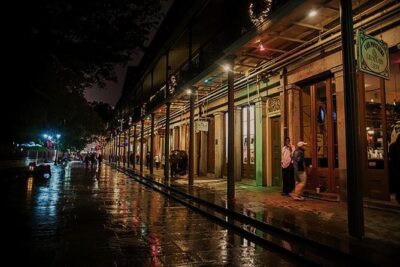
New Orleans Premier Ghost, Voodoo and Vampire Walking Tour
Read our review →
New Orleans Food Walking Tour of the French Quarter with Small-Group Option
Read our review →
St. Louis Cemetery No. 1 Official Walking Tour
Read our review →
New Orleans French Quarter, Voodoo and Culture Walking Tour
Read our review →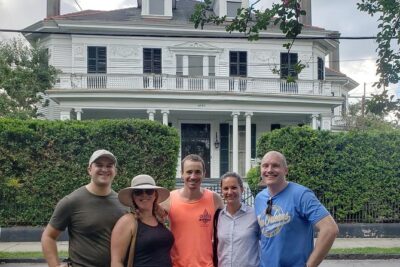
New Orleans Garden District History Walking Tour
Read our review →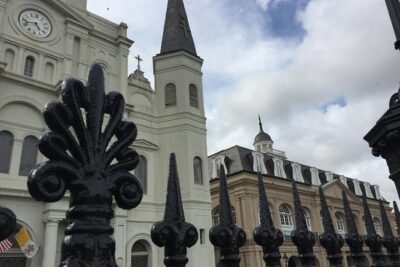
French Quarter Historical Sights and Stories Walking Tour
Read our review →
Ghost and Vampire Walking Tour Of The French Quarter
Read our review →
New Orleans Adults-Only True Crime and Ghost Walking Tour
Read our review →Lists this walk sits on