
Review · NEW ZEALAND
Rotorua: Hell’s Gate Geothermal Walk
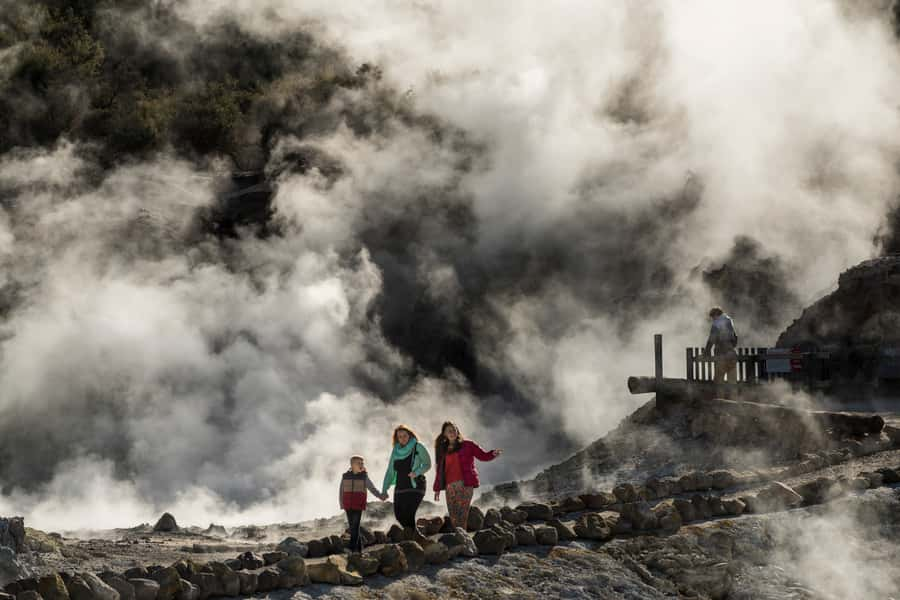
Hell’s Gate puts you close to boiling mud, steaming vents, and hot waterfalls in one of Rotorua’s most active geothermal areas. The path also cuts through native bush, so the experience is more varied than a simple line of pools. I like the excellent map for independent walkers, and I like the chance to hear the stories and science from a local guide. The strong sulfur smell and hot, hazardous ground are part of the deal.
I also like the small extras: a possible Māori carving lesson and mud foot pool, plus a cafe for a drink afterward. The main caution is that the guided walk, carving, and foot pool depend on availability, and the $26 price information should be checked carefully because the activity details also say an entry ticket is not included.
Key points at a glance
- New Zealand’s largest active mud volcano: See bubbling mud and boiling pools at close range, while staying on the marked route.
- A one-hour geothermal walk: The roughly 2-kilometer path is easy for many walkers, but it is not suitable for people with mobility impairments.
- Two ways to explore: Use the supplied map and descriptions, or try to join the English-language guided walk at 10:30 AM or 2:30 PM.
- More than hot pools: Look for fumaroles, hot water lakes, sulfur crystals, land coral, bush, and the Southern Hemisphere’s largest hot waterfalls.
- Strong volcanic smell: Sulfur can smell like rotten eggs and may tarnish gold and silver jewelry.
- Extras depend on availability: Māori carving, a mud foot pool, and the guided walk are not guaranteed.
Why Hell’s Gate feels different from a standard geothermal stop
Rotorua has several geothermal attractions, but Hell’s Gate has a wilder, more active feel. You walk through the heart of a working geothermic field, where heat, steam, mud, and mineral deposits are visible rather than tucked behind a polished display.
The name is not subtle, and neither is the smell. Sulfur hangs in the air around some pools, sometimes lightly and sometimes with real force. If you are sensitive to the odor, give yourself time to adjust. It is not a sign that anything is wrong. It is simply part of standing near active volcanic ground.
The reward is variety. You do not spend the whole hour looking at similar pools. The route includes steaming fumaroles, hot water lakes, sulfur crystals, mineral deposits, boiling pools, and a bush section. That change in scenery helps keep the walk interesting, especially for children aged 12 and older who can take part in the carving activity.
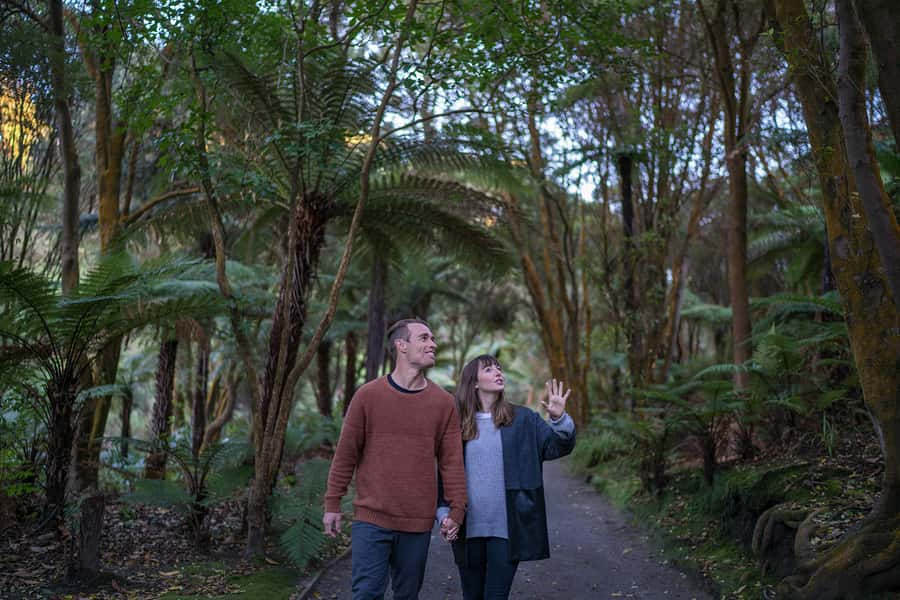
You also get a better sense of how geothermal activity affects plant life. The contrast between hot, barren ground and sections covered in vegetation is one of the most memorable parts of the visit. The reserve feels less like a single viewpoint and more like a short walk through several connected environments.
More walking tours around New Zealand:
- Hobbiton™ Movie Set Walking Tour from Shires Rest
★ 5.0 · 3,577 reviews - Rotorua’s Ultimate Zipline: 6 ziplines, 400 m Tandem, Cliff Walk
★ 5.0 · 2,557 reviews - Waitomo Caves: Ruakuri Glowworm Cave Guided Walking Tour
★ 4.7 · 1,249 reviews
Getting to the reserve from Rotorua
Hell’s Gate is about a 15-minute drive from central Rotorua. From the city, take State Highway 30 east. About five minutes past Rotorua Airport, turn toward Whakatane, then continue roughly 3 kilometers to the reserve.
That short drive makes Hell’s Gate easy to add to a Rotorua day, though you will need your own transport or a separate transfer arrangement. The meeting point is at Hell’s Gate itself, just outside the city center.
Plan around the guided walk if that is important to you. The two stated guided times are 10:30 AM and 2:30 PM, and the guided option is subject to availability. If you arrive at another time, you can still follow the self-guided route with the supplied map.
Beginning the walk with the map or a guide
At the entrance, you receive a map for the geothermal walk. The self-guided route takes about an hour and covers roughly 2 kilometers. The descriptions are enough to help you identify the main features, although the amount of detail may feel limited if you want a full geology lesson.
I like the self-guided option for people on a tight schedule. You can pause for photographs, move at your own speed, and avoid waiting for a set departure. The path is described as easy to follow, and the route works well as a relaxed walk rather than a strenuous hike.
The guided walk adds context. A good guide can explain why one pool is muddy, why another produces more steam, and how sulfur deposits form. The best guides also connect the geology with Māori culture and local stories. Guides named Liam, T, and Luke have been associated with particularly engaging walks, but you cannot count on meeting a particular person on your visit.
The guide is most useful if this is your first geothermal park. Without explanation, some pools can look similar after the first few stops. With a guide, you learn what to notice, and the reserve’s strange details become easier to read.
Still, the self-guided walk is not a poor substitute. The map lets you identify different geothermal features, and you keep control of your time. If you have only an hour before another Rotorua activity, self-guided may be the smarter choice.
Mud volcanoes, fumaroles, and hot water lakes
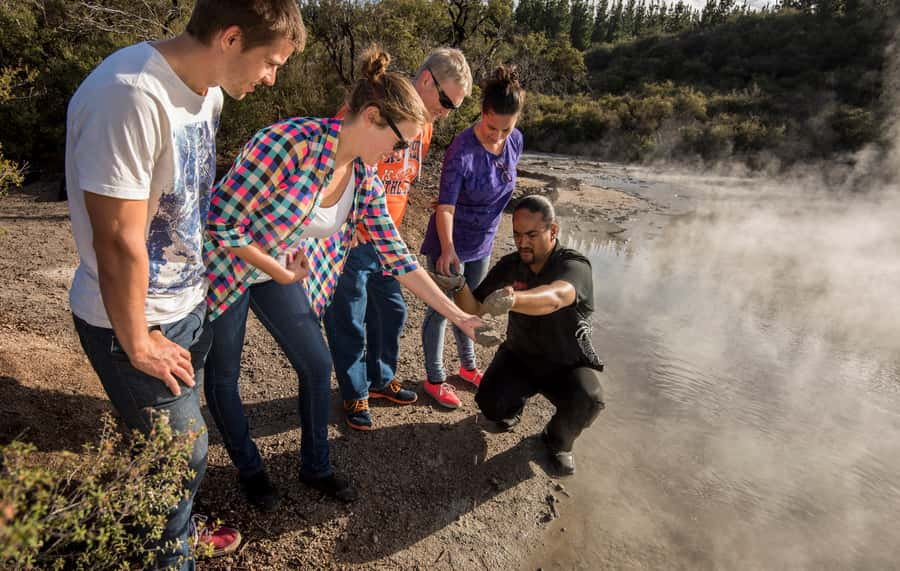
The major attraction is New Zealand’s largest active mud volcano. Instead of a clear pool or tall geyser, you see thick mud bubbling and popping from below. It is a messy, energetic sight, and it shows geothermal force in a way that feels immediate.
You will also see boiling hot pools and erupting water with temperatures above 100 degrees Celsius. Keep to the marked paths and viewing areas. The ground can look calm in one place and highly active a few steps away, so this is not a setting for wandering off to get a closer photograph.
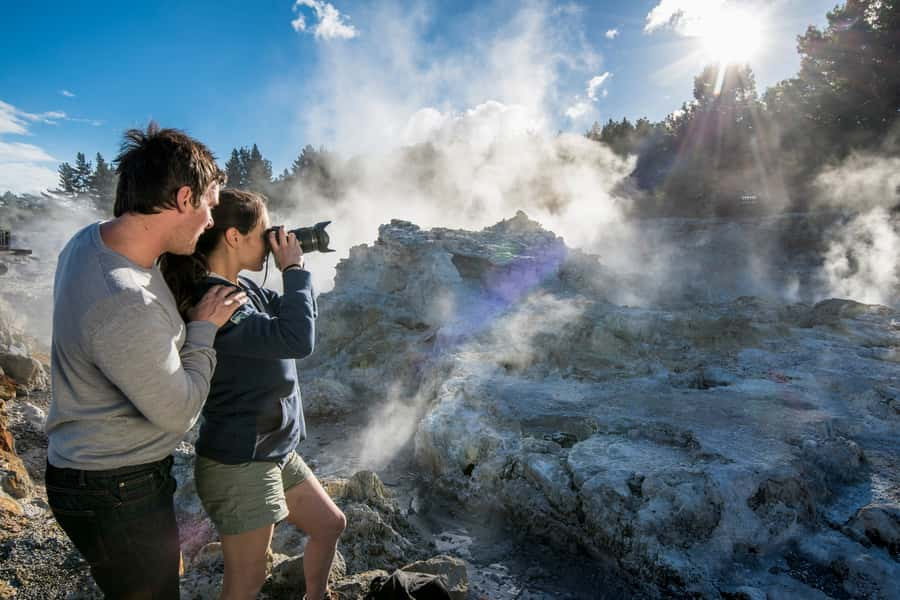
Steaming fumaroles add another layer to the walk. These vents release heat and gases from below the ground. Some areas may feel warm and damp, while others carry the sharp sulfur odor more strongly. Sunglasses can help in bright conditions, and water is worth carrying, especially on a warm day.
The hot water lakes give the reserve a different look again. Their colors and surface activity make good photographs, but the main value is seeing how many forms geothermal heat takes within one small area. You are not simply viewing hot water. You are watching gases, minerals, mud, and heat alter the ground.
Same streets, a different story:
- Rotorua: Hell’s Gate Outdoor Mud Spa & Guided Walk
★ 4.7 · 1,140 reviews - Abel Tasman: Sea Shuttle Cruise and Walking Tour Combo
★ 4.6 · 704 reviews - Abel Tasman National Park: Sailing and Self-Guided Walk
★ 4.8 · 238 reviews - Auckland: Flavours of the City Walking Food Tour
★ 4.8 · 202 reviews
The hot waterfalls and bush section
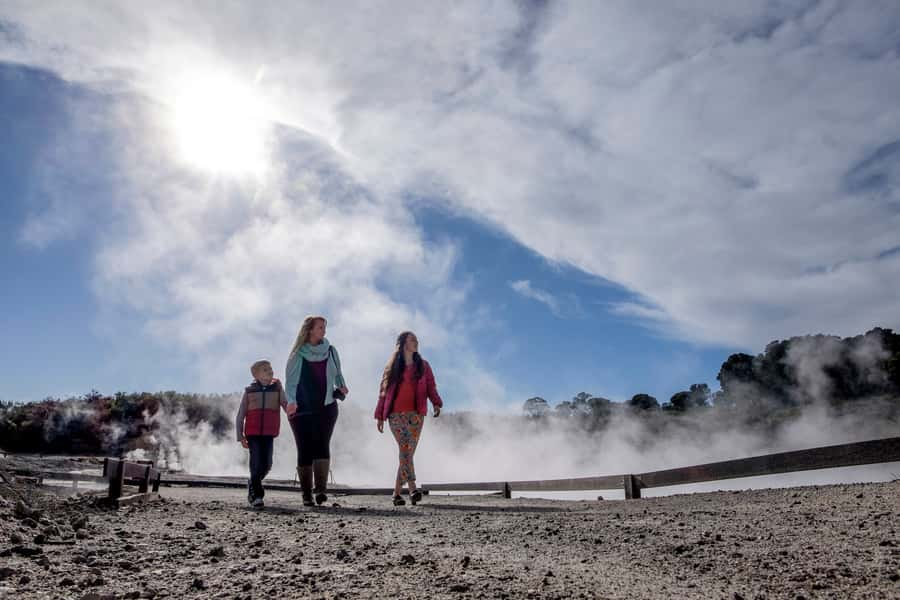
One of Hell’s Gate’s most unusual features is its hot waterfall. The reserve identifies it as the largest hot waterfall in the Southern Hemisphere. That distinction is more than a statistic: a waterfall normally suggests cool, fresh water, while this one belongs to a geothermal system.
The waterfall is especially striking when set against the vegetation nearby. The walk shifts from open geothermal ground into a bush section, creating a strong contrast between green plant life and steaming mineral country. This was one of the most widely praised parts of the route, and I can see why. It prevents the experience from becoming a repetitive procession of pools.
The reserve also has examples of land coral. This is an unusual detail to watch for, particularly if you join the guided walk. A guide can explain the feature more clearly than a quick glance at the map.
Allow time for photographs here. The waterfall, bush, steam, and mineral colors create some of the best visual variety on the route. Rain does not necessarily ruin the stop. Hell’s Gate describes the park as an all-weather activity and notes that it can look its best in rain, when steam and wet surfaces become more visible.
Why the guided walk can be worth your time
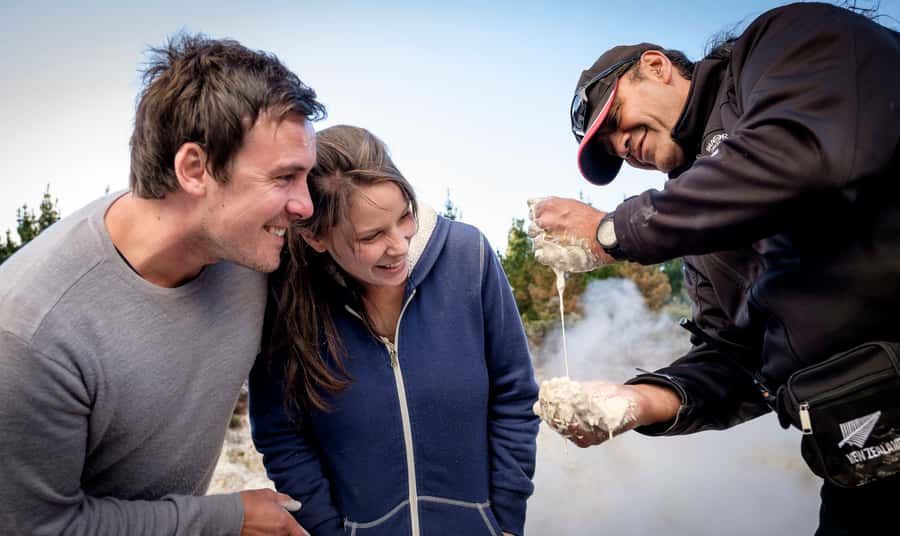
The guided walk lasts about 1.5 hours in the included activity details, while the basic geothermal route takes about one hour. That difference matters. A guide may stop more often, explain cultural and geological details, and move at a slower pace than someone following the map alone.
Choose the guide if you enjoy stories, science, and questions. Several guides have been praised for being funny, warm, and good at explaining the site without making the walk feel like a lecture. A guide can also point out vegetation, sulfur deposits, and features that you might otherwise pass without noticing.
Choose self-guided if you are traveling on a schedule or prefer quiet observation. The supplied map and descriptions give you enough structure to understand the main stops. You can also spend more time at the features that interest you and less at the ones that do not.
There is one practical catch: the guide runs only at stated times and is subject to availability. Do not assume that booking the walk guarantees a guided departure at the exact time you want. Check the current schedule when you plan your visit.
Māori carving and the mud foot pool
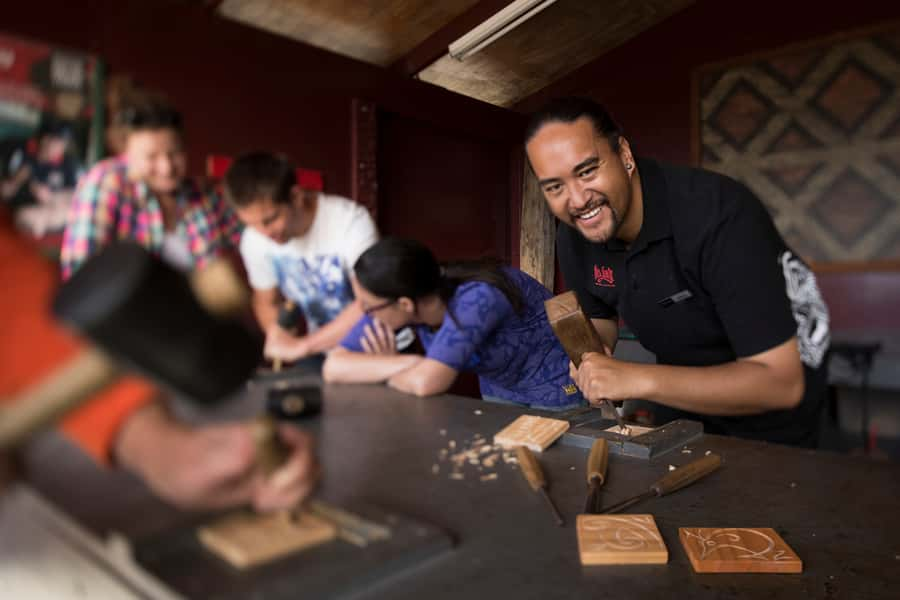
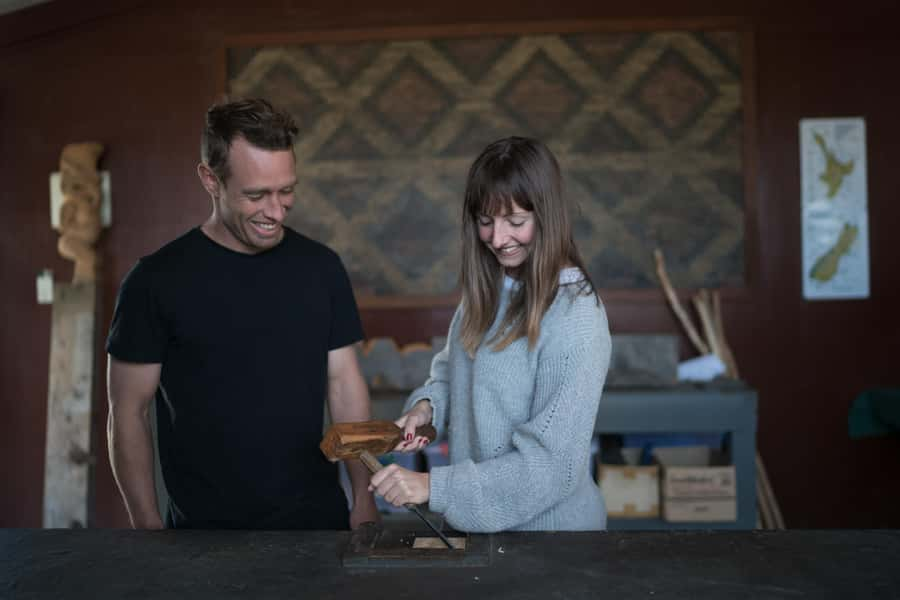
The possible Māori carving activity adds cultural value beyond the geothermal sights. It is not just another photograph or short demonstration. You get to try a hands-on craft, which can make the visit more memorable, especially for families and first-time visitors to New Zealand.
Children must be at least 12 to participate in the carving. The activity is subject to availability, so treat it as a welcome extra rather than the main reason to buy the ticket.
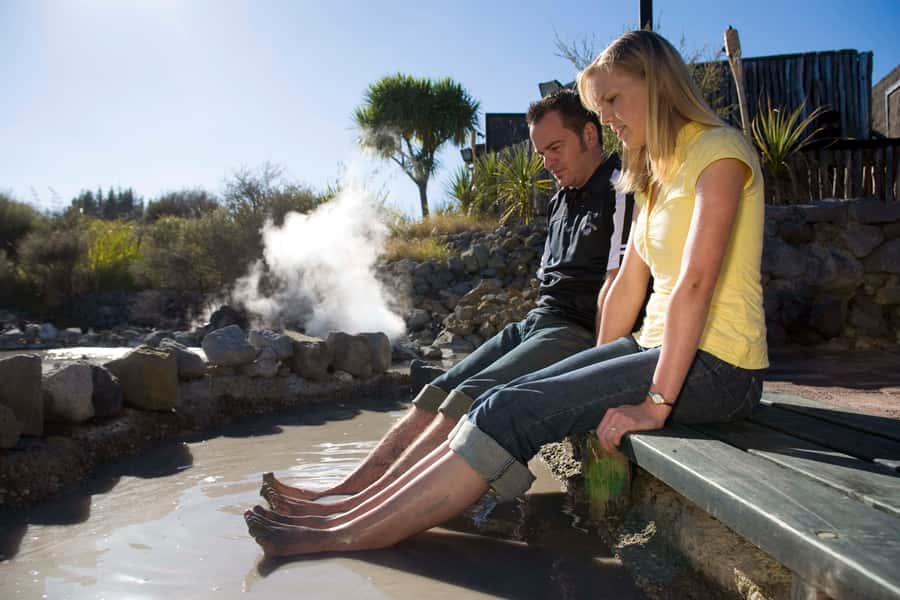
A mud foot pool may also be available. Mud experiences are closely tied to Rotorua’s geothermal setting, and this gives you a direct way to feel one of the materials produced by the ground beneath you. Follow staff instructions before entering any pool. Clear directions about how to use the pools are important, particularly for first-time visitors.
After the walk, the cafe provides an easy place to pause. A coffee can be especially welcome if you visit in rain or cool weather. Food options are available, so you do not need to treat the geothermal walk as a full-day outing unless you choose to add other activities.
Safety, comfort, and what to bring
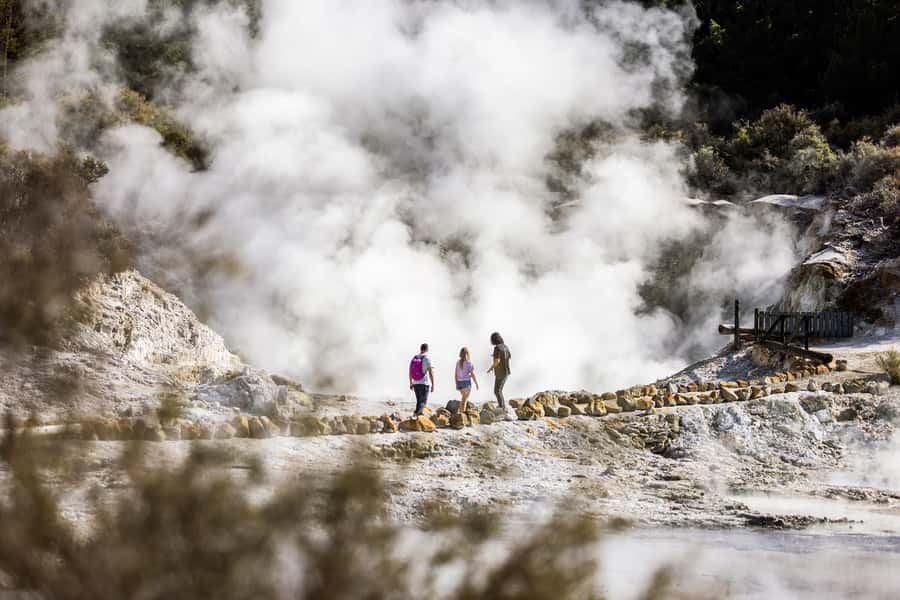
This is an all-weather walk, and the reserve can be particularly atmospheric in rain. Wear comfortable shoes with a secure grip, and bring weather-appropriate clothing. You should also carry water, sunglasses, and sunscreen.
Do not smoke or fly a drone at the reserve. These rules are practical in a geothermal area, where heat, gases, and restricted viewing zones require care.
The sulfur smell is the biggest comfort issue. It can be strong enough to bother young children, and anyone sensitive to odors should know what to expect. The smell may cling lightly to clothing, although the supplied details do not state how long it lasts.
Remove valuable jewelry before the walk. Sulfur residue can tarnish gold and silver, and this is an easy problem to avoid. The reserve should ideally explain this before you enter, but you should take the precaution yourself.
Stay on the route and behind the barriers. One visitor felt some fencing could be higher near boiling mud and other dangerous features. That concern is worth taking seriously. The attraction brings you close to heat that can exceed 100 degrees Celsius, but close does not mean safe to approach beyond the marked areas.
The route is not suitable for people with mobility impairments. The experience involves walking across the geothermal area, and the available information does not promise wheelchair access or an adapted route.
Is the $26 price good value?
The advertised price is $26 per person, which can be fair value for an hour-long geothermal walk if entry, the map, and any available extras are included. You are paying for access to a particularly active geothermal site, not simply a viewpoint beside a road.
The value improves if you use the map carefully, join the guided walk, or take part in Māori carving and the mud foot pool. It is less compelling if you rush through the route and miss the bush, waterfall, and smaller features.
There is an important pricing detail to confirm before booking. The information supplied for this activity says both $26 per person and entry ticket not included. Those statements do not fully match. Check the final booking page or ask Hell’s Gate what the quoted amount covers, especially if the guided walk or extras matter to you.
Free cancellation up to 24 hours before the activity and the option to reserve now and pay later make planning easier. Still, the more important decision is timing. If you want a guide, build your day around 10:30 AM or 2:30 PM rather than treating those departures as a small detail.
Who should choose this geothermal walk?
I would choose Hell’s Gate if you want a geothermal experience with a short, manageable route and more variety than a line of hot pools. It suits adults, older children, photographers, and anyone interested in the link between volcanic heat, plant life, Māori culture, and local geology.
It is also a good fit for a rainy day. Steam, wet rock, and dark volcanic colors can make the reserve more dramatic, and the attraction operates in all weather.
I would think twice if strong smells affect you, if you need a fully accessible route, or if you dislike walking near hot and hazardous ground. You should also allow extra time if you hope to join the guided tour, try carving, or use the mud foot pool.
Should you book Hell’s Gate?
Book it if you want to see Rotorua’s geothermal activity up close without committing to a long hike. The combination of active mud, fumaroles, hot lakes, sulfur crystals, bush, land coral, and the hot waterfall gives you plenty to notice in about an hour.
For the best experience, arrive prepared for rain and sulfur, remove your jewelry, and aim for one of the guided departures if you want deeper explanation. If your schedule is tight, the self-guided map works well. Just confirm what the $26 price includes before you pay.
FAQ
How long does the Hell’s Gate geothermal walk take?
The geothermal route takes about one hour and covers roughly 2 kilometers. The guided tour is listed as lasting 1.5 hours.
When are the guided walks available?
The stated guided walk times are 10:30 AM and 2:30 PM. The guided option is subject to availability.
Is the walk guided or self-guided?
You can explore independently with the supplied map, or join an English-speaking guide if a guided departure is available.
What can I see at Hell’s Gate?
You can see a large active mud volcano, steaming fumaroles, hot water lakes, sulfur crystals and deposits, boiling pools, erupting water, land coral, native bush, and hot waterfalls.
Is Hell’s Gate suitable for children?
Children can take part in the geothermal walk, but they must be at least 12 years old to participate in the Māori carving activity. The sulfur smell may be difficult for very young children.
What should I bring?
Bring comfortable shoes, sunglasses, sunscreen, water, and clothing suited to the weather. A rain cape can be purchased onsite.
Is the entry ticket included in the $26 price?
The supplied activity details give a price of $26 per person but also state that an entry ticket is not included. Check the final booking conditions to confirm exactly what the price covers.
New walking tours around New Zealand
- Napier: Art-Deco + Te Mata Peak+ Garden Walk + Wine Tasting★ 4.7 · 99 reviews
- Rotorua: Mount Tarawera Volcanic Crater Half-Day Guided Walk★ 4.8 · 121 reviews
- Milford Sound: Nature Cruise & Milford Track Walk★ 4.5 · 108 reviews
- Milford Sound: Self-Guided Milford Track Day Walk★ 4.5 · 114 reviews
- Lake Te Anau: 3-Hour Boat Cruise with Guided Walk★ 5.0 · 164 reviews
- Franz Josef: Franz Josef Glacier Lookout Guided Walk★ 4.8 · 161 reviews
- Fox Glacier: Half Day Walking & Nature Tour with Local Guide★ 4.7 · 170 reviews
- Fiordland: Jet Boat & Nature Walk Experience from Te Anau★ 4.9 · 97 reviews
New Zealand Walking Tours, side by side.
Hobbiton™ Movie Set Walking Tour from Shires Rest
Read our review →
Rotorua’s Ultimate Zipline: 6 ziplines, 400 m Tandem, Cliff Walk
Read our review →
Waitomo Caves: Ruakuri Glowworm Cave Guided Walking Tour
Read our review →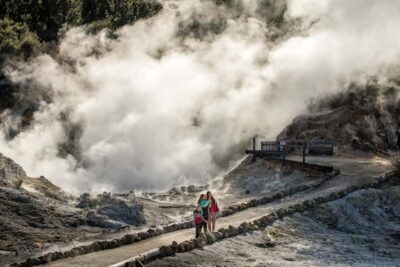
Rotorua: Hell’s Gate Outdoor Mud Spa & Guided Walk
Read our review →
Abel Tasman: Sea Shuttle Cruise and Walking Tour Combo
Read our review →
Abel Tasman National Park: Sailing and Self-Guided Walk
Read our review →
Auckland: Flavours of the City Walking Food Tour
Read our review →
Fox Glacier: Half Day Walking & Nature Tour with Local Guide
Read our review →Lists this walk sits on