
Review · NEW ZEALAND
Rotorua: Hell’s Gate Outdoor Mud Spa & Guided Walk
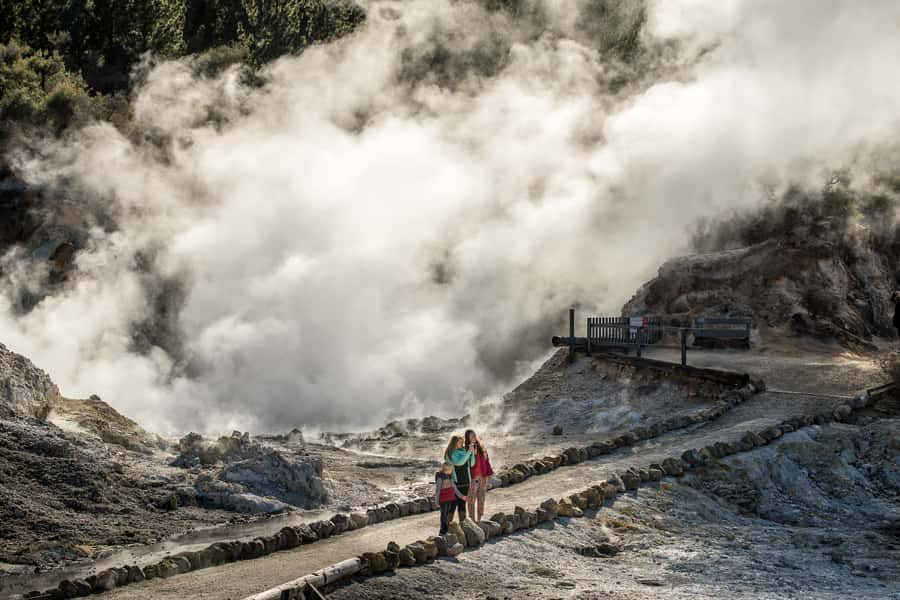
Rotorua’s Hell’s Gate is more than a spa day. You walk through steaming pools, boiling mud, acidic sulfur water, and a waterfall before sitting in warm mineral mud yourself. It is a rare pairing: raw geothermal power first, gentle soaking afterward.
I like the freedom to choose between a map-led walk and a guided tour, and I like the cultural layer provided by Māori carving and guides such as Tee, Zia, Liam, and Ngati. The $68 price is fair for a three-hour visit with the walk, mud bath, sulfur spa, carving, and plunge pool included.
The main drawback is the strict 20-minute mud-bath limit, which some people may find short. The sulfur smell also clings to swimwear, towels, and sometimes your hair, so bring old clothing or rent what you need onsite.
Key points to know before visiting Hell’s Gate
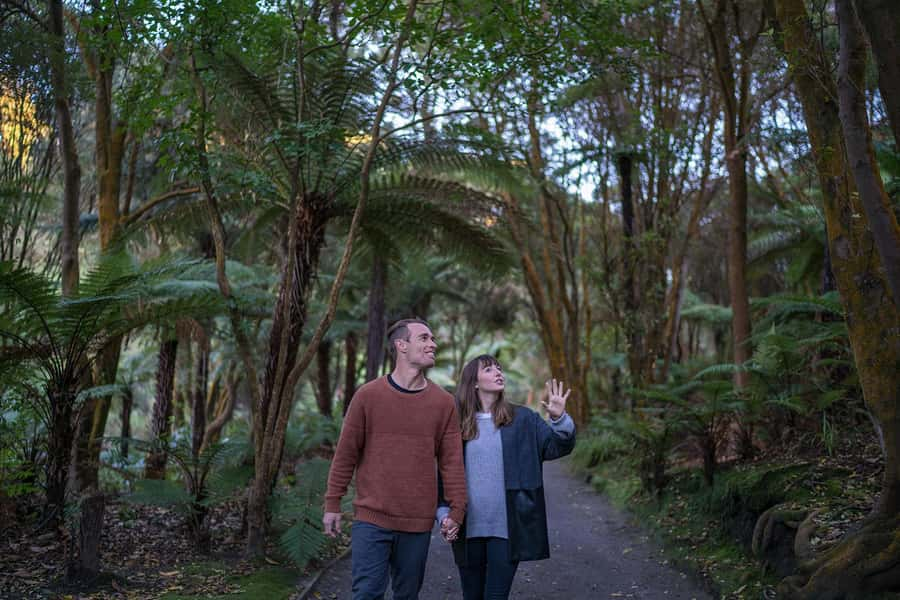
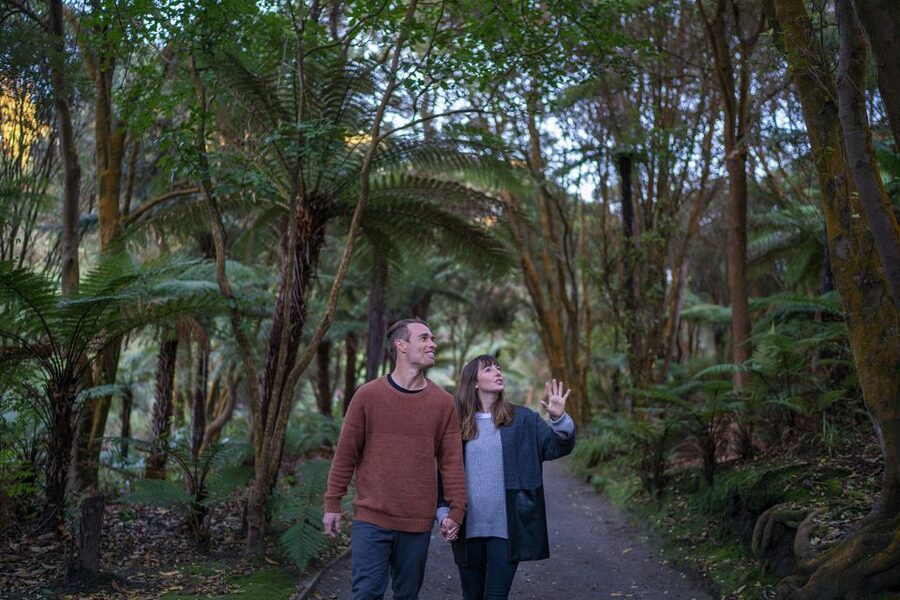
- Geothermal walk: Follow a marked route through steaming pools, mud, sulfur water, native plants, and a waterfall.
- Two ways to explore: Walk independently with the supplied map or join an English guided tour when one is available.
- Mud bath limit: You get up to 20 minutes in the geothermal mud for health and safety reasons.
- Spa sequence: The usual treat is warm mud followed by an acidic sulfur spa and, if you like, a cool plunge.
- Māori culture: Wood carving adds a hands-on cultural element, with carving available to children aged 12 and over.
- Practical warning: Remove jewelry, especially silver, and wear an old swimsuit because the sulfur smell can be hard to wash out.
Why Hell’s Gate is different from a standard Rotorua spa
Rotorua has plenty of thermal pools, but Hell’s Gate puts the spa after a walk through an active geothermal reserve. That order matters. You first see the mud bubbling in the ground and the steam rising from hot water. Then you step into a smaller, controlled version of that same geothermal world.
The reserve is called Tikitere and sits at 351 State Highway 30, roughly 15 minutes from central Rotorua. The setting feels far removed from town, even though it is an easy outing from the city.
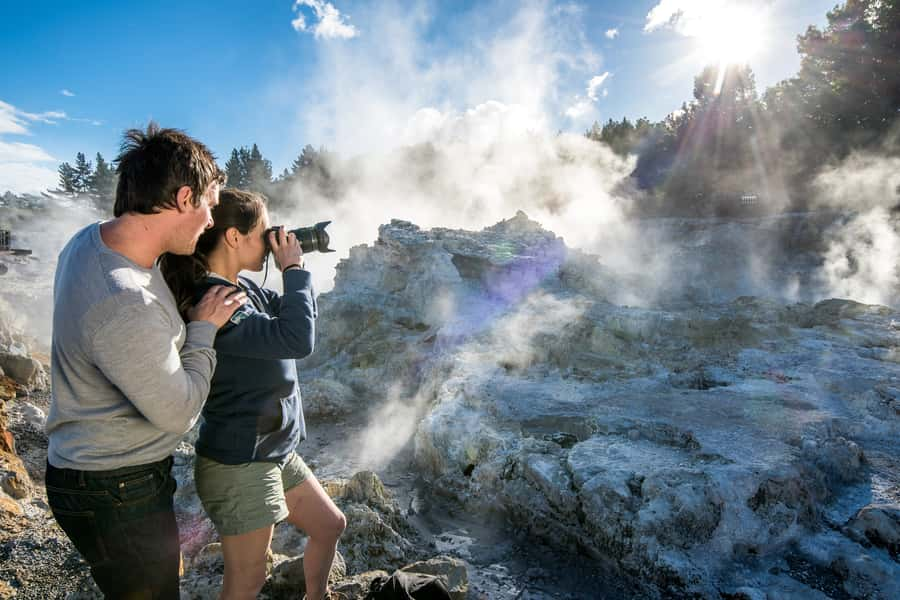
You are not simply looking at colored pools from a path. The route takes you through the heart of a geothermic field, where the ground can look harsh and almost alien. The attraction includes steaming pools, mud pools, sulfur waters, native plants, and a waterfall hidden among the thermal features.
That contrast is the charm. One minute you are looking at land shaped by heat and chemicals. Later, you are resting in warm mud with your feet and arms coated in minerals.
More hot springs around New Zealand:
- From Krakow: Slovakia Treetop Walk, Zakopane & Thermal Spa
★ 4.7 · 110 reviews
Start with the walk or save it for later
At arrival, you can take the supplied map and set off at your own pace. This option works well if you want to pause for photographs, read each sign, or avoid being tied to a group.
The route is clearly laid out, and the map helps you keep track of the main features. You might prefer this approach if you are traveling with children, need to walk slowly, or want to spend more time at certain pools. It also gives you control over when you reach the spa area.
The guided option adds context that a map cannot always provide. Guides explain the geology, local Māori connections, plants, animals, and stories linked to the reserve. Several guides receive especially warm praise for their style, including Liam, Tee, Zia, and Ngati. One guide is known for jokingly calling himself the guy with the really long name, a small detail that captures the relaxed tone of the tours.
Zia has included a haka for groups, while other guides focus on Māori heritage and the cultural meaning of the area. This is useful because the geothermal features are not just natural oddities. They are part of a place with long-standing Māori connections and practical traditions.
The supplied information lists guided tours at 10:30 AM and 2:30 PM for October 1 through March 31, 2023, subject to availability. Since that schedule is tied to a past date range, check the current starting times before you go.
What you see along the geothermal route
The walk is the serious part of the outing. The spa is pleasant, but the reserve gives the visit its sense of place.
You can expect steaming ground, hot pools, bubbling mud, and sulfurous water. Some features look calm from a distance but remain extremely hot and chemically active. Stay on the marked route and follow the signs rather than treating the reserve like an open park.
The mud pools are particularly memorable. Their thick, bubbling surface makes the heat below feel immediate. This is not a polished spa setting. Nature looks rough here, and that is exactly why the walk works.
The waterfall is an easy detail to miss if you rush. It sits among steaming pools and muddy water, giving the route a surprising change of scenery. Allow enough time to complete the walk instead of heading straight for the spa.
If you choose a self-guided visit, read the signs as you go. The map is reported to be easy to follow, but a guide can point out plants, animals, cultural details, and links to events such as the White Island eruption. Those details make the reserve more than a collection of hot pools.
The mud bath is the centerpiece
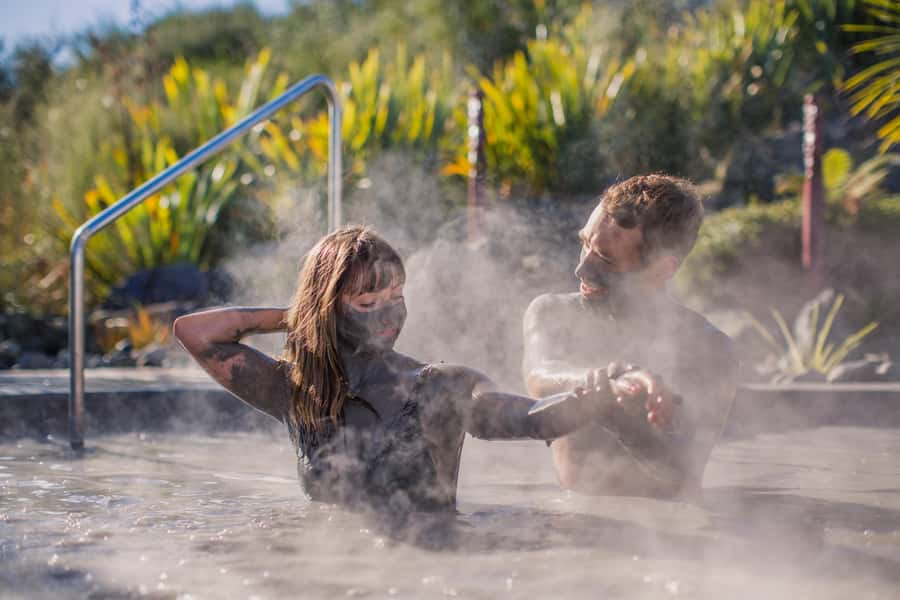
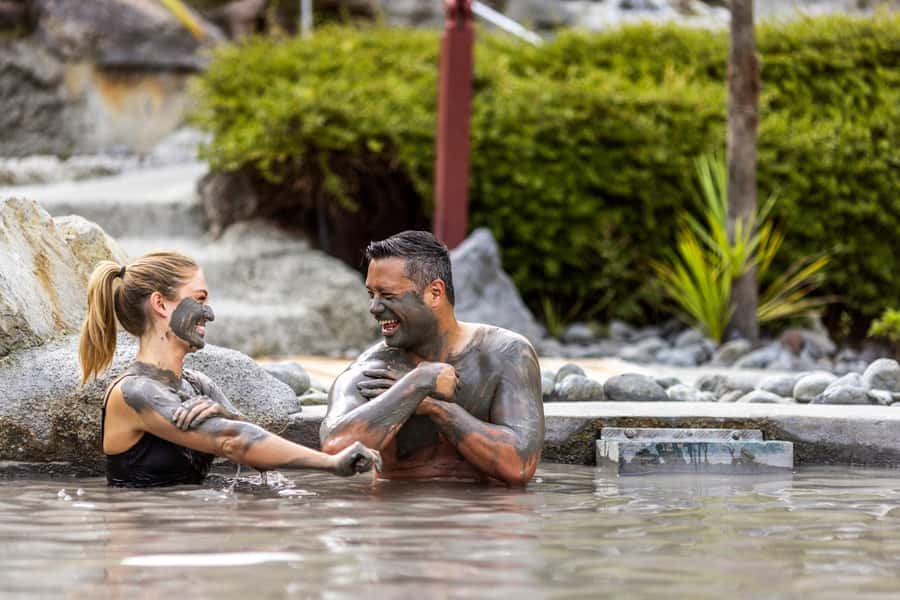
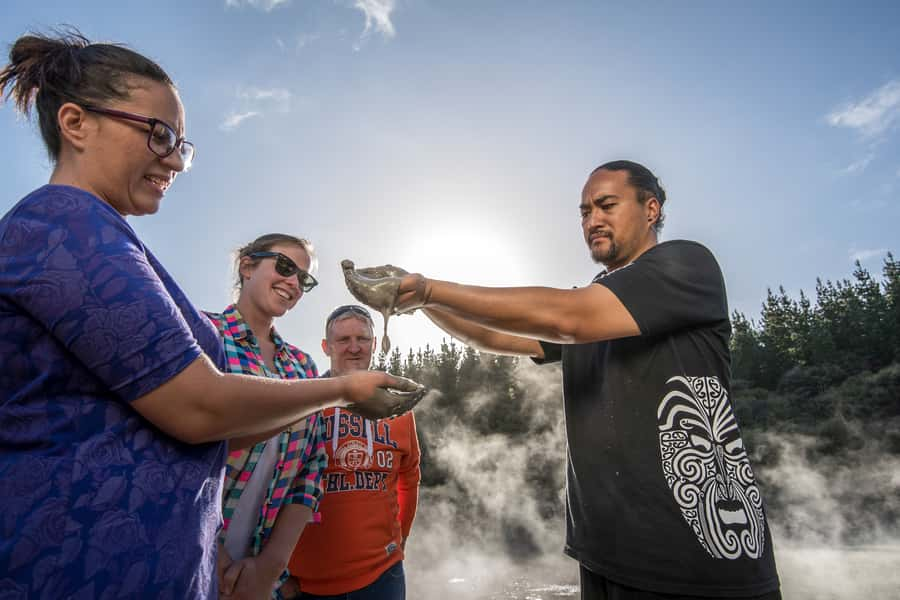
After the walk, you enter the mud bath area. The geothermal mud is warm and soft, and you spread it over your skin before soaking. The idea is simple: the mud opens and cleans the pores, while the later sulfur bath provides gentle exfoliation.
You have a maximum of 20 minutes in the mud per visit. That may sound brief, but warm mud becomes more intense than you might expect. The time limit also helps keep the area organized and prevents you from overheating.
You do not need to treat the mud bath as a beauty ritual. It is fun, unusual, and tactile. Children enjoy it, and adults often find it more relaxing than expected. The minimum age for the mud bath is 2.5 years.
The mud area may feel private at times, but that depends on timing and how many people are using it. If you want a quieter soak, arriving at a less crowded time may help, though no private bath is promised.
A useful tip: rinse well after the mud bath before moving to the sulfur spa. You will want to remove the heavier mud before the next stage.
Same streets, a different story:
- Hobbiton™ Movie Set Walking Tour from Shires Rest
★ 5.0 · 3,577 reviews - Rotorua’s Ultimate Zipline: 6 ziplines, 400 m Tandem, Cliff Walk
★ 5.0 · 2,557 reviews - Waitomo Caves: Ruakuri Glowworm Cave Guided Walking Tour
★ 4.7 · 1,249 reviews - Abel Tasman: Sea Shuttle Cruise and Walking Tour Combo
★ 4.6 · 704 reviews
Finish with the sulfur spa and cool plunge
The sulfur spa is warmer and more traditional in feel than the mud bath. You sit in acidic sulfurous water that has been used by local Māori for more than 800 years. The water can be relaxing after the walk, especially if you have spent time standing and taking photographs.
The sulfur smell is part of the bargain. It is not a fault with the facility. It comes from the minerals in the water, and it can remain in your swimwear and towel afterward. The practical answer is to wear an old swimsuit, rinse everything thoroughly, or rent or buy swim items onsite if available.
A cool plunge pool is also included. Moving from warm mud and sulfur water into cooler water gives the spa visit a sharper finish. You can choose how much time to spend in each area, though some services depend on availability.
One warning is worth taking seriously: the spa’s chemical makeup can tarnish jewelry, especially silver. Remove rings, necklaces, watches, and earrings before you enter. It is wise to wait 24 to 48 hours before wearing them again, according to the supplied guidance.
Some people may notice eye irritation around the spa. Staff have provided eye drops when needed, but you should still avoid rubbing your eyes and follow the onsite instructions.
Māori carving adds meaning to the visit
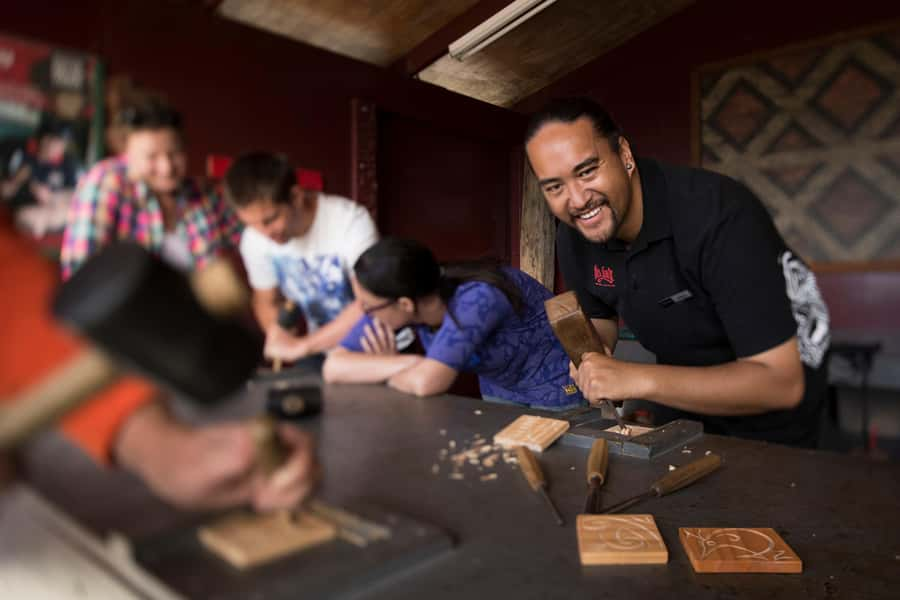
The wood-carving activity is a small part of the program, but it is one of the more distinctive extras. You can make a simple piece of art using a Māori symbol, giving you something personal to take home.
The carving session is not the main reason to book Hell’s Gate, and it may be quick. Still, it adds cultural value that many geothermal parks lack. Guides and carving staff explain the symbols and their importance rather than presenting the activity as a generic craft workshop.
Children must be at least 12 to take part in carving. If you are traveling with younger children, they can still join the walk and eligible spa activities, but carving will not be available to them.
Is $68 good value?
At $68 per person, this is not the cheapest thermal soak in Rotorua. The price makes more sense when you count the full package: entry to the geothermal reserve, the walk, optional guided tour, mud bath, sulfur spa, Māori carving, and cool plunge pool.
You also get a three-hour visit rather than a quick dip. The geothermal walk gives the admission a proper sightseeing element, while the spa provides the rest period afterward.
The value is strongest if you want both nature and bathing in one outing. If you only want a hot pool, a simpler spa may cost less and offer a longer soak. If you want Rotorua’s geothermal character, cultural context, and a hands-on mud bath together, Hell’s Gate earns its price.
The 20-minute mud limit may affect your calculation. You are paying for the whole visit, not an extended mud session. The spa is best understood as one part of a varied half-day activity.
Timing, clothing, and who should skip it
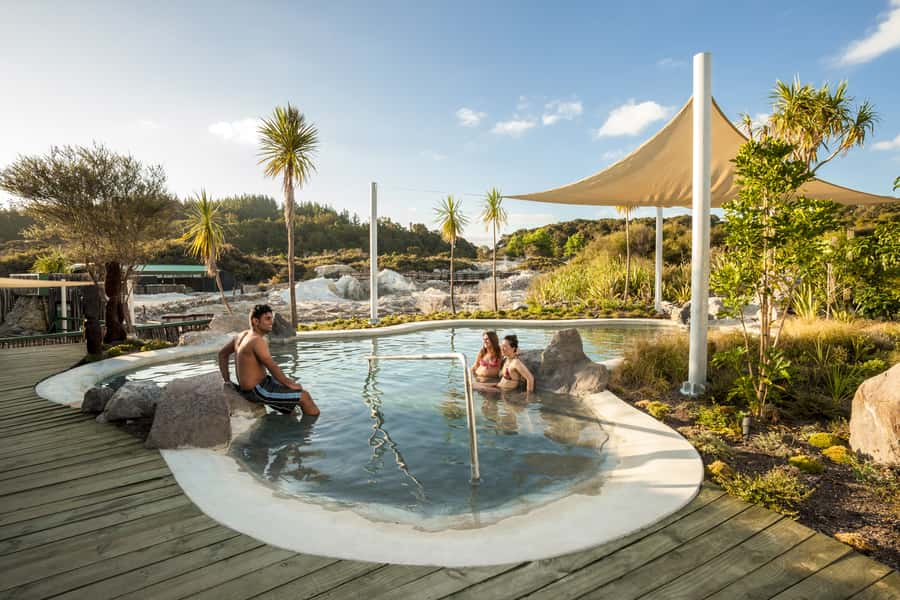
Plan on about three hours, including the walk and spa. You can start with the geothermal route or follow the order suggested by staff. If you want a guided tour, check the available departure time before you arrive.
Wear comfortable shoes for the walk. Bring swimwear and a towel, though both can be rented or purchased onsite subject to availability. Old swimwear is the safest choice because the sulfur smell can remain after washing.
Do not bring jewelry, alcohol, drugs, or a drone. Smoking is not allowed. Unaccompanied minors are not permitted.
This activity is not suitable for pregnant women, people with heart problems, high blood pressure, or mobility impairments. The thermal setting can be hot and slippery, and the walking portion may not suit everyone.
The minimum age for the sulfur spa is six months, while the mud bath minimum is 2.5 years. Children need to be at least 12 for carving. These age rules make the outing possible for some families, but the combination of heat, mud, and sulfur still requires close adult attention.
How to choose between guided and self-guided
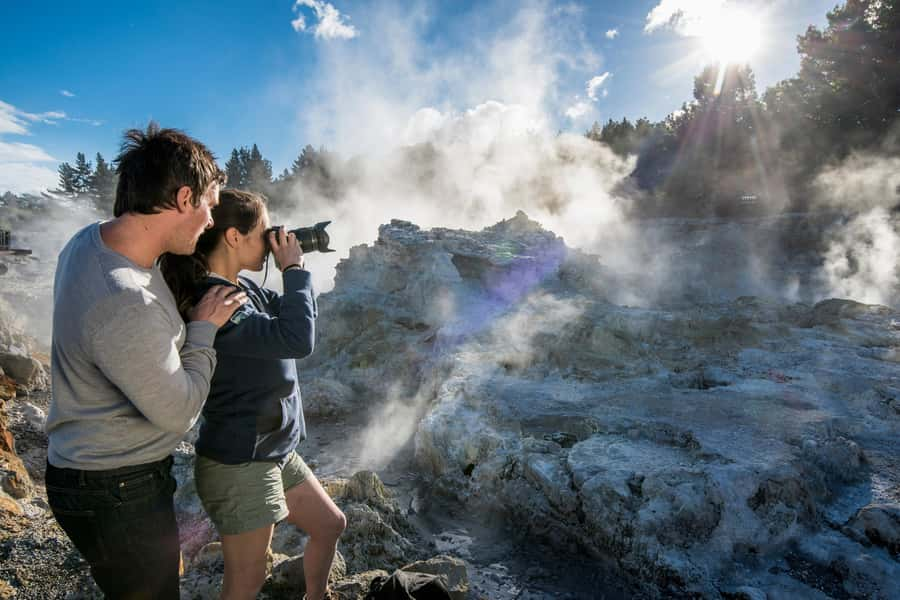
Choose the guided walk if you want the reserve explained as you go. The best guides bring geology and Māori culture together, with humor and local stories. Names such as Liam, Tee, Zia, and Ngati appear in the staff praise, but availability changes from day to day.
Choose the map-led route if you want a slower pace or more independence. The map and signs provide enough structure to make the walk worthwhile, and you can return to areas that interest you. The tradeoff is that you may miss small details about plants, animals, cultural practices, or the geology.
A practical compromise is to start with the self-guided route, then join a tour if the timing works. Do not assume you can catch up easily, though. One account noted that a guided group had been walking for about 20 minutes while the self-guided visitor was still near the first signpost.
Should you book Hell’s Gate?
Book it if you want a distinctly Rotorua experience that combines geothermal scenery, Māori culture, and a spa. I would especially recommend it for first-time visitors who want more than a standard thermal pool, and for families with children old enough to enjoy the mud bath.
Choose the guided option when available if cultural stories and local detail matter to you. Choose the self-guided route if you value flexibility and quiet pauses. Bring old swimwear, remove all jewelry, and allow the full three hours.
Skip it if you dislike sulfur smells, muddy water, hot conditions, or a fixed 20-minute mud session. For everyone else, Hell’s Gate offers a memorable contrast: a fierce geothermal reserve followed by a calm soak in the same mineral world.
FAQ
Where is Hell’s Gate Geothermal Reserve?
Hell’s Gate is at 351 State Highway 30 in Tikitere, about 15 minutes from Rotorua town center.
How long does the experience last?
The visit lasts about three hours.
Is a guided tour included?
Daily guided tours are included when available, but you can also explore independently with the supplied geothermal walk map. The listed guided times are 10:30 AM and 2:30 PM for the stated October 1 through March 31 period, subject to availability.
What is included in the price?
The experience includes the geothermal walk, optional guided tour, mud bath, sulfur spa, Māori carving, and cool plunge pool.
How long can I stay in the mud bath?
The mud bath has a 20-minute limit per person per visit for health and safety reasons.
What should I bring?
Bring comfortable shoes, swimwear, and a towel. Old swimwear is recommended because the sulfur smell can remain after the visit.
Can children participate?
Children must be at least 2.5 years old for the mud bath and at least six months old for the sulfur spa. Children must be 12 or older to take part in carving, and minors cannot attend unaccompanied.
Who should avoid this activity?
The experience is not suitable for pregnant women, people with heart problems, high blood pressure, or mobility impairments.
New walking tours around New Zealand
- Napier: Art-Deco + Te Mata Peak+ Garden Walk + Wine Tasting★ 4.7 · 99 reviews
- Rotorua: Mount Tarawera Volcanic Crater Half-Day Guided Walk★ 4.8 · 121 reviews
- Milford Sound: Nature Cruise & Milford Track Walk★ 4.5 · 108 reviews
- Milford Sound: Self-Guided Milford Track Day Walk★ 4.5 · 114 reviews
- Lake Te Anau: 3-Hour Boat Cruise with Guided Walk★ 5.0 · 164 reviews
- Rotorua: Hell’s Gate Geothermal Walk★ 4.4 · 217 reviews
- Franz Josef: Franz Josef Glacier Lookout Guided Walk★ 4.8 · 161 reviews
- Fox Glacier: Half Day Walking & Nature Tour with Local Guide★ 4.7 · 170 reviews
New Zealand Walking Tours, side by side.
Hobbiton™ Movie Set Walking Tour from Shires Rest
Read our review →
Rotorua’s Ultimate Zipline: 6 ziplines, 400 m Tandem, Cliff Walk
Read our review →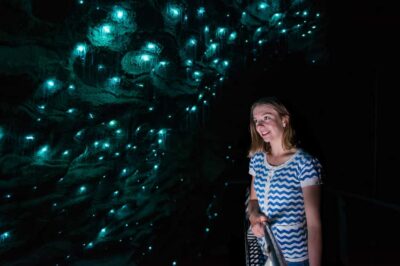
Waitomo Caves: Ruakuri Glowworm Cave Guided Walking Tour
Read our review →
Abel Tasman: Sea Shuttle Cruise and Walking Tour Combo
Read our review →
Abel Tasman National Park: Sailing and Self-Guided Walk
Read our review →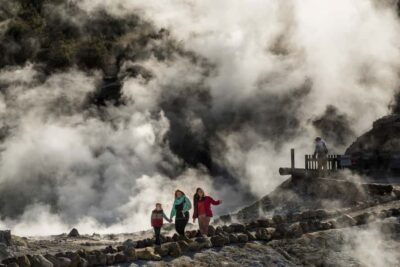

Auckland: Flavours of the City Walking Food Tour
Read our review →
Fox Glacier: Half Day Walking & Nature Tour with Local Guide
Read our review →Lists this walk sits on