
Review · ITALY
Herculaneum: 3D Walking Tour with Skip-the-Line Ticket
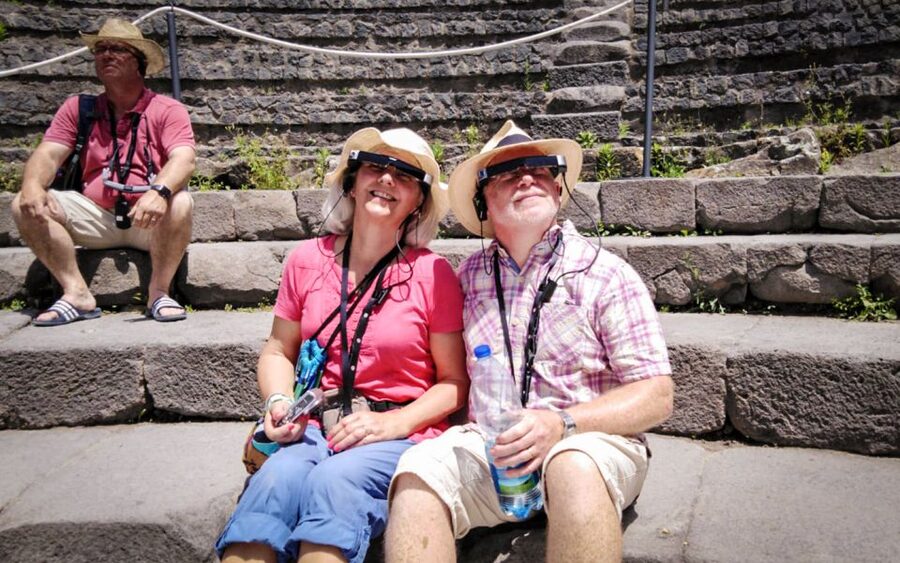
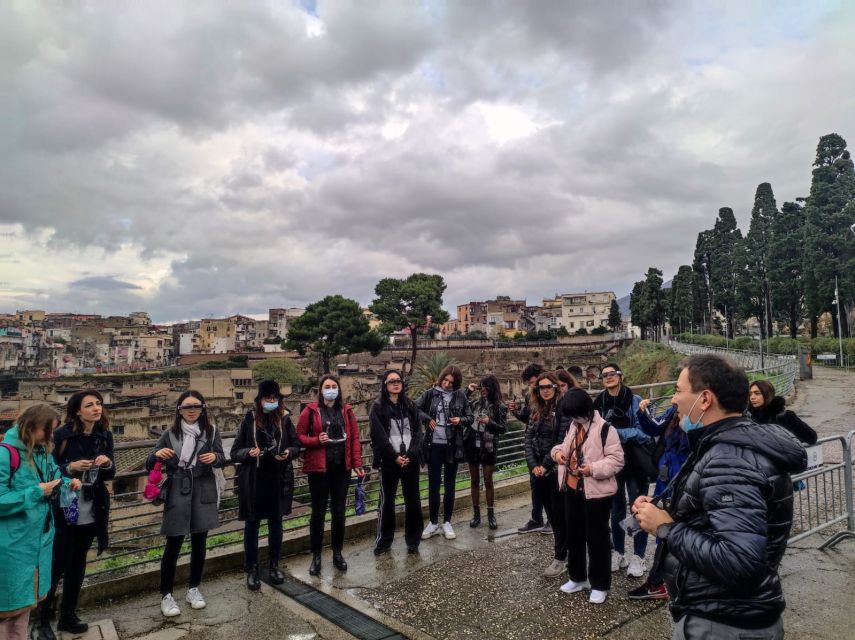
Herculaneum becomes much easier to picture when transparent AR glasses rebuild its temples, houses, and public squares over the ruins in front of you. The 3D images give shape to walls and streets that can otherwise feel puzzling, especially if you are visiting without a guide.
I like the mix of technology and on-site explanation, and I like that a live assistant stays with you while the audio is available in six languages. The main drawback is that the glasses take a little practice, and the tour lasts only two hours, so you may want extra time afterward to see the park at your own pace.
Key points to know before booking
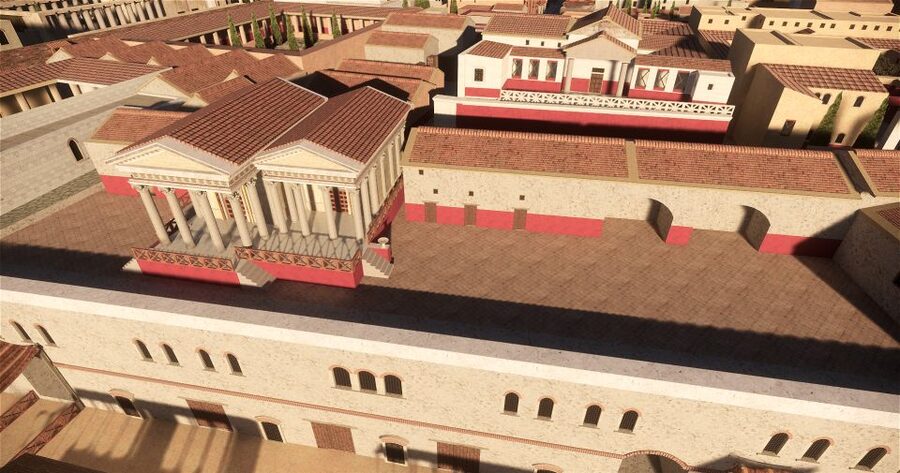
- 3D reconstructions sit over the actual ruins, helping you picture Herculaneum before the 79 AC eruption.
- A tour assistant stays with you, explains the glasses, and helps with questions and equipment.
- Recorded audio is available in six languages: English, French, German, Spanish, Italian, and Portuguese.
- Skip-the-line admission is included, followed by the freedom to remain in the archaeological park.
- The tour suits children aged eight and up, but children under eight cannot use the 3D technology.
- Strong guides add real value, with Chiara, Luigi, Roberta, Alessia, Lucia, and Daniela praised for patience, warmth, and clear explanations.
Seeing Herculaneum before the eruption
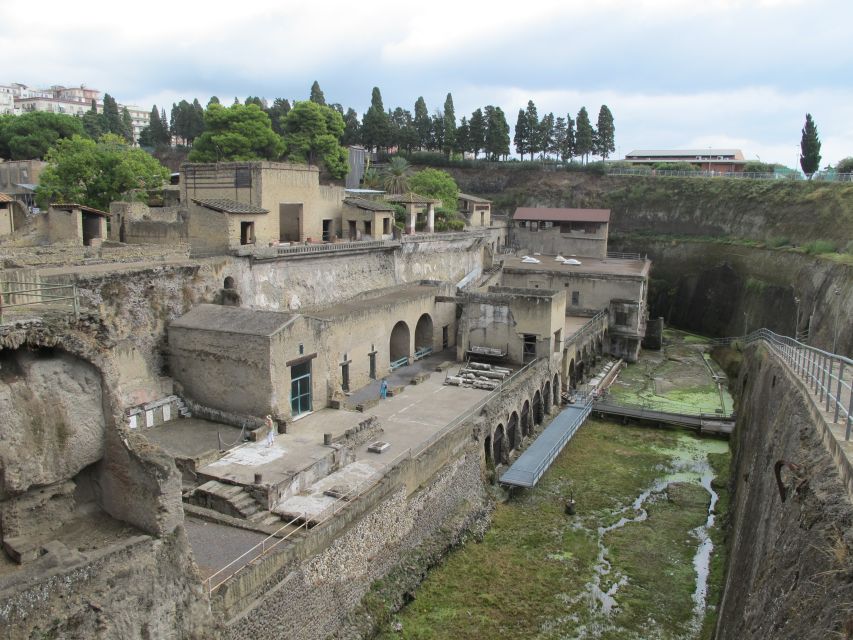
The clever part of this experience is not simply wearing a pair of high-tech glasses. It is seeing an ancient building in two states at once: the ruins that remain today and a digital reconstruction showing how the site may have looked before the eruption.
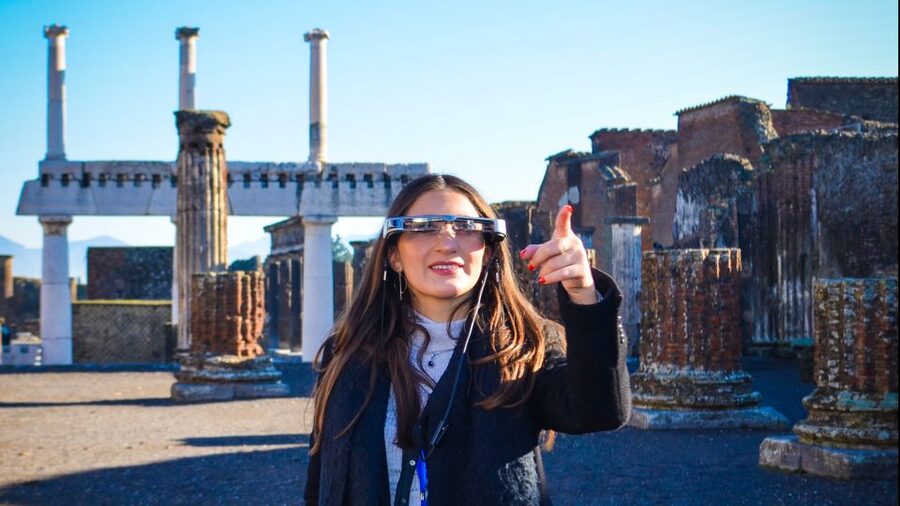
The lenses are transparent, so you continue to see the real archaeological park. The software places holographic images over the existing structures. Turn your head and you can view the reconstruction from different angles, including a full 360-degree view.
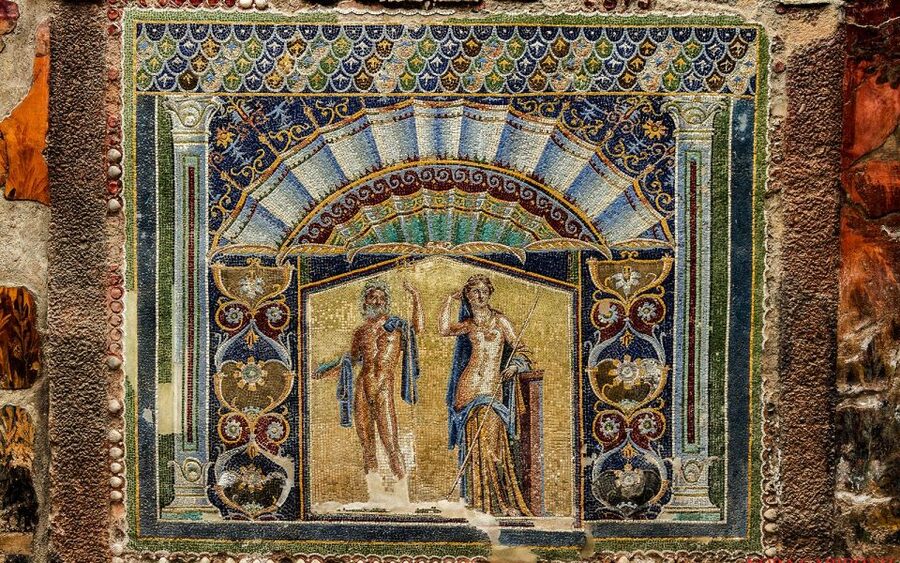
That matters at Herculaneum. Pompeii is larger and more famous, but Herculaneum has its own special strength. The preserved streets and buildings can feel more intimate, while the remains sometimes require you to use your imagination. The AR images give that imagination a firm starting point.
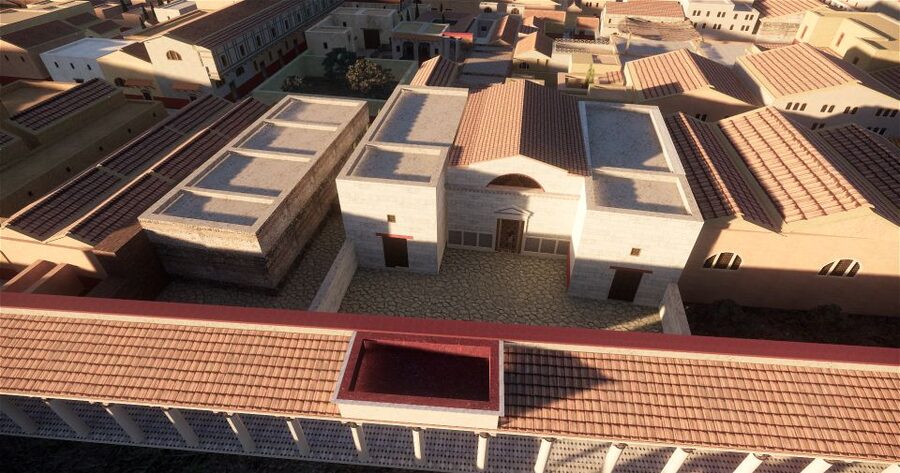
You will see reconstructions of important temples, houses, and squares as you walk through the ancient city. The point is not to replace the ruins. It is to help you understand what the ruins once formed.
I particularly like this approach for first-time visitors who are not comfortable reading archaeological plans. You do not need to guess how a wall connected to a room or how an open square might have functioned. The images make those relationships easier to grasp.
More skip-the-line entries on the way around Italy:
- Milan: Guided Walking Tour with Last Supper Skip-the-Line
★ 4.7 · 1,143 reviews - Skip-the-Line Florence Highlights and David Walking Tour
★ 5.0 · 1,127 reviews - From Naples: Guided tour of Pompeii skip-the-line and round-trip train
★ 4.5 · 811 reviews
Meeting the assistant beside the ticket office
The meeting point is at the snack area beside the main ticket office. Look near the vending machines for the assistant holding an AR Tour sign. This is a useful detail because the entrance area can feel busy, and you do not want to wander around looking for a meeting point.
Your assistant provides the glasses and gives you a short introduction to their use. The glasses can be worn over ordinary eyeglasses, which removes one common worry for people who need prescription lenses.
The assistant then accompanies the group through the archaeological site. This is more helpful than simply collecting a device and setting off alone. If the technology feels awkward at first, you have someone nearby to help. The assistant can also keep the tour moving and explain how the digital images relate to the ruins.
The exact group size is not stated, but several people describe small groups and easy communication. That can make a big difference at an archaeological site. A guide who can be heard clearly is worth far more than a large group that leaves you trying to follow from the back.
Arrive on time. If you are late, the tour waits for a maximum of five minutes before starting. That rule protects the rest of the group, but it means you should allow extra time to reach the entrance, find the ticket office, and locate the assistant.
Walking through houses, temples, and squares
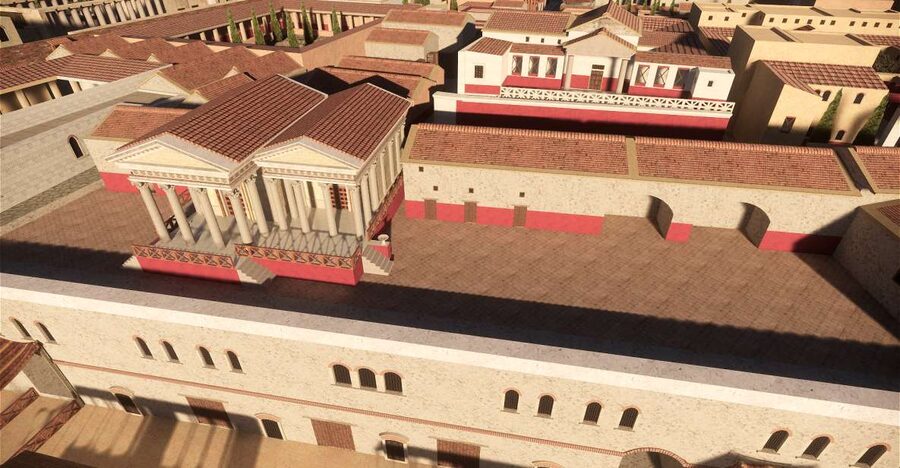
The tour has been designed with an archaeologist team and focuses on daily life in Herculaneum before the eruption. Rather than treating the site as a collection of isolated walls, it links major buildings and open spaces into a picture of an active Roman town.
As you walk, the glasses show digital versions of significant buildings over the surviving remains. You might look at a partial structure and then see the missing height, roofline, or interior arrangement supplied by the reconstruction.
The experience is still a walking tour, not a seated presentation. You move through the archaeological park while the assistant guides you from place to place. Wear comfortable shoes and clothing suited to the weather. The tour operates in rain or sun, and the site offers little protection from uncomfortable conditions.
The audio guide is recorded and available in English, French, German, Spanish, Italian, and Portuguese. The instructor languages listed for the activity are English and Italian, while the audio gives more language choice during the visual sections.
This creates a useful balance. You can listen in your preferred language while still receiving help from the assistant. If you are in a mixed-language group, the live guide may need to divide attention. One group of eight had a guide who allowed time for other members to translate, which is encouraging for families and friends traveling together.
How the AR glasses change the visit
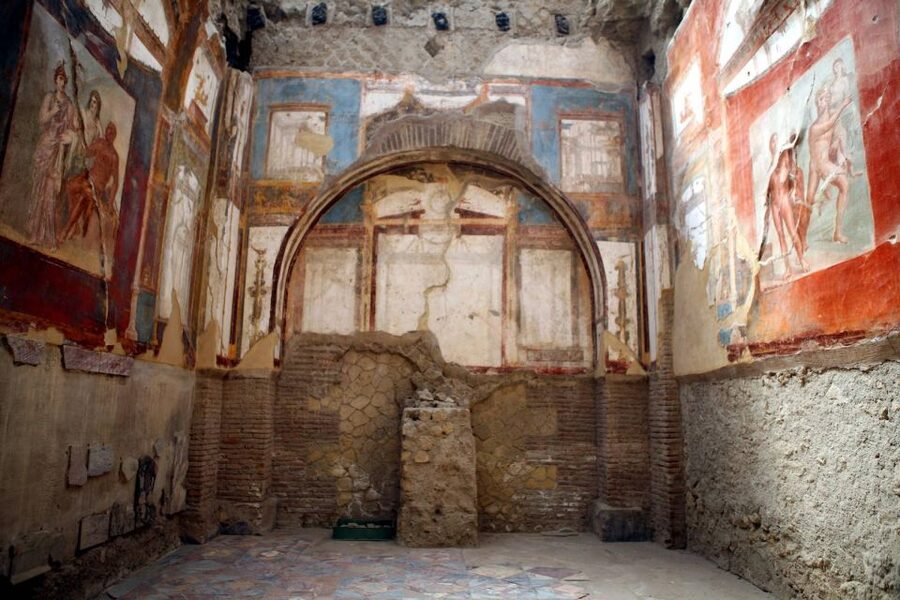
The technology works best as a visual aid. It does not turn the whole archaeological park into a digital film, and it does not replace looking carefully at the actual stones, walls, and streets.
You will need to turn your head to see the reconstructions from different directions. That movement helps create a sense of space, but it can take a little time to get used to. One person found the glasses slightly difficult at first, then enjoyed the full 360-degree view once the controls made sense.
This is worth remembering if you prefer a traditional, quiet archaeological visit. The glasses add information, but they also add a device between you and the site. Some people will find that exciting. Others may prefer a standard guide or audio tour.
The best way to use the technology is to look at both layers. First, notice the existing ruin. Then study the holographic reconstruction and compare it with what remains. That habit keeps the visit grounded in the real place rather than turning it into a screen-based attraction.
The AR is especially useful for children and teenagers aged eight and up. A ruined wall can be hard for younger visitors to interpret, while a digital reconstruction gives them something immediate to follow. The assistant also includes children in the explanations, and one guide, Roberta, was praised for making sure two children took part in the tour.
Children under eight can enter the archaeological park with a normal ticket, but they cannot use the 3D system. That makes this particular activity a better fit for families with older children.
More entry tickets on the route around Italy:
- Milan: Guided Walking Tour & Last Supper Visit with Ticket
★ 4.7 · 5,409 reviews - Florence: Duomo Complex with Tickets & City Walk Guided Tour
★ 4.7 · 2,057 reviews - David & Accademia Guided Tour with Time Entry Ticket
★ 4.5 · 1,705 reviews - Pompeii: Guided Walking Tour with Entrance Ticket
★ 4.3 · 1,423 reviews
The people who make the tour work
The glasses are the headline feature, but the assistant can determine how smooth the visit feels. Several guides have been praised for patience, clear explanations, and the ability to adjust to different groups.
Chiara has been singled out for local knowledge, enthusiasm, and one-on-one attention. She led a tour with only two people and was able to answer questions in a more personal way. Another group also found her friendly and well informed about the site.
Luigi has been praised for being informative and approachable. He also added useful information beyond the recorded portion of the tour, which is valuable if you want more than a gadget demonstration.
Roberta is a strong choice for families. She explained the site, answered questions, and kept children involved. Her language skills were also useful for groups with different first languages.
Alessia was described as patient with questions from a nine-year-old, while Lucia continued to guide a group during very hot weather and helped them focus on the best places to visit. Daniela was also praised for being kind and accommodating after train cancellations caused a late arrival.
The names are not a guarantee that you will receive a particular guide. Still, they show what the assistant is expected to do: explain the equipment, stay attentive, answer questions, and help the group make sense of the site.
Two hours, then more time on your own
The guided portion lasts two hours. That is enough time to use the glasses across the main points of interest, but it may not satisfy anyone who wants to examine every building at length.
The good news is that you do not have to leave when the guided portion ends. After returning the glasses, you can remain inside the archaeological park and continue exploring independently.
I would plan the day around that extra time. The first two hours give you structure and context. Afterward, you can return to areas that caught your interest, take a slower look at the ruins, or simply walk without needing to follow a group.
This setup also helps explain the price. At $45.55 per person, the cost includes the archaeological admission, skip-the-line access, the assistant, the AR equipment, and multilingual audio. It is more expensive than entering the site with a basic ticket, but you are paying for a guided interpretation and the digital reconstructions, not just admission.
The value depends on your interests. If you already know Herculaneum well or prefer to study ancient sites alone, the glasses may feel like an unnecessary extra. If you want help understanding what you see, the combination can justify the higher price.
Transportation is not included. You must make your own way to the archaeological site and arrive at the meeting point beside the ticket office.
Heat, comfort, and practical details
Herculaneum is an outdoor archaeological site, so clothing matters. Bring comfortable shoes, a sun hat, sunglasses, and weather-appropriate clothing. The activity continues in poor weather, so check the forecast and dress for the conditions rather than assuming the tour will move indoors.
Hot weather can make a two-hour walking tour feel longer. Lucia helped one group during a particularly hot day, but you should still carry what you need for a comfortable visit according to the site’s own rules and facilities.
The AR glasses can be worn with ordinary eyeglasses. That is useful, but you should still expect to wear the equipment for much of the tour. If you find wearable technology tiring, the option to continue without the glasses after the tour gives you some flexibility.
Children using a youth or EU Citizen rate must have a valid identity document or passport available at the ticket office. If the required document is missing, the full fare may be charged.
The activity has free cancellation up to 24 hours before the start time, and you can reserve now and pay later. Those terms are useful when your Campania plans depend on trains, weather, or a changing sightseeing schedule.
Herculaneum compared with a standard visit
A standard visit gives you more freedom from the start. You can set your own pace, stop whenever you like, and spend as long as you wish at a favorite building.
This AR tour gives you the opposite advantage: a clear route and visual context. You do not have to arrive with a book or spend time working out what each ruin might have been. The assistant keeps the experience moving and provides help when the glasses need adjustment.
The ideal plan is not to treat the two options as rivals. Use the guided tour for orientation, then stay in the park for your own slower visit. That way, you get the explanation and the independence.
If you are also visiting Pompeii, the smaller scale of Herculaneum can make this technology easier to appreciate. The site is more manageable during a two-hour guided walk, and the AR images can help you understand the city before tackling a much larger archaeological area.
Who should book the 3D walk
I would recommend this experience to first-time visitors who want more than a bare entry ticket. It is also a good match for families with children aged eight and over, couples who enjoy interactive history, and anyone who finds ruins easier to understand with visual reconstruction.
It works well for mixed-language groups because the audio is offered in six languages, while the assistant can provide live help in English or Italian. The guides also appear comfortable adapting their explanations for children and different language needs.
I would think twice if you dislike wearing devices, want a silent visit, or plan to spend the entire day examining small details at your own pace. The glasses require a little patience, and two hours can feel short if you want a slow archaeological study.
Book this tour if you want Herculaneum to make visual sense quickly. The strongest reason to choose it is the combination of real ruins, 3D reconstruction, and a helpful human guide. Skip it if you already prefer a self-guided visit and would rather spend the $45.55 on admission and your own research.
FAQ
Where does the Herculaneum 3D tour meet?
Meet at the snack area next to the ticket office. The Tour Assistant waits near the vending machines with an AR Tour sign.
How long does the activity last?
The guided tour lasts two hours. Afterward, you may stay in the archaeological park and explore independently once you return the glasses.
What is included in the price?
The price includes a tour assistant, augmented reality glasses, recorded audio, a skip-the-line ticket, and access to the archaeological site.
Which languages are available?
The instructor languages are English and Italian. Recorded audio is available in English, French, German, Spanish, Italian, and Portuguese.
Can I wear the glasses over prescription eyeglasses?
Yes. The AR glasses can also be worn by people who already use eyeglasses.
Can children join the tour?
Children under eight can enter the park with a normal ticket but cannot use the 3D technology. The activity is not suitable for children under eight.
Do children need identification?
Children using a youth rate or an EU Citizen rate for ages 18 to 24 must show a valid identity document or passport at the ticket office. Otherwise, the full fare may apply.
Is transportation included?
No. You must arrange your own transportation to the Herculaneum entrance.
What should I bring?
Bring comfortable shoes, comfortable clothes, sunglasses, a sun hat, weather-appropriate clothing, and a passport or identity card for children when required.
Can I cancel the booking?
Yes. You can cancel up to 24 hours in advance for a full refund. The reserve-now, pay-later option also lets you delay payment while keeping your plans flexible.
New walking tours around Italy
- Rome: Fountains and Squares Small-Group Walking Tour★ 4.7 · 335 reviews
- Napoli: Walking Tour of Naples with Local Tour Guide★ 4.9 · 95 reviews
- Naples: Spanish Quarters Walking Tour★ 4.6 · 72 reviews
- Naples: Street Art, Wine and Food Tasting Walking Tour★ 5.0 · 163 reviews
- Naples: Old Town Guided Walking Tour★ 4.8 · 553 reviews
- Naples: Street Food Experience With 6 Stops★ 4.7 · 392 reviews
- Naples: Historic Center and Sansevero Chapel Walking Tour★ 4.8 · 208 reviews
- Naples Essentials: Monuments, Local Life & Street Art★ 4.9 · 79 reviews
Italy Walking Tours, side by side.

Venice: Doge’s Palace and St Mark’s Basilica Walking Tour
Read our review →
Milan: Guided Walking Tour & Last Supper Visit with Ticket
Read our review →
Naples: Street Food Walking Tour with Local Guide
Read our review →
Florence: Highlights Walking Tour with Expert Guide
Read our review →
Venice: San Marco to Rialto Walk & Spritz Like a Local
Read our review →
Uffizi & Accademia Timed Entry: Small Group Duomo Walking Tour
Read our review →

Lists this walk sits on