
Review · NEW YORK CITY
NYC: High Line, Chelsea, & Meatpacking District Walking Tour
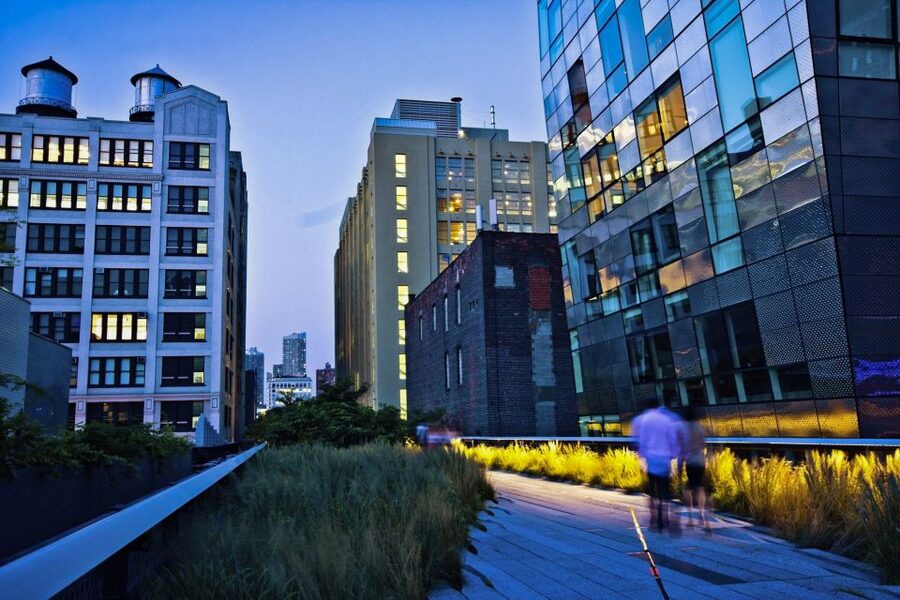
New York’s High Line is more than a pretty walkway. It is a former freight railway turned raised park, carrying you above Chelsea’s streets with views of the Hudson River, old warehouses, new glass towers, and the Empire State Building. I like the way this tour connects the High Line to the Chelsea Market and Meatpacking District, so you see the neighborhood as a changing city rather than a string of photo stops.
I also like the human touch. Guides including Maki, Kevin, Ben, Filip, Rob, and Isa have been praised for mixing history with jokes, personal stories, and useful tips. The main drawback is the pace: two hours covers a lot of ground, and one past participant found it a little quick for taking photos. Cold, rain, wind, or smoke can also affect the views, so dress for the day.
Key points to know before you book
- The High Line is a former railroad route: You walk where freight trains once carried goods through Manhattan’s West Side.
- Chelsea Market anchors the tour: The former factory setting gives the food hall and surrounding streets a strong industrial character.
- The Meatpacking District has a dramatic past: Former slaughterhouses now sit beside hotels, galleries, restaurants, and designer shops.
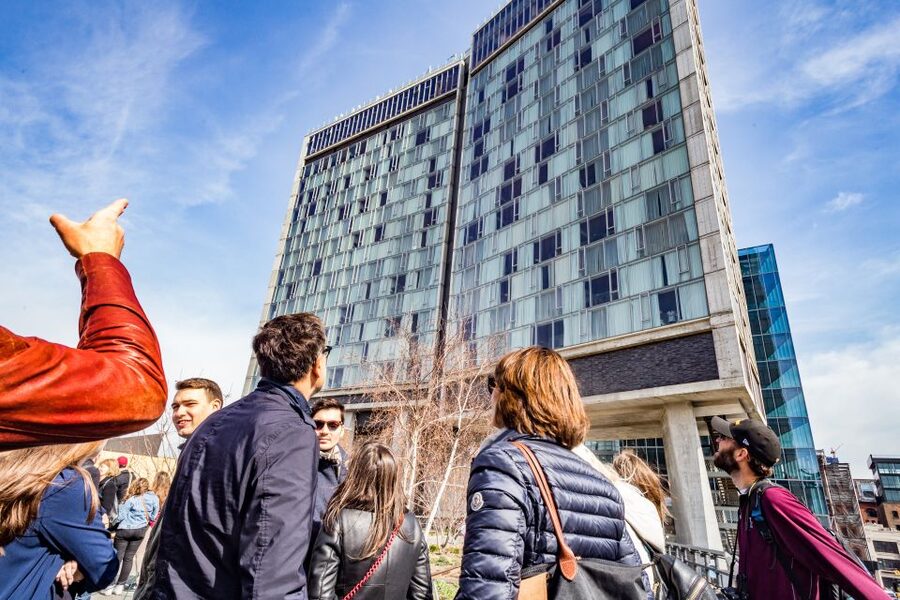
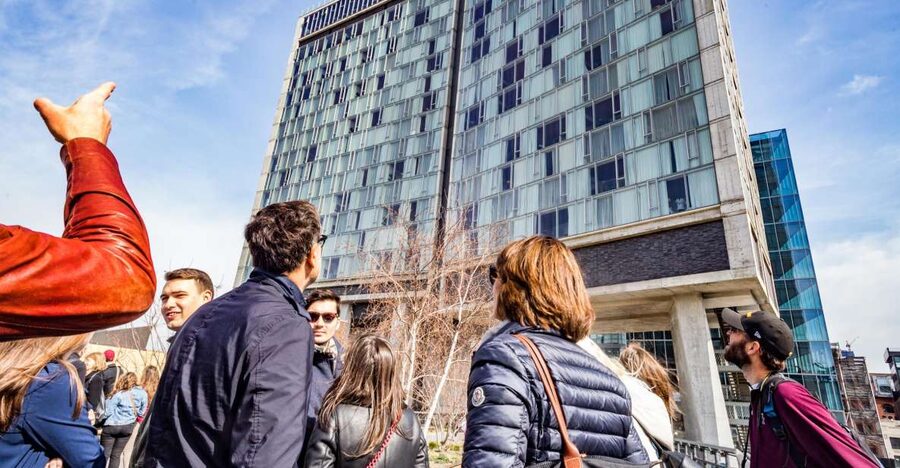
- Architecture is part of the story: Look for the Standard Hotel, the IAC building’s curved glass, and views toward the Art Deco Empire State Building.
- The guide makes a major difference: Maki, Kevin, Ben, Filip, and other guides have earned praise for humor and clear storytelling.
- Plan for a steady walk: Wear comfortable shoes, bring weather-appropriate clothing, and expect limited time for lingering at every photo spot.
Why this two-hour walk works so well
Many New York walks show you buildings. This one explains why the buildings look so different from one another. In a short stretch, you move from the former industrial Chelsea of rail yards and factories to the polished Meatpacking District of hotels, galleries, and restaurants.
That change is the heart of the tour. The High Line gives you a clear view from above, while the streets below show how old warehouses were reused. You are not simply looking at a park. You are seeing one of Manhattan’s clearest examples of old industry meeting new city life.
The format is also practical. Two hours is long enough to gain a sense of the area without taking up an entire morning or afternoon. You finish near 9th Avenue and West 14th Street, close to the same general area where the walk begins, so it is easy to continue exploring on your own.
More walking tours around New York City:
- SoHo, Little Italy, and Chinatown Walking Tour in New York
★ 5.0 · 3,153 reviews - Secrets of Grand Central Station Walking Tour New York City
★ 5.0 · 1,796 reviews - Greenwich Village Walking and Food Tasting Tour
★ 5.0 · 1,572 reviews
Starting at Chelsea Market
The meeting point can vary by the option you book, with starting locations listed at 59 9th Avenue or 410 West 16th Street. Check the exact address carefully before setting out, since the two points are close but not identical.
The tour begins around Chelsea Market, a former factory building that now houses food vendors and well-known establishments. Its appeal is not only what you can eat. The building itself helps explain the neighborhood’s working past, when factories and warehouses filled this part of Manhattan.
You should expect a guided visit and time for photographs rather than an extended food tasting. That distinction matters. If you want to sample several stalls, shop, or sit down for a full meal, save that for after the tour or return later.
The market is a useful opening because it gives you an indoor starting point before the walk moves outside. On a rainy or cold day, that can be welcome. Once the group heads toward the High Line, you will need proper shoes and clothing for the weather.
Walking the High Line above Chelsea
The High Line runs for about one mile along Manhattan’s West Side, following part of the former New York Central Railroad. Freight trains once passed through this corridor, and some buildings were designed so trains could unload goods directly inside. The tour brings that unusual piece of city planning to life.
From the path, you get a different view of Chelsea than you would from street level. You can look down onto streets, across at old factory fronts, and out toward the Hudson River. The raised position also makes the mix of old brick, new glass, rooftop structures, and distant towers easier to read.
I especially like this part for first-time visitors who might otherwise walk the High Line, take a few pictures, and move on without understanding what they are seeing. A guide can point out how the railway shaped the neighborhood and how the buildings around it changed after the trains stopped running.
The park is also the visual center of the walk. You may see architecture that is easy to miss from a taxi or sidewalk, including the contrast between industrial structures and newer projects. The tour description also points out views toward the Empire State Building, giving you a familiar landmark within a less familiar setting.
Do not expect a slow photography session. The walk covers a substantial route in a fixed two-hour period. If you want time for every angle, plant bed, building detail, or river view, you may need to return by yourself.
Reading Chelsea’s former factories and warehouses
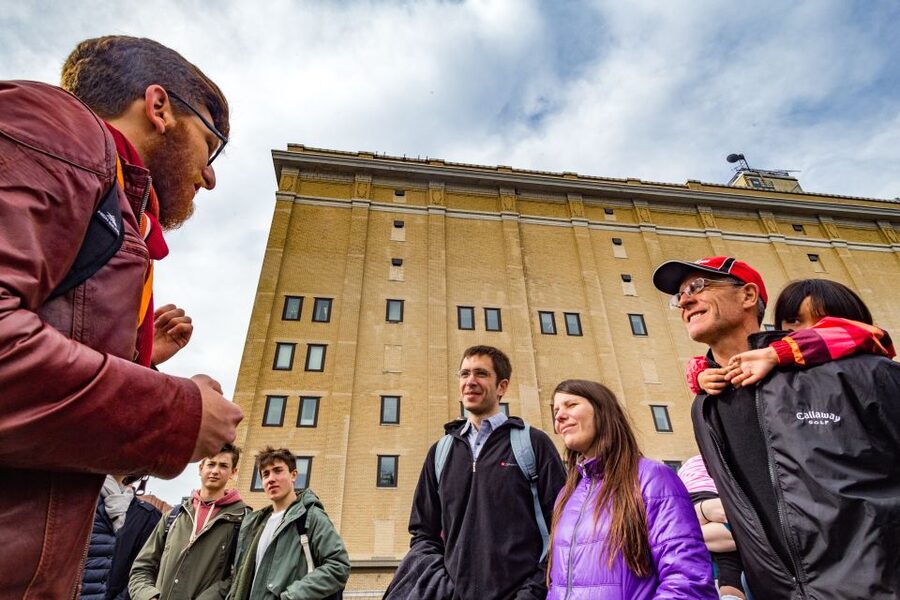
Chelsea is most interesting when you look beyond its galleries and restaurants. The tour explains how freight trains once served the factories and warehouses, with goods unloaded directly into buildings. That detail helps you picture a working district rather than the fashionable neighborhood you see today.
An art gallery visit may be included, but it is not presented as a guaranteed feature of every walk. If contemporary art is a priority, treat the gallery stop as a possible bonus, not the main reason to book.
The architecture here rewards attention. You might find yourself looking at a plain brick wall differently once you understand its former use. A building that seems like a backdrop for a restaurant or gallery can also be a remnant of the district’s industrial purpose.
The guide’s role is important at this stage. Past guides such as Bob, Ellen, and Brandon were praised for explaining buildings clearly and adding personal or local anecdotes. That style suits this neighborhood, where the story is often hidden in how a building connects to the street, railway, or former factory system.
Same streets, a different story:
- Artistic, Alternative Greenwich Village Walking Tour
★ 5.0 · 971 reviews - New York City: Private Walking Tour with a Local
★ 4.6 · 771 reviews - NYC Professional Photoshoot and Walking Tour with Private Guide
★ 5.0 · 608 reviews - Manhattan Neighborhood Private Customized Walking Tour
★ 5.0 · 498 reviews
The Meatpacking District’s sharp change
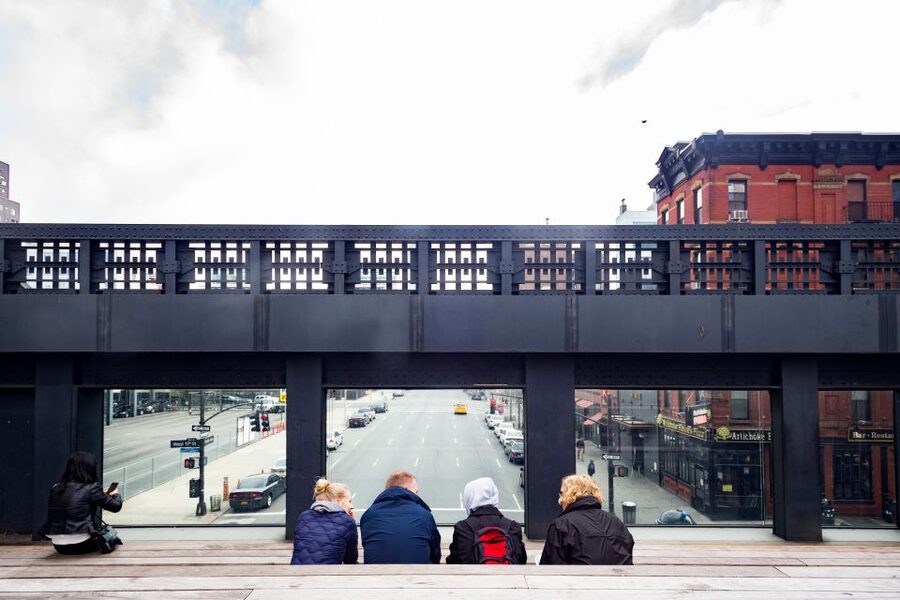
The Meatpacking District provides the tour’s strongest before-and-after story. Its name comes from the rows of slaughterhouses and meat businesses that once operated here. Today, the area is associated with stylish hotels, restaurants, shops, galleries, and nightlife.
The change is not presented as a simple success story. It is more useful to see it as a lesson in how New York reuses old districts. The same streets can carry traces of hard industrial work while serving very different purposes today.
The Standard Hotel is one of the modern landmarks highlighted on the route. The IAC building adds another architectural contrast, with its undulating glass curtain design. Together, these buildings show how boldly new construction entered a neighborhood once defined by warehouses and meatpacking facilities.
The tour also sets these newer buildings against the Art Deco Empire State Building. That comparison gives you three layers of New York architecture in one walk: industrial brick, modern glass, and an older skyscraper style that still shapes the city skyline.
A guide can make this section much more engaging than a solo stroll. Kevin, Maki, Eric, and others have been praised for using humor and stories to keep the history moving. That matters because the material could otherwise become a list of dates, architects, and businesses.
The guide can make or break the experience
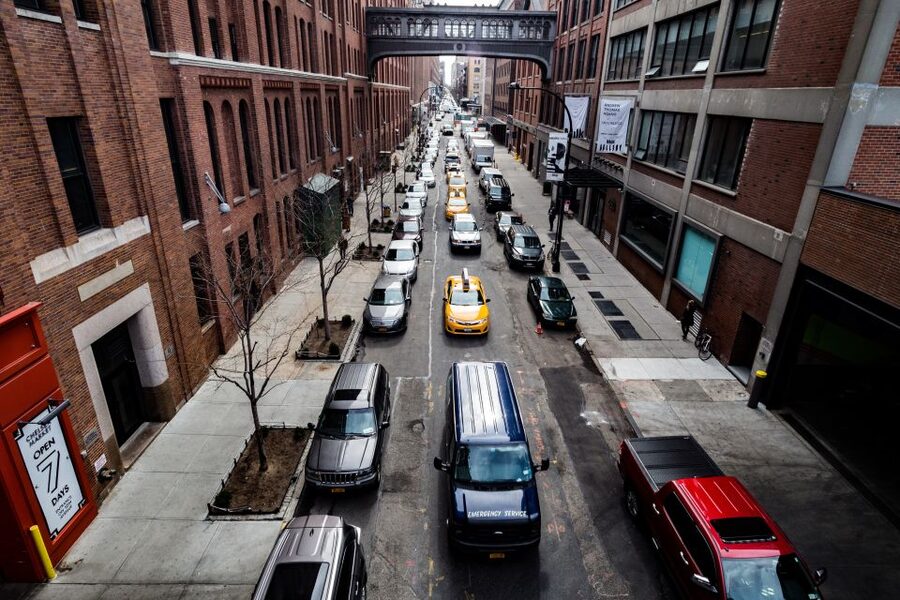
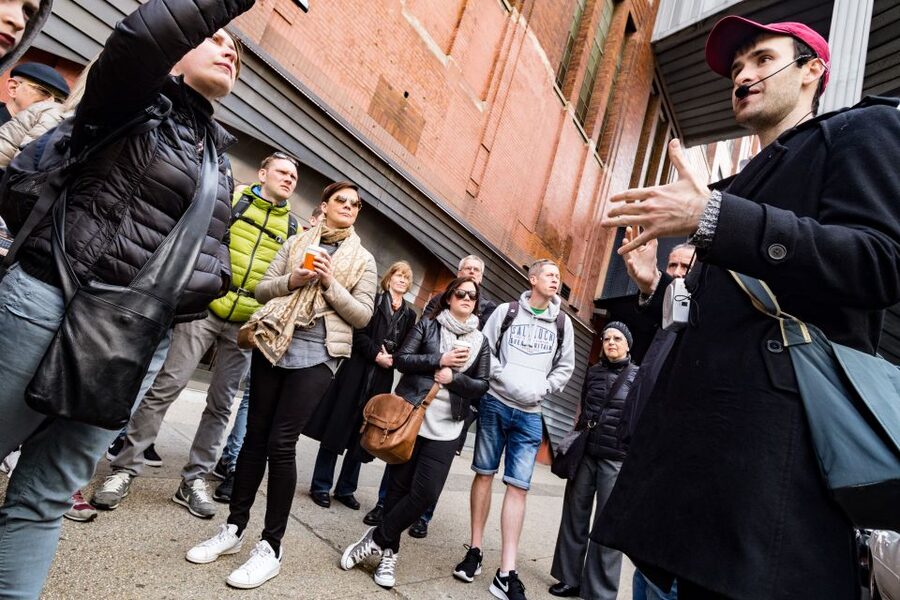
The strongest theme in the feedback is the quality of the guides. Maki is repeatedly described as funny, energetic, and good at keeping children and adults interested. Kevin is praised for humor, warmth, and local knowledge. Ben, Rob, Filip, Isa, Brandon, Ellen, and others also receive strong praise for clear explanations and lively delivery.
You should not assume you will receive a particular guide. The names simply show the range of styles associated with this tour. Some guides may focus more on architecture, some on local stories, and some on jokes and personal connections.
That variety can be a strength, but it also means the tone may differ from one departure to another. Most of the feedback points to an entertaining and well-informed approach. One complaint concerned too many sexual references on a family tour, while another objected to political opinions. Those comments were exceptions, but they are useful reminders that guides have individual styles.
The best guides appear to invite questions and connect facts to real places. Bob was praised for giving detailed answers about buildings, while Rob was appreciated for mixing history with funny stories and making time for questions. If you enjoy conversation rather than a memorized speech, this is a good sign.
Pace, comfort, and weather
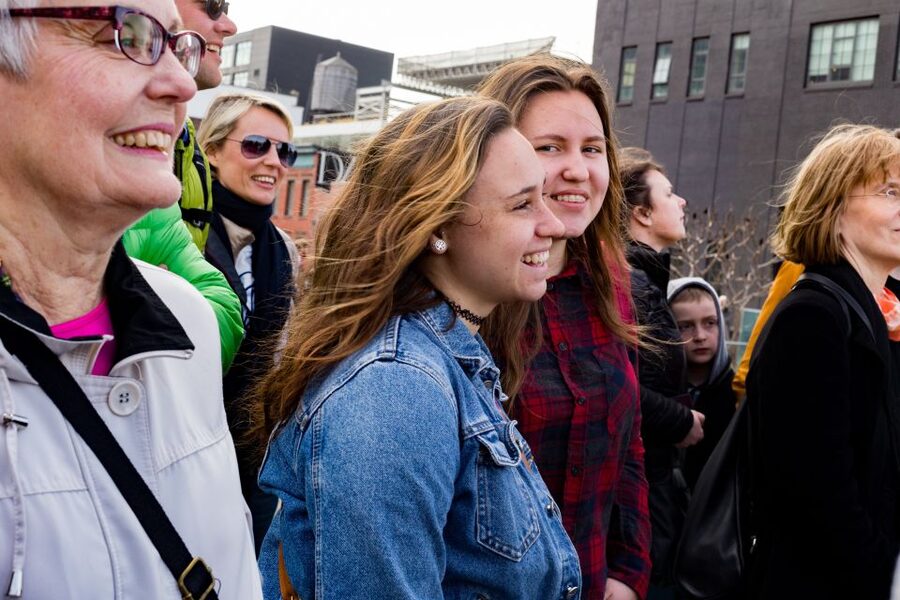
This is an outdoor walking tour, not a gentle sightseeing ride. Comfortable shoes are essential, and weather-appropriate clothing is specifically advised. The route includes the High Line and several neighborhood streets, so you should be prepared to keep walking for most of the two hours.
The weather can shape the day. One tour continued through strong wind, another through rain, and another during severe cold. Guides were praised for adapting by finding cover or keeping the group engaged, but no guide can control the conditions or guarantee clear views.
The High Line can be especially exposed to wind. In cold months, wear more than you think you need. In rain, bring suitable protection rather than relying on the market or nearby buildings to shelter you for the entire walk.
This tour is not suitable for people with mobility impairments, according to the activity information. If walking for two hours or using the High Line’s paths is difficult for you, consider a less demanding way to see the area.
Is $39 a fair price?
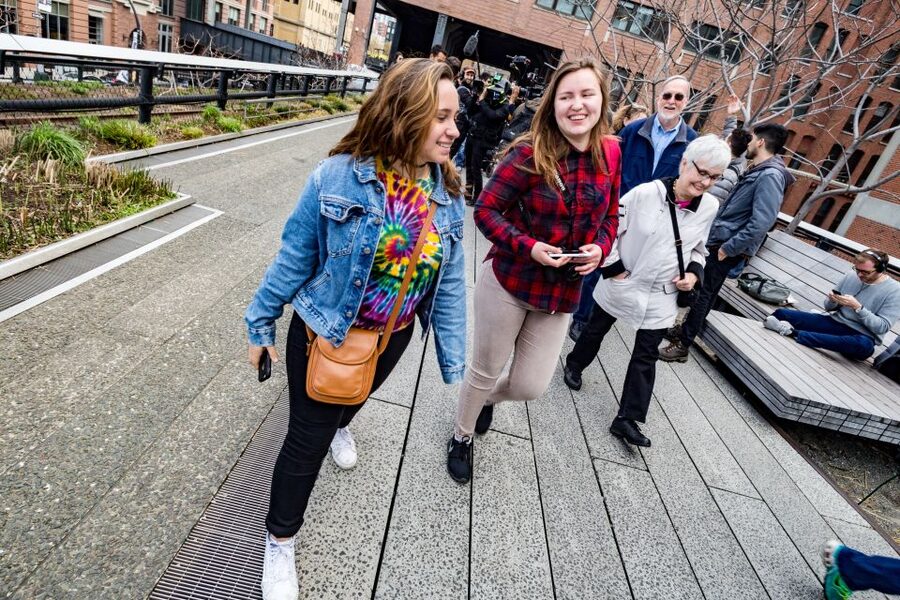
At $39 per person, the tour sits in the reasonable range for a two-hour guided walk in Manhattan. You are paying for an English-speaking guide, the structure of a planned route, and the stories that connect Chelsea Market, the High Line, and Meatpacking District.
The value depends on how much context you want. If you are happy to walk the High Line alone and read about the area later, you can save the fee. The park itself does not require this tour to visit it.
I think the price makes sense for a first visit, especially if you want to understand why the area looks the way it does. You cover a former railway, factories, the market, the Meatpacking District, and several major buildings in one outing. A private group is also available, which may suit families or friends who want a more personal format.
The one value concern is group size. One past participant felt the group was too large for the price, while another described a small group. Since group size can vary, do not book this expecting a guaranteed intimate walk unless the private option is clearly selected.
Who should book this walk?
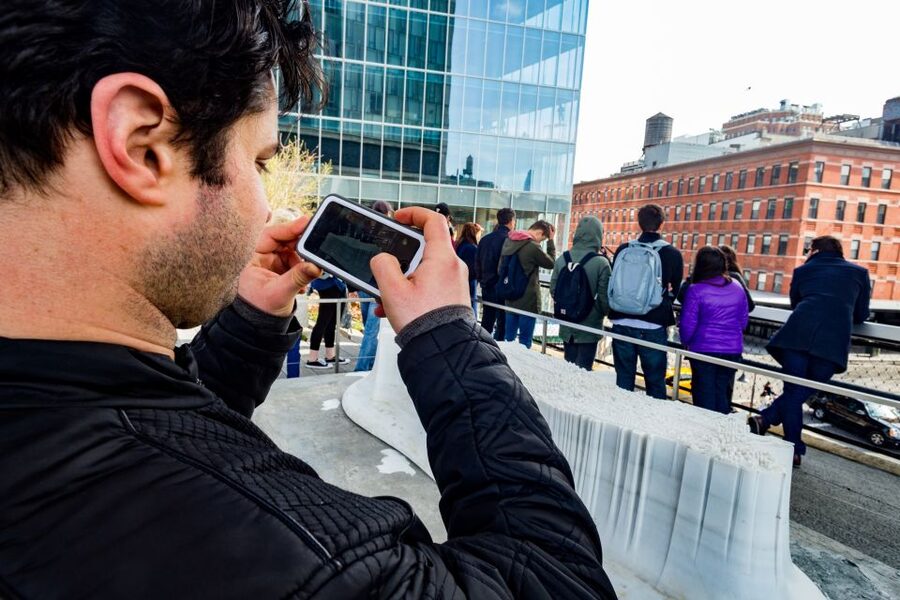
I would recommend it to first-time New York visitors, architecture fans, urban history enthusiasts, and anyone who wants more than a quick stroll along the High Line. Families can also enjoy it when the guide uses humor and keeps the stories moving. Maki was specifically praised for holding the attention of children aged 11 and 14.
It is also a smart choice if the High Line is high on your list but you want help understanding the setting. You will see the famous route, then connect it to the factories, warehouses, market, and Meatpacking District around it.
I would be more cautious if your main goal is shopping, eating, or taking unhurried photographs. The tour offers access to Chelsea Market, but it is not a food tour. The pace may also leave less time for personal stops than you would have on your own.
Book it if you want a guided overview with plenty of city stories. Skip it if you prefer complete freedom, long gallery visits, or a slow walk at your own pace.
Practical details before you go
The advertised price is $39 per person, and the duration is two hours. Tours are conducted in English, with a live guide, and a private group option is available.
The exact meeting point depends on the option booked. Listed starting locations are 59 9th Avenue and 410 West 16th Street. Drop-off points are listed at 22 9th Avenue and 9th Avenue at West 14th Street, both in the Meatpacking area.
You can cancel up to 24 hours before the activity for a full refund. A reserve-now, pay-later option is also available, which gives you flexibility if your New York plans are still shifting.
FAQ
How long is the walking tour?
The tour lasts two hours.
How much does the tour cost?
The listed price is $39 per person.
What language is the tour conducted in?
The tour is conducted in English with a live English-speaking guide.
Where does the tour begin?
The meeting point depends on the option booked. Listed starting locations are 59 9th Avenue and 410 West 16th Street.
Where does the tour finish?
Listed drop-off locations are 22 9th Avenue and 9th Avenue at West 14th Street in New York.
Does the tour visit the High Line?
Yes. The route includes a guided walk along the High Line, the former New York Central Railroad route now used as a raised park.
Does the tour include Chelsea Market?
Yes. Chelsea Market is included as a guided sightseeing and photo stop. The information does not promise a food tasting.
Will I visit an art gallery?
A visit to an art gallery may be included, but it is not guaranteed as part of every tour.
Is a private group available?
Yes. A private group option is available.
What should I bring?
Bring comfortable shoes and clothing suited to the weather. The activity is not suitable for people with mobility impairments.
Can I cancel for a refund?
Yes. You can cancel up to 24 hours in advance for a full refund.
Is payment required when I book?
A reserve-now, pay-later option is available, so you can reserve a place without paying immediately.
New walking tours around New York City
- NYC: Walking Tour with Local Guide and 30+ Top NYC Sights★ 4.5 · 248 reviews
- New York City’s Hell’s Kitchen: Walking Food Tour★ 4.8 · 200 reviews
- NYC: History of Slavery & Underground Railroad Walking Tour★ 4.7 · 87 reviews
- New York City: Central Park Walking Tour★ 4.7 · 82 reviews
- NYC: Brooklyn Bridge and DUMBO Guided Walking Tour★ 4.8 · 93 reviews
- NYC: Ground Zero Walking Tour and 9/11 Museum Ticket★ 4.9 · 260 reviews
- New York City: Greenwich Village Guided Walking Tour★ 4.8 · 300 reviews
- NYC: Fifth Ave Gilded Age Mansions Guided Walking Tour★ 4.8 · 240 reviews
New York City Walking Tours, side by side.
SoHo, Little Italy, and Chinatown Walking Tour in New York
Read our review →
Secrets of Grand Central Station Walking Tour New York City
Read our review →
Greenwich Village Walking and Food Tasting Tour
Read our review →
Artistic, Alternative Greenwich Village Walking Tour
Read our review →
New York City: Private Walking Tour with a Local
Read our review →
NYC Professional Photoshoot and Walking Tour with Private Guide
Read our review →
Manhattan Neighborhood Private Customized Walking Tour
Read our review →
New York City: Greenwich Village Guided Walking Tour
Read our review →Lists this walk sits on