
Review · CHICAGO
Chicago: Treasures of the Golden Age Walking Tour
Chicago’s Golden Age is written across the Loop in stone, terra cotta, stained glass, and steel. This two-hour walk takes you from the grand ambitions of the 1890s through the confident city-building of the 1920s, with stops at the Chicago Cultural Center, Macy’s on State Street, and the Palmer House. You’ll hear why Chicago wanted to become a cultural capital after the 1893 World’s Columbian Exposition, not merely a hard-working meatpacking and rail town.
I like two things right away. First, the tour looks beyond famous skyscrapers to department stores, museums, hotels, and concert halls, buildings you might pass without understanding. Second, the guides are trained by the Chicago Architecture Center, and names such as Doug, Maureen, Paul S, Tony, and Jackeline have been praised for making complicated design history clear and lively. The main caution is simple: you’ll be on your feet for two hours, and the walk goes ahead in rain or shine.
Key points at a glance
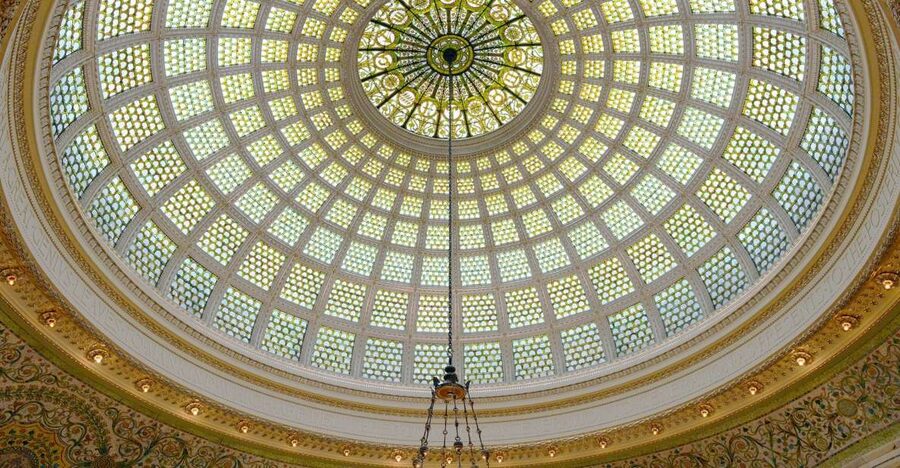
- The world’s largest Tiffany dome: The Chicago Cultural Center gives you a spectacular interior stop, not just another exterior façade.
- Chicago after 1893: The tour explains how the World’s Columbian Exposition pushed the city toward art, culture, and grand public buildings.
- State Street department-store history: Macy’s, formerly Marshall Field’s, reveals how shopping became part of Chicago’s civic identity.
- Architects with very different styles: Daniel Burnham, Louis Sullivan, and Holabird and Roche each help tell the story of a changing city.
- Strong guide quality: The best part of the experience is the human interpretation, with guides praised for pacing, humor, personal stories, and clear explanations.
- A practical two-hour format: You get a focused introduction to the Loop without giving up an entire day of sightseeing.
Why Chicago’s Golden Age matters
The period from the 1890s to the 1930s was a turning point for Chicago. The city was growing quickly, but it wanted more than commercial power. After the World’s Columbian Exposition of 1893, civic leaders pushed Chicago toward the image of a great cultural metropolis.
That ambition shaped the buildings you see on this walk. Grand museums, concert halls, hotels, banks, and stores used revival styles such as Beaux Arts, neo-Georgian, and neo-Gothic. These designs looked back to Europe and earlier eras, yet they were built in a modern American city that was experimenting with steel frames, elevators, electric light, and taller buildings.
I find this setting especially useful for first-time architecture visitors because the tour connects style with civic purpose. You are not simply told that a building is Beaux Arts. You learn why a city filled with new money and new technology chose classical columns, carved ornament, and grand interiors to announce its importance.
The walk also helps explain Chicago’s unusual architectural mix. Louis Sullivan’s work points toward a more modern American design language, while Daniel Burnham often favored monumental order and classical grandeur. Holabird and Roche contributed to the city’s commercial and institutional character. Seeing these names in one compact route gives you a better sense of the arguments taking place in Chicago architecture.
More walking tours around Chicago:
- Chicago: Gangsters and Ghosts Walking Tour
★ 5.0 · 7,155 reviews - Chicago Favorites Ultimate Food and Walking Tour
★ 5.0 · 1,962 reviews - Chicago: Gangsters and Ghosts Guided Walking Tour
★ 4.7 · 1,697 reviews
Starting at the Chicago Architecture Center
You check in inside the Chicago Architecture Center at 111 East Wacker Drive. The center is a useful starting point because it gives you an introduction to the city’s buildings before you head into the Loop.
Admission to the center’s exhibits is included. That adds real value to a short walking tour. If you have time, arrive early enough to look around before the group leaves, or return afterward to place the buildings you saw into a larger picture of Chicago’s architectural development.
The tour is conducted in English, with a live guide. The Chicago Architecture Center trains and certifies the guides, and that matters here. Architecture tours can easily become a parade of dates and architect names. The strongest guides turn those details into stories about people, business, civic pride, and changing taste.
The guide quality is the most consistently praised part of this experience. Doug, Dan, Ron, Jackeline, Maureen, and Paul S are among the guides singled out for clear explanations and an engaging manner. One guide, Ingrid, was appreciated for speaking naturally rather than sounding rehearsed. Another guide used a microphone system so the group could look around while still hearing the commentary. That small detail can make a big difference on a city walk.
The Chicago Cultural Center and its Tiffany dome
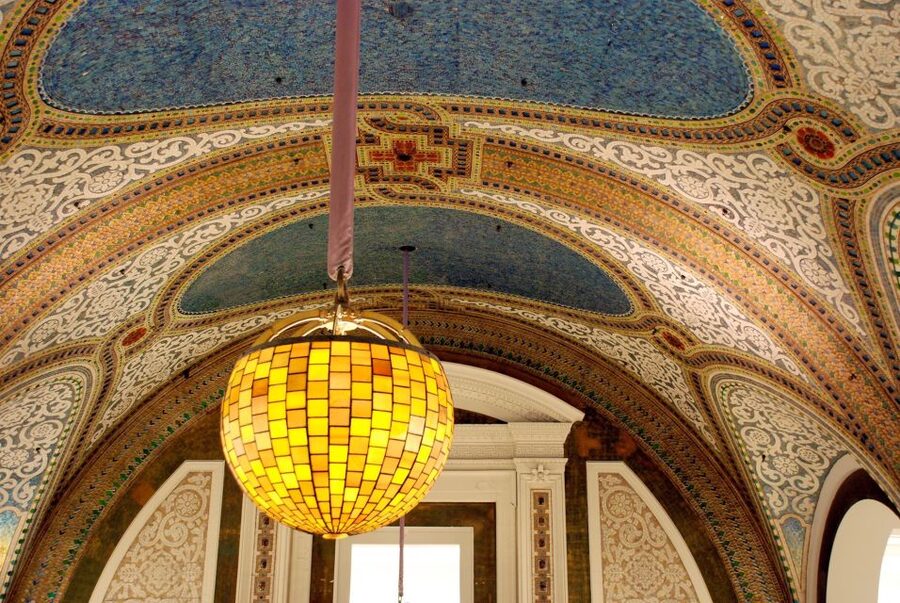
The Chicago Cultural Center is one of the tour’s key interior stops. Its famous Tiffany glass dome is the visual showpiece, and the scale alone makes it worth entering. The dome is described as the largest Tiffany dome in the world, giving you a spectacular example of how decorative art and public architecture were joined during Chicago’s Golden Age.
This stop also makes a useful point about civic buildings. The designers were not interested in bare utility. Public spaces were meant to impress, educate, and give citizens a sense of belonging to an important city.
Look up, but also take time to study the details around the room. A guide can help you notice how light, color, pattern, and structure work together. Without explanation, you might simply call the interior beautiful and move on. With context, you can see the building as part of Chicago’s campaign to present itself as a serious cultural center.
The Cultural Center is also a practical refuge in poor weather. A January tour received praise because the guide found chances to go indoors and keep the group warm. Still, do not treat interior stops as a weather guarantee. The tour departs in rain or shine, and there are no refunds because of weather.
State Street, Marshall Field’s, and Macy’s
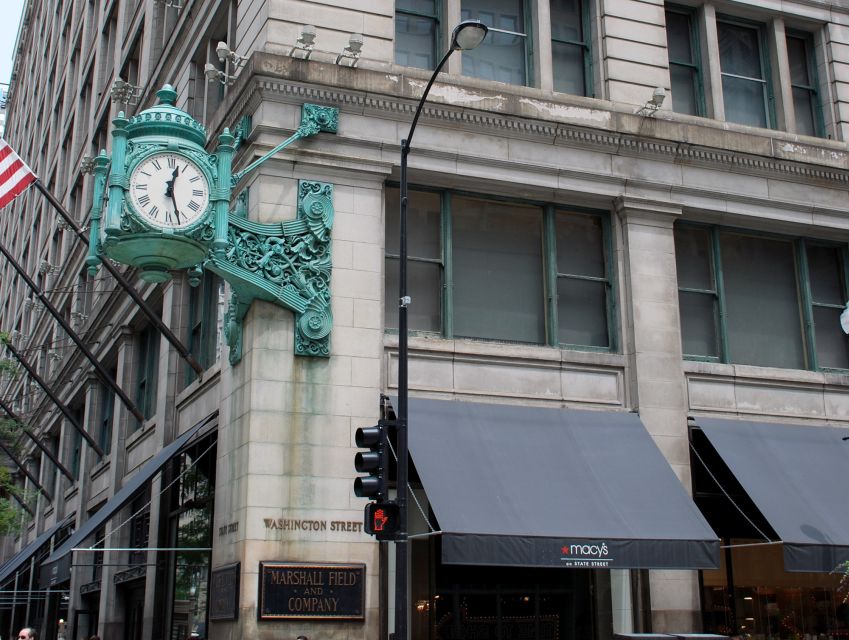
State Street brings the story down to street level. The former Marshall Field’s department store, now Macy’s on State, shows how retail became part of the city’s public life.
Department stores were more than places to buy clothes or household goods. They were grand urban destinations, designed to attract shoppers with elaborate interiors, impressive façades, and a sense of occasion. On this walk, you get the chance to consider how commerce and architecture worked together.
The building is especially useful for readers who think an architecture tour must focus only on skyscrapers. The department store shows another side of Chicago’s Golden Age. It tells you how ordinary city routines, such as shopping, were given a grand architectural setting.
Your guide may also point out details that are easy to miss during a normal visit. One of the pleasures of this route is learning why a building that first looks plain or unimportant deserves a closer look. That kind of attention can change how you walk through the Loop for the rest of your trip.
Same streets, a different story:
- Chicago Loop District Food Tour with Deep Dish & Beef Sandwich
★ 5.0 · 870 reviews - Chicago: Secret Interiors Architecture Walking Tour
★ 4.9 · 498 reviews - Chicago: Underground Pedway & Downtown Secrets Walking Tour
★ 4.7 · 268 reviews - Chicago: Gangsters and Food Tasting Walking Tour
★ 4.6 · 228 reviews
The Palmer House and restored hotel grandeur
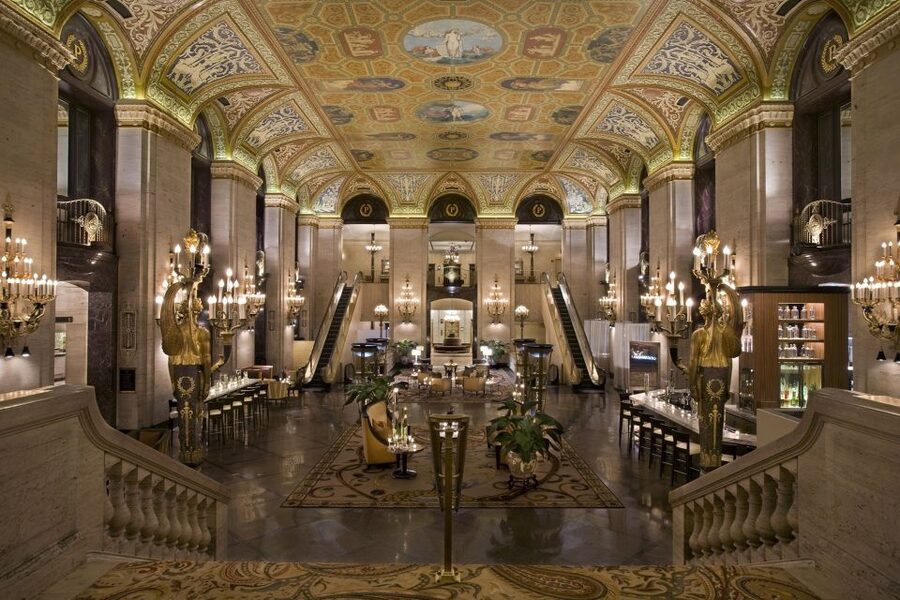
The Palmer House adds hospitality to the tour’s collection of cultural and commercial buildings. This beautifully restored hotel from the 1920s reflects the confidence of a city that expected to welcome business leaders, artists, politicians, and visitors in grand style.
Hotel architecture had to do several jobs at once. It needed to provide rooms, dining, meeting spaces, and public areas, but it also had to project status. The Palmer House helps you see how the building’s design served both practical and symbolic purposes.
Interior access can vary, so you should think of the tour as a guided look at selected spaces rather than a promise to enter every building. The chance to step inside some landmarks is one of the tour’s strengths, especially because interiors often reveal more than a street view. Guides have been praised for finding indoor opportunities when the weather is cold, but the exact stops can depend on access and conditions.
Burnham, Sullivan, and Holabird and Roche
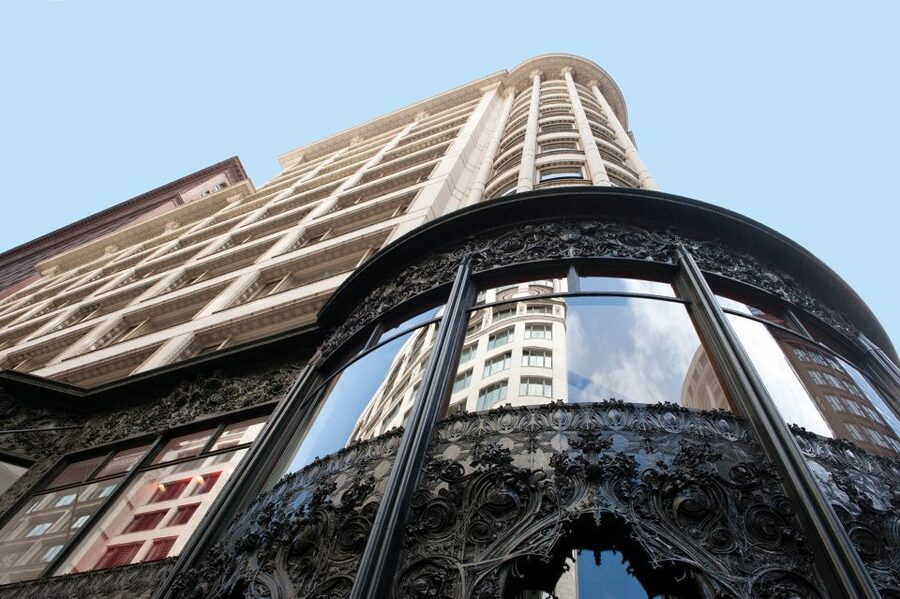
The tour introduces you to major figures in Chicago architecture, including Daniel Burnham, Louis Sullivan, and Holabird and Roche. Their names are not included as decoration. Each helps explain a different response to the problems of a rapidly growing city.
Burnham represents the desire for order, civic beauty, and monumental planning. Sullivan is central to the search for an architectural language suited to modern American buildings. Holabird and Roche help show how Chicago’s commercial and institutional architecture developed in practical as well as decorative ways.
You do not need a background in architecture to follow the tour. A good guide will explain what to look for in plain terms: the shape of a façade, the arrangement of windows, the use of ornament, and the relationship between a building’s purpose and its appearance.
This is where the personal skill of the guide matters most. Reviews of the experience praise guides for mixing historical stories with personal observations and for making complex ideas easy to follow. Paul S, for example, was noted for combining historical tales with anecdotes from his own experience. That style can make a short tour feel less like a lecture and more like a conversation while walking through the city.
What the two-hour pace feels like
Two hours is a good length for this subject. It gives you enough time to see several major buildings without turning the day into an endurance test. The route covers Michigan Avenue and State Street in the Loop, with plenty to look at along the way.
You should still wear comfortable shoes. One participant noted that there was a lot of walking, though the number of buildings seen in a short period made the effort worthwhile. The group moves at a steady pace, but guides have been praised for adjusting their rhythm and allowing time for questions.
A microphone system may be used, which helps when the group spreads out to examine façades. Even so, stay near the guide and avoid drifting too far into busy sidewalks. You will get more from the tour if you can hear the explanation while looking up at the building.
The walk is listed as wheelchair accessible, but the activity is also marked as not suitable for people with mobility impairments. That is an important inconsistency to clarify before booking. The tour involves walking through the Loop for two hours, so contact the provider if you need specific information about surfaces, distances, or rest opportunities.
Weather, bags, and what to bring
Chicago weather can change quickly, and this tour runs in all conditions. Bring clothing suited to the forecast, and wear shoes that can handle two hours on pavement. A cold-weather hat and gloves can make a winter departure much more pleasant, while rain protection is sensible in every season.
You need a passport or ID card. Large bags and luggage are not allowed, and there is no secure storage for luggage or strollers. There is also no coat check. Plan to leave bulky items at your hotel or another secure location before arriving.
Pets are not allowed, though service animals are welcome. These rules are easy to overlook if you are combining the tour with airport travel or a hotel change, so plan this part carefully.
Price and what you receive
The listed price is $35 per group up to one person. Because the pricing format is unusual, confirm the final total and group terms when booking. The package includes the two-hour walking tour, a Chicago Architecture Center certified guide, and admission to the center’s exhibits.
The value depends on how much context you want. You can walk through the Loop for free, of course, but you will not automatically know why a grand hotel matters, how a department store fits into Chicago’s civic story, or what separates Burnham’s approach from Sullivan’s. The guide turns a collection of impressive façades into a connected lesson.
The Chicago Architecture Center is also a nonprofit. Ticket purchases help support education projects such as Girls Build!, Teen Fellows, the Newhouse Architecture + Design Competition, and free programming such as Open House Chicago. That does not replace the need to judge the tour on its own merits, but it gives your ticket a useful local purpose beyond the two hours.
Free cancellation is available up to 24 hours before the tour, and you can reserve now and pay later. There are no weather refunds, so check the forecast before the final cancellation window closes.
Who should book this walking tour?
I would choose this tour if you want a compact introduction to Chicago’s architecture and prefer stories to self-guided plaques. It suits first-time visitors, repeat visitors who want a different angle, and solo travelers looking for a structured way to explore the Loop.
It is also a good match for people who have already taken a river architecture cruise. The walking route covers different details and gives you the chance to enter selected buildings, rather than seeing the city only from the water. One participant who had taken a boat tour found this experience distinct rather than repetitive.
You may want another option if you dislike steady walking, need guaranteed luggage storage, or want a tour devoted mainly to skyscraper engineering. This experience puts equal weight on museums, department stores, hotels, concert halls, and public interiors.
Should you book Chicago: Treasures of the Golden Age?
Book it if you want to understand why Chicago filled its Loop with grand buildings after 1893, and if you appreciate a guide who can connect architecture with people, ambition, shopping, hotels, and city politics. The Cultural Center’s Tiffany dome, Macy’s on State, and the Palmer House give the walk strong visual anchors.
The biggest reason to go is the guide. Names and dates are useful, but the best guides on this tour add humor, personal experience, clear pacing, and time for questions. Bring comfortable shoes, dress for the weather, leave large bags behind, and allow time for the Chicago Architecture Center exhibits. For a focused two hours, this is a strong way to see the Loop with more meaning than you would get from simply walking past it.
FAQ
Where does the tour begin?
Check in inside the Chicago Architecture Center at 111 East Wacker Drive, Chicago, Illinois 60601.
How long does the walking tour last?
The walking tour lasts two hours. Starting times vary, so check availability when booking.
What language is the tour conducted in?
The tour is conducted in English with a live guide.
Is admission to the Chicago Architecture Center included?
Yes. Admission to the Chicago Architecture Center exhibits is included with the tour.
Can I bring luggage or a stroller?
No. The tour cannot provide secure storage for luggage or strollers, and large bags are not allowed.
What happens if it rains?
The tour departs rain or shine, and refunds are not provided because of weather. Dress for the forecast and wear suitable shoes.
New walking tours around Chicago
- Chicago: Secret Interiors Architecture Walking Tour★ 4.9 · 498 reviews
- Chicago: The Ultimate Foodie Walking Tour with Tasty Stops★ 4.6 · 92 reviews
- Chicago: Underground Pedway & Downtown Secrets Walking Tour★ 4.7 · 268 reviews
- Chicago: Gangsters and Food Tasting Walking Tour★ 4.6 · 228 reviews
- Chicago: Prohibition Speakeasies Bus Tour or Walking Tour★ 4.8 · 168 reviews
- Chicago: Must See Chicago 90 minute Walking Tour★ 4.7 · 73 reviews
- Chicago: Taste of Chinatown Food and Cultural Walking Tour★ 4.9 · 97 reviews
- Chicago: Classic Food & Walking Tour with Free Bike or Kayak★ 4.9 · 145 reviews
Chicago Walking Tours, side by side.


Chicago Favorites Ultimate Food and Walking Tour
Read our review →
Chicago Loop District Food Tour with Deep Dish & Beef Sandwich
Read our review →
Chicago: Secret Interiors Architecture Walking Tour
Read our review →
Chicago: Underground Pedway & Downtown Secrets Walking Tour
Read our review →
Chicago: Gangsters and Food Tasting Walking Tour
Read our review →
Chicago: Prohibition Speakeasies Bus Tour or Walking Tour
Read our review →
Chicago: Classic Food & Walking Tour with Free Bike or Kayak
Read our review →Lists this walk sits on