
Review · LUXEMBOURG
Luxembourg City: Guided Walking Tour with Cultural Insights
Luxembourg City’s best views arrive on foot, and this route links them with stories that make the old fortress town easier to understand. You’ll move from Place Guillaume II to the Grand Ducal Palace, Notre-Dame Cathedral, the Corniche, Neumünster Abbey, and the Alzette Valley, with a ride on the Panoramic Elevator of the Pfaffenthal along the way.
I like the strong mix of famous sights and quieter corners, especially Neumünster Abbey and the paths above the valley. I also like the local finishing touch at Léa Linster Delicatessen, where the tour includes a sweet delight rather than ending with one more monument.
The main consideration is the walking. The route includes steep streets, stairs, and valley paths, even though the elevator makes the Pfaffenthal section easier. Bring good shoes, water, and enough energy for roughly two and a half hours.
Key points to know before you go
- A full old-town introduction: See the Grand Ducal Palace, Notre-Dame Cathedral, Place de la Constitution, the Monument of Remembrance, and the Corniche in one route.
- A valley ride saves your legs: The Panoramic Elevator of the Pfaffenthal provides scenic views and avoids making the entire descent and climb on foot.
- Guides give the city a human voice: Guides including Tessy, Debbie, Maria, Anders, Gabby, and Marilena have been praised for clear stories, local suggestions, and an easy pace.
- Neumünster Abbey changes the mood: This quieter stop offers a pause from the central squares and busy sightseeing streets.
- The final treat is practical and memorable: The visit to Léa Linster Delicatessen adds a taste of local food culture, though the shop is closed on Sundays.
- The listed price is $0: With a local guide included, this offers unusually strong value, provided the available departure suits your plans.
Why this is a smart first look at Luxembourg City
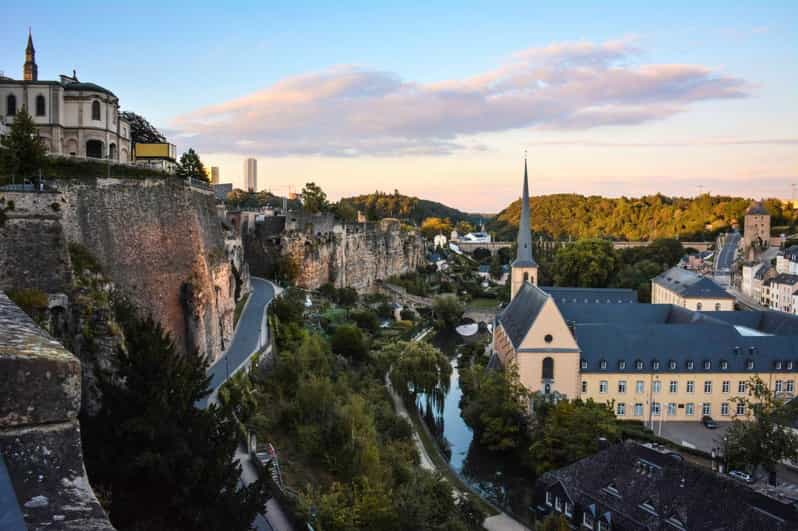
Luxembourg City can seem confusing at first. The central streets sit high above the Alzette Valley, old defensive works appear between modern buildings, and a short walk can change from a shopping street to a quiet path with wide views.
This guided route helps you connect those pieces. Instead of seeing the palace, cathedral, fortress remains, and valley as separate stops, you get a clear sense of how the upper city and lower districts fit together.
The tour lasts 150 minutes, or about two and a half hours. The supplied details also describe it as a two-hour tour, so I would plan for the longer figure. That gives you time for explanations, photographs, walking between stops, and the food stop without having to rush.
The activity is listed at $0 per person. That makes the value especially strong: you receive an English-speaking local guide, a carefully arranged route, scenic transport by elevator, and a sweet stop without paying an activity fee. Drinks and a full meal are not included, so you should not treat the snack as lunch.
More Cultural Walking Tours around the world:
- Savannah First Squares Culinary & Cultural Walking Food Tour
★ 5.0 · 3,229 reviews - Tokyo Tsukiji Fish Market Food and Culture Walking Tour
★ 5.0 · 3,184 reviews - New Orleans French Quarter, Voodoo and Culture Walking Tour
★ 4.5 · 2,961 reviews
Starting at Place Guillaume II
Meet your Sightseeing.lu guide by the equestrian statue of William II at Place Guillaume II. This is a useful starting point because the square puts you close to several central sights and gives the guide an easy place to explain Luxembourg’s political past.
The opening stories focus on the square, Duke William II, the creation of the Grand Duchy, and Siegfried, the figure associated with its founding. These early explanations matter because Luxembourg’s identity is tied closely to its position as a small but independent grand duchy.
The guide also discusses people, language, and daily life, not just dates and buildings. That wider approach is one of the strongest features of the experience. You can ask questions as you go, and several guides have been praised for making the walk feel relaxed rather than formal.
The exact guide is not fixed in the information provided. Past tours have featured Tessy, Debbie, Maria, Anders, Gabby or Gaby, Marilena, Megan, Roxana, and others. Tessy has been especially praised for her love of Luxembourg and useful restaurant advice, while Debbie is noted for adjusting the pace and offering local suggestions. Anders has led tours with a strong focus on military events and historical detail.
Place de la Constitution and the Monument of Remembrance
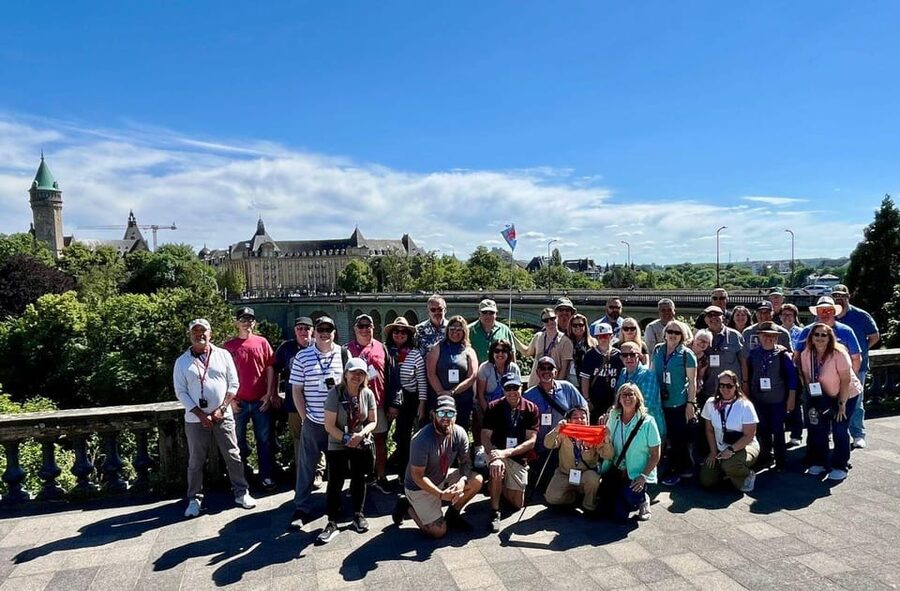
The route continues to Place de la Constitution for a short photo stop, then to the Monument of Remembrance. These are quick visits, but they give you two important views of the city.
Place de la Constitution is a good place to pause and take in Luxembourg’s open, high position above the surrounding valley. The Monument of Remembrance, often called the Gëlle Fra, is one of the city’s best-known landmarks and an important symbol of remembrance.
You should expect short explanations rather than a long museum-style stop. That is useful if your time in Luxembourg is limited, but it also means you may want to return later if you want a slower look or more photographs.
The walk here is not just about checking off monuments. The guide uses the stops to explain how Luxembourg remembers conflict and how national identity is expressed in public places. Several comments about the tours point to history and architecture as particular strengths.
Notre-Dame Cathedral and the Grand Ducal Palace
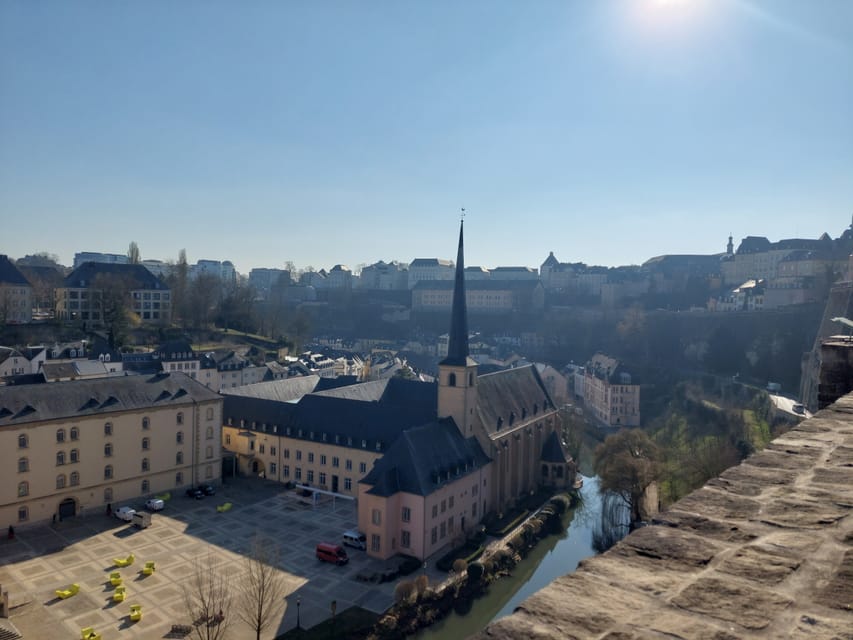
The group passes Notre-Dame Cathedral, a Gothic landmark with detailed stonework and stained-glass windows. Since the route lists this as a pass-by stop, do not expect a long interior visit or a dedicated cathedral tour.
Even from outside, the cathedral makes a useful contrast with the city’s defensive walls and government buildings. Your guide can point out its architectural character and place it within the wider story of Luxembourg City.
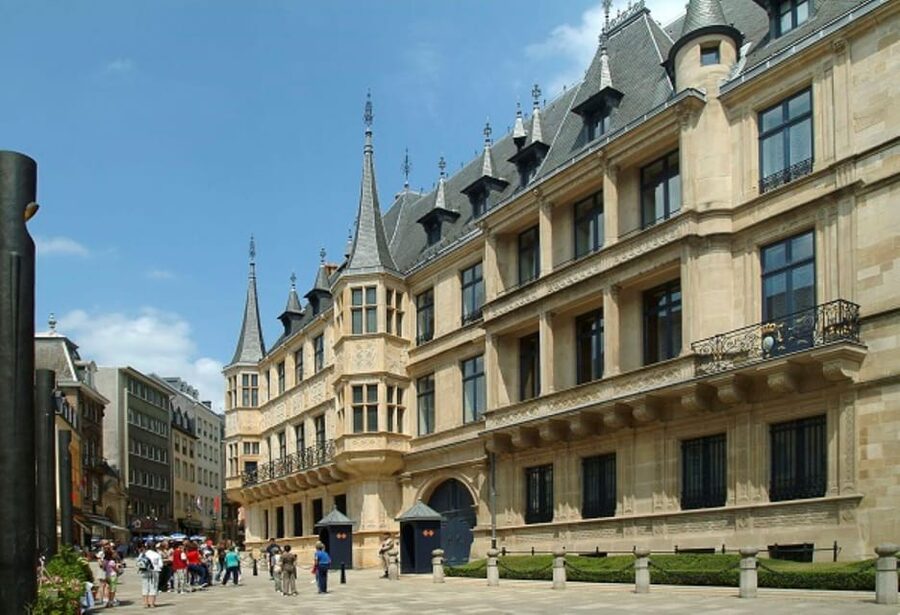
The Grand Ducal Palace receives more attention, with about ten minutes of walking and explanation. Its facade is one of the central city’s most recognizable sights, and the guide tells you about the grand duke and the changing of the guard ceremony.
The ceremony itself is not promised as part of the tour, so think of this as a chance to see the palace and learn about the tradition rather than a scheduled guard-watching event. If you happen to pass at the right time, it may add a memorable bit of pageantry.
This section works well for first-time visitors. You see the political, religious, and civic center of Luxembourg before the route moves toward the views and lower districts.
More walks with a guide around the world:
- Magical London: Harry Potter Guided Walking Tour
★ 4.7 · 22,044 reviews - History and Hauntings of Salem Guided Walking Tour
★ 5.0 · 14,564 reviews - Amsterdam Anne Frank: Small-Group Walking Tour & Local Guide
★ 4.8 · 12,789 reviews - Edinburgh: Harry Potter Magical Guided Walking Tour
★ 4.8 · 11,944 reviews
The Corniche, known as Europe’s beautiful balcony
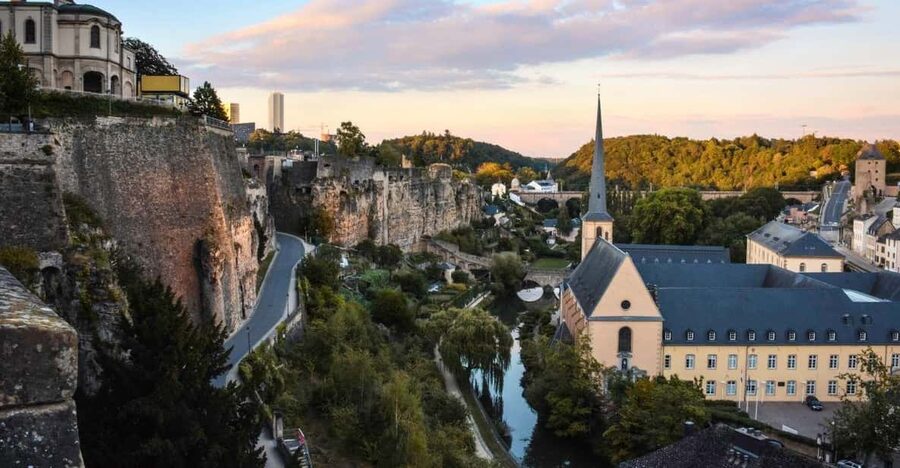
The Chemin de la Corniche is one of the tour’s most rewarding stretches. This elevated promenade looks over the Alzette Valley and the old city below, giving you the kind of broad view that is difficult to understand from street level.
Bring your phone with a full battery. You will likely want photographs here, and the tour specifically recommends carrying a charged smartphone. The path also gives the guide space to explain the city’s fortifications, the Casemates, and the way Luxembourg developed around its defensive position.
The term Casemates refers to underground defensive passages and tunnels. The route does not promise an underground visit, but the explanation helps you read the cliffs, walls, and openings around the city with greater interest.
This is also where the language and culture discussion becomes useful. Luxembourg’s identity is shaped by several languages and by its place between larger European neighbors. The guide connects those facts to modern life rather than leaving them as a list of vocabulary.
The Corniche can be exposed to sun, rain, or wind. Guides have adjusted routes and pauses for hot weather, cold, and rain, but you should still dress for the forecast. Comfortable clothing and sturdy shoes are more important here than dressing for a polished city-center stroll.
Neumünster Abbey and the lower city
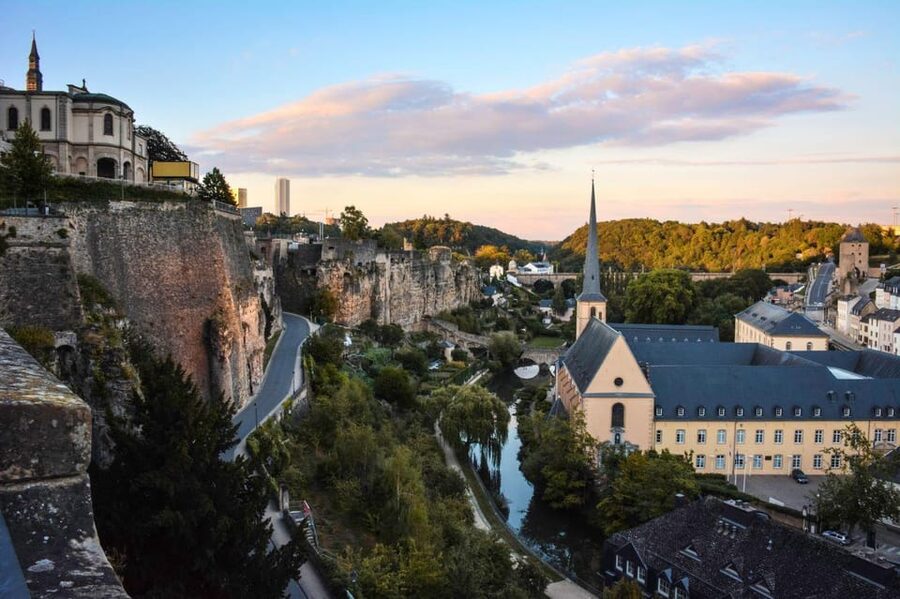
From the Corniche, the route moves toward Neumünster Abbey. The abbey area offers a quieter change of pace and a chance to see the lower part of Luxembourg City without the noise of the central squares.
The setting is valuable because it shows another side of the city. You have already seen official buildings, major monuments, and high viewpoints. At Neumünster Abbey, the tour becomes calmer and more atmospheric, with time to notice the surroundings and hear local stories.
The route then continues through the valley area. The itinerary allows about ten minutes for one walking section without naming a specific stop, so you should expect movement and explanation rather than a major attraction at every point.
This is also the section where the terrain matters most. Luxembourg is not flat, and some streets can be steep. Baby carriages may meet stairs or difficult slopes. The tour is listed as wheelchair accessible, but anyone using a wheelchair or bringing a stroller should contact the local supplier before setting out to discuss the route and any assistance needed.
Dogs are welcome, which makes this a useful option for people traveling with a pet. You will still need to manage the walking pace, weather, and busy public spaces yourself.
The Panoramic Elevator of the Pfaffenthal
The Panoramic Elevator of the Pfaffenthal is a practical highlight, not just a transport detail. It carries you between the upper city and the Pfaffenthal area while offering scenic views along the way.
This helps the tour cover more ground without asking you to walk every steep section twice. The itinerary gives this part about 30 minutes, including the walk and views, so it is one of the longer sections of the experience.
For me, this is a major reason the route works well in a short visit. You get the high city, the valley, and a lower district in one outing. Without the elevator, the route could feel like a demanding climb. With it, the walk remains active but more manageable for many people.
The guide continues explaining the relationship between the different levels of the city. That context is more useful than simply riding up or down and moving on. You begin to see why Luxembourg’s views are so dramatic and why the city’s streets can change so quickly in height.
Hot weather makes this section more comfortable than a long exposed climb. In rain, the elevator and surrounding paths may still require care, so keep your shoes practical and carry water.
Pescatore and the final food stop
The walk continues to the Pescatore, J.P. Foundation area, with about ten minutes set aside for the route. The provided details do not specify a major interior visit here, so think of it as part of the city walk and the transition toward the final stop.
The tour ends with a visit to Boutique Léa Linster Delicatessen. This is a nice choice because it brings food into a tour otherwise centered on buildings, stories, and views. You receive a sweet local snack, but a full meal and drinks are not included.
Léa Linster is a well-known Luxembourg chef, so the stop gives you a small connection to the country’s food culture. Several tours have finished with desserts, and seasonal departures have included mulled wine or a traditional shot. Those extras are not guaranteed, so consider them possible additions rather than part of the fixed package.
Pay attention to the Sunday warning. The shop is closed on Sundays, but the guide is expected to offer an alternative. If the sweet stop is important to you, ask about the replacement when you meet the guide.
The final part of the itinerary includes another walk of about 20 minutes. The experience may therefore finish after the food stop rather than ending the instant you leave the shop. Keep that in mind if you have a train, reservation, or timed attraction afterward.
What the guiding style is like
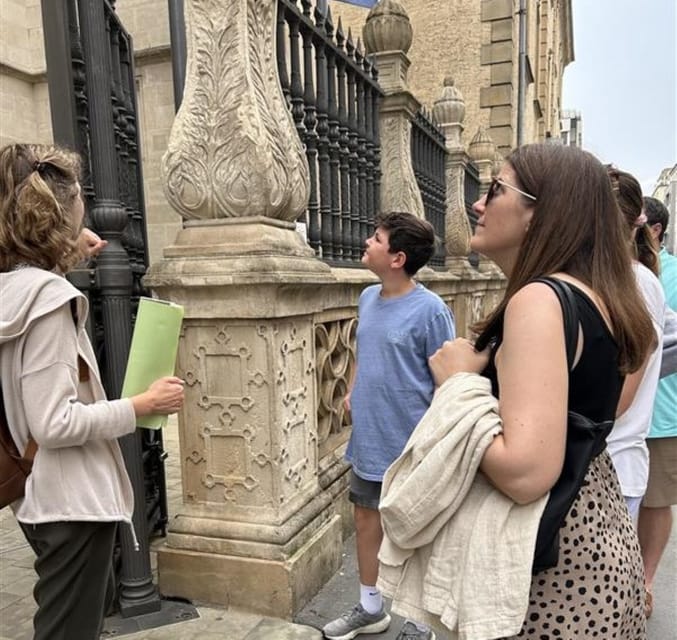
The strongest pattern in the available feedback is the quality of the individual guides. People repeatedly praise clear explanations, friendly conversation, local recommendations, and a pace that feels comfortable rather than hurried.
Guides have adapted to difficult conditions. On hot days, they have looked for shade. In rain and cold, they have kept the mood lively and made room for questions. One guide helped a visitor translate information for a companion who did not speak English, while another helped with a dinner recommendation and reservation.
That does not mean every group will be tiny. One tour had more than 20 people, while another had only six. A larger group can make questions and photographs less personal, but the route still includes frequent stops where the guide can explain the setting.
The tour language is English. Several guides have been praised for making complex subjects easy to follow, but you should be comfortable listening to English for most of the 150 minutes.
Who should book it
I would choose this tour if you have only one day in Luxembourg City or want a useful orientation at the start of your stay. It covers the main central sights, the Corniche, Neumünster Abbey, the valley, and Pfaffenthal without requiring you to plan the route yourself.
It also suits you if you enjoy stories about politics, local identity, architecture, military history, and everyday culture. The guides do more than point at buildings, and several have offered restaurant and shopping suggestions for later.
Families can consider it, especially because dogs are allowed and the walk includes the elevator. Still, families with very young children should think carefully about the steep streets and possible stroller obstacles.
You may want a different activity if you dislike walking, need a fully flat route, or want a formal indoor tour of the cathedral, palace, or Casemates. Those are discussed or viewed from outside, but they are not presented as extended interior visits.
Is this free Luxembourg walking tour worth booking?
At the listed price of $0 per person, the value is excellent. You receive a local English-speaking guide, a route through the most important parts of Luxembourg City, scenic valley views, the Pfaffenthal elevator, and a sweet stop.
Book it if you want a broad introduction with human stories and practical local advice. Skip it only if the walking and uneven terrain are a poor match for you, or if your schedule cannot spare the full 150 minutes. For most first visits, this is a sensible way to get oriented before exploring the city on your own.
FAQ
How long does the Luxembourg City walking tour last?
The stated duration is 150 minutes, or two and a half hours. The activity details also call it a two-hour tour, so plan your schedule around the longer 150-minute duration.
What is the meeting point?
Meet the Sightseeing.lu guide at the equestrian statue of William II in Place Guillaume II.
What language is the tour conducted in?
The live guided tour is conducted in English.
Is the tour wheelchair accessible?
The activity is listed as wheelchair accessible. However, stairs and steep streets may create obstacles, especially for baby carriages. Contact the local supplier if you need route assistance.
Are dogs allowed on the walking tour?
Yes. The tour is dog-friendly.
Is food included?
A sweet delight at Boutique Léa Linster Delicatessen is part of the planned experience. A meal and drinks are not included.
Is the Léa Linster shop open every day?
No. The shop is closed on Sundays. The guide will propose an alternative if the scheduled food stop is unavailable.
What should I bring?
Wear comfortable shoes and clothing, bring a bottle of water, and carry a charged smartphone. The phone is useful for photographs and the route’s scenic viewpoints.
New walking tours around the world
- Niagara Falls, Canada: White Water Walk Entry Ticket★ 4.5 · 147 reviews
- NYC: Walking Tour with Local Guide and 30+ Top NYC Sights★ 4.5 · 248 reviews
- Zadar: Food Tasting & Old Town Walking Tour★ 5.0 · 94 reviews
- Niagara Falls: Walking Tour, Journey Behind Falls, & Cruise★ 4.8 · 773 reviews
- New York City: Gangsters and Ghosts 2-Hour Walking Tour★ 4.7 · 615 reviews
- NYC: History of Slavery & Underground Railroad Walking Tour★ 4.7 · 87 reviews
- New York City’s Hell’s Kitchen: Walking Food Tour★ 4.8 · 200 reviews
- New York City: Central Park Walking Tour★ 4.7 · 82 reviews
Cultural Walking Tours, side by side.
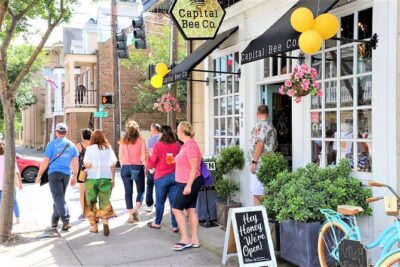
Savannah First Squares Culinary & Cultural Walking Food Tour
Read our review →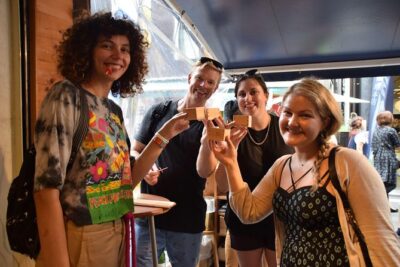
Tokyo Tsukiji Fish Market Food and Culture Walking Tour
Read our review →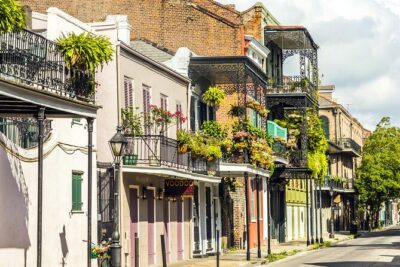
New Orleans French Quarter, Voodoo and Culture Walking Tour
Read our review →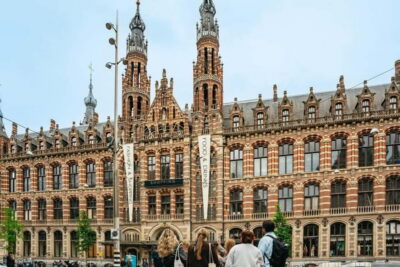
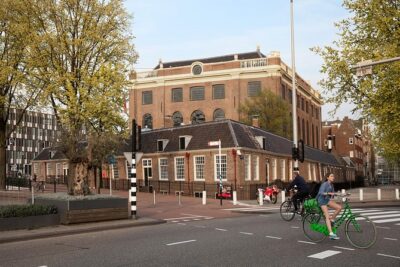
Anne Frank Walking Tour Amsterdam Including Jewish Cultural Quarter
Read our review →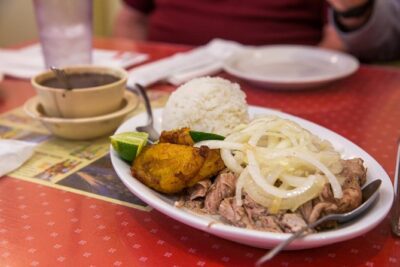
Southernmost Food & Cultural Walking Tour by Key West Food Tours
Read our review →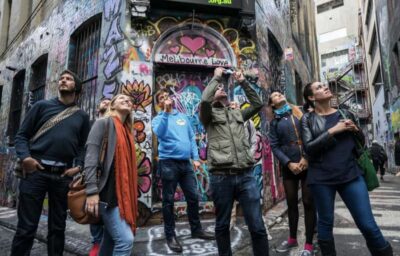
Ultimate Melbourne Walking Tour: History, Laneways & Culture
Read our review →
Lists this walk sits on