
Review · MONTREAL
Montreal: RESO Underground City and Downtown Walking Tour
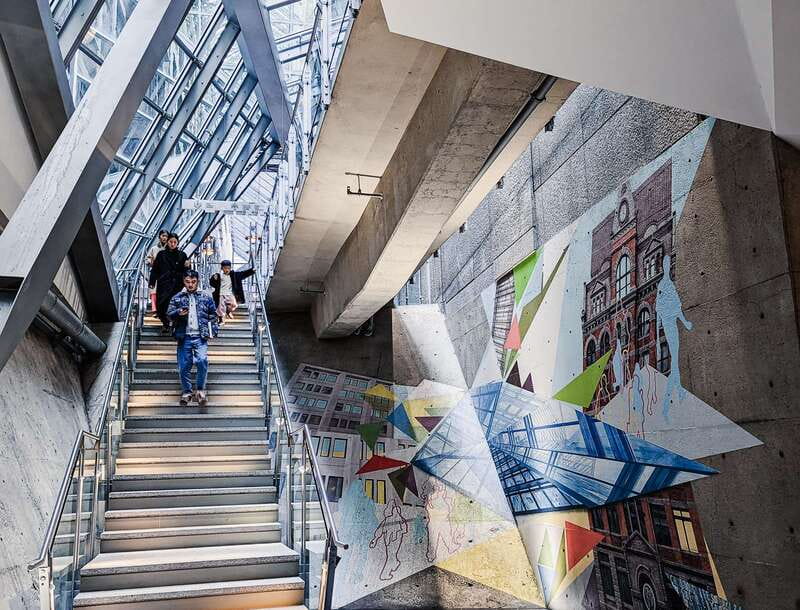
Montreal’s famous Underground City is not one grand cavern beneath the streets. It is a sprawling web of corridors, shopping centers, metro links, office towers, cafés, hotels, public art, and odd little architectural turns. This tour helps you make sense of that maze, then brings you back above ground for landmarks such as Place Ville-Marie, Christ Church Cathedral, and the World Trade Centre Montreal.
I like two things here: the guide explains how the RESO actually works, rather than simply leading you through a shopping center, and the small group keeps the walk personal. Guides such as Martin, Catherine, Elise, Isabelle, and Amelie are often praised for clear explanations, humor, patience, and useful restaurant tips. At $30, the mix of orientation, local history, and practical advice is strong value.
The main consideration is the walking. You cover roughly three miles in two hours, with stairs, mostly going down, and escalators. The route moves indoors and outdoors, so this is a poor fit for wheelchair users, people with serious mobility limits, or anyone hoping for a slow, seated tour.
Key points at a glance
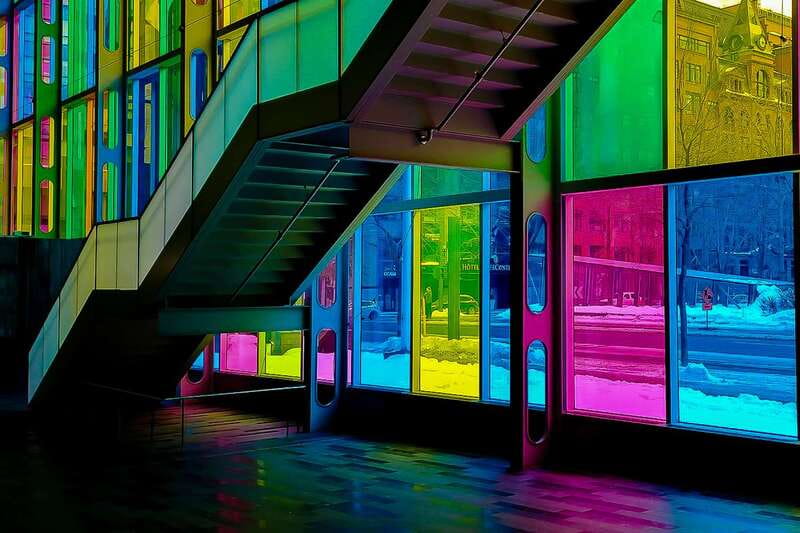
- A guided introduction to the RESO: Learn how Montreal’s 33-kilometer indoor pedestrian network connects metro stations, offices, shops, hotels, and public spaces.
- Above ground and below ground: The route combines selected underground sections with downtown landmarks and street-level architecture.
- Licensed local guides: MTL Detours guides hold the required City of Montreal guiding permit, an important distinction for visitors who want a properly authorized tour.
- Small groups: The experience is limited to about 10 people, making it easier to hear explanations and ask questions.
- Useful timing advice: Take this tour near the start of your stay so you can use the RESO and the restaurant suggestions afterward.
- Weather-smart sightseeing: The indoor sections help on cold, wet, or very hot days, though you still need clothing for outdoor portions.
Why Montreal’s Underground City needs a guide
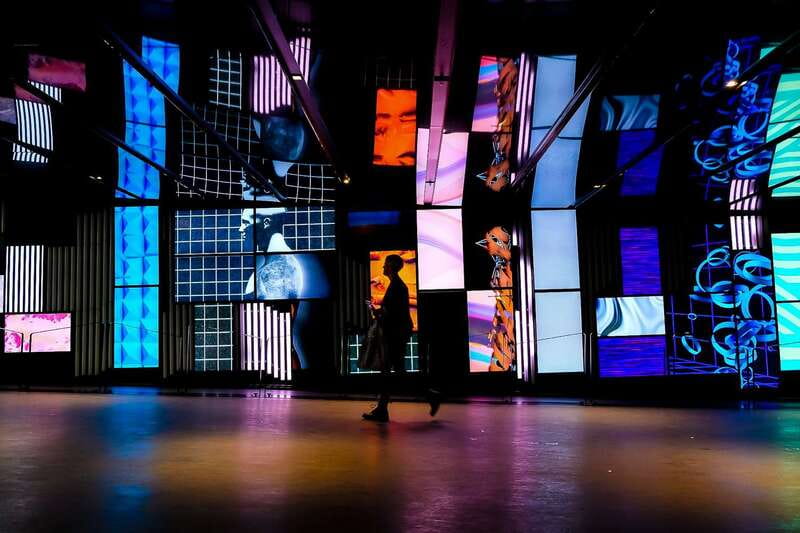
The name Underground City can create the wrong picture. You are not entering one continuous tunnel with a single entrance and a clear route. The RESO is a connected network spread beneath downtown, with different sections linked by corridors, escalators, staircases, metro stations, and large commercial buildings.
Its total reach is about 33 kilometers, or 21 miles. You will see only a small part on this two-hour walk, but that is the point. A guide picks the sections with the most useful architecture, public art, and city connections instead of asking you to wander through every corridor.
The tour also explains how locals use the system. It is not only a rainy-day shortcut or a place to shop. Montrealers use it to move between work, transit, cafés, hotels, and indoor public spaces, especially when winter weather makes a long outdoor walk unpleasant.
That practical lesson may be the most valuable part. After the tour, you should have a better sense of which corridors connect to the metro, how to move between major downtown buildings, and why a route that looks simple on a map can feel confusing in person.
More walking tours around Canada:
- Quebec City Walking Tour
★ 5.0 · 4,716 reviews - Old Quebec City: Grand Walking Tour with Private Option
★ 4.8 · 2,609 reviews - The Original Old Montréal Walking Tour by Guidatour
★ 4.5 · 2,217 reviews
Meeting the guide on McGill College Avenue
The starting point is on the sidewalk outside Humble Lion café at 1204 McGill College Avenue, between Sainte-Catherine Street and Cathcart Street. Arrive 10 to 15 minutes early. The tour does not wait for late arrivals, and one past booking noted that the meeting location can be less obvious when an entrance is closed.
This is not a hotel pickup tour. You make your own way to the starting point, so check the address before leaving your accommodation. The tour is conducted in English, and every participant needs a paid ticket. The minimum age is 12.
The small group matters from the first few minutes. A group of about 10 is large enough for a social walk but small enough for questions. Guides including Martin, Catherine, Caroline, Darren, Elise, Isabelle, and Gabriella have received praise for their friendly manner, clear delivery, and willingness to adjust explanations to the group.
Guide quality is central to this experience. The buildings and passageways are interesting, but without context they can look like ordinary retail interiors. A good guide points out why a space matters, how it connects to the rest of downtown, and what you would likely miss while walking alone.
Starting above ground in downtown Montreal
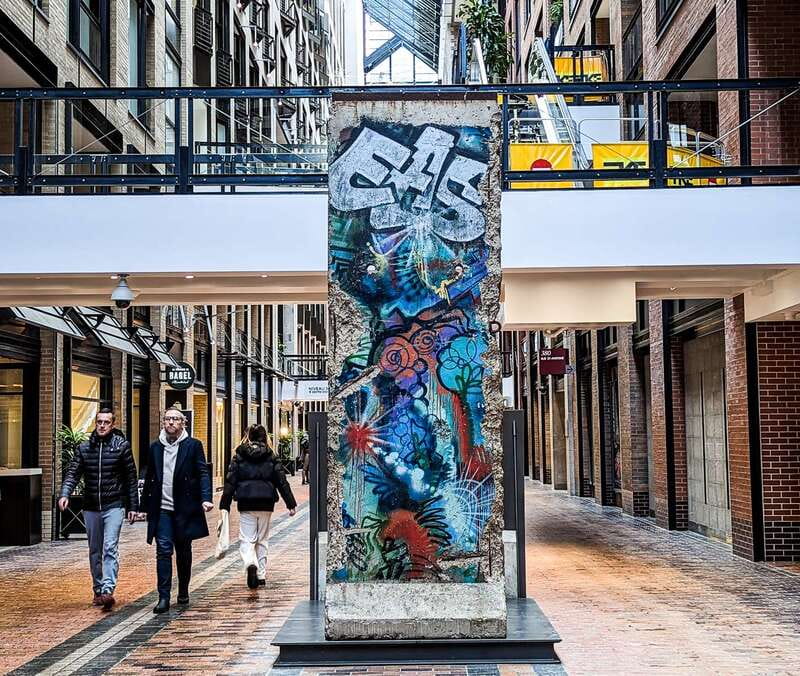
The tour does not rush underground at once. The outdoor portion gives you a basic sense of downtown Montreal and introduces several important landmarks before the route drops below street level.
You may see Place Ville-Marie, a major downtown landmark closely tied to the city’s modern development. Christ Church Cathedral provides a very different architectural note, while the World Trade Centre Montreal adds another layer to the story of how old and new buildings have been reused and linked together.
The value of this opening section is contrast. Montreal’s downtown is not just a collection of office towers, and the RESO is not separate from the city above it. The tour shows how the two levels work together.
Outdoor sections also give you a chance to reset your bearings. After corridors, signs, escalators, and storefronts, stepping onto a downtown street makes the map in your head a little clearer. That mix helps the underground network feel like part of Montreal rather than an isolated attraction.
The outdoor stops are not designed as a full downtown sightseeing tour. If you want a detailed visit to every major building or a long photo stop at each landmark, two hours will feel short. The route is better understood as an introduction to the city’s design and movement patterns.
Entering the RESO and following its connections
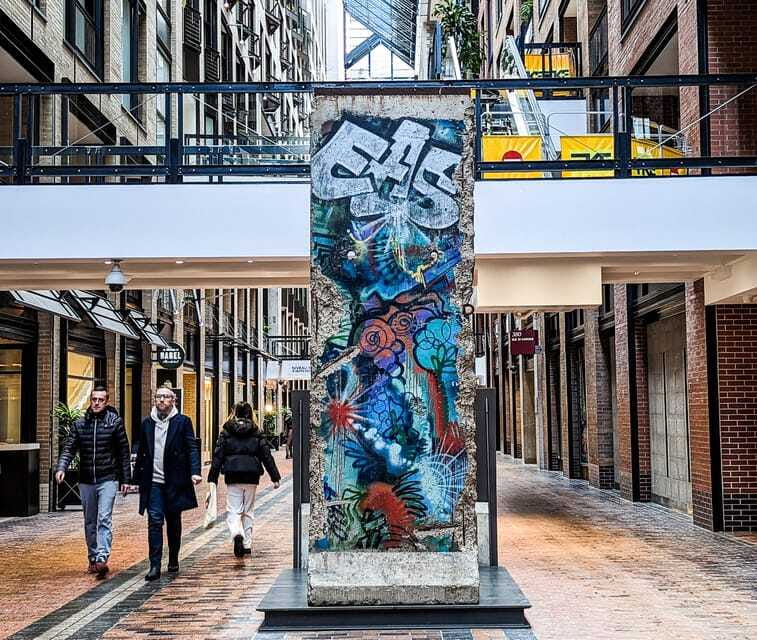
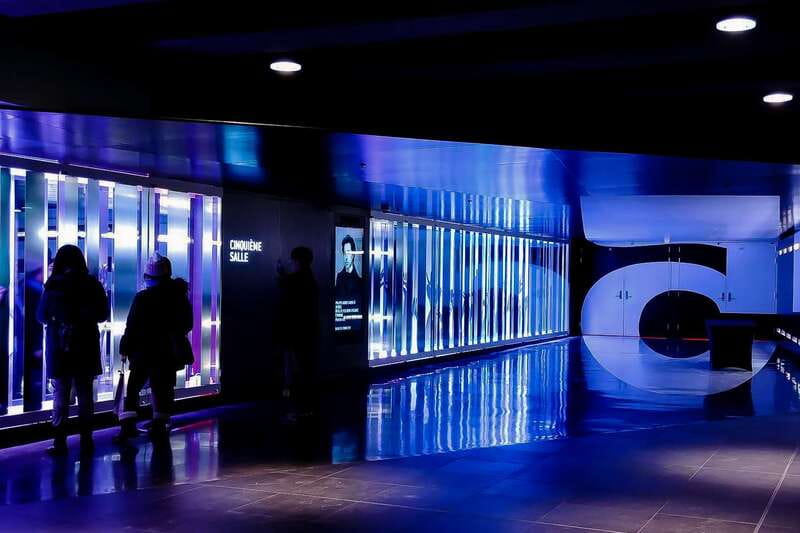
Once the route moves below the surface, expect corridors, escalators, staircases, public art, shops, cafés, and the entrances to larger buildings. The most interesting sections are chosen for their design and their connection to the wider system.
A key part of the explanation concerns the metro. The RESO and the metro are closely linked, but they are not identical. The guide shows how the systems connect and gives you enough orientation to try the network on your own later.
That is a practical skill worth paying for. Going alone, you might follow a sign toward a shopping center and lose track of where you are in relation to the street. The tour turns those links into a usable mental map.
You will not walk the entire 33-kilometer network. That would be impossible in two hours and would not be much fun. Instead, the guide uses selected sections to explain the larger system, with stops for architecture, public art, and stories about the city’s growth.
Some people may find the indoor sections less visually dramatic than Montreal’s Old Port or historic streets. There are retail corridors and office connections along with the more unusual spaces. The tour works best when you are interested in urban design and daily life, not only in grand monuments.
Same streets, a different story:
- Montreal Mile End Authentic Food Tour with 7 Delicacies Tastings
★ 5.0 · 2,598 reviews - Old Montreal Small-Group Walking Tour | Max 10 | by MTL Detours
★ 5.0 · 2,088 reviews - Gastown Historic Walking Food Tour
★ 5.0 · 1,863 reviews - Old Quebec City Food Tour with 10+ Autentic Local Tastings
★ 5.0 · 1,288 reviews
Expo 67, design, and the city below street level
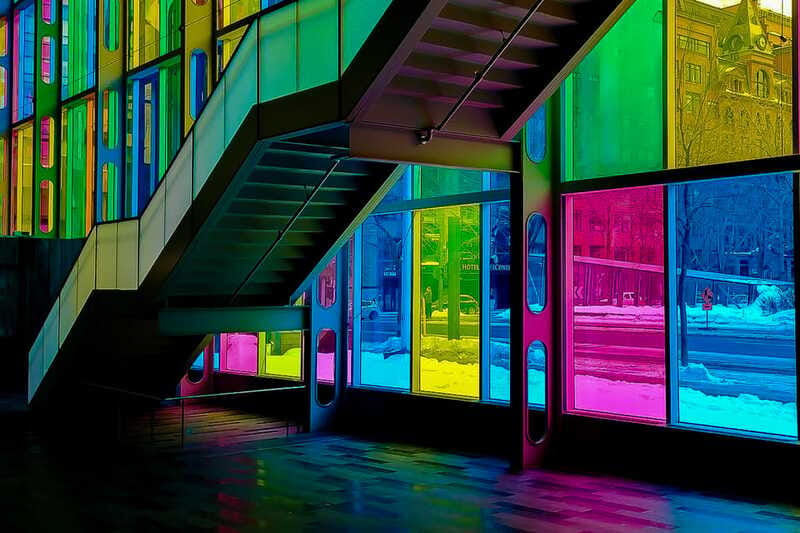
The story reaches back to Expo 67 and the urban ideas that helped shape modern Montreal. That context gives the RESO more meaning. It explains why the city invested in connections between buildings and how underground movement became part of downtown planning.
The guide also discusses how the network has changed over time. Montreal’s underground system is not a single project built all at once. It grew through links between developments, transit, commercial centers, and public spaces.
This kind of explanation is where the licensed guide makes a difference. The required City of Montreal guiding permit does not guarantee a perfect tour, but it signals that the company uses guides authorized to lead visitors in the city. MTL Detours is locally owned and based in Montreal, which also helps keep the tour tied to local knowledge rather than a generic city script.
The public art and unusual interior architecture add visual interest. You may find spaces that are easy to pass without noticing when you are focused on reaching a shop or train. The guide gives those places a reason to pause.
You should bring a camera if you like architecture, but keep your expectations practical. One person who enjoyed the tour wished for a little more time at certain spots for photos. The schedule has to keep moving, especially with a route that includes several transitions.
The guide’s local advice is part of the payoff
At the end, you receive a printed list of recommended places to eat, drink, explore, and experience Montreal. This is more useful than a long speech of restaurant names that you will forget before dinner.
The suggestions can help you use the rest of your day. One person used the tip to visit the Time Out food court in the RESO, while others appreciated receiving ideas for lunch, cafés, bars, and other places to see.
I especially like receiving the list in print. You can mark it, photograph it, or keep it with your daily plans. It also gives the tour a practical ending: you finish with both a better sense of the network and a few ideas for what to do next.
Several guides are praised for answering questions beyond the basic route. Martin is repeatedly described as clear and helpful, while Catherine, Elise, Isabelle, Amelie, Gabriella, and others are praised for warmth, humor, and local suggestions. The exact guide depends on the departure, but the company’s strength appears to be its personal approach.
For the best use of the tips, take the tour early in your stay. You will then have time to return to a restaurant or use the indoor network when the weather turns unpleasant.
How the two hours feel on foot
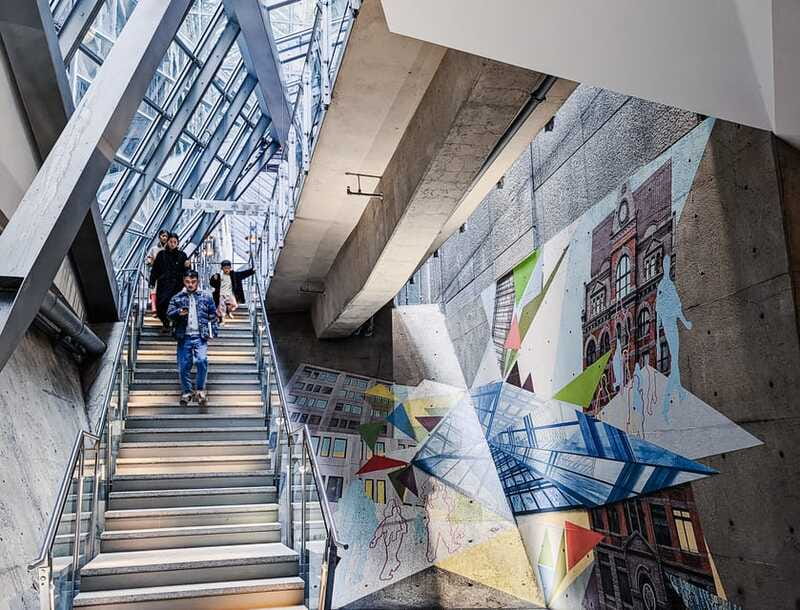
Plan on about three miles of walking. The route includes indoor and outdoor sections, plus staircases and escalators. Most of the stairs go down, but you still need steady footing and enough energy to keep moving at a moderate pace.
Wear comfortable shoes. Dress for the weather even if you are booking the tour specifically to escape the cold or rain, since part of the experience takes place outside. In winter, you may move between warm interior spaces and cold streets several times.
The tour is not recommended for wheelchair users, people with mobility impairments, people with visual impairments, or those with serious medical conditions. The company also asks for a moderate level of fitness. If you have mild mobility concerns, contact the operator before booking rather than assuming the presence of escalators will make the route easy.
The indoor setting makes this a strong choice on a cold, rainy, or very hot day. It is not weatherproof, however. The outdoor landmarks remain an important part of the route, and clothing still matters.
The pace seems suited to adults and older teenagers who enjoy walking and listening. Children under 12 cannot attend. Since each person needs a paid ticket, this is not a casual add-on for a younger family group.
Is $30 a good value?
At $30 per person, the price is reasonable for a licensed, two-hour small-group tour in a major Canadian city. You are paying for more than access to public corridors. The value comes from the route selection, the explanation of the metro connections, the downtown context, and the printed recommendations.
A self-guided walk costs less, of course. The RESO is open to the public, and you can explore parts of it without paying. But finding the most interesting sections, understanding the connections, and learning why the system developed can take time and patience.
The tour is especially good value if you are new to Montreal, have limited time, or are visiting in poor weather. It is less compelling if you already know downtown well or prefer to wander without a schedule.
Free cancellation is available up to 24 hours before the tour, and you can reserve while paying later. Those terms help if your plans are still shifting, but the main decision is still physical: you need to be ready for a steady two-hour walk.
Who should book this Montreal walking tour?
Book it if you want a practical introduction to a part of Montreal that is easy to misunderstand. It suits first-time visitors, architecture fans, urban planning enthusiasts, and anyone who expects to use the metro or downtown corridors during a winter visit.
It also works well for a short stay. You get a broad explanation of Montreal’s past and present without spending a full day on a formal sightseeing circuit.
I would choose it early in a trip. The orientation can save time later, and the restaurant list may shape your lunch or dinner plans. It is also a smart backup for bad weather, as long as you are comfortable with the outdoor portions.
Skip it if you want Old Montreal, museums, or a slow food-focused walk. The tour includes downtown history and local recommendations, but its main subject is the relationship between the street-level city and the RESO below it.
FAQ
How long is the Montreal RESO and downtown tour?
The tour lasts two hours.
How much does the tour cost?
The listed price is $30 per person.
How large is the tour group?
The group is limited to about 10 participants to keep the experience personal and easy to follow.
What language is the tour conducted in?
The live tour is conducted in English.
Where does the tour meet?
Meet the MTL Detours guide on the sidewalk outside Humble Lion café at 1204 McGill College Avenue, between Sainte-Catherine Street and Cathcart Street.
How early should I arrive?
Arrive 10 to 15 minutes before the scheduled start. The tour does not wait for latecomers.
Is the tour indoors or outdoors?
It includes both indoor and outdoor walking. Dress for the weather.
How much walking is involved?
Expect about three miles of walking over two hours, including staircases and escalators.
Is the tour suitable for children?
The minimum age is 12, and every participant requires a paid ticket.
Can I cancel for a full refund?
You can cancel up to 24 hours in advance for a full refund.
Should you book it?
Book this tour if the idea of Montreal’s RESO interests you but the network feels too confusing to tackle alone. For $30, you get a focused route, a licensed local guide, an explanation of the metro links, downtown landmarks, and a useful list for the rest of your visit.
The strongest reason to go is not simply seeing the underground corridors. It is learning how Montreal’s unusual two-level downtown functions. Just arrive early, wear good walking shoes, and remember that this is an active walking tour rather than a leisurely indoor stroll.
New walking tours around Canada
- Niagara Falls, Canada: White Water Walk Entry Ticket★ 4.5 · 147 reviews
- Niagara Falls: Walking Tour, Journey Behind Falls, & Cruise★ 4.8 · 773 reviews
- Montreal: Old Montreal Guided Walking Tour★ 4.9 · 268 reviews
- Montreal: The Original Locally Owned Street Art Walking Tour★ 4.9 · 97 reviews
- Montreal: Private Walking Tour with a Local★ 4.4 · 420 reviews
- Mont-Tremblant: Treetop Observatory and Self-Guided Walk★ 4.7 · 130 reviews
- Kingston: Haunted Night Walking Tour★ 4.6 · 144 reviews
- Kelowna: Walking Food Tour with 7 Tastings and 4 Drinks★ 5.0 · 100 reviews
Montreal Walking Tours, side by side.

Montreal Mile End Authentic Food Tour with 7 Delicacies Tastings
Read our review →
The Original Old Montréal Walking Tour by Guidatour
Read our review →
Old Montreal Small-Group Walking Tour | Max 10 | by MTL Detours
Read our review →
Montreal: Top Rated Small Group Old Montreal Walking Tour
Read our review →

Montreal: The Original Locally Owned Street Art Walking Tour
Read our review →
Highlights & Hidden Gems of Old Montreal guided walking tour
Read our review →Lists this walk sits on