
Review · BUENOS AIRES
Nazis in Buenos Aires: a historical walking tour
Buenos Aires has a Nazi past that is far more complicated than the simple claim that Argentina welcomed war criminals. This walking tour puts that argument on the streets, linking the arrival of Nazi fugitives after 1945 with Perón-era politics, the Jewish community, Adolf Eichmann’s capture, and later antisemitic violence. Max, a history teacher from the University of Buenos Aires, leads the discussion in clear English.
I like two things especially. First, the route uses real places rather than asking you to absorb a lecture in a museum room: Eichmann’s reported coffee stop, a theater that hosted a huge Nazi meeting, and the memorial at the former Israeli embassy. Second, Max brings photographs, graphics, and carefully sourced explanations, while leaving room for questions and uncertainty. The main drawback is that this is a serious, discussion-heavy walk, not a light sightseeing tour, and some political background receives as much attention as the Nazi fugitives themselves.
Key points to know before booking
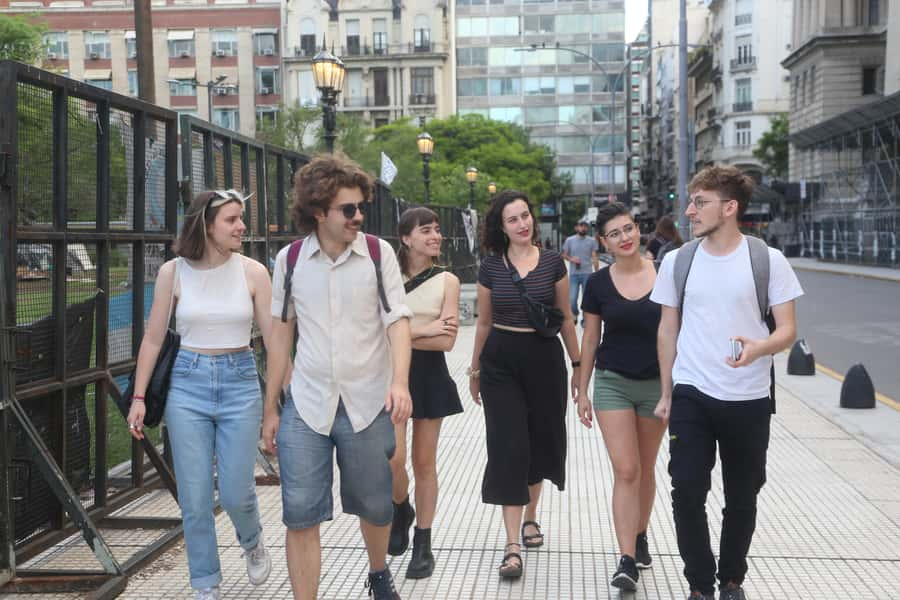
- The route connects three central districts: You walk through Recoleta, Retiro, and Microcentro, with stops tied to World War II, the Holocaust, Peronism, and Jewish life in Buenos Aires.
- Adolf Eichmann’s story is a central thread: You learn how his identity was established and how his capture took on the quality of a spy story.
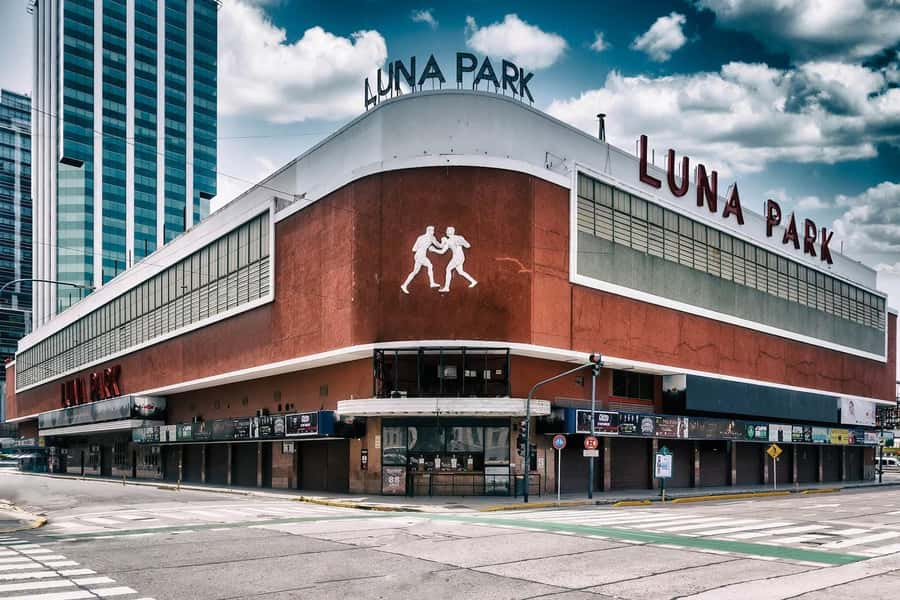
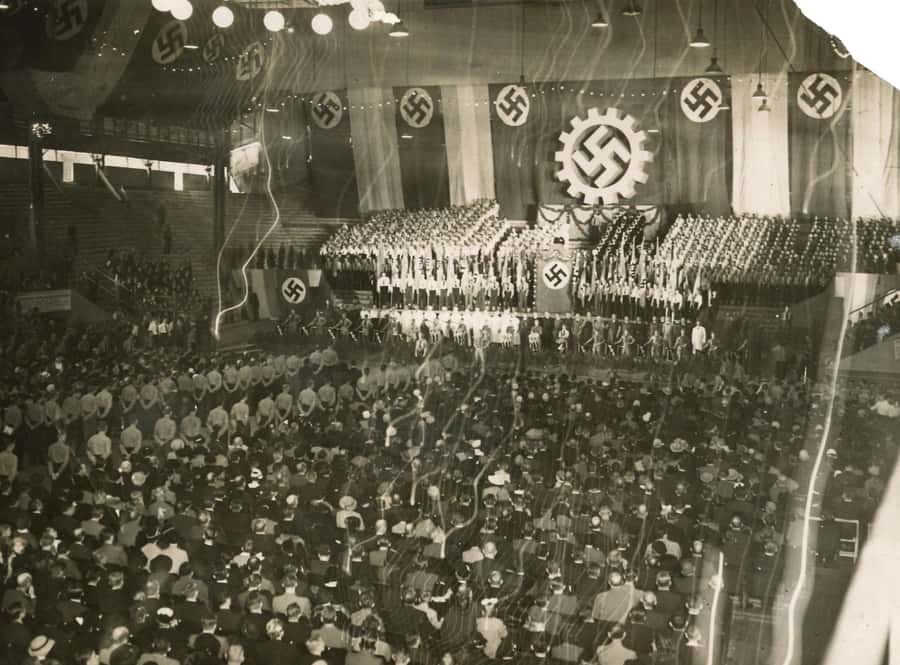
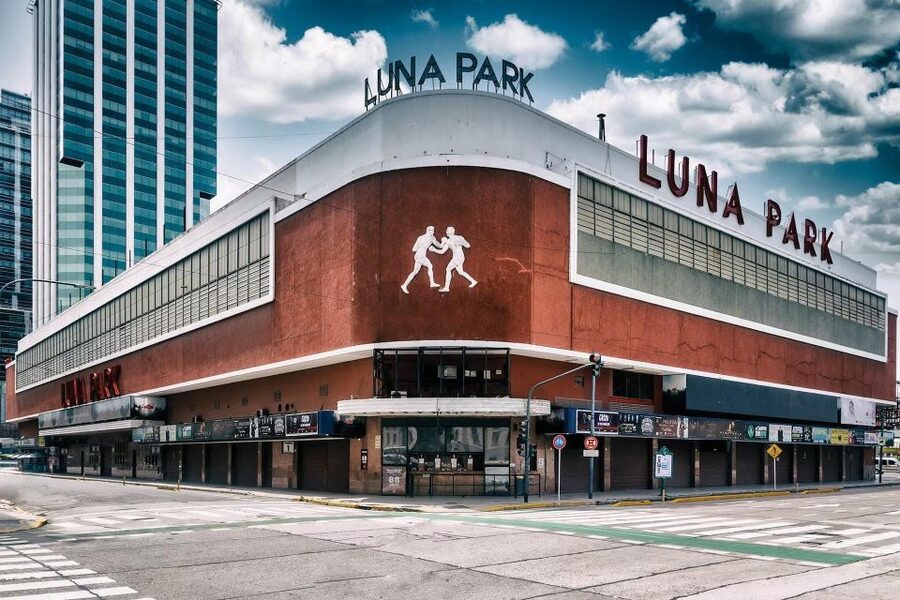
- Luna Park gives the subject a striking setting: The still-operating stadium hosted a 15,000-seat Nazi gathering.
- The guide is Max, an English-speaking history teacher: His approach is evidence-based, balanced, and open about what remains disputed.
- The final stop carries heavy modern meaning: The walk ends at Plaza Embajada de Israel, the memorial site of the former Israeli embassy.
- Plan for a serious urban walk: Wear comfortable shoes, bring water, and note that the tour is not suitable for wheelchair users or children under 10.
Why this Buenos Aires walk matters
The title asks a blunt question: was Argentina a refuge for Nazi war criminals? The value of the tour is that it does not treat the answer as a slogan. You examine what happened after 1945, who came to Argentina, how much government officials knew, and whether state agencies helped or simply tolerated those arrivals.
That distinction matters. A good historical tour should show you where the evidence is solid and where debate continues. Max’s approach, as described in the tour material, does exactly that. He is prepared to answer questions about Nazism, Judaism, the war, Argentine politics, and the history of the Jewish community, while acknowledging when a point cannot be proved with certainty.
You will also get more than a narrow story about fugitives. The tour places the subject inside Argentina’s 20th-century political life, especially the presidency of Juan Domingo Perón. Perón remains one of the country’s most important and debated political figures, so you need some patience for the political context. If you want only a fast list of Nazis who escaped to South America, this walk may spend too long on the surrounding history. If you want to understand why the subject remains disputed, that wider view is the point.
More History Walking Tours in the world:
- History and Hauntings of Salem Guided Walking Tour
★ 5.0 · 14,564 reviews - Lisbon: History, Stories and Lifestyle Walking Tour
★ 4.8 · 10,902 reviews - Boston: Freedom Trail History Small Group Walking Tour
★ 5.0 · 6,450 reviews
Starting at Juana Azurduy and Palacio Libertad
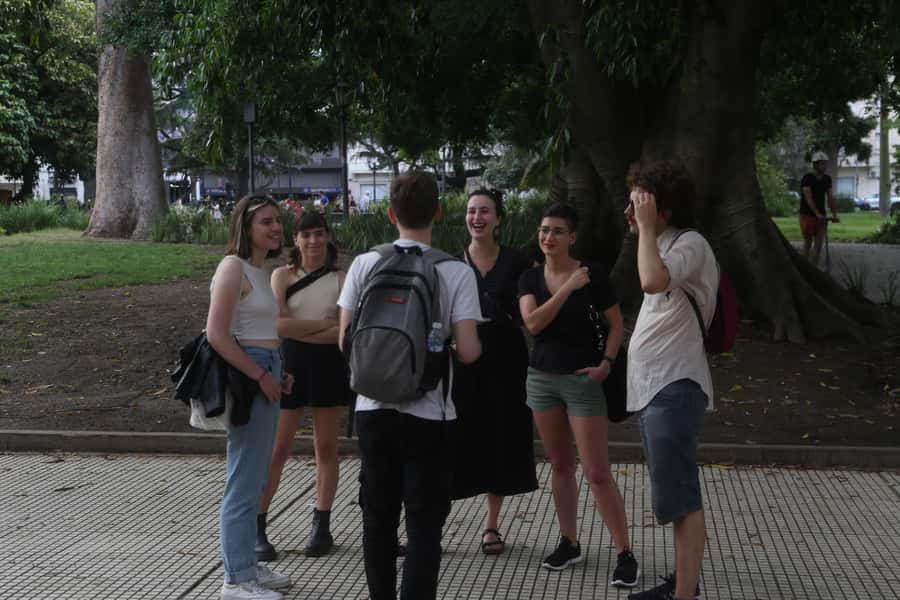
The meeting point is a few meters from the Monument to Juana Azurduy, beside the benches facing Palacio Libertad, formerly known as the CCK. Max is identified by his black cap. This is a useful central starting place because the tour begins with orientation before moving into the harder material.
Expect the opening explanation to set out the main questions rather than rush straight to a dramatic story. You will need basic knowledge of World War II and the Holocaust to get the most from the walk, but you do not need to arrive as a specialist. Max can fill in background and invites questions throughout.
The area around Palacio Libertad is also a reminder that this is a city walk, not a purpose-built historical attraction. You are discussing events in ordinary public spaces, often with traffic, pedestrians, and working businesses nearby. That can make the past feel immediate, but it also means you should not expect museum-style displays or a quiet lecture room.
Luna Park and the scale of Nazi organizing
The stop at Luna Park lasts about 20 minutes and gives the tour one of its strongest visual anchors. This still-operational Buenos Aires theater hosted a Nazi meeting attended by about 15,000 people. That number changes the way you think about the subject. It points to organized political activity and public support networks, not only secretive fugitives hiding after the war.
Because Luna Park continues to function as a venue, the stop connects a living part of Buenos Aires with a disturbing chapter from the past. You may not enter the stadium. Entry to Luna Park is not included, so the experience here is based on the guide’s explanation and the exterior setting unless separate access is available.
I like this stop because it helps correct a common misunderstanding. Nazi activity in Argentina was not only something imported by a few European criminals after 1945. The story also involves local political currents, public events, and the way international ideas found an audience in Buenos Aires.
ABC Restaurant and the Eichmann story
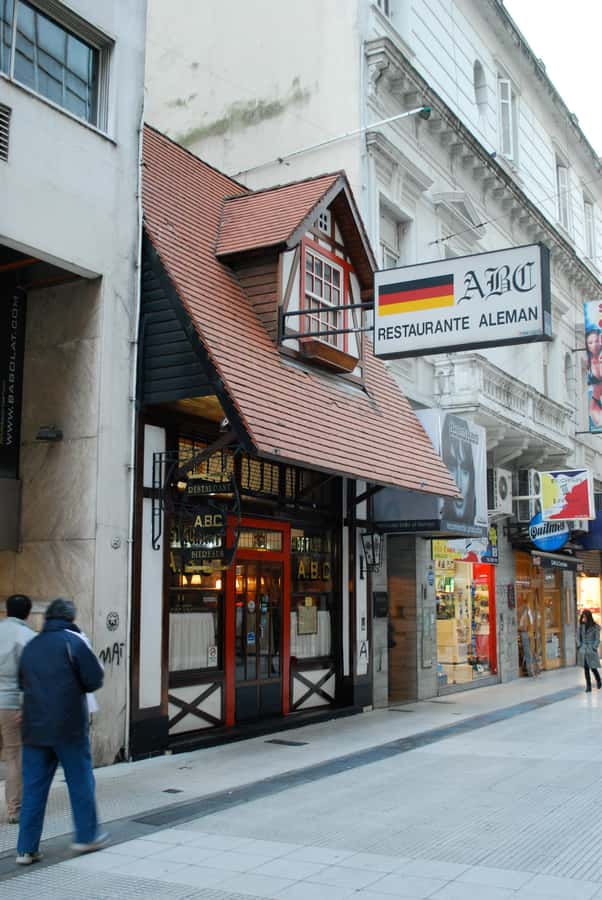
At ABC Restaurant, you spend roughly 20 minutes hearing about the place where Adolf Eichmann reportedly sat for a cup of coffee. The detail sounds small, but that is why it works. Eichmann was not always a distant figure hidden in a remote compound. His story is tied to everyday Buenos Aires, where a coffee stop could sit within an ordinary city routine.
This section focuses on the spy-like work of identifying Eichmann and capturing him. You learn how his identity was established and how the operation unfolded. The subject calls for care, since stories about intelligence work can easily become more cinematic than the evidence allows. Max’s strength here is his emphasis on sources and his willingness to separate established facts from uncertain details.
The restaurant stop also shows why a walking tour can add something a book cannot. You are standing in the same broad urban setting where the story took place, then moving on before the moment becomes a staged attraction. The drawback is that a restaurant exterior cannot show you much by itself, so the quality of the explanation matters greatly.
More walking tours around the world:
- Magical London: Harry Potter Guided Walking Tour
★ 4.7 · 22,044 reviews - Reykjavik Food Walk – Local Foodie Adventure in Iceland
★ 5.0 · 18,952 reviews - New Orleans Premier Ghost, Voodoo and Vampire Walking Tour
★ 4.5 · 12,856 reviews - Amsterdam Anne Frank: Small-Group Walking Tour & Local Guide
★ 4.8 · 12,789 reviews
Museo de Armas de La Nación and the military setting
The next stop is the Museo de Armas de La Nación Tte. Gral. Pablo Riccheri, with about 20 minutes devoted to the site. The tour uses this location to widen the discussion beyond individuals and escape routes, bringing in Argentina’s military and political environment.
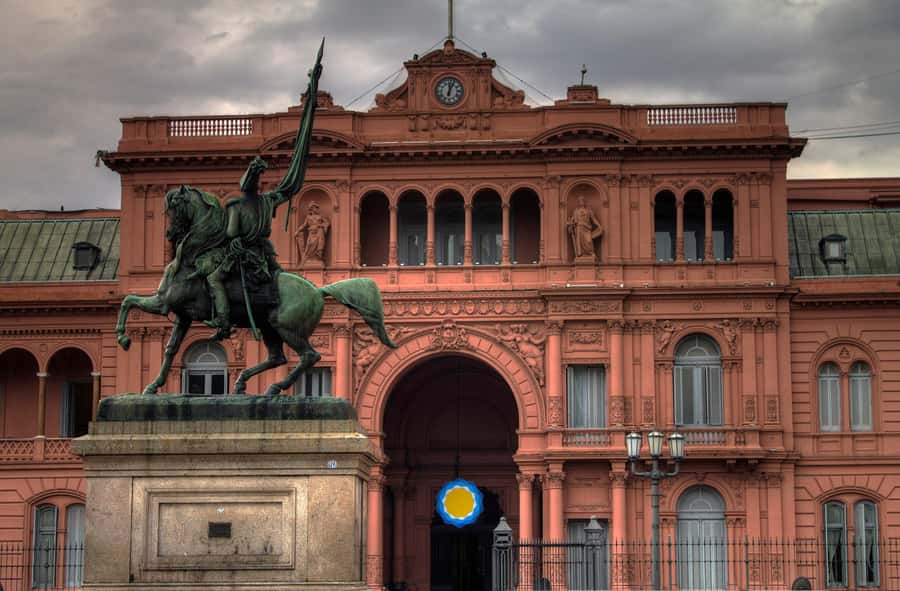
The museum’s name signals a national military context, but this is not advertised as a separate museum visit. You should not assume that your tour ticket includes entry. The supplied information lists certain admission costs as not included, such as Casa Rosada, Libertad Synagogue, and Luna Park, while the tour itself is described as a walking experience with a guide.
This part may appeal most to you if you want the political machinery around the central story. It may feel less immediately dramatic than Eichmann’s capture or the Luna Park meeting. Still, it helps explain why the tour keeps returning to institutions, government policy, and the question of what officials knew or encouraged.
Palacio San Martin and Argentina’s postwar choices
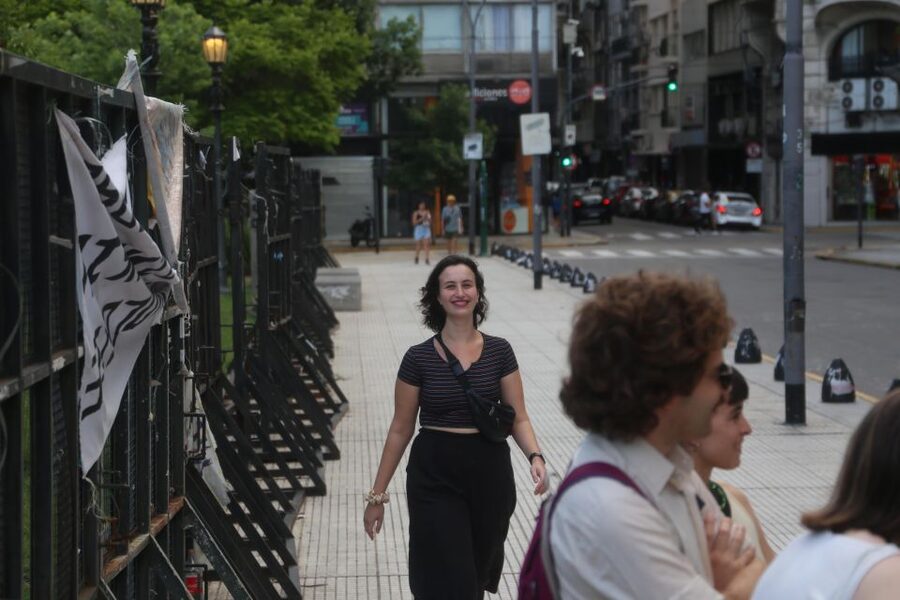
At Palacio San Martin, another 20-minute stop, the conversation turns toward Argentina’s place in international affairs after World War II. The building gives the guide a formal setting for discussing government choices, immigration, diplomacy, and the country’s connection to Europe.
This is where the tour’s wider argument becomes clearest. The question is not simply if war criminals arrived. You also consider whether their movement was known, tolerated, or promoted by parts of the Argentine government. Those are different claims, and the tour treats them as such.
You will hear more about Perón here and about the arguments surrounding his presidency. The political section is one of the tour’s strengths if you want to understand Argentine history rather than collect isolated facts. It is also the section most likely to disappoint someone who booked the walk expecting nonstop stories about Nazis on the run. One piece of direct feedback on the experience asked for more time on fugitives and less on politics, which is a fair warning about the balance.
Italian Circle and a later neo-Nazi attack
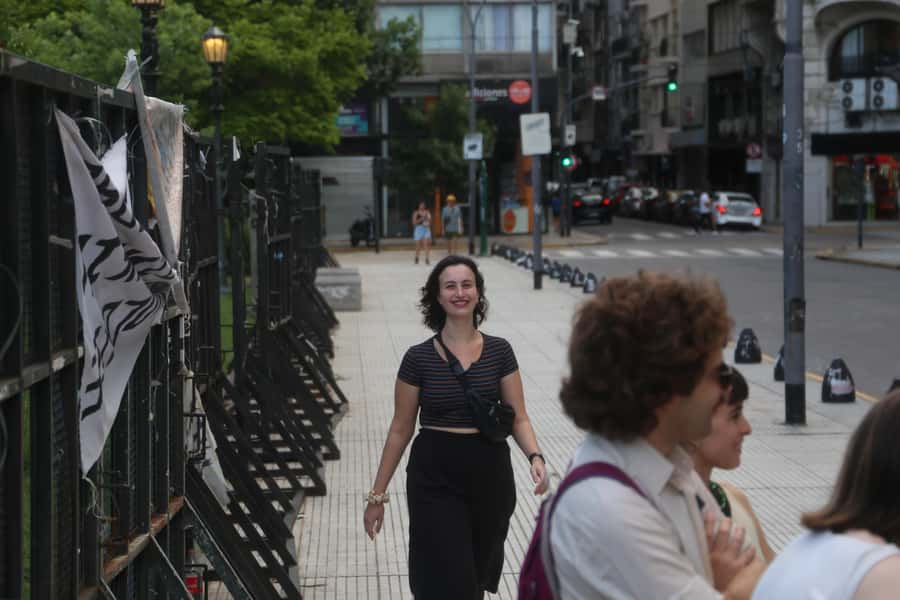
The Italian Circle of Buenos Aires is tied to a neo-Nazi attack in the 1960s. By including this stop, the tour shows that the story did not end with the fall of Nazi Germany or the arrival of fugitives after 1945.
That later event adds an important local dimension. It connects European fascism, Argentine political life, and antisemitic violence across different decades. You are encouraged to think about how ideology survives, changes shape, and affects people who live far from the original battlefield.
This is also one of the reasons the walk is not suitable for very young children. The material includes murder, terrorism, Nazism, antisemitism, and political violence. Children under 10 are specifically excluded, and older children should be comfortable with difficult historical subjects.
The Jewish community and the former Israeli embassy
The final destination is Plaza Embajada de Israel, the memorial site of the former Israeli embassy. The tour presents this location as the site of the worst terrorist attack in Latin American history. It is a sobering end because the route has moved from the Second World War to violence that took place much later, in the city around you.
You also learn about Buenos Aires’ Jewish community, described as the second largest in the entire continent. That subject keeps the tour from becoming a story only about European perpetrators. It brings attention to the people and institutions affected by antisemitism, political extremism, and terrorist violence.
The final section may feel especially current because it asks how societies remember attacks and how old ideologies continue to shape public life. The material is difficult, but it gives the walk a moral purpose: history is not only something to memorize. It is a warning about what can happen when hatred is normalized or forgotten.
The information describes the tour as ending at Plaza Embajada de Israel, while the meeting-point notes also say the activity ends back at the meeting point. Confirm the exact finish when you book, especially if you have another appointment afterward.
Max’s teaching style and the pace of the walk
The strongest part of this experience is the guide’s method. Max is described as friendly, patient, passionate, and careful with his sources. He uses pictures and graphics at the stops, which helps when the place itself has changed or gives little visual evidence of what happened there.
You should expect something closer to an outdoor history class than a standard walk that simply points at buildings. Max lays out questions, adds context, and takes questions from people with different levels of background knowledge. The language is English, and the guide is comfortable discussing Nazism, Judaism, World War II, Argentine politics, and modern history.
The pace is designed around about 20 minutes at each listed stop, with a 10-minute pause for the restroom. The total duration is advertised as 2.5 hours, although the included-tour wording also refers to two hours. I would reserve at least two and a half hours, with a little extra time in case the discussion runs long.
Is $25 a fair price?
At $25 per person, this is good value if you want a serious, guide-led history experience. You receive about 2.5 hours with an English-speaking specialist, seven main locations, visual material, and a route that covers subjects difficult to find in one ordinary city walk.
The value comes from the interpretation, not from admission tickets. Casa Rosada, Libertad Synagogue, and Luna Park Stadium entry are not included, and this is not a museum pass. You are paying for the research, storytelling, route design, and chance to ask questions at the sites.
The price is less attractive if you prefer a broad introductory tour of Buenos Aires or want to spend most of your time inside historic buildings. This walk is tightly focused and intellectually demanding. For a history-minded visitor, though, $25 is a modest cost for an experience that can reshape how you understand Argentina’s postwar politics.
Practical advice before you go
Wear comfortable shoes. The route crosses several central neighborhoods and lasts more than two hours, so hard city pavement will be more tiring than the subject matter.
Bring water, and use the scheduled 10-minute restroom pause. The tour is not suitable for wheelchair users, and children under 10 cannot join. The provider offers free cancellation up to 24 hours before the start and allows you to reserve now and pay later, which is useful when your Buenos Aires schedule is still changing.
I would read a short account of World War II and the Holocaust before going if those subjects are unfamiliar. You do not need detailed knowledge, but a basic framework will help you follow the discussion of Eichmann, Nazi migration, Perón, and the Jewish community.
Should you book this historical walk?
Book it if you want a focused, serious look at Buenos Aires through the difficult questions of Nazism, antisemitism, political power, and memory. Max’s careful use of sources, visual material, and open discussion is a strong reason to choose it, especially if you value a guide who can admit uncertainty rather than force every question into a neat answer.
Skip it if you want a cheerful overview of the city, dislike political discussion, or need a fully accessible route. You should also know that the tour gives substantial attention to Argentine politics and the Jewish community, not only to Nazi fugitives.
For history buffs, curious first-time visitors, and anyone who wants to understand Argentina beyond its famous cafés and plazas, this is a thoughtful use of an afternoon. It leaves you with harder questions than you started with, which is exactly what a good history tour should do.
FAQ
How long does the tour last?
The advertised duration is 2.5 hours. Another description refers to a two-hour walking tour, so allow at least 2.5 hours for the experience.
Where does the tour start?
It starts a few meters from the Monument to Juana Azurduy, by the benches facing Palacio Libertad, formerly known as the CCK. Max wears a black cap.
Where does the tour end?
The route is described as ending at Plaza Embajada de Israel, the memorial site of the former Israeli embassy. The meeting-point information also says the activity ends back at the meeting point, so confirm the final location when booking.
What language is the tour?
The live tour is conducted in English.
Are entry tickets included?
No. Entry to Casa Rosada, Libertad Synagogue, and Luna Park Stadium is not included.
Is the tour suitable for children?
It is not suitable for children under 10. The subject includes Nazism, the Holocaust, terrorism, and political violence.
What should I bring?
Bring comfortable shoes and water. There is also a 10-minute pause to use the restroom.
New walking tours around the world
- Niagara Falls, Canada: White Water Walk Entry Ticket★ 4.5 · 147 reviews
- NYC: Walking Tour with Local Guide and 30+ Top NYC Sights★ 4.5 · 248 reviews
- Zadar: Food Tasting & Old Town Walking Tour★ 5.0 · 94 reviews
- Niagara Falls: Walking Tour, Journey Behind Falls, & Cruise★ 4.8 · 773 reviews
- New York City: Gangsters and Ghosts 2-Hour Walking Tour★ 4.7 · 615 reviews
- NYC: History of Slavery & Underground Railroad Walking Tour★ 4.7 · 87 reviews
- New York City’s Hell’s Kitchen: Walking Food Tour★ 4.8 · 200 reviews
- NYC: Brooklyn Bridge and DUMBO Guided Walking Tour★ 4.8 · 93 reviews
History Walking Tours, side by side.
History and Hauntings of Salem Guided Walking Tour
Read our review →
Lisbon: History, Stories and Lifestyle Walking Tour
Read our review →
Boston: Freedom Trail History Small Group Walking Tour
Read our review →
Historic Charleston Guided Sightseeing Walking Tour
Read our review →
Barcelona: Tapas Walking Tour with Food, Wine, and History
Read our review →
Savannah History and Haunts Candlelit Ghost Walking Tour
Read our review →
A History of Terror – Belfast City Centre Walking Tour
Read our review →Lists this walk sits on