Review · BARCELONA
Barcelona: Gothic Quarter Walking Tour with 10+ Attractions
Barcelona’s Gothic Quarter is best understood on foot, where a narrow lane can reveal a Roman wall, a quiet square, or a grand medieval church within a few steps. This two-hour walk links ancient Barcino with the city’s medieval center and finishes near Santa Maria del Mar, giving you a useful first look at old Barcelona without spending half a day on it.
I like the way the tour combines major sights with less obvious corners, especially Sant Felip Neri Square and the Bishop’s Bridge. I also like the guide-led storytelling: Mariah, Juan, Petra, Sara, Darren, Sonia, and others have been praised for making the past lively, funny, and easy to follow. The main consideration is pace. You cover a lot of ground, so wear good shoes and expect plenty of walking.
Key points at a glance

- Roman beginnings: Start near the Escultura Barcino and learn how Barcelona’s story reaches back roughly 2,000 years.
- A strong Gothic Quarter route: See the Cathedral, Casa de l’Ardiaca, Bishop’s Bridge, Plaça Sant Felip Neri, and Plaça de l’Àngel.
- Stories beyond architecture: Guides use legends, dark episodes, personal anecdotes, and local history to give the streets some meaning.
- Useful timing: Two hours is long enough for a solid introduction, but short enough to fit before lunch, dinner, or another city sight.
- English-language guiding: The tour is offered in English, with private group bookings available.
- Practical value: At $25 per person, it is a sensible way to get your bearings before exploring the old center on your own.
Why this Gothic Quarter walk works
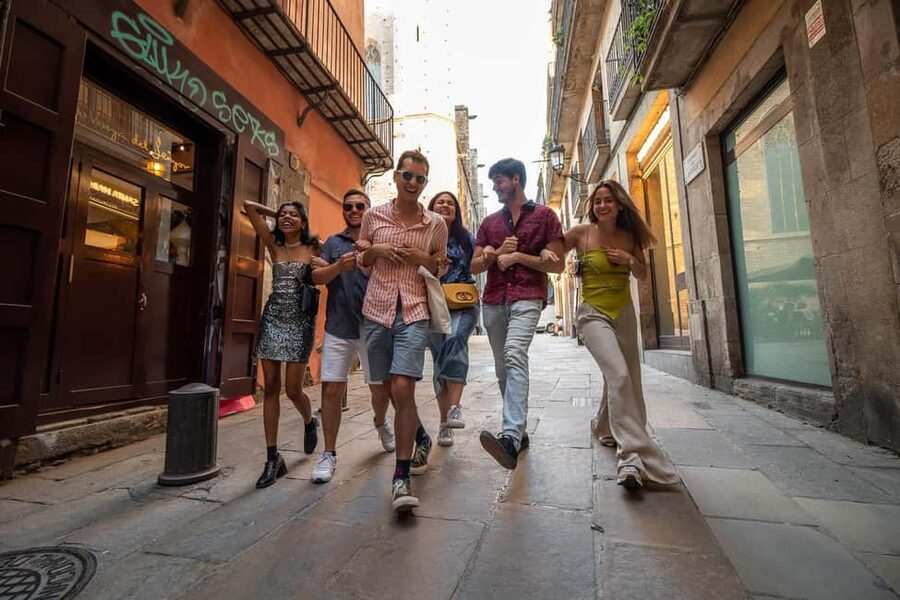
Barcelona’s Old City can feel confusing at first. Streets twist, plazas appear suddenly, and some of the most important sights are easy to pass without noticing. A guide gives you the basic map in your head: Roman foundations, medieval power, religious buildings, civic squares, and the later neighborhoods that grew around them.
The route also avoids the trap of treating the Gothic Quarter as one perfectly preserved medieval district. Barcelona’s old center contains Roman remains, medieval buildings, later additions, reconstructed features, shops, homes, and heavily visited monuments. That mix is part of the interest. You are not just looking at old stones. You are seeing how a living city has built over its own past.
The tour is particularly useful at the start of a Barcelona visit. You get a sense of direction, learn which squares deserve a second look, and can ask your guide for ideas for the rest of your stay. Several guides, including Shy and Craig, have also offered dining suggestions or lists of favorite places around town.
More Old Town Walking Tours in Barcelona
- Barcelona Helicopter, Sailboat & Old Town Private Walking Tour
★ 5.0 · 1,395 reviews - Barcelona: Old Town and Gothic Quarter Walking Tour
★ 4.8 · 1,393 reviews - Barcelona Old Town & Gothic Quarter Small Group Tour
★ 5.0 · 1,308 reviews
Meeting the tour near Roman Barcelona
The meeting point is Plaça del Vuit de Març, inside the park near the Balmesiana Biblioteca Balmes and the remains of a Roman aqueduct. Look for the white van and yellow Carpe Diem Tours flag, and arrive 10 minutes early.
This is a practical starting point because it places you close to the old Roman core rather than dropping you straight into the busiest tourist streets. The Escultura Barcino is listed as the starting location, so pay attention to the exact instructions when booking. One person specifically had trouble with similar-looking meeting areas, so do not rely on a quick map search alone.
The opening moments set up Barcelona’s long timeline. Instead of hearing disconnected facts at each stop, you begin with the idea of Roman Barcino and then watch the city change as the walk moves through the Gothic Quarter. That makes later buildings easier to place.
Els Quatre Gats and the city’s artistic side
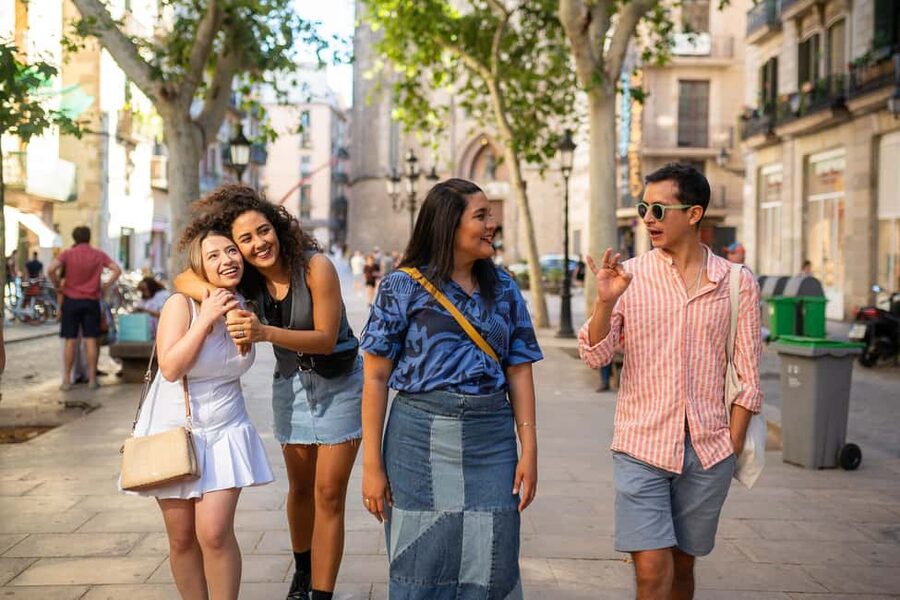
Els Quatre Gats is an early stop, with about 10 minutes of guided attention. The name means Four Cats, and the place is tied to Barcelona’s artistic and café culture. It helps widen the tour beyond churches and political buildings.
This stop is brief, so do not expect a full interior visit or a long art lecture. Its value is as a cultural marker. Barcelona’s old center was not only a place of government and religion. It also became a meeting ground for writers, artists, and new ideas.
A short stop here also shows how the tour is structured. You pause often, listen to a focused explanation, then move through the streets. That keeps the experience moving, though anyone who wants extended time inside each monument may find the schedule brisk.
The Kiss of Freedom and the meaning behind public art
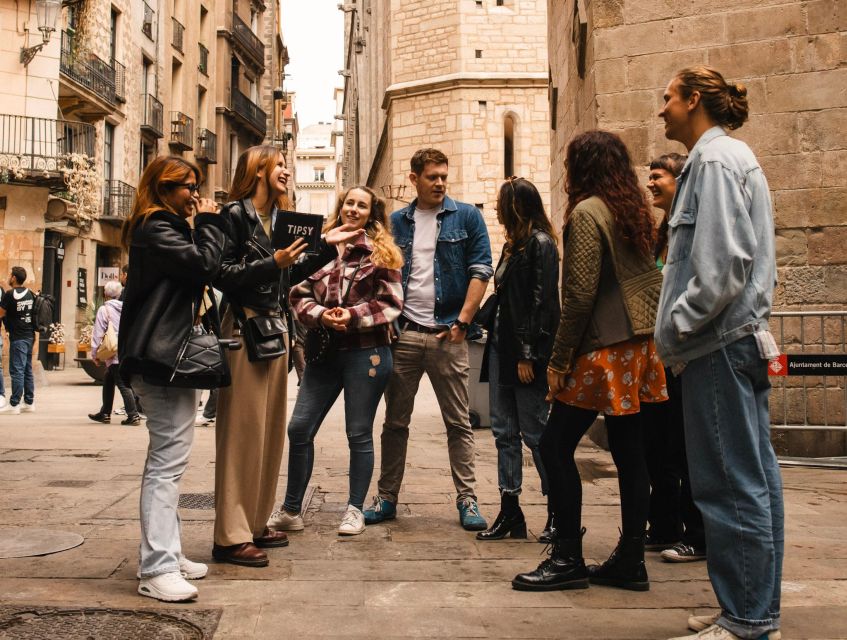
The route continues to The Kiss of Freedom, another 10-minute guided stop. Public art can be easy to ignore when you are rushing between famous buildings, so this pause adds a modern layer to the old neighborhood.
The tour’s larger theme becomes clear here: Barcelona is not a museum frozen in the Middle Ages. The city uses public spaces to express memory, identity, and civic ideas. Your guide connects what you see with the wider story of Barcelona, rather than treating each attraction as an isolated photo stop.
This is also a good point to ask questions. The guides are encouraged to make the walk interactive, and different guides bring different touches. Jordan, for example, has used sweets tied to historical anecdotes, while other guides lean more on humor, legends, or darker episodes.
More Old Town Walking Tours in Spain
- Ramblas, Old Town, Gothic and Gaudi Architecture Walking Tour
★ 5.0 · 723 reviews - Barcelona: Gothic Quarter Walking Tour
★ 4.9 · 383 reviews - Barcelona: Ramblas, Old Town & Gaudí Houses Walking Tour
★ 4.9 · 239 reviews - Barcelona: Old Town Private Walking Tour of Past and Present
★ 5.0 · 160 reviews
Barcelona Cathedral, the grand centerpiece
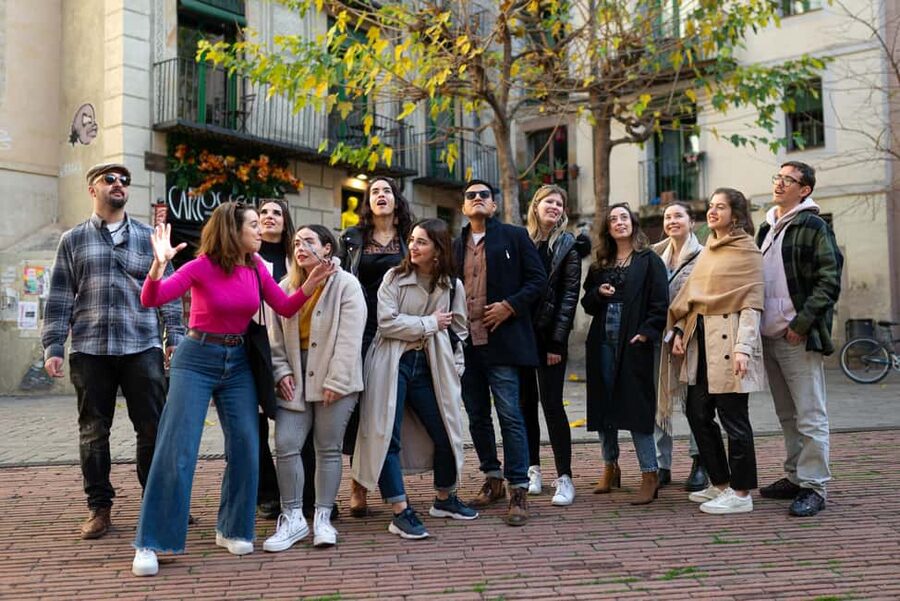
Barcelona Cathedral receives roughly 10 minutes of explanation. It is one of the route’s major sights and gives you the clearest sense of Gothic Barcelona’s scale and religious power.
From outside, you can study the vertical stonework, pointed forms, and layers of detail that make the building such a strong visual anchor. Your guide explains the cathedral’s place in the city’s development and helps you notice features you might otherwise photograph and leave behind.
The limitation is simple: the itinerary describes a guided stop, not a separate extended interior visit. If entering the cathedral is a priority, check the arrangements for your departure and plan extra time on your own. The walking tour gives you context, but it is not designed as a full cathedral visit.
Casa de l’Ardiaca and the Roman traces
Casa de l’Ardiaca follows, with another 10-minute explanation. This building sits beside the cathedral and is closely tied to Barcelona’s old administrative and religious center.
The stop works well because it brings the city’s layers together. Roman remains, medieval institutions, and later architectural changes are not far apart here. You get a better idea of how Barcelona expanded and adapted instead of simply replacing one era with another.
A guide matters at a place like this. Without context, a doorway, courtyard, or fragment of wall may look like attractive background scenery. With a clear explanation, you begin to see the old center as a record of changing power and daily life.
Bishop’s Bridge, a dramatic photo stop
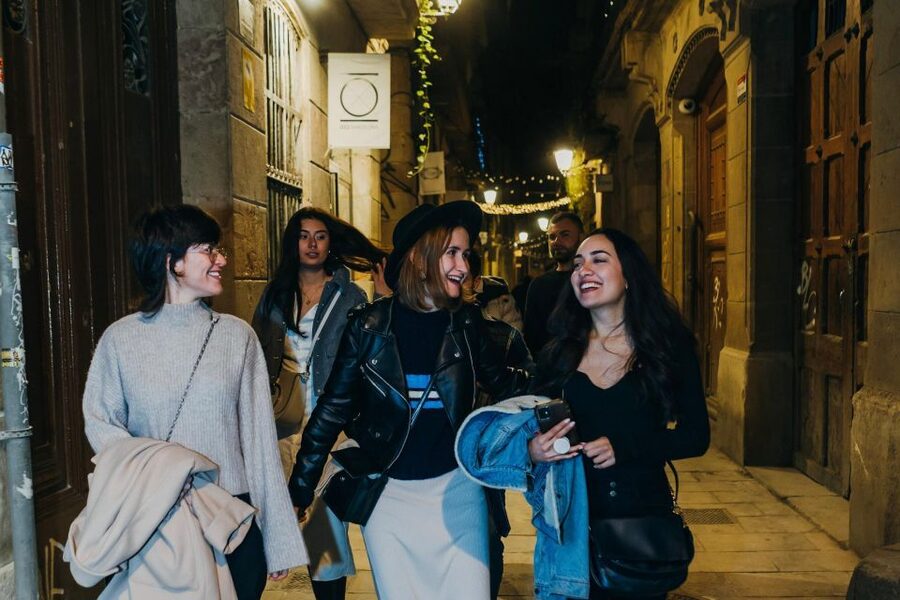
The Bishop’s Bridge is one of the route’s most memorable visual moments. Its stone span crosses a narrow street and creates the kind of scene that makes the Gothic Quarter feel theatrical.
Your guide explains the bridge’s story and its place in the surrounding architecture. It is a compact stop, but it gives you a strong photograph and a useful lesson in how the district’s buildings connect overhead and around tight lanes.
This is one spot where crowds can affect the experience. Lydia was praised for adjusting well in crowded areas, and Craig was noted for keeping a large group together. The route passes through popular streets, so listen for your guide and stay close when the foot traffic thickens.
Sant Felip Neri Square and the darker side of the city
Plaça de Sant Felip Neri is often the emotional center of this walk. The square is quieter than the main cathedral approaches, and its walls carry visible scars from Barcelona’s violent past.
The guides do not present only postcard views. Sara was specifically appreciated for discussing darker history, and several guides have been praised for pairing serious subjects with care and humor. That balance matters. You leave with a more honest sense of the city, not just a collection of pretty façades.
Give yourself a moment to look around before the group moves on. The square is small, and the atmosphere can change quickly as another group arrives. This is one of the places you may want to revisit later when you have more time.
Plaça de l’Àngel and the route toward El Born
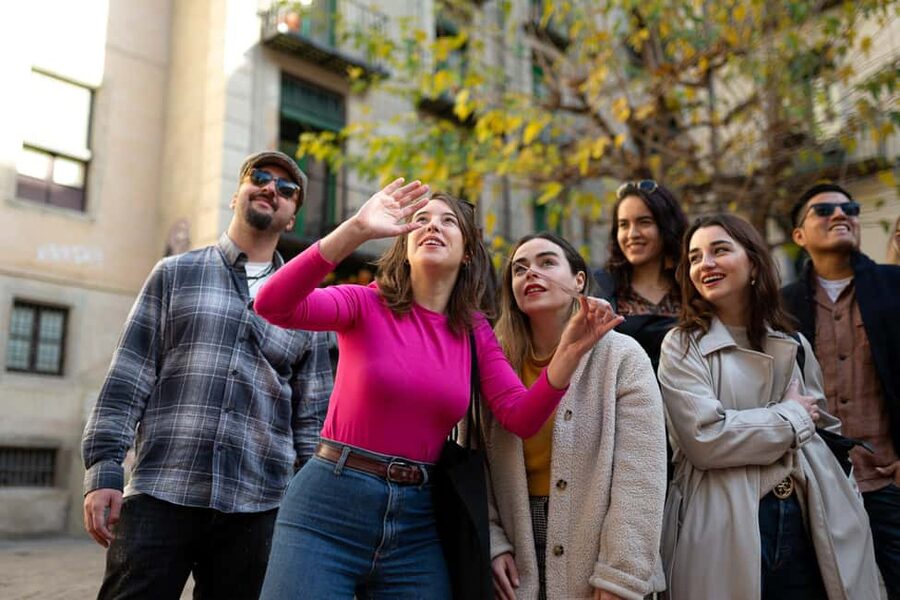
Plaça de l’Àngel is the final listed sightseeing stop before the walk ends at the Basilica of Santa Maria del Mar. The square helps connect the Gothic Quarter with the streets leading toward El Born, an area also included in the route according to the guide descriptions.
By this stage, the walk has moved from Roman origins through religious power, civic history, art, public memory, and the everyday street plan. Plaça de l’Àngel is less about one single monument and more about seeing how the old center functions as a crossroads.
The route ends at Santa Maria del Mar, one of Barcelona’s best-known medieval churches. Even if you do not enter, the closing location is useful. You are near restaurants, shops, and more of the old city, so you can continue exploring rather than finding yourself at an isolated meeting point.
What the guides add to the experience
Guide quality is the biggest factor in a history walk, and this experience has a wide pool of guides. Mariah has been praised for a friendly, entertaining delivery. Darren is known for humor and clear historical stories. Juan often adds architectural context and personal recommendations, while Petra has been noted for speaking clearly and explaining each site in an easy-to-follow way.
Sonia, Sara, Vanessa, Thami, Craig, Lydia, Jordan, and Shy are also among the guides associated with positive experiences. You cannot choose every guide unless you book a private option, so expect the tone to vary. One guide may focus on legends and jokes, another on dark history, and another on buildings and dates.
That variety is not a flaw, but it is worth understanding. You are booking a guided introduction rather than a scripted lecture delivered in exactly the same way every time. Most of the praise centers on clear explanations, humor, good pacing, and the ability to answer questions.
Is $25 good value?
At $25 per person, the tour offers solid value if you want a structured introduction to the old center. You are paying for two hours of guiding, local interpretation, city highlights, and lesser-known stops. Food, drinks, and separate entry tickets are not included.
The strongest value comes from the context. You could walk past the Cathedral, Bishop’s Bridge, and Sant Felip Neri Square for free, but you would miss much of the meaning behind them. The guide helps you decide what deserves a closer look later.
The price is less attractive if you already know Barcelona well or prefer to wander alone. It is also not a replacement for a full museum or cathedral visit. Think of it as a well-organized orientation walk that makes the rest of your time in the city more rewarding.
Who should book this walk?
I would recommend it to first-time visitors, families, couples, and anyone who enjoys history in manageable portions. The tour suits you if you like stories, local legends, architecture, and the occasional darker chapter, but do not want a formal academic lecture.
It also works well for a short Barcelona stay. Two hours gives you a useful introduction without consuming an entire morning or afternoon. The relaxed pace noted by several people still covers plenty of ground, so you will need comfortable clothes and shoes.
You may want a private group if you are traveling with friends or family and want a more personal format. The private option can be tailored to your group, though the supplied details do not specify the exact changes or pricing.
The experience is offered in English. If you need another language, this is not the right choice based on the information available.
Small details that make the walk easier
Arrive early, especially because the meeting area contains several nearby landmarks and similar-looking plazas. Look for the yellow flag and white van rather than waiting beside the first Roman-looking feature you see.
Bring a camera, but keep it secondary to listening. The Gothic Quarter is full of quick visual details, and the guide’s explanation often tells you why a doorway, bridge, or square matters.
There is no food or drink included, so eat beforehand or plan a stop afterward. Ending near Santa Maria del Mar makes that easy, but the tour itself is focused on walking and storytelling.
Free cancellation is available up to 24 hours before the start time, and you can reserve now and pay later. Those terms are useful if your Barcelona plans are still shifting.
Final verdict: a smart first walk in Barcelona
Book this tour if you want to understand the Gothic Quarter instead of simply passing through it. The route covers the essential sights, adds quieter corners, and gives you enough history to make the old streets readable.
Skip it if you want long interior visits, a slow photography session, or a specialist architecture tour. For most first-time visitors, though, $25 is a fair price for two hours of clear stories, local pointers, and a well-planned route from Roman Barcino to Santa Maria del Mar.
FAQ
How long does the Barcelona Gothic Quarter walking tour last?
The tour lasts two hours.
How much does the tour cost?
The listed price is $25 per person.
What language is the tour offered in?
The tour is offered in English with a live English-speaking guide.
Where does the tour meet?
Meet at Plaça del Vuit de Març, inside the park near Balmesiana Biblioteca Balmes and the Roman aqueduct remains. Look for the white van and yellow Carpe Diem Tours flag.
Where does the tour finish?
The walk finishes at the Basilica of Santa Maria del Mar.
Which sights are included?
The route includes Els Quatre Gats, The Kiss of Freedom, Barcelona Cathedral, Casa de l’Ardiaca, Bishop’s Bridge, Plaça de Sant Felip Neri, Plaça de l’Àngel, and the final area around Santa Maria del Mar.
Is a private tour available?
Yes. A private group option is available and can be tailored to your group.
What should I bring?
Bring comfortable shoes, comfortable clothes, and a camera. Food and drinks are not included.
New walking tours around Barcelona
- From Barcelona: Montserrat Walking and Horseback Riding Tour★ 4.8 · 81 reviews
- Barcelona: Walking tour with Montjuic Castle & Cable Car★ 4.7 · 832 reviews
- Barcelona: Gothic Quarter Walking Tour w/ Montjuïc Cable Car★ 4.4 · 90 reviews
- Barcelona Walk Like a Local: El Born & Gothic 15+ Sights★ 4.9 · 88 reviews
- Barcelona: Private Walking Tour with a Local★ 4.5 · 202 reviews
- Barcelona: Jewish Quarter 2-Hour Walking Tour★ 4.8 · 333 reviews
- Barcelona: Ramblas, Old Town & Gaudí Houses Walking Tour★ 4.9 · 239 reviews
- Barcelona: Old Town Private Walking Tour of Past and Present★ 5.0 · 160 reviews
Barcelona Walking Tours, side by side.

Barcelona Tapas and Wine Experience Small-Group Walking Tour
Read our review →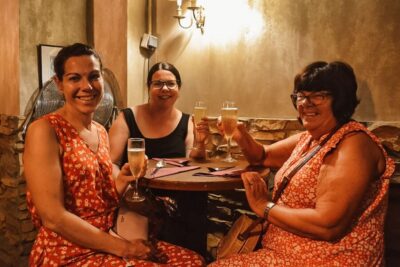
Barcelona: Tapas Walking Tour with Food, Wine, and History
Read our review →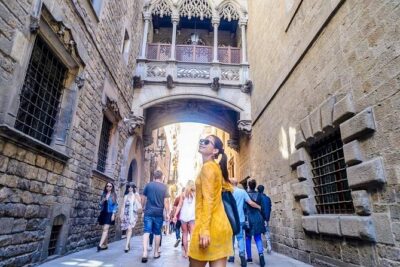
Barcelona Helicopter, Sailboat & Old Town Private Walking Tour
Read our review →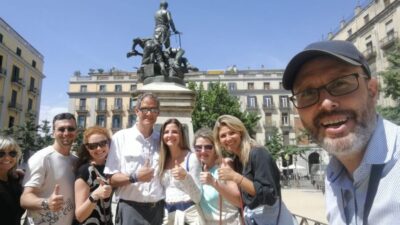
Barcelona: Old Town and Gothic Quarter Walking Tour
Read our review →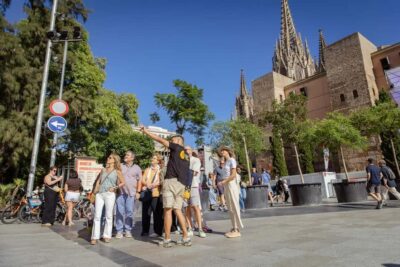
Barcelona: City Walking Tour with a Local Guide
Read our review →
Barcelona: Helicopter Flight, Boat Ride, and Walking Tour
Read our review →
Barcelona Old Town & Gothic Quarter Small Group Tour
Read our review →