
Review · THE USA
Seattle: Guided Underground Walking Tour
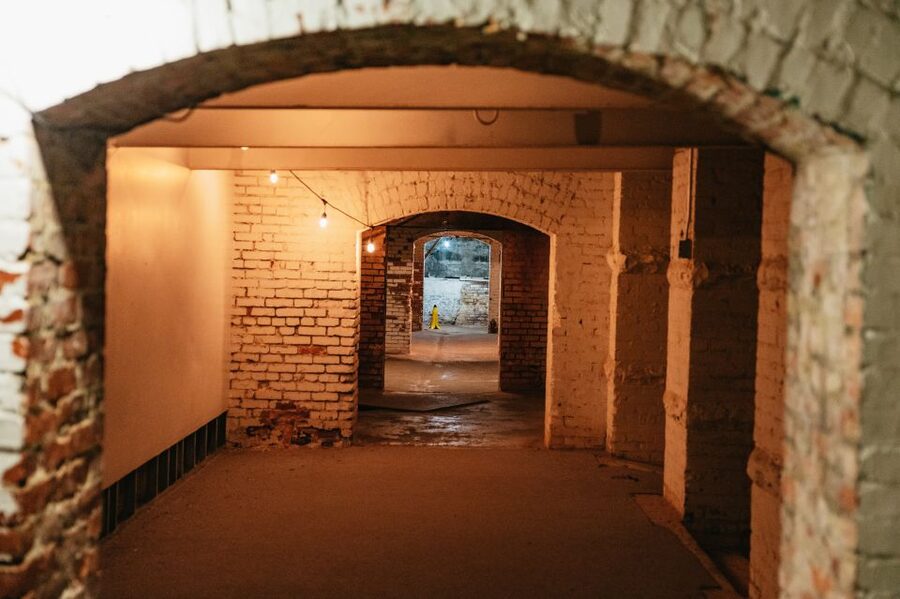
Seattle’s most unusual historic walk takes place below the sidewalks of Pioneer Square. On this one-hour underground tour, you’ll pass through three old passageways built in the 1890s and see the remains of a city that was rebuilt several feet above its original streets.
I like the way the tour connects Seattle’s physical structure to its past. The 1889 fire, the swampy ground, retaining walls, and raised roads all become part of one clear story. I also like the guides’ strong mix of facts and humor. David, Dave, Jim, Eowyn, and several other guides have been praised for keeping the pace lively without turning the tour into a lecture.
The main drawback is physical: there are six flights of stairs, uneven surfaces, and no elevator. This is not a good choice for anyone with a mobility impairment, and the underground rooms are outside the usual comfort zone of a polished museum.
Key points at a glance
- Three 1890s passageways: Walk through old underground spaces beneath more than four blocks of Pioneer Square.
- The 1889 Seattle Fire: Learn how the fire reshaped the young city and forced major rebuilding decisions.
- A city raised above itself: See how retaining walls and filled areas created streets several feet above the originals.
- Story-led history: Guides such as David, Dave, Jim, and Eowyn use humor, local detail, and personal energy to keep the hour moving.
- A short, useful introduction: The $31 price buys a focused hour that works well early in a Seattle visit.
- Stairs are part of the experience: Expect six flights, uneven ground, and no elevator access.
Entering beneath Pioneer Square
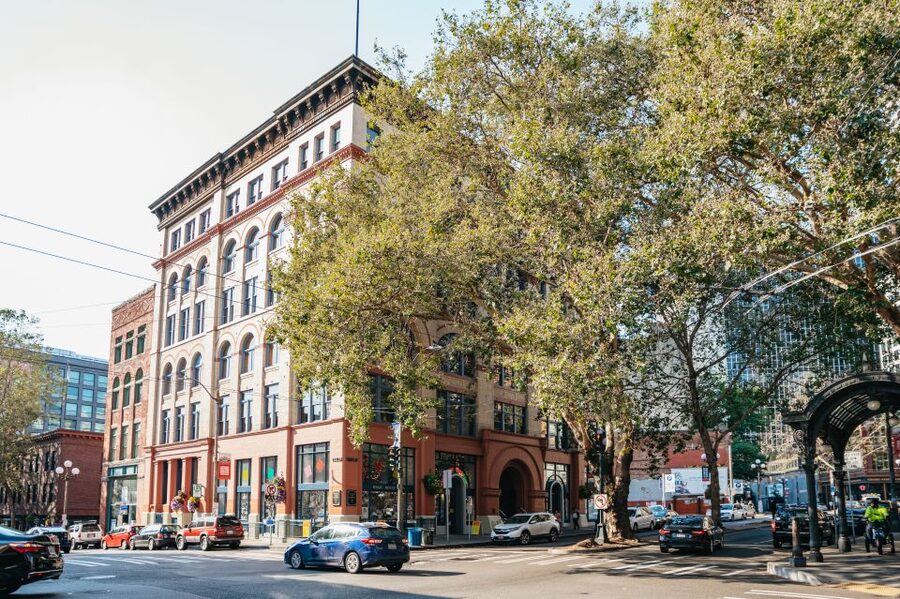
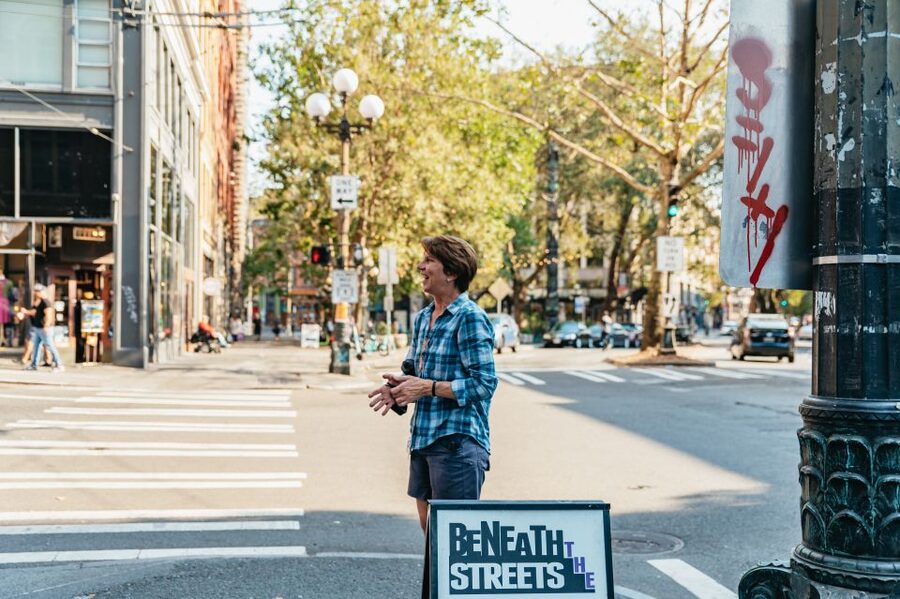
The meeting point is under the Cherry Street Coffee shop. Look for the black and purple Beneath the Streets sign, then take the stairs down to the reception desk.
That location gives you a useful first clue: this is not a standard city walking tour with a few plaques and a distant view of old buildings. You are heading into spaces that sit below the working city. The tour moves between the outdoor streets and underground areas, so wear comfortable shoes and dress for both settings.
The first few minutes help set the scene. Seattle’s early streets were built on low, wet ground, and the city’s later shape was not simply the result of careful planning from the start. Fire, mud, construction problems, and the need to keep commerce moving all played a part.
That practical focus is one of the tour’s strengths. You are not just looking at old brick walls. You are learning why the ground beneath Pioneer Square looks the way it does and why parts of the old city ended up below the sidewalks.
More walks with a guide around the USA:
- History and Hauntings of Salem Guided Walking Tour
★ 5.0 · 14,564 reviews - Historic Charleston Guided Sightseeing Walking Tour
★ 5.0 · 6,216 reviews - Cambridge: Harvard University Student-Guided Walking Tour
★ 4.6 · 3,931 reviews
The Seattle Fire and the city’s forced reset
The central event is the Seattle Fire of 1889, which destroyed large parts of the growing city. The tour explains the fire as more than a dramatic disaster. It became a turning point that gave Seattle a reason to rebuild in a different way.
After the fire, city leaders faced a basic problem. The old streets had been laid across swampy ground, and rebuilding exactly as before would preserve many of the same difficulties. The solution involved raising the streets and creating stronger structures beside them.
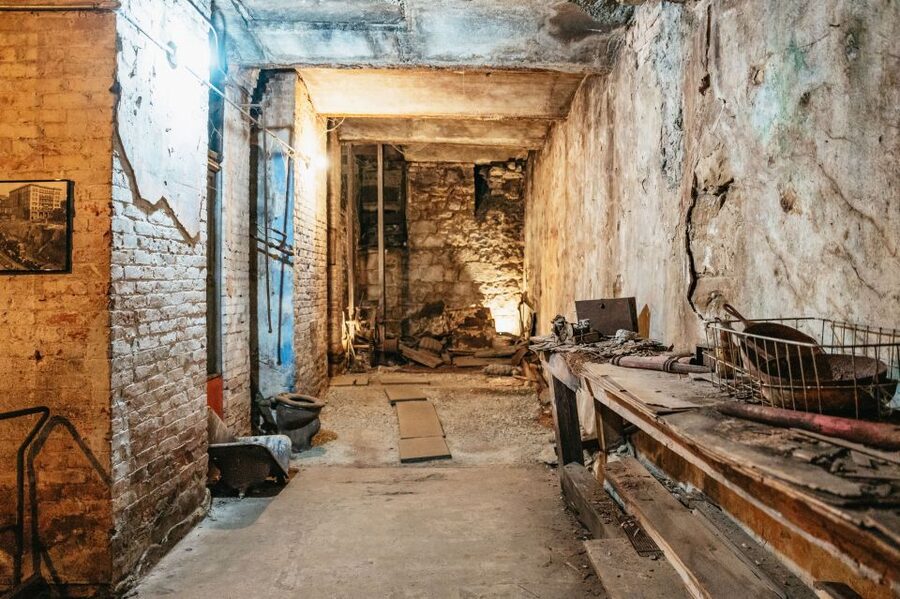
This is where the story becomes easy to picture. Retaining walls were added along the streets, and the spaces were filled to create new roads several feet above the original level. The old storefronts and passageways were not magically transported somewhere else. They were left below the new grade, creating the unusual underground world you visit today.
I find this part especially useful because it explains the city’s form rather than simply giving you dates. Once you understand that the modern sidewalks were built above earlier streets, the old spaces feel less like a curiosity and more like evidence of a huge civic construction project.
The guide also covers the city’s early settlement and development. The emphasis is on true stories, local personalities, construction, and the decisions that shaped Seattle after the fire. The hour is short, so you will not get every chapter of the city’s past. You will get a clear framework for understanding Pioneer Square.
Three passageways from the 1890s
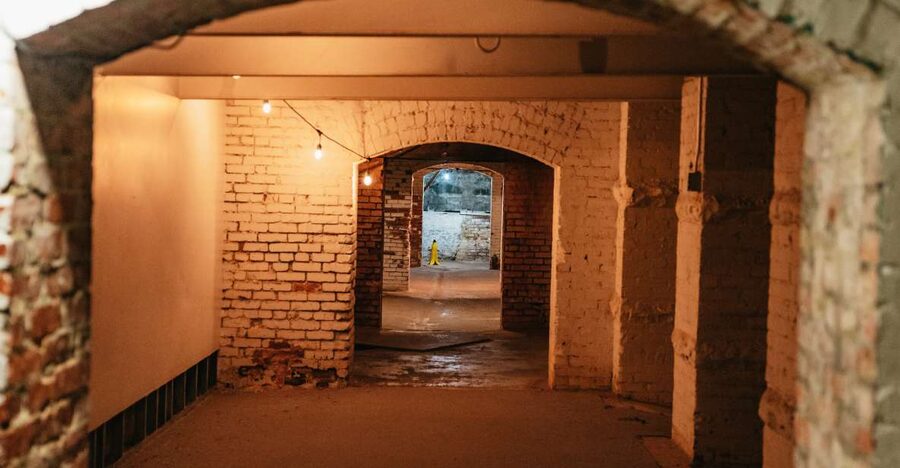
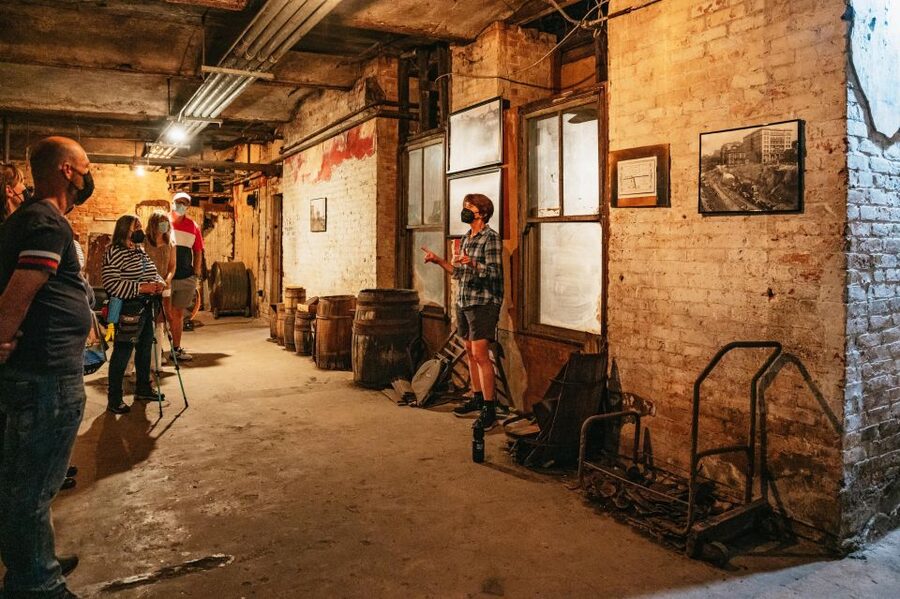
The tour visits three underground passageways originally constructed in the 1890s. Each space helps show how the buried part of Seattle relates to the streets above.
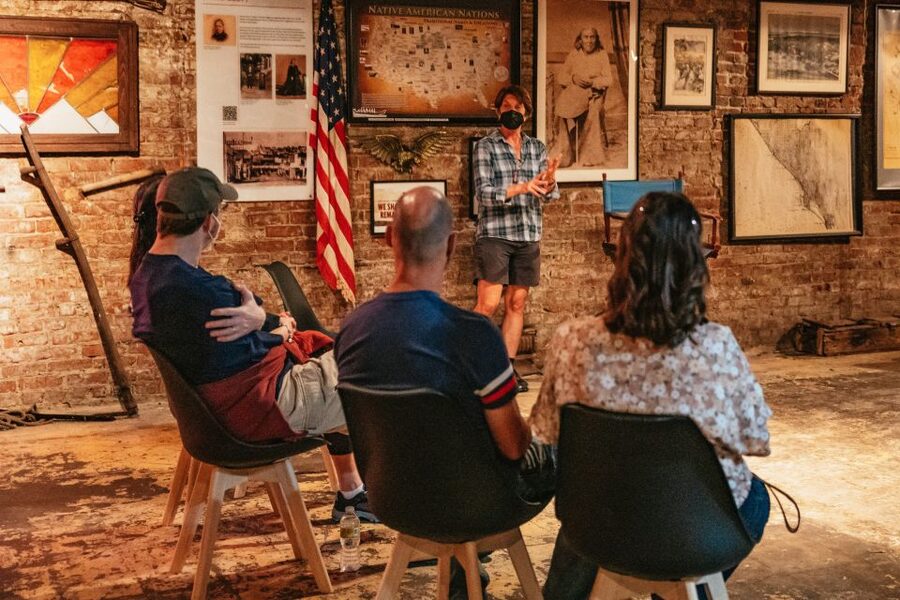
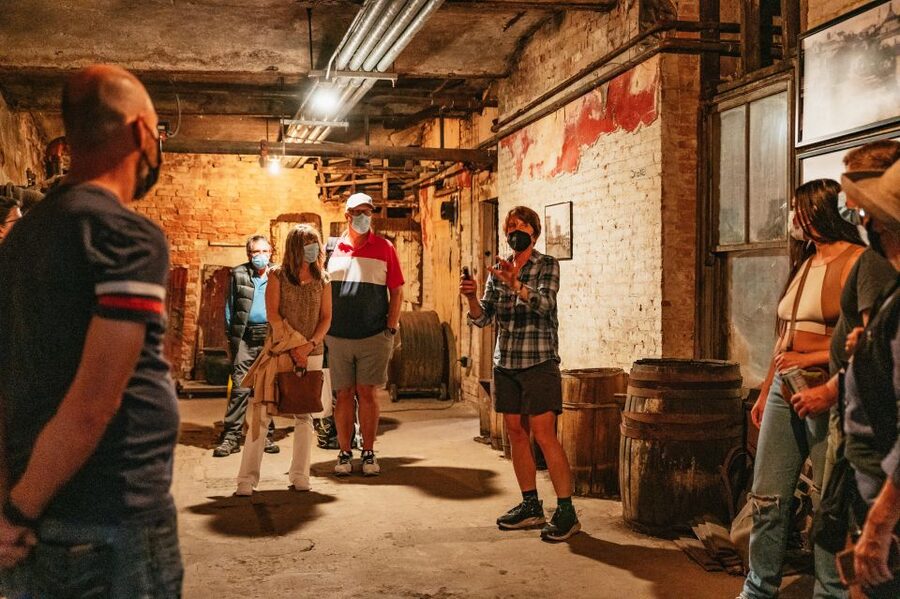
Expect old brickwork, historic architectural details, and the remains of former commercial spaces. The appeal is not that every room has been dressed up as a perfect period display. In fact, one useful thing to know is that this is more about seeing preserved structures and hearing the story behind them than walking through a fully staged museum set.
That distinction matters. If you want furnished rooms, actors, or elaborate displays, this may feel spare. The underground areas are valuable because they are old and real, not because they have been turned into a theatrical attraction.
The passageways also give the guide a chance to explain how the buried city was used after the new streets were built. The spaces had practical connections to the life of Pioneer Square, and the tour covers some of the activity that once took place below the raised roads.
You will move through the spaces rather than linger at one exhibit for a long time. That keeps the tour moving, but it also means you should listen carefully. In a single hour, the guide has to cover the fire, the rebuilding, the passageways, and the development of the city.
Why the outdoor sections matter
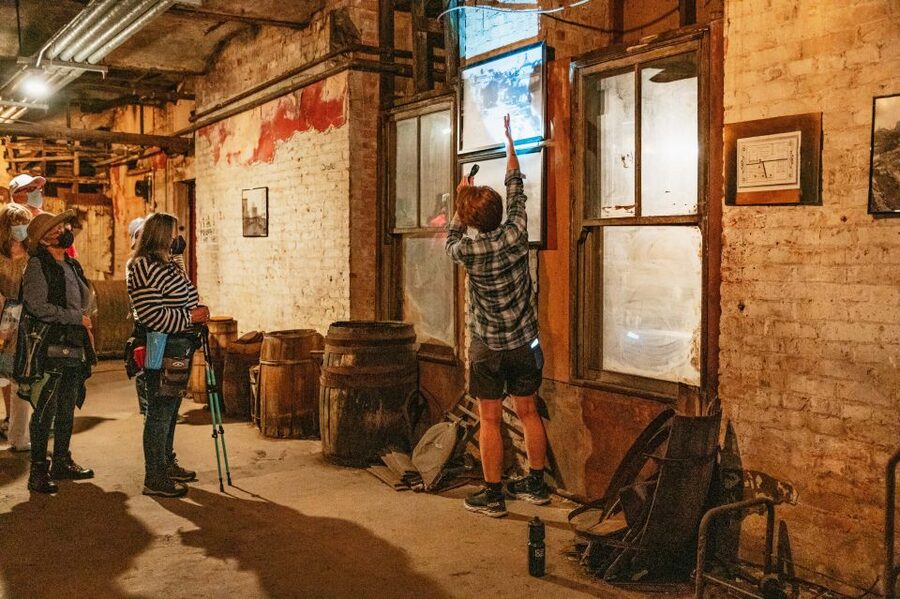
It would be easy to think of this as an indoor tunnel visit, but the outdoor portions are important. The guide takes you onto the streets above so you can compare the present-day city with what lies underneath.
That connection helps you understand the scale of the rebuilding. Looking at the modern street level, then stepping below it, makes the raised-city idea much easier to grasp than a diagram alone would. You can see how the underground areas relate to Pioneer Square’s historic architecture and street plan.
The outdoor sections also keep the hour from feeling cramped. You are not underground for the entire time, and the route gives you changing surroundings as the guide moves between surface streets and lower passageways.
Because the tour is outside and underground, Seattle weather can affect your comfort. Bring suitable clothing for the day, but do not neglect your shoes. Comfortable footwear matters more than dressing up, especially with six flights of stairs and uneven ground.
More walking tours around the USA:
- New Orleans Premier Ghost, Voodoo and Vampire Walking Tour
★ 4.5 · 12,856 reviews - Little Havana Food and Walking Tour in Miami
★ 5.0 · 8,882 reviews - Chicago: Gangsters and Ghosts Walking Tour
★ 5.0 · 7,155 reviews - Boston: Freedom Trail History Small Group Walking Tour
★ 5.0 · 6,450 reviews
The guides make or break the hour
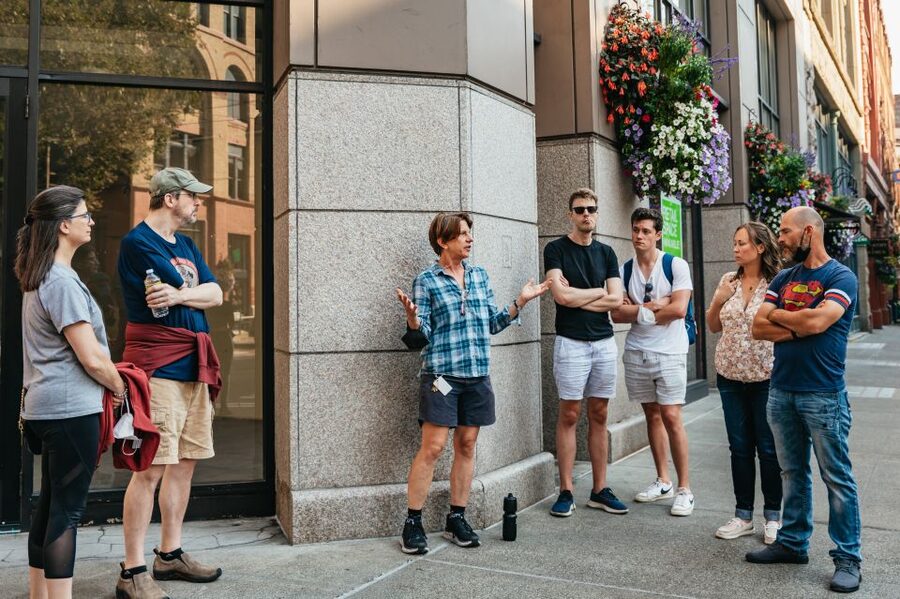
The strongest part of this experience is the live storytelling. A good guide has to explain engineering, local history, and dramatic events while keeping a group together in narrow or uneven spaces. This is where the tour earns much of its appeal.
David is frequently praised for his energy, humor, and ability to connect with the people in his group. Dave is also known for clear explanations and plenty of corny jokes. Jim Gall has been described as a strong storyteller, while Eowyn is noted for being lively, funny, and well prepared.
Other guides named in the feedback include Mark, Patti, Terrilyn, Richard, Carter, Sara, Jennifer, Imojen, and Sarah. The exact guide will depend on your departure, but the consistent pattern is clear: the experience relies heavily on personality and spoken storytelling.
I would expect the presentation to vary a little from one guide to another. That is normal for a live tour and can be a benefit. One guide may lean into engineering and city planning, while another may focus more on colorful characters or quirky details. The important point is that the information is delivered in person, with room for humor and questions.
Several guides are praised for keeping the pace comfortable and engaging everyone in the group. That matters because an hour underground could feel dense if the guide simply recited dates. Instead, the best version of the tour uses stories to make the city’s development easier to remember.
What $31 gets you
At $31 per person, this is not the cheapest activity in Seattle, but it is a fair price for a focused historic experience. The tour lasts one hour, includes a guide, and takes you into preserved underground spaces that are difficult to understand from the street alone.
The value is strongest if you are interested in architecture, city planning, local history, or unusual urban spaces. You are paying for access and interpretation, not just a walk. Without the guide, the passageways would provide atmosphere, but much of the meaning behind them would be lost.
The short length can work in your favor. You can fit the tour into a morning or afternoon without giving up half a day. A morning departure can also be a smart way to get your bearings in downtown Seattle before moving on to other sights.
Still, you should keep your expectations realistic. This is not a large attraction with many rooms, elaborate installations, or a long self-guided route. It is a compact, guide-led look at three passageways and the story of the streets above them.
The activity offers free cancellation up to 24 hours before the start time, and you can reserve now and pay later. Those options are useful if your Seattle schedule may change.
Stairs, surfaces, and family considerations
There are six flights of stairs along the route, with no elevator access. That makes the activity unsuitable for people with mobility impairments, and anyone who dislikes stairs should take the warning seriously.
Strollers may be carried up and down the stairs or stored in the ticket office during the tour. That is helpful for families, but carrying a stroller through an underground route can still be awkward. If you are visiting with a young child, think about whether your child can manage the pace and the stairs.
Pets are not allowed. Comfortable shoes are specifically recommended, and I would treat that as essential rather than optional. The combination of stairs, historic surfaces, and outdoor walking calls for stable footwear.
The tour can suit families, and several guide-led departures have been praised as enjoyable for both adults and children. The subject is serious at times, particularly when discussing the fire and the city’s early hardships, but the guides often use humor to keep the mood approachable.
Who should book it
I would put this high on the list for a first visit to Seattle if you want something more distinctive than a general downtown walk. It gives you a useful introduction to Pioneer Square while showing you a part of the city that cannot be understood from street level alone.
It is also a good choice for Seattle residents or repeat visitors. The underground passages and the explanation of how the roads were raised can reveal a side of the city you may have walked over many times without noticing.
History fans will get the most from it, especially if you enjoy learning how fires, construction problems, and civic decisions shape a place. Architecture fans should also appreciate the brickwork and the relationship between the old structures and the present streets.
I would be less enthusiastic if your main goal is a long, slow architectural tour or a polished museum presentation. The hour moves at a steady pace, and the rooms are valued for their original condition rather than elaborate staging. You also need to be comfortable with stairs and uneven ground.
Practical tips before you go
- Arrive at the Cherry Street Coffee shop area and look for the black and purple Beneath the Streets sign.
- Take the stairs down to the reception desk at the meeting point.
- Wear comfortable shoes with good support.
- Allow for six flights of stairs and no elevator access.
- Expect both outdoor walking and underground sections.
- Do not bring pets.
- If you have a stroller, you may carry it or leave it in the ticket office for the tour.
- Book early in your Seattle visit if you want the history to help explain the rest of Pioneer Square.
- If you prefer flexibility, reserve now and pay later, with cancellation available up to 24 hours in advance.
Should you book the Seattle Underground Walking Tour?
Yes, if you want a short, engaging way to understand why Seattle has streets above streets. The strongest reasons to book are the three 1890s passageways, the clear explanation of the 1889 fire and rebuilding, and the guides’ ability to turn construction details into memorable stories.
At $31, the tour offers good value for a compact experience, especially when you consider that the guide provides the context that makes the underground spaces meaningful. Just be honest about the limitations: it lasts only an hour, it is not a staged museum, and the stairs rule it out for some people.
If you can manage the route and enjoy local stories, this is one of the more useful introductions to Pioneer Square. Bring good shoes, listen closely, and look up at the streets above after the tour. They will make more sense once you know what lies beneath them.
FAQ
How long is the Seattle Underground Walking Tour?
The tour lasts one hour.
How much does the tour cost?
The listed price is $31 per person.
Where does the tour meet?
The meeting point is underneath the Cherry Street Coffee shop. Look for the Beneath the Streets black and purple sign and take the stairs down to the reception desk.
What language is the tour offered in?
The live guided tour is offered in English.
How many underground passageways will I visit?
You will walk through three historic passageways that date back to the 1890s.
Does the tour include outdoor walking?
Yes. The route includes outdoor sections as well as underground areas.
How many stairs are on the route?
There are six flights of stairs, and there is no elevator access.
Can I bring a stroller?
Strollers may be carried up and down the stairs or stored in the ticket office during the tour.
Are pets allowed?
No. Pets are not allowed on the tour.
Can I cancel my booking?
You can cancel up to 24 hours in advance for a full refund. You can also reserve now and pay later.
New walking tours around the USA
- NYC: Walking Tour with Local Guide and 30+ Top NYC Sights★ 4.5 · 248 reviews
- New York City: Gangsters and Ghosts 2-Hour Walking Tour★ 4.7 · 615 reviews
- NYC: History of Slavery & Underground Railroad Walking Tour★ 4.7 · 87 reviews
- New York City’s Hell’s Kitchen: Walking Food Tour★ 4.8 · 200 reviews
- New York City: Central Park Walking Tour★ 4.7 · 82 reviews
- NYC: Brooklyn Bridge and DUMBO Guided Walking Tour★ 4.8 · 93 reviews
- New Orleans: French Quarter Ghost and Legends Walking Tour★ 4.3 · 129 reviews
- New Orleans: Witches Coven Garden District Walking Tour★ 4.9 · 113 reviews
USA Walking Tours, side by side.

History and Hauntings of Salem Guided Walking Tour
Read our review →
New Orleans Premier Ghost, Voodoo and Vampire Walking Tour
Read our review →


Boston: Freedom Trail History Small Group Walking Tour
Read our review →
Historic Charleston Guided Sightseeing Walking Tour
Read our review →
New Orleans Food Walking Tour of the French Quarter with Small-Group Option
Read our review →
St. Louis Cemetery No. 1 Official Walking Tour
Read our review →Lists this walk sits on