
Review · SAN CARLOS DE BARILOCHE
Bariloche: German Immigration and History Walking Tour
Bariloche’s German story is more complicated than its chocolate shops and Alpine-style buildings suggest. This 90-minute walk follows three waves of German immigration, ending with the troubling arrival of Nazi fugitives after the Second World War, including Erich Priebke, who lived in town for decades before his extradition in 1994.
I like the way the tour connects buildings and people instead of treating history as a list of dates. I also like the way guide Diego uses old photographs, questions, and cliffhangers to keep the walk moving. The main drawback is the route’s uphill sections, plus the fact that a bilingual tour can leave less time for questions.
Key points
- Three waves of immigration: Learn how German arrivals changed from early settlers to postwar Nazi fugitives.
- A real crime-history site: See the school where journalist Sam Donaldson helped expose Erich Priebke’s presence and the house where Priebke lived.
- A compact 1-kilometer route: The distance is manageable, but parts of the walk are uphill.
- Strong English and Spanish guiding: Diego is praised for clear English, warm delivery, and careful answers.
- History in the streets: Visit Bariloche’s Civic Center, Andean Club, national park administration, German School, and Belgrano Square.
- A useful reality check: The final discussion separates documented facts from stories about Germans in Patagonia.
Why Bariloche Has a German Story
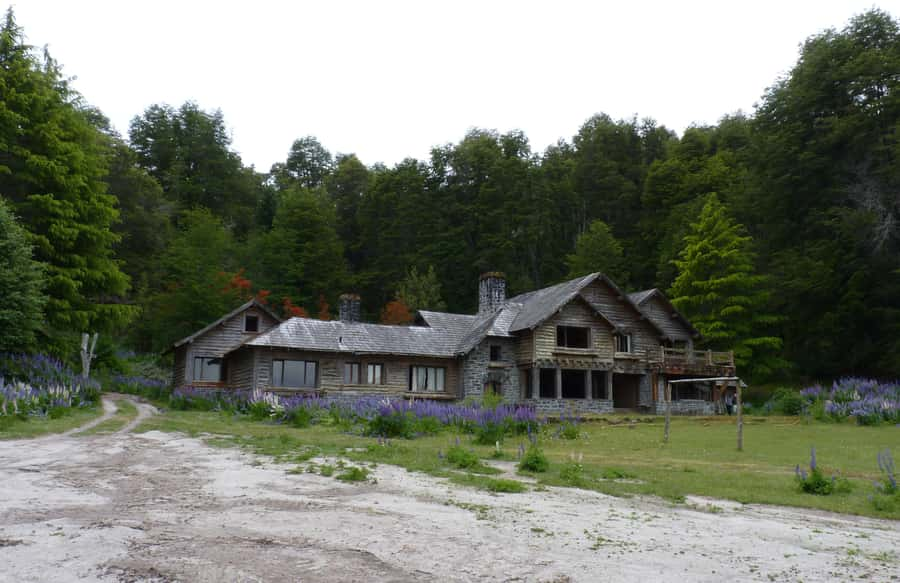
Bariloche often looks deliberately Alpine. Timber, stone, peaked roofs, mountain-club traditions, and Germanic touches are part of the town’s public image. It is easy to see the architecture and assume that one large German community created it all.
This tour gives you a more careful version of the story. You learn that German immigration came in three main waves, each with a different setting and purpose. The first arrivals belong to the earlier development of Argentina and the Lake District. Later migrants helped shape local institutions and customs. The final wave is the one most people come for: Nazi officers and sympathizers who reached Argentina after the war.
That structure matters. It prevents the familiar mistake of treating every German connection in Bariloche as proof of a Nazi past. The town’s German influence began long before 1945, and the postwar story, though serious, is only one part of the picture.
I find this kind of framing especially useful if you have already noticed Bariloche’s European style but have not known what to make of it. The walk gives you a way to read the town without reducing it to a postcard version of Bavaria.
More History Walking Tours in the world:
- History and Hauntings of Salem Guided Walking Tour
★ 5.0 · 14,564 reviews - Lisbon: History, Stories and Lifestyle Walking Tour
★ 4.8 · 10,902 reviews - Boston: Freedom Trail History Small Group Walking Tour
★ 5.0 · 6,450 reviews
Starting at the Civic Center
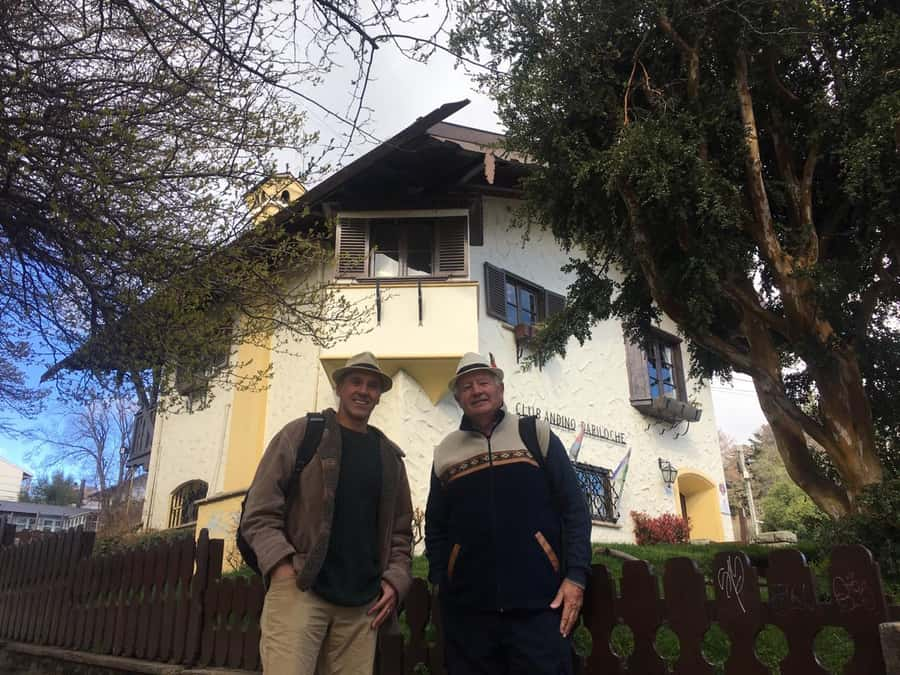
The meeting point is the square at Bariloche’s Civic Center, beside the tourist information office door. This is a practical starting place because the Civic Center itself is part of the story, not merely a place to gather.
From here, the guide sets out the larger background before leading you toward the German neighborhood. The Civic Center, the Bariloche Andean Club, and the administration of Nahuel Huapi National Park all help explain how the town presented itself and how outdoor culture shaped its identity.
You should expect to stop often. This is not a fast-paced march through town. The route covers about 1 kilometer, but the guide pauses at representative sites, explains their connections, and then moves on. That stop-and-go rhythm gives you time to look at buildings rather than simply pass them.
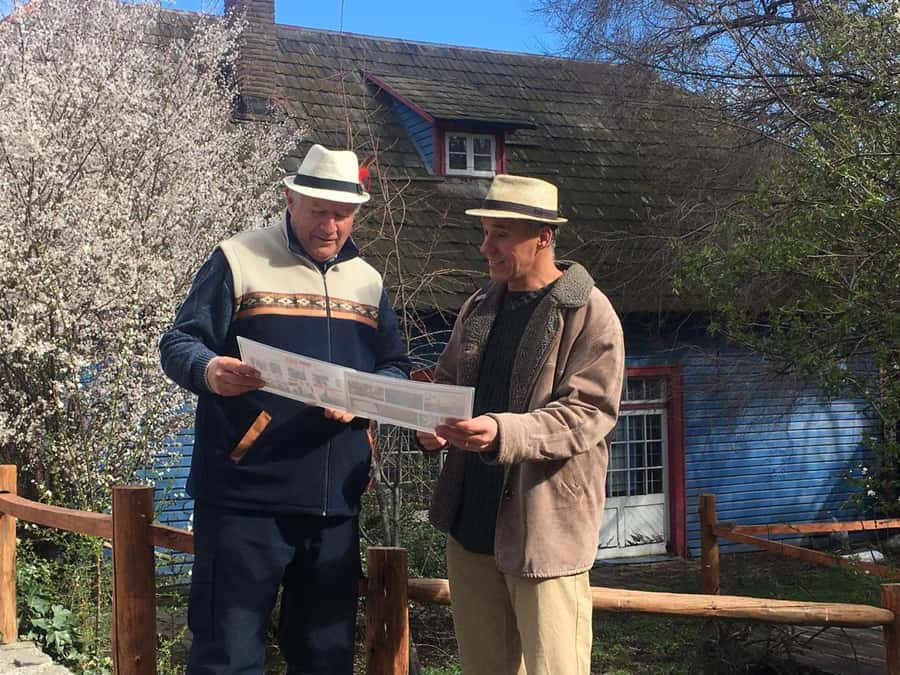
Diego is the guide most often associated with this experience. His style is built around short explanations, questions, visual material, and links between one stop and the next. He has been praised for leaving a question hanging before the group walks onward, then answering it at the next location. That is a simple teaching trick, but it works well on a street walk.
The First Two Waves of German Immigration
The early part of the tour is important because it supplies the context for everything that follows. You hear about the first two waves of German immigration to Argentina and Bariloche before reaching the postwar Nazi chapter.
The walk does not present German immigration as one single event. Instead, it shows how different groups arrived at different times and how their influence entered local life in different ways. This helps explain why you may see German-linked buildings and institutions without finding one neat, uniform German quarter.
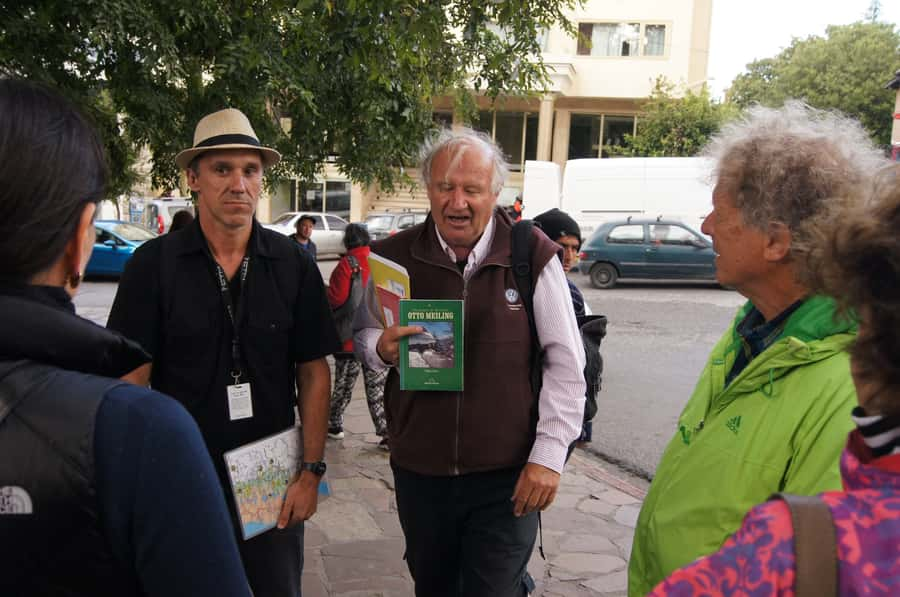
The Bariloche Andean Club is one of the key stops. Its inclusion shows how European ideas about mountain recreation and organized climbing became part of local culture. The nearby national park administration adds another piece, connecting Bariloche’s identity to the creation and management of Nahuel Huapi National Park.
These stops are valuable because they widen the subject. You are not only hearing about ethnicity or war. You are also seeing how institutions, outdoor clubs, architecture, and public identity shaped the town.
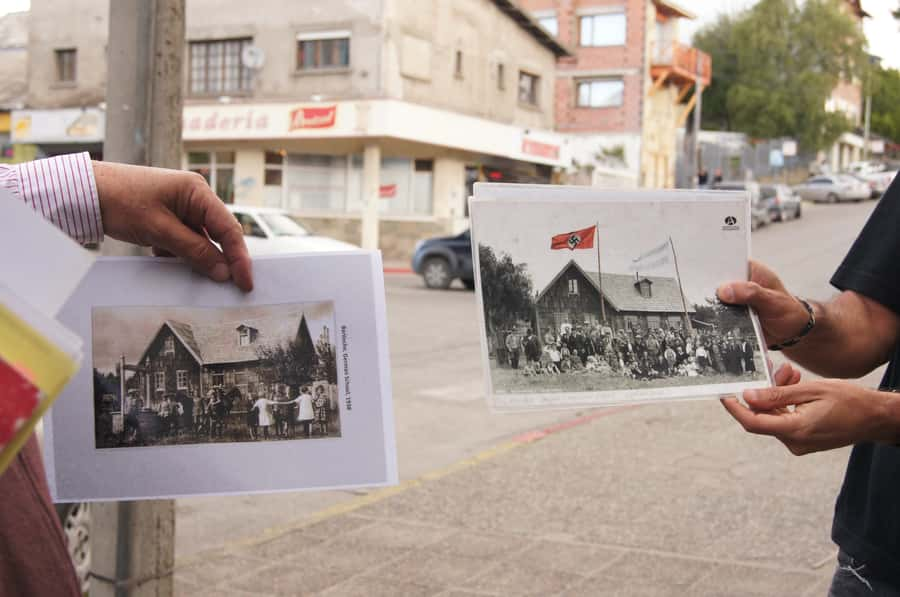
At points, the tour uses older photographs to compare Bariloche then and now. The material is especially helpful when the present-day street gives you only a partial clue. A photograph can show a former building line, an earlier road, or a different version of a familiar institution.
If you prefer a tour that sticks to famous monuments, this may feel more interpretive than sightseeing-focused. I see that as a strength, but you should know what you are booking. The reward comes from understanding connections between ordinary streets and larger events.
The German School and a Difficult Turning Point
The German School is one of the most memorable stops because it links the town’s German identity with the later Nazi controversy. The tour explains how journalist Sam Donaldson helped expose Erich Priebke’s presence in Bariloche after discovering him at the school.
This is where the story changes tone. The earlier sections deal with migration, institutions, and local culture. The Priebke story brings in war crimes, concealment, journalism, and extradition. Priebke had lived in Bariloche for years before being extradited in 1994, and the tour points out both the school where he was intercepted and the house where he lived.
The guide handles this part as history, not spectacle. That distinction matters. You are looking at real places connected to a painful chapter, so the value comes from clear explanation and careful context rather than sensational storytelling.
The subject also makes the tour useful for sorting fact from rumor. Bariloche has long been linked with stories about hidden Nazis, secret networks, and mysterious German activity in Patagonia. Some claims are documented. Others are exaggerated, repeated without proof, or mixed with local folklore.
A good guide needs to keep those categories apart. Diego’s approach, as reflected in the way the tour is delivered, is to discuss the known events and then explain the theories surrounding them. That lets you ask questions without treating every dramatic claim as established fact.
More walking tours around the world:
- Magical London: Harry Potter Guided Walking Tour
★ 4.7 · 22,044 reviews - Reykjavik Food Walk – Local Foodie Adventure in Iceland
★ 5.0 · 18,952 reviews - New Orleans Premier Ghost, Voodoo and Vampire Walking Tour
★ 4.5 · 12,856 reviews - Amsterdam Anne Frank: Small-Group Walking Tour & Local Guide
★ 4.8 · 12,789 reviews
Belgrano Square and Bariloche’s German Neighborhood
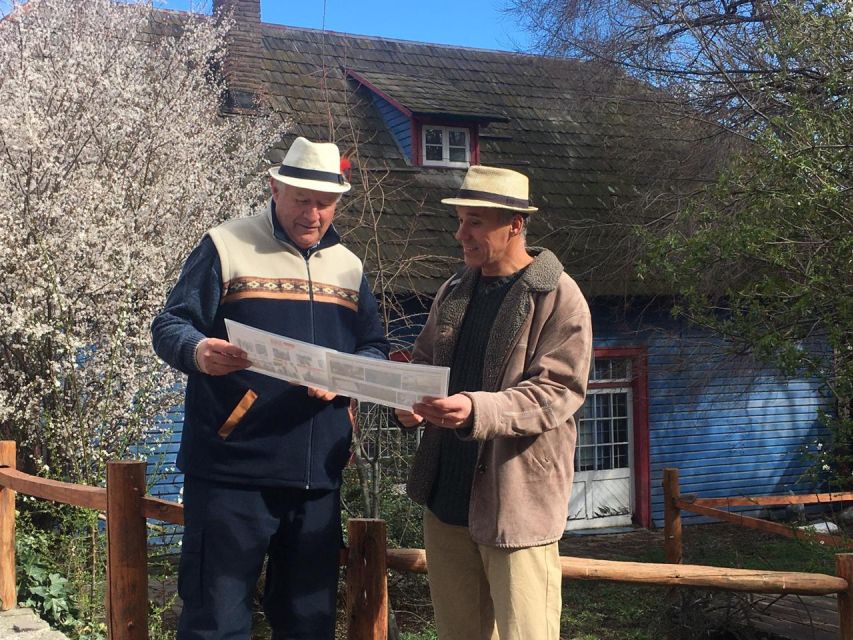
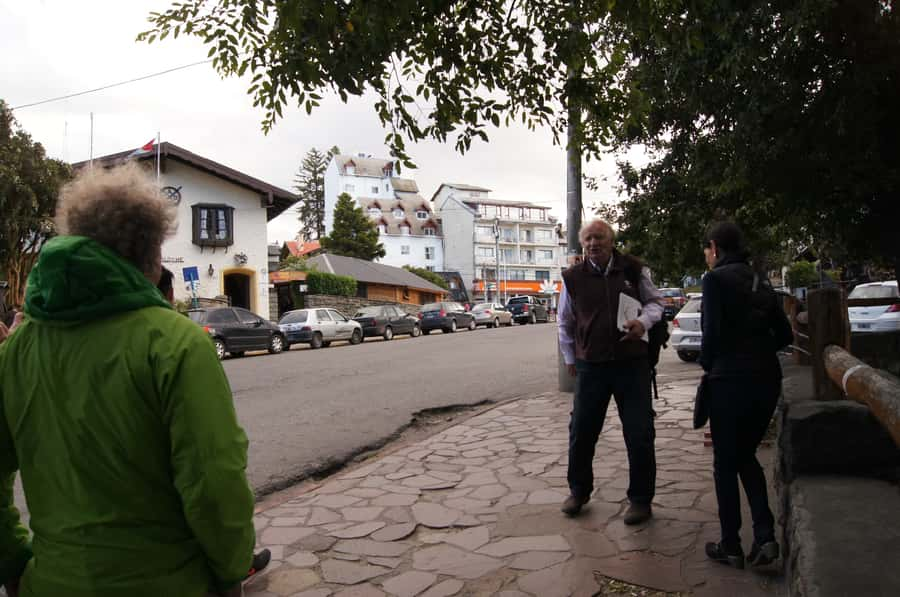
The walk continues through Belgrano Square and nearby streets associated with Bariloche’s German presence. Here, the experience becomes more visual. You see different house styles and get a better sense of how German influence appears in the built environment.
Do not expect a preserved historic district with every building labeled. This is a living part of central Bariloche, and the walk depends on the guide pointing out details you could easily miss. The buildings matter because they help make the immigration story visible.
The route also gives you a break from formal explanations. After a stop, you walk several blocks and absorb the setting before the next discussion. The movement helps keep the 90 minutes from feeling like a lecture in a square.
There is a practical catch. The area is mostly uphill in places. The route is short, but the total effort is not exactly flat-city easy. I would wear comfortable shoes and allow a little extra energy if you have just arrived from a long bus ride or plan to ski, hike, or cycle later in the day.
Still, the distance is modest. One hour and 30 minutes is long enough for a real story but short enough to fit between outdoor activities. That makes this a good rainy-day option, a first-day orientation, or a change of pace after several hours focused on the lake and mountains.
What the Priebke Story Adds
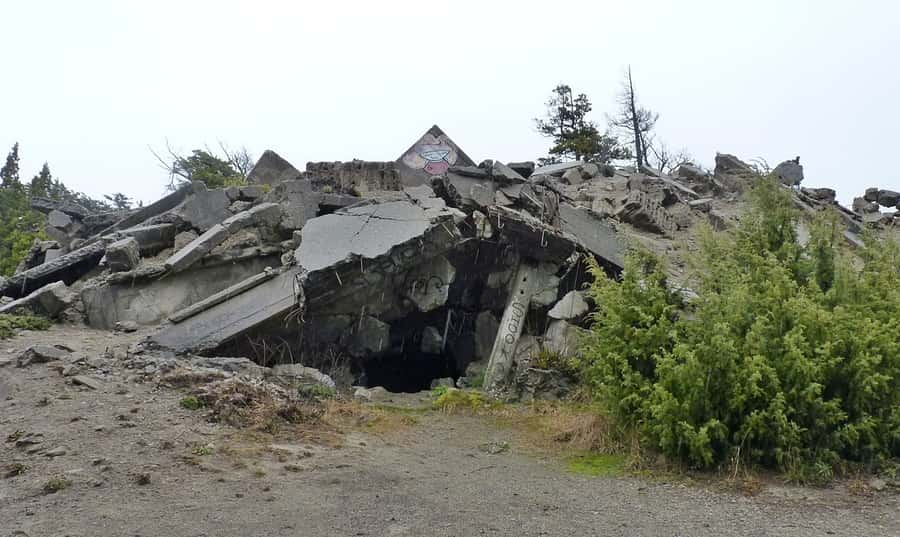
The Erich Priebke section is the reason many people notice this tour, but it works best when you treat it as one chapter rather than the entire subject.
Priebke was a former Nazi officer who reached Argentina after the war and lived in Bariloche until his presence was exposed. The tour takes you to his former home and explains how Sam Donaldson’s discovery led to public attention and eventual extradition in 1994.
Seeing the house does not offer a dramatic museum experience. There is no suggestion that the site itself is preserved as an attraction. Its value is geographic and historical: you are standing in the same town where the events unfolded, looking at the ordinary setting in which a major international story was hidden for years.
That contrast is unsettling and useful. It shows how history can sit quietly beside daily life. The tour does not need a large monument to make the point. A street, a school, and a house can raise harder questions about memory, responsibility, and how communities deal with shameful chapters.
I also appreciate that the route begins with broader immigration history. Without that context, the Nazi material could distort your view of Bariloche’s German heritage. With it, you can understand both the long-standing German influence and the later criminal presence without confusing the two.
The Final Discussion: Facts, Myths, and Patagonia
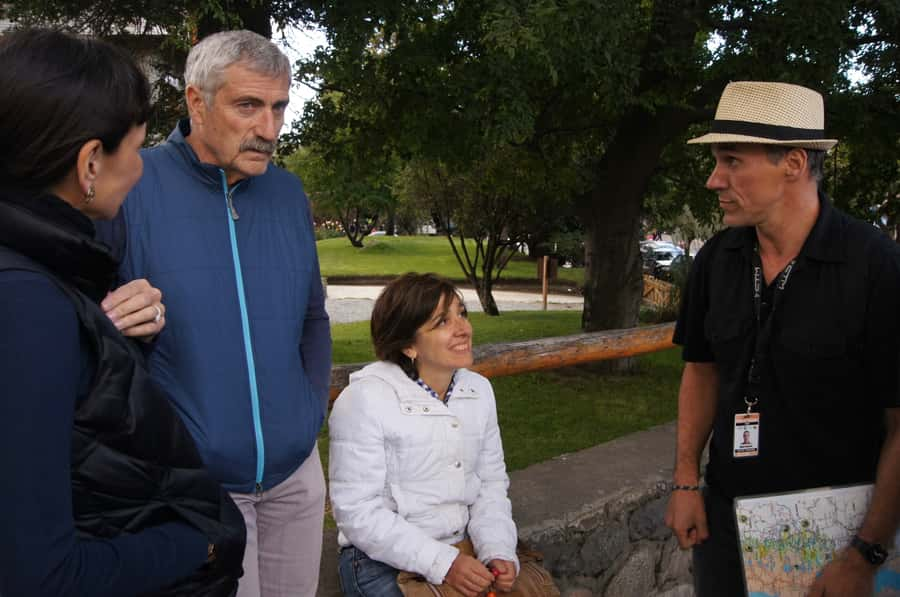
The tour ends with a discussion of theories about German presence in Patagonia. This closing section is likely to appeal to anyone who has heard stories about escaped Nazis, secret colonies, or hidden activity in the southern Andes.
The useful part is not simply hearing more rumors. It is learning how to question them. The guide discusses the reality behind German migration and the documented presence of Nazi fugitives, then considers the myths that grew around those facts.
That approach is better than either extreme. Bariloche was not merely an innocent Alpine-style resort with no difficult connections. Nor was every German building or resident part of a vast secret plot. The town’s past contains both ordinary immigration and troubling postwar history.
You may leave with more questions than answers, which is appropriate for this subject. Several people who take the walk find themselves wanting to read or watch more afterward. If you enjoy history that opens doors to further research, this final discussion adds real value.
The Guide, Language, and Pace
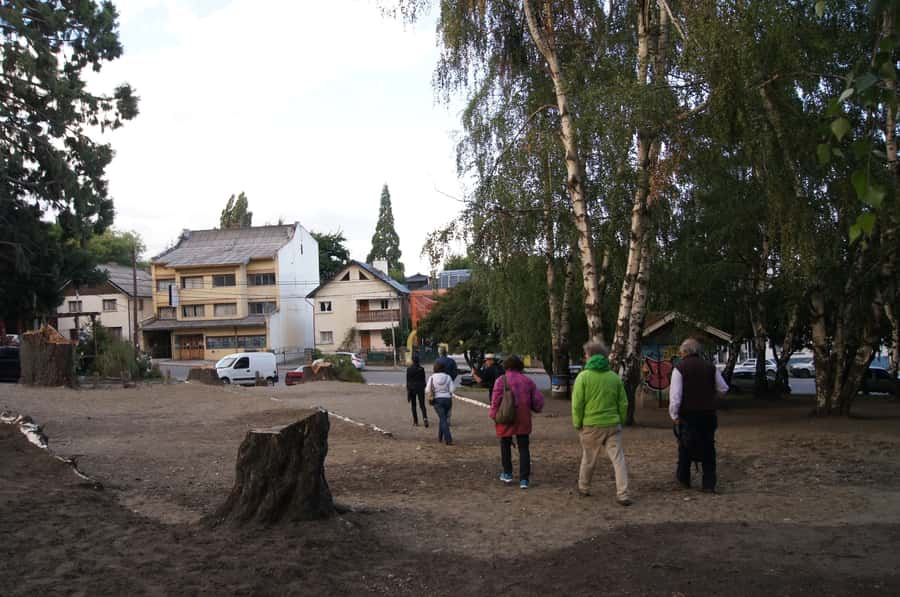
The guide can lead the tour in English or Spanish. Diego’s English is described as fluent, and he is especially good at explaining complicated material in plain terms. He also makes an effort to include the whole group, even when the group is larger than usual.
The main language issue is pacing. If the tour is bilingual, each explanation takes longer, and there may be less time for extended questions. One English-language departure became bilingual, and the guide still kept the group moving, but the format reduced the question time.
That is not a reason to avoid the experience. It is simply something to understand before booking. If you want a long, detailed discussion at every stop, a smaller or single-language departure may suit you better if available. If you want a clear introduction with time for some questions, the 90-minute format works well.
The delivery is more than a string of facts. Diego uses storytelling, old images, and links between locations. His style has been described as entertaining without losing accuracy, which is exactly what this subject needs. Nazi history can become either dry or sensational. A calm, well-paced guide helps keep it useful.
Is $41 a Fair Price?
At $41 per person, this is not the cheapest way to spend 90 minutes in Bariloche. You can walk around the Civic Center and central streets on your own for nothing.
The price makes more sense when you consider what you would miss without a guide. The German School, Andean Club, national park administration, Belgrano Square, and Priebke’s former home are not presented as a simple trail of sights. Their meaning comes from the connections between them.
I would consider $41 fair if you care about local history, political history, architecture, or the hidden stories behind a destination’s public image. It is also good value if you want a focused activity that does not require transport or take up half a day.
The value is weaker if you are looking only for scenic views, chocolate shops, or a general introduction to Bariloche. This is not a mountain excursion, food walk, or broad city tour. It is a specific history experience, and its worth depends on your interest in the subject.
Free cancellation up to 24 hours ahead and the option to reserve now and pay later make the booking less rigid. Those terms are useful if your Bariloche plans depend on weather or changing outdoor conditions.
Who Should Book This Walk?
I would recommend it to you if you enjoy asking why a town looks and feels the way it does. It suits history fans, architecture lovers, people interested in Nazi escape networks, and anyone who wants more than a standard city-center stroll.
It is also a smart choice early in your stay. The route begins at the Civic Center and introduces institutions, neighborhoods, and local stories that can give later sightseeing more meaning.
You should think twice if steep streets are difficult for you, or if you dislike tours that discuss war crimes and political controversy. The distance is only 1 kilometer, but the uphill sections are real, and the subject can be heavy.
The tour is also less ideal if you need a fully private experience or long pauses at every stop. It is a guided group walk with a set time and a clear route. Its strength is the guide’s joined-up story, not unlimited flexibility.
Should You Book the German Immigration and History Walking Tour?
I would book this tour if you want to understand Bariloche beyond its chocolate, lakes, and European-looking buildings. The three-wave structure gives you a clear foundation, while the Priebke story adds a serious and memorable layer.
The best reason to go is the combination of specific places and careful context. You see the school, house, square, clubs, and public institutions, then learn how each fits into a larger story. Just allow for uphill walking, accept that bilingual guiding may limit question time, and choose it for history rather than scenery.
If that sounds like your kind of afternoon, $41 buys a focused, well-paced introduction to one of Bariloche’s most complicated subjects.
FAQ
How long is the German Immigration and History Walking Tour?
The tour lasts 90 minutes.
How far do you walk?
The route covers approximately 1 kilometer.
Where does the tour start?
It starts in Bariloche Civic Center square, beside the door of the tourist information office.
Which places are included?
The route includes the Civic Center, Bariloche Andean Club, Nahuel Huapi National Park administration, German School, Belgrano Square, the German neighborhood, and the house where Erich Priebke lived.
What immigration history does the tour cover?
The tour explains the three main waves of German immigration to Argentina and Bariloche, including the postwar Nazi wave.
Does the tour discuss Erich Priebke?
Yes. It visits the school where Sam Donaldson intercepted Priebke and the house where Priebke lived before his extradition in 1994.
Is the tour available in English?
Yes. The live guide can conduct the tour in English or Spanish.
How much does the tour cost?
The listed price is $41 per person.
Can I cancel the booking?
You can cancel up to 24 hours in advance for a full refund. You can also reserve now and pay later.
New walking tours around the world
- Niagara Falls, Canada: White Water Walk Entry Ticket★ 4.5 · 147 reviews
- NYC: Walking Tour with Local Guide and 30+ Top NYC Sights★ 4.5 · 248 reviews
- Zadar: Food Tasting & Old Town Walking Tour★ 5.0 · 94 reviews
- Niagara Falls: Walking Tour, Journey Behind Falls, & Cruise★ 4.8 · 773 reviews
- New York City: Gangsters and Ghosts 2-Hour Walking Tour★ 4.7 · 615 reviews
- NYC: History of Slavery & Underground Railroad Walking Tour★ 4.7 · 87 reviews
- New York City’s Hell’s Kitchen: Walking Food Tour★ 4.8 · 200 reviews
- New York City: Central Park Walking Tour★ 4.7 · 82 reviews
History Walking Tours, side by side.
History and Hauntings of Salem Guided Walking Tour
Read our review →
Lisbon: History, Stories and Lifestyle Walking Tour
Read our review →
Boston: Freedom Trail History Small Group Walking Tour
Read our review →
Historic Charleston Guided Sightseeing Walking Tour
Read our review →
Barcelona: Tapas Walking Tour with Food, Wine, and History
Read our review →
Savannah History and Haunts Candlelit Ghost Walking Tour
Read our review →
A History of Terror – Belfast City Centre Walking Tour
Read our review →Lists this walk sits on