
Review · BELFAST
A History of Terror – Belfast City Centre Walking Tour
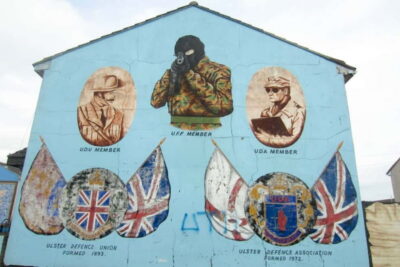
Belfast’s past is not locked away in a museum. It sits beneath your feet on shopping streets, beside pubs, and near the river. This 2.5-hour walk connects those ordinary-looking places with the violence, politics, and human loss of The Troubles. I especially like the local storytelling and the effort to explain both British and Irish viewpoints without turning the tour into a political speech.
I also like the practical design: you walk only about 1.5 miles on flat streets, and a headset helps you hear the guide in a group of up to 25. The subject is painful, though, and much of the tour involves standing while hearing about bombings and deaths. You should choose this for serious historical interest, not light sightseeing.
Key points to know before booking
- Personal accounts from Belfast guides: Guides including James, Anne, Mylie, Róisín, and Chris have brought family or childhood memories of the period into the tour.
- Seven carefully chosen city-centre stops: The route links City Hall, Donegall Place, Castle Lane, the Spirit of Belfast, Cathedral Quarter, Ann Street, and the Beacon of Hope.
- Balanced treatment of The Troubles: The tour explains the political and religious divide, the actions and experiences of both communities, and the move toward peace.
- Flat, manageable walking route: Expect about 1.5 miles with no hills or steps, though there is plenty of standing and listening.
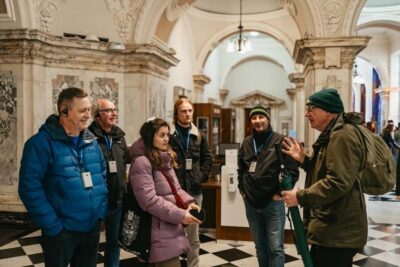
- Headsets included: These are useful in a group, especially when the guide is speaking near traffic or in a busy public space.
- Good value at $36.06: For two and a half hours with a guide, equipment, and a focused history lesson, the price is reasonable if this is a subject you want to understand.
Starting at Belfast City Hall
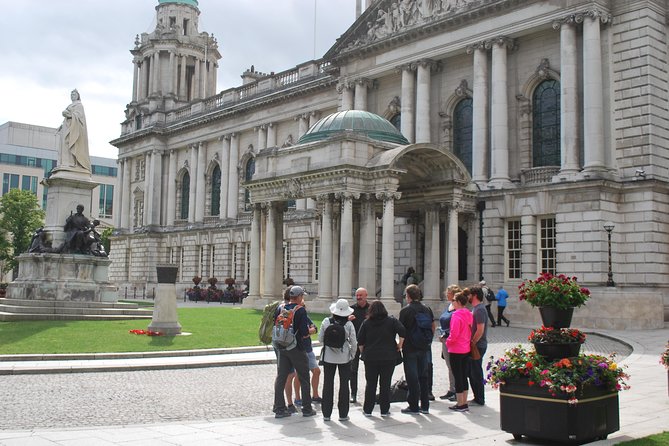
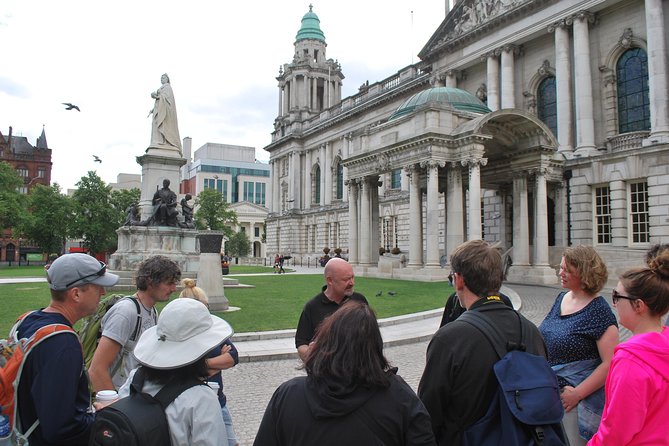
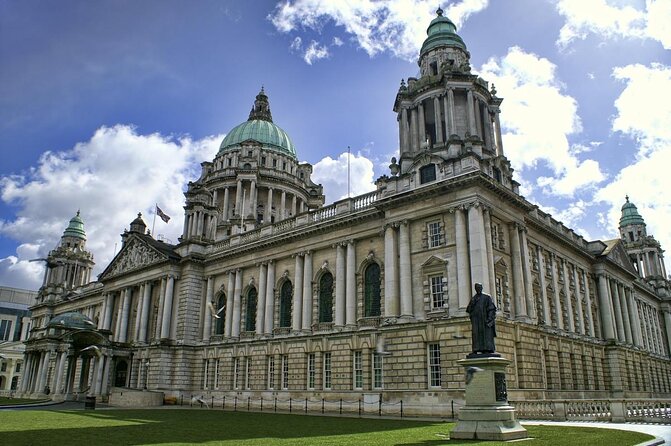
Meet at 10:30 a.m. in the grounds of Belfast City Hall, at Donegall Square North. This is a sensible starting point because the building and its setting give the guide room to explain the long relationship between Britain and Ireland before moving into the late 1960s.
The opening section covers why The Troubles began, rather than dropping you into a list of attacks. That context matters. Without it, Belfast’s bomb sites can feel like disconnected tragedies. With it, you begin to see how older arguments about identity, government, religion, and national belonging helped create the conditions for violence.
The guide introduces the basic terms and competing loyalties that shape Northern Ireland’s story. You should expect a serious explanation, not a polished city introduction designed only to entertain.
The first stop lasts about 20 minutes. You receive a headset, which helps you follow the guide without crowding close. One practical note: the route is flat, but the experience is not a continuous stroll. You will often stop, listen, and think before moving on.
More History Walking Tours in the UK
- Edinburgh: Old Town History and Tales Walking Tour
★ 4.8 · 2,361 reviews - Old Town Walking Tour History and Tales in Edinburgh
★ 5.0 · 2,168 reviews - Shadows of York: Ghost Walk and Horrible History.
★ 5.0 · 1,403 reviews
Donegall Place and the city under lockdown
The next stop is Donegall Place, now one of Belfast’s main shopping streets. The contrast is the point. Modern shops and regular city traffic make it easy to forget that this area once lived under the threat of attack.
Here the guide explains a 1971 bomb attack on a nightclub, the tragic events that followed, and the creation of the security measures known as the Ring of Steel. This part shows how violence changed daily life, not just the headlines. Streets that now feel open and ordinary once had controlled access and a very different atmosphere.
You spend about 15 minutes here. The guide’s job is to make the location meaningful without turning it into a spectacle. The strongest guides, such as James and Mylie, have been praised for combining clear political history with individual stories. That approach helps you understand the cost of decisions made by governments and armed groups.
Castle Lane and the human cost of violence
Castle Lane lies in today’s pedestrian shopping precinct. It is another place where the present-day setting can hide what happened there during the worst years of The Troubles.
The guide describes the realities of life in Belfast at the height of the conflict and explains a particular event that remains strongly remembered. This is one of the more emotional stops because you are not standing at a preserved battlefield or behind museum glass. You are in a normal city street, surrounded by daily commerce.
About 15 minutes is given to this section. The pacing keeps the route moving, but it also allows time for difficult details. If you prefer a tour with little standing, this format may test your patience. A four-star assessment specifically noted that the experience involves more standing and listening than actual walking. That is useful to know before you book.
Comfortable shoes still matter, even on flat pavement. A waterproof jacket is also wise because the tour runs outdoors and Belfast weather can change quickly.
The Spirit of Belfast and the chain of events in 1971
The Spirit of Belfast is a large public artwork near the city centre, often called the Onion Rings. The sculpture represents resilience, but the guide uses the site to discuss a darker sequence of events that began in a nearby bar in 1971.
This section helps explain how separate incidents could lead to a fast rise in violence. The guide traces the chain of events and shows how fear, retaliation, and political tension fed one another. That cause-and-effect thread is one of the most useful parts of the walk.
You spend roughly 15 minutes here. The tour does not treat the past as a simple contest between good and bad sides. Instead, it gives you the setting and competing claims so you can understand why the conflict lasted so long and why the peace process required compromise.
A good guide also keeps the subject human. James has been praised for his warmth and command of the history, while Anne has used memories of growing up during the period to explain what the conflict felt like beyond official statements. Those personal details can make this stop more immediate, though they also add emotional weight.
Same streets, a different story:
- Magical London: Harry Potter Guided Walking Tour
★ 4.7 · 22,044 reviews - Edinburgh: Harry Potter Magical Guided Walking Tour
★ 4.8 · 11,944 reviews - Edinburgh Castle: Guided Walking Tour with Entry Ticket
★ 4.7 · 11,699 reviews - Underground Vaults Walking Tour in Edinburgh Old Town
★ 4.5 · 8,506 reviews
Cathedral Quarter and the path toward peace
The route then enters the Cathedral Quarter, one of Belfast’s main cultural and nightlife areas. Its regenerated streets, lanes, bars, and street art create the sharpest contrast on the tour.
Here the guide covers further major events and begins to explain the path toward peace. You will hear how the area changed from a place marked by danger into a district associated with art, food, music, and evening life. The point is not that the past has vanished. It is that the city has changed in ways that would have seemed unlikely during the 1970s.
This stop lasts about 20 minutes. I like the way it connects history to the city you see now. You are not simply told that Belfast has moved forward. You are shown how a street can carry old memories while serving a completely different purpose today.
Róisín has been praised for a passionate and sensitive presentation, especially when discussing experiences she lived through herself. That sort of guide can make the story vivid, but the subject may feel intense. If you are looking for a cheerful orientation walk, choose a different tour. If you want to understand Belfast beyond its restaurants and murals, this is essential ground.
Ann Street, policing, and the question of borders
At Ann Street, the guide discusses policing during The Troubles and the changes that followed the peace agreement. The stop is beside Belfast’s largest police station, making it a useful place to consider how authority was experienced by different parts of the population.
You will learn how Northern Ireland was policed during the conflict, how that system changed after peace, and why the border question remains politically important. The tour also raises the possible impact of Brexit on borders and relationships in Northern Ireland.
This section gives the tour a present-day edge. The conflict is not presented as a closed chapter with every question settled. Political identity, constitutional hopes, community trust, and the border still matter. The guide helps you see why peace can be real and still require care.
The stop lasts about 15 minutes. It may appeal most to you if you like political history and want more than a list of dates. The discussion is framed as an explanation, not a demand that you adopt a particular view.
The Beacon of Hope and Belfast today
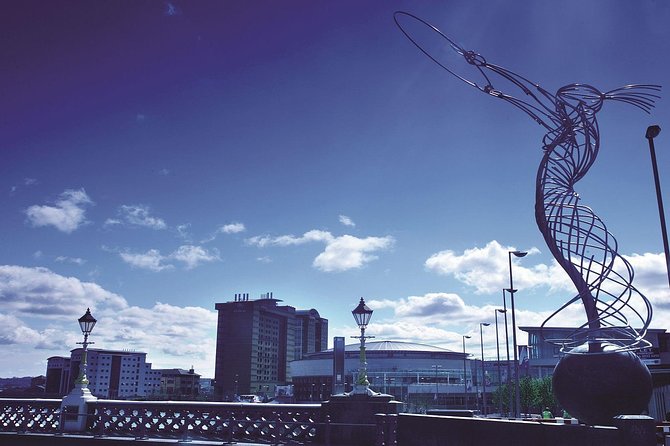
The walk ends at the Beacon of Hope on Oxford Street, beside the River Lagan. This public artwork is used to discuss resilience, regeneration, the peace process, and the possible future of Belfast.
The ending gives the tour a needed sense of direction. After hearing about bombings, loss, fear, and political failure, you compare those events with the city in front of you. The message is hopeful, but not sugary. Peace is described as fragile, and the future is left open.
The final stop lasts about 20 minutes. From here, you are about a five-minute walk from City Hall, so returning to the centre is easy. The official endpoint is not a difficult place to leave from, and you can continue exploring the waterfront or city centre afterward.
This closing section is especially effective when the guide includes names and personal experiences rather than discussing only broad political movements. Jim has been praised for giving victims a voice, while other guides have been described as accurate, neutral, and sincere. That combination is important on a subject where careless language can quickly feel exploitative.
How the guides shape the experience
The guide is the main reason to book this walk. The route is easy to follow, but the meaning comes from the person explaining each location.
Different guides lead the tour. Names associated with especially strong presentations include James, Mylie or Miley, Anne, Róisín, Chris, Jim, and Rorey. Some have lived through the period themselves, while others bring strong historical preparation and a clear way of explaining the competing positions.
You should expect variation in style. Some guides lean toward personal memories. Others focus more on political background. The best experience combines both, showing how major events affected ordinary people while also explaining the larger conflict.
The headset is a valuable touch. One poor experience involved a failed speaker with no backup, leaving some of the group unable to hear. That appears to be an exception, but it is worth knowing why the equipment matters. In a group of up to 25, clear sound can make the difference between following the story and missing half of it.
Is $36.06 a fair price?
At $36.06 per person, this is not the cheapest way to spend a morning in Belfast, but it is a fair price for a 2.5-hour guided walk with headsets and a carefully structured route.
You are paying for interpretation, not admission tickets. Every stop is free to enter because the locations are public streets, squares, and outdoor sites. The value comes from knowing what happened there and how each place fits into the wider story.
I would consider it good value if you are visiting Belfast for the first time, have limited time, or want a clear introduction before visiting other sites connected with Northern Ireland’s past. It is less useful if you already have a strong grasp of The Troubles and prefer to explore independently.
The tour is often booked well ahead, with an average booking lead time of about 24 days. That suggests you should reserve before your trip if the 10:30 a.m. start fits your plans.
Who should take this Belfast walking tour?
This experience suits adults and young people aged 12 or older who can engage with difficult history. It is a strong choice for first-time visitors who want to understand why Belfast looks and feels the way it does today.
It also suits people who want more than a one-sided account. The tour aims to explain the British and Irish relationships, the views of both communities, the rise of violence, and the route toward peace. Several guides have been praised for presenting the subject in a neutral way while still acknowledging personal loss.
You should think twice if you want a relaxed sightseeing walk with plenty of stops for photographs. The route is easy physically, but the material is serious. You may also find the outdoor format tiring in cold or wet weather, particularly because you spend time standing.
The city centre is flat, with no hills or steps on the route. Most people can take part, and service animals are allowed. Wear comfortable shoes and bring warm clothing in winter. A waterproof jacket is a sensible choice in any season.
Cancellation and weather details
You can cancel up to 24 hours before the 10:30 a.m. start for a full refund. Changes or cancellations within 24 hours are not refunded.
The tour takes place outdoors and may be affected by poor weather. Check the forecast before you go and dress properly. If the provider cancels because conditions are unsuitable, you are offered another date or a full refund.
Should you book A History of Terror?
Book this tour if you want a direct, thoughtful introduction to Belfast’s recent past and you are willing to spend two and a half hours with serious subject matter. The route is easy, the price is reasonable, and the best guides make the history personal without turning it into theatre.
I would place it near the start of a Belfast visit. It gives you the background to understand the city’s streets, public art, political arguments, and changing neighbourhoods. Skip it only if you want a purely casual city walk or already know the history in detail.
FAQ
Where does the tour start?
The tour starts at Belfast City Hall in the grounds at Donegall Square North, Belfast BT1 5GS.
What time does the tour begin?
The start time is 10:30 a.m.
Where does the tour end?
The tour ends at the Beacon of Hope on Oxford Street, Belfast BT1 3NB. From there, it is about a five-minute walk back to City Hall.
How long is the walking tour?
The tour lasts approximately two hours and 30 minutes. The route covers about 1.5 miles.
Is the route difficult?
The route is in Belfast city centre, which is flat and has no hills or steps. Comfortable footwear is still recommended because you will be walking and standing outdoors.
What age is this tour suitable for?
The minimum age is 12 years.
Are headsets provided?
Yes. Headsets are included so you can hear the guide clearly during the walk.
What happens if the weather is poor?
The tour normally takes place regardless of the weather, so you should bring suitable clothing, including a waterproof jacket. If the experience is canceled due to poor weather, you will be offered a different date or a full refund.
New walking tours around the UK
- London: Old City Walking Tour★ 4.8 · 135 reviews
- Manchester: Music-Themed City Walking Tour★ 4.4 · 109 reviews
- Manchester: Media City & The Quays Guided Walking Tour★ 5.0 · 165 reviews
- Manchester City Highlights Walking Tour★ 4.8 · 299 reviews
- London: Witches and History Bankside Walking Tour★ 4.8 · 223 reviews
- London: Palaces and Parliament Walking Tour★ 4.8 · 365 reviews
- London: Winston Churchill and London in WWII Walking Tour★ 4.8 · 143 reviews
- London: Westminster Walking Tour & The Tower of London Entry★ 4.6 · 131 reviews
Belfast Walking Tours, side by side.
Belfast: Political Conflict 3-Hour Walking Tour
Read our review →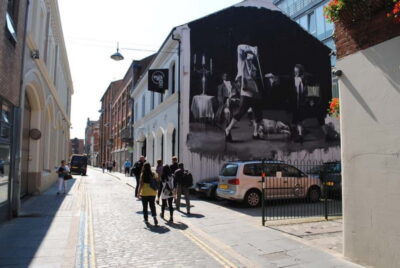
Belfast: The Troubles Walls & Bridges Guided Walking Tour
Read our review →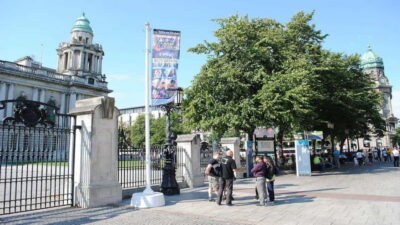
Belfast: Best of Belfast History, Culture & Art Walking Tour
Read our review →
Belfast Walking Tour with a Local – History & Craic
Read our review →Lists this walk sits on