
Review · BRUSSELS
Brussels: Guided Walking Tour
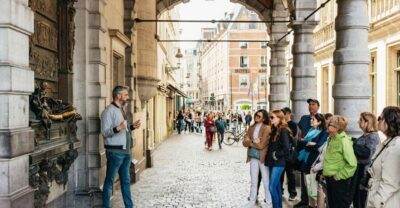
Brussels makes more sense once you see it in two halves. This 150-minute walk links the Lower City’s medieval lanes with the Upper City’s royal and merchant quarters, so you get more than a parade of famous façades. Guides such as Christophe, Ian, Liam, and Patrick bring the route to life with stories, jokes, local tips, and plenty of practical advice.
I like the chocolate tasting, especially because the guide points you toward good-value shops instead of simply dropping you at the most famous counter. I also like the useful follow-up advice on beer, waffles, fries, restaurants, museums, nightlife, and public transport. The main consideration is the pace: this is a city overview on foot, not a deep visit to every museum or palace, and groups may range from small to about 22 people.
Key points to know before you book
- Two-part route: The Lower City explains Brussels’ medieval beginnings, while the Upper City covers royal power, grand institutions, and later development.
- Major sights in one walk: Expect the Grand Place, Manneken Pis, Galeries Royales St Hubert, the cathedral, Royal Park, Royal Palace, and more.
- Chocolate with practical value: The tasting is paired with advice on where to buy Belgian chocolate at a fair price.
- Guides with personality: Christophe, Ian, Liam, Patrick, and others are praised for humor, storytelling, flexibility, and useful local recommendations.
- Good first-day choice: The tour gives you a map in your head, then helps you decide what to revisit on your own.
- Simple, flexible booking: It costs $23 per person, includes the guide and chocolate tasting, and allows cancellation up to 24 hours before departure for a full refund.
Why splitting Brussels into Lower City and Upper City works
Brussels can feel confusing at first. The Grand Place, royal buildings, shopping arcades, comic murals, chocolate shops, beer cafés, and busy streets do not all belong to the same period or even the same part of town.
This tour solves that problem by dividing the walk into the Lower City and Upper City. That is more useful than simply ticking off monuments because it gives you a basic framework for understanding how Brussels grew.
The Lower City is tied to trade, waterways, workshops, and older streets. The Upper City reflects political power, royal life, religious institutions, and grand urban planning. You are not just walking from one attraction to the next. You are seeing how the city changed as its rulers, merchants, and residents gained influence.
The guide speaks in English, French, or Spanish. The strongest part of the experience appears to be the guide’s delivery. Christophe is often singled out for humor and warmth, while Ian is praised for clear storytelling and an easy way of speaking. Liam, Patrick, Carolina, and other guides also bring their own style, so the exact tone will depend on who leads your departure.
More walks with a guide around Belgium:
- Bruges: Small Group Boat Cruise and Guided Walking Tour
★ 4.8 · 4,102 reviews - Guided boat trip and walk
★ 4.5 · 703 reviews - Bruges: Guided Walking Tour
★ 4.5 · 682 reviews
Starting at the Grand Place and City Hall
The meeting point is easy to identify: stand in front of City Hall on the Grand Place and look for the white Bravo Discovery umbrella.
This is a sensible starting point. The Grand Place is the visual heart of Brussels, but a quick photograph does not tell you much about it. The buildings around the square represent the power of merchants, civic government, and guild traditions. A good guide helps you look up at the façades and notice that this is not one uniform palace built at one time.
Allow yourself a few extra minutes to arrive. The Grand Place can be crowded, and it is easy to focus on the ornate buildings and miss the meeting point. Since the route begins here, the first explanation also sets the tone for the rest of the walk.
The square is one of the places where a guide adds real value. You can admire the architecture alone, but you are less likely to understand why the buildings look so different, or how the square fits into Brussels’ development, without some context.
Lower City sights: old streets, symbols, and the covered Senne
From the Grand Place, the Lower City section takes in several compact but revealing stops.
The Everard t’Serclaes monument on Charles Buls street is one of the small details that is easy to walk past. The tour gives you a reason to stop and learn why this monument matters. That pattern continues at Manneken Pis, perhaps Brussels’ most famous small attraction.
Manneken Pis is not an imposing monument. Its appeal lies in the stories, traditions, and public affection built around it. The guide can explain the symbol rather than leaving you with a quick photograph and a shrug. Grands Carmes street and Marché au Charbon street add more street-level context, showing how the old centre is experienced through lanes and corners rather than only through grand squares.
The Covering of the Senne is another useful stop. Brussels grew around the Senne River, but the waterway was later covered in the central area. That change helped reshape the city and affected sanitation, roads, and urban planning. It is the kind of detail that makes Brussels’ present-day streets easier to understand.
Riches Claires street, Grande Île street, and Saint-Géry Island continue the Lower City route. These places help connect the old centre with the city’s café, dining, and nightlife areas. You will also hear where local beer is served and which parts of town may suit different evening plans.
The drawback is that some stops are viewed from the street rather than entered. This is a walking orientation, so the guide has to keep the group moving. If you want long visits inside museums or churches, you will need to return independently.
The Grand Place, Galeries Royales, and Belgian chocolate
The route returns to the Grand Place and then turns toward the Upper City, including the Galeries Royales St Hubert and Mort Subite.
The Galeries Royales St Hubert are a good example of Brussels’ polished nineteenth-century side. The covered passage is elegant, central, and closely tied to the city’s shopping and café culture. It also provides a pleasant contrast with the narrow Lower City lanes.
Mort Subite gives the walk a practical food and drink angle. Brussels is not only about famous landmarks. It is also about beer styles, café customs, chocolate, waffles, fries, and the places where locals spend time. The guide shares suggestions for bars and local beers, which can save you from choosing a place only because it has the most visible sign near the Grand Place.
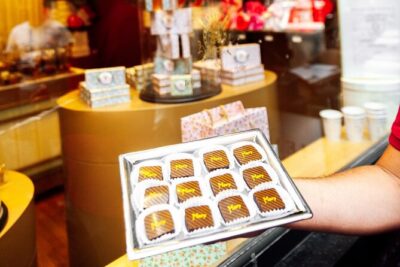
The chocolate tasting is included in the $23 price. It is a modest part of the experience, but an important one for a first visit. You get a taste of Belgian chocolate and advice on where to buy more without paying blindly for a tourist-oriented box.
The best use of this stop is to treat it as a starting point. Ask the guide which chocolate shops offer sensible prices, then compare a few places after the tour. The tour does not include a large food tour or a full meal, so keep your expectations in line with a tasting.
More walking tours around Belgium:
- Bruges: Walking Tour, Canal Boat Trip w/Beer Tasting Option
★ 4.4 · 2,759 reviews - Historical Walking Tour: Legends of Bruges
★ 5.0 · 2,541 reviews - Historical Walking Tour: Legends of Antwerp
★ 5.0 · 1,837 reviews - Historical Walking Tour: Legends of Gent
★ 5.0 · 1,761 reviews
St. Michael and St. Gudula Cathedral
The Cathedral of St. Michael and St. Gudula marks the transition into the Upper City. The church is listed as an interior visit, with attention to its stained glass windows, Chapel of the Blessed Sacrament, and pulpit.
This is one of the most valuable stops for anyone who likes architecture and religious art. The stained glass is easier to appreciate once someone points out what to look for, and the chapel and pulpit add detail that can disappear if you only glance in from the entrance.
The cathedral also gives the tour a quieter pause after the crowded central streets. The guide’s explanation should help you understand the building’s place in Brussels, but remember that this is one stop within a broad walking route. You are not signing up for a specialist architectural lecture.
Dress and behave suitably for a working place of worship. The tour information confirms an interior visit, but conditions at any active religious site can vary. The guide will manage the visit as part of the day’s route.
Royal Park, Royal Palace, and Coudenberg
The Upper City feels different from the older streets below. The route includes Royal Park, the Royal Palace, Royal Square, and the Palace of Coudenberg.
This section shows Brussels as a seat of government and royal power. The broad spaces and formal buildings contrast with the compressed streets of the Lower City. That change in scale is one of the clearest lessons of the walk.
The Royal Palace is an important exterior landmark in this context. The tour helps you place it within the royal quarter, but the listed experience does not promise a full interior palace visit. The same caution applies to Coudenberg. You will see and learn about the site, while a separate museum ticket may be needed for an extended visit.
Museum admission is not included, and neither are tram or bus tickets. That keeps the base price low, but you should plan extra time and money if you want to enter museums after the walk.
I like this part of the route because it gives the city a second identity. Brussels is not only an old market town with chocolate shops. It is also a capital with royal, political, and European importance, even though this specific walk focuses on the city centre rather than offering a full tour of every institution.
What the guides add to the route
The guide can make or break a walking tour, and this experience depends heavily on personality.
Christophe is repeatedly praised for being funny, warm, and energetic. One especially personal touch was ending the walk with a poem. Ian is described as an animated storyteller who keeps the group interested for close to three hours on some departures. Liam is praised for enthusiasm, patience, and keeping a family comfortable even when a child became upset during the walk.
Patrick is known for combining historical information with tips on waffles, fries, and chocolate. Carolina is noted for handling questions confidently and keeping the tour entertaining. Other guides, including Ariel, Mafalfa, and Christie, have also been praised for local insight and flexibility.
This matters if you are a solo visitor. A good guide creates a social atmosphere without forcing anyone to perform. One solo participant was made to feel included, while mixed-language groups were handled with care. On one English and Spanish departure, the guide adjusted the commentary so everyone could follow.
Language is worth checking at booking. The available languages are English, French, and Spanish, but the exact group mix may affect the experience. One Spanish-speaking participant ended up joining an English group because there was not a separate Spanish group that day. The guide handled it well, but advance notice would have been preferable.
Pace, weather, and group size
The stated duration is 150 minutes, or two and a half hours. Some departures have lasted close to three hours, while one group chose to leave after two and a half hours because of Christmas crowds and business in the city.
That flexibility can be helpful, but you should not plan a tight connection immediately afterward. Allow extra time for a busy day, questions, street crossings, and the possibility that the guide extends the conversation.
The pace is generally described as easy and manageable, with rest during the walk. Still, you will be outside for most of the experience. Brussels can be cold, windy, or rainy, and the guide cannot change the weather. A winter walk was still enjoyable with proper clothing, but bring a warm coat and shoes suited to city streets.
Group size is not fixed in the information provided. Some departures have been small, while one participant reported a group of about 22. A larger group may make it harder to hear in noisy streets, although the guides are praised for keeping people together and speaking clearly.
The tour is wheelchair accessible. Since the route uses public streets and historic areas, you may still want to confirm current route conditions if you have specific mobility needs.
Is $23 good value?
At $23 per person, this is a fair price for a city orientation that includes a live guide and Belgian chocolate tasting.
The value comes less from the number of sights than from the connections between them. You see the Grand Place, Manneken Pis, the cathedral, royal quarter, shopping arcade, old streets, and café areas in one organized outing. You also get advice on where to eat, drink, shop, visit museums, and use public transport.
A private tour would give you more control and likely more time at each stop, but it would cost more. A self-guided walk would cost less, but you would need to research the city’s development and find the chocolate advice yourself. This tour sits in the useful middle ground.
The price does not cover museum tickets or transport. That is not a serious flaw for a central walking route, but budget separately if you want to explore Coudenberg, visit museums, or use trams and buses afterward.
Free cancellation up to 24 hours before the start and reserve-now, pay-later booking make it easier to fit into a changing itinerary. Those terms are useful in a city where weather and arrival times can shift your plans.
Who should book this Brussels walk?
I would choose this tour on a first visit, especially if you arrive without a clear plan for the historic centre.
It suits solo visitors, couples, families, and people who like history delivered through stories rather than long academic lectures. Children may enjoy the Manneken Pis stories and chocolate tasting, while adults will appreciate the practical suggestions for beer, food, museums, and nightlife.
It is also a good pick if you want to decide what deserves a second visit. After the tour, you can return to the Grand Place, cathedral, chocolate shops, or royal quarter with a better sense of direction.
You may want something else if your main goal is a museum interior, a specialist food tour, or a private experience. The walk covers a lot of ground and gives broad context. It does not replace a full museum visit or a private architectural tour.
Final verdict: a smart first morning in Brussels
I would book this guided walk early in a Brussels stay. The route covers the city centre’s most important sights, but its real strength is the explanation of how Lower City trade and Upper City power fit together.
The chocolate tasting is a pleasant bonus. The bigger benefit is the guide’s practical advice, especially on good-value chocolate, beer, bars, restaurants, museums, and getting around. Christophe, Ian, Liam, Patrick, and the other guides bring humor and personal energy, though the exact experience will vary by guide and group size.
Book it if you want a friendly, useful overview for $23. Skip it only if you prefer to explore alone or need long, detailed visits inside museums and royal buildings.
FAQ
Where does the Brussels walking tour meet?
The meeting point is Grand Place, in front of City Hall. Look for the white Bravo Discovery umbrella.
How long does the tour last?
The stated duration is 150 minutes, or two and a half hours. Some departures may run closer to three hours.
Which languages are available?
The tour is available in English, French, and Spanish. The exact group language arrangement can vary.
What sights are included?
The route includes the Grand Place, Everard t’Serclaes monument, Manneken Pis, Grands Carmes street, Marché au Charbon street, the Covering of the Senne, Riches Claires street, Grande Île street, Saint-Géry Island, Galeries Royales St Hubert, Mort Subite, the Cathedral of St. Michael and St. Gudula, Royal Park, Royal Palace, Royal Square, and the Palace of Coudenberg.
Is Belgian chocolate included?
Yes. A Belgian chocolate tasting is included in the tour price.
Are museum tickets included?
No. Tickets to museums are not included.
Are tram and bus tickets included?
No. Tram and bus tickets are separate.
Is the tour wheelchair accessible?
Yes, the activity is listed as wheelchair accessible.
Can I cancel the booking?
Yes. You can cancel up to 24 hours in advance for a full refund. You can also reserve now and pay later.
New walking tours around Belgium
- Historical Walking Tour: The Story of Bruges – by Legends★ 4.7 · 483 reviews
- Antwerp: Historical Walking Tour in the Old City★ 4.8 · 373 reviews
- Ghent Walking Tour with Optional Add-ons: Boat & Beer★ 4.0 · 124 reviews
- Ghent: Private Walking Tour with a Local★ 4.6 · 93 reviews
- Ghent: Private 2-Hour Walking Tour★ 4.7 · 134 reviews
- Ghent: Guided Walking Tour and Canal Boat Trip★ 3.8 · 128 reviews
- Ghent: Belgian Chocolate Walking Tour with Tastings★ 4.9 · 259 reviews
- Brussels: Guided Walking Tour with Optional Beer Tasting★ 4.2 · 89 reviews
Brussels Walking Tours, side by side.
Brussels: Historical Walking Tour with Chocolate & Waffle Tasting
Read our review →
Brussels Walking and Tasting Tour (Beers,Chocolates&Fries/Waffle)
Read our review →
Brussels: City Highlights Walking and Tasting Tour
Read our review →
Brussels: Walking Food Tour with Chocolate, Beer, & Waffles
Read our review →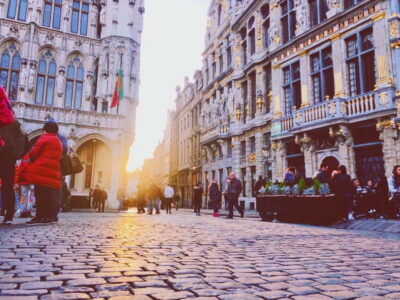
Brussels Highlights: Walking & Bus Tour with Waffle Tasting
Read our review →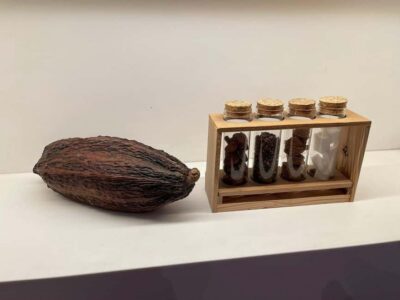
Brussels: Chocolate Appreciation and Tasting Walking Tour
Read our review →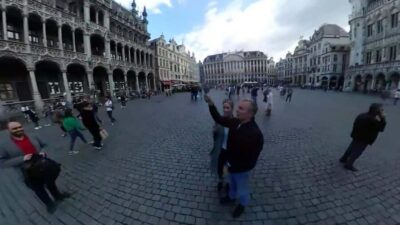
Lists this walk sits on