
Review · NEW YORK CITY
SoHo, Little Italy, and Chinatown Walking Tour in New York
SoHo’s cast-iron facades, Little Italy’s old immigrant streets, and Chinatown’s food stalls sit close together, but they feel like three different cities. This tour gives you a fast, guided introduction to all three, with stories about architecture, immigration, organized crime, and daily life.
I like the compact route, which lets you see a lot of Lower Manhattan without wasting time finding your way. I also like the mix of buildings and human stories, from 19th-century SoHo design to John Gotti tales and the challenges faced by Italian immigrants.
The main trade-off is pace. You cover roughly 2 to 3 miles in two hours, and some guides include a 15 to 20 minute break. That can be pleasant, but it may leave less time for photographs, free exploration, or detailed discussion of each neighborhood.
Key points to know before you book
- Three neighborhoods in two hours: SoHo, Little Italy, and Chinatown are covered in one continuous walk.
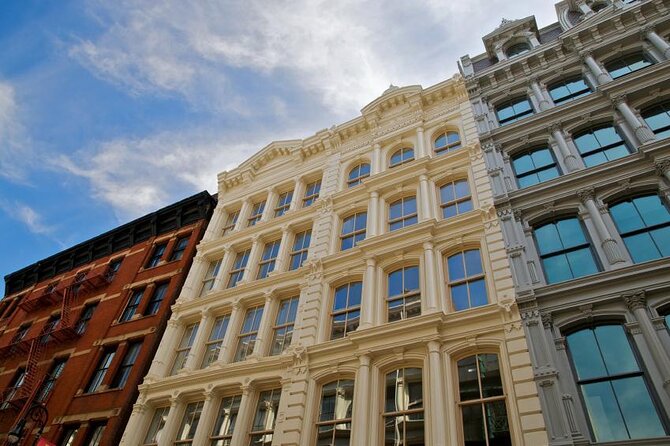
- SoHo’s cast-iron district: See part of a 26-block historic area containing about 500 buildings.
- Stories beyond architecture: Expect immigration history, mob tales, neighborhood change, and food suggestions.
- A moderate 2 to 3 mile walk: Comfortable shoes matter, especially on cobblestone streets.
- Limited free time: This is a guided orientation, not a shopping trip or sit-down food tour.
- Small-to-medium group size: The maximum is 25 people, with an English-speaking guide.
Why this Lower Manhattan route works
I like this walk because the neighborhoods connect naturally. You begin in SoHo, where grand cast-iron buildings and fashionable storefronts set the scene. From there, the route moves into Little Italy, then continues a few blocks to Chinatown and ends at Columbus Park.
That progression gives you a useful lesson in how New York changes from one street to the next. SoHo is tied to architecture and retail. Little Italy brings immigration and organized-crime stories. Chinatown adds food, language, street life, and the story of one of Manhattan’s oldest Chinese communities.
At $39 per person, the tour is priced reasonably for a two-hour guided walk in New York. You are paying mainly for orientation and interpretation, not admission to a museum or a meal. If you are new to Lower Manhattan, the price can make sense because a good guide helps you cover three areas efficiently and points out details you might walk past alone.
Still, you should book it for context, not for long stops. The route is designed to show you the character of each neighborhood and give you a framework for exploring afterward. It is not designed for leisurely browsing in shops or lingering over lunch.
More walking tours around New York City:
- Secrets of Grand Central Station Walking Tour New York City
★ 5.0 · 1,796 reviews - Greenwich Village Walking and Food Tasting Tour
★ 5.0 · 1,572 reviews - Artistic, Alternative Greenwich Village Walking Tour
★ 5.0 · 971 reviews
Starting in SoHo’s cast-iron streets
The meeting point is 161 Sixth Avenue in SoHo. The tour begins in the Cast Iron Historic District, an area covering 26 blocks and roughly 500 buildings. Many of those buildings use cast iron in their facades, columns, window surrounds, and decorative details.
That architecture is the best reason to pay close attention at the start. Cast iron allowed builders to create elaborate fronts more quickly and, in some cases, more cheaply than carved stone. The wide windows and repeated decorative patterns make the district easy to recognize once your guide explains what to look for.
You will also pass cobblestone streets, trendy shops, and fashionable addresses. SoHo has a polished modern identity now, and your guide may point out its appeal to film stars, models, and other public figures. The contrast between old commercial buildings and present-day boutiques is part of the neighborhood’s interest.
The scheduled time in SoHo is about 30 minutes. That is enough for a useful introduction, but not enough to inspect every block. I suggest arriving with your camera ready and taking photographs as the group moves. One recurring practical issue is that the walk keeps moving, so you may not have much time to stop for every facade.
The best guides make this first section feel like an outdoor architecture lesson rather than a simple stroll. Guides such as Joseph and Steve have been praised for connecting buildings to the people and changes that shaped the area. Felipe has also been singled out for keeping the pace comfortable while making the background accessible.
Your exact guide is not guaranteed, and the style can vary. Some guides focus closely on buildings and neighborhood history. Others bring more personal stories, restaurant advice, and humor into the walk. That variety can be enjoyable, but it also explains why the tour may feel more historical with one guide and more conversational with another.
Little Italy, from immigrant struggle to mob lore
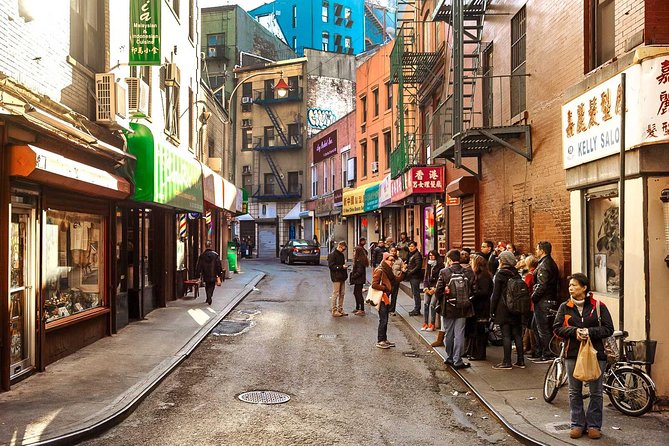
After SoHo, the route reaches Little Italy, where about 45 minutes are scheduled. This is the longest portion of the walk, and it is often the section with the strongest storytelling.
You will hear about Italian immigration and the difficulties faced by newcomers when they first arrived in New York. The discussion places the restaurants, narrow streets, and familiar neighborhood names in a broader setting. Little Italy is not just a place for pasta and pastries. It is also a reminder of how immigrant communities formed, adapted, and changed over time.
The tour also covers organized crime and mob figures such as John Gotti. These stories can be entertaining, but they work best when treated as one part of the neighborhood’s past rather than its entire identity. A good guide will connect mob history to particular streets and local changes instead of simply listing famous names.
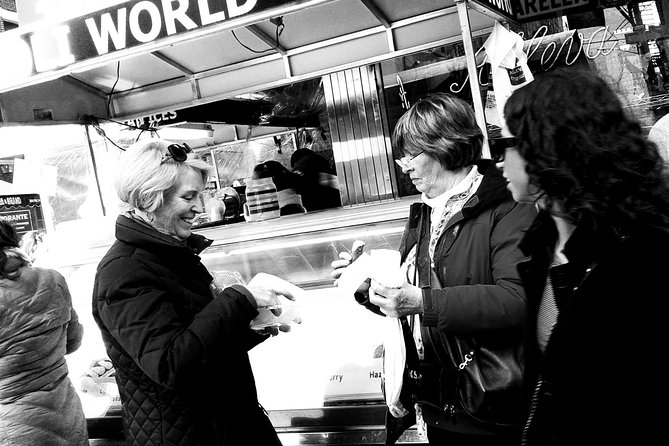
Little Italy is also the most useful place to ask your guide for food advice. Short stops may allow you to purchase a snack or sample an ethnic food, but there is no sit-down meal included. You might hear suggestions for bakeries, restaurants, and other places to visit after the tour.
Plan your meal around the tour rather than assuming you will eat during it. Some departures include a 15 to 20 minute break, which can give you time to get a small snack. Other groups may spend that time listening to stories or moving through the route. If food matters to you, eat before the tour or plan lunch after it ends.
The guide’s personal style matters especially here. George has been praised for keeping the group engaged and answering questions. Angela has been described as considerate and helpful with local suggestions. Steve has been noted for using his long experience living in New York to explain how the area has changed.
That personal touch can make Little Italy memorable. The drawback is that a guide who spends too much time on personal anecdotes may leave less time for the buildings and street history around you. If you prefer architectural facts and dates, ask direct questions as you walk.
Chinatown and the final walk to Columbus Park
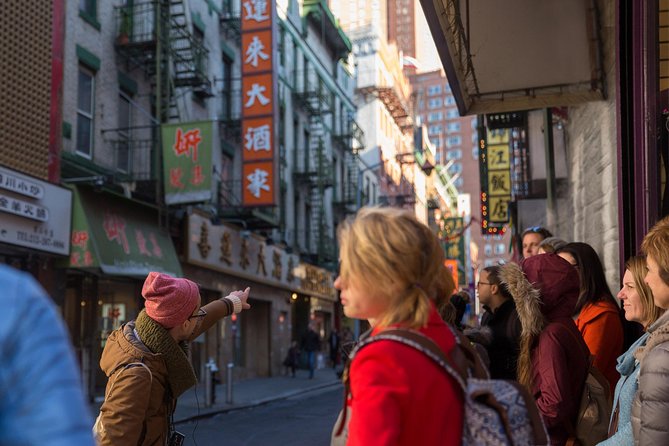
Chinatown is the final neighborhood, with about 45 minutes planned for the area. The route ends at Columbus Park, near Mulberry Street and Baxter Street.
This is a strong finish because Chinatown gives the walk a different feel from SoHo and Little Italy. You will encounter Chinese restaurants, shops, street activity, and the sounds and smells of a major Manhattan community. The area is described as one of the oldest neighborhoods of its kind in Manhattan and one of the largest concentrations of Chinese people in the Western Hemisphere.
Your guide may discuss the neighborhood’s development and the lives of Chinese immigrants in New York. You will also have chances to look at storefronts, food businesses, and the way Chinatown’s streets function as a community gathering place.
Do not expect a dedicated food tasting. The tour may include short opportunities to buy food, but the experience is primarily a walking and storytelling tour. If you want dim sum, noodles, pastries, or a full meal, use the end point as a launch pad for your own plans.
Columbus Park is a practical ending. It gives you a clear place to stop and continue exploring on your own. It also leaves you close to both Chinatown and Little Italy, so you can return to a restaurant, browse more streets, or continue toward other Lower Manhattan sights.
Several people have wanted more free time in Little Italy and Chinatown. That is a fair criticism, particularly if you are hoping to shop or eat during the walk. The tour does not try to provide that time because it has three neighborhoods to cover. Think of the final stop as the beginning of your independent time, not the end of your Lower Manhattan visit.
Same streets, a different story:
- New York City: Private Walking Tour with a Local
★ 4.6 · 771 reviews - NYC Professional Photoshoot and Walking Tour with Private Guide
★ 5.0 · 608 reviews - Manhattan Neighborhood Private Customized Walking Tour
★ 5.0 · 498 reviews - New York City: Greenwich Village Guided Walking Tour
★ 4.8 · 300 reviews
How the pace and group size affect the experience
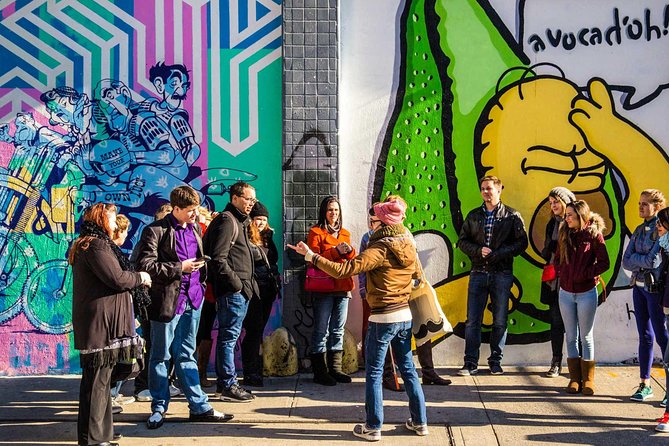
The tour lasts about two hours and covers a moderate 2 to 3 miles. That is manageable for most people who can walk at a moderate pace, but it is not a short stroll. You will be on city sidewalks, and SoHo may include uneven or cobblestone surfaces.
Wear comfortable shoes and bring water. The walk operates in all weather, so check the forecast and dress accordingly. Hot days can make the distance feel longer, while rain may limit your comfort and photography.
The maximum group size is 25 people. That is small enough for a guide to speak to the full group, but it is not a private tour. You may need to stay close at busy corners and listen carefully when traffic noise rises.
Some guides use a portable voice amplifier, which can make a real difference on crowded streets. It is worth staying near the guide, especially during stops. The group may pause at a building or street corner, then move quickly once the explanation is finished.
Tour times vary, so you can often choose a departure that fits your day. The tour is commonly booked well ahead, around 18 days in advance on average, so do not assume you can always wait until the last morning. You receive confirmation when booking, and free cancellation is available until 24 hours before the start time. Cancellations within 24 hours are not refunded.
The guide can make or break the walk
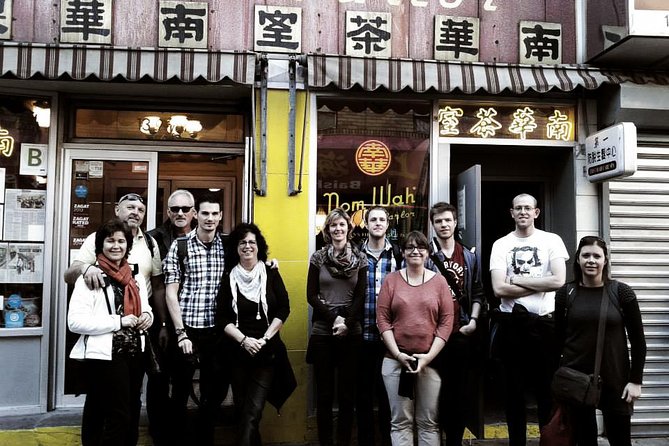
The strongest praise for this experience goes to the guides. Names that have received especially warm attention include George, Steve, Angela, Felipe, Joseph, Mindy, Meri, Tim, Peter Sullivan, and Jacob.
George is described as friendly and engaging, with a talent for keeping a group interested from start to finish. Steve is known for local perspective, humor, personal memories, and stories about changes he has seen in New York. Angela has been praised for being both fun and thoughtful, while Felipe has been appreciated for his clear pacing.
Joseph has received credit for combining architectural information with local suggestions. Mindy and Meri have been described as friendly and informative, and Tim has been praised for wit and energy. These details matter because two hours of city walking can feel very different depending on how clearly the guide speaks and how well the stories connect to what you are seeing.
You should expect a guide-led experience rather than a scripted audio tour. Ask questions when the group pauses. If you want more building history, say so. If you want restaurant suggestions, ask for them before the walk ends. The guide’s knowledge is most useful when you steer some of the conversation toward your interests.
The main weakness is inconsistency in emphasis. A guide may focus heavily on personal stories, food, or entertainment, while you may have hoped for more information about architecture and neighborhood development. The tour remains useful, but your expectations should match the format.
Who will get the most from this tour
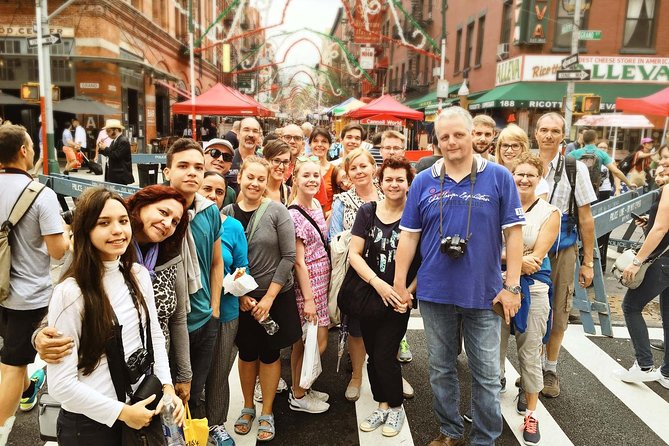
I would choose this walk if you are visiting New York for the first time and want a quick orientation to Lower Manhattan. It is also a good fit if you like city history but prefer to learn it while walking through real streets rather than sitting in a museum.
Families can use it as a manageable introduction to downtown, provided everyone is comfortable walking several miles. Couples, solo visitors, and small groups can also benefit, especially if they want restaurant tips and a clear sense of where to return later.
The tour is less suitable if you want a relaxed food experience, serious shopping time, or a private guide. It is also not ideal if you dislike group pacing or need long, frequent rests. The route is moderate, but the city itself can be crowded, noisy, and tiring.
Service animals are allowed, the route is near public transportation, and most people can participate. Still, the tour requires steady walking in all weather. If you have mobility concerns, consider the 2 to 3 mile distance and the possibility of uneven pavement before booking.
Should you book the $39 walk?
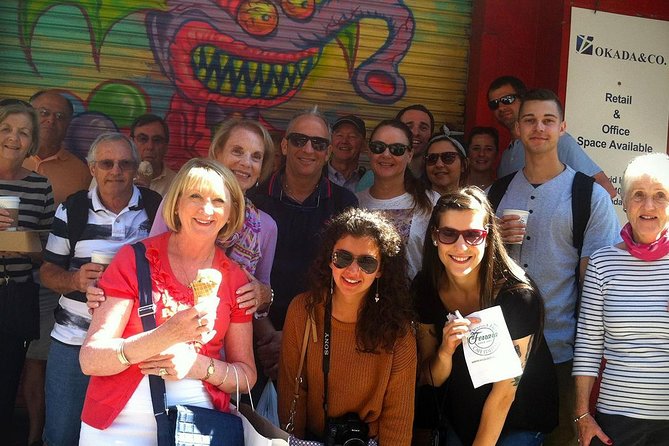
Book this tour if you want efficient orientation with a human guide. You will see the key sections of SoHo, Little Italy, and Chinatown, learn what makes each neighborhood different, and finish in a useful location for your own lunch or afternoon plans.
Skip it if you want long photo stops, a full meal, or detailed free time in every neighborhood. The tour moves quickly, and a break may take time away from sightseeing. For most first-time visitors, though, $39 is a fair price for a lively introduction to three of New York’s most distinctive districts, especially when the guide brings strong local knowledge and keeps the group moving at a comfortable pace.
FAQ
How much walking is involved?
You will walk about 2 to 3 miles at a moderate pace. Comfortable shoes are recommended.
Where does the tour begin?
The meeting point is 161 Sixth Avenue, New York, NY 10013, in SoHo.
Where does the tour end?
The tour ends at Columbus Park in Chinatown, near Mulberry Street and Baxter Street.
How long does the tour last?
The experience lasts approximately two hours.
Is food included?
No. Food costs are not included. There may be short opportunities to purchase or sample ethnic foods, but there is no sit-down meal during the tour.
Is there time for shopping?
There is no scheduled shopping time. You can window-shop while walking, and your guide may suggest shopping areas to visit after the tour.
What happens if it rains?
The tour runs in all weather, so dress for the forecast. In rare cases of extreme weather, the tour may be canceled and you will be offered a rescheduled date or a full refund.
How large is the group?
The maximum group size is 25 people. The tour is led in English by a professional local guide.
New walking tours around New York City
- NYC: Walking Tour with Local Guide and 30+ Top NYC Sights★ 4.5 · 248 reviews
- NYC: History of Slavery & Underground Railroad Walking Tour★ 4.7 · 87 reviews
- New York City’s Hell’s Kitchen: Walking Food Tour★ 4.8 · 200 reviews
- New York City: Central Park Walking Tour★ 4.7 · 82 reviews
- NYC: Brooklyn Bridge and DUMBO Guided Walking Tour★ 4.8 · 93 reviews
- NYC: High Line, Chelsea, & Meatpacking District Walking Tour★ 4.9 · 195 reviews
- NYC: Ground Zero Walking Tour and 9/11 Museum Ticket★ 4.9 · 260 reviews
- New York City: Greenwich Village Guided Walking Tour★ 4.8 · 300 reviews
New York City Walking Tours, side by side.
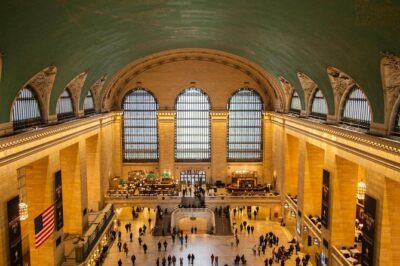
Secrets of Grand Central Station Walking Tour New York City
Read our review →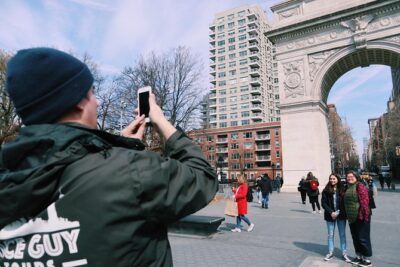
Greenwich Village Walking and Food Tasting Tour
Read our review →
Artistic, Alternative Greenwich Village Walking Tour
Read our review →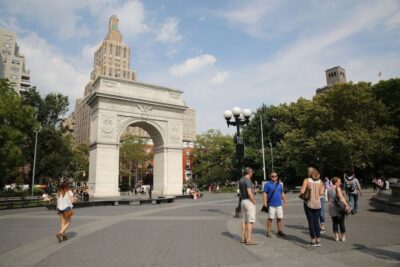
New York City: Private Walking Tour with a Local
Read our review →
NYC Professional Photoshoot and Walking Tour with Private Guide
Read our review →
Manhattan Neighborhood Private Customized Walking Tour
Read our review →
New York City: Greenwich Village Guided Walking Tour
Read our review →
NYC: Ground Zero Walking Tour and 9/11 Museum Ticket
Read our review →Lists this walk sits on