Review · ITALY
Catania: Street Food Guided Walking Tour
Catania’s best street food is not tucked away in a formal restaurant. It is folded into flaky pastry, fried to order, piled into a paper cone, or served cold in a glass. This three-hour walking tour links five food stops with the city’s central sights, including the Fish Market, Cathedral Square, and Roman ruins.
I like the generous range of food and the way the guide connects each bite to Catania’s Greek, Arab, Spanish, and local traditions. I also like the practical route: you get a first look at the historic center while learning what to order later on your own. The main drawback is simple: the portions can be large, so arrive hungry and pace yourself.
Key points at a glance
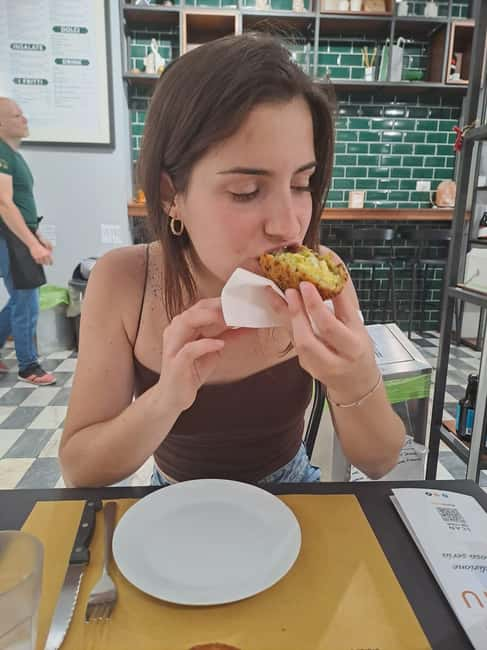
- Five food stops in three hours: Expect a full tasting route rather than one snack and a quick stroll.
- A proper Catanese spread: Arancino, caponata, fried fish, cipollina, cannolo, and granita may all appear, depending on the day and stop.
- Central sights along the way: The route begins and ends at the Fountain of the Elephant and passes the Cathedral, Roman Theater, university square, and Roman Amphitheater.
- Guides who shape the experience: Luca, Allegra, Giuseppe, Kate, and other local guides are named in the booking feedback, with repeated praise for their warmth, English, and city stories.
- Come with an empty stomach: Several tastings are substantial, and some people have needed to take the cannolo away.
- Useful for dietary needs: Vegetarian and other dietary options are available if you tell the provider when booking.
Why Catania is a fine city for a food walk
Catania’s cooking makes sense once you look at its setting. The Mediterranean provides fish, citrus, almonds, and produce, while Mount Etna shapes the soil and the identity of the city. The result is food that is direct, hearty, and often made for eating on the move.
The city has also absorbed cooking customs from the many peoples who ruled or settled here. Greek, Roman, Arab, Jewish, Spanish, and other influences helped form Sicily’s present-day food traditions. Your guide uses those connections to explain why a rice ball, fried vegetable dish, or ricotta pastry belongs to Catania’s story.
I find this more useful than a simple list of dishes. You learn how food fits into daily life, local celebrations, and the city’s long past. You also get the chance to ask questions as you walk, which is especially handy if this is your first visit to Sicily.
More Food Walking Tours in Italy
- Naples: Street Food Walking Tour with Local Guide
★ 4.9 · 4,976 reviews - Eat Like a Local: Venice 3-Hour Small-Group Food Tasting Tour
★ 5.0 · 3,137 reviews - Rome: Guided Food Walking Tour with Wine in Trastevere
★ 4.9 · 3,105 reviews
Starting at the Fountain of the Elephant
The meeting point is the Fountain of the Elephant in Piazza del Duomo. The dark lava-stone elephant carrying an obelisk is one of Catania’s best-known symbols, and it gives the tour a clear, central starting place.
From here, the route heads through the old center. You are not simply moving between restaurants. The pauses are tied to important places, so the walk gives you a basic map of Catania while your guide explains local customs and food.
Expect city streets, conversation, and standing while eating. Comfortable shoes matter more than smart clothes. Large bags and luggage are not allowed, and pets cannot join the tour.
Cathedral Square and the first taste of Catania
The first listed stop is Catania Cathedral, followed by a street-food tasting of about 30 minutes. The square is an ideal place to begin because it brings together the cathedral, the elephant fountain, and the broad ceremonial heart of the city.
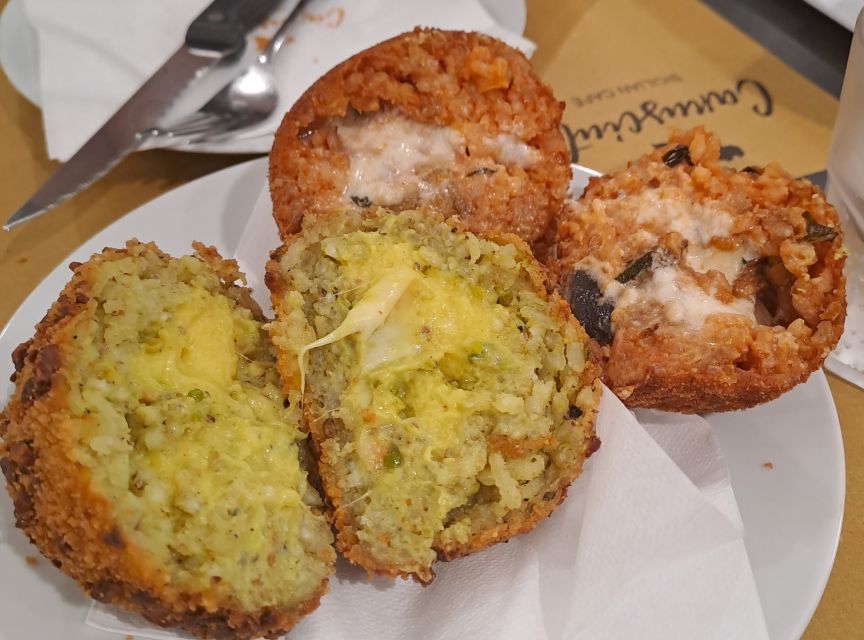
The food may include one or more of the classic savory items on the route. An arancino is a fried rice ball filled with ingredients such as meat, ham, spinach, pistachios, or eggplant. Shapes and fillings vary across Sicily, and tasting one in Catania gives you a useful reference point for later meals.
You may also try caponata, a cooked mixture built around fried eggplant with tomato, celery, onion, olives, capers, sugar, and vinegar. It can taste sweet, sour, soft, and salty in the same mouthful. Traditionally, it was substantial enough to serve as a main dish, though today it often appears as a side or starter.
This first stop sets the pattern for the tour: eat, listen, then walk. It is a good way to begin if you want local context without sitting through a long formal meal.
The Roman Theater and Catania’s older layers
The next stop takes you toward the Roman Theater of Catania, with another tasting lasting around 30 minutes. The theater is a reminder that Catania’s story reaches far beyond its Baroque streets and modern cafés.
This is a likely place for another savory specialty, such as a Catanese cipollina or cartocciata. Cipollina is puff pastry filled with onion, cooked ham, and melting cheese. It is crisp outside, warm inside, and easy to understand as a piece of local rotisserie food: filling, portable, and made for a quick meal.
Cartocciata is also a baked pastry, closer to a small calzone but with a softer, higher dough. Its filling can vary, but the important difference is texture. You are comparing a flaky pastry with a softer baked dough, not eating two versions of exactly the same thing.
The Roman Theater stop adds useful contrast. Ancient stone, later city buildings, and modern food all occupy the same compact part of Catania. Your guide may speak in both English and Italian, so ask early if you need a point repeated or explained more slowly.
More Street Food Walking Tours in Italy
- Rome: Trastevere & Campo de Fiori Street Food Walking Tour
★ 4.9 · 2,768 reviews - Palermo Original Street Food Walking Tour by Streaty
★ 5.0 · 2,105 reviews - Rome: Trastevere Street Food Walking Tour with Local Expert
★ 4.8 · 1,784 reviews - Palermo: Street Food and History Walking Tour
★ 4.9 · 1,486 reviews
Piazza dell’Università and the rhythm of the walk
Piazza dell’Università is the third listed sight and another place for a tasting of about 30 minutes. The square is one of the central open spaces in the old town, framed by historic university buildings and connected to the main pedestrian routes.
By this point, the value of the tour becomes clear. You are not rushing from one anonymous food counter to another. The walk breaks up the eating, and the guide can explain how dishes differ across Sicily and why Catania has its own food habits.
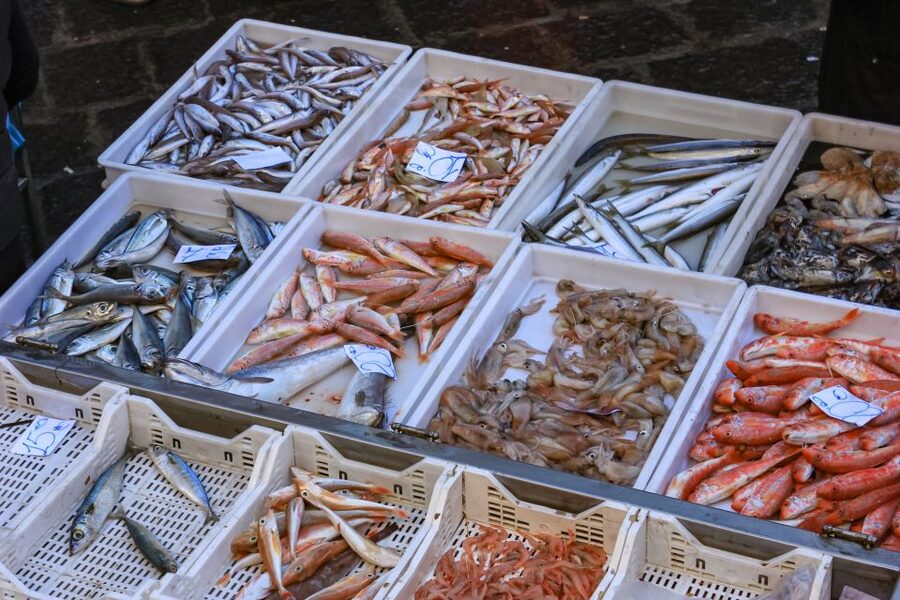
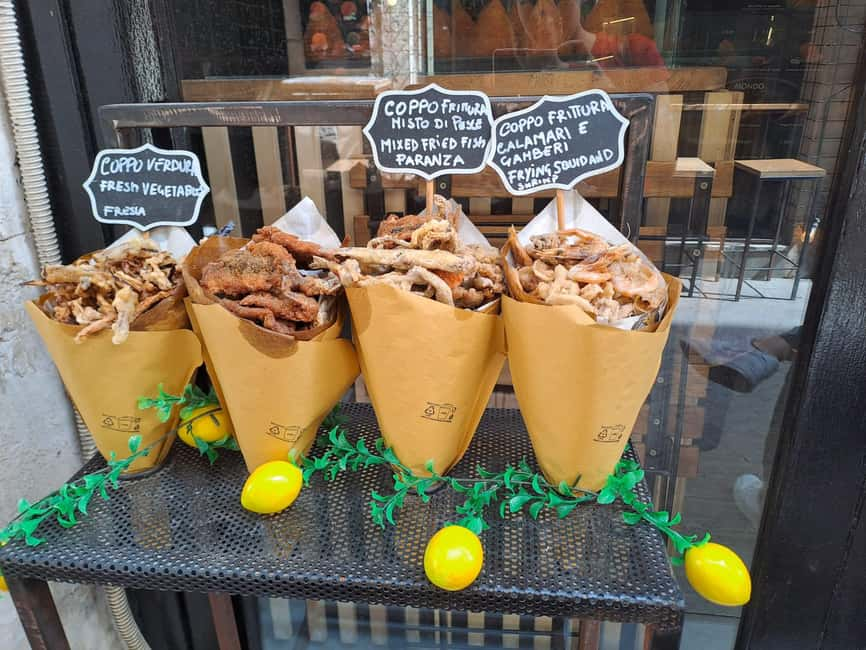
A fried fish cone may appear on the route. It is filled with fish or seafood caught that day and served hot. This is one of the tastings I would save room for because it gives the tour a clear connection to the nearby sea and Catania’s market culture.
The cone can also be one of the messier stops. You may be eating while standing, and fried food is best enjoyed fresh rather than carried around. Keep a hand free and avoid arriving with a full backpack.
The Fish Market and the freshest flavors
The tour includes a walk around the Fish Market and nearby streets. This is the part of the route that most clearly links the food to Catania’s working life.
The market area is noisy and colorful, with seafood, produce, and food stalls close together. The tour does not promise a full market lesson or a cooking class, but walking through this part of town with a local guide helps you understand where the fried fish and other ingredients fit into the city.
The included alcoholic drink also works naturally here or at one of the food stops. Water is included, which matters on a warm day when several tastings and a fair amount of walking are packed into three hours.
The market is not a quiet museum setting. You may encounter crowds, vendors, traffic, and strong food smells. That is part of the appeal, but visitors who want a polished, seated tasting menu should choose a different experience.
The Roman Amphitheater and the final savory bites
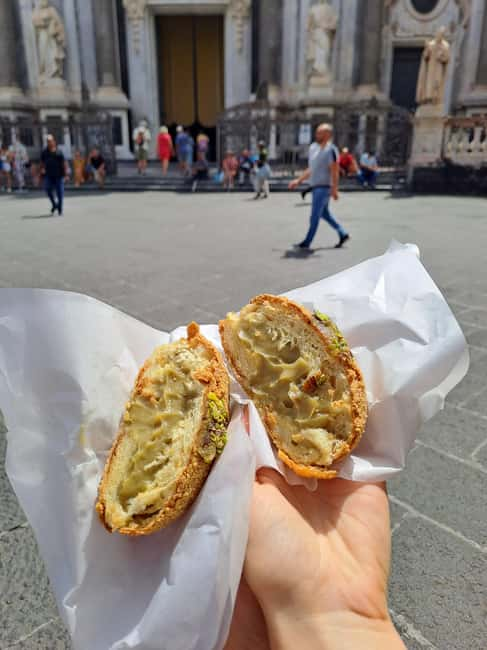
The fourth named sight is the Roman Amphitheater, followed by another 30-minute food stop. Like the Roman Theater, it shows how much ancient Catania remains beneath and beside the modern city.
The exact order of the dishes can change, but the advertised selection covers a broad range of Sicilian street food. You might have already tried an arancino and caponata, then move on to pastry, seafood, and sweets. The point is variety rather than one specialty repeated several times.
A useful feature is the amount of time allowed at each food stop. The route is not designed as a race. Several people have found the pacing comfortable, with time to eat and hear about the city. Still, do not mistake a relaxed pace for small portions. The food is often generous enough to replace a meal.
If you have a small appetite, share when possible or ask your guide how much remains before taking a full serving. If you are visiting as a couple, this can be a good way to taste more items without becoming uncomfortably full.
Cannolo, granita, and the sweet finish
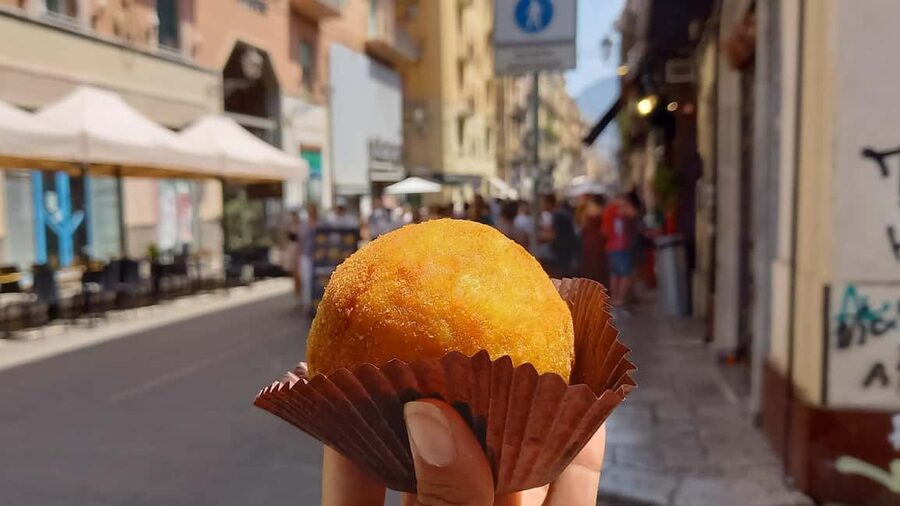
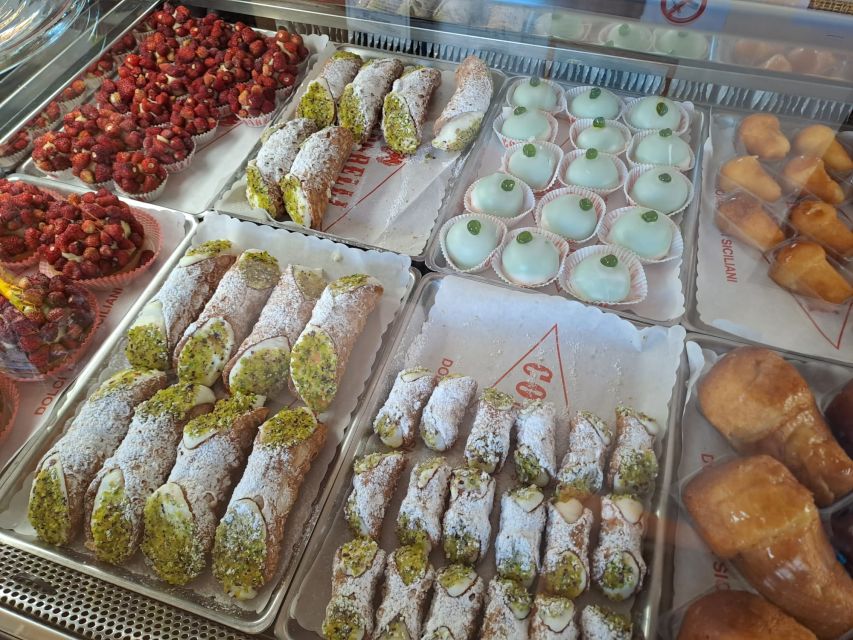
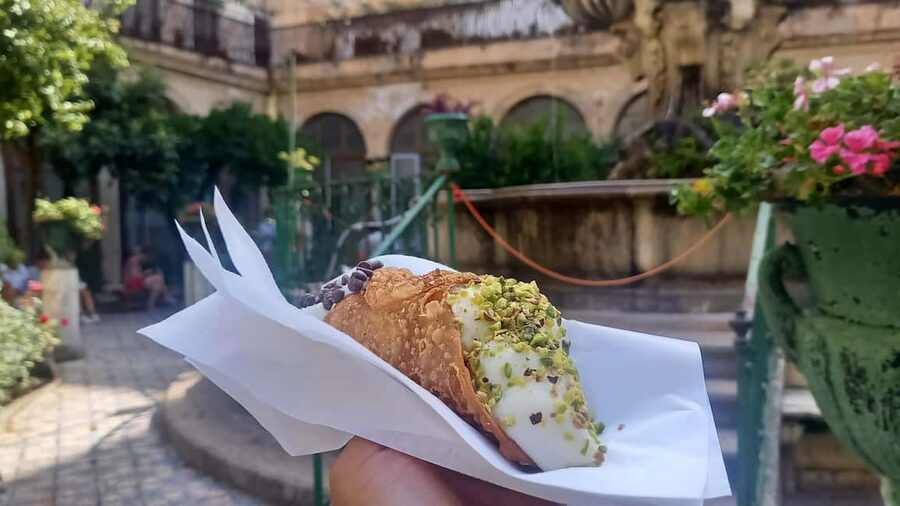
The final part of the tasting usually turns to two famous Sicilian sweets: cannolo and granita. A Sicilian cannolo has a crisp shell filled with sweet ricotta, often finished with candied fruit, pistachios, or chocolate chips.
The contrast is the pleasure. The shell is crunchy, while the filling is smooth and creamy. Pistachio cannolo is a recurring favorite on this route, but fillings can vary.
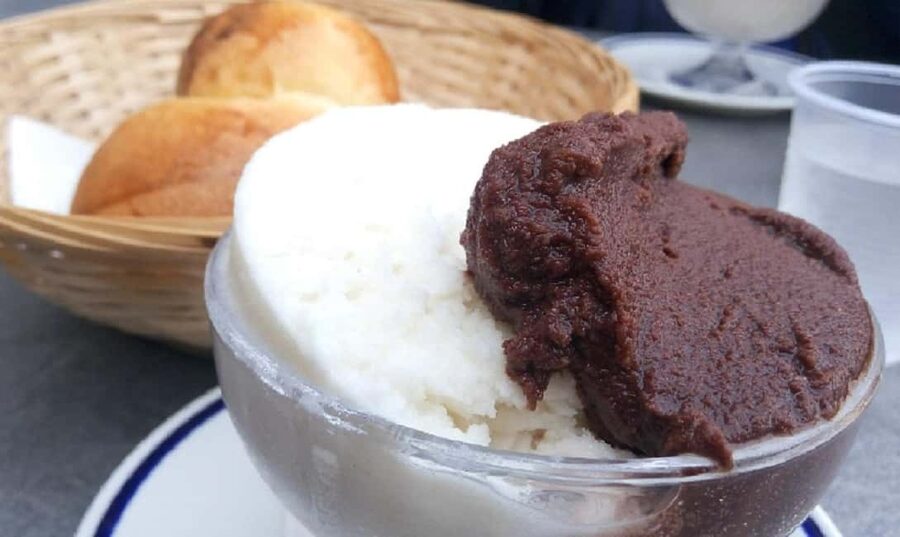
Granita is lighter in feel, though not necessarily small. It is made with fruit, sugar, and ice, then served in a glass. Almond granita is especially associated with Sicily, and fruit versions can be refreshing in hot weather.
Gelato or granita is included, along with water and one alcoholic drink. The sweet course gives your stomach a break from fried food, but it does not erase the quantity you have already eaten. If you want to enjoy the cannolo slowly, ask for it to go. One person found that necessary after the earlier tastings.
What guides add to the food
The food matters, but the guide is what turns the route into a useful introduction to Catania. Luca is repeatedly singled out for his English, humor, warmth, and enthusiasm for his home city. Allegra is also praised for clear English, a friendly manner, and detailed explanations. Giuseppe receives similar credit for explaining both the food and the city, while Kate is described as welcoming and easy to talk with.
Those names may not be assigned in advance, so you should not book expecting one particular person. The broader pattern is more useful: the tour depends on local guides who can explain dishes, answer questions, and add stories about Catanese life.
The guide may speak in both English and Italian during the walk. If you are in a mixed-language group, some explanations could take longer or alternate between languages. That is worth knowing if you prefer a strictly English tour.
Is the $56 price fair?
At $56 per person, this is not the cheapest way to eat in Catania. You could buy individual snacks for less if you already know where to go and what to order.
The price begins to make sense when you count the included food, the drink, water, dessert, and three hours of guiding. You are also paying for introductions to five food stops, help choosing unfamiliar dishes, and a walking route through key parts of the center.
I see the strongest value on a first day in Catania. You get a working list of foods to look for later, a feel for the center, and practical suggestions from someone who lives locally. If you already know Catania well, speak Italian comfortably, and prefer to explore alone, the extra cost may be less worthwhile.
Who should book this Catania food tour?
I would recommend it to first-time visitors, solo travelers, couples, and anyone who wants food and sightseeing combined. Solo visitors can also find the group format welcoming, and the walking breaks make it easier to talk with other people without forcing a formal dinner conversation.
It suits adventurous eaters who want fried seafood, eggplant, ricotta, pastries, and local rotisserie food. Vegetarian options are available, but you need to state your dietary needs when booking so the provider can plan accordingly.
This is less suitable if you need a quiet, seated experience, dislike eating outdoors or on the move, or have a very limited appetite. It is also not a good fit for large bags, pets, or anyone who cannot walk comfortably for three hours.
The tour offers free cancellation up to 24 hours before the start, and you can reserve now and pay later. Starting times vary, so check availability for your date.
Should you book it?
Book this tour if you want an easy first taste of Catania, generous portions, and a local guide who can explain why the food matters. The combination of the Fish Market, Roman remains, central squares, and five tastings gives you more than a snack crawl.
My practical advice is to skip the meal before it, wear comfortable shoes, and keep your schedule light afterward. For $56, it is best viewed as a combined food orientation and city walk, not simply a three-hour list of cheap bites.
FAQ
How long does the Catania street food tour last?
The tour lasts three hours.
Where does the tour begin?
It begins at the Fountain of the Elephant in Catania.
Does the tour return to the starting point?
Yes. The route returns to the Fountain of the Elephant.
Which sights are included on the walking route?
The route includes Catania Cathedral, the Roman Theater, Piazza dell’Università, the Roman Amphitheater, and the Fish Market area.
What food can I expect to taste?
The listed specialties include arancini, Sicilian caponata, fried fish, Catanese cipollina, cartocciata, Sicilian cannoli, and granita. The exact order and selection may vary.
Is a drink included?
Yes. The tour includes water and one alcoholic beverage. Gelato or granita is also included.
Are vegetarian dietary options available?
Yes. Vegetarian and other dietary options are supported. Tell the activity provider about your needs when booking.
What languages are offered?
The live tour is offered in English and Italian. The guide may speak both languages during the tour.
New walking tours around Italy
- Rome: Fountains and Squares Small-Group Walking Tour★ 4.7 · 335 reviews
- Napoli: Walking Tour of Naples with Local Tour Guide★ 4.9 · 95 reviews
- Naples: Spanish Quarters Walking Tour★ 4.6 · 72 reviews
- Naples: Street Art, Wine and Food Tasting Walking Tour★ 5.0 · 163 reviews
- Naples: Old Town Guided Walking Tour★ 4.8 · 553 reviews
- Naples: Street Food Experience With 6 Stops★ 4.7 · 392 reviews
- Naples: Historic Center and Sansevero Chapel Walking Tour★ 4.8 · 208 reviews
- Naples Essentials: Monuments, Local Life & Street Art★ 4.9 · 79 reviews
Italy Walking Tours, side by side.
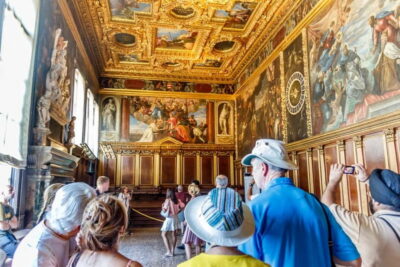
Venice: Doge’s Palace and St Mark’s Basilica Walking Tour
Read our review →
Milan: Guided Walking Tour & Last Supper Visit with Ticket
Read our review →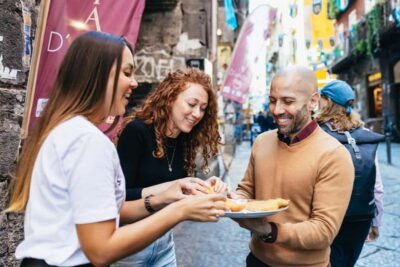
Naples: Street Food Walking Tour with Local Guide
Read our review →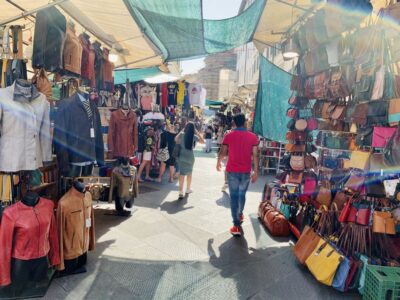
Florence: Highlights Walking Tour with Expert Guide
Read our review →
Venice: San Marco to Rialto Walk & Spritz Like a Local
Read our review →
Uffizi & Accademia Timed Entry: Small Group Duomo Walking Tour
Read our review →