
Review · SALEM
Salem Voodoo, Vampires, and Ghosts Guided Walking Tour
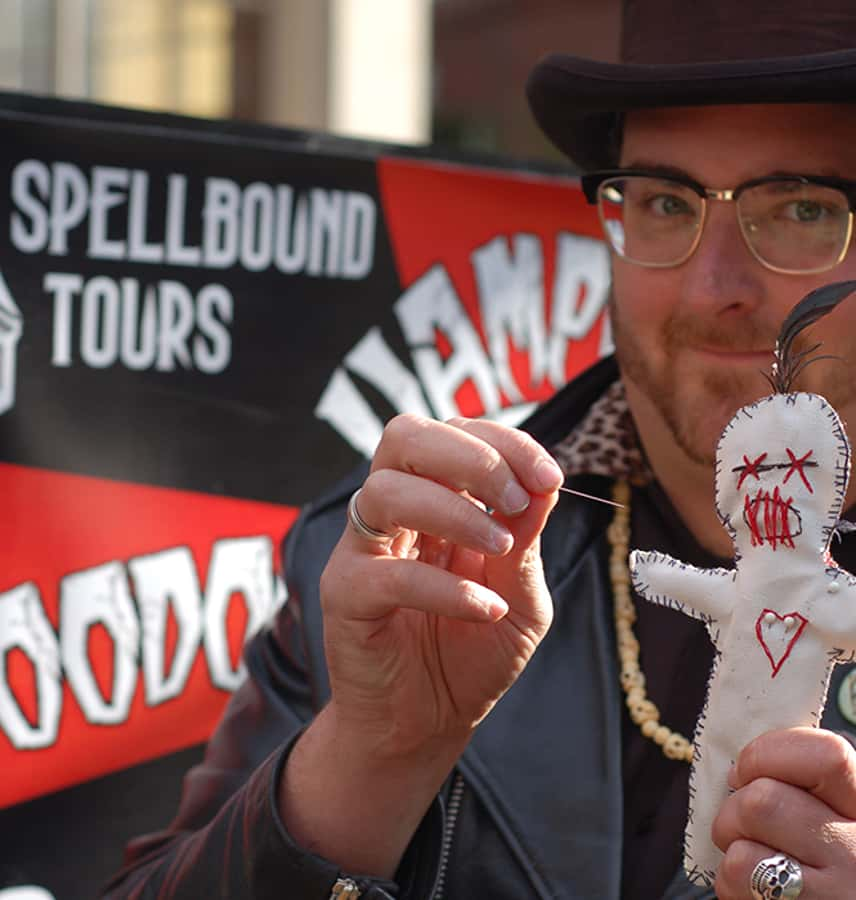
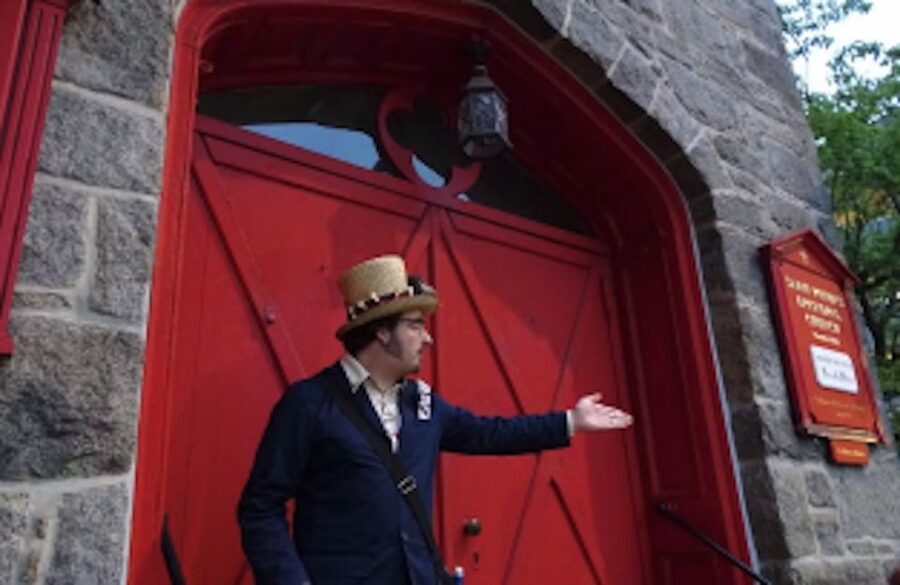
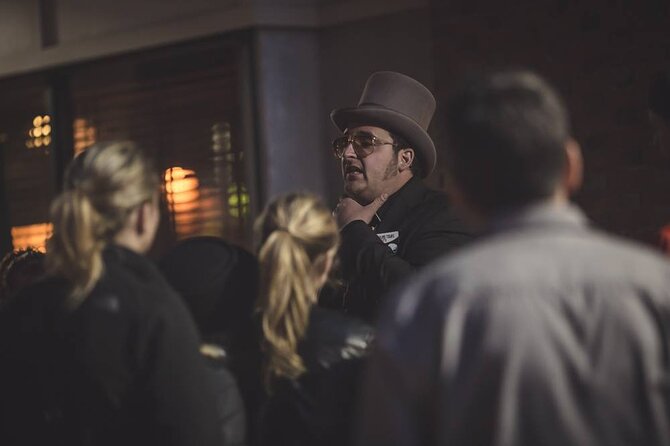
Salem’s dark side is more complicated than a few witches and a foggy graveyard. This 90-minute walking tour connects the 1692 witch trials with stories of Tituba, Giles Corey, vampire folklore, modern ghost hunting, and even Harry Houdini. The guides, including Mike, Dr. Vitka, and Vin on different dates, are presented as historians and paranormal investigators rather than costumed actors.
I like two things right away. First, the tour treats the witch trials as real history, not just Halloween decoration. Second, it adds unusual Salem stories, from Alexander Graham Bell’s telephone demonstration to reports of blood drinking and ghostly photographs. The main drawback is that the route covers many stops quickly, so some locations receive only a few minutes.
Key points to know before booking
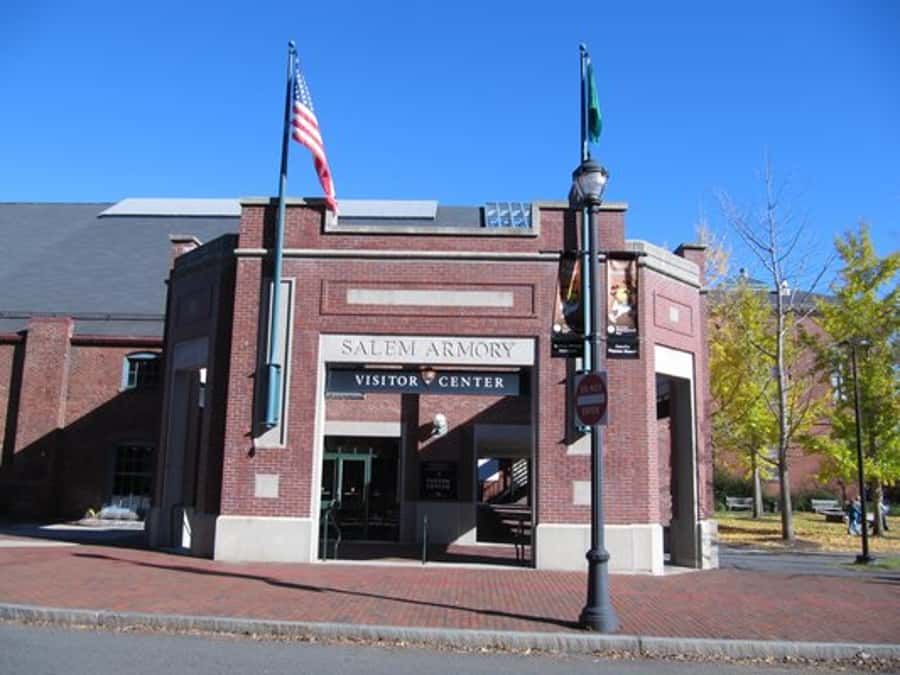
- The tour begins at the Revere Bell: Meet at 2 New Liberty Street, in front of the Salem Visitor Center.
- The route mixes history and horror: Expect the witch trials, Tituba, Giles Corey, vampire folklore, cemeteries, ghost stories, and Hocus Pocus filming sites.
- Guides focus on facts as well as legends: The presentation aims to separate documented events from paranormal claims.
- Your own photos may become part of the discussion: The guide can help examine images for orbs, ectoplasm, and possible apparitions.
- Night tours set the mood best: Afternoon departures are available on weekends, while the regular experience is offered in the evening.
- The walking is easy but the subject matter can be grim: Stories include torture, executions, murder, and blood drinking.
Salem’s witch trials without the costume-shop treatment
The tour starts near the Salem Visitor Center, a useful place to meet because you are already in the middle of the historic town. From there, the guide leads you through streets tied to the witch trials and later ghost legends.
I appreciate that the guides are not described as actors in period clothing. That matters in Salem, where some tours lean hard on theatrical shouting and fake spells. Here, the stated approach is more grounded: explain what happened, identify the old stories, then let you decide how much paranormal evidence you accept.
The central historical thread is the 1692 witch hysteria. You hear about the accused, the Puritan setting, and the legal cruelty that turned suspicion into imprisonment and execution. The tour also gives special attention to Tituba, an enslaved woman whose testimony helped fuel the panic and who was accused of practicing voodoo. Her story adds a needed reminder that the trials were shaped by power, fear, slavery, and social pressure, not simply by supernatural events.
The best guides use drama without losing the facts. Mike is praised for adding information not usually heard on other Salem tours, while Dr. Vitka is associated with a strong command of the subject and personal paranormal accounts. The exact guide can vary, but the experience depends heavily on the individual leading it.
More Ghost Walking Tours in the USA
- New Orleans Premier Ghost, Voodoo and Vampire Walking Tour
★ 4.5 · 12,856 reviews - Chicago: Gangsters and Ghosts Walking Tour
★ 5.0 · 7,155 reviews - Savannah History and Haunts Candlelit Ghost Walking Tour
★ 5.0 · 3,235 reviews
Giles Corey’s death at 15 Federal Street
The stop at 15 Federal Street deals with one of the most disturbing episodes in Salem. This is believed to be the location where Giles Corey was pressed to death after refusing to enter a plea in court.
The method was cruel. Heavy stones were placed on Corey until he either confessed or died. He refused to cooperate with the court, and the pressure killed him. The guide also explains the curse that tradition says Corey placed on Salem with his final breath.
You spend about eight minutes here, which is enough time for the story to land without turning the stop into a theatrical reenactment. This is not a light ghost story. If you are bringing children, remember that the tour includes torture, execution, murder, and other grim material. Children must be accompanied by an adult.
Graveyards, dungeons, and the story of Tituba
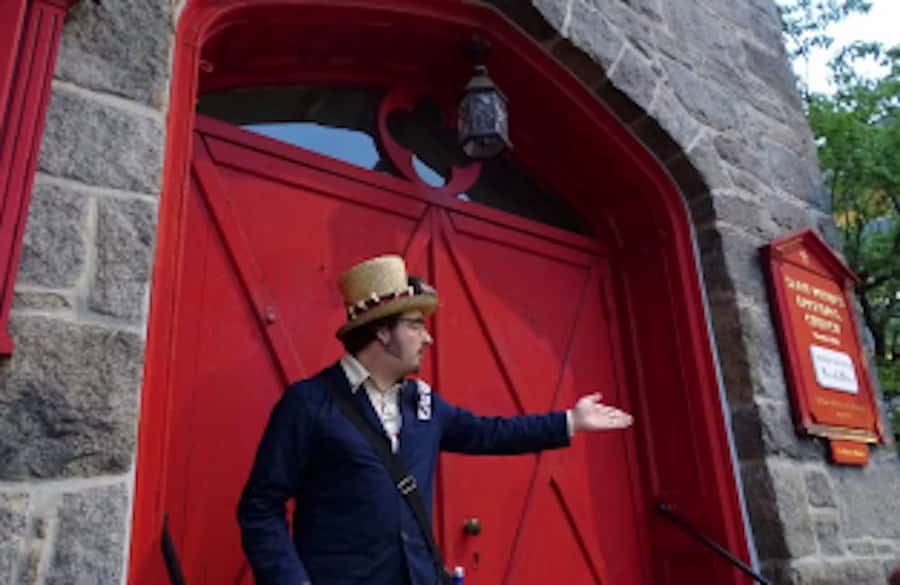
At 24 St. Peter Street, the group pauses at an old church graveyard with witch-trial connections. The stop is short, around five minutes, but it gives you a chance to see antique gravestones and take photographs.
The more substantial historical stop comes at 10 Federal Street, identified with the original dungeon where accused witches were held while awaiting trial and execution. The guide discusses the fanatical side of Puritan Salem and returns to Tituba, one of the most compelling figures connected to the trials.
The wording around Tituba is important. The story presents her as an enslaved woman accused of voodoo practices, while also questioning what was true, what was forced testimony, and what later storytellers added. That tension makes this part more useful than a simple tale about a mysterious witch.
This location is also treated as one of Salem’s most active haunted places. You are encouraged to take photographs, then hear how ghost hunters examine images for orbs, ectoplasm, and apparitions. The guide shows photographs taken at haunted sites and explains the methods paranormal investigators use. The tour does not promise that your camera will capture a spirit, but it gives you a framework for looking at your pictures afterward.
Bridget Bishop, Alexander Graham Bell, and Hocus Pocus
At Turner’s Seafood at Lyceum Hall, the tour reaches land associated with Bridget Bishop, one of the first people executed during the witch trials. The site has gained fame on ghost-hunting programs because of reports connected to Bishop’s restless spirit.
This stop has an odd historical twist. Alexander Graham Bell demonstrated his telephone before a large audience here. Salem’s past is full of these surprising overlaps, where a site linked to witch-trial tragedy later became part of scientific and cultural history.
The tour then passes Old Town Hall, a popular photo stop for fans of Hocus Pocus. This is where the movie’s I Put a Spell On You ball scene was filmed. The stop lasts about five minutes, so it is more of a quick orientation and photo opportunity than a film-location lecture.
I like this change of pace. After the harsh history of the trials and the stories of hauntings, a recognizable movie location gives you something playful to enjoy. It also shows how modern Salem has built a second identity around popular culture.
Same streets, a different story:
- History and Hauntings of Salem Guided Walking Tour
★ 5.0 · 14,564 reviews - Little Havana Food and Walking Tour in Miami
★ 5.0 · 8,882 reviews - Boston: Freedom Trail History Small Group Walking Tour
★ 5.0 · 6,450 reviews - Historic Charleston Guided Sightseeing Walking Tour
★ 5.0 · 6,216 reviews
Vampires at Derby Square and Houdini on the way
At Derby Square, the subject changes from witchcraft to vampires. The guide explores New England vampire folklore, along with documented accounts of people who drank blood. These stories are described as disturbing and graphic, so this is not the section to expect polished gothic romance.
The value here is the contrast between legend and real behavior. Salem’s reputation as a horror town did not come only from the 1692 trials. Later stories about vampires, blood drinking, and supernatural activity helped give the town a wider place in New England folklore.
At Houdini Way, you learn that Harry Houdini performed a dramatic escape in Salem. This five-minute stop is brief, but it adds another unexpected chapter to the town’s entertainment history. The route keeps moving, which helps the 90-minute tour cover more than one narrow theme.
Salem’s darker crimes and haunted bars
Central Street brings the tour into more recent crime history. The guide discusses murders linked to the Boston Strangler and Carl Panzram, a brutal criminal whose crimes included Salem. This is a sharp turn away from colonial witchcraft and into modern criminal history.
That change may appeal to you if you want the full dark-history picture. It may be less appealing if you booked strictly for ghosts and witches. The subject is also serious, and the details can be upsetting.
The stop at 300 Derby Street is a short visit outside a haunted bar. At roughly three minutes, it functions as a quick story and a passing point rather than a long investigation. The benefit is variety. The tradeoff is that no single modern haunting receives much time.
The Old Burying Point and Salem’s layered past
The Old Burying Point is one of the most important stops. Dating to 1636, it is among the oldest cemeteries in the United States and includes the graves of witch-trial judges and townspeople who lived through the crisis.
You see the tombstone of John Hathorne, one of the judges involved in the trials. The guide also discusses Nathaniel Hawthorne, who spent time in the cemetery during his life and is sometimes linked to the place in ghost lore after death.
This stop works on several levels. It is an important American history site, a cemetery with striking old stones, and a location used by modern magical practitioners. The tour presents all three layers rather than forcing you to choose between history and legend.
You should take the cemetery seriously. Keep your voice low, follow any posted rules, and remember that this is a burial ground, not just a backdrop for spooky photographs. The guide’s more respectful tone is especially valuable here.
The Peabody Essex Museum and the final photo session
The route passes the Peabody Essex Museum, where the guide points out artifacts connected to some of Salem’s darker stories. Museum admission is not included, and the tour does not function as a museum visit, so you should not expect to enter as part of the walking experience.
The final stop is Axelrod Walkway Park. Here, the guide shares ghost photographs gathered during years of investigation. This gives the tour a clear ending: after hearing historical accounts and local legends, you see the kind of images that paranormal researchers use as evidence.
You can also ask about your own photographs. The guide may help you consider whether a bright spot is an orb, a reflection, dust, or something harder to explain. That practical angle is more interesting than simply being told that every blur is a ghost.
What the 90-minute format means for you
The route is an easy walk through Salem’s central area, with a maximum group size of 40 people. A group of that size can feel busy on narrow sidewalks, especially during Salem’s crowded Halloween season, but it is still small enough for a guide to keep people together and answer questions.
The tour includes many stops, yet several last only three to eight minutes. You get a broad sweep of Salem rather than a long examination of one site. I would choose this experience early in your visit if you want a useful orientation to the town’s dark attractions.
The evening departure is the natural choice for atmosphere. Streetlights, cemeteries, and closed historic buildings create a mood that afternoon light cannot match. Weekend afternoon tours are available if you prefer clearer visibility, easier photography, or a less intense setting.
Wear comfortable shoes and dress for the weather. The tour operates outdoors, and one particularly useful detail from the experience is that the walk remains manageable even in cold, windy conditions, though poor weather can make the night less comfortable.
Is the tour worth the price?
The exact ticket price is not provided here, so I cannot judge the dollar amount directly. I can judge what you receive for the cost: an English-speaking guide, roughly 90 minutes of storytelling, a central walking route, historical context, paranormal photographs, and access to several Salem locations without separate admission charges.
The value is strongest if you want several subjects in one outing. You get the witch trials, Tituba, Giles Corey, vampire folklore, ghost-hunting methods, movie locations, Houdini, and modern crime stories. A specialist tour might spend longer on one topic, but this experience gives you a wider introduction.
The Peabody Essex Museum is the main listed stop with an extra admission cost, and it is not included. You should treat that as a separate visit rather than part of the tour’s ticket value.
The unusually high rating, listed at 4.9 from 1,931 reviews with 97 percent recommending it, points to consistent satisfaction. The repeated strengths are clear: guides who speak well, explain Salem’s history in detail, keep the group together, and bring personal experience and photographs to the paranormal material.
Who should book this Salem ghost tour?
I would book it if you enjoy history delivered with a spooky edge. It suits couples, friends, solo visitors, and families with older children who can handle stories about torture, execution, murder, and blood drinking.
It is especially useful for first-time visitors who want a broad look at Salem before choosing which museums, cemeteries, or historic buildings to revisit. It also works for people who have taken other Salem tours and want less familiar material, particularly the vampire folklore and paranormal investigation sections.
I would skip it if you want a quiet, strictly academic account of the witch trials. The tour openly embraces ghosts, voodoo, vampirism, and haunted photographs. Its goal is to balance fact and legend, not to remove the supernatural from the story.
Final call: book it if you want history with a chill
This is a strong choice for an evening in Salem. The best parts are the serious treatment of the witch trials, the attention to Tituba and Giles Corey, and the guide’s willingness to explain how ghost photographs are assessed rather than simply calling every blur paranormal.
Book it if you want a lively overview with plenty of stops and a guide who can tell a story. Choose another experience if you prefer long museum visits, a smaller private group, or one subject explored at great length.
Cancellation is free up to 24 hours before the start time for a full refund. The tour is offered in English, service animals are allowed, well-behaved pets are welcome, and most people can take part in the walk.
FAQ
Where does the Salem Voodoo, Vampires, and Ghosts tour begin?
The tour begins at 2 New Liberty Street in Salem, Massachusetts, at the Revere Bell in front of the Salem Visitor Center.
How long does the walking tour last?
The tour lasts approximately 1 hour and 30 minutes.
Is the tour offered during the day or at night?
Daily evening tours are available. Afternoon tours are offered on weekends.
What language is the tour conducted in?
The tour is conducted in English.
Does the tour include admission to the Peabody Essex Museum?
No. Admission to the Peabody Essex Museum is not included.
Can children and pets join the tour?
Children must be accompanied by an adult. Service animals are allowed, and well-behaved pets are welcome.
What happens if I need to cancel?
You can cancel at least 24 hours before the local start time for a full refund. Cancellations and changes made less than 24 hours before the start time are not accepted for a refund.
New walking tours around the USA
- NYC: Walking Tour with Local Guide and 30+ Top NYC Sights★ 4.5 · 248 reviews
- New York City: Gangsters and Ghosts 2-Hour Walking Tour★ 4.7 · 615 reviews
- NYC: History of Slavery & Underground Railroad Walking Tour★ 4.7 · 87 reviews
- New York City’s Hell’s Kitchen: Walking Food Tour★ 4.8 · 200 reviews
- New York City: Central Park Walking Tour★ 4.7 · 82 reviews
- NYC: Brooklyn Bridge and DUMBO Guided Walking Tour★ 4.8 · 93 reviews
- New Orleans: French Quarter Ghost and Legends Walking Tour★ 4.3 · 129 reviews
- New Orleans: Witches Coven Garden District Walking Tour★ 4.9 · 113 reviews
Salem Walking Tours, side by side.
History and Hauntings of Salem Guided Walking Tour
Read our review →
Mysteries and Murders of Salem Guided Night-Time Walking Tour
Read our review →Lists this walk sits on