
Review · CHICAGO
Chicago: Gangsters and Ghosts Guided Walking Tour
Chicago’s darkest stories unfold among some of its most familiar landmarks on this two-hour walk through the South Loop. You’ll hear how Al Capone’s underworld operated, then shift from true crime to ghost lore at Death Alley, the Chicago Riverwalk, and the Congress Hotel.
I like the mix of history and atmosphere, and I like that you actually enter Palmer House and the Congress Hotel instead of simply hearing about them from the sidewalk. The main drawback is the pace: 1.5 miles is manageable, but cold weather, crowds, and city sidewalks can make the walk feel longer. This is also not a good fit for people with mobility impairments.
Key points to know
- Two kinds of Chicago stories: The tour connects Prohibition-era gangsters with ghost tales tied to major downtown buildings.
- A real walking route: Expect about 1.5 miles, with a 20-minute break at a former gangster hangout.
- Strong guide-led experience: Max, Baylor, Tanner, Sophia, Chris, and others are praised for clear delivery, humor, and engaging storytelling.
- Important indoor stops: You visit Palmer House and the Congress Hotel, including the famously creepy 12th floor at Congress.
- Good value at $36: You get two hours, a historian guide, several central landmarks, and a useful introduction to Chicago’s South Loop.
- Easy booking terms: You can cancel up to 24 hours ahead for a full refund, and reserve now while paying later.
Starting at Hoyt’s Tavern in the South Loop
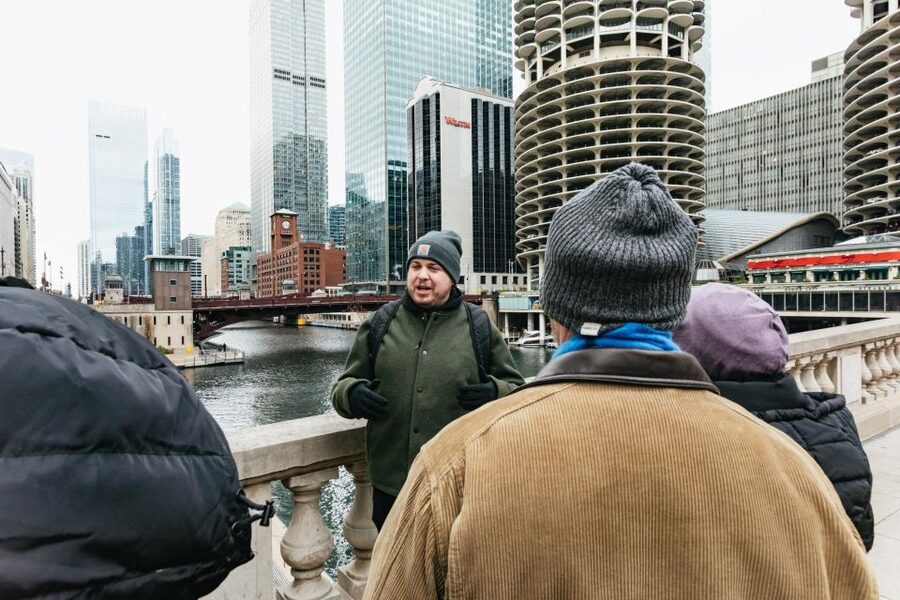
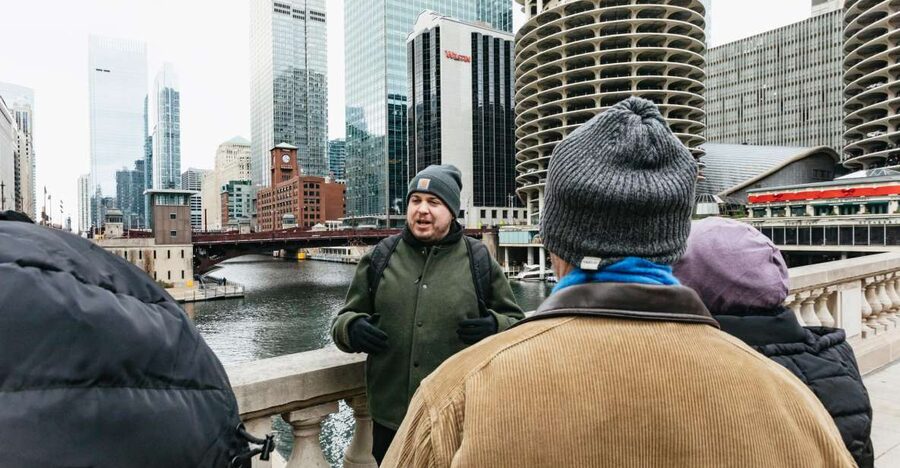
Meet your guide outside Hoyt’s Tavern, next to the Royal Sonesta hotel. This is a practical starting point for a walking tour because you are already near the South Loop and the central city sights that shape the route.
Your guide introduces the area as it was during the 1920s and 1930s, when this part of Chicago was tied to vice, bootlegging, speakeasies, and secret routes beneath the streets. Today, the district feels far more polished, which makes the contrast part of the fun. You are walking through an upmarket part of town while hearing about deals, drinking spots, and criminal business from a very different Chicago.
The guide matters here. This tour is built around spoken stories, not museum displays or historic interiors filled with signs. Max is repeatedly praised for being clear, cheerful, and attentive, while Baylor is noted for keeping a comfortable pace and handling groups well. Tanner is often described as funny and personable, and Sophia is praised for bringing energy to the stories.
That variety is worth noting. The company uses several guides, so your experience will depend partly on who leads your group. The good news is that the strongest feedback consistently focuses on storytelling, humor, clear speech, and the ability to answer questions.
More Ghost Walking Tours in the USA
- Chicago: Gangsters and Ghosts Walking Tour
★ 5.0 · 7,155 reviews - New Orleans Premier Ghost, Voodoo and Vampire Walking Tour
★ 4.5 · 12,856 reviews - Savannah History and Haunts Candlelit Ghost Walking Tour
★ 5.0 · 3,235 reviews
Chicago’s gangster past, without the movie polish
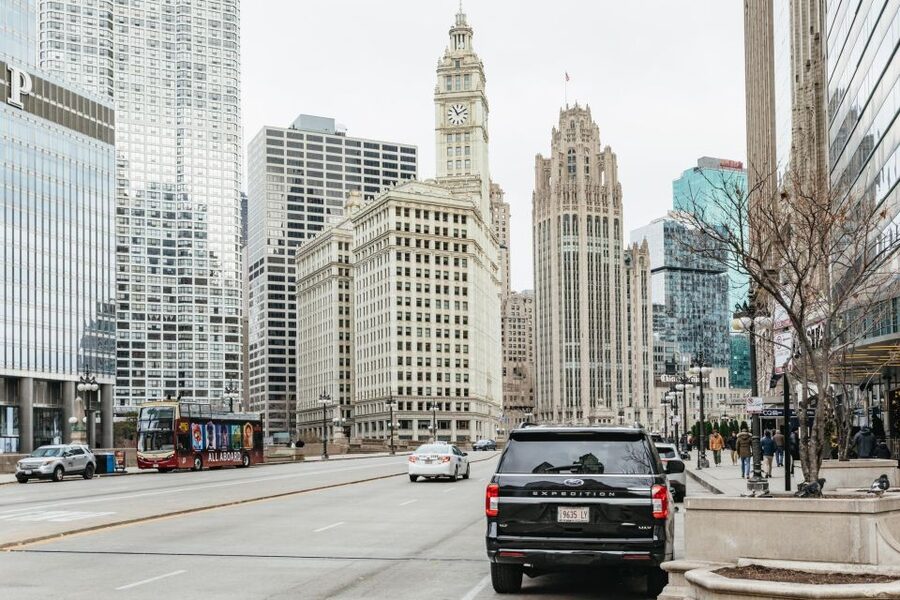
The gangster portion gives you a useful frame for understanding Chicago during Prohibition. You hear about the people and places connected with Al Capone, including where gangsters partied, made deals, and handled business.
The appeal is not simply hearing Capone’s name repeated. A good guide helps you picture how an illegal empire depended on ordinary-looking buildings, social clubs, hotels, restaurants, and back-room arrangements. The city’s grand architecture becomes a backdrop for stories about power, money, violence, and public respectability.
This is also where the tour’s tone matters. It is family-friendly, but the subject is still murder, organized crime, and Chicago’s violent past. The guide presents the stories in an entertaining way, often with humor, yet the material is not designed for very young children. Children aged six and under can join free, but the tour is not recommended for people bringing infants.
The experience is best for older children, teenagers, and adults who enjoy true crime with historical context. If you want a serious academic account of Prohibition, this may feel light. If you want a lively introduction that connects famous names to actual places, it works much better.
Death Alley and the Chicago Riverwalk
The route continues toward the Chicago Riverwalk and Death Alley, two locations where the tour shifts from documented crime to eerie local stories.
Death Alley gives the guide a natural setting for tales about violence and the city’s darker side. The name itself creates a strong mood, but keep your expectations sensible. This is a storytelling stop, not a theatrical haunted house, and you are not promised proof of supernatural activity. The guide explains the legends and the incidents associated with the place, then lets you decide what you believe.
The Riverwalk adds a different kind of atmosphere. During the day, it is a scenic public walkway beside the water. On this tour, you hear about ghosts said to linger there, and the familiar route takes on a more unsettling feel. I like this contrast because it shows how a city can carry several stories at once. A handsome public space can also be connected with tragedy, rumor, and memory.
The walk itself is about 1.5 miles in total. That is not a major physical challenge for most people, but you should wear comfortable shoes and bring water. You may be standing while the guide speaks, waiting for the group to gather, so comfortable clothing helps.
The Chicago Theatre and Palmer House
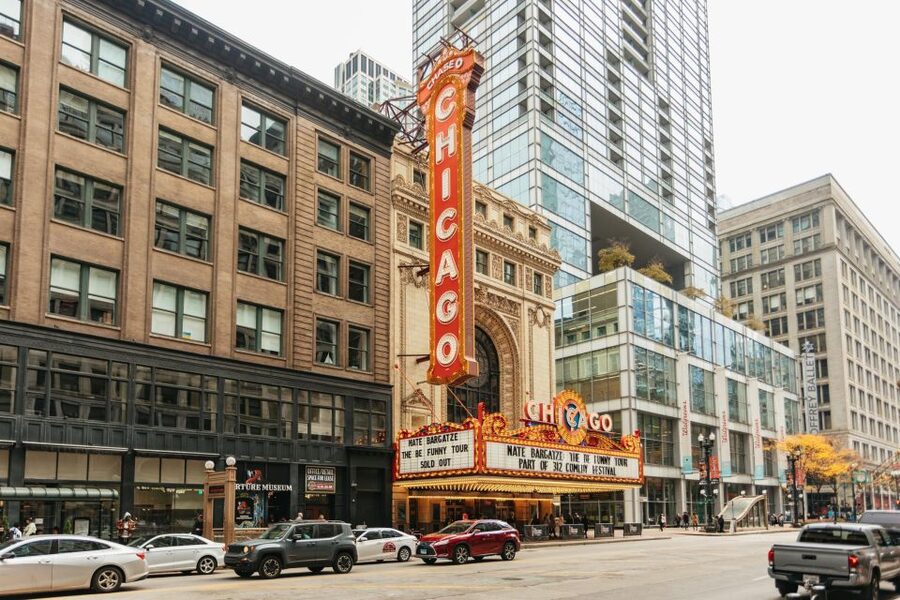
The Chicago Theatre is one of the route’s most recognizable stops. The building gives the tour a strong visual anchor, and the guide uses it to continue the shift between public glamour and unsettling stories.
You are not simply moving from one address to another. The tour uses buildings that helped shape Chicago’s public image, then adds tales of crime, secrets, and ghostly encounters. That is why the route works for people who want architecture and city history but do not want a standard architecture lecture.
Palmer House is one of the more useful stops because the tour includes a visit inside. You hear about the building’s history and the supernatural stories connected with it, rather than taking a quick exterior photo and moving on.
There is also a break of about 20 minutes at a famous former gangster hangout. This pause gives you time to rest, use a bathroom, and reset before the final section. One particularly practical detail is the chance to sample the Palmer brownie, an original recipe associated with Palmer House. You should not book the tour solely for food, but this small stop adds a pleasant physical break to a story-heavy walk.
The pause also helps the tour suit a wider age range. A continuous two-hour walk can feel tiring, especially in winter or with a mixed-age group. Several people have appreciated the comfortable pace, and guides are often careful to make sure everyone has caught up before beginning the next story.
More Ghost Walking Tours in Chicago:
- London: The Original Jack the Ripper Walking Tour
★ 4.7 · 7,833 reviews - Prague: Ghost Walking Tour Where Legends Come To Life
★ 4.4 · 5,253 reviews - London Jack The Ripper Guided Walking Tour
★ 5.0 · 3,131 reviews - Ghosts of Charleston Night-Time Walking Tour with Unitarian Church Graveyard
★ 4.5 · 2,835 reviews
Cloud Gate and the Art Institute of Chicago
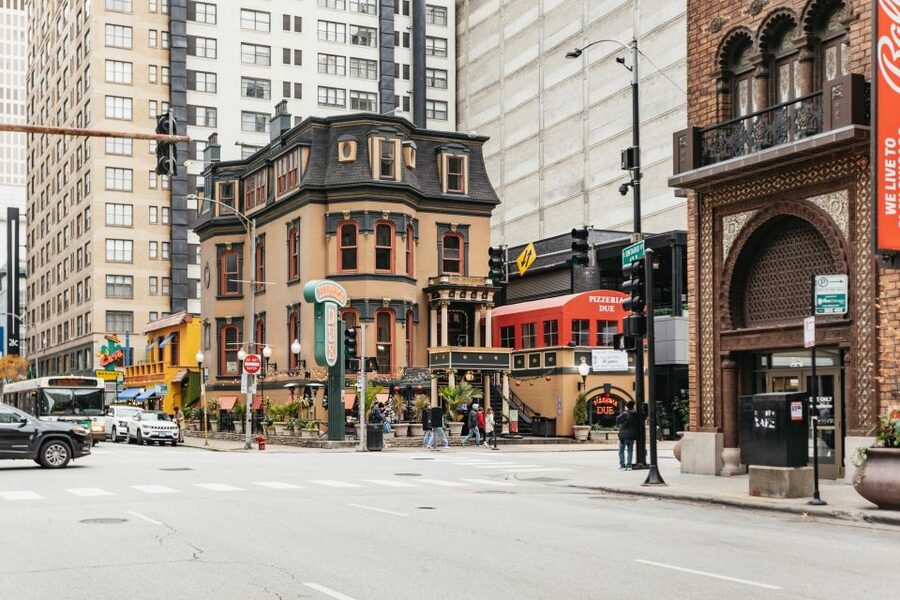
Cloud Gate and the Art Institute of Chicago appear as part of the wider downtown route. These stops help place the gangster and ghost stories within Chicago’s larger civic center.
Cloud Gate, the reflective sculpture commonly called the Bean, is a useful orientation point in the Loop. It is a familiar photo stop, but here it also shows how quickly the tour moves between modern Chicago and older stories about crime and superstition.
The Art Institute offers another recognizable landmark. You should not expect an interior museum visit or an art-focused tour. Instead, its presence adds context to the route and gives you a chance to recognize an important Chicago institution as you move through the city.
This is one of the tour’s strengths for first-time visitors. You see several major downtown places in a short period, while the guide gives you reasons to return later. One guide even offered suggestions for food and Saturday night activities, which can be useful if you are still planning the rest of your Chicago stay.
Inside the Congress Hotel and its haunted 12th floor
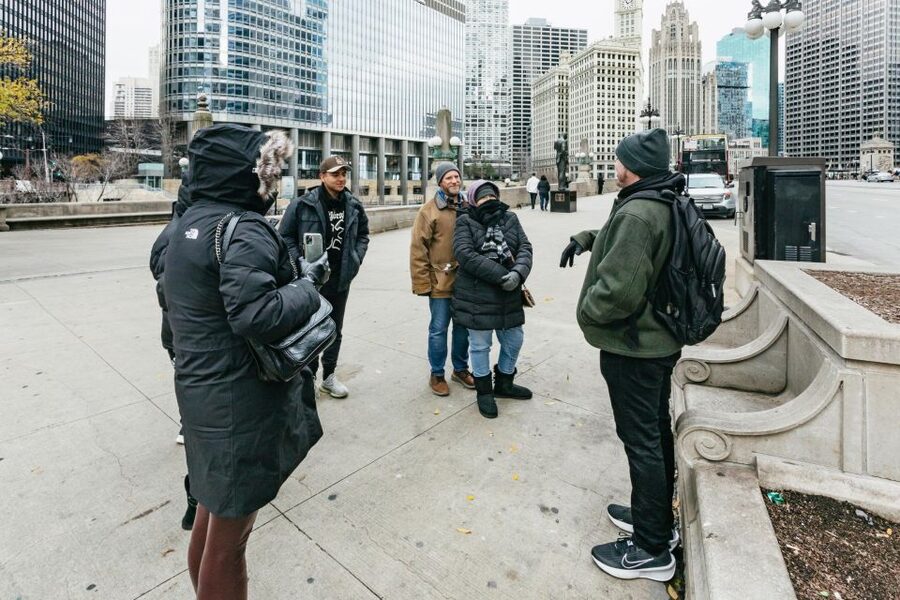
The tour finishes at the Congress Plaza Hotel and Convention Center, one of the most important stops on the route. You visit inside the hotel and hear about incidents associated with its 12th floor, which has a reputation as one of the creepiest parts of the building.
The Congress Hotel works well as the finale because it brings together the tour’s two themes. It has a connection to Chicago’s grand past, but the stories attached to it are uneasy and strange. By this point, you have heard about gangsters using hotels and social spaces for business, so the hotel setting feels like a fitting place to end.
The supernatural material is presented as stories and reported incidents, not as established fact. That distinction is important. If you enjoy ghost lore, the uncertainty is part of the appeal. If you want a purely evidence-based history tour, you may find some of this section too speculative.
The endpoint is also practical. You finish at the Congress Hotel rather than returning to the starting point, so plan your next stop from there. The central location makes it simple to continue sightseeing, but you should not assume the tour brings you back to Hoyt’s Tavern.
How the guides shape the experience
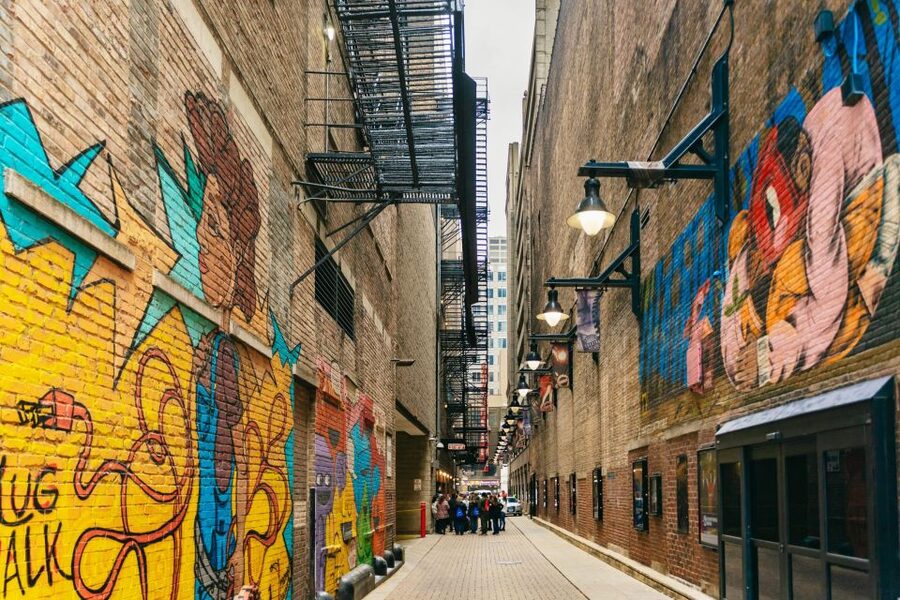
This is a guide-dependent tour. The route and subjects are fixed, but the delivery can change the mood from ordinary sightseeing to a memorable evening of stories.
Max is praised for speaking clearly, managing groups carefully, and keeping the pace comfortable. That is particularly useful if anyone in your group has hearing difficulty or finds fast speech hard to follow. Baylor is described as warm, engaging, and attentive to group timing. Tanner receives frequent praise for humor, storytelling, and making sure everyone feels included.
Other guides add their own style. Chris is noted for dramatic delivery, clear explanations, and a background in acting. Sophia is often described as friendly, lively, and well informed. Willis is praised for his theatrical flair, while Thalia is noted for handling questions and making the stories entertaining.
You cannot choose a particular guide unless the booking system allows it, so treat these names as examples of the style you may encounter rather than a guarantee. The consistent theme is that the guide makes the experience. A flat delivery would make the same walk feel ordinary, while a strong storyteller can make familiar streets feel new.
Price, pace, and what $36 gets you
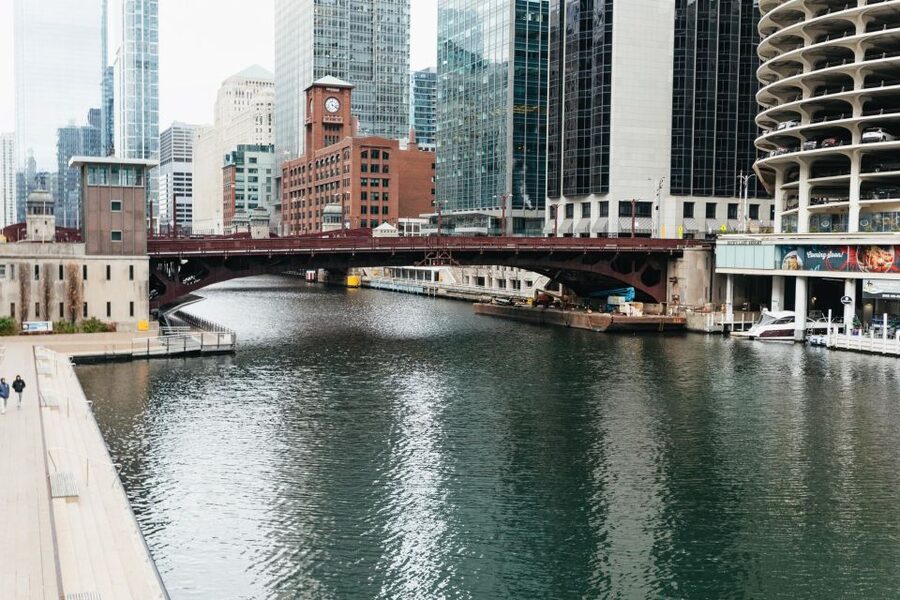
At $36 per person, this tour offers fair value if you want a guided introduction to downtown Chicago. You are paying for two hours with a live historian guide, roughly 1.5 miles of walking, entry into Palmer House and Congress Hotel, and a carefully selected route through major South Loop and Loop landmarks.
The value is strongest for first-time visitors who want several subjects combined. A standard city walk might cover architecture or famous sights. A crime tour might focus only on gangsters. A ghost tour might stay with supernatural stories. This one connects all three: city landmarks, organized crime, and ghost lore.
The price is less attractive if you dislike group storytelling or already know Chicago’s central districts well. You might prefer visiting the landmarks independently and spending the money on a museum, meal, or specialized architecture tour.
The tour is listed at two hours, though some experiences have taken closer to 1.5 hours. Build in a little flexibility rather than scheduling a tight reservation immediately afterward. A group’s pace, questions, weather, and time spent at the indoor stops can affect the finish.
Free cancellation up to 24 hours before the start reduces the risk of booking ahead, and the reserve-now, pay-later option helps if your schedule is still changing.
Weather, walking, and practical preparation
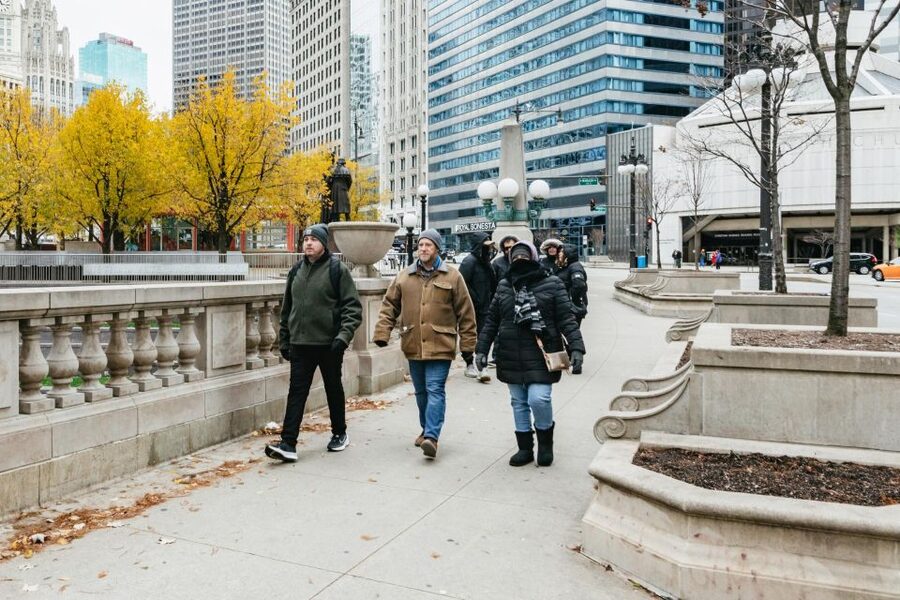
Chicago weather can shape this experience more than the subject matter. One February group still enjoyed the walk in cold conditions, but the cold was clearly a factor. You will spend most of the tour outdoors, so bring layers in winter and wear shoes that can handle city sidewalks.
Bring water, and avoid luggage or large bags. A small day bag is more practical than a suitcase, especially when the group stops on busy downtown streets.
The route is described as wheelchair accessible in the activity information, but the same information also says the tour is not suitable for people with mobility impairments. Take that contradiction seriously and confirm your needs before booking. The walking distance, standing time, street surfaces, and group pace may make the tour difficult even if some locations can accommodate a wheelchair.
The tour is in English. Private groups are available, which may suit families, friends, or colleagues who want a more personal pace and a guide focused on their questions.
Who should book this Chicago walking tour?
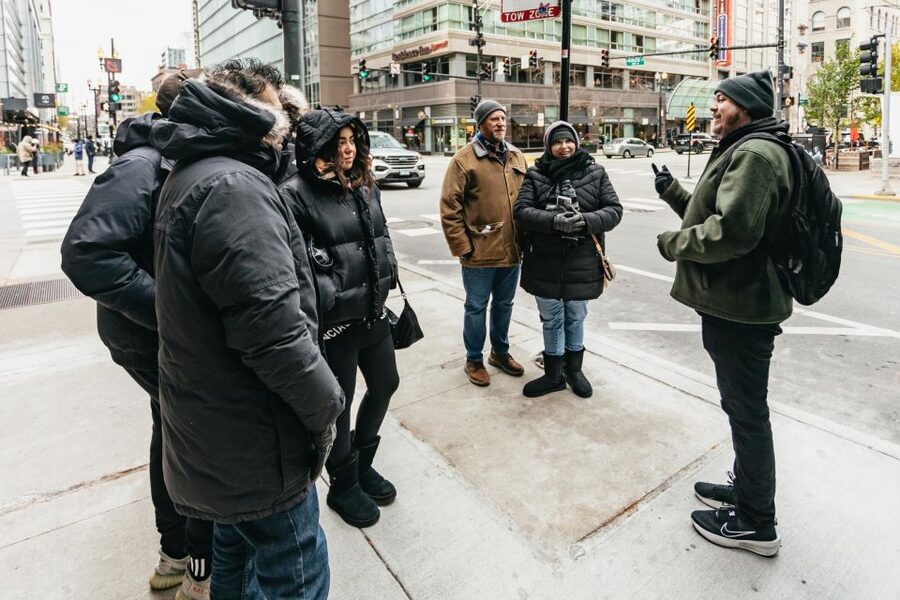
I would recommend it to you if you enjoy true crime, old hotels, ghost stories, and city walks that mix fact with local legend. It is especially useful early in a Chicago visit because it introduces central landmarks and may give you ideas for places to return to later.
It also suits people who want history without a formal lecture. The stories are delivered with humor and theatrical energy, and the walking distance is reasonable. Older children can take part, though parents should decide if the darker subject matter fits their family.
I would skip it if you need a fully accessible route, dislike hearing about murder and criminal violence, or want extensive interior access at every landmark. You should also choose another activity if your main goal is art, architecture, or a detailed account of Chicago’s political and social history.
Should you book it?
Book this tour if you want a lively two-hour introduction to Chicago’s darker side, with real places, strong storytelling, and enough variety to keep the walk moving. The combination of Death Alley, the Riverwalk, Palmer House, the Chicago Theatre, Cloud Gate, the Art Institute, and Congress Hotel gives you a lot for $36.
The best reason to book is the guide-led storytelling. Ask questions, stay near the guide, and arrive ready to walk. If you can handle the weather and the 1.5-mile route, this is a good-value choice for true crime fans, ghost-story enthusiasts, and first-time visitors who want the city to feel a little stranger by the end.
FAQ
How long is the Chicago Gangsters and Ghosts tour?
The tour is scheduled for two hours. The walking distance is about 1.5 miles, though the exact duration can vary with the group and the pace.
How much does the tour cost?
The listed price is $36 per person.
Where does the tour meet?
Meet your guide outside Hoyt’s Tavern, next to the Royal Sonesta hotel.
Where does the tour finish?
The tour finishes at the Congress Plaza Hotel and Convention Center.
Is the tour conducted in English?
Yes. The live tour guide conducts the experience in English.
Does the tour include indoor visits?
Yes. The tour includes visits inside Palmer House and the Congress Hotel.
Is there a break during the walk?
Yes. The tour includes a roughly 20-minute break at a famous former gangster hangout. You may have time for a bathroom break or to sample the Palmer brownie.
Can children join the tour?
Yes. Children aged six and under can join for free. The tour is family-friendly, but it is not recommended for people with infants.
Is the tour wheelchair accessible?
The activity information describes it as wheelchair accessible but also says it is not suitable for people with mobility impairments. Confirm the route and your specific access needs before booking.
New walking tours around Chicago
- Chicago: Treasures of the Golden Age Walking Tour★ 4.8 · 206 reviews
- Chicago: Secret Interiors Architecture Walking Tour★ 4.9 · 498 reviews
- Chicago: The Ultimate Foodie Walking Tour with Tasty Stops★ 4.6 · 92 reviews
- Chicago: Underground Pedway & Downtown Secrets Walking Tour★ 4.7 · 268 reviews
- Chicago: Gangsters and Food Tasting Walking Tour★ 4.6 · 228 reviews
- Chicago: Prohibition Speakeasies Bus Tour or Walking Tour★ 4.8 · 168 reviews
- Chicago: Must See Chicago 90 minute Walking Tour★ 4.7 · 73 reviews
- Chicago: Taste of Chinatown Food and Cultural Walking Tour★ 4.9 · 97 reviews
Chicago Walking Tours, side by side.

Chicago Favorites Ultimate Food and Walking Tour
Read our review →
Chicago Loop District Food Tour with Deep Dish & Beef Sandwich
Read our review →
Chicago: Secret Interiors Architecture Walking Tour
Read our review →
Chicago: Underground Pedway & Downtown Secrets Walking Tour
Read our review →
Chicago: Gangsters and Food Tasting Walking Tour
Read our review →
Chicago: Prohibition Speakeasies Bus Tour or Walking Tour
Read our review →Lists this walk sits on