
Review · THE UK
Derry: McCrossan’s Public Walking Tour of the Historic City
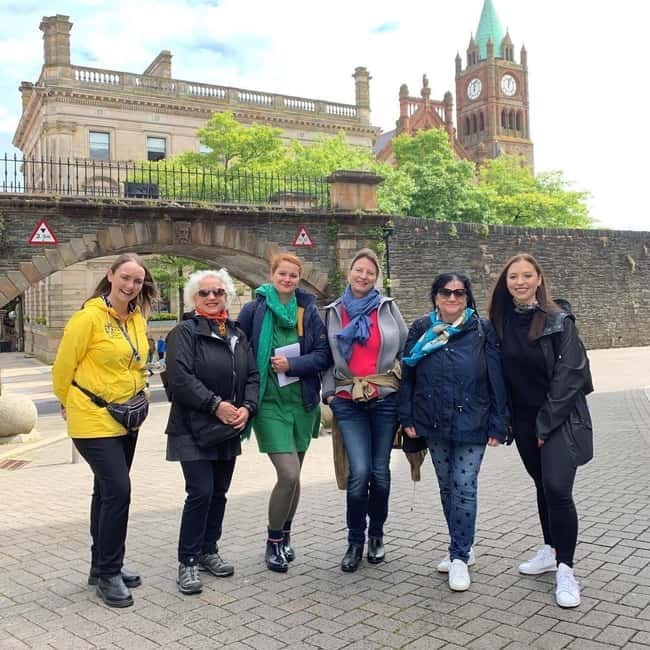
Derry’s 400-year-old walls are the best place to begin understanding the city. From this high path, you can look toward the Bogside, see the city’s murals, and connect medieval, plantation, wartime, and modern political history in one compact walk. The route gives you a useful map of Derry before you explore on your own.
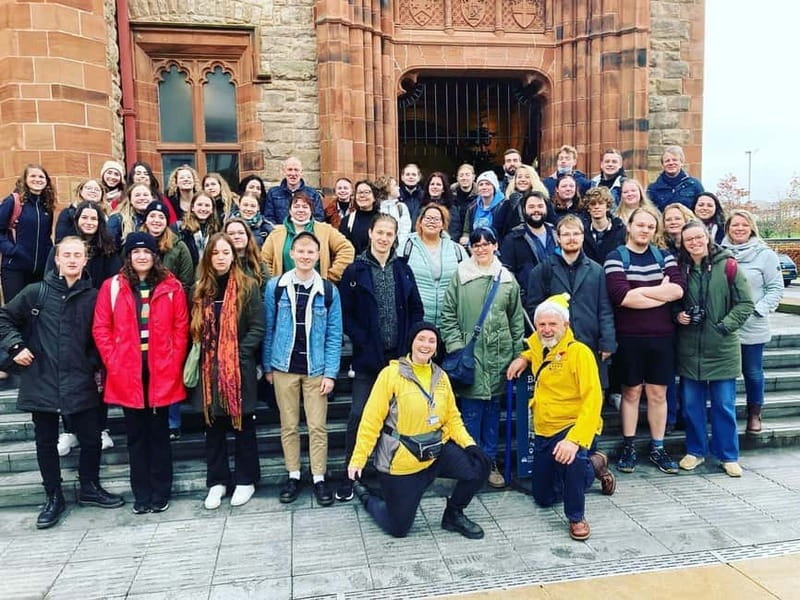
I like the mix of major events and local detail, from the Siege of Derry to the stories behind the marching traditions and murals. I also like the guides’ human approach: Philip, Mickey, John, Pat, Tony, and others are praised for clear storytelling, humor, and personal memories. The main drawback is that some guides speak quickly, and strong accents or street noise can make parts hard to catch.
Key points at a glance
- Walk the full historic wall circuit in about an hour: You get broad views of Derry without committing to a half-day tour.
- See the Bogside from above: The route gives you context for the murals and Bloody Sunday before you visit the area on foot.
- Cover centuries of history: Expect the Plantation, emigration, the Siege, World War II, the Apprentice Boys, and modern politics.
- Meet several possible guides: Philip, Mickey, John, Pat, Declan, Tony, and others lead the tours, with a strong focus on storytelling.
- Finish at The Diamond: The central ending point leaves you well placed to continue exploring the Walled City.
- Bring good shoes and a rain layer: Derry’s weather can change quickly, and you’ll spend the hour outdoors.
Why the city walls are the right starting point
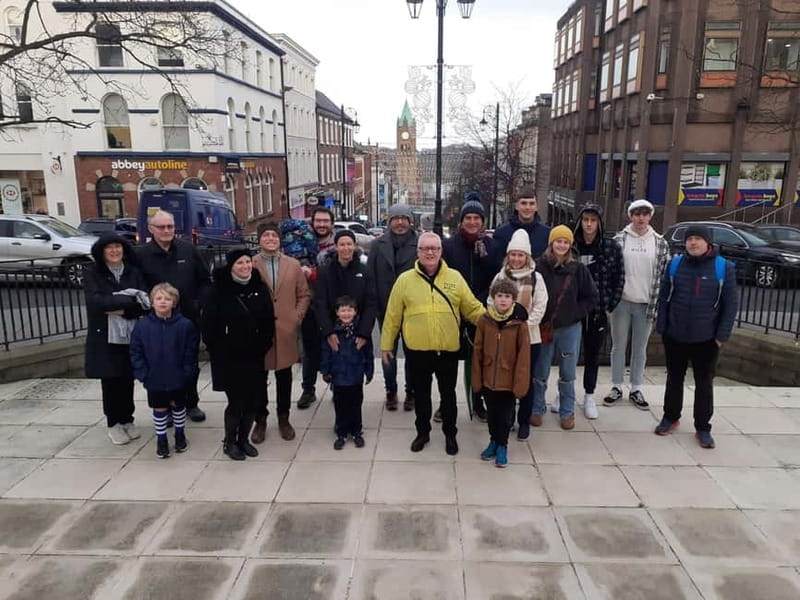
Derry can be difficult to read at street level. Its history is layered, its names carry political meaning, and important places are spread across the Walled City, the Bogside, and the Fountain area. The walls solve that problem. They give you a physical route and a clear view across the city while your guide explains how the parts fit together.
The walls date back roughly 400 years and remain the central feature of the tour. Walking on them is more than a scenic loop. From the ramparts, you can look over the Bogside and begin to understand the geography behind the city’s modern history. You also see the contrast between the fortified center and the neighborhoods outside it.
The advertised duration is one hour, while the detailed route describes a walk of about 70 minutes. Either way, this is a short introduction rather than an all-day history lesson. That makes it especially useful when you have limited time in Derry or want a clear orientation before visiting museums and murals.
More History Walking Tours in the UK
- A History of Terror – Belfast City Centre Walking Tour
★ 5.0 · 2,883 reviews - Edinburgh: Old Town History and Tales Walking Tour
★ 4.8 · 2,361 reviews - Old Town Walking Tour History and Tales in Edinburgh
★ 5.0 · 2,168 reviews
Starting outside Foyleside shopping centre
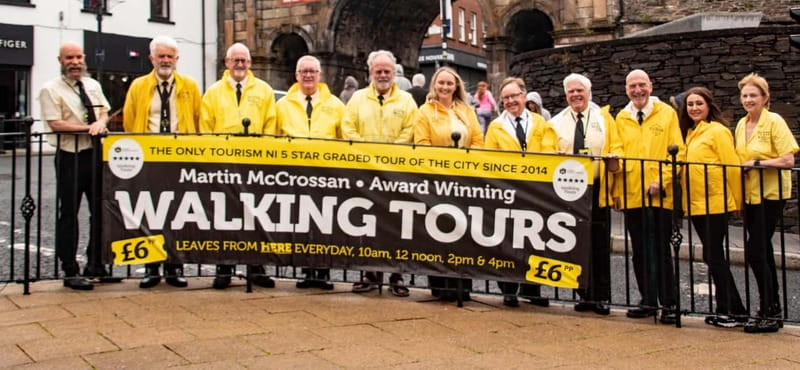
Meet outside Level 4 of Foyleside shopping centre, where the McCrossan banner is attached to the railings. The important word is outside. Several people have found the written address confusing, with navigation sending them around the corner or instructions seeming to suggest an indoor meeting point.
I would arrive 10 minutes early and look for the banner rather than relying only on the street number. The starting point is given as 11 Carlisle Road, but the banner by the railings is the practical landmark. This small check can save you a rushed start, especially if you do not know Derry yet.
The route finishes at The Diamond, in the center of Londonderry’s Walled City. Since the tour does not return to the starting point, you should be ready to continue from there. The ending is useful for sightseeing because The Diamond is a central urban space rather than an out-of-the-way drop-off.
St Columb’s Cathedral and the churches inside the walls
One of the first important sights is St Columb’s Cathedral, described as the oldest building inside the walled city. Its presence helps explain why Derry is not simply a collection of political landmarks. Religious history is part of the city’s foundation, and the cathedral gives that earlier story a physical anchor.
The tour also points out St Eugene’s Cathedral, St Columba’s Long Tower, St Augustine’s, and First Derry Presbyterian Church. You may not spend long inside each building, but seeing them together shows the range of religious traditions connected to Derry.
This is one of the tour’s strengths. Instead of treating the walls as a single monument, the guide uses the route to introduce the buildings, communities, and institutions around them. You get enough background to decide which places deserve a closer visit later.
From the Plantation to the Siege of Derry
The tour reaches back to the Plantation and the political forces that shaped the city. These subjects can be hard to follow if you encounter them only as dates in a museum. A guide walking through the actual city can connect the historic settlement pattern to the walls and to the communities that developed around them.
You’ll also hear about the Siege of Derry, one of the defining episodes in the city’s history. The walls make the subject easier to picture because you are standing on the defensive structure itself, rather than hearing about it in an unrelated room.
The guide’s job here is to keep the timeline moving without burying you in facts. The strongest tours appear to balance major events with short anecdotes and local explanation. That approach suits the one-hour format. You will not master every detail, but you should leave knowing why the walls matter and why the city’s past still shapes its present.
Same streets, a different story:
- Magical London: Harry Potter Guided Walking Tour
★ 4.7 · 22,044 reviews - Edinburgh: Harry Potter Magical Guided Walking Tour
★ 4.8 · 11,944 reviews - Edinburgh Castle: Guided Walking Tour with Entry Ticket
★ 4.7 · 11,699 reviews - Underground Vaults Walking Tour in Edinburgh Old Town
★ 4.5 · 8,506 reviews
Emigration and Derry’s wartime role
Emigration is another part of the story covered on the walk. This matters because Derry’s history is not only about events that happened inside the walls. It also includes the people who left, the reasons they went, and the wider connections created by movement from Ireland.
The tour also explains Derry’s role during World War II. This is a useful addition because it broadens the story beyond the events most closely associated with the Troubles. You get a reminder that the city has played several different roles over time, from fortified settlement to port and wartime location.
These sections are brief, but they give the tour a better range. You are not hearing one repeated political narrative. You are getting a timeline that includes local, Irish, British, European, and overseas connections.
The Apprentice Boys and Derry’s marching traditions
The Apprentice Boys and marching traditions receive specific attention. This can be sensitive subject matter, so the guide’s tone matters. The best approach is neither to gloss over the tradition nor to reduce it to a slogan. The tour aims to explain what the traditions mean, how they relate to the city’s history, and why they remain politically important.
Several guides are praised for combining direct explanations with appropriate humor. That balance can make difficult material easier to absorb, but you should still expect serious topics. This is not a light sightseeing walk with history added as decoration.
If you are new to Northern Irish politics, this part of the tour is especially useful. You can ask questions while the guide is explaining the background, rather than trying to work out the meaning of a march, symbol, or place name later.
Looking over the Bogside and understanding Bloody Sunday
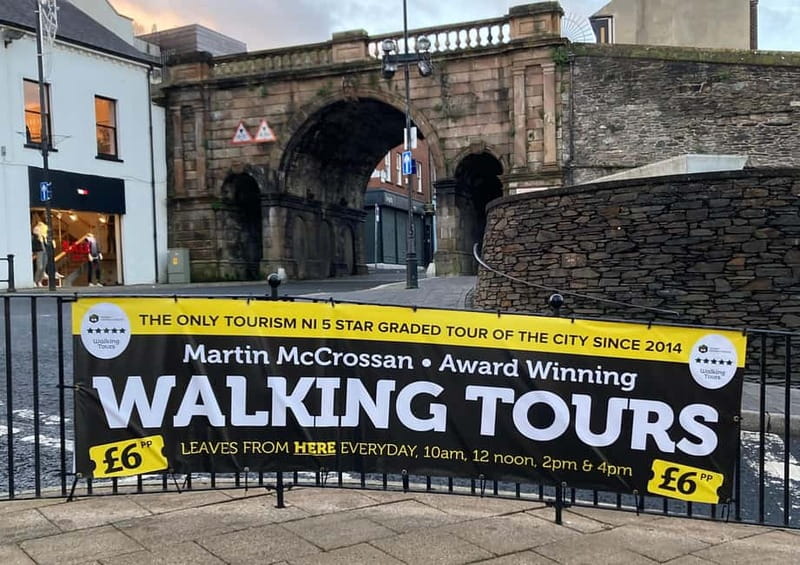
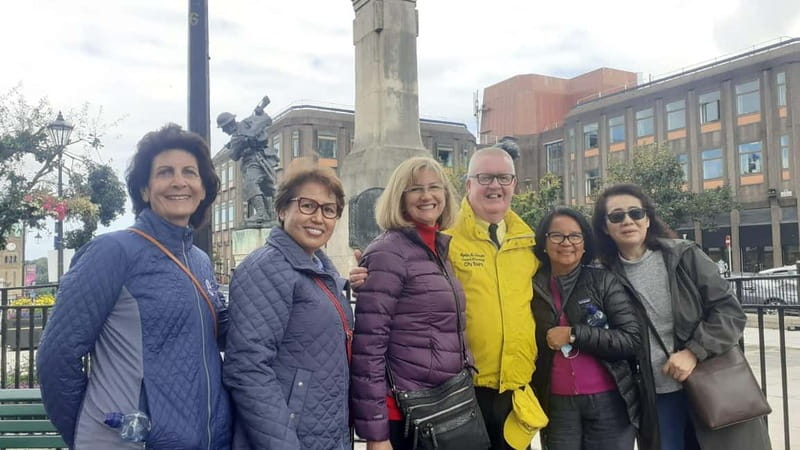
From the walls, you look toward the Bogside and see murals in the Bogside and Fountain areas. The tour does not take you down into the Bogside, so do not treat this as a full mural walk. Instead, it gives you a visual introduction and the background needed to explore the area independently.
The guide discusses Bloody Sunday and the modern political history of Derry. This is emotionally serious material, and the quality of the explanation depends on clarity and care. The strongest guide style described here is impartial but not evasive, respectful of political sensitivities while still addressing what happened directly.
A personal touch can make this section more immediate. Guides such as Pat have shared memories from childhood, while others add local stories and comments about the city’s future. That does not replace a museum or a detailed historical account, but it gives the hour a human voice.
After the tour, you can use the orientation to visit the Free Derry Museum or walk closer to the murals. One guide specifically recommended both the museum and the Peace Bridge, making the tour a useful first step rather than a complete substitute for further sightseeing.
Guide style: local stories, humor, and plenty of information

The guides are one of the main reasons this tour works. Names appearing regularly in the guiding team include Mickey, Philip, John, Pat Cooley, Declan, Tony, Sarah, and Ruaidhri. You should not expect the same person on every departure, but the shared style is clear: local explanation, plenty of facts, and a conversational tone.
Mickey is noted for Derry history, personal warmth, and even a few Derry Girls references. Philip is praised for combining an impartial account with humor and heartfelt understanding. John is described as having a strong voice and an easy sense of humor. Pat Cooley is remembered for answering questions and adding personal memories.
That variety is part of the appeal. This is not an audio guide or a fixed recording. You get a live person who can respond to questions and adjust the explanation to the group. Tony even led one private-feeling tour when only one person attended, though you should not book expecting a private tour.
The tradeoff is sound. A few people have found the pace quick or an accent difficult to follow. There are no audio earpieces mentioned, and one person specifically felt they would help. Stand near the guide, stay alert at street crossings, and ask for repetition if you miss a point.
Price, pace, and practical value
The stated price is $11 per person. That is good value if you want an introduction to Derry’s walls and political history without paying for a longer private tour. You are also paying for the guide’s interpretation, not simply access to a public walkway.
Some local bookings have been reported as costing £8 online and £6 when paying on the day. Prices can change, so check the current rate before you go and compare the booking convenience with the possible walk-up saving. Booking ahead gives you a reserved place and allows cancellation up to 24 hours before the start for a full refund. You can also reserve now and pay later.
At one hour, the tour is easy to fit into a day. It is short enough for a morning arrival, a stop between other activities, or a first look before visiting the Free Derry Museum. The pace is brisk because the guide covers several centuries in a small amount of time. If you want long stops inside churches or detailed discussion of every mural, you will need more time afterward.
The tour is listed as wheelchair accessible. Comfortable shoes remain sensible because the experience is outdoors on a historic wall route. Wear clothing suited to the forecast, and bring a waterproof layer if the sky looks uncertain.
Who will get the most from this walk
I would choose this tour for a first visit to Derry, especially if you have only a day or two. It gives you the broad framework you need before you spend time at the cathedral, murals, museum, Peace Bridge, or other city sights.
It also suits anyone interested in modern Irish and Northern Irish history but unsure where to begin. The guide covers the Plantation, the Siege, emigration, World War II, marching traditions, the Bogside, and Bloody Sunday without requiring you to arrive with specialist knowledge.
Families and mixed-age groups may appreciate the humor and short format. The material is serious, but the guides appear to use stories and light moments to keep the hour moving. If you have hearing difficulties, position yourself close to the guide and confirm that you can hear before the walk gets underway.
You may want a different experience if you prefer a slow, highly detailed tour, a dedicated mural walk, or a tour conducted through headphones. This route looks over the Bogside rather than walking through it, and its broad coverage means some topics receive only a short explanation.
Should you book McCrossan’s Derry walking tour?
Yes, if you want a compact and affordable introduction to Derry that connects the city walls with its difficult modern history. The best reason to book is the combination of strong local guides, a practical route, and a rare chance to hear about the Siege, Bloody Sunday, World War II, emigration, and marching traditions in one hour.
Book it near the start of your visit so the views and explanations can guide the rest of your day. Arrive early at the outside banner, wear comfortable shoes, and stay close enough to hear clearly. If you want the deepest account of the Bogside and its murals, add the Free Derry Museum or a separate walk afterward.
FAQ
How long does the McCrossan’s walking tour last?
The advertised duration is one hour. The detailed route describes the guided walk as lasting about 70 minutes.
What is the price of the tour?
The listed price is $11 per person. Some bookings have been reported at £8 online and £6 when paying on the day, so check the current price before booking.
Where does the tour meet?
Meet outside Level 4 of Foyleside shopping centre at the banner on the railings. The address is given as 11 Carlisle Road, but the meeting point is outside.
Where does the tour finish?
The walk finishes at The Diamond, Londonderry BT48, in the Walled City.
What sights are included?
You walk on the historic city walls and see St Columb’s Cathedral, St Eugene’s Cathedral, St Columba’s Long Tower, St Augustine’s, and First Derry Presbyterian Church.
Does the tour visit the Bogside murals?
The tour provides views of murals in the Bogside and Fountain areas and explains their background. It does not take you down into the Bogside.
What historical subjects does the guide cover?
The tour covers emigration, the Plantation, the Siege of Derry, the Apprentice Boys, marching traditions, Derry’s role in World War II, Bloody Sunday, and modern political history.
Is the tour wheelchair accessible?
Yes, the activity is listed as wheelchair accessible.
What language is the tour conducted in?
The live tour is conducted in English.
Can I cancel the booking?
Yes. You can cancel up to 24 hours in advance for a full refund. You can also reserve your place and pay later.
New walking tours around the UK
- London: Old City Walking Tour★ 4.8 · 135 reviews
- Manchester: Music-Themed City Walking Tour★ 4.4 · 109 reviews
- Manchester: Media City & The Quays Guided Walking Tour★ 5.0 · 165 reviews
- Manchester City Highlights Walking Tour★ 4.8 · 299 reviews
- London: Witches and History Bankside Walking Tour★ 4.8 · 223 reviews
- London: Palaces and Parliament Walking Tour★ 4.8 · 365 reviews
- London: Winston Churchill and London in WWII Walking Tour★ 4.8 · 143 reviews
- London: Westminster Walking Tour & The Tower of London Entry★ 4.6 · 131 reviews
UK Walking Tours, side by side.

Magical London: Harry Potter Guided Walking Tour
Read our review →
Edinburgh Castle: Guided Walking Tour with Entry Ticket
Read our review →
Underground Vaults Walking Tour in Edinburgh Old Town
Read our review →
London: The Original Jack the Ripper Walking Tour
Read our review →
Oxford University Walking Tour With University Alumni Guide
Read our review →
Edinburgh Castle Guided Walking Tour in English
Read our review →
Tour for Muggles The Ultimate Harry Potter Walking Tour in London
Read our review →
Edinburgh Darkside Walking Tour: Mysteries, Murder and Legends
Read our review →Lists this walk sits on