
Review · BUENOS AIRES
Buenos Aires: La Boca Guided Walking Tour in English
La Boca makes its first impression in color: painted conventillos, tango performers, old port landmarks, and football murals packed into a few lively streets. This two-hour walk gives those sights a storyline, instead of leaving you with a handful of photographs and no idea what you are looking at.
I like the way the tour connects tango, immigrant life, and fileteado art, then finishes with the very different passion of Boca Juniors. I also like the price: at $13, an English-speaking guide can add real value to a short visit. The main thing to consider is that La Boca’s most famous streets are touristy, so this is more about understanding the neighborhood than finding an untouched corner of Buenos Aires.
Key points to know before you book
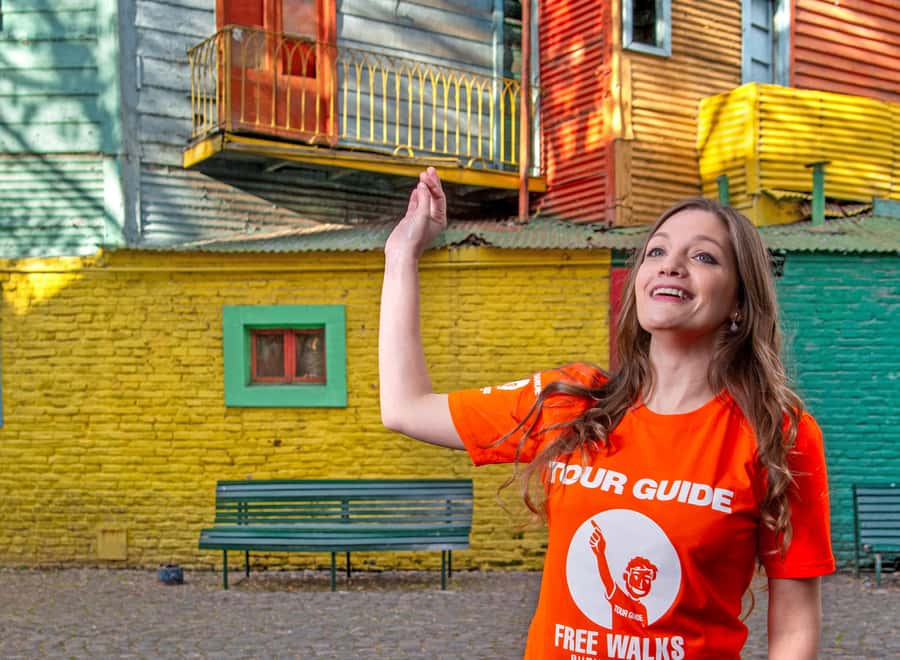
- The meeting point is easy to spot: Find the guide at Magallanes 808, on the corner of Caminito and Magallanes Street, near the entrance to the Cachafaz shop. Look for an orange shirt or umbrella.
- The walk is compact: You cover La Boca in two hours, and the route involves less walking than some visitors expect.
- The stories are the main attraction: Guides including Santiago, Victoria, Vito, Maria, Juan, and Maru are praised for clear English, humor, local context, and strong storytelling.
- The tour links culture and football: You finish outside La Bombonera, home of Boca Juniors, with the option to buy a separate stadium or museum ticket.
- Street tango is part of the setting: Performances may appear along the route, but they are not presented as a private show with a guaranteed schedule.
- Rain does not cancel the experience: The walk runs in wet weather, so bring suitable clothing and expect some outdoor time.
Why La Boca works best with a guide
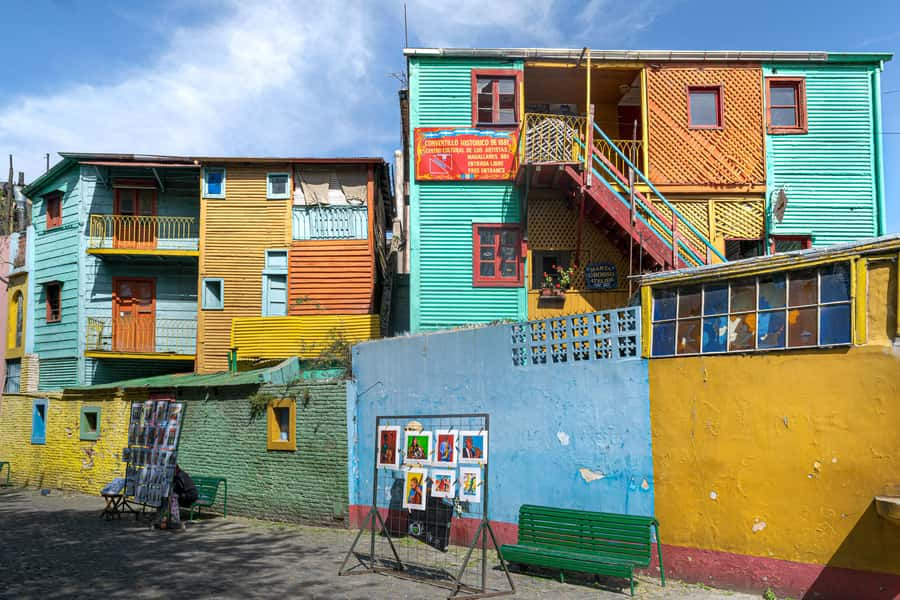
La Boca is one of those Buenos Aires neighborhoods that can look simple at first glance. You see bright walls, painted shutters, tango figures, souvenir shops, and cafés. A guide helps you sort out what is old, what is artistic, what is commercial, and what carries meaning for local identity.
The English-language tour focuses on the district’s past and present. You learn about the multicultural character of the area, the port connections that shaped it, and the working-class roots behind the famous conventillos. The colorful buildings are not just decoration. They point to the way people lived and to the image of La Boca that artists and local businesses later made famous.
I especially like this kind of short orientation early in a Buenos Aires visit. Afterward, you can return to the streets with a better eye. A painted sign, a small detail in a façade, or a tango image means more when you understand why it is there.
The guides also bring different personalities to the walk. Santiago is repeatedly praised for his humor, theatrical delivery, English, and ability to pack plenty of information into two hours. Victoria is noted for careful pacing and strong historical storytelling. Vito is lively and engaging, while Maria and Juan are praised for warmth and clear explanations. The exact guide depends on the departure, but the experience is built around a person rather than an audio recording.
More walks with a guide around the world:
- Magical London: Harry Potter Guided Walking Tour
★ 4.7 · 22,044 reviews - History and Hauntings of Salem Guided Walking Tour
★ 5.0 · 14,564 reviews - Amsterdam Anne Frank: Small-Group Walking Tour & Local Guide
★ 4.8 · 12,789 reviews
Starting at Caminito and Magallanes
Your guide meets you on the corner of Caminito and Magallanes Street, at Magallanes 808. The practical marker is an orange T-shirt or umbrella, and the meeting point is by the entrance of the Cachafaz shop.
Allow extra time to reach the start. Traffic in Buenos Aires can be heavy, and the guide waits only 10 minutes at the meeting point. After that, the group moves to the first stop, just one block away near the riverside. This is a small detail, but it matters if you are arriving by taxi or ride service.
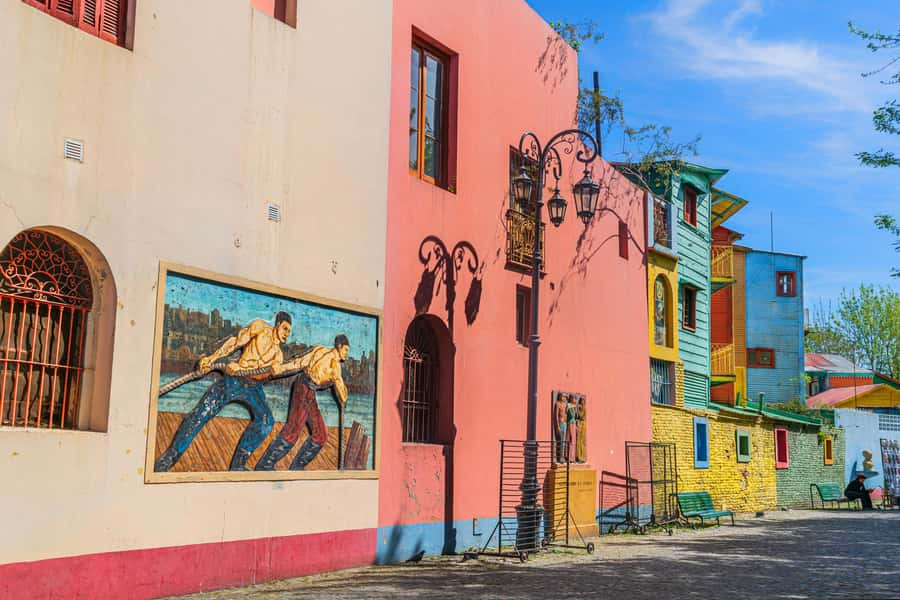
Caminito is the obvious place to begin because it gives you the postcard version of La Boca right away. The narrow pedestrian street is lined with colorful buildings, art, tango imagery, and places selling souvenirs. Your guide gives the scene some balance by explaining how the neighborhood developed, rather than treating it as a painted backdrop.
The area can feel crowded and highly arranged for sightseers. That is not a reason to skip it, but you should set your expectations correctly. The value comes from understanding the setting and then noticing details beyond the main photo spots.
Conventillos and the colors of La Boca
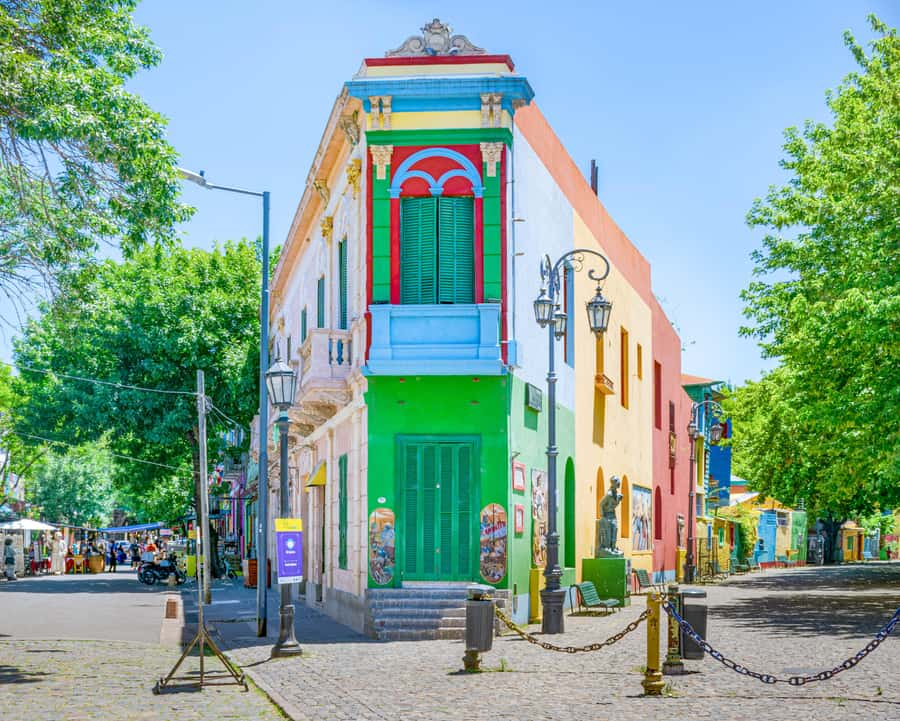
One of the tour’s central subjects is the conventillo. These communal homes are closely tied to La Boca’s immigrant past and to the district’s distinctive appearance.
Your guide explains the history behind the buildings and why color became such a strong part of the neighborhood’s identity. The result is more useful than simply hearing that La Boca is colorful. You begin to see the façades as clues to housing, migration, work, and community life.
The colorful streets also show how old neighborhood traditions have been reshaped for modern tourism. Some buildings and displays are highly polished, while others retain a rougher, more lived-in feel. A good guide helps you read both sides without pretending the district has not changed.
This is where the tour earns its low price. You could walk through Caminito alone and take the same photographs, but you would miss much of the explanation linking the buildings to Buenos Aires history. The walk is particularly useful if this is your first visit to the city or your first time in La Boca.
Fileteado art, tango, and street performance
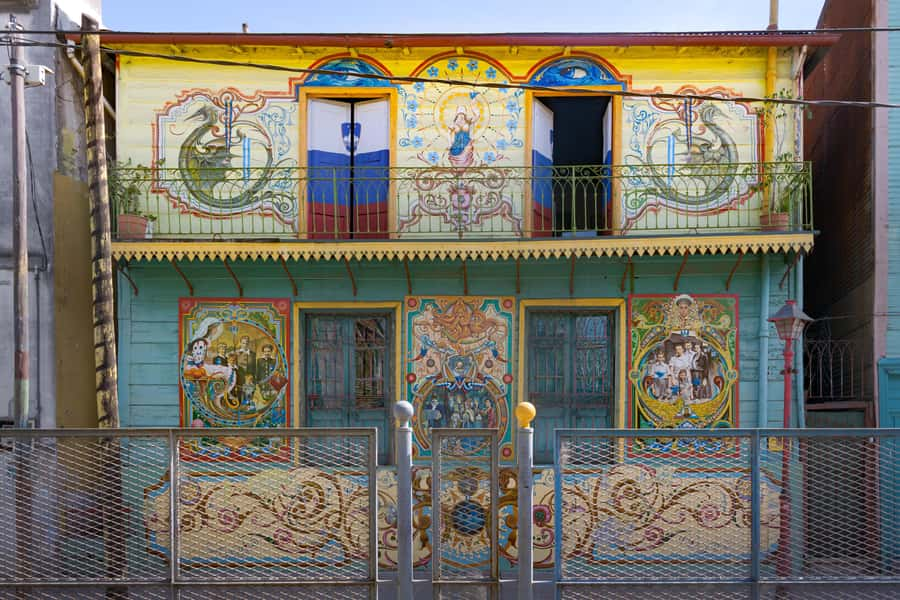
Fileteado is another important part of the walk. This decorative art style is associated with Buenos Aires and often uses sweeping lines, ornate lettering, strong colors, and elaborate images. You will see examples along the route, and the guide explains where the style came from and how it fits into the city’s visual culture.
This section adds depth to the colorful streets. Instead of seeing every painted sign as the same kind of decoration, you can look for the design choices and the local traditions behind them.
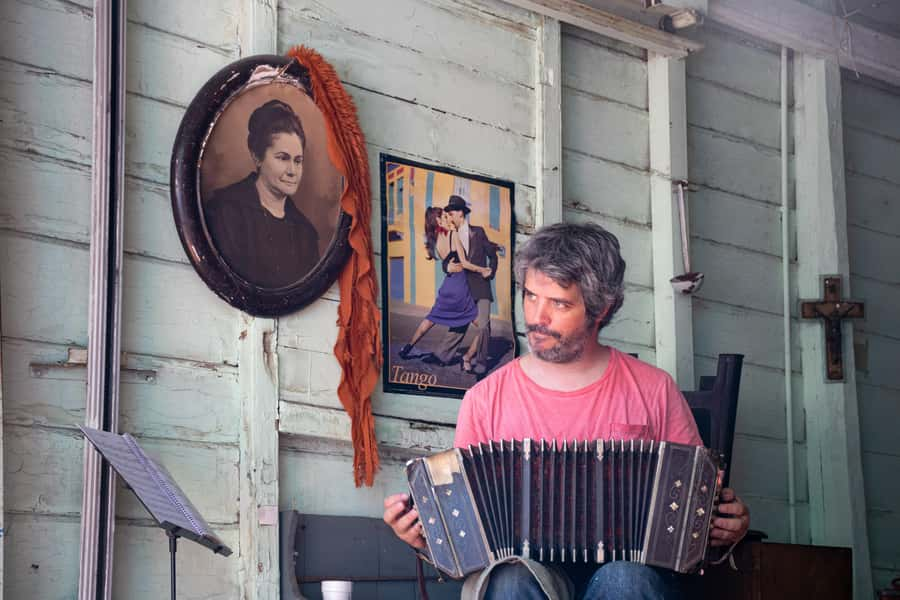
Tango enters the tour through both history and live street performance. You will likely encounter tango dancers performing in the area. These moments are enjoyable and photograph well, but keep in mind that the schedule and performers are part of the public street scene, not a reserved theater production.
The guide places tango in its social setting and explains its connection to La Boca and Buenos Aires. That context matters. Without it, a quick dance performance can feel like a tourist stop. With it, you get a clearer sense of how music, dance, port culture, and neighborhood identity overlap.
The tour does not include food or drinks, so you have the freedom to choose a café or snack afterward. I would avoid treating the street performance as the whole point of the visit. It is one colorful piece of a broader walk about art, history, and daily life.
More walking tours around the world:
- Reykjavik Food Walk – Local Foodie Adventure in Iceland
★ 5.0 · 18,952 reviews - New Orleans Premier Ghost, Voodoo and Vampire Walking Tour
★ 4.5 · 12,856 reviews - Edinburgh: Harry Potter Magical Guided Walking Tour
★ 4.8 · 11,944 reviews - Edinburgh Castle: Guided Walking Tour with Entry Ticket
★ 4.7 · 11,699 reviews
The Puente Transbordador and the riverside view

The route includes the Puente Transbordador, an old-style transport bridge near the riverside. It gives the walk a useful change of pace after the painted streets of Caminito.
Here, the neighborhood’s port setting becomes easier to picture. Your guide can connect the bridge and riverside area to La Boca’s working past and explain why this part of Buenos Aires developed as it did. The views are less about a grand city panorama and more about seeing the district in relation to the water and its industrial setting.
The bridge also helps break up the tour. You are not simply moving from one colorful wall to another. The route shifts between architecture, public art, the riverfront, and football, giving the two hours a clear rhythm.
Do not expect a long riverside excursion. The tour remains focused on La Boca, and the bridge is one stop within a compact neighborhood route. That is a benefit if you want an introduction without spending half a day on your feet.
Finishing at La Bombonera
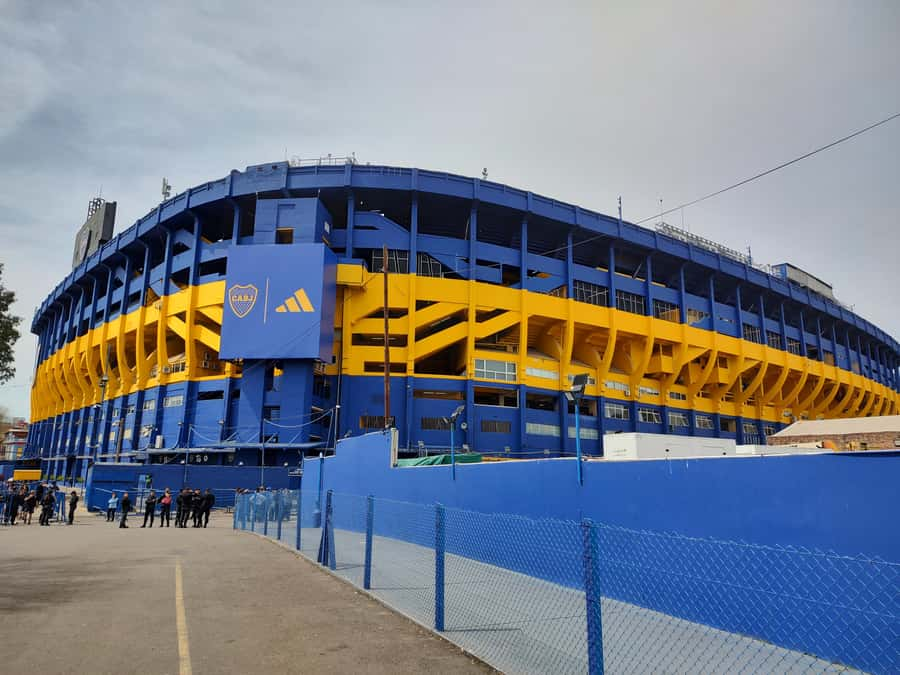
The walk ends outside La Bombonera, at Brandsen 801 to 831. This is the stadium of Boca Juniors, one of Argentina’s best-known football clubs and a major symbol of La Boca.
The football section is more than a quick photo stop. Your guide explains the club’s history and its place in Argentine culture. Even if you are not a serious football fan, this helps explain why the neighborhood’s identity is so closely tied to blue and yellow colors, stadium murals, and match-day passion.
If you follow football, you may want to plan extra time here. Admission to the stadium and Boca Juniors Museum is not included, so you need a separate ticket if you want to go inside. The guided walk finishes outside, giving you the choice to continue or move on.
That separate-ticket arrangement is fair for a $13 tour. You pay only for the walking experience and decide for yourself if the museum or stadium visit deserves additional time and money. If football is a main reason for visiting La Boca, check the stadium admission arrangements before booking the walking tour.
What the two-hour format feels like
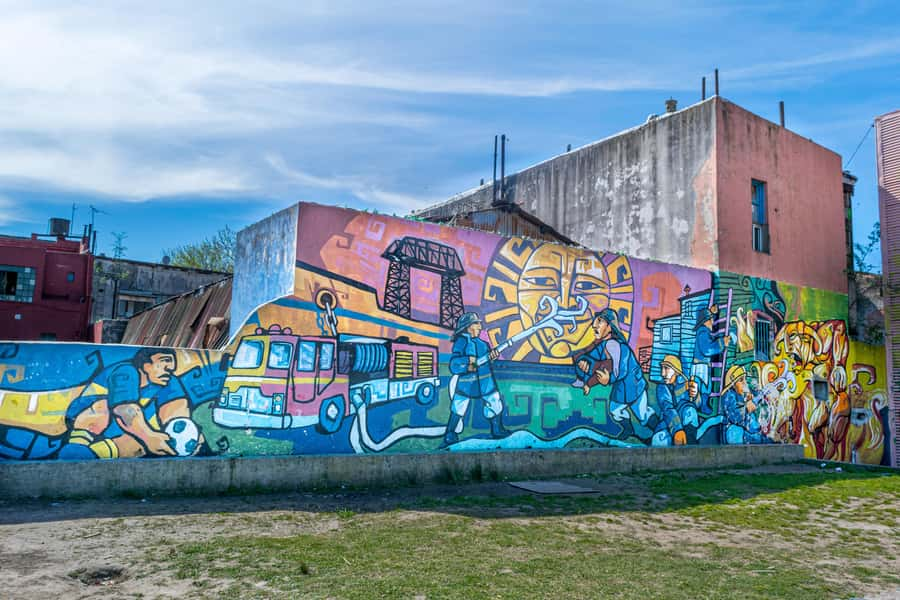
Two hours is enough for a focused introduction, not a full day in La Boca. The route is compact, and one visitor specifically noted that it did not involve a huge amount of walking. That makes it a good option if you want local context without committing to a long excursion.
The guide talks throughout the walk, with stops for explanations and observation. Some guides are especially energetic, using humor and theatrical presentation to keep the group involved. Others take a more measured approach, concentrating on historical detail and practical recommendations.
Heat can affect the experience. One guide was praised for keeping the group in the shade during hot hours, and guides also pay attention to keeping people together and safe. Still, most of the tour takes place outdoors, so light clothing, water, and sun protection are sensible choices.
Rain does not stop the tour. Bring a rain jacket or umbrella, and wear shoes that can handle wet pavement. Weather can also affect how comfortable you feel during the street performances and riverside stop.
The tour is wheelchair accessible, though the data does not give detailed information about every surface or entrance along the route. If you need specific access arrangements, confirm them before departure.
Is $13 good value?
Yes, especially if you are visiting La Boca for the first time. At $13 per person, the tour costs little compared with a private guide or a longer organized excursion. Its real value is the explanation: you get two hours of English-language history, art, tango, and football context in a neighborhood where it is easy to see the sights but miss the meaning.
The price does not include food, drinks, or admission to La Bombonera and the Boca Juniors Museum. That keeps the base cost low, but budget separately if you want to extend the visit at the stadium.
I would not choose this tour for a private, quiet experience. The walk may include a larger group, and the main streets can be busy. I would choose it for an efficient introduction, especially when you want to learn what you are seeing before exploring on your own.
The guides also tend to offer recommendations at the end. Santiago, in particular, is praised for sharing suggestions for further exploring and dining. That can help you decide how to spend the rest of your time in the neighborhood.
Who should book this La Boca walk?
This tour fits first-time visitors who want a clear introduction to one of Buenos Aires’ most distinctive districts. It also suits people who enjoy cultural context but do not want a long museum visit or a full-day outing.
It is a strong pick for:
- Visitors interested in tango beyond a staged evening show
- Football fans who want background before visiting La Bombonera
- Photographers who want to understand the conventillos and fileteado designs
- Families or older visitors who prefer a shorter walk
- English-speaking visitors looking for an affordable local guide
- Anyone who wants recommendations for continuing around La Boca afterward
You may prefer another activity if you want a private tour, a guaranteed tango performance, or stadium admission included in the price. This experience introduces those subjects, but it does not replace a dedicated football visit or evening tango show.
Should you book it?
Book this La Boca walking tour if you want the neighborhood to make sense, not just look colorful. The strongest part is the combination of place and explanation: conventillos, fileteado art, tango, the riverside bridge, and Boca Juniors all fit into one compact route.
The guides are the deciding factor. Names such as Santiago, Victoria, Vito, Maria, Juan, and Maru appear often in the guide team, with particular praise for humor, English, storytelling, local pride, and attention to the group. You cannot guarantee a specific guide unless the booking system says so, but the format clearly depends on strong personal presentation.
At $13, the risk is small. Give yourself extra time to reach the meeting point, remember that stadium admission costs extra, and prepare for outdoor weather. If you have two hours to spare in Buenos Aires, I would book it early in your La Boca visit, then stay afterward for the museum, stadium, food, or another look at the streets with your new context.
FAQ
How long does the La Boca walking tour last?
The tour lasts two hours.
Where does the tour meet?
The meeting point is on the corner of Caminito and Magallanes Street at Magallanes 808, near the entrance of the Cachafaz shop. Look for an orange T-shirt or umbrella.
Where does the tour finish?
The walk finishes outside La Bombonera, at Brandsen 801 to 831 in Buenos Aires.
Is the tour conducted in English?
Yes. The activity includes a live English-speaking guide.
Is admission to La Bombonera included?
No. The walking tour finishes outside the stadium. Admission to the Boca Juniors Stadium and Museum requires a separate ticket.
Will the tour run if it rains?
Yes. The tour still takes place in rainy weather.
Is the tour wheelchair accessible?
Yes, the activity is listed as wheelchair accessible.
New walking tours around the world
- Niagara Falls, Canada: White Water Walk Entry Ticket★ 4.5 · 147 reviews
- Zadar: Food Tasting & Old Town Walking Tour★ 5.0 · 94 reviews
- Niagara Falls: Walking Tour, Journey Behind Falls, & Cruise★ 4.8 · 773 reviews
- NYC: Walking Tour with Local Guide and 30+ Top NYC Sights★ 4.5 · 248 reviews
- New York City: Gangsters and Ghosts 2-Hour Walking Tour★ 4.7 · 615 reviews
- NYC: History of Slavery & Underground Railroad Walking Tour★ 4.7 · 87 reviews
- New York City’s Hell’s Kitchen: Walking Food Tour★ 4.8 · 200 reviews
- New York City: Central Park Walking Tour★ 4.7 · 82 reviews