
Review · THE USA
Gettysburg: 1863 Historic Downtown Walking Tour
Gettysburg’s battle did not stop at the edge of town. It rolled through the streets, filled homes and churches with wounded soldiers, and forced local families to face war at their front doors. This two-hour downtown walk puts those civilians at the center of the story, using the streets around Lincoln Square as a living history lesson.
I like two things here. First, you hear about residents who had to feed, shelter, nurse, and bury people caught in the battle. Second, the tour helps you read the old buildings and street plan before you tackle the much larger battlefield. The main drawback is that the experience stays outdoors, and some historic interiors are private, so you should not expect to go inside every old structure.
Key points to know before you book
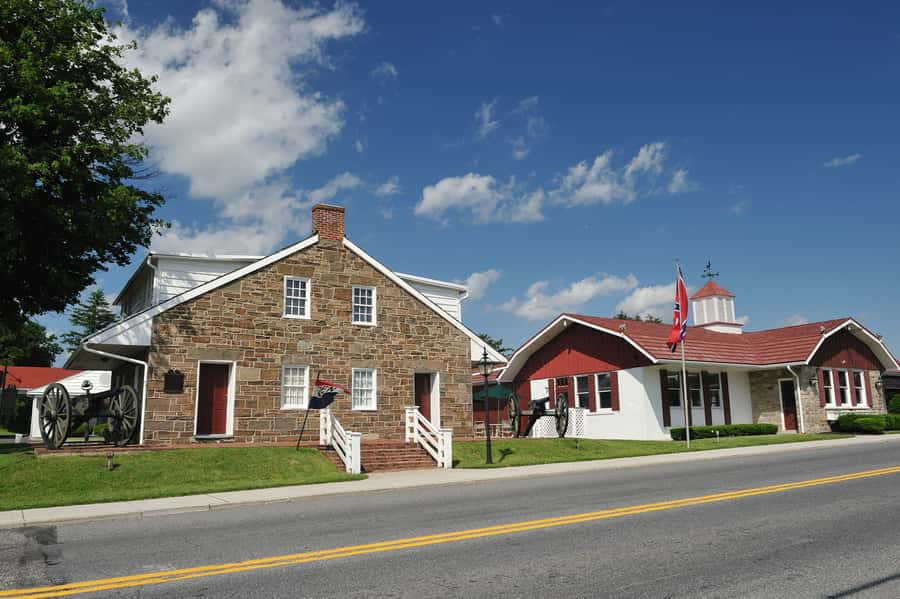
- The town is the subject: The walk focuses on Gettysburg’s civilians, families, businesses, and homes, not only on troop movements.
- Lincoln Square is the starting point: Meet by President Lincoln’s statue and the benches at 11 Lincoln Square.
- The route takes two hours: It is described as a leisurely walk through the center portion of downtown.
- Guides bring different strengths: Ken is often noted for detailed history and easy conversation, while Jeff has offered theatrical portrayals of Civil War veteran James Maclay.
- The price is reasonable for a small history tour: At $25 per person, you get two hours with a live local guide rather than a quick orientation.
- Plan for the weather: Wear comfortable shoes and clothing suited to the forecast. The tour is wheelchair accessible.
Why Gettysburg’s downtown story matters
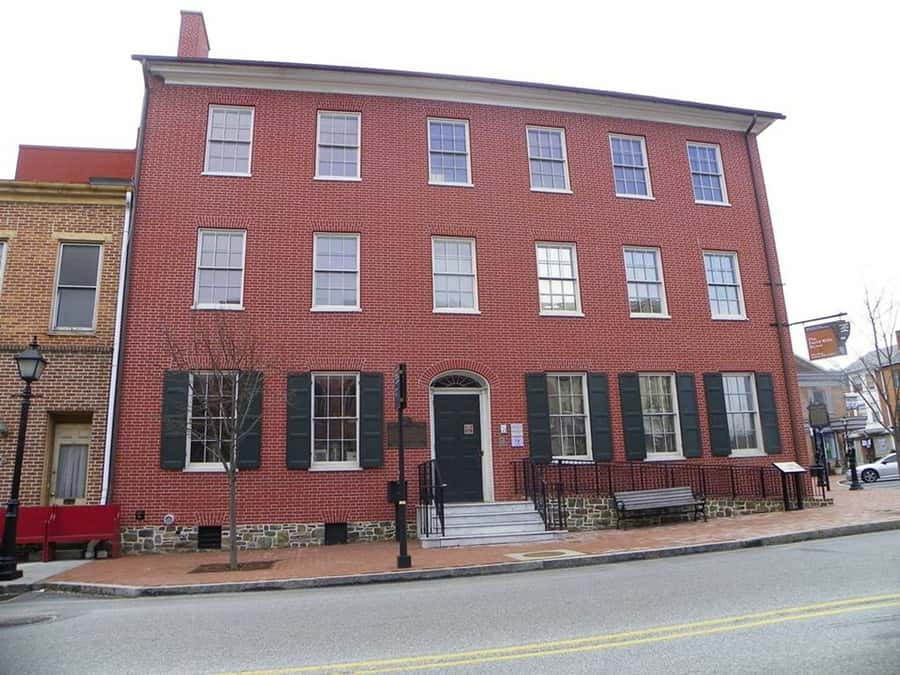
Most first-time visitors arrive focused on the three-day battle and the famous ground outside town. That is understandable. The battlefield has the scale, monuments, and military drama that usually define Gettysburg.
But the town itself changes your understanding of what happened. Soldiers marched through a settled community. Civilians saw men arrive in uniform, heard gunfire, watched streets fill with wounded, and tried to keep daily life going while the battle surrounded them. This tour asks you to picture Gettysburg as a real town, not a museum set.
That shift is the experience’s greatest strength. You are not simply standing beside a marker and hearing which regiment moved where. You are learning how the conflict affected people who had not chosen the town as a battlefield. The story includes the local adults and children who had to live through the crisis and deal with its effects after the fighting ended.
I find that useful even if you already know the military history. The tour gives familiar events a human scale. A battle map tells you where troops moved. A civilian account helps you understand what that movement meant for a family living on the street.
More History Walking Tours in the USA
- History and Hauntings of Salem Guided Walking Tour
★ 5.0 · 14,564 reviews - Boston: Freedom Trail History Small Group Walking Tour
★ 5.0 · 6,450 reviews - Historic Charleston Guided Sightseeing Walking Tour
★ 5.0 · 6,216 reviews
Starting at Lincoln Square
The meeting point is at 11 Lincoln Square, beside the statue of President Lincoln and the benches. Arrive 15 minutes early. That gives you time to find the guide without rushing and lets you look around the town center before the walk begins.
Lincoln Square is a practical starting point because it places you in the middle of Gettysburg’s downtown rather than at a distant battlefield entrance. From here, the guide can introduce the town as it existed in 1863 and point out how the center functioned as the city’s heartbeat.
Do not expect a long preamble about every phase of the Civil War. The focus is Gettysburg during the middle of the conflict, especially the days in July 1863 and their effect on local residents. You will hear how events unfolded in town and how people remembered them afterward.
The location also makes this tour easy to add to a day in Gettysburg. You can use it to get oriented before visiting the battlefield, or take it later to connect the military story with the civilian one. One visitor found that beginning with downtown walks made the battlefield easier to understand. That is sensible advice: the town gives you the human setting before the broad military picture.
Walking through the town civilians knew
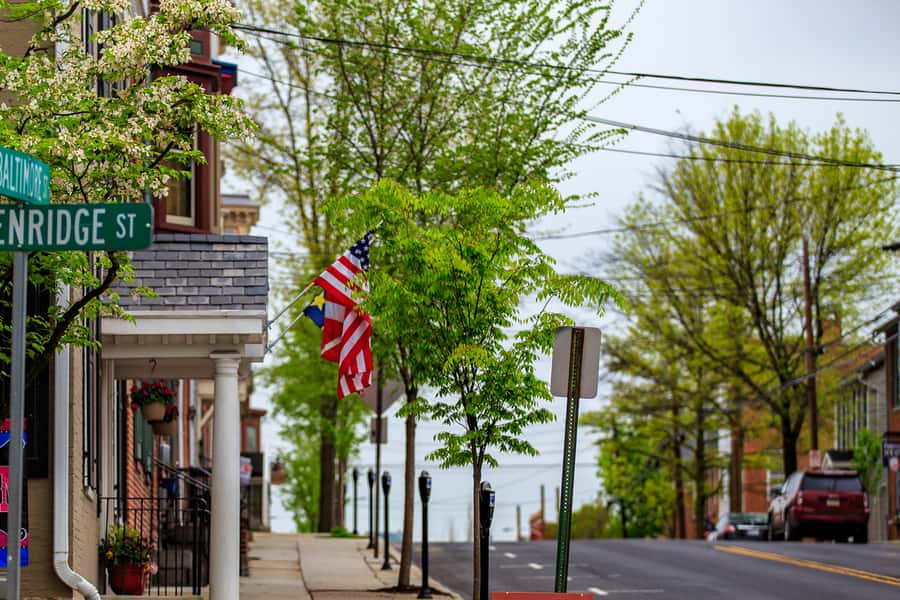
The route covers the center portion of downtown and is described as leisurely, with frequent stops. That matters. You are not being hurried from one point to another, and the format leaves room for questions.
At each part of the walk, the guide connects present-day streets and existing structures with their appearance in 1863. You can look at the buildings around you while listening to accounts from residents who lived in the same area. The value is not only architectural. It is the connection between a physical place and an individual experience.
The information covers life before, during, and after the battle. You may hear about the town before the armies arrived, the sudden pressure of fighting in an urban area, and the longer effects on families and the community. That broader time frame prevents the tour from becoming a single dramatic retelling of July 1 through July 3.
The walk also helps correct a common misunderstanding. Gettysburg was not simply a battlefield with a town nearby. The town was part of the battle’s lived reality. Streets became routes for troops and wounded men. Homes and public buildings were caught up in the emergency. Civilian life did not pause neatly until the soldiers left.
The route is not presented as an inside tour of every historic building. Some old structures are privately owned, so you should expect to view and discuss them from outside. If you want interior access, check the details of any separate house or museum visit you plan to add.
Civilian accounts instead of another battlefield lecture
The tour’s central idea is simple: tell the story through the people who had to endure it. That approach makes the experience different from a standard battlefield overview.
You will hear about reluctant witnesses to the battle, people who did not choose to be part of the conflict but found themselves surrounded by it. The guide uses their accounts to explain the fear, confusion, and practical problems created when fighting reached the town.
That can include the impact on families and children, the strain placed on homes, and the way the streets changed during the battle. The emphasis is on what it meant to live in an urban battlefield. You are encouraged to think about noise, confusion, crowds, casualties, and the sudden loss of normal routines.
I especially like this angle for families and mixed-age groups. A child who finds troop movements hard to follow may understand a story about a household facing soldiers, wounded men, or an unexpected disruption to daily life. Adults who have visited Gettysburg before may also find that the civilian point of view gives them something new.
The tone is serious because the subject is serious, but the guide’s delivery shapes the experience. Ken is repeatedly praised for answering questions, adapting the discussion to the group, and explaining details with clear enthusiasm. Jeff has been described as using a theatrical portrayal of James Maclay, a Civil War veteran, to bring the period closer.
That style will appeal to you if you enjoy living history and storytelling. If you prefer a strictly academic lecture with no character work, ask who is guiding your departure when that option is available. The core subject remains the same, but the presentation can differ by guide.
Same streets, a different story:
- New Orleans Premier Ghost, Voodoo and Vampire Walking Tour
★ 4.5 · 12,856 reviews - Little Havana Food and Walking Tour in Miami
★ 5.0 · 8,882 reviews - Chicago: Gangsters and Ghosts Walking Tour
★ 5.0 · 7,155 reviews - New Orleans Food Walking Tour of the French Quarter with Small-Group Option
★ 5.0 · 6,118 reviews
Guides who make the difference
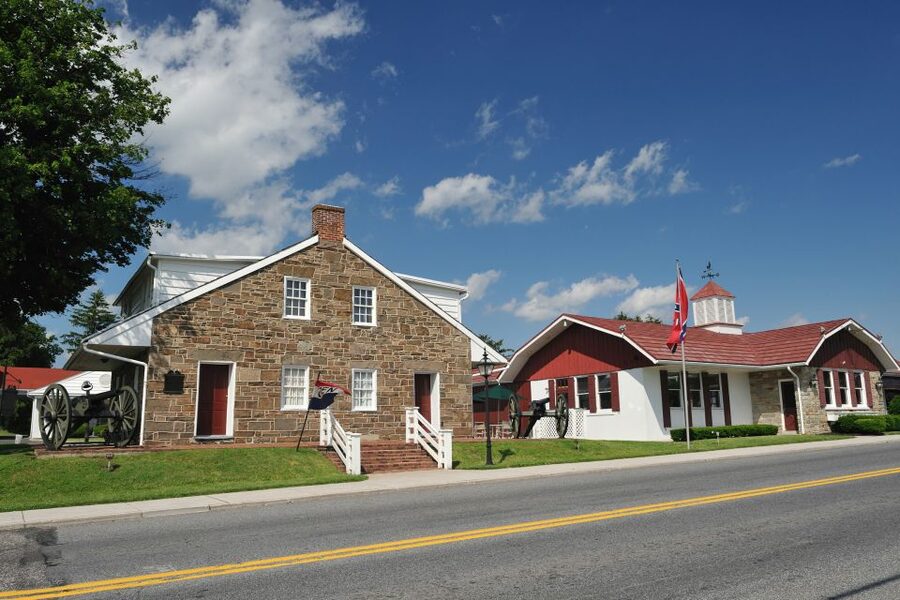
The guide is central to this activity. You are paying for local interpretation, not transportation or access to a major attraction.
Ken has been singled out for his command of Gettysburg and Civil War history, his ability to answer questions, and his talent for telling personal stories. Several accounts describe him as passionate and personable. He also seems comfortable letting the group ask questions and follow useful side paths, which is valuable in a subject with so many connections.
Jeff brings a different approach. His portrayal of James Maclay and a Civil War artilleryman has been described as theatrical, informative, and engaging. That can make the walk feel less like a prepared speech and more like a meeting with someone connected to the period.
Other named guides include Rich, Men, Bruce, and others. The specific guide may vary, and you should not assume you will receive Ken or Jeff unless the booking system allows you to select one. The consistent practical point is that the tour depends heavily on the person leading it.
Ask questions as you walk. The guides are prepared to discuss both the town and the battle, and the format allows conversation. If you already know the basic military story, tell the guide that early and ask for more civilian detail. That can help shape the discussion toward what you most want to learn.
What two hours and $25 actually buy you
The cost is $25 per person for two hours. That works out to $12.50 per hour for a live, local history experience. There is no bus ride or battlefield admission included, but you are getting direct access to a guide who can explain the town street by street.
For me, the value is strongest if you use the tour as part of a larger Gettysburg visit. It should not replace the battlefield if you want to understand the armies and terrain. Instead, it adds the town’s civilian experience, which can be hard to assemble on your own from scattered signs and buildings.
The price also makes sense for a first visit when you want a clear introduction without committing to a full-day program. Two hours is long enough for a serious discussion but short enough to leave room for lunch, a museum, or the battlefield afterward.
Group size can vary. One small group had only four people, which made it easy to walk alongside the guide and ask questions. A small group is ideal for this subject because the personal stories work best when you can hear clearly and join the conversation. You should still be prepared for a larger group on a busy date.
Walking comfort, weather, and access
Wear comfortable shoes. The route is a walking tour through downtown, and even a leisurely pace can become tiring if your footwear is poor.
Dress for the weather. The tour is outdoors, with no promise of indoor access at the historic buildings. Summer heat can affect the experience, and one guide contacted a group ahead of time to discuss a possible schedule change during hot weather. That is a useful reminder to check the forecast before you go.
The activity is wheelchair accessible, which makes it more workable for many visitors than a rougher battlefield walk. Still, the practical experience of any street route can depend on downtown conditions and the pace of the group. If you have specific mobility needs, contact the provider before booking so you can confirm the current route.
English is the tour language. The guide is live rather than recorded, so you can ask for clarification and follow up on details as you go.
Cancellation is flexible: you can cancel up to 24 hours before the tour for a full refund. You can also reserve now and pay later, which helps if your Gettysburg schedule depends on weather or a changing itinerary.
Who will get the most from this walk
This is a strong choice for you if:
- You want the civilian side of Gettysburg, not another military-only talk.
- You are visiting the town for the first time and need a clear starting point.
- You enjoy personal accounts, storytelling, and questions rather than a fixed audio guide.
- You plan to visit the battlefield and want context before or after that visit.
- You are traveling with relatives who prefer a moderate two-hour activity.
- You value a local guide and a small-group feel when available.
It may be less suitable if you want extensive battlefield touring, museum interiors, or a full military order of battle. This walk stays in central Gettysburg and does not include battlefield transportation or a battlefield admission. It also cannot guarantee access inside privately owned historic buildings.
For serious Civil War students, the tour works best as a supplement. You may already know the generals and major movements, but the civilian accounts can fill a gap in your understanding. For casual visitors, the guide’s storytelling offers an easier way into the subject without requiring previous knowledge.
Should you book the 1863 Historic Downtown Walking Tour?
Book it if you want to understand what the Battle of Gettysburg meant to the people who lived in the town. At $25, the tour offers a focused two-hour introduction with a live guide, a manageable route, and a subject that many battlefield programs treat only briefly.
I would place it early in a Gettysburg visit if you are new to the area. The downtown setting gives you a sense of the community before the battlefield expands the story across miles of countryside. If you have already visited the battlefield, book it for the opposite reason: it adds the civilian experiences you may have missed.
Choose with the guide’s style in mind. Ken is a good fit if you want detailed answers and a conversational historian. Jeff may suit you if a character portrayal and theatrical delivery sound appealing. Either way, arrive ready to walk, listen, and picture a town trying to function while war moved through its streets.
FAQ
Where does the Gettysburg walking tour meet?
Meet at 11 Lincoln Square in Gettysburg, Pennsylvania, by the statue of President Lincoln and the benches.
How early should I arrive?
Arrive 15 minutes before the scheduled departure time.
How long does the tour last?
The walking tour lasts two hours.
What does the tour cost?
The price is $25 per person.
What language is the tour conducted in?
The live tour is conducted in English.
Is the tour wheelchair accessible?
Yes, the activity is listed as wheelchair accessible.
What should I bring?
Bring comfortable shoes and clothing suited to the weather.
Can I cancel the booking?
Yes. You can cancel up to 24 hours in advance for a full refund. You can also reserve now and pay later.
New walking tours around the USA
- NYC: Walking Tour with Local Guide and 30+ Top NYC Sights★ 4.5 · 248 reviews
- New York City: Gangsters and Ghosts 2-Hour Walking Tour★ 4.7 · 615 reviews
- NYC: History of Slavery & Underground Railroad Walking Tour★ 4.7 · 87 reviews
- New York City’s Hell’s Kitchen: Walking Food Tour★ 4.8 · 200 reviews
- New York City: Central Park Walking Tour★ 4.7 · 82 reviews
- NYC: Brooklyn Bridge and DUMBO Guided Walking Tour★ 4.8 · 93 reviews
- New Orleans: French Quarter Ghost and Legends Walking Tour★ 4.3 · 129 reviews
- New Orleans: Witches Coven Garden District Walking Tour★ 4.9 · 113 reviews
USA Walking Tours, side by side.

History and Hauntings of Salem Guided Walking Tour
Read our review →
New Orleans Premier Ghost, Voodoo and Vampire Walking Tour
Read our review →


Boston: Freedom Trail History Small Group Walking Tour
Read our review →
Historic Charleston Guided Sightseeing Walking Tour
Read our review →
New Orleans Food Walking Tour of the French Quarter with Small-Group Option
Read our review →
St. Louis Cemetery No. 1 Official Walking Tour
Read our review →Lists this walk sits on