
Review · HONG KONG
Hong Kong: Dark Side of Hong Kong Caged Homes Walking Tour
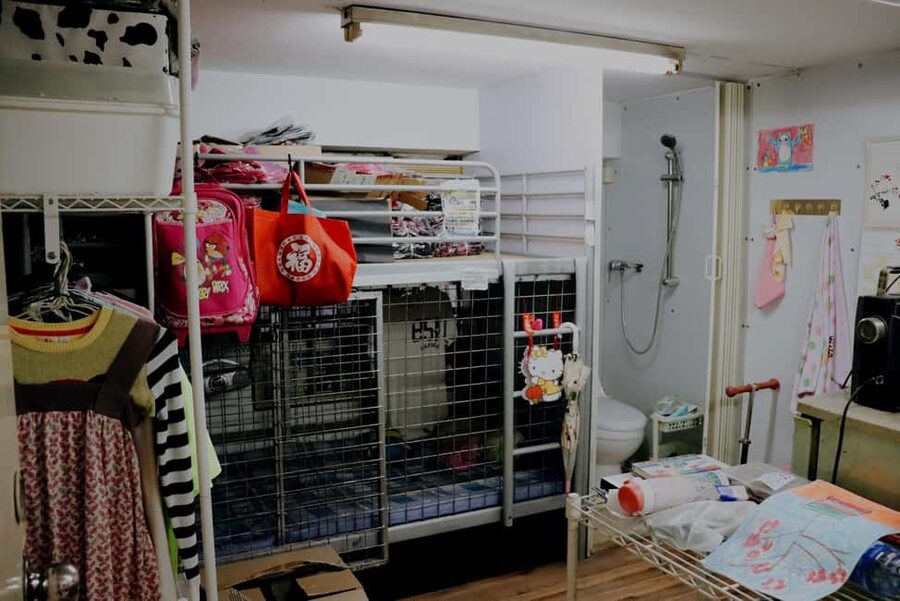
Hong Kong’s glittering towers tell only half the story. In Sham Shui Po, a 500-square-foot apartment may be divided into five tiny homes, while one 100-square-foot unit can hold a bed, kitchen, toilet, and living area. This tour gives you a clear look at caged homes and extreme housing costs, without treating poverty as a sideshow.
I like two things here: the guide connects cramped housing to land policy and population growth, and the visit to a vacant subdivided flat gives you a physical sense of the problem. I also like the stop at SoCo, which adds a practical view of community work. The drawback is simple: this is a serious subject, and a two-hour walk through poor neighborhoods may feel heavy rather than fun.
Key points to know before you book

- A vacant 100-square-foot flat: See how one small room can combine sleeping, cooking, washing, and living space.
- A clear housing explanation: Learn how land scarcity, population growth, and policy help push Hong Kong property prices so high.
- Caged-home context: Understand how metal enclosures can serve as full-time homes for single residents on low wages.
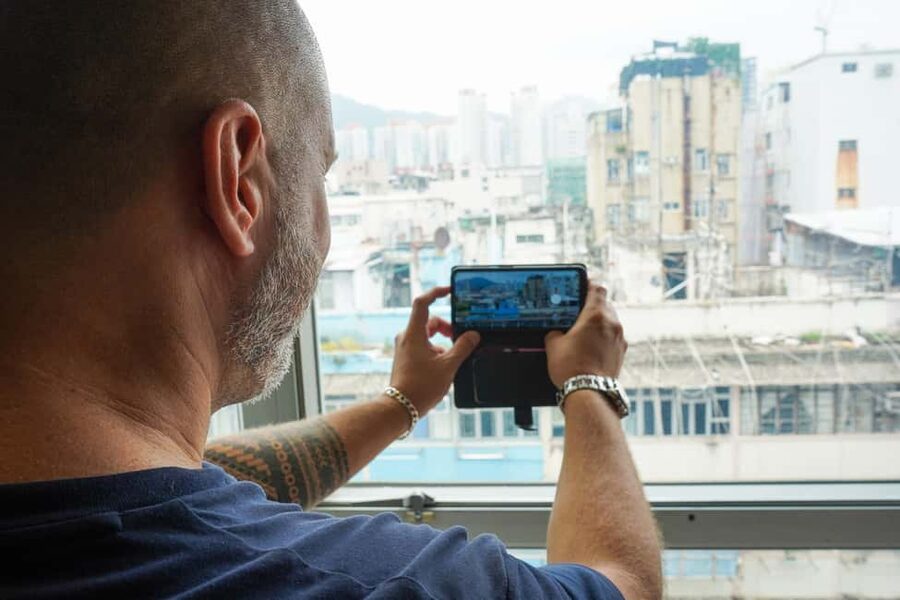
- Rooftop slums: Reach an unusual viewpoint where hidden dwellings contrast sharply with Hong Kong’s polished skyline.
- A local guide’s perspective: Guides including Stephen, Alice, Summer, Michael, Wind, Isaac, and others explain the issue through personal stories and local knowledge.
- A useful final stop: Visit SoCo, a charity that has advocated for marginalized communities for more than 50 years.
Why this two-hour walk changes your view of Hong Kong
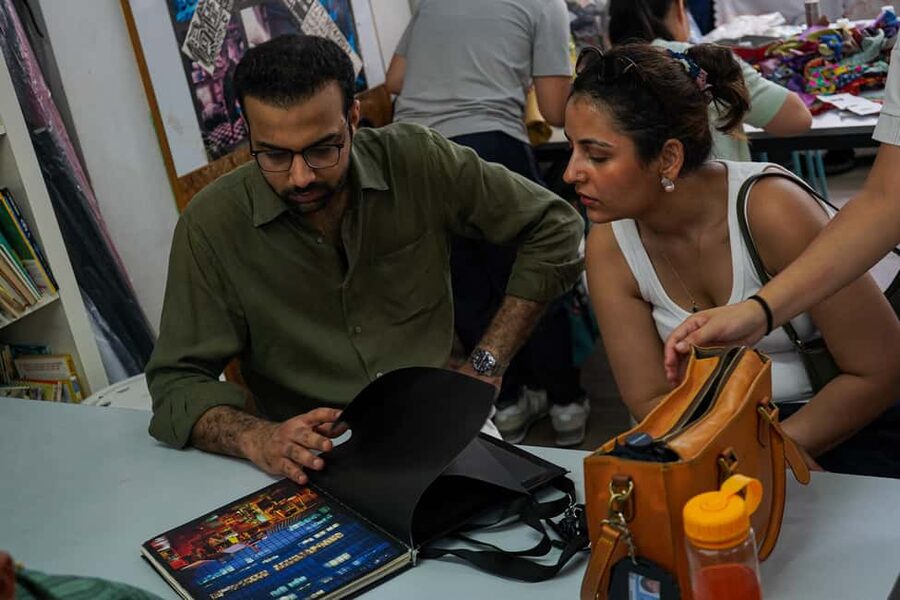
Hong Kong is easy to read as a city of finance, shopping, neon signs, and expensive apartments. This tour asks you to read it from the inside out, starting in the Prince Edward and Mong Kok area before walking toward Sham Shui Po.
The focus is not simply on poverty. It is on the machinery behind it. Your guide explains how limited land, a large population, private property markets, and government policy have combined to produce some of the world’s highest housing costs.
That context matters. Without it, a tiny flat can look like an isolated hardship. With it, you begin to see how a normal apartment building can be reshaped by the market. A typical 500-square-foot home may be split into five separate units, each offering a fraction of the original space.
The tour is especially useful if you have already seen Hong Kong’s expensive side. After admiring towers and luxury developments, you will understand more about the people who clean, serve, build, and keep the city running while living in a few dozen square feet.
More walking tours around the world:
- Magical London: Harry Potter Guided Walking Tour
★ 4.7 · 22,044 reviews - Reykjavik Food Walk – Local Foodie Adventure in Iceland
★ 5.0 · 18,952 reviews - History and Hauntings of Salem Guided Walking Tour
★ 5.0 · 14,564 reviews
Starting inside Prince Edward MTR Station
The meeting point is inside Prince Edward MTR Station at Exit D, near Playing Field Road. That detail matters because the station has several exits and the streets around it can be confusing. Do not simply wait outside the station. Go to Exit D inside the paid or station concourse area as instructed.
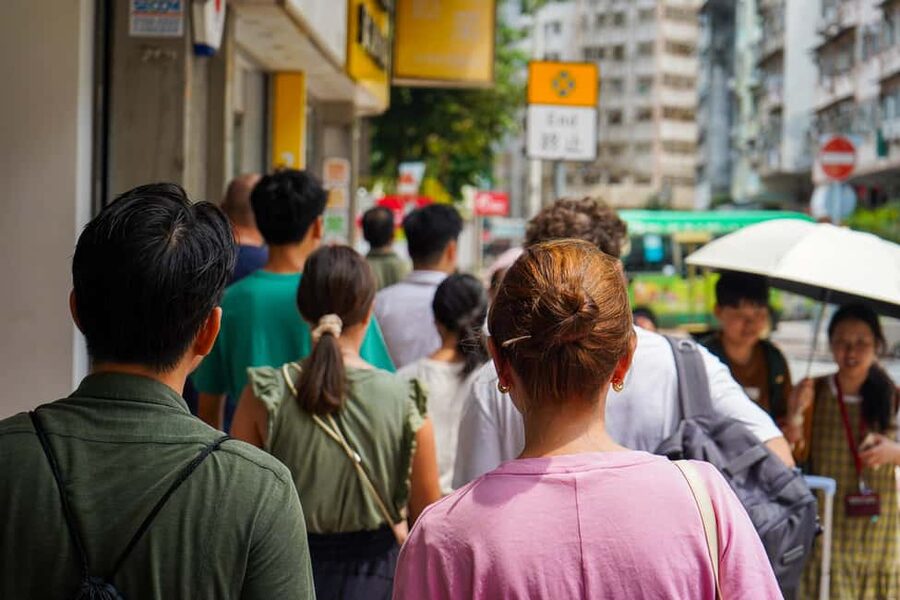
From there, the group moves on foot. The route passes through busy streets, older buildings, staircases, and dense residential areas. Comfortable shoes are important, and you should expect a city walk rather than a polished museum visit.
The tour is conducted in English with a live guide. Several guides lead the experience, including Stephen, Alice, Summer, Michael, Wind, Isaac, Simeone, and others. The strongest common thread is the guides’ ability to explain difficult facts in a calm, human way. Stephen, for example, brings a Hong Kong perspective to the housing market and speaks about the tension between the city’s prosperity and the pressure on ordinary residents.
Because the walk takes place in active neighborhoods, the group may be fairly large. One account specifically noted that the group was on the bigger side, though the guide still kept people together. That is worth considering if you prefer private tours or long pauses for questions.
The first stops: Mong Kok and the economics of small homes

The early part of the walk introduces the city’s property system. In Mong Kok, your guide helps explain why Hong Kong is often ranked as the world’s least affordable city.
You will hear how capitalism, population growth, and scarce land affect rents and ownership. This is where the tour becomes more than a look at unusual housing. It shows that the problem is tied to ordinary financial decisions, building rules, land supply, and demand.
The Mong Kok stop is brief, around 10 minutes, but the walk between stops gives the guide time to add local examples. Isaac has been praised for his explanations of the Mong Kok area, while Alice is known for using statistics and financial information to make the issue easier to follow.
You should not expect a full economics lecture. The value is in the connection between numbers and places. A high-rise apartment is no longer just a building. It may contain several subdivided homes, with each household paying heavily for very little private space.
Stepping inside a 100-square-foot subdivided flat
The most powerful part of the tour is the visit to a small subdivided unit. The space is about 100 square feet, or roughly 10 square meters. A family can use such a room for sleeping, cooking, bathing, storage, and daily life.
The unit shown on the tour is vacant and maintained for this purpose, so you are not entering someone’s current home. That distinction is important. You can look closely at the layout without invading a resident’s privacy or photographing people in a vulnerable situation.
You will see why the phrase one room for everything is not an exaggeration. The room has to serve as a bedroom, kitchen, toilet, and living room. There is little room for separation between activities, and even basic storage becomes a serious problem.
This stop works because it turns an abstract statistic into a bodily reaction. You can stand in the space and work out where a bed, cooking area, toilet, and personal belongings might go. The aim is not to make you feel guilty. It is to show what the housing market means at human scale.
The tour also discusses cage homes, where metal partitions create individual enclosures within a larger room. These homes have been associated with single residents on minimum wage. Conditions can vary, but the basic idea is stark: a metal frame and wire enclosure may function as a person’s entire home.
Some people may find this section uncomfortable. That is part of the point, but you should book only if you are ready to think about poverty with respect. This is not a haunted attraction or a photo opportunity.
Same streets, a different story:
- New Orleans Premier Ghost, Voodoo and Vampire Walking Tour
★ 4.5 · 12,856 reviews - Amsterdam Anne Frank: Small-Group Walking Tour & Local Guide
★ 4.8 · 12,789 reviews - Edinburgh: Harry Potter Magical Guided Walking Tour
★ 4.8 · 11,944 reviews - Edinburgh Castle: Guided Walking Tour with Entry Ticket
★ 4.7 · 11,699 reviews
Sham Shui Po, where the contrast is hardest to miss
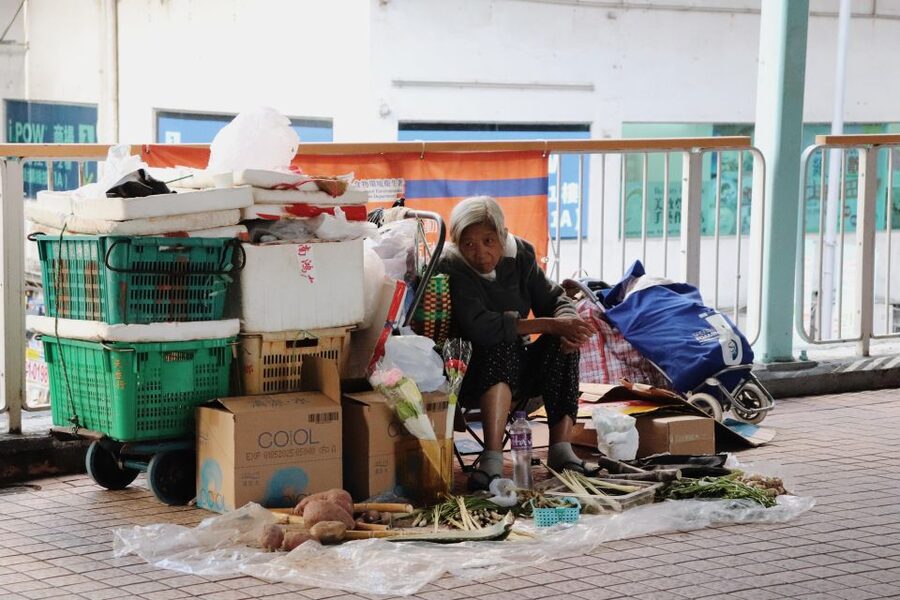
The walk continues into Sham Shui Po, one of Hong Kong’s poorest districts. Here, luxury apartments and dense clusters of subdivided flats can sit close together.
The contrast is not presented as a simple story of good buildings and bad buildings. Sham Shui Po is also a lived-in district with shops, food stalls, local services, and community life. The tour asks you to notice how wealth and hardship share the same streets.
Your guide discusses the underworld of back lanes and older buildings, but the emphasis remains on housing and social conditions. The area helps explain why Hong Kong can feel so wealthy from one angle and so pressured from another.
A walking tour is useful here because you see the scale of the surroundings. A slideshow might show a cage home, but walking past tall residential blocks and narrow older buildings makes the density easier to grasp. You can also see why movement, privacy, ventilation, and storage become major issues when every square foot carries a high cost.
The group should stay together in crowded streets. Keep your belongings secure, listen for instructions, and avoid blocking entrances or photographing residents without permission. The people who live here are not part of the attraction.
The rooftop view of Hong Kong’s hidden homes
One unusual feature is the visit to a rooftop slum. From above, you may see dwellings that are easy to miss from street level. The view also places these homes against Hong Kong’s modern towers, creating one of the clearest images of the city’s unequal housing system.
This is not a standard skyline viewpoint. The interest lies in what you notice below and around you. The rooftop stop reveals how residents have made use of leftover or overlooked spaces in a city where proper housing is costly.
Access to rooftops and older buildings can involve stairs, uneven surfaces, and tight passages. The tour may not suit anyone with limited mobility. If you have concerns, ask before booking because the route is not described as step-free.
Weather can also affect the walk. In poor conditions, the tour may be canceled, with the choice to reschedule or receive a full refund. On a hot or wet day, the experience will be less comfortable, so check the forecast and wear suitable clothing.
Ending at SoCo and the bigger question

The final visit is to SoCo, a local charity that has worked for more than 50 years to support the rights of marginalized communities.
This stop gives the tour a needed sense of direction. You do not finish with only images of cramped rooms and rooftop shelters. You also hear about advocacy, social support, and possible responses to the housing crisis.
The discussion can include questions about Hong Kong’s future, the needs of low-income residents, and the pressures faced by migrants. Guides such as Michael have been especially praised for linking the difficult material to the work of organizations trying to help.
You may be able to buy books or make a donation, so carrying some cash is sensible. The information provided does not promise food or drinks, and these are not included in the $31 price. The tour ends at North River Street Market and Cooked Food Centre, close to Sham Shui Po MTR Station, giving you an easy chance to continue exploring or find a meal.
Is the $31 price fair?
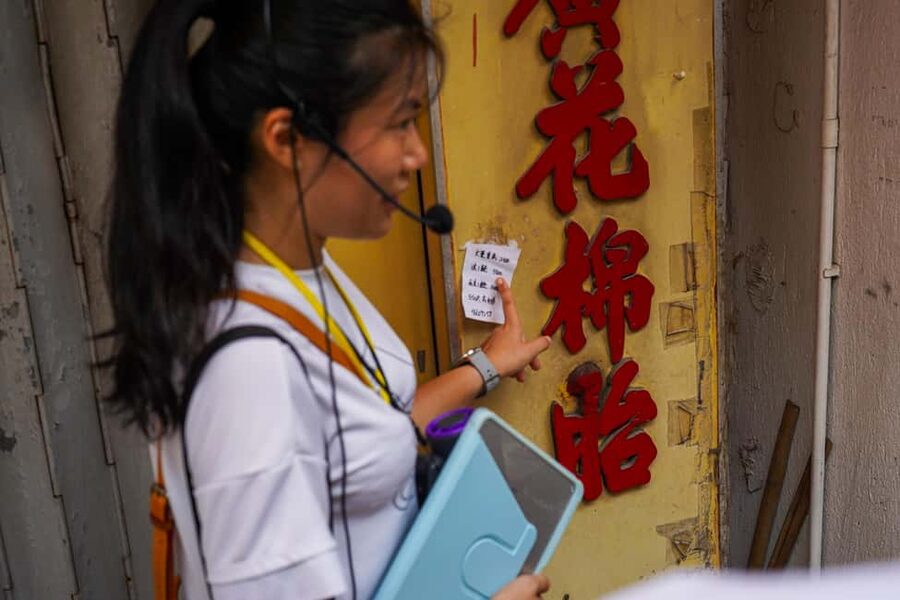
At $31 per person, this is not the cheapest way to spend two hours in Hong Kong. You are paying for a walking guide, access to a preserved subdivided flat, a planned route through several districts, and the chance to discuss a difficult subject with someone who knows the city well.
The value depends on what you want from a tour. If you are looking for food tastings, famous sights, or entertainment, the price may not feel worthwhile. If you want social context and a better understanding of Hong Kong’s housing crisis, it is a fair cost.
I think the rented flat and the guide’s explanations make the price easier to justify. You could walk through Sham Shui Po for free, but you would miss the structured explanation of why the buildings are divided as they are and how the market affects residents.
The charity connection also gives the money a more useful setting, though the supplied information does not state exactly how the tour fee is distributed. If supporting SoCo matters to you, ask on the day about donations or purchases.
Free cancellation is available up to 24 hours before the start time, and you can reserve now while paying later. That helps if your Hong Kong plans are still shifting.
The guides make the subject easier to handle
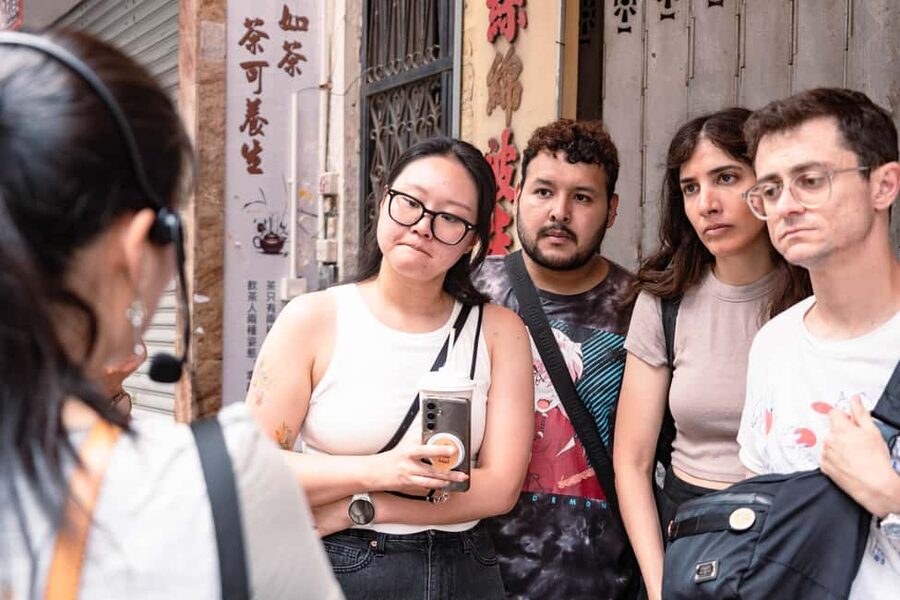
The guide can shape the entire experience. This topic needs someone who can explain poverty without turning people into objects of pity.
The guides named in the available information receive repeated praise for being engaging, respectful, and well prepared. Summer brings passion to the affordable housing issue. Alice explains statistics and financial facts clearly. Stephen connects the topic to local life and the city’s property market. Michael has been noted for ending the tour with the charity visit. Wind, Isaac, Simeone, and others have also led groups through the route.
Guide assignments can change, so you should not book expecting one particular person unless the operator confirms it. What you can reasonably expect is an English-speaking local guide who explains the subject and answers questions.
The best guides set expectations early. That matters because the tour can feel confronting. A thoughtful guide helps you understand the systems involved rather than leaving you with a simple rich-versus-poor picture.
Who should book this Hong Kong housing tour?
I recommend it for first-time visitors who want more than the standard skyline, shopping, and temple circuit. It is also useful for people returning to Hong Kong who have already seen the main attractions and want to understand everyday life more clearly.
The tour suits you if you are interested in:
- Housing policy and urban economics
- Social issues and community work
- The difference between luxury development and low-income housing
- Local stories told by a Hong Kong guide
- Walking through districts beyond the usual sightseeing route
It may not suit young children or anyone who wants a light, cheerful morning. The subject includes poverty, cramped living conditions, and unequal access to housing. The walk also includes stairs and busy streets, so limited mobility can make it difficult.
Bring water, wear comfortable shoes, and keep cash available for a possible donation or book purchase. Most of all, bring patience. Residents are living their daily lives along this route, and respectful behavior matters.
Should you book the Dark Side of Hong Kong tour?
Book it if you want to understand why Hong Kong’s famous wealth does not reach everyone equally. The 100-square-foot flat, rooftop homes, and explanations of subdivided apartments give you details that a normal sightseeing tour leaves out.
Skip it if you are uncomfortable visiting poor neighborhoods or if you want a relaxed attraction with little emotional weight. This is a serious walking tour, not a novelty stop.
For many people, the strongest reason to go is the balance between evidence and human stories. You see the cramped space, hear how land and prices shape housing, and finish with an organization working for people affected by the problem. At $31 and two hours, that makes this one of the more useful ways to look beyond Hong Kong’s polished surface.
FAQ
Where does the tour begin?
It begins inside Prince Edward MTR Station at Exit D, near Playing Field Road. The meeting point is inside the station, not outside on the street.
Where does the tour end?
The tour ends at North River Street Market and Cooked Food Centre, near Sham Shui Po MTR Station.
How long does the tour last?
The walking tour lasts two hours.
What language is the tour in?
The tour is conducted in English with a live guide.
Does the tour enter a real occupied home?
No. The subdivided flat used during the tour is vacant and maintained for the experience, so you are not entering a resident’s current home.
How small is the flat shown on the tour?
The unit is about 100 square feet, or approximately 10 square meters. It combines sleeping, cooking, toilet, and living functions in one small space.
Is food included?
No. Food and beverages are not included.
Is the tour suitable for people with limited mobility?
It may not be suitable because the route includes busy streets, staircases, and older buildings.
Can I cancel if my plans change?
Yes. You can cancel up to 24 hours in advance for a full refund. You can also reserve while paying later.
New walking tours around the world
- Niagara Falls, Canada: White Water Walk Entry Ticket★ 4.5 · 147 reviews
- NYC: Walking Tour with Local Guide and 30+ Top NYC Sights★ 4.5 · 248 reviews
- Zadar: Food Tasting & Old Town Walking Tour★ 5.0 · 94 reviews
- Niagara Falls: Walking Tour, Journey Behind Falls, & Cruise★ 4.8 · 773 reviews
- New York City: Gangsters and Ghosts 2-Hour Walking Tour★ 4.7 · 615 reviews
- NYC: History of Slavery & Underground Railroad Walking Tour★ 4.7 · 87 reviews
- New York City’s Hell’s Kitchen: Walking Food Tour★ 4.8 · 200 reviews
- New York City: Central Park Walking Tour★ 4.7 · 82 reviews