
Review · LA PAZ
La Paz Half-Day Walking Tour
La Paz reveals itself through small, puzzling details: women in remarkable hats, masked shoe shiners, and costumed zebras helping people cross busy streets. This $3 walking tour connects those sights to Bolivian politics, Andean beliefs, and everyday city life.
I like the strong storytelling and the useful first look at central La Paz. Guides including Denise, Max, Daniel, Matt, and Rem are praised for humor, clear English, and real affection for the city. The main drawback is physical: you walk at high altitude, and the tour covers relatively few sights in 150 minutes.
I also like the practical rhythm. Guides keep the pace measured and, when possible, use flatter routes. Still, you should bring water, sun protection, rain gear, and cash, and you should not choose this outing if uphill walking is difficult for you.
Key points to know before you book
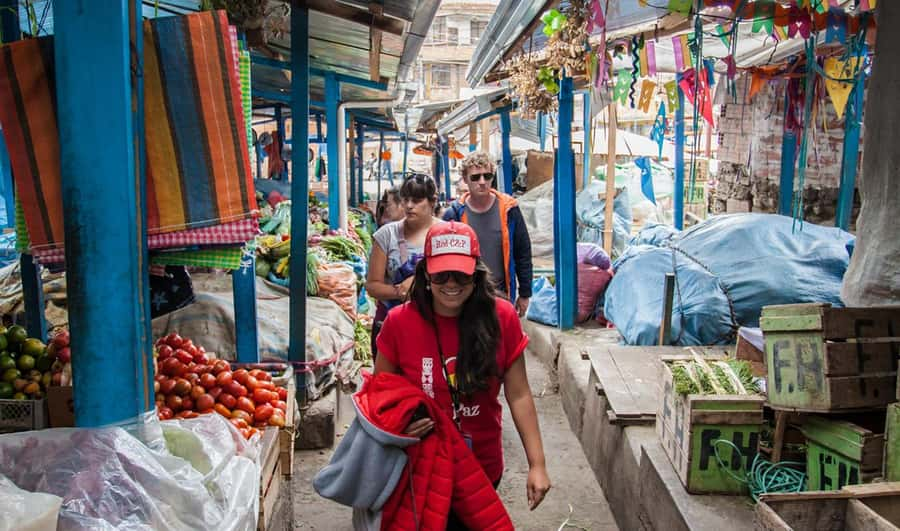
- The Witches’ Market gives the tour its most unusual stop: Learn what Andean potions, talismans, and offerings mean instead of simply browsing curious stalls.
- Plaza Murillo supplies the grand civic backdrop: See the Presidential Palace, National Congress, Cathedral of La Paz, and other central monuments.
- The guide makes the difference: Denise, Max, Daniel, Matt, Rem, Juan, Amara, and Remberto have all led highly praised tours.
- The pace respects La Paz’s altitude: The route is designed to move slowly and stay as flat as possible when conditions allow.
- The price is unusually low: The $3 fee buys an introduction, but a tip is appropriate if the guide gives you a good afternoon.
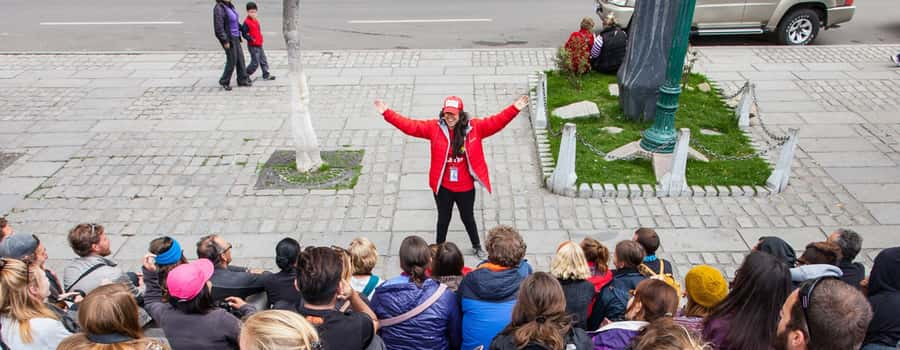
- The meeting point is easy to spot: Find the statue in the center of Plaza San Pedro, also called Plaza Sucre, and look for a red cap and I heart La Paz shirt.
Why this short walk is useful in La Paz
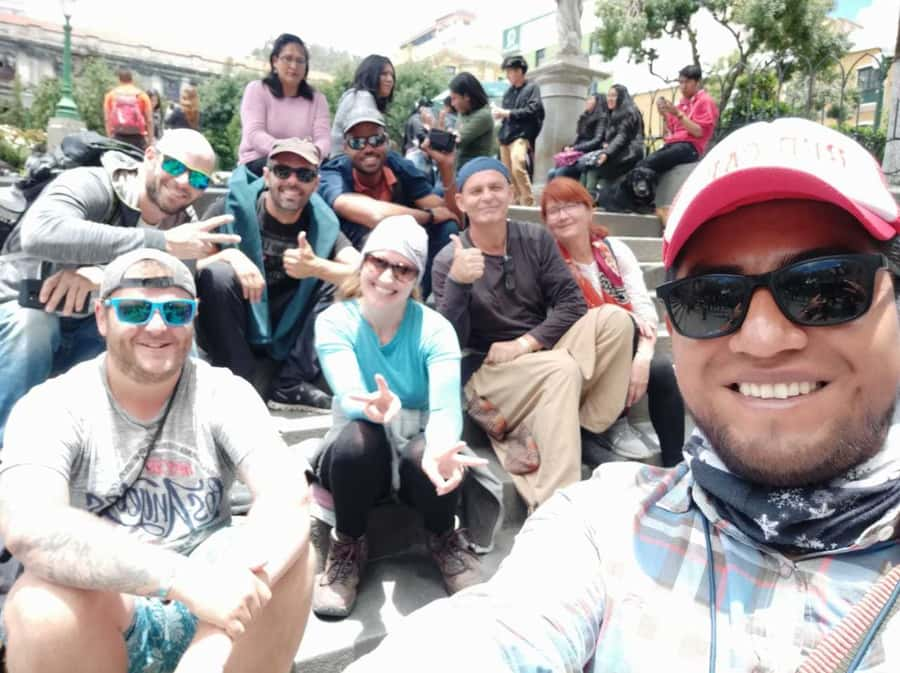
La Paz can feel confusing at first. The city climbs steeply, streets change character quickly, and familiar sights often carry meanings that are not obvious at a glance. A good guide gives you a framework, so the city becomes more than traffic, steep pavement, and colorful market stalls.
This tour is built around explanation rather than a long checklist of monuments. You get a quick introduction to local customs, political tension, religious beliefs, and public life. That makes it especially useful near the start of a stay, when you want to know what deserves a closer look later.
The format is simple: about two to two and a half hours on foot with an English-speaking local guide. The tour does not include food, drinks, transport, or entry tickets. You are paying for the guide’s time, stories, and interpretation of the streets around you.
At $3 per person, the value is obvious. Treat the advertised price as a starting point, not the full measure of the experience. Several guests specifically felt a tip was deserved, particularly when the guide gave a lively, personal tour. Carry small cash for that reason.
More half-day walks around the world:
- Discover Berlin Half-Day Walking Tour
★ 5.0 · 9,624 reviews - Rio De Janeiro: Half-Day Rocinha Favela Walking Tour
★ 4.7 · 2,272 reviews - Istanbul: Fener Balat Half-day Guided Walking Tour
★ 4.9 · 1,711 reviews
Starting at Plaza San Pedro, also called Plaza Sucre
Your meeting point is in the center of Plaza San Pedro, near the statue, on Cañada Strongest. The square is also called Plaza Sucre, so knowing both names matters when asking for directions.
Look for the guide wearing a red cap and an I heart La Paz T-shirt. This is a useful detail in a busy central area, and one person specifically found the guide easy to identify.
Once the group gathers, expect a walking introduction rather than a formal museum-style talk. The guide sets the scene for La Paz and Bolivia, then explains the customs you will notice as you move through the center. The best part of this format is that the city itself supplies the examples.
You may hear about the women’s distinctive hats, the role of shoe shiners who cover their faces, and the costumed zebras found on city streets. These are not random curiosities. They open the door to conversations about identity, work, public behavior, and how people present themselves in La Paz.
The guide’s personality matters here. Denise is repeatedly singled out for her humor, energy, and love of the city. Max is praised for passion and for sharing lesser-known details. Daniel is known for keeping the talk fun and easy to follow, while Matt and Rem are praised for warmth and strong storytelling.
Guide assignments can change, so do not book expecting a particular person. Still, the repeated strength of the guiding team is one of the clearest reasons to choose this tour.
La Paz through hats, masks, and zebras
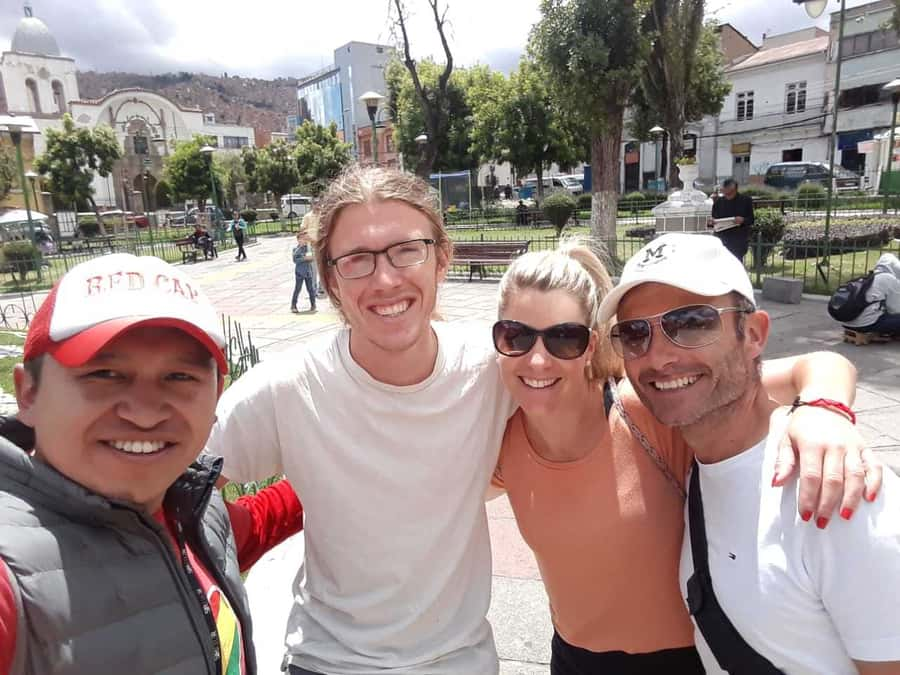
The tour’s everyday observations are more useful than a standard list of dates. You will learn why women wear such striking hats, why shoe shiners use masks, and why zebras appear in traffic areas.
These details help you read the city. A hat is not just a hat, a masked worker is not simply a quirky sight, and a zebra costume is not a children’s attraction. The guide explains the cultural and social reasons behind what you see, giving you a better sense of how public life works.
This is where the tour feels most local. Grand monuments are easy to photograph, but small street customs are harder to understand without help. The guide’s job is to supply that missing context without turning the walk into a lecture.
You should expect stories and answers, not a rigid script. Several guides are praised for handling questions well, and the tour is described as entertaining as well as informative. That balance matters because two and a half hours of nonstop facts would be tiring, especially at La Paz’s altitude.
The tradeoff is coverage. One participant felt the tour visited relatively few sights, though the stories attached to each stop were excellent. If your priority is to tick off a large number of buildings, this may feel limited. If you want a useful explanation of the places you do see, the slower approach works better.
The Witches’ Market and Andean beliefs
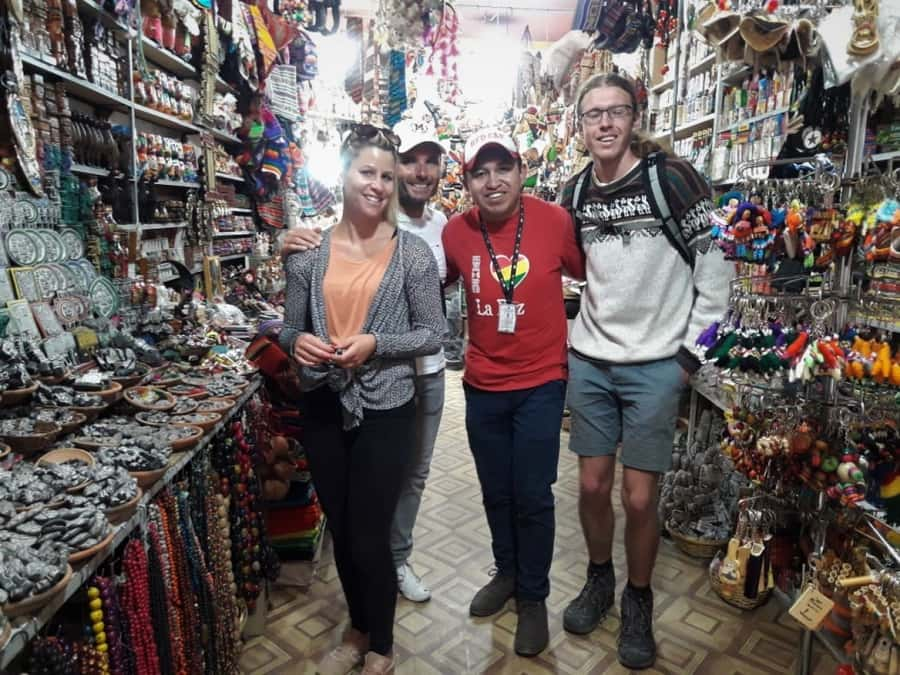
The Witches’ Market is the tour’s most distinctive stop. You go there to see unusual lotions, potions, talismans, and other items connected with Andean beliefs.
The value is not simply the chance to browse strange-looking products. Without explanation, the market can seem like a display of curiosities designed for outsiders. With a local guide, you can ask what people buy, what the objects represent, and how these beliefs fit into life in the Andes.
The tour also addresses what potions you should buy, with the understanding that the guide explains the beliefs rather than promising magical results. Keep your expectations sensible. This is an interpretive market visit, not a shopping trip with a guaranteed purchase list.
I like this stop because it shows a side of La Paz that formal monuments cannot. The city’s identity is not limited to government buildings and colonial façades. Religious ideas, protective objects, folk practices, and commercial life overlap here.
Allow yourself time to look closely and ask questions. The tour is short, so the market visit will not become an extended shopping session. Still, it offers one of the clearest chances to connect modern city life with older Andean traditions.
More walking tours around the world:
- Magical London: Harry Potter Guided Walking Tour
★ 4.7 · 22,044 reviews - Reykjavik Food Walk – Local Foodie Adventure in Iceland
★ 5.0 · 18,952 reviews - History and Hauntings of Salem Guided Walking Tour
★ 5.0 · 14,564 reviews - New Orleans Premier Ghost, Voodoo and Vampire Walking Tour
★ 4.5 · 12,856 reviews
Plaza Murillo and the political heart of the city
Plaza Murillo provides the tour’s main concentration of formal sights. Here you can admire the Presidential Palace, the National Congress of Bolivia, the Cathedral of La Paz, and other historic monuments.
The square also gives the guide a natural place to explain Bolivia’s political turmoil. La Paz has long been a key setting for national power and public conflict, and the talk connects the buildings around you to the country’s political story.
That context is more useful than a quick photo stop. A palace, congress building, and cathedral can look impressive while remaining disconnected from one another. The guide helps you understand why this square matters and how politics, religion, and public life meet in one place.
Do not expect an inside visit to each building. The supplied details describe viewing the monuments from the walking route, not entry into them. If you want museum interiors or a longer architectural study, you will need additional time elsewhere.
Plaza Murillo is also a good point to notice the physical demands of the city. Even a central route can involve uneven pavement, slopes, and pauses for breath. Guides have been praised for walking slowly and trying to keep the route flat, but this remains a walking tour in a high-altitude city.
How the altitude changes the experience
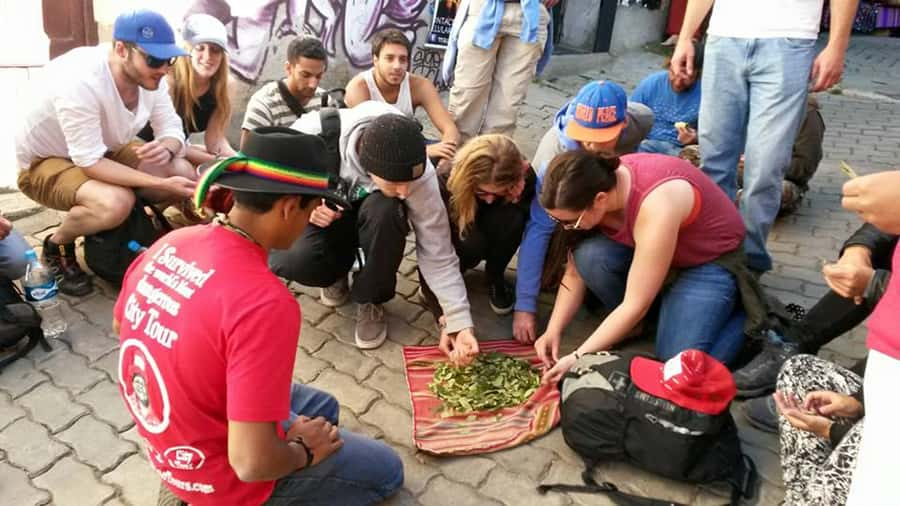
The tour lasts 150 minutes, which sounds modest until you add La Paz’s altitude and hills. You do not need to treat the walk as a strenuous hike, but you should take the conditions seriously.
Wear comfortable shoes. Bring a sun hat and sunscreen because the high-altitude sun can feel strong. Pack rain gear because the weather can change, and carry cash for small purchases or a tip.
The pace is one of the tour’s practical strengths. A guide can slow the group and allow time for questions, and the route is intended to stay as flat as possible when it can. One guide also adjusted the pace for a person who found uphill walking difficult.
That does not make the tour suitable for everyone. It is listed as unsuitable for people with mobility impairments and wheelchair users. You should also think carefully before booking if you are still adjusting to altitude or have trouble walking uphill.
If you are feeling unwell, tell the guide. One person had to leave early because a partner was not well, though they still enjoyed the part they completed. The short duration helps, but it does not remove the need to pace yourself.
What the guides do best
The strongest feature is the guiding. The names appearing most often in the feedback include Denise, Max, Daniel, Matt, Rem, Juan, and Remberto, along with Amara and Maru. The exact guide depends on the departure.
Denise is repeatedly described as funny, energetic, clear in English, and deeply fond of La Paz. Max brings a strong personal connection to the city and its past. Daniel keeps the tour light while supplying facts, and Matt is praised for answering questions and adding interesting stories.
Rem has led both smaller and larger groups, and one participant found the tour easy to follow even with a large group. That is worth noting because group size can affect a walking tour. A very large group may make questions harder, while a small group can feel more conversational.
The guide quality also helps explain why the tour earns a 4.8 rating from 591 reviews. The important point is not the number alone. The consistent themes are clear English, humor, cultural explanation, patience, and enthusiasm for La Paz.
No guide can control every part of the experience. Weather, group size, energy levels, and the city’s steep streets all affect the afternoon. But a warm, flexible guide can make those limits much easier to handle.
Who will get the most from this tour
I would choose this tour if you are new to La Paz, short on time, or hesitant about exploring the center alone. It gives you an orientation to key areas before you return on your own, and one person specifically valued feeling more confident in the city afterward.
It also suits you if you enjoy cultural explanation more than a long list of photo stops. The most memorable material concerns hats, masks, zebras, Andean beliefs, and politics. Those topics help you understand what you see for the rest of your stay.
The tour is a good fit for budget-conscious visitors because the fee is only $3. You get strong value even if you later add a tip. It is also useful for English-speaking visitors who want a local guide without paying for a private tour.
You may want something else if you need wheelchair access, have limited mobility, or dislike walking on hills. You may also be disappointed if you expect extensive sightseeing, museum entry, or a full meal stop. Food and drinks are not included.
Booking and meeting details worth remembering
You can cancel up to 24 hours before the activity for a full refund, and you can reserve now and pay later. That flexibility helps if your La Paz plans depend on altitude adjustment, weather, or changing transport arrangements.
Check the available starting times when booking because the activity does not list one fixed departure time. The tour is offered in English with a live guide.
Arrive at the center of Plaza San Pedro, or Plaza Sucre, near the statue. The red cap and I heart La Paz shirt are your visual markers. Bring comfortable shoes, sunscreen, a hat, rain protection, and cash.
I would avoid scheduling this as your only activity immediately after a tiring arrival if you are not sure how you will handle the altitude. On the other hand, the manageable length and slow pace make it a useful early introduction for many people.
Should you book the La Paz Half-Day Walking Tour?
Book it if you want a low-cost, story-led introduction to central La Paz. The Witches’ Market and Plaza Murillo give you two very different views of the city, while the explanations about hats, masked shoe shiners, zebras, Andean beliefs, and political turmoil add the meaning that independent wandering may miss.
I would not book it for extensive monument coverage or accessible sightseeing. This is a compact walking orientation, not a full-day city tour. But at $3, with a strong record of engaging English-speaking guides and a route designed with altitude in mind, it is one of the easiest ways to get your bearings and decide what to explore next.
FAQ
How long does the La Paz Half-Day Walking Tour last?
The tour lasts 150 minutes, or about two to two and a half hours.
How much does the tour cost?
The listed price is $3 per person.
What language is the tour conducted in?
The tour is conducted in English with a live local guide.
Where does the tour meet?
Meet in the center of Plaza San Pedro, also called Plaza Sucre, near the statue on Cañada Strongest in La Paz.
How will I recognize the guide?
Look for a guide wearing a red cap and an I heart La Paz T-shirt.
What sights does the tour visit?
The tour visits Plaza Murillo, where you can see the Presidential Palace, National Congress of Bolivia, Cathedral of La Paz, and other historic monuments. It also visits the Witches’ Market.
Are food and drinks included?
No. Meals and drinks are not included.
Is the tour suitable for wheelchair users?
No. The activity is listed as unsuitable for wheelchair users and people with mobility impairments.
New walking tours around the world
- Niagara Falls, Canada: White Water Walk Entry Ticket★ 4.5 · 147 reviews
- NYC: Walking Tour with Local Guide and 30+ Top NYC Sights★ 4.5 · 248 reviews
- Zadar: Food Tasting & Old Town Walking Tour★ 5.0 · 94 reviews
- Niagara Falls: Walking Tour, Journey Behind Falls, & Cruise★ 4.8 · 773 reviews
- New York City: Gangsters and Ghosts 2-Hour Walking Tour★ 4.7 · 615 reviews
- NYC: History of Slavery & Underground Railroad Walking Tour★ 4.7 · 87 reviews
- New York City’s Hell’s Kitchen: Walking Food Tour★ 4.8 · 200 reviews
- New York City: Central Park Walking Tour★ 4.7 · 82 reviews