Review · LONDON
London: Jack the Ripper Walking Tour
Jack the Ripper’s crimes still feel unsettling because the streets remain part of everyday London. This 90-minute Whitechapel walk takes you from Tower Hill to the places linked with the five canonical victims, including Mitre Square, Goulston Street, and Hanbury Street. Your guide explains what is known, what was guessed, and why the killer’s identity remains unproven.
I like the short, focused route and the way it adds social history to the murders. I also like the guides’ personal touch: Jim’s letter recitals, Alice’s care with slower walkers, and Robin’s ability to adjust the story for families have all made this a strong experience. The main drawback is practical: the meeting point near Tower Hill Underground Station can be hard to spot, so arrive early and check the exact location before setting off.
Key points to know before you go
- The route begins at Tower Hill: Meet outside Tower Hill Underground Station by the ice cream refreshments stand at Trader’s Gate.
- Mitre Square is the darkest stop: Two victims were killed there, making it one of the tour’s most important locations.
- Goulston Street holds the famous clue: Your guide explains the disputed writing found there and why it still fuels debate.
- The guides make the difference: Jim, Marc, Matthew, Alice, Robin, Michael, and others have been praised for clear storytelling and strong subject knowledge.
- This is a real walking tour: You move through city streets rather than enter a museum or attraction, so comfortable shoes and weather protection matter.
- The price is modest: At $20 per person, the tour gives you a concentrated look at an unusual side of London for less than many major attractions.
Why this Whitechapel walk is different from a standard London tour
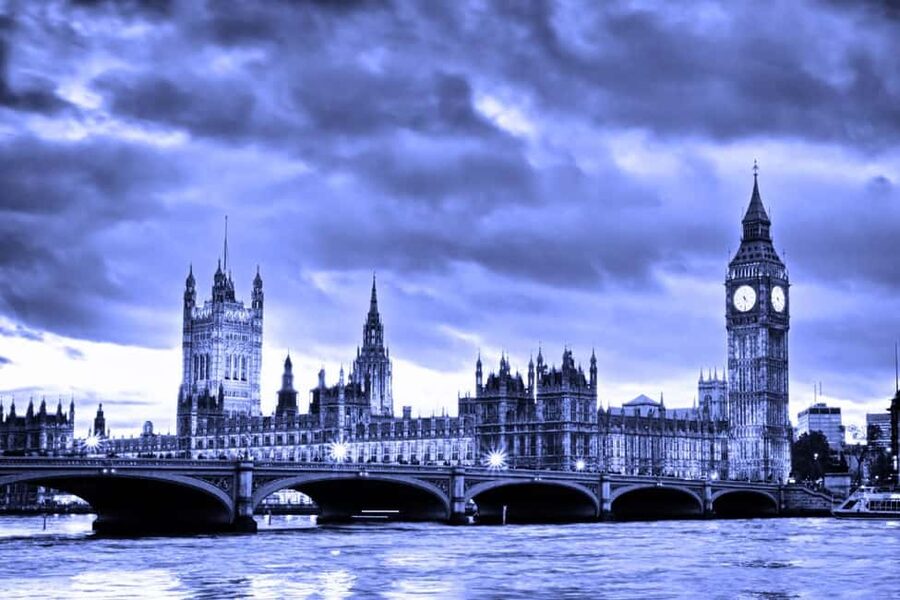
Most first visits to London focus on Westminster Abbey, the Tower of London, Buckingham Palace, and the Thames. This tour takes you into the East End and asks you to look at the city through a far more troubling story.
The subject is grim, but the best part of the experience is not gore. It is the setting. You walk through ordinary streets and try to picture Whitechapel in 1888, when poor housing, dim lighting, crowded lodging houses, and limited police methods shaped daily life.
The tour also works as a lesson in how a crime becomes a legend. Your guide separates evidence from newspaper invention, later theories, and dramatic claims that have grown around the case. That distinction matters. You are not simply handed a suspect and told that the mystery is solved.
The guides use different styles. Jim has been praised for his knowledge of the five victims and for reciting Ripper letters. Marc is known for setting the Victorian scene and telling the story with humor. Matthew brings a broad understanding of London to the walk, while Alice has been especially attentive to the pace of mixed-age groups. Robin has adapted his presentation for younger children and kept the group moving during wet weather.
The guide you receive will vary, but the repeated strength of this tour is clear: the story depends on a good narrator. A flat delivery would make the walk feel like a list of addresses. A strong guide gives each location a reason to matter.
More Ghost Walking Tours in London
- London: The Original Jack the Ripper Walking Tour
★ 4.7 · 7,833 reviews - London Jack The Ripper Guided Walking Tour
★ 5.0 · 3,131 reviews - London: Jack the Ripper Walking Tour – Ripper Vision Tours
★ 4.5 · 1,752 reviews
Starting at Tower Hill and Trader’s Gate
The meeting point is outside Tower Hill Underground Station, near the Tower Hill Tram and the ice cream refreshments stand next to the station exit. The tour begins at 3:30 p.m. or 6 p.m., depending on the departure you choose.
Plan extra time for this first step. The location can be confusing, and one booking party spent about 20 minutes trying to find the correct place. Another person noted that the map pin appeared to direct them toward a food truck area and the station rather than the precise meeting spot. I would not cut this close. Arrive at least 15 to 20 minutes early, leave the station, and look for the stand by Trader’s Gate.
This starting point is useful because it places you on the edge of the historic City of London before the route moves toward Whitechapel. Your guide can explain how the wealthy financial district and the poorer East End sat close together, yet felt like very different worlds.
Do not expect an indoor welcome center, ticket desk, or formal exhibit. You are joining a walking group on the pavement. Keep your booking details handy, wear shoes suited to city walking, and bring a raincoat. The tour takes place outdoors, and London weather can change quickly.
Aldgate High Street and the move into Whitechapel
From the starting point, the route continues along Aldgate High Street. This section helps you understand the geography of the case. The route is not a collection of isolated crime scenes. It links streets that were close enough to walk between, yet difficult to police in the early hours of the morning.
As you move along, the guide builds the setting around the murders. You will hear about the East End community, the conditions faced by poor women, and the press attention that turned local crimes into a national panic.
This broader setting is one reason I would choose the tour even if you already know the basic Jack the Ripper story. You are not only following a killer. You are also looking at how Victorian London worked, how information traveled, and how the newspapers helped create an enduring public figure from an unidentified criminal.
The route uses present-day streets, so the surroundings will not look exactly as they did in 1888. Modern buildings, traffic, shops, and street lighting naturally interrupt the atmosphere. A good guide compensates by describing the older setting rather than pretending the modern scene has been untouched.
Mitre Square, where two murders took place
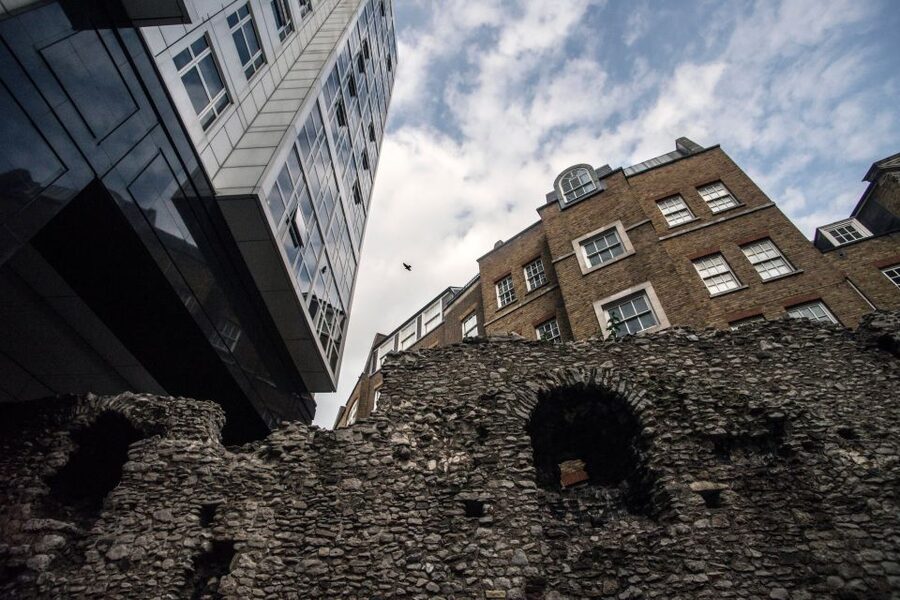
Mitre Square is one of the most important stops on the walk. Jack the Ripper claimed two victims there, and the guide explains what happened and why this location remains central to the case.
This stop can be powerful precisely because it is not a theatrical attraction. You are standing in a normal London area while hearing about a crime that has been discussed for more than a century. The contrast between the present-day street and the brutal events described by the guide gives the story its force.
Expect difficult subject matter here. The tour deals with murder and the treatment of the victims in direct terms. It is not the right choice for anyone looking for a light ghost walk or a family activity with no disturbing content.
At the same time, the strongest presentations keep the victims from becoming mere props in a killer’s story. Guides have been praised for discussing the five women and the world around them, rather than treating the case as a puzzle with Jack the Ripper as the only figure who matters.
The group may pause while the guide lays out the known evidence and the competing theories. These stops are a key part of the experience, so do not expect constant walking. You may spend a few minutes listening, then move on to the next location.
More Ghost Walking Tours in the UK
- London: Jack the Ripper Evening Walking Tour
★ 4.9 · 1,449 reviews - London: Ghost Walk and River Thames Boat Ride
★ 4.5 · 1,251 reviews - London: Ghastly Ghosts 2-Hour Walking Tour
★ 4.9 · 794 reviews - London: Interactive Jack the Ripper Night Walking Tour
★ 4.7 · 229 reviews
Goulston Street and the disputed clue
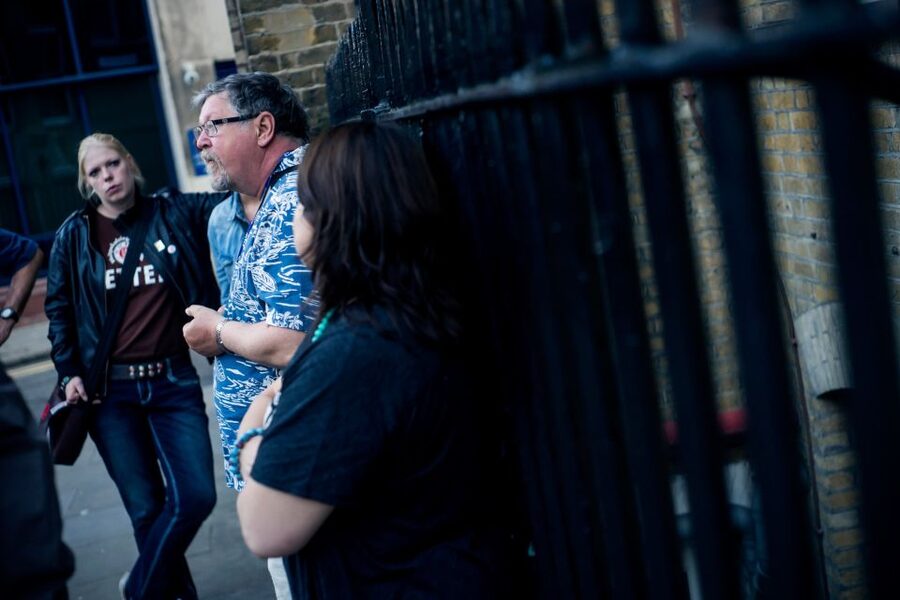
The walk then reaches Goulston Street, often described as the site of the most important possible clue in the case. The writing discovered there has long been linked to the murders, but its meaning and connection to the killer remain disputed.
This is where the tour shifts from crime scene to detective story. Your guide explains what was found, why police attention focused on it, and how later interpretations shaped the Ripper theories. You will come closer to understanding the difference between a physical clue and a clue that has been given meaning by generations of researchers.
That uncertainty is part of the appeal. The tour does not need to produce a final answer to be satisfying. It is more honest, and more interesting, to show you why the evidence has never settled the question.
Guides who are deeply interested in Ripper research can spend a lot of time on suspects and theories. That suits people who enjoy weighing evidence. If you have little interest in the case, the guide’s skill in explaining the social setting will matter more than the names of every proposed suspect.
One useful feature is the chance to ask questions. Several guides have been praised for answering clearly and adding context beyond the prepared route. The experience is more rewarding when you treat it as a conversation rather than a one-way performance.
Commercial Street and the changing East End
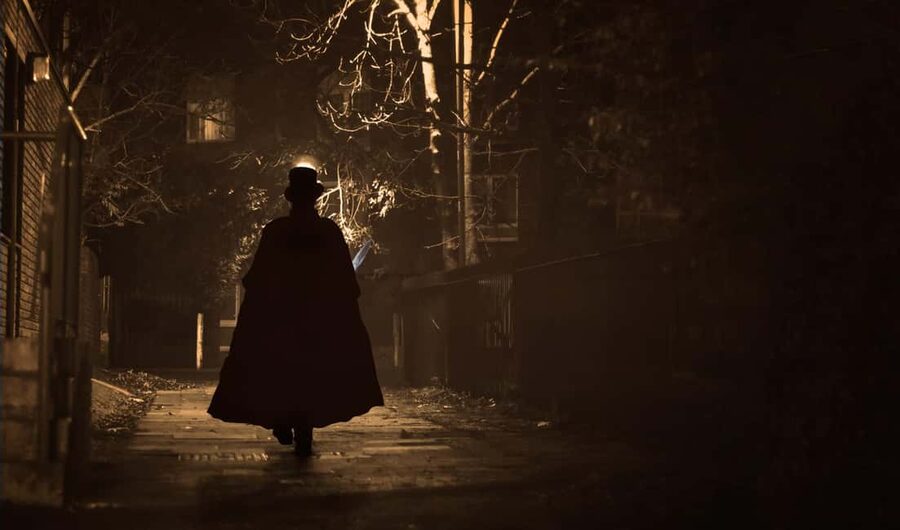
The route continues through Commercial Street. This part connects the murder sites and gives you a sense of the distance between them.
Commercial Street also shows why a walking tour can offer something a bus tour cannot. You notice the turns, the closeness of the streets, and the time it takes to walk from one place to another. The physical route helps you judge the case for yourself instead of seeing each location as a separate pin on a map.
You will also see modern East London as you walk. The city has changed greatly since the Victorian period, and some places connected with the murders are difficult to read without the guide’s explanation. That is not a flaw in the tour. It is simply the reality of exploring a living city rather than a preserved historic set.
The walk is about 1.5 hours from beginning to end, which is a good length for this subject. It gives the guide time to build the story without taking up an entire afternoon. You will still have time afterward for food, another London attraction, or a return to your hotel.
Hanbury Street and the story of Anne Chapman
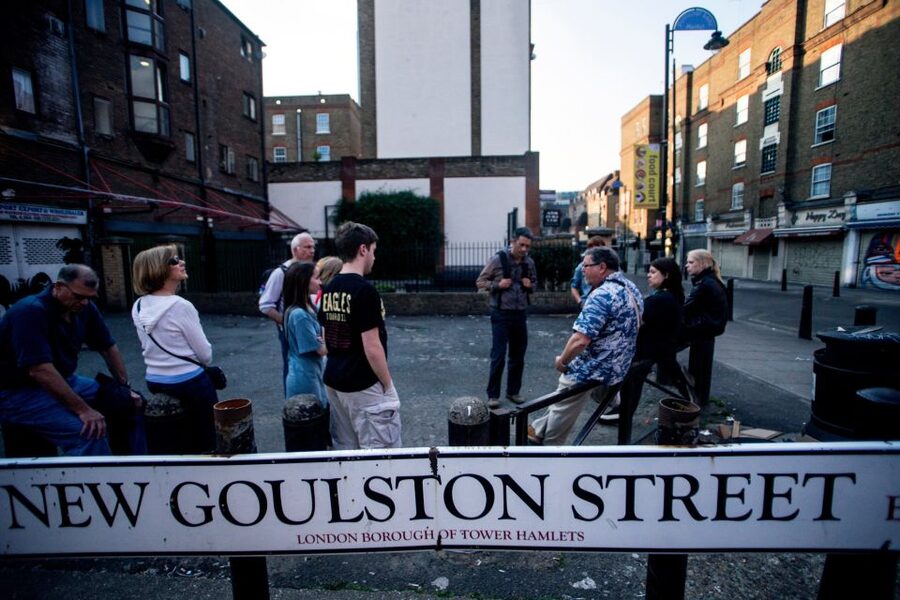
Hanbury Street is associated with the discovery of Anne Chapman’s body. The guide uses the stop to explain the crime, the investigation, and the wider conditions in which she lived.
This is likely to be one of the more serious moments of the tour. The subject is not presented as a fictional thriller. You are hearing about a real woman and a real murder, and the details can be upsetting.
The best guides balance clear facts with restraint. Marc has been praised for describing life in the period and the people involved, while other guides have been noted for making the story vivid without losing sight of its human cost. That tone is important. A tour about unsolved murder can easily become cheap entertainment, but a thoughtful presentation gives the subject more weight.
You may also hear how newspaper coverage, public fear, and speculation shaped the investigation. The case became famous not only because of the violence, but because the authorities failed to identify the killer. That failure left space for countless theories, suspect lists, and later attempts to solve the mystery.
Facts, theories, and the Jack the Ripper myth
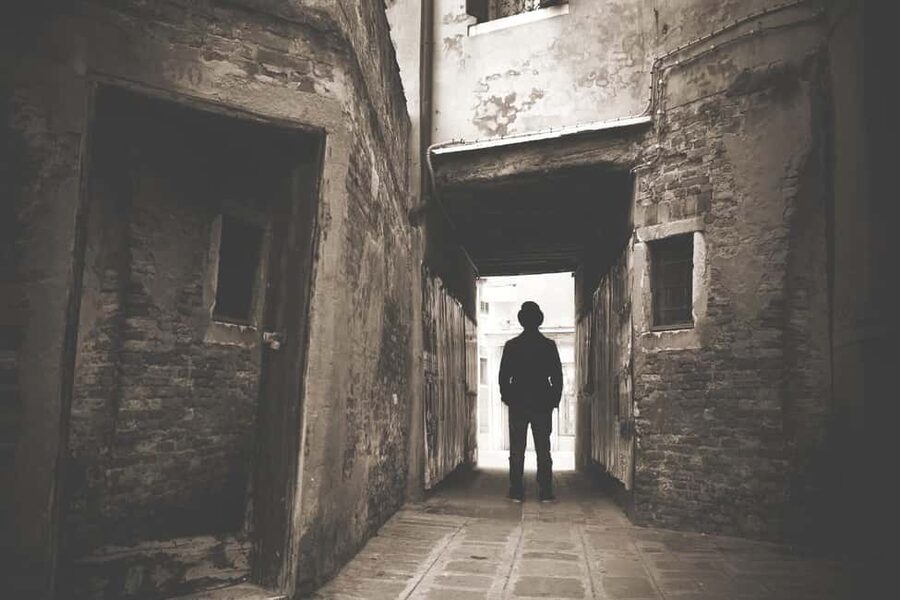
The tour’s main purpose is to separate fact from myth. You will examine who Jack the Ripper might have been and why no theory has gained universal acceptance.
The guide may discuss the so-called Ripper letters, including the famous messages associated with the case. Jim has been praised for reciting these letters, which can make the material feel more immediate. Still, you should remember that the letters themselves are part of the uncertainty. Their authorship and value as evidence have been debated.
The phrase Jack the Ripper became a powerful label. It gave the unknown killer a character and helped newspapers turn a series of murders into a single story. The walk lets you see how that label continues to shape public interest more than a clear record of the person behind it.
I appreciate that the strongest version of this tour does not pretend to solve the case. You hear the leading ideas, consider the clues, and leave with a better grasp of why the mystery survives. That is a more useful result than a dramatic claim built on weak evidence.
The guide’s tone will shape your reaction. Several guides, including Michael, Johnny, Marc, Alice, and Matthew, have been praised for humor, clear explanations, and strong storytelling. Humor can make a long outdoor walk easier, but it needs to be handled carefully given the subject.
How much value do you get for $20?
At $20 per person, this is a good-value way to spend 90 minutes in London. The fee covers the guided walk and a professional English-speaking guide. You are not paying admission to a museum or a special attraction, so the value comes from the explanation, route, and storytelling.
That makes the guide especially important. If you simply wanted to visit the streets on your own, you could walk through the area for free. The tour earns its price by connecting those streets to the people, evidence, and competing ideas behind the case.
The price also compares well with a major London attraction, especially if you want an experience that does not require a long indoor visit. It gives you a focused theme and a different view of the city.
The cost does not include food, drinks, or admission to attractions. The walk itself is the complete experience. If you want displays, artifacts, or reconstructed rooms, choose a museum or exhibition instead.
Free cancellation is available up to 24 hours before the tour, and you can reserve now and pay later. Those terms help if your London schedule is still shifting.
Who should book this walking tour?
I would recommend it to you if you enjoy unsolved cases, Victorian London, local social history, or guided walks that explore a less familiar part of the city. It also suits repeat visitors who have already seen the main sights and want a different afternoon.
Families can join with children under 16 at a parent’s discretion. Robin has adjusted the presentation for younger children, but the subject remains murder and includes disturbing details. Parents should decide based on their child’s comfort with that material rather than the walking time.
The tour is also a good match for people who like asking questions. Guides such as Alice, Matthew, Marc, Michael, and Jim have been praised for answering questions and adding background beyond the basic route.
I would hesitate to recommend it if you dislike crime stories, graphic subject matter, or outdoor tours in uncertain weather. The experience is entirely in English, and much of its value depends on following a spoken explanation while standing on busy city streets.
Should you book the Jack the Ripper walking tour?
Book it if you want a compact, affordable London walk with a strong story and a serious look at one of history’s most famous unsolved cases. The route visits meaningful locations, the subject goes beyond sensational murder details, and the best guides make the Victorian setting easy to picture.
Just allow extra time to find the Tower Hill meeting point, wear sensible shoes, and expect unsettling material. If you approach the tour as a lesson in evidence, myth, and London life rather than a hunt for a guaranteed culprit, the $20 price is well spent.
FAQ
How long is the Jack the Ripper walking tour?
The tour lasts 1.5 hours, or 90 minutes, from start to finish.
What time does the tour depart?
Departure times are listed as 3:30 p.m. and 6 p.m. Check availability for the date you want to book.
Where does the tour meet?
Meet outside Tower Hill Underground Station at the Tower Hill Tram, by the ice cream refreshments stand next to the station exit. This area can be confusing, so arrive early and check the precise meeting instructions.
Where does the walking tour go?
The route begins at Trader’s Gate and continues along Aldgate High Street to Mitre Square, Goulston Street, Commercial Street, and Hanbury Street.
What will I see at Mitre Square?
Mitre Square is linked with two of the Jack the Ripper murders. The guide explains the events associated with the location and its role in the wider case.
Is the tour conducted in English?
Yes. The live guide speaks English, and the activity is offered in English only.
Are children allowed to join?
Children under 16 may join at their parent’s discretion. The subject includes murder and disturbing details, so parents should decide if the content is suitable.
What is included in the price?
The price includes the guided walking tour and a professional guide. Food, drinks, and admission to attractions are not included.
Can I cancel or pay later?
You can cancel up to 24 hours in advance for a full refund. Reserve now and pay later is also available, allowing you to hold a place without paying immediately.
New walking tours around London
- London: Old City Walking Tour★ 4.8 · 135 reviews
- London: Witches and History Bankside Walking Tour★ 4.8 · 223 reviews
- London: Palaces and Parliament Walking Tour★ 4.8 · 365 reviews
- London: Winston Churchill and London in WWII Walking Tour★ 4.8 · 143 reviews
- London: Westminster Walking Tour & The Tower of London Entry★ 4.6 · 131 reviews
- London: Tootbus Christmas Lights Tour incl walking tours★ 3.6 · 227 reviews
- London: Westminster Walking Tour & Westminster Abbey Visit★ 4.7 · 315 reviews
- London: Secrets of the London Underground Walking Tour★ 4.6 · 211 reviews
London Walking Tours, side by side.

Magical London: Harry Potter Guided Walking Tour
Read our review →
London: The Original Jack the Ripper Walking Tour
Read our review →
Tour for Muggles The Ultimate Harry Potter Walking Tour in London
Read our review →
London: Harry Potter Movies Walking Tour (Kids Go Free)
Read our review →
London Bridge & Borough Market Food Tour with 7 Authentic Dishes
Read our review →
Changing of the Guard Guided Walking Tour in London
Read our review →