
Review · MALTA
Malta: Mdina and Rabat Walking Tour with Catacombs
Mdina’s narrow lanes, grand palazzos, and quiet bastion views make it one of Malta’s most memorable places, but the city becomes far more meaningful when you know what you’re seeing. This tour adds that context, then crosses into Rabat for St Paul’s Grotto, catacombs, and WWII shelters.
I like the balance between Mdina’s polished medieval and baroque center and Rabat’s more underground, practical side. I also like that guides such as Matthew, Carmel, Mario, and Dylan are praised for clear storytelling, humor, and taking questions. The main drawback is the pace of a 2.5-hour walking tour: you will spend much of it on your feet, and the catacombs can feel airless for some people.
Key points at a glance
- Mdina’s bastion walls: Look across central Malta from the old capital’s high plateau.
- A guide-led history lesson: Guides including Matthew, Carmel, Mario, and Dylan explain the city in an easy, lively way.
- Four Rabat sites in one visit: The tour includes catacombs, St Paul’s Grotto, the Wignacourt Museum area, and WWII shelters.
- Entrance fees included: The cost covers the listed underground attractions, making the $29 price easier to judge.
- A real walking tour: Wear good shoes, bring water and sun protection, and expect standing as well as walking.
- Best for history-minded adults: It suits people who want context, though very young children may find the information-heavy format long.
Why Mdina makes a better first stop with a guide
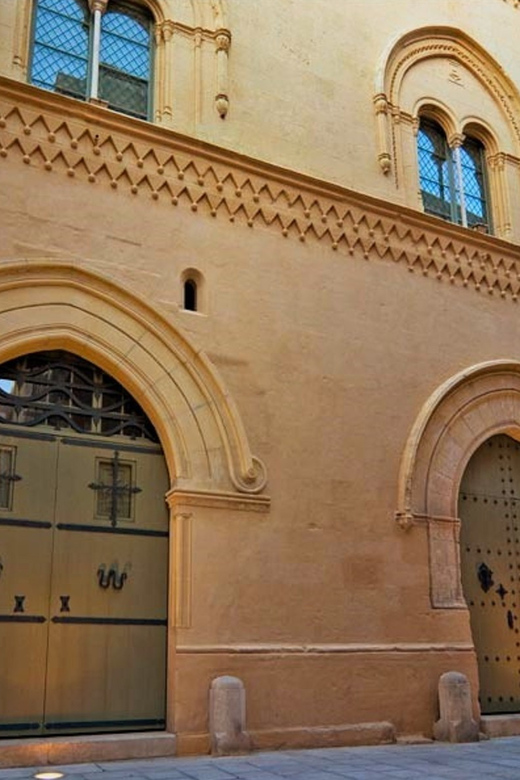
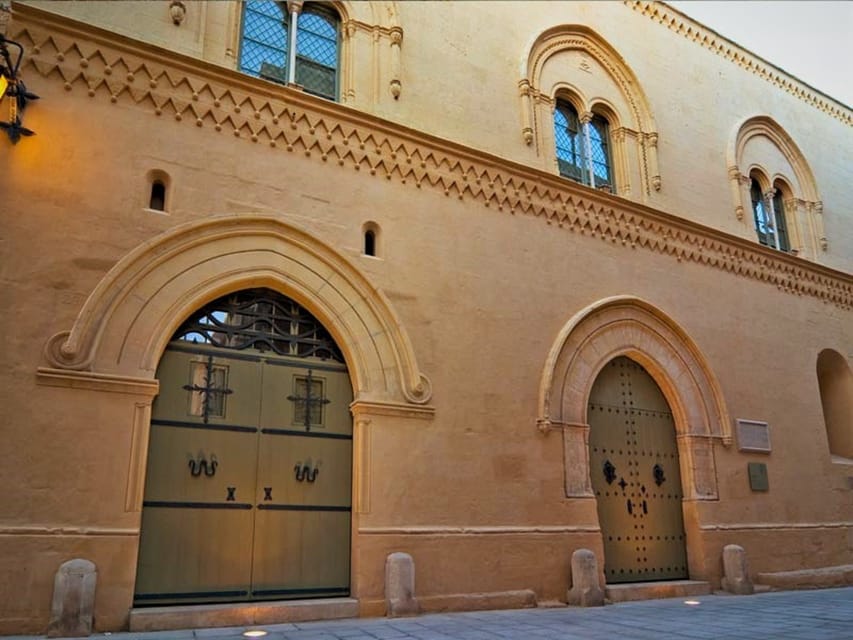
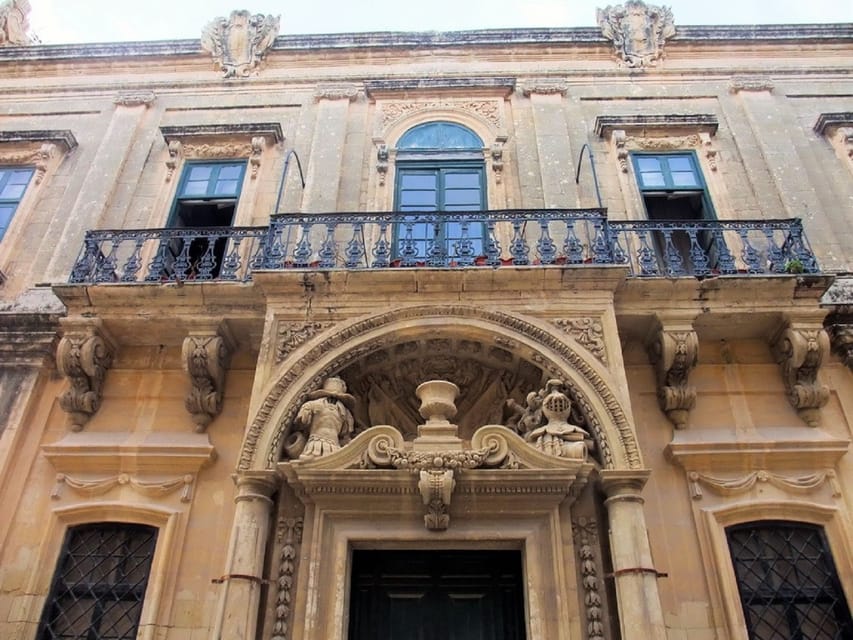
Mdina is easy to admire and surprisingly easy to misunderstand. Its honey-colored stone, grand doors, and quiet lanes can look like a beautiful film set if you simply wander through without knowing why the city matters.
A guide gives the streets a story. Mdina began as a fortified settlement on a central plateau, an area inhabited since at least the Bronze Age. Phoenician and Roman communities followed, then Arab rule shaped the city’s name and layout. The Normans later made it Malta’s capital.
That long sequence is useful because Mdina is not one single historical period. You see medieval planning in the narrow streets, baroque rebuilding around the cathedral, and later changes linked to the rise of Valletta. A strong earthquake in 1693 led to major reconstruction, yet the city changed relatively little afterward.
I like this kind of explanation because it stops the tour from becoming a parade of old buildings. You begin to notice why the streets are tight, why the city sits where it does, and why Mdina once had such importance. Mario, described as a former history teacher, is one guide who brings this material to life with stories and facts rather than a dry list of dates.
The meeting point is outside Mdina Gate, next to the playing field. Arrive ready to walk, since hotel pickup and drop-off are not included. The tour is conducted in English with a professional licensed guide.
More walking tours around the world:
- Magical London: Harry Potter Guided Walking Tour
★ 4.7 · 22,044 reviews - Reykjavik Food Walk – Local Foodie Adventure in Iceland
★ 5.0 · 18,952 reviews - History and Hauntings of Salem Guided Walking Tour
★ 5.0 · 14,564 reviews
Entering Mdina through the city gate
Mdina Gate is the natural opening to the experience. Passing through it takes you from the modern surroundings into a compact old city of stone lanes, churches, palaces, and enclosed squares.
Your guide will point out how Mdina’s architecture blends medieval and baroque styles. The mix is part of its charm. You might see a simple, defensive-looking street leading to a more elaborate baroque facade, or a quiet chapel beside a grand civic building.
The route includes Vilhena Palace, St Agatha’s Chapel, the Banca Giuratale, Palazzo Falzon, and Greeks Gate. Each gives you a different angle on Mdina. Palaces show the power once held by noble families. Churches and chapels reveal the city’s religious role. The gates remind you that this was a fortified capital, not simply a handsome residential quarter.
Palazzo Falzon is especially useful for seeing Mdina’s noble character in architectural form. Greeks Gate adds another layer to the city’s defenses and entrances. You are not just ticking off famous names. A good guide explains how these places fit together, and the strongest feedback about Matthew, Carmel, and Mario points to exactly that strength: they keep the story moving while making space for questions.
Mdina Cathedral and the baroque heart
The Mdina Cathedral is one of the tour’s main sights. Its presence helps explain the city’s later baroque character and the rebuilding that followed the 1693 earthquake.
You should not expect a long, private museum-style visit here. This is a walking tour, so the cathedral forms part of a wider route through Mdina. The value comes from seeing it in relation to the surrounding streets, civic buildings, and bastions.
Guides are particularly useful at this point because the details can blur together when you visit several churches and palaces in one day. A clear explanation gives you a way to remember what you saw. Carmel is repeatedly praised for combining history, culture, art, and everyday Maltese life, while Dylan is noted for explaining the area in simple, entertaining terms.
The tour’s tone appears friendly rather than formal. Questions are welcome, and several guides are praised for staying on track while still responding in depth. That matters in Mdina, where a short question about a doorway or a coat of arms can lead to a useful explanation of Malta’s past.
Bastion views across central Malta
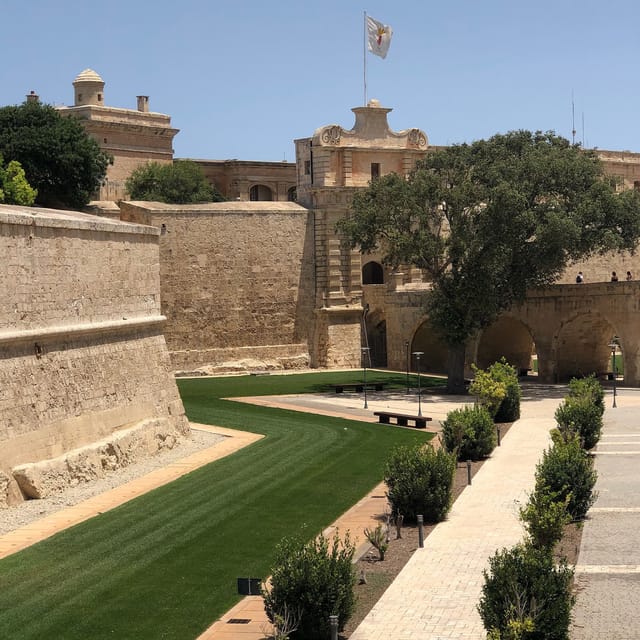
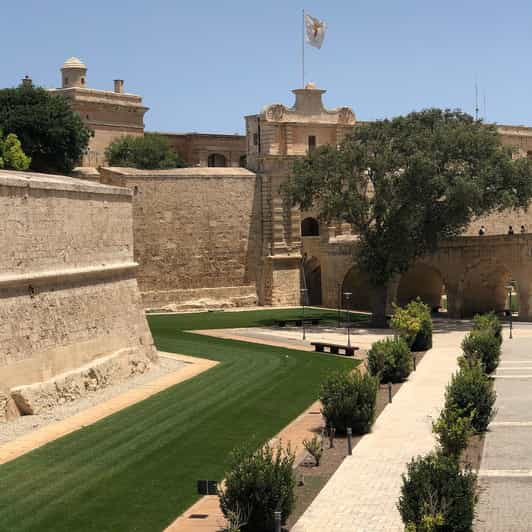
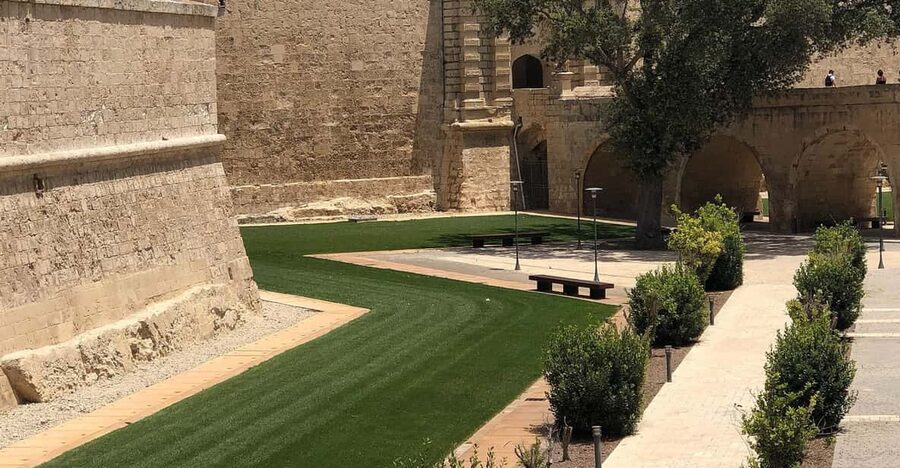
Mdina’s position on a raised plateau gives the tour some of its best views. From the bastion walls, you can look out over central Malta and understand why this location was chosen for a capital and defensive stronghold.
The views are not the only reason to visit the bastions. They help you read the island. After walking through enclosed lanes and shadowed stone passages, you suddenly see how high Mdina sits and how strongly it controlled the surrounding area.
Bring a hat, water, and sunscreen, especially in warm weather. The tour information specifically recommends sun protection and comfortable clothing. The walking itself is described as manageable by several people, but manageable does not mean effortless. You will walk, stop, listen, and stand throughout the route.
The open-air sections are also weather-dependent. One guide kept the group under cover during heavy rain and moved back outside when conditions improved, but you should still bring suitable clothing. A rainy day can make the stone streets slippery and the views less clear.
Same streets, a different story:
- New Orleans Premier Ghost, Voodoo and Vampire Walking Tour
★ 4.5 · 12,856 reviews - Amsterdam Anne Frank: Small-Group Walking Tour & Local Guide
★ 4.8 · 12,789 reviews - Edinburgh: Harry Potter Magical Guided Walking Tour
★ 4.8 · 11,944 reviews - Edinburgh Castle: Guided Walking Tour with Entry Ticket
★ 4.7 · 11,699 reviews
Crossing into Rabat for a different side of Malta
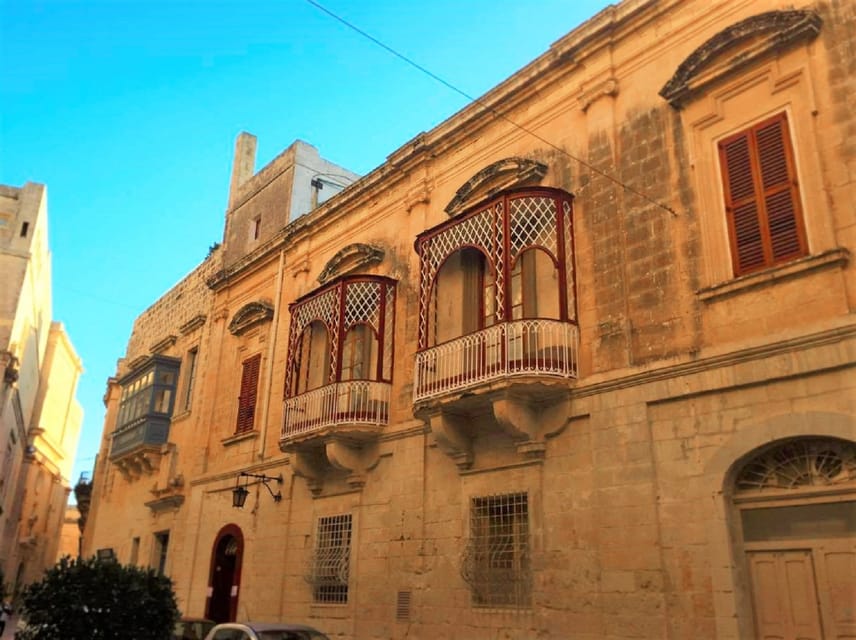
Rabat sits beside Mdina, but it feels different. Mdina presents the old capital’s formal face. Rabat adds layers of daily life, burial customs, religious tradition, and wartime survival.
This change makes the itinerary work well. If the whole tour stayed inside Mdina, the experience could become a little too focused on palaces and grand facades. Rabat gives you a more grounded look at the people and communities connected to the area.
The route includes the Wignacourt Museum area and its underground attractions. You visit catacombs, St Paul’s Grotto, and WWII shelters, with entrance fees included in the $29 price.
St Paul’s Grotto connects Rabat to Malta’s early Christian tradition. The catacombs show how burial and remembrance took place beneath the town. The WWII shelters shift the focus to a far more recent crisis, when underground spaces served a practical purpose during air raids.
That range is one of the tour’s strongest features. In a short period, you move from ancient settlement and religious tradition to modern wartime history. A guide helps you understand that these are not isolated attractions. They are different chapters in the same place.
Catacombs, St Paul’s Grotto, and WWII shelters
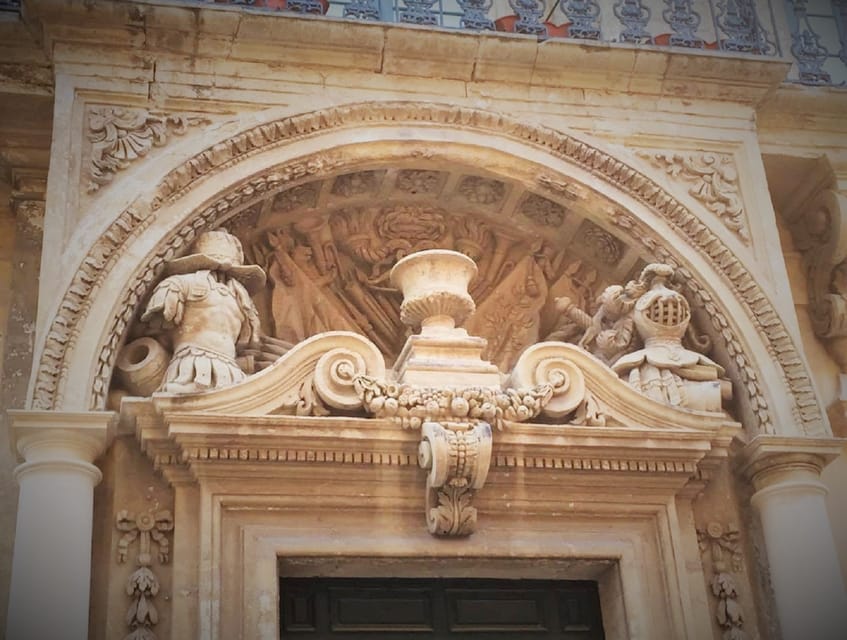
The underground visits add texture that you will not get from a surface walk alone. The catacombs are fascinating rather than deliberately frightening, but the conditions are worth considering before you book.
One person found the underground sections airless and suggested shortening the time below ground. Another specifically noted that the catacombs were not too creepy or claustrophobic. Your reaction will depend on how comfortable you are in enclosed spaces, but the tour does include descending into underground areas.
The WWII shelters are valuable because they show a side of Malta that is easy to miss when you focus only on ancient temples, churches, and coastal views. The wartime stories give the island’s modern history a human scale. Several guides are praised for explaining Malta during the war in a way that was especially memorable.
St Paul’s Grotto adds a religious and historical layer, while the catacombs offer a chance to see how the dead were commemorated. The three stops work best together. You get ancient and early Christian Malta, then the pressures of the twentieth century.
Entrance fees are included, which makes a difference here. If you visited every site separately, you would need to manage separate admissions and decide which underground attractions were worth your time. This tour removes that guesswork.
The guides make or break the experience
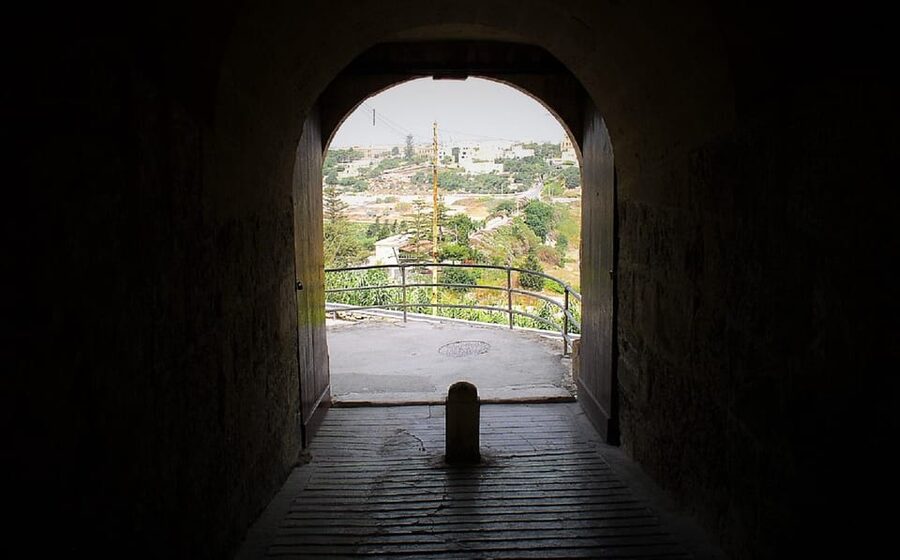
The route is fixed, but the guide shapes how much you take away. The strongest pattern among the guides is not theatrical performance. It is clear explanation, local detail, humor, and patience with questions.
Matthew is often praised for his depth of information and calm pace. He has guided people in Valletta as well, so returning customers may find the continuity useful if they are taking more than one tour in Malta. Carmel is described as warm, funny, and able to connect history with culture and local life.
Mario brings a teacher’s approach, with detailed explanations and stories that make the past easier to follow. Dylan is noted for being both funny and well informed. Other guides, including Allysia, Michael, Carmen, and others, are also described as engaging and fluent in the material.
The exact guide is not guaranteed, so book this experience for the route and format rather than for one particular person. Still, the repeated praise for the guide team is reassuring. This is not a silent walk with a few dates attached. You can expect active narration and opportunities to ask questions.
Some guides also add local touches. Carmel has offered suggestions for lunch, sweets, and nearby museums, while one guide included Game of Thrones filming information for an interested group. Those extras are useful, but they should remain extras. The main value is the history of Mdina and Rabat.
How much walking, and how long?
The stated duration is 2.5 hours, though some people found the experience closer to three hours. That difference may depend on the guide, group pace, and time spent answering questions.
The route is not a strenuous hike, but it is a proper walking tour. You will move through narrow streets, visit several sites, descend underground, and stand while the guide explains what you are seeing. Comfortable shoes are essential.
The tour information contains a contradiction about mobility. It is marked as wheelchair accessible in one place, but it is also listed as unsuitable for people with mobility impairments and wheelchair users. Because the route includes historic streets, underground spaces, and standing, you should confirm current access arrangements before booking if mobility is a concern.
Families should also think about the format. The material is history-heavy, and one practical assessment is that young children may not have the patience for the amount of walking and listening. Older children interested in castles, war history, or underground spaces may find more to enjoy.
Is $29 a good price?

At $29 per person, the tour offers solid value if you want a guided introduction to both Mdina and Rabat. The price includes a professional licensed guide and entrance to the catacombs, WWII shelters, and St Paul’s Grotto.
You are paying for more than entry tickets. You are also buying a route through two connected places without having to plan the order yourself. The guide explains what you are seeing, answers questions, and links ancient, medieval, baroque, and wartime Malta.
The value is strongest for a first visit. If you already know Mdina and Rabat well, or prefer to wander at your own speed, the fixed pace may feel restrictive. You also need to budget separately for food and drinks, since neither is included.
The tour does not include transport from your hotel. That keeps the price down but means you must arrange your own way to Mdina Gate. Support staff have helped people who ran into public transport problems, but you should still allow enough time to reach the meeting point.
Cancellation is flexible up to 24 hours before the start for a full refund, and you can reserve now and pay later. Those terms are useful if your Malta plans are still shifting.
Who should book this Mdina and Rabat walk?
I would choose this tour if you want a clear introduction to Malta’s central history in one morning or afternoon. It is especially useful if Mdina looks beautiful but confusing to you, since the guide supplies the missing context.
It suits:
- First-time visitors to Malta
- Adults who enjoy history and architecture
- People who want Mdina and Rabat covered in one outing
- Visitors interested in catacombs and wartime shelters
- Anyone who likes asking questions during a guided walk
- Travelers who want entrance fees bundled into one price
I would hesitate if you dislike underground spaces, tire quickly when standing, or want a completely unstructured visit. The catacombs may feel airless, the schedule is guided, and the experience packs a lot of information into a short period.
Go earlier in the day if you can. One useful local tip is that Mdina can feel quite deserted later on, while an earlier start gives you more time to understand the city and continue exploring afterward.
Should you book it?
Book this Mdina and Rabat tour if you want the old capital explained rather than simply photographed. The combination of baroque Mdina, Rabat’s underground sites, and wartime history gives you a fuller picture of Malta than a short stroll through the city alone.
At $29, the included entrances make the price fair, and the guide quality appears to be a major strength. Just wear proper shoes, carry water and sun protection, and be honest with yourself about enclosed spaces and a steady walking pace.
FAQ
Where does the tour meet?
Meet your guide outside the Mdina Gate, next to the playing field.
How long does the tour last?
The stated duration is 2.5 hours. Some people found the actual experience lasted closer to three hours.
What language is the tour conducted in?
The live tour guide speaks English.
Are entrance fees included?
Yes. Entrance to the catacombs, WWII shelters, and St Paul’s Grotto is included.
Does the tour include hotel pickup and drop-off?
No. Hotel pickup and drop-off are not included.
What should I bring?
Bring comfortable shoes, a sun hat, sunscreen, water, food, and comfortable clothing.
Is the tour suitable for wheelchair users?
The information gives conflicting accessibility details. It is marked wheelchair accessible in one place but also says it is not suitable for wheelchair users or people with mobility impairments. Confirm access before booking if this applies to you.
New walking tours around the world
- Niagara Falls, Canada: White Water Walk Entry Ticket★ 4.5 · 147 reviews
- NYC: Walking Tour with Local Guide and 30+ Top NYC Sights★ 4.5 · 248 reviews
- Zadar: Food Tasting & Old Town Walking Tour★ 5.0 · 94 reviews
- Niagara Falls: Walking Tour, Journey Behind Falls, & Cruise★ 4.8 · 773 reviews
- New York City: Gangsters and Ghosts 2-Hour Walking Tour★ 4.7 · 615 reviews
- NYC: History of Slavery & Underground Railroad Walking Tour★ 4.7 · 87 reviews
- New York City’s Hell’s Kitchen: Walking Food Tour★ 4.8 · 200 reviews
- New York City: Central Park Walking Tour★ 4.7 · 82 reviews
Malta Walking Tours, side by side.



Valletta: Street Food and Culture Walking Tour
Read our review →

From Cospicua: Senglea, Bormla, and Birgu Walking Tour
Read our review →Lists this walk sits on