
Review · MANILA
Manila: Street Food and Drinks Walking Tour with Tastings
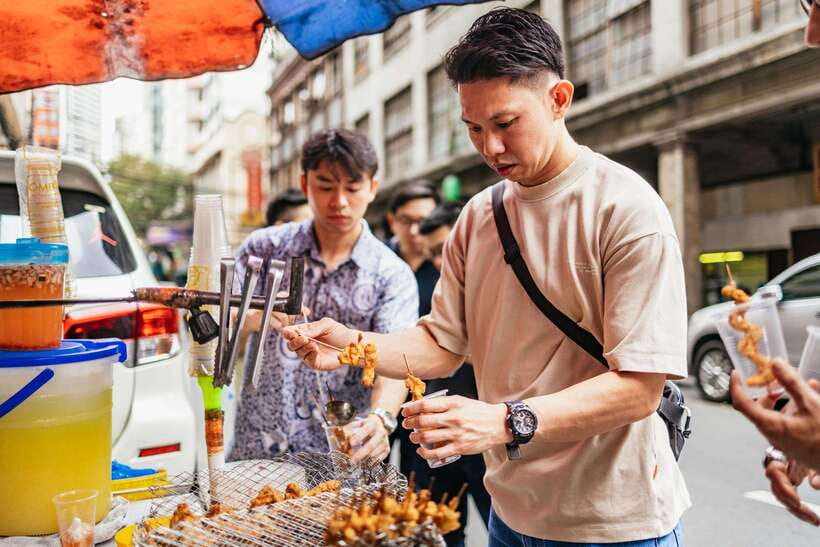
Manila’s best introduction may come on a paper plate. This two-hour walk through Binondo and nearby local streets brings you to the food stalls and small eateries where everyday Filipino dishes make more sense. You might try kwek kwek, turon, palabok, and halo-halo, then squeeze into a jeepney or colorful tricycle before the afternoon is over.
I like the generous range of tastings and the way guides such as Mari connect each dish to Filipino life. I also like the small-group size, usually capped at 10 or 12 people, which matters on crowded side streets. The main caution is simple: come very hungry, and do not book this if you are vegetarian, vegan, pregnant, or unable to manage a lot of walking and meat-based food.
Key points to know before you book
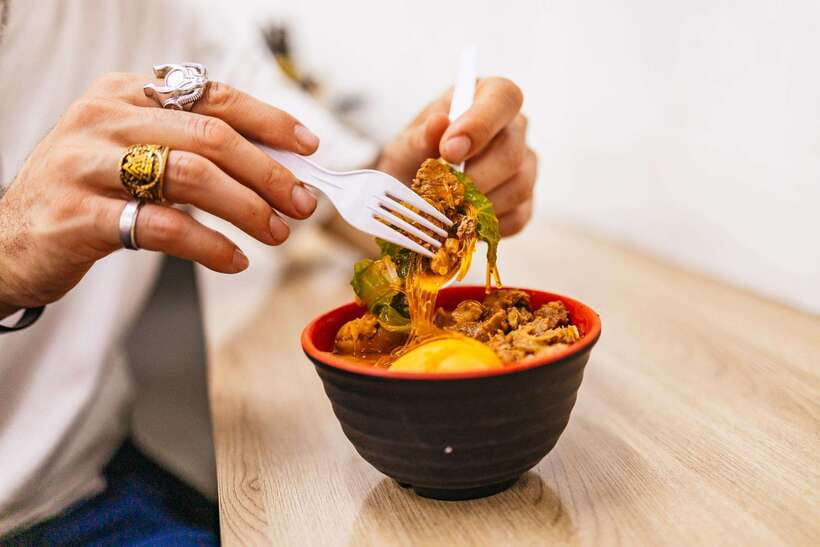
- Six to ten tastings: Expect banana cue, kamote fries, turon, kwek kwek, siomai, soup, noodles, seafood, fruit, dessert, and drinks, depending on what is available.
- Binondo starting point: Meet at Grand Cafe 1919 on Juan Luna Street, a useful place to gather, have a drink, and use the restroom before walking.
- Local transport included: The route can include a jeepney ride or a colorful tricycle, adding a real Manila experience beyond the food stalls.
- Guides with personality: Mari is frequently assigned, while Tess, Jessie, Chai, and other Mstartours guides may lead the walk.
- Crowded, lively streets: You will walk through active market areas and narrow lanes, sometimes in heat, rain, or heavy crowds.
- Good value for adventurous eaters: At $68, the price covers a full meal’s worth of food, guiding, local context, and transport, not just a few samples.
Starting at Grand Cafe 1919 in Binondo
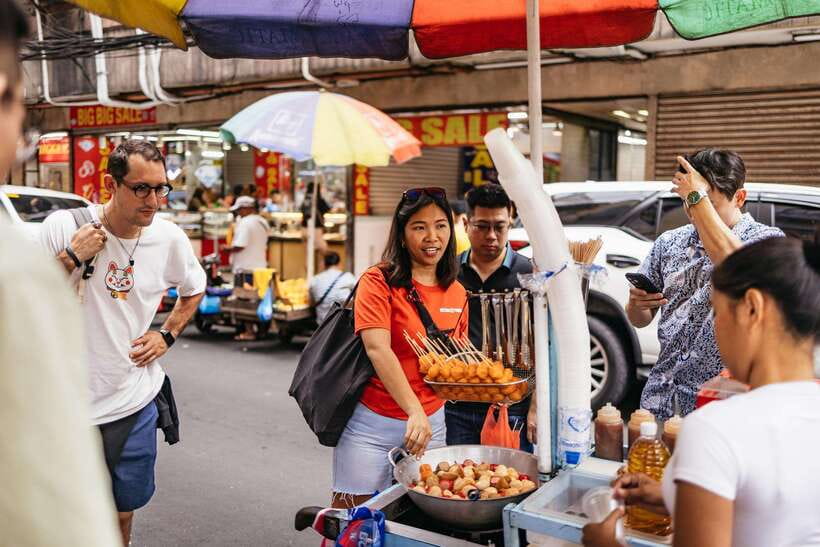
The meeting point is Grand Cafe 1919 in Binondo, at Juan Luna Street. It is a practical start rather than a grand sightseeing stop, but that is part of its usefulness. You can arrive, settle in, use the facilities, and meet your guide before stepping into the street.
Binondo gives the tour its character. This part of Manila is famous for its Chinese Filipino identity, crowded commercial streets, market activity, and long connection to the city’s food culture. You are not being taken from one polished restaurant to another. The point is to follow a guide into small food stops that can be hard to identify, order from, or reach comfortably on your own.
The group is limited to about 10 participants, though the activity information also gives a maximum of 12. That difference is worth noting, but either size remains fairly manageable. In a busy district, a small group makes it easier to hear explanations, stay together, and get on and off local transport.
Wear shoes you can walk in for two hours. You should also bring questions. The guide’s explanation is a major part of the value, especially if names such as sotanghon, kwek kwek, or palabok mean nothing to you yet.
More Street Food Walking Tours in the world:
- Naples: Street Food Walking Tour with Local Guide
★ 4.9 · 4,976 reviews - Private Street Food Evening Walking Tour in Ho Chi Minh City
★ 5.0 · 3,175 reviews - Rome: Trastevere & Campo de Fiori Street Food Walking Tour
★ 4.9 · 2,768 reviews
Filipino snacks that turn into a full meal
The exact selection depends on what is available that day, but the advertised spread is broad. You may begin with sweet street snacks such as banana cue, kamote fries, and turon. Banana cue is banana fried with caramelized brown sugar, while turon is a crisp wrapper filled with banana and often jackfruit. Both are easy entry points if you are nervous about street food.
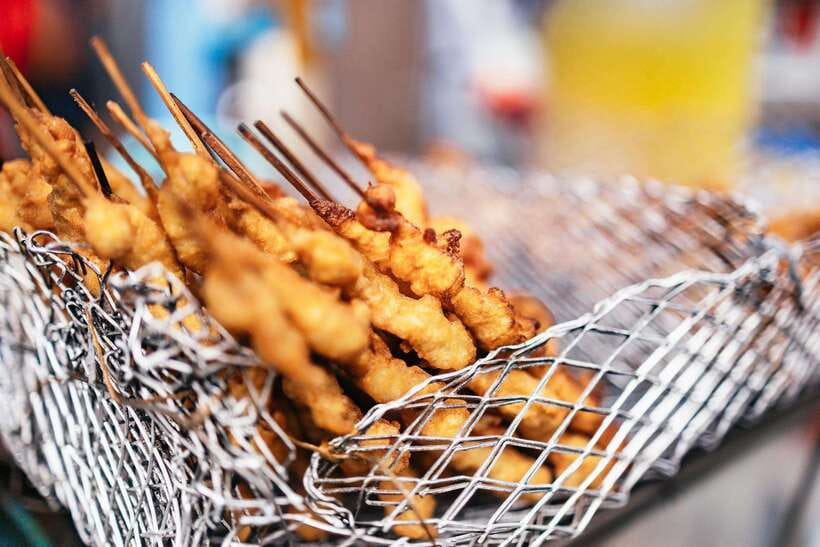
Kwek kwek is another familiar sight in the Philippines: quail eggs coated in orange batter and fried. It is usually served with a dipping sauce. Siomai brings a dumpling-style stop, while sotanghon soup offers something warm and savory between fried items.
You may also get palabok or another Filipino noodle dish. Palabok is typically a noodle dish with a savory sauce and toppings, and it gives you a better sense of Filipino comfort food than a quick snack alone. Filipino pancit may also appear, though the exact noodle dish can change.
The savory stops can include grilled squid and other meat or seafood items. Past tastings on this route have included pork on a stick, calamari, barbecue chicken intestine, and even balut, the famous duck embryo egg. Balut is not required as a test of courage, but it may be offered as an adventurous option. If you try it, ask your guide how locals season it and take your time.
One important point: this is not a tasting menu designed around dietary substitutions. Several dishes contain meat, seafood, or animal products, and the tour is specifically listed as unsuitable for vegetarians and vegans. If you avoid certain foods for medical reasons, ask before booking rather than expecting a replacement at every stop.
Why the guide matters more than the food list
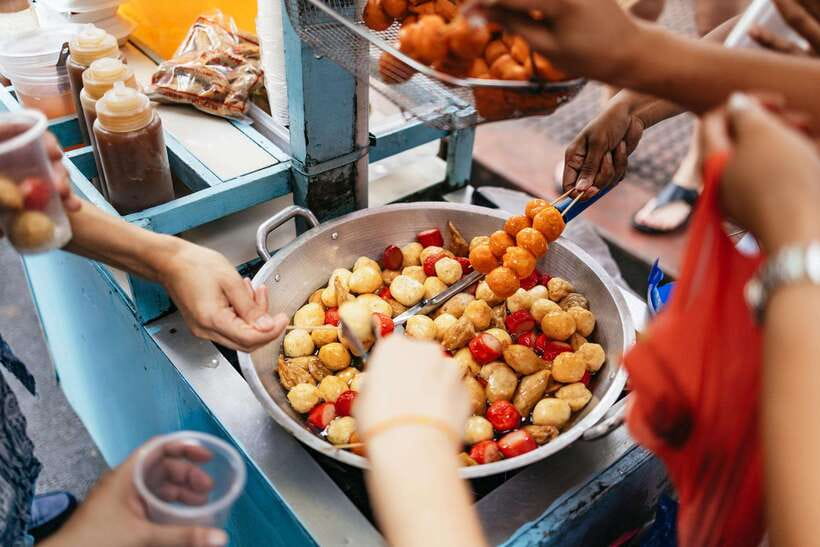
You can find Filipino snacks in Manila without paying for a tour. The harder part is knowing which stall to choose, how to order, what a dish contains, and how to move through an unfamiliar market without spending half the time guessing.
That is where the guide earns the fee. Mari is the name most often associated with this experience, and her style is energetic, warm, and personal. She has been praised for keeping groups together in crowded lanes, answering questions, explaining local customs, and taking photos for solo participants. Tess, Jessie, Chai, and other guides may also lead the walk, so the exact personality of your tour can vary.
I especially like the practical role the guide plays at food stalls. You are not simply handed a plate and told its name. You can ask how the dish is eaten, what sauce goes with it, and why it matters in daily Filipino life. The guide also helps you decide how adventurous you want to be. You can sample unfamiliar foods without having to make every decision alone.
The walk includes cultural and historical commentary as you move between stops. This does not turn the outing into a formal lecture. The best version feels more like walking with a local friend who knows which corner to turn down and which food deserves your attention.
Walking through Binondo and local neighborhoods
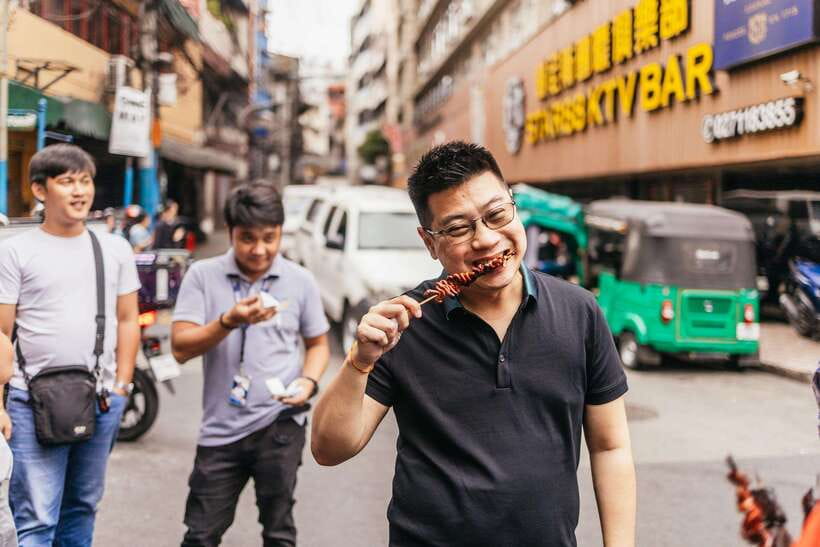
The route is built around movement. You walk through open areas, packed streets, side lanes, and market sections rather than staying in one neighborhood restaurant. That variety is valuable because Manila’s food culture is tied to the street itself: vendors, commuters, small shops, and families buying everyday meals all form part of the setting.
The downside is that the streets can be hard work. Manila is hot, traffic can be noisy, and crowded areas demand attention. On Chinese New Year, one group found the parade crowds made walking more difficult. That is a reminder to expect delays and tighter spaces during major festivals or busy dates.
The tour runs rain or shine. Bring light rain protection if the forecast looks uncertain, and use comfortable shoes with a good grip. The activity is not suitable for wheelchair users, and it is not a good match if you need a slow, fully accessible route.
The walk is also not a staged food show. Vendors may be serving local customers, and seating may be limited or informal. That is part of the appeal, but you should be comfortable with a little disorder and with eating in small, everyday places.
More Food Walking Tours in the world:
- Reykjavik Food Walk – Local Foodie Adventure in Iceland
★ 5.0 · 18,952 reviews - Little Havana Food and Walking Tour in Miami
★ 5.0 · 8,882 reviews - New Orleans Food Walking Tour of the French Quarter with Small-Group Option
★ 5.0 · 6,118 reviews - Greek Food Walking Tour in Athens
★ 5.0 · 4,740 reviews
Jeepneys, tricycles, and the ride between bites
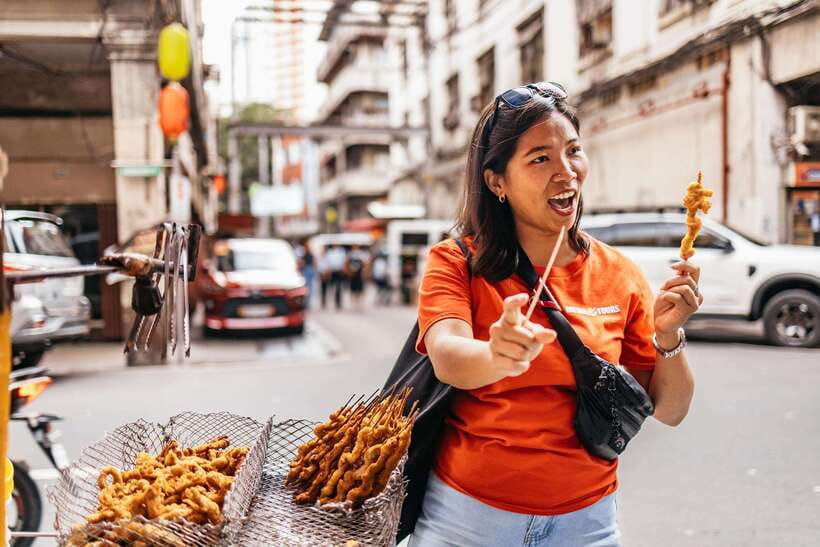
Local transportation adds a memorable second layer to the outing. Depending on the route and conditions, you may ride a jeepney or a colorful tricycle, sometimes described in the tour material as a Lamborghini tricycle. These are not luxury vehicles. They are part of the fun because you get a short look at how people move around Manila.
The transport is also one part of the itinerary that may change. One participant expected a jeepney ride but did not get one, while other tours included jeepneys, tricycles, buses, or even a boat. The dependable promise is a walking tour with local transport as an included possibility, not one fixed vehicle on every departure.
A jeepney ride can be tricky to arrange alone if you do not know the route or payment routine. With a guide, you can focus on the experience instead of worrying about where to get off. Getting on and off may take patience, especially for first-time visitors, so keep bags compact and stay close to the group.
The tricycle ride often works as a fun finale or a transfer back toward the cafe. It gives the tour a clear ending and saves you from walking every section of the route.
Drinks, heat, and the right pace
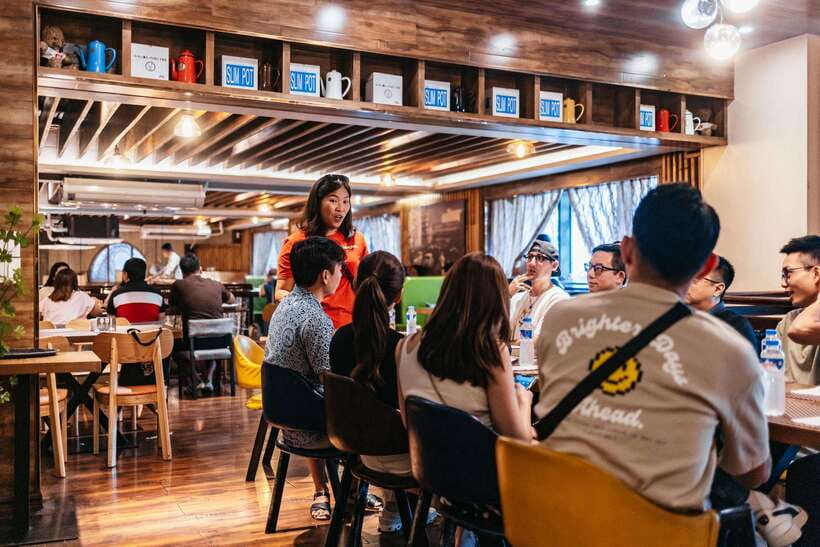
The tour includes water or a refreshing juice, and drinks may be served between food stops. This matters because the food is substantial and the streets can be hot. A well-paced tasting walk needs short breaks, and the guides have adjusted the order of stops to make room for refreshments.
You should not plan a large breakfast before this tour. The combination of fried snacks, noodles, soup, grilled food, fruit, and dessert can easily add up to a full meal. Some people may find the quantity almost excessive, which is the only fair criticism of the generous format. If you have a small appetite, share portions when possible and tell the guide early.
Food safety is another reason to stay with the group. The guide chooses established stalls and can point you toward food that is suitable for visitors. That does not remove every risk from eating in the street, and no tour can guarantee that your stomach will agree with every dish. One person reported an upset stomach the following morning, so take normal precautions and do not force yourself to try something that worries you.
Hand sanitizer may be available during the walk, but bring your own as a backup. Avoid touching food with unwashed hands, especially after handling transport rails or money.
Ending with mango and halo-halo
The sweet course helps balance the savory stops. Mango with shrimp paste is a classic Filipino combination of fruit, salt, sweetness, and fermented seafood flavor. It is a useful reminder that Filipino snacks do not divide neatly into sweet and savory categories.
Halo-halo is the more familiar finish for many visitors. The name means mixed together, and the dessert combines shaved ice with assorted sweet ingredients, evaporated milk, and toppings. It is cold, colorful, and especially welcome after walking through Manila’s heat.
The tour may also include puto bumbong, a purple rice cake traditionally associated with the Christmas season, depending on availability. This is one of the reasons not to treat the food list as fixed. Street food changes with the day, season, vendor, and neighborhood.
Ending with dessert at or near the cafe, followed by a tricycle ride in some versions of the route, gives you a gentle finish after the stronger flavors. It also leaves you with one last chance to ask your guide about dishes you want to seek out later.
Is $68 a fair price?
At $68 per person, this is not the cheapest way to eat in Manila. You could buy individual street snacks for much less. The question is what you are paying for beyond the food.
You are paying for six to ten tastings, an English-speaking guide, help choosing stalls, local explanations, a walking route through Binondo, and possible rides on local transport. You are also getting a full introduction to foods that might otherwise be difficult to identify or approach. For a first day in Manila, that can be good value.
The price makes less sense if you already know Binondo well, speak Tagalog, or prefer to explore slowly and choose your own food. It also may not suit you if you want a quiet, seated meal or only small portions.
Free cancellation is available up to 24 hours before the start, and you can reserve now and pay later. Book at least 24 hours ahead, as requested by the operator, and check the exact start time before committing to other plans.
Who should book this Manila food walk?
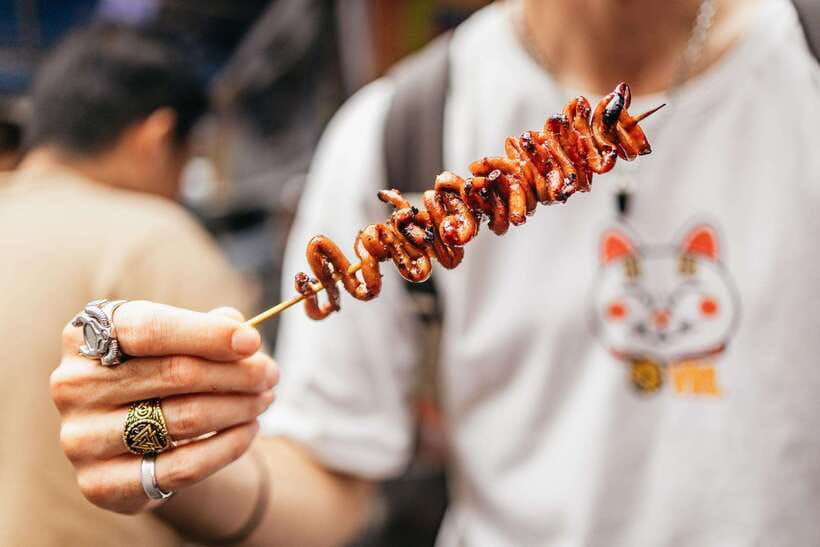
I would choose this tour for a first visit to Manila, especially if you want help getting beyond hotel restaurants and major sightseeing areas. It suits solo visitors, couples, and small groups who enjoy trying unfamiliar food and asking questions.
It is also a good fit if you have only one day in Manila. The walk gives you food, neighborhood context, and local transport in a compact two-hour format. You will not see every part of the city, but you will get a focused look at daily life around Binondo and nearby areas.
Families can join with children aged 3 to 7 when supervised. Still, parents should consider the crowds, traffic, heat, walking, and strong flavors before booking. Pregnant women are listed among those for whom the tour is unsuitable.
I would skip it if you are vegetarian or vegan, need wheelchair access, dislike crowded streets, or want a predictable menu. I would also avoid scheduling it immediately before a formal dinner. This is a serious amount of food.
Should you book it?
Book this tour if you want Filipino food explained as you eat it, not just presented on a menu. The strongest reason to go is the guide’s local knowledge and energy, particularly when Mari leads the group. She and the other Mstartours guides turn unfamiliar stalls, dishes, and transport into something approachable.
The experience is not polished in a resort-style way, and that is exactly its point. You will walk in real neighborhoods, eat food that changes with availability, and deal with crowds, weather, and the occasional challenging flavor. For adventurous eaters who want a direct taste of Manila, $68 is a reasonable price for the amount of food and guidance included.
FAQ
Where does the Manila street food tour meet?
The meeting point is Grand Cafe 1919 Binondo, on Juan Luna Street in Manila.
How long does the tour last?
The walking and food experience lasts two hours. Check the available start times when booking.
How many food tastings are included?
You can expect approximately six to ten food tastings. The exact selection depends on what is available from local vendors that day.
What foods might I try?
Possible tastings include banana cue, kamote fries, turon, kwek kwek, siomai, sotanghon soup, palabok, Filipino pancit, grilled squid, mango with shrimp paste, halo-halo, water, and refreshing juice. Balut and other items may also be available.
Is local transportation included?
The tour includes an experience using local transportation, such as a jeepney ride or colorful tricycle. The exact vehicle may vary according to the route and conditions.
Is the tour suitable for vegetarians or vegans?
No. The tour is listed as unsuitable for vegetarians and vegans because several of the dishes contain meat, seafood, or other animal products.
What should I bring?
Wear comfortable shoes and come hungry. The tour operates rain or shine, so suitable rain protection may be useful. Children aged 3 to 7 may join with guidance, but wheelchair users and pregnant women are listed as unsuitable for the activity.
New walking tours around the world
- Niagara Falls, Canada: White Water Walk Entry Ticket★ 4.5 · 147 reviews
- NYC: Walking Tour with Local Guide and 30+ Top NYC Sights★ 4.5 · 248 reviews
- Zadar: Food Tasting & Old Town Walking Tour★ 5.0 · 94 reviews
- Niagara Falls: Walking Tour, Journey Behind Falls, & Cruise★ 4.8 · 773 reviews
- New York City: Gangsters and Ghosts 2-Hour Walking Tour★ 4.7 · 615 reviews
- NYC: History of Slavery & Underground Railroad Walking Tour★ 4.7 · 87 reviews
- New York City’s Hell’s Kitchen: Walking Food Tour★ 4.8 · 200 reviews
- New York City: Central Park Walking Tour★ 4.7 · 82 reviews
Street Food Walking Tours, side by side.
Naples: Street Food Walking Tour with Local Guide
Read our review →
Private Street Food Evening Walking Tour in Ho Chi Minh City
Read our review →
Rome: Trastevere & Campo de Fiori Street Food Walking Tour
Read our review →
[HOT] Hanoi Old Quarter Walking Street Food – Small Group Tour
Read our review →
Palermo Original Street Food Walking Tour by Streaty
Read our review →
Rome: Trastevere Street Food Walking Tour with Local Expert
Read our review →
Super Niche Walking Street Food Tour in Ho Chi Minh City
Read our review →
Palermo: Street Food and History Walking Tour
Read our review →Lists this walk sits on