Review · MEXICO CITY
Mexico City: Guided walking tour through the most historic parts of the city.
Mexico City’s historic center makes the most sense when someone connects its layers for you. This walking tour starts at the Zócalo, moves through Aztec and colonial landmarks, and finishes at Bellas Artes, giving you a useful first look at the city rather than a string of unrelated photo stops.
I like the way the guides tie famous figures such as Moctezuma, Hernán Cortés, Diego Rivera, Pancho Villa, and Zapata to the streets around you. I also like the practical advice about tacos, public transportation, and spotting better food stalls. The main drawback is that you spend much of the three hours on foot, and the opening history talk may feel too long before the group gets moving.
Key points to know before you book
- Three eras in one walk: The route explains pre-Hispanic Mexico, the Viceroyalty, and the Republic in a clear sequence.
- A strong guide makes the difference: Guides including Areli, Oscar, Alexia, Laura, Luis, and Gabriela have been praised for warm storytelling and useful answers.
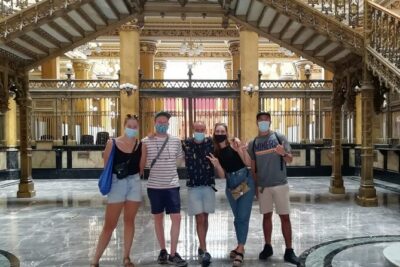
- Major sights come with local context: You see the Cathedral, Templo Mayor area, Santo Domingo, the Palacio de Correos, Casa de los Azulejos, and Bellas Artes.
- Food advice is part of the experience: You get tips on tacos, street food, and how locals judge a good place to eat, but food itself costs extra.
- Plan for sun and pavement: Bring comfortable shoes, sunscreen, a hat, water, and weather-appropriate clothing.
- Good first-day choice: The walk helps you get oriented, though transportation to the Cathedral is not included.
Why this three-hour walk works as a first look at Mexico City
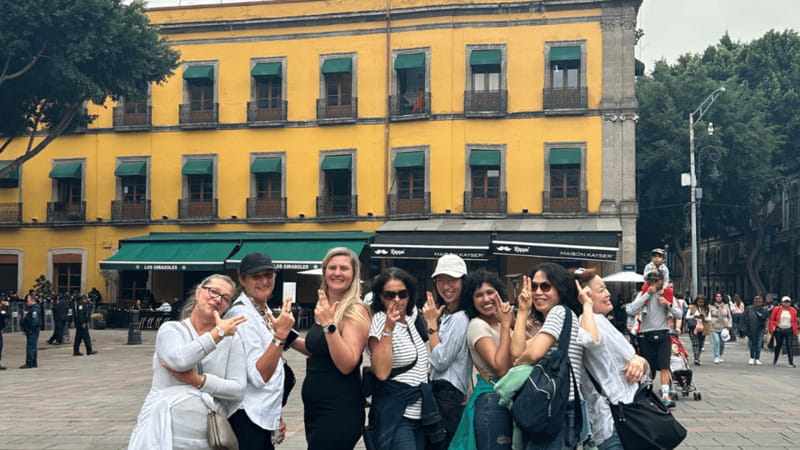
Mexico City can be hard to read at street level. A colonial church may sit beside an Aztec excavation, while a 19th-century building faces a modern office or a busy food stand. This tour gives you a framework for understanding those contrasts.
The central idea is the story of three major periods: pre-Hispanic Mexico, the Spanish Viceroyalty, and the Republic. That approach is useful because it keeps the history from becoming a list of dates. You can see how one period was built over another, often quite literally.
The route is also practical. You are not only told what a building is. You learn how the center works today, how to use public transportation, where to seek out local food, and how residents decide which food stalls are worth trying. That kind of advice can help you enjoy the rest of your stay with more confidence.
The tour costs $30 per person and lasts three hours. For that price, the value comes mainly from the guide rather than paid admission. Entrance fees, food, drinks, and transport to the meeting point are not included, so budget for those separately.
More History Walking Tours in Mexico
- Historic Downtown Walking Tour
★ 5.0 · 1,289 reviews - Mexico City: Historic Downtown Walking Tour
★ 4.8 · 1,039 reviews - Walking Tour of the Historic Center of Mexico City
★ 5.0 · 870 reviews
Meeting at the Metropolitan Cathedral and finding the group
The meeting point is outside the main entrance of the Metropolitan Cathedral, facing the Zócalo and its large national flag. Look for a guide wearing a green uniform and standing with a green umbrella.
Give yourself plenty of time to reach the Cathedral. The instructions recommend allowing at least an hour for transportation to the meeting point, which is sensible in a large city where traffic and transfers can take time. Keep a phone with your number, preferably with WhatsApp, so the guide can contact you if plans change.
The walk is offered in English and Spanish. Some material may be presented in its original language, so ask your guide to clarify anything that moves too quickly or uses unfamiliar terms.
The Zócalo: Mexico City’s central stage
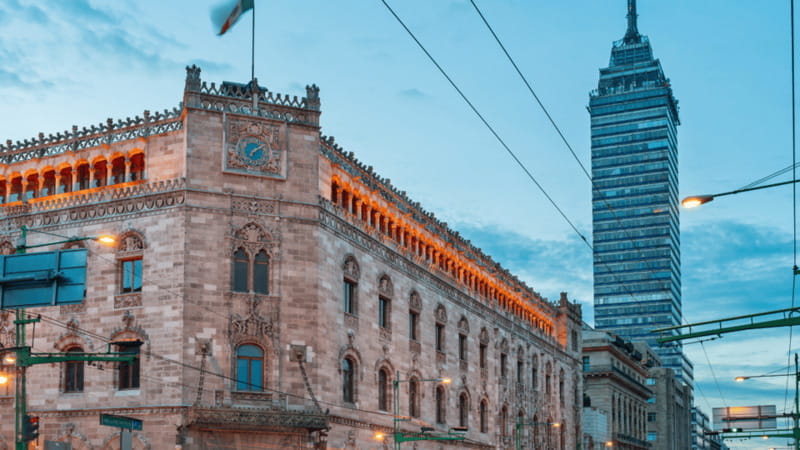
The tour begins in the Zócalo, one of the most important public spaces in Mexico. This is where the guide introduces the origins of Mexico-Tenochtitlan and explains how the Aztec capital became the foundation for the city you see today.
The scale of the square helps you understand the political importance of the area. It is not simply an open plaza for photographs. It has been a place for ceremony, government, public gatherings, and national symbolism.
This is also where the walk may feel least active. One guide received a specific suggestion to shorten the opening talk and begin walking sooner. The information was considered useful, but standing in one place for too long can be tiring, especially in the sun.
If that happens on your tour, it is reasonable to listen for the main outline and save detailed questions for later stops. The historic center becomes easier to understand once you are moving through it.
Inside the Metropolitan Cathedral
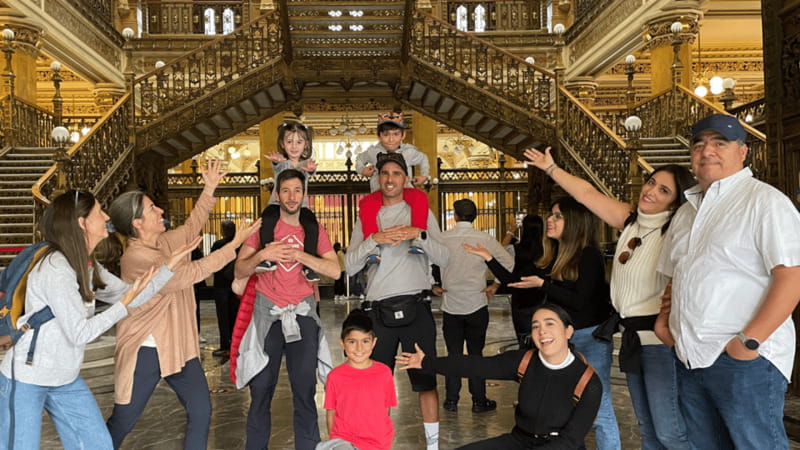
The Cathedral is one of the route’s most important visits because it shows how the Spanish colonial city was built over the earlier Aztec capital. The guide discusses the building’s architecture and its role in the transformation from Tenochtitlan to Mexico City.
You go inside rather than viewing the facade only from the square. That gives the stop more weight, although the exact experience can depend on conditions inside the church and any events taking place.
The Cathedral is a place where the tour’s larger theme becomes visible. Indigenous foundations, Spanish religious power, and the modern capital all meet within a small area. You do not need to be a specialist in Mexican history to see why this location matters.
Remember that the tour price does not cover entrance fees. The supplied information lists admission as not included, so check the current arrangements before setting out.
More History Walking Tours in the world:
- History and Hauntings of Salem Guided Walking Tour
★ 5.0 · 14,564 reviews - Lisbon: History, Stories and Lifestyle Walking Tour
★ 4.8 · 10,902 reviews - Boston: Freedom Trail History Small Group Walking Tour
★ 5.0 · 6,450 reviews - Historic Charleston Guided Sightseeing Walking Tour
★ 5.0 · 6,216 reviews
Templo Mayor and the city beneath the city
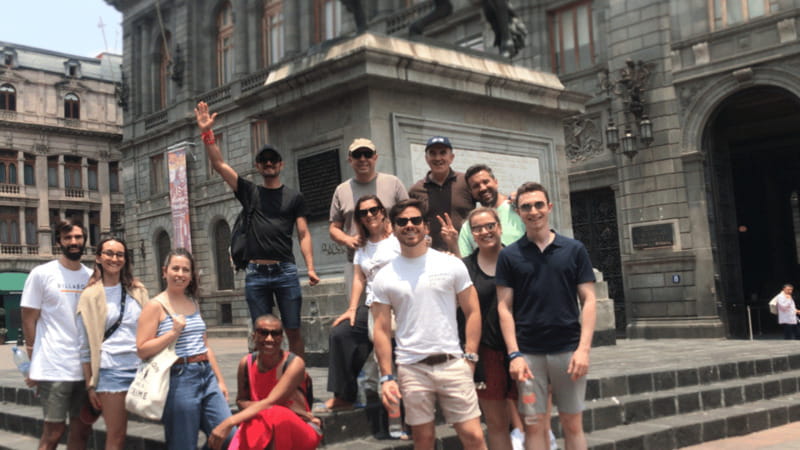
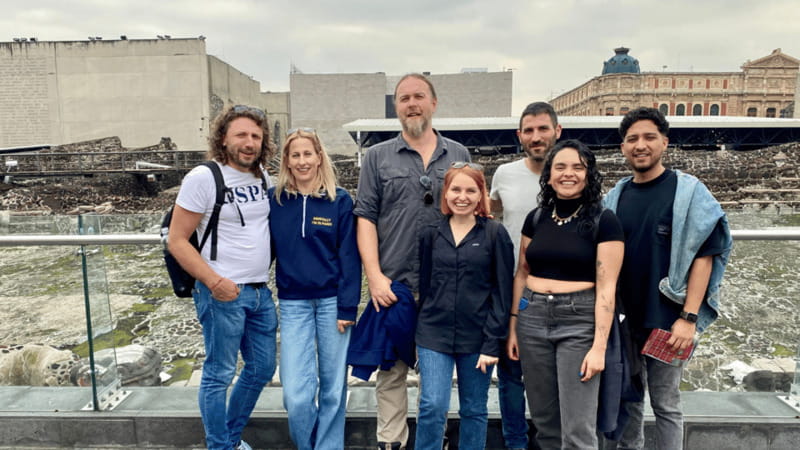
Near the Cathedral, the route turns toward the Templo Mayor remains. These ruins recall the ceremonial heart of Mexico-Tenochtitlan and help explain the scale and importance of the Aztec capital before the Spanish conquest.
The guide points out how old and new structures overlap. You can stand among archaeological remains while looking toward colonial buildings and modern city life. That physical layering is one of the most memorable parts of walking downtown.
The itinerary includes a guided visit of about 30 minutes at the Templo Mayor area. The tour does not include entrance fees, so confirm whether your group is viewing the ruins from outside or entering a paid section on the day. The supplied itinerary describes the Templo Mayor stop as a guided tour, while the general conditions state that admission is extra.
This stop is especially useful if you plan to visit the Templo Mayor Museum later. The guide can give you the basic story first, making the museum’s objects and excavations easier to place.
Plaza de Santo Domingo and the colonial center
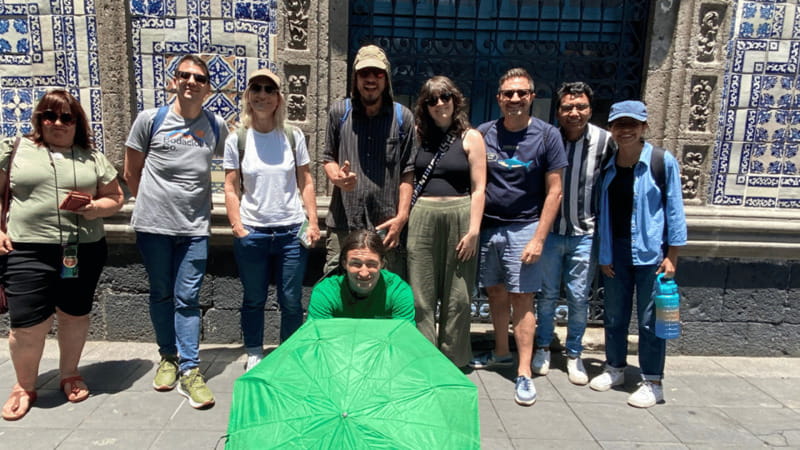
At Plaza de Santo Domingo, you learn about the influence of the Dominican order and the role of the square in colonial Mexico City. The stop is listed as a photo stop, but the historical explanation is what gives it purpose.
This is one of the places where local stories can make a difference. The tour promises anecdotes and curiosities that go beyond the usual guidebook description. The precise stories vary by guide, but the format gives you a chance to ask about daily life, religious institutions, public spaces, and the people who used them.
Do not expect a long indoor visit here. You are primarily looking, listening, and taking photographs. That keeps the pace moving, though the quality of the stop depends on how well the guide connects the architecture to the wider story.
Palacio de Correos and 19th-century ambition
The Palacio de Correos de México brings a different period into view. Its ornate design reflects the confidence and ambition of late 19th-century Mexico, when public buildings were designed to project national progress and status.
You have time for photographs, a visit, and some free time. The building is a good contrast to the Cathedral and Templo Mayor because it shows Mexico City presenting itself as a modern capital rather than an imperial or colonial center.
Use this stop to pay attention to details rather than rushing toward the next landmark. Decorative public buildings can blur together on a fast city tour, but the guide’s explanation helps show why this one belongs in the story of the Republic.
Casa de los Azulejos and the route toward Bellas Artes
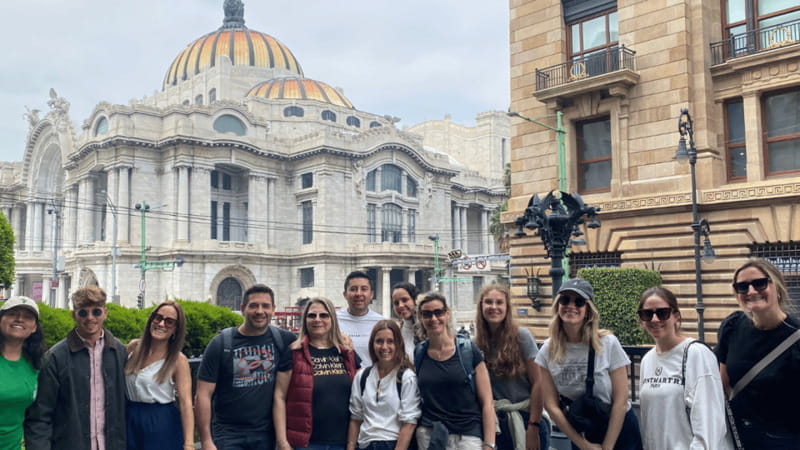
Casa de los Azulejos, or the House of Tiles, is one of the route’s most recognizable buildings. Its tiled exterior makes an easy photograph, but the stop also shows how aristocratic and commercial life shaped the central streets.
The visit is short, around 20 minutes. That is enough for an introduction and photographs, but not a full architectural study. If you become interested in the building, note it for a later return when you can examine it at your own pace.
From here, the route continues toward the Palace of Fine Arts. The changing architecture helps the walk feel like a passage through several versions of Mexico City rather than a single old quarter frozen in time.
Finishing at the Palace of Fine Arts
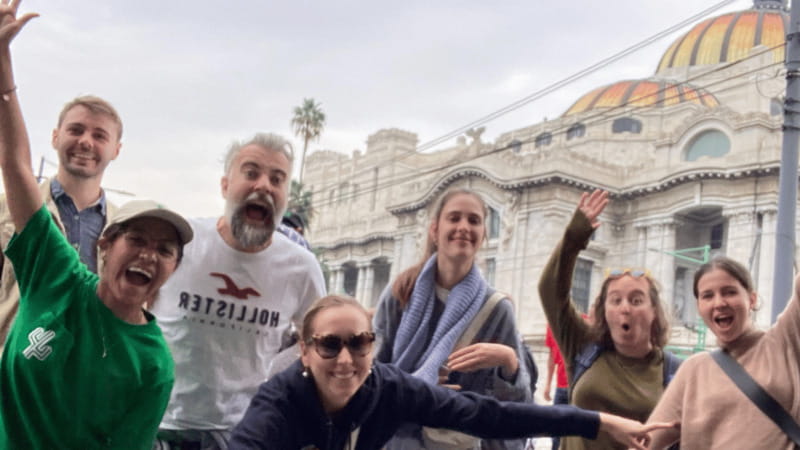
The tour ends at the Palacio de Bellas Artes, one of the city’s best-known cultural buildings. The final photo stop gives you a strong closing point and puts you near one of the most useful areas for continuing your day.
The guide discusses artists and national figures as part of the broader story of Mexico. Diego Rivera is among the figures connected with the tour’s historical discussion, so you receive some context for the artistic identity of the capital.
The ending is practical. You are not left in an obscure side street, and the central location makes it easy to continue exploring. The tour does not promise a full museum visit or detailed mural tour, so plan a separate visit if you want to spend time inside Bellas Artes.
What the guides add to the experience
The guide is the most important variable here. Several guides have been singled out for different strengths. Areli is noted for explaining the city’s past with care and helping the group choose street food. Oscar is known for warm delivery and strong stories about local and national history. Luis is praised for keeping a group involved while answering questions.
Alexia has been described as energetic and helpful with restaurant and sightseeing suggestions. Laura is valued for explaining both city life and history, while Gabriela has been recognized for combining myths, cultural details, and historical events. These names indicate the range of guides available, not a guarantee that you will receive one of them.
A good guide also adapts the walk. One tour was adjusted to include more Day of the Dead material, turning a standard route into something better suited to the event taking place in the city. The provider says the route can change for weather and local events, which is useful in a city where public spaces may suddenly be occupied by ceremonies or gatherings.
The best guides encourage questions. You can ask about architecture, food, social customs, transportation, or figures such as Porfirio Díaz and Emiliano Zapata. This makes the experience more useful than a memorized speech.
Food advice without a meal included
The tour does not include lunch, snacks, or drinks. That is worth remembering because the description places real emphasis on local gastronomy.
You may receive advice on tacos, street-food hygiene, and how residents identify good places to eat. One useful detail is the suggestion that your guide can help you judge food stands rather than simply point to a famous restaurant. That is the kind of small lesson that can save you from choosing a place based only on a crowded sign or a convenient location.
Bring cash if you plan to buy food during the walk. The food itself is your responsibility, and any stop for eating may affect the group’s timing. If you are bringing children, pack water or snacks and something to keep them occupied. The route is long enough that tired children can change the mood of the group.
Walking conditions, weather, and group pace
Three hours on city pavement calls for sensible preparation. Wear comfortable shoes and bring sunglasses, a hat, sunscreen, and clothing suited to the forecast. The tour operates in all weather conditions, so rain or strong sun can affect your comfort.
The route includes several outdoor stops and periods of standing. There may be moments when the group pauses for a long explanation, especially at the Zócalo. If you prefer a fast-paced walk with little commentary, this may feel slow. If you want context and time for questions, the pauses are part of the value.
The experience is not suitable for wheelchair users, according to the supplied conditions. It is also not recommended for people over 95. Anyone with mobility concerns should consider the length of the route, uneven city surfaces, traffic, and standing time before booking.
Who should book this walking tour
I would choose this tour for a first or second day in Mexico City. It gives you a map in your head, introduces the historic center, and provides food and transport advice you can use afterward.
It suits visitors who want history explained in plain language, families who can manage a three-hour walk, and curious eaters who want help making street-food choices. It also works well for people who enjoy asking questions instead of simply taking photographs.
You may want a different experience if you need a fully accessible route, dislike outdoor walking, or want long indoor visits at museums and historic buildings. The tour is an introduction, not a detailed museum program.
At $30, I consider it good value if your guide is engaging and you use the orientation to plan more time downtown. The price is less attractive if you expect admission tickets, lunch, or transportation to be included. Factor in those extras before comparing it with a larger bus tour or a private guide.
Booking advice and final verdict
Book this tour if you want the historic center explained through its three major eras, with practical tips about food and city life mixed into the story. Try to schedule it early in your stay so the advice about neighborhoods, transport, and eating can shape the rest of your visit.
Arrive early at the Cathedral, bring cash and sun protection, and keep your phone available for messages. If the opening explanation runs long, stay patient and ask questions once the group begins moving.
I recommend it for first-time visitors who want a lively orientation at a reasonable price. I would skip it only if accessibility, a shorter walk, or included admission is essential to your plans.
FAQ
How long does the Mexico City walking tour last?
The tour lasts three hours.
How much does the tour cost?
The listed price is $30 per person.
Where does the tour begin?
It begins at the main entrance of the Metropolitan Cathedral, facing the Zócalo and its large flag.
How do I identify the guide?
Look for a guide wearing a green uniform and standing with a green umbrella outside the Cathedral.
Where does the tour finish?
The tour finishes at the Palace of Fine Arts, also called Palacio de Bellas Artes.
Which languages are available?
The tour is offered in English and Spanish. Some content may be presented in its original language.
Is food included in the price?
No. Food and drinks are not included, and you pay separately for anything you eat during the walk.
Are entrance fees included?
No. Entrance fees are not included in the tour price.
Does the tour run in bad weather?
Yes. The tour takes place regardless of weather conditions, so bring suitable clothing and sun or rain protection.
Is the route suitable for wheelchair users?
No. The activity is listed as unsuitable for wheelchair users. It is also not recommended for people over 95.
New walking tours around the world
- Niagara Falls, Canada: White Water Walk Entry Ticket★ 4.5 · 147 reviews
- NYC: Walking Tour with Local Guide and 30+ Top NYC Sights★ 4.5 · 248 reviews
- Zadar: Food Tasting & Old Town Walking Tour★ 5.0 · 94 reviews
- Niagara Falls: Walking Tour, Journey Behind Falls, & Cruise★ 4.8 · 773 reviews
- New York City: Gangsters and Ghosts 2-Hour Walking Tour★ 4.7 · 615 reviews
- NYC: History of Slavery & Underground Railroad Walking Tour★ 4.7 · 87 reviews
- New York City’s Hell’s Kitchen: Walking Food Tour★ 4.8 · 200 reviews
- New York City: Central Park Walking Tour★ 4.7 · 82 reviews
Mexico City Walking Tours, side by side.

Frida Kahlo VIP [Museum Tickets Included] Walk, Markets & Churros
Read our review →