
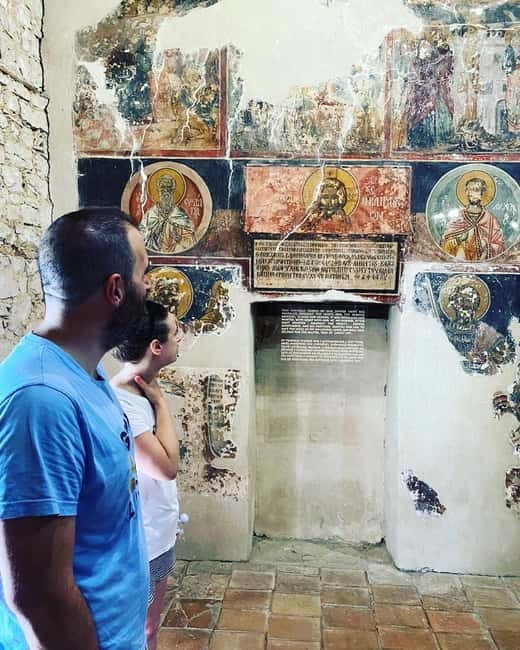
Review · BERAT
Premium Walking Tour of Berat with Expert Guides
Berat’s magic comes from its setting: white Ottoman houses rise across the hills, the old quarters face each other over the river, and the castle crowns the town above it all. This tour gives you the big picture on foot, from Mangalem and Gorica to the hilltop fortress, with an English-speaking local guide to explain what you are seeing.
I especially like the strong local perspective and the useful two-part route: first, you get your bearings from the new bridge, then you work your way into the old town and castle. I also like the value. At $16, the price is modest for a tour that often runs close to three hours and includes city tax, VAT, and a guide. The main drawback is the steep climb to the castle, which can be hard in August or for anyone with limited mobility.
Key points to know before you book
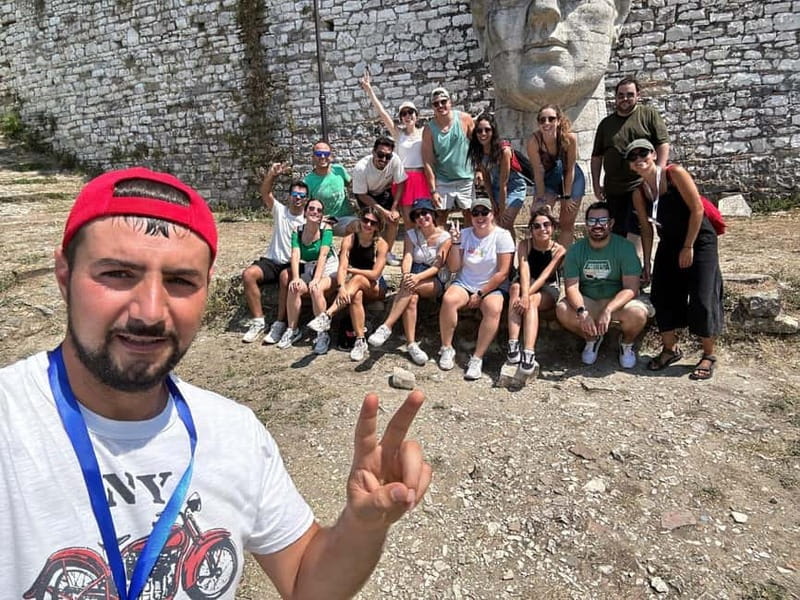
- See both sides of old Berat: The route takes in Mangalem and Gorica, the two historic quarters facing one another across the river.
- Climb to Albania’s biggest castle: Berat Castle is the tour’s high point, with churches, mosques, old fortifications, and broad views.
- Expect a personal guide: Saimir, Fabio, Olsi, Daniel, and other local guides are praised for history, humor, and civic pride.
- Allow about three hours: The stated duration is two hours, but the actual outing can run closer to three, especially with stops and castle visits.
- Prepare for a serious hill: Wear firm shoes, carry water, and choose an early or late start in August.
- Good value at $16: The tour covers the main historic sights without adding a large guiding fee, though entrance fees for other monuments are extra.
Starting at the Visit Albania Tour Operator office
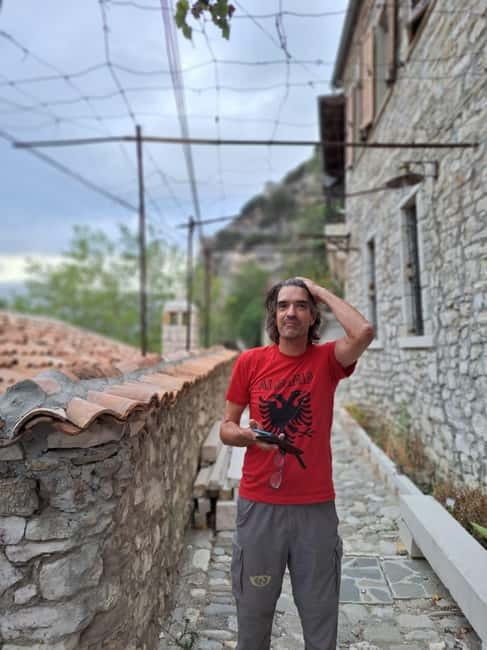
You meet at the Visit Albania Tour Operator office, which makes the beginning simple. After a short introduction, your guide leads you toward the new bridge and begins with the view rather than a long indoor lecture.
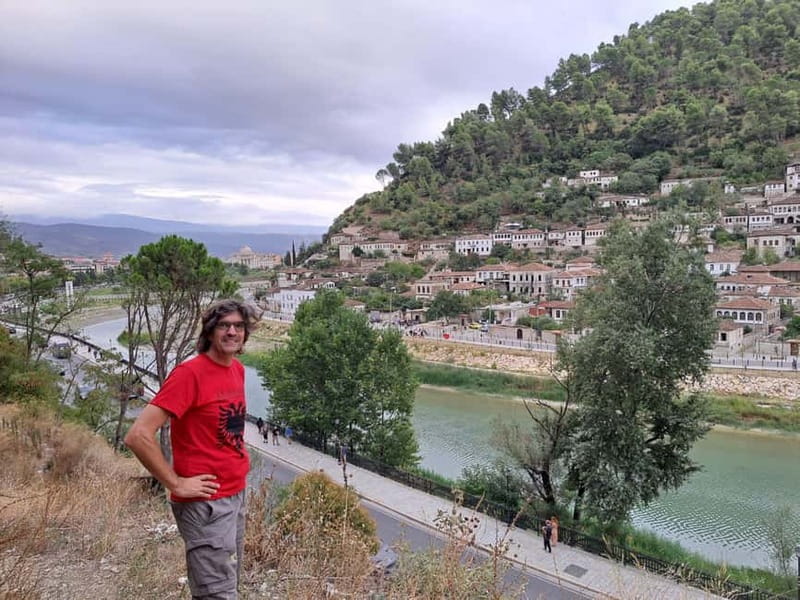
That is a smart start. From the bridge, you can see the basic shape of Berat at once: Mangalem on one side, Gorica on the other, and the castle rising behind the town. I like this kind of orientation because it helps you understand the city before you start walking through its narrower streets.
Your guide may be Saimir, Fabio, Olsi, Daniel, or another member of the English-speaking team. The strongest guides bring more than dates and architectural labels. Saimir is especially good at linking local stories with Albanian politics, culture, and recent history. Fabio is often praised for patience in the heat, while Olsi has a lively style that keeps the historical material from feeling dry.
The exact personality of the tour depends on who leads your group. One guide may spend more time on history and politics, while another may focus on local customs, buildings, and personal stories. That variation is normal on a local walking tour, and it can make the outing feel less rehearsed.
More walking tours around the world:
- Magical London: Harry Potter Guided Walking Tour
★ 4.7 · 22,044 reviews - Reykjavik Food Walk – Local Foodie Adventure in Iceland
★ 5.0 · 18,952 reviews - History and Hauntings of Salem Guided Walking Tour
★ 5.0 · 14,564 reviews
Reading the view from the new bridge
The bridge viewpoint gives you a chance to understand why Berat is known as the town of a thousand windows. The houses of Mangalem climb the slope in tight rows, with many windows facing outward toward the river and the sun.
Across the water, Gorica provides a different feel. Seeing both districts together is useful because Berat is not just one old neighborhood preserved for photographs. It is a town shaped by the river, the hills, Ottoman building traditions, and long contact between different religious communities.
Your guide explains how the quarters relate to one another and points out details that are easy to miss when you walk alone. The view is also one of the best photo stops on the route, so keep your camera ready before moving into the older streets.
This first section is fairly easy compared with the castle climb. It gives you a calm beginning and lets you ask questions early. If you are visiting Berat independently, this is the moment when the town’s layout begins to make sense.
Mangalem and the Ottoman-era streets
From the bridge, the route continues into the historic quarters. You walk along old lanes and see the close-packed houses associated with Berat’s Ottoman period, including the 15th-century setting described by the guides.
The appeal here is not a single grand monument. It is the way the streets, homes, walls, and slopes work together. The buildings are part of a lived-in town, so the experience is more about reading the character of the district than checking off one museum.
Your guide points out architectural features and explains how the city developed. The best commentary connects the houses with ordinary life: where people lived, how neighborhoods were arranged, and why the windows and hillside position matter. You also hear about local customs and the place Berat holds in Albania’s story.
The lanes can be uneven, and the tour covers a lot of ground. That is worth knowing if you prefer a slow stroll with frequent sitting breaks. The guides have adjusted the pace for people with sore knees or injuries, but this remains a walking tour rather than a gentle vehicle sightseeing trip.
The Medieval Center and religious coexistence
The Medieval Center adds a different layer to the route. Here, your guide helps you place Berat’s religious buildings and traditions beside one another instead of treating them as separate attractions.
The tour discusses the relationship between Albania’s religious groups, including the way Orthodox Christian churches and mosques exist close together in the city. That context is one of the most useful parts of the experience. You are not simply looking at old stone. You are learning how several faith traditions have shaped the same town.
Some tours include access to old mosques and churches, depending on the day and the guide. Saimir, who was born in Berat and studied history at university, has been especially praised for explaining these sites in detail. Daniel has also adapted the route for people with injuries, including a rest stop near the castle area.
Entrance fees for other monuments are not included. The guide can explain what you are seeing, but you should not assume that every interior visit is covered by the $16 price. If entering a particular church, museum, or mosque matters to you, ask at the start of the tour.
Same streets, a different story:
- New Orleans Premier Ghost, Voodoo and Vampire Walking Tour
★ 4.5 · 12,856 reviews - Amsterdam Anne Frank: Small-Group Walking Tour & Local Guide
★ 4.8 · 12,789 reviews - Edinburgh: Harry Potter Magical Guided Walking Tour
★ 4.8 · 11,944 reviews - Edinburgh Castle: Guided Walking Tour with Entry Ticket
★ 4.7 · 11,699 reviews
The climb to Berat Castle
The castle is the physical centerpiece of the tour and the part that requires the most effort. Berat Castle is described as the biggest castle in Albania, and the route takes you up into its grounds rather than stopping at the lower viewpoint.
The climb is steep. Several people specifically advise bringing good shoes, and that is practical advice, not a small detail. The surface can be demanding, particularly in hot weather, and the ascent may feel tougher after walking through the lower town.
There is a car option for about four people if you cannot manage the hill, though you should confirm the arrangement with the operator. The activity is not suitable for wheelchair users or people with mobility impairments, so the castle portion needs honest planning.
Once you reach the top, the effort pays off. You can look across Berat and the surrounding hills, then explore the fortifications and monuments within the castle area. The views are a major reward, but the atmosphere inside the old walls is just as important. Churches, mosques, and other remains help show that the castle was not merely a military lookout. It was a place where people lived, worshipped, and worked.
Your guide stops along the way to explain the site, rather than saving every fact for the top. That makes the climb easier to handle because you have reasons to pause. You also get time for photographs and, in some cases, a drink or rest near the cisterns at the upper part of the castle grounds.
Do not expect an empty archaeological site or a polished museum route. The charm comes from the mixture of old walls, religious buildings, views, and uneven paths. The trade-off is that the terrain can feel rough and the experience is not fully accessible.
History that reaches beyond medieval Berat
One of the tour’s strengths is its range. You hear about Ottoman-era Berat, but the discussion can also include Albania’s communist period and more recent political history.
That wider view matters because Albania is not a country you can understand through medieval buildings alone. Saimir has been praised for linking local history with national politics and modern culture. Other guides add their own perspective, often with humor and stories about daily life in Berat.
The most rewarding guides speak with personal feeling. A guide born in Berat can explain the city as more than a historic display. You get a sense of local pride, family connections, religious traditions, and the changes that have shaped the town.
The tone is generally friendly and conversational. One isolated concern is that a guide can sometimes present information in a flat manner. If you enjoy a highly theatrical guide, the energy may vary. Still, the overall experience is built around direct explanation and conversation, not a recorded script.
Timing, heat, and the real length of the walk
The advertised duration is two hours, while the detailed route and actual outings can extend to about three hours. Plan your day around the longer estimate, especially if you have lunch, a bus, or another timed visit afterward.
August is the hardest month for the climb. Start in the early morning or late afternoon, when the sun is less punishing. Bring a sun hat and water, and use the photo stops as natural chances to catch your breath.
Good walking shoes are more important than stylish ones. The castle hill is the main reason, but the old streets and fort grounds also make firm footwear useful. A camera is worthwhile for the bridge view, Mangalem’s windows, the river-facing quarters, and the castle panorama.
The guides have shown patience during hot weather and have slowed down for people with knee problems. That is encouraging, but you should still tell the guide about any limitation before setting out. This is an active route, not a flat city circuit.
What $16 gets you
At $16 per person, this tour offers strong value if you want context rather than a quick walk past the main sights. You get a local English-speaking guide, a route through the old quarters, the Medieval Center, and Berat Castle, plus the benefit of having someone explain the city’s religious and political background.
City tax and VAT are included. Personal expenses and entrance fees for other monuments are not. That distinction keeps the base price low, but budget a little extra if you want to enter additional buildings.
The price is especially appealing for a first visit. You could walk across the bridge and up toward the castle alone, but you would miss much of the meaning behind the architecture. At this cost, the guide adds useful context without taking over your whole day.
The value also depends on your pace. If you want only a quick castle photograph, the tour may feel longer than necessary. If you want to understand why Berat looks the way it does, three hours is a sensible amount of time.
Who will enjoy this Berat walking tour
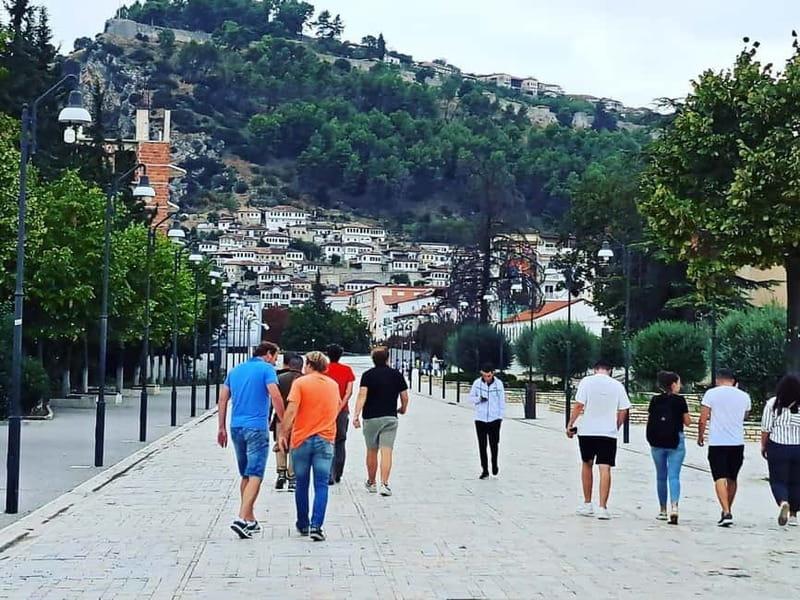
I would choose this for a first-time visit to Berat, especially if you want the city explained by someone who lives there. It suits couples, solo visitors, families with older children, and anyone who prefers a small-scale cultural outing over a large coach tour.
It is also a good fit for people interested in Albania’s religious mix and modern history. The route does not stop at pretty Ottoman houses. It connects architecture with the lives, beliefs, and changes behind the buildings.
You should think twice if steep hills are a serious problem. The activity is not suitable for wheelchair users or people with mobility impairments, and even fit walkers should expect a demanding ascent in summer.
The tour can also work well near the start of an Albania trip. The guides have helped people arrange taxis and buses after the walk, including onward travel that was not straightforward. That is a practical bonus, though transportation after the tour is not part of the included service.
Should you book it?
Book this tour if you want Berat’s main historic areas in one well-explained walk and you are comfortable with the castle climb. The $16 price is hard to argue with, especially when the outing may last close to three hours and includes a local guide who can discuss everything from Ottoman houses to communist history.
Choose an early or late start in August, wear proper shoes, and ask about the castle car option if the hill is a concern. If you need a fully accessible route or prefer a short, flat stroll, this is not the right activity.
For most able walkers visiting Berat for the first time, I would book it. The bridge view, old quarters, Medieval Center, and castle create a clear introduction to the town, while guides such as Saimir, Fabio, Olsi, and Daniel bring the place to life in different ways.
FAQ
Where does the Berat walking tour start?
The main meeting point is the Visit Albania Tour Operator office.
How long does the tour last?
The stated duration is two hours, but the detailed tour schedule and actual outings can take about three hours.
What language is the tour conducted in?
The tour is conducted in English with a live local guide.
Does the tour visit Berat Castle?
Yes. The route includes a climb to Berat Castle, its grounds, monuments, and views over the city.
Is the castle climb difficult?
Yes. The hill to the castle is very steep, so bring good shoes and water. A car for about four people may be available for people who cannot manage the climb, but you should confirm this in advance.
Is the tour suitable for wheelchair users?
No. The activity is not suitable for wheelchair users or people with mobility impairments.
What should I bring?
Bring a sun hat, camera, water, and comfortable walking shoes.
Are entrance fees included?
City tax and VAT are included, but entrance fees for other monuments are not included.
New walking tours around the world
- Niagara Falls, Canada: White Water Walk Entry Ticket★ 4.5 · 147 reviews
- NYC: Walking Tour with Local Guide and 30+ Top NYC Sights★ 4.5 · 248 reviews
- Zadar: Food Tasting & Old Town Walking Tour★ 5.0 · 94 reviews
- Niagara Falls: Walking Tour, Journey Behind Falls, & Cruise★ 4.8 · 773 reviews
- New York City: Gangsters and Ghosts 2-Hour Walking Tour★ 4.7 · 615 reviews
- NYC: History of Slavery & Underground Railroad Walking Tour★ 4.7 · 87 reviews
- New York City’s Hell’s Kitchen: Walking Food Tour★ 4.8 · 200 reviews
- New York City: Central Park Walking Tour★ 4.7 · 82 reviews