
Review · SINGAPORE
Singapore: Chinatown Hawker Market Food Tour with 7 Food Tastings
Singapore’s food culture makes the most sense when you eat it in the places where daily life happens. This three-hour Chinatown walk takes you from old shophouses and temples to a hawker centre, with tastings that include kaya toast, chicken rice, bak kwa, chendol, and chwee kueh. It is part food tour, part neighborhood lesson.
I like the small group size, capped at 12, and the range of foods. I also like that guides such as Kent, Winston, Edwin, Ronnie, Jeanette, and Natalie bring in Singapore’s religious and immigrant past rather than simply pointing at plates. The main caution is price: at $146 per person, you are paying for guidance and context as much as for food, and one person found the portions too light for the cost.
Key points to know
- Seven listed food tastings plus extras: Expect bak kwa, kaya toast, popiah or oyster cake, chicken rice, prata or thosai, chendol, chwee kueh, a secret dish, beer, and water.
- A walking tour with cultural stops: Chinatown’s shophouses, Sri Mariamman Temple, Buddha Tooth Relic Temple, and a major hawker centre shape the route.
- Small groups matter: The maximum is 12 people, with private tours also available.
- Come hungry, but pace yourself: Several tastings are substantial, and some portions may add up to a full lunch.
- Expect history as well as eating: This is not a quick crawl from stall to stall. It gives equal weight to Singapore’s food, faiths, architecture, and past.
- Plan for weather and walking: Comfortable shoes are important, and the route or menu can change because of weather or venue availability.
Chinatown food with a side of Singapore’s story
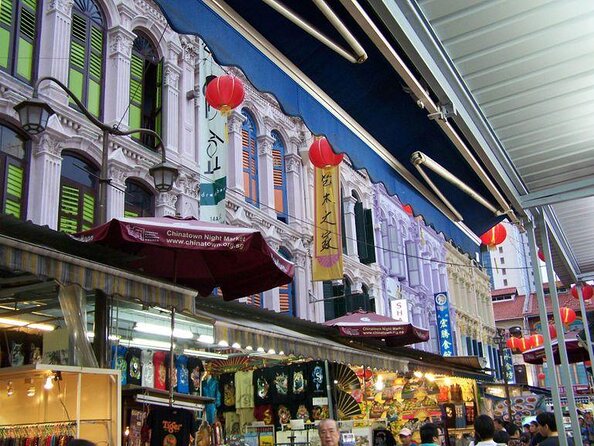
This tour works best as an introduction to Singapore. You do not just sample dishes. You learn why Singapore eats across Chinese, Malay, Indian, and other traditions, then see those connections in the streets around Chinatown.
The format is simple. Meet at Bee Cheng Hiang at 69 Pagoda Street, then walk through the district with a guide. Tastings are spread through the route, so you are not sitting in one restaurant for three hours. That keeps the experience active, though it also means you should expect standing, walking, and shared eating spaces.
The guide makes a large difference. Edwin is praised for explaining both food and Singapore’s past. Winston is described as friendly and engaging, while Ronnie is especially strong on food and national history. Natalie’s tours combine stories, conversation, and a relaxed pace. Paul is noted for adapting tastings to personal preferences, and Helen ran the tour even when only one person was booked.
The high overall score, 4.9 from 213 ratings, and 97 percent recommendation rate suggest a dependable experience. Still, do not book it expecting a nonstop banquet. The operator itself describes the tour as a balance of food and culture, and that balance is the point.
More Street Food Walking Tours in the world:
- Naples: Street Food Walking Tour with Local Guide
★ 4.9 · 4,976 reviews - Private Street Food Evening Walking Tour in Ho Chi Minh City
★ 5.0 · 3,175 reviews - Rome: Trastevere & Campo de Fiori Street Food Walking Tour
★ 4.9 · 2,768 reviews
Pagoda Street and Chinatown’s old homes
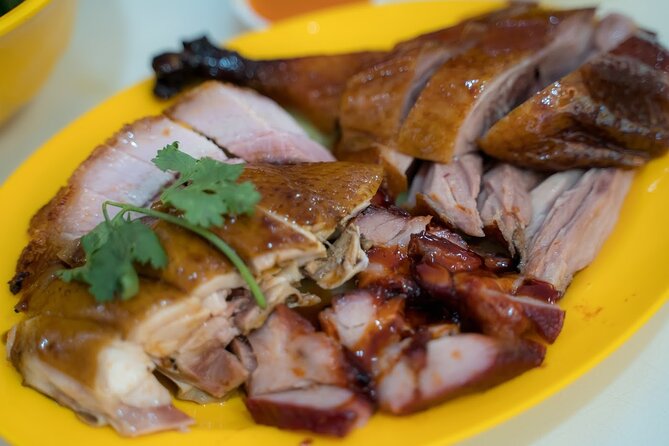
The start at Bee Cheng Hiang places you in one of Chinatown’s recognizable commercial streets. The shop is known for bak kwa, the smoky, sweet-salty barbecued meat that appears among the first tastings.
From there, the route includes restored shophouses that show how early Chinatown residents lived. These narrow buildings are useful for understanding the district. Shops occupied the lower floor, while families lived above, often in tight quarters. The preserved furnishings and artifacts give the walk more substance than a row of attractive facades.
I like this early stop because it gives you a visual frame for the food. You see the buildings, then hear how communities formed around work, worship, and meals. The drawback is that the tour cannot spend unlimited time inside each place. If you want a long museum visit, this will feel brisk.
Sri Mariamman Temple and Buddha Tooth Relic Temple
Two religious buildings bring the cultural side of the tour into focus. Sri Mariamman Temple, built in 1827, is Singapore’s oldest Hindu temple. Its entrance tower is densely covered with colorful deities, making it one of Chinatown’s most striking sights.
The tour also visits the Buddha Tooth Relic Temple, a Tang dynasty-inspired Buddhist temple with ornate interiors, religious relics, and a rooftop garden. Together, these stops show why Chinatown is not simply a Chinese quarter in a narrow sense. Singapore’s neighborhoods often place different faiths and communities close together.
Your guide’s explanation matters here. Without context, temple visits can become quick photo stops. With a good guide, you gain a better sense of how worship, migration, and food developed side by side. The cultural material also explains why this tour may appeal to someone who wants more than a list of dishes.
Dress and behavior should be respectful at religious sites. The supplied details do not set out a formal dress code, so check with the guide if you are unsure.
Hawker centre dishes that define Singapore
The food centre is the tour’s practical heart. Singapore’s hawker centres are places where everyday meals, family recipes, and low-cost dining meet. This is where you see how locals eat, rather than simply tasting dishes prepared for an organized food event.
The listed menu covers breakfast, snacks, a main meal, and dessert:
- Nanyang coffee and kaya toast: Fragrant local coffee comes with toast, kaya, and butter. It is a sweet, rich start and a good introduction to Singapore’s breakfast habits.
- Hainanese chicken rice: This is Singapore’s best-known dish on the route. Expect tender chicken with fragrant rice, sauces, and the simple presentation that lets the seasoning do the work.
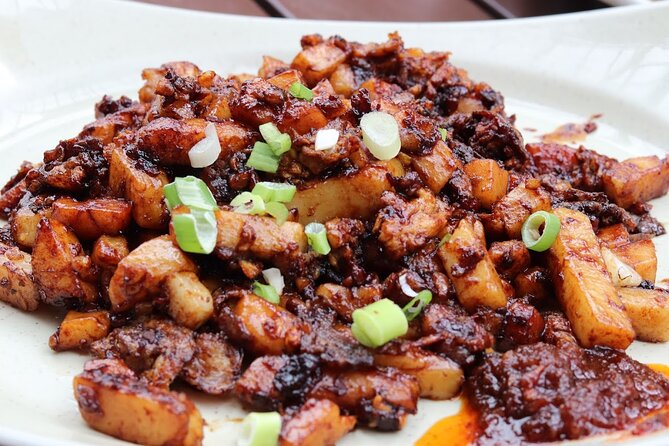
- Chwee kueh: These steamed rice cakes are topped with savory preserved radish. The texture is soft, and the topping gives the dish its punch.
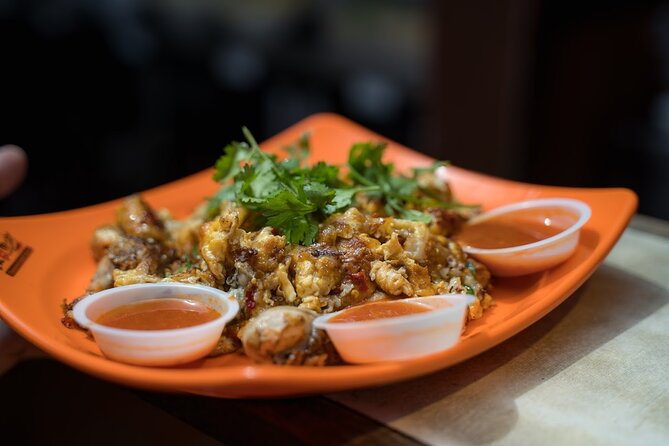
- Popiah or oyster cake: Depending on availability, you may receive a fresh popiah roll or a crisp oyster cake snack. This is one of the places where the menu can change.
- Prata or thosai: The tour introduces a fresh griddle item from Singapore’s South Indian food tradition. Prata is fluffy and layered, while thosai is thinner and fermented.
- Chendol: Coconut milk, shaved ice, green rice flour jelly, and gula melaka make this a cool, sweet finish to the main food sequence.
- Bak kwa: Smoky and tender, this barbecued meat delicacy is especially associated with Singapore’s Chinese food culture.
- Secret dish: The operator keeps one item undisclosed, so the final tasting cannot be planned in advance.
The menu is broad rather than narrowly focused. You will not taste every famous Singaporean dish, but you will sample several textures and cooking traditions in one morning or afternoon.
Portions deserve attention. Some people found the food plentiful enough to fill a full lunch, while another person remained hungry and felt the cost was high for the amount served. The safest advice is to eat lightly beforehand, but do not assume the menu will replace a large meal for everyone. Appetite varies, and the exact portion depends on the stops.
More Food Walking Tours in the world:
- Reykjavik Food Walk – Local Foodie Adventure in Iceland
★ 5.0 · 18,952 reviews - Little Havana Food and Walking Tour in Miami
★ 5.0 · 8,882 reviews - New Orleans Food Walking Tour of the French Quarter with Small-Group Option
★ 5.0 · 6,118 reviews - Greek Food Walking Tour in Athens
★ 5.0 · 4,740 reviews
Ann Siang Hill and Chinatown beyond the stalls
The route includes Ann Siang Hill, a small rise and one-way road named for businessman Chia Ann Siang. It gives the walking portion some variety and takes you beyond the main temple and food-centre circuit.
This part is useful because Chinatown is not just a market district. Its lanes, slopes, shophouses, and side streets show how the area has changed over time. You may find the pace easier here than at the food stops, since your guide can talk while you walk.
The itinerary also lists the Red Dot Design Museum near Marina Bay. That is an unusual inclusion in a Chinatown food tour. The museum presents the international Red Dot Design Award and focuses on product and industrial design. If this stop is included on your departure, it broadens the day beyond food and religion.
Because the operator says the itinerary depends on venue availability, weather, and other conditions, do not treat every stop as guaranteed in the exact order listed. The menu also has substitutions, such as popiah or oyster cake and prata or thosai.
How much food do you actually get?
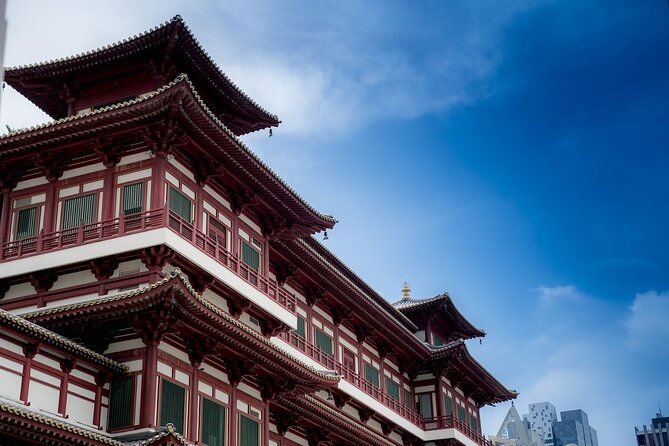
The tour lists seven main tastings, a secret dish, local beer, and bottled water. That sounds like a lot, and it can be. The combination of breakfast items, snacks, chicken rice, griddled bread, dessert, and meat means you are tasting across several points in the day rather than eating one large course.
The best strategy is to share attention, not just food. Ask your guide how each dish is eaten, what the sauces are for, and which items are common daily meals. That turns a small portion into a useful food lesson.
Beer is included, but the provided information does not specify the brand or amount. Bottled water is included, which is welcome in Singapore’s heat. Transportation is not included, so you must make your own way to Pagoda Street and back from the meeting point at the end.
The tour ends where it begins. That makes it easy to continue around Chinatown afterward, but it does not provide a transfer to another part of the city.
The $146 price and what it buys you
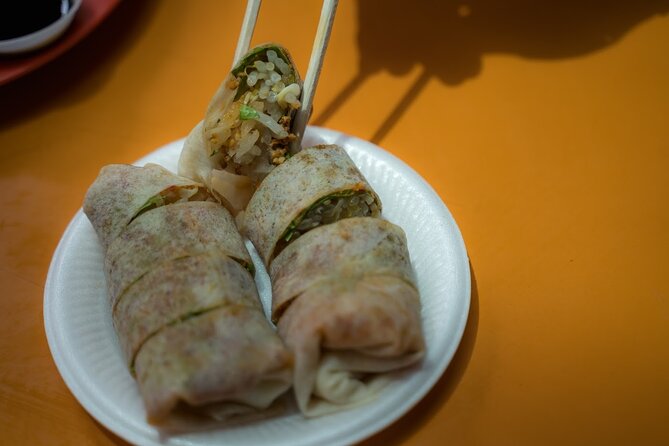
At $146 per person, this is not a budget hawker-centre crawl. You could eat individual dishes for far less. The value comes from having a guide organize the route, explain the food, handle the ordering, connect the tastings to Singapore’s past, and take you to sights you might otherwise pass without understanding.
The price makes more sense if this is your first visit or your first day in Chinatown. You get a working map of the area and a list of foods to seek out later. It is also useful if you feel unsure about ordering at hawker stalls or want to try dishes you would not choose alone.
The calculation is less favorable if you already know Singapore’s food scene, prefer to eat large portions, or want a tour devoted almost entirely to tasting. One person specifically found the experience more cultural than culinary and still felt hungry. That is a fair warning, not a reason to dismiss the tour. It simply tells you what kind of value you are buying.
Group discounts are available, and you can choose a private option. The standard group has a maximum of 12, which is small enough for questions but not intimate in the way a one-on-one food walk would be.
Walking, weather, and practical comfort
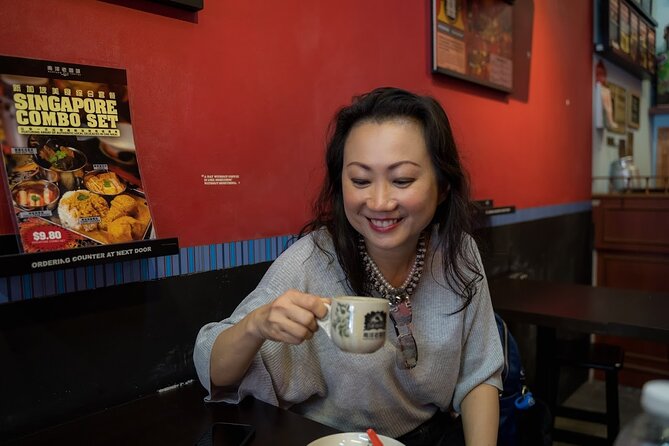
The tour lasts about three hours and involves a fair amount of walking. Wear comfortable shoes. You will move between streets, temples, shops, and food stops rather than sit in one place for most of the activity.
Singapore’s heat and sudden rain can affect the experience. The itinerary may change because of weather, and a guide may alter the order of stops when needed. One tour was completed during a strong downpour, with the guide keeping the group on schedule, but you should still carry suitable rain protection.
Most people can take part, and the meeting point is near public transportation. The supplied information does not describe a fully accessible route, so ask ahead if you have mobility needs. Also contact the operator before the tour about dietary requirements. Advance notice gives the team a better chance to adjust the menu, but substitutions still depend on what is available.
Free cancellation applies up to 24 hours before the start time. Cancel inside that window and you do not receive a refund. Changes made within 24 hours are not accepted.
Who will enjoy this Chinatown walk?
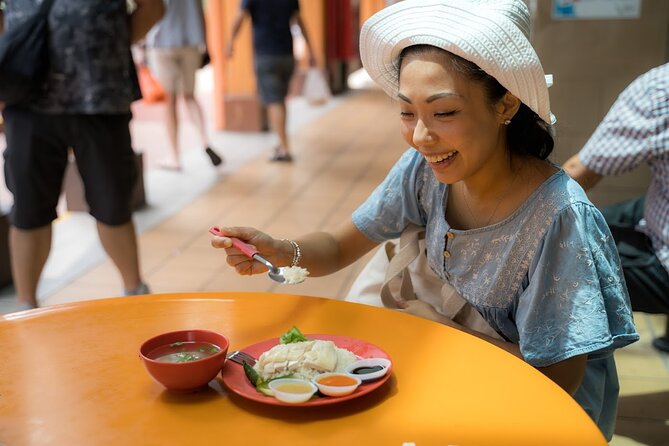
I would choose this tour for a first-time visitor who wants an easy introduction to Singapore’s food and neighborhoods. It suits you if you like asking questions, trying unfamiliar dishes, and learning why a place eats the way it does.
It is also a good fit for couples, families with older children, and small groups that want a planned route without booking a full private guide. The food is varied enough to keep the experience moving, while the temples and shophouses give non-food companions something to enjoy.
I would be more cautious if you are a serious hawker specialist looking for rare stalls or a large, low-cost lunch. I would also skip it if you dislike walking in warm weather or prefer a tightly fixed menu. The route and dishes can change, and culture takes up a meaningful share of the three hours.
Should you book it?
Book this Chinatown food tour if you want context with your tasting plate. The strongest part is the combination of chicken rice, kaya toast, chendol, temple visits, old shophouses, and a guide who can connect them into one story. Guides including Natalie, Ronnie, Edwin, Kent, and Winston are repeatedly praised for making the history clear and the walk friendly.
Think twice if your main goal is maximum food for $146. You may prefer to explore hawker centres on your own and spend the difference on extra dishes. For everyone else, especially on a first Singapore visit, the tour gives you a useful start, a fuller understanding of Chinatown, and several foods worth ordering again.
FAQ
How long does the Singapore Chinatown food tour last?
The tour lasts approximately three hours and finishes back at the meeting point.
Where does the tour begin?
It begins at Bee Cheng Hiang, 69 Pagoda Street, Singapore 059228.
What foods are included?
The listed tastings include bak kwa, Nanyang coffee with kaya butter toast, popiah or oyster cake, Hainanese chicken rice, prata or thosai, chendol, chwee kueh, and a secret dish. Local beer and bottled water are also included.
Is transportation included?
No. Transportation is not included. You must arrange your own way to the meeting point and from the meeting point after the tour.
How large is the group?
The tour has a maximum of 12 participants. A private tour option is also available.
Can the food menu or route change?
Yes. The itinerary and menu may change because of venue availability, weather, and other circumstances. Contact the operator in advance with any dietary requirements so they can try to accommodate you.
More Market Walking Tours around the world
- Bangkok: City Highlights Temple and Market Walking Tour
★ 4.5 · 3,990 reviews - Tokyo Tsukiji Fish Market Food and Culture Walking Tour
★ 5.0 · 3,184 reviews - Air Raid Shelter + St. Nicholas Market Walking Tour
★ 5.0 · 1,950 reviews - Tokyo: Tsukiji Fish Market Food and Walking tour
★ 5.0 · 1,724 reviews
New walking tours around the world
- Niagara Falls, Canada: White Water Walk Entry Ticket★ 4.5 · 147 reviews
- NYC: Walking Tour with Local Guide and 30+ Top NYC Sights★ 4.5 · 248 reviews
- Zadar: Food Tasting & Old Town Walking Tour★ 5.0 · 94 reviews
- Niagara Falls: Walking Tour, Journey Behind Falls, & Cruise★ 4.8 · 773 reviews
- New York City: Gangsters and Ghosts 2-Hour Walking Tour★ 4.7 · 615 reviews
- NYC: History of Slavery & Underground Railroad Walking Tour★ 4.7 · 87 reviews
- New York City’s Hell’s Kitchen: Walking Food Tour★ 4.8 · 200 reviews
- New York City: Central Park Walking Tour★ 4.7 · 82 reviews
Singapore Walking Tours, side by side.
Singapore: Chinatown, Little India, Arab Street Walking Tour
Read our review →Lists this walk sits on