

Review · NAIROBI
Nairobi: Historic and Modern Highlights Walking Tour
Nairobi’s best introduction may be a walk from a fruit stall to a rooftop. This three-hour tour connects colonial-era buildings, working markets, public monuments, and modern Nairobi without treating the city like a museum. Guides such as Jackie, Simon, Jeff, Sharon, and Dennis are especially good at answering questions and helping you feel at ease in the city center.
I like the fresh fruit salad at City Market and the practical shopping advice, especially the fixed-price stores for anyone who dislikes haggling. I also like the KICC rooftop finale, where you get a broad view of Nairobi after seeing its streets at ground level. The main drawback is pace: there are many stops in three hours, and KICC entry costs extra. Some groups also run late, so do not schedule a tight airport transfer afterward.
Why this Nairobi walk is worth your morning
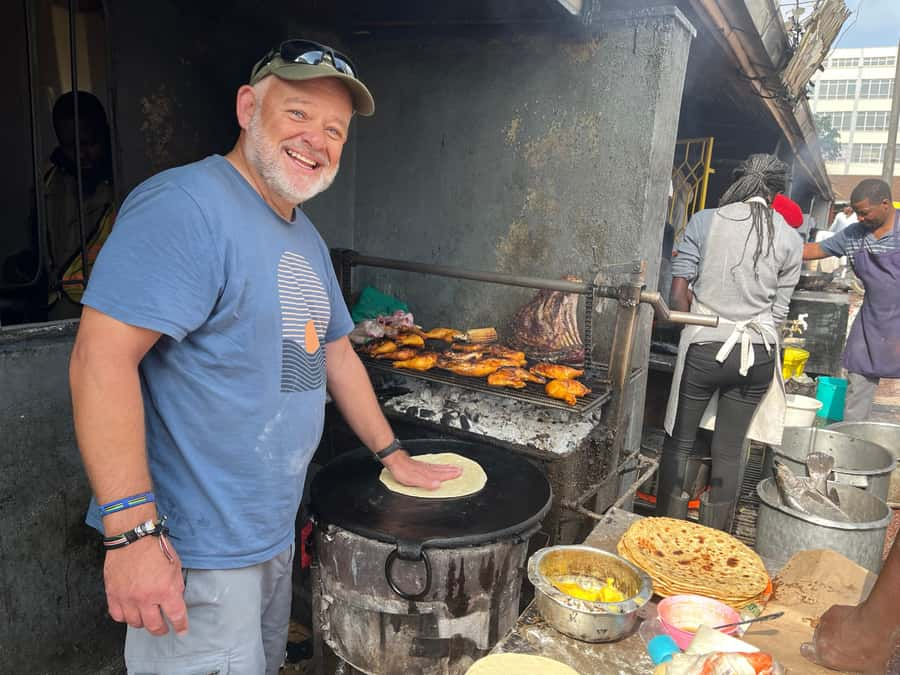
- City Market adds real local flavor, with fruit, food stalls, shopping, and a chance to discuss Kenyan food culture.
- The route mixes old and new Nairobi, from Jeevanjee Gardens and McMillan Memorial Library to the Supreme Court and KICC.
- You learn useful Swahili phrases, not just dates and building names.
- Shopping help is practical, including fixed-price stores and advice on fair market prices.
- The KICC rooftop gives the grand finale, with a high view over central Nairobi.
- Small extras are included, such as water, WiFi, a shoe shine, street-style photography, and fruit salad.
Starting on Koinange Street with a local guide
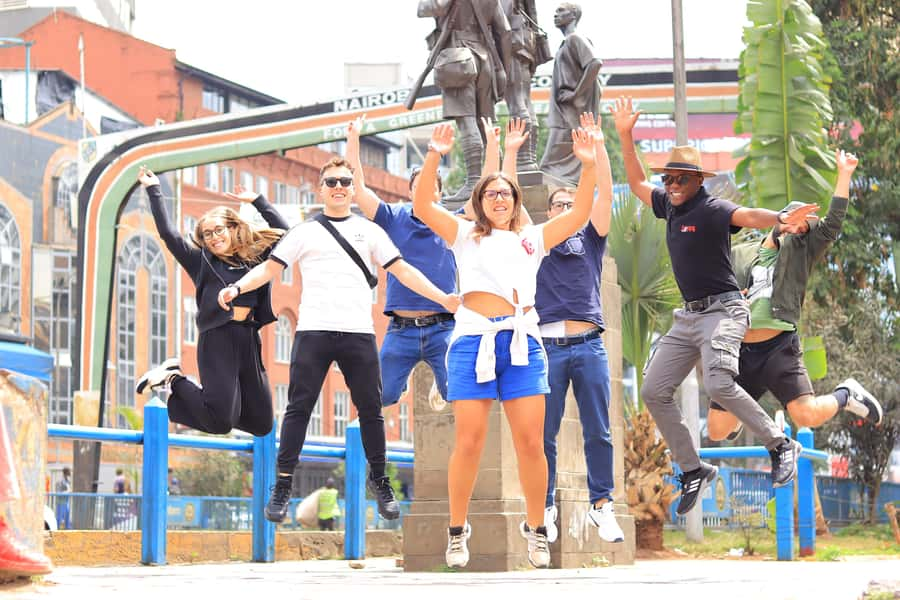
The tour begins around Koinange Street, near CJ’s restaurant, a well-known meeting point in Nairobi’s uptown center. If you arrange hotel pickup, wait in your lobby about 10 minutes before the agreed time. If you make your own way there, stand outside CJ’s and ask the restaurant guards for help if needed.
The tour starts with a short safety briefing. This matters in Nairobi because a local guide can explain where to walk, how to cross busy streets, and how to move through the central business district with confidence. The city center is not difficult to visit, but it is easier when someone familiar with the streets is watching the route.
The experience is offered in English, Swahili, or Spanish. If you do not speak fluent English, the guide can use Google Translate. Guides regularly named by visitors include Jackie or Jacqueline, Simon, Jeff, Sharon, Dennis, Leah, and Lea. The strongest part of the guiding is the personal conversation. You can ask about Kenyan life, prices, work, food, transport, and current city culture rather than simply listening to a prepared speech.
You should expect a walking tour, not a private car sightseeing trip. Hotel pickup and drop-off are available only with the selected option, and the company may arrange and pay for a taxi in some situations if moving everyone by vehicle would cause delays. Confirm the pickup details early, especially if you book close to departure.
More History Walking Tours in the world:
- History and Hauntings of Salem Guided Walking Tour
★ 5.0 · 14,564 reviews - Lisbon: History, Stories and Lifestyle Walking Tour
★ 4.8 · 10,902 reviews - Boston: Freedom Trail History Small Group Walking Tour
★ 5.0 · 6,450 reviews
Jeevanjee Gardens and Nairobi’s early public spaces
Jeevanjee Gardens is one of the first quiet pauses in the route. Your guide gives you a short introduction to the gardens and Nairobi’s development before leading you toward City Market.
This stop helps you read the city. Nairobi is not only office towers and traffic. Public gardens, sidewalks, old buildings, markets, religious sites, and civic spaces all sit close together. The tour uses that contrast well, showing you how the central district works as an everyday place rather than a collection of isolated attractions.
The time here is brief, about 10 minutes. Think of it as an orientation stop, not a long garden visit.
City Market, fruit salad, and the practical side of shopping
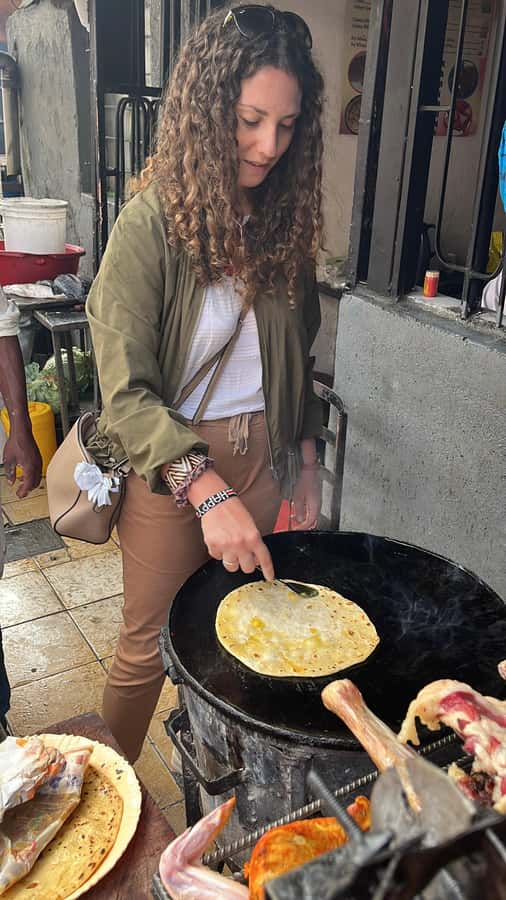
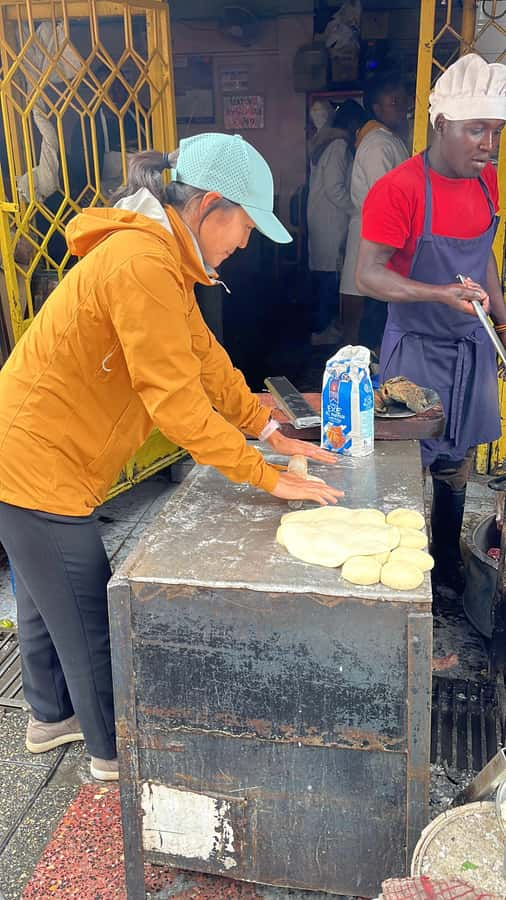
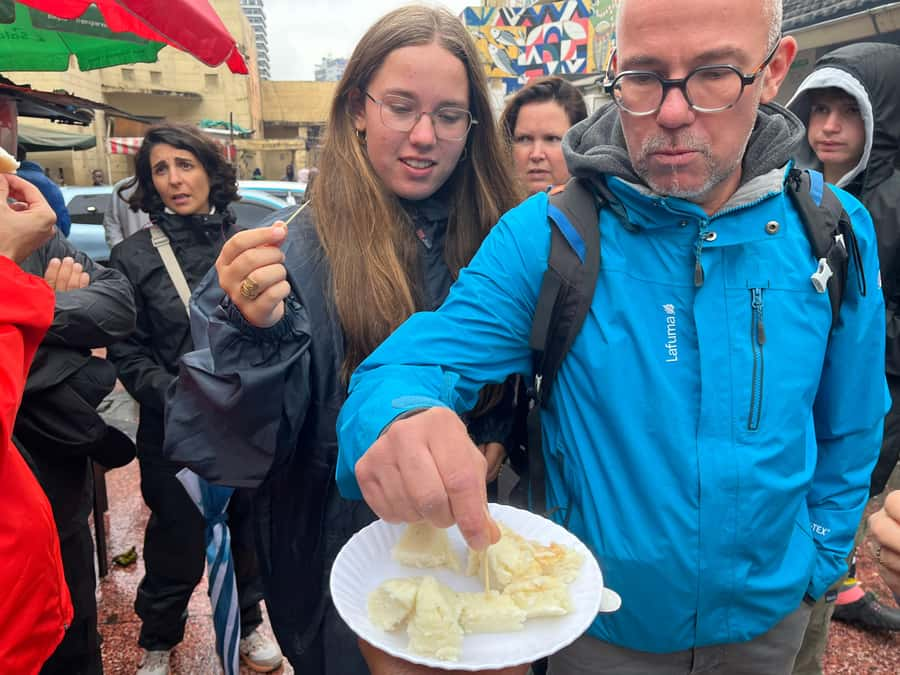
City Market is the most hands-on section of the tour. You have around 30 minutes for a guided visit, shopping, and a look at the market itself, followed by about 20 minutes for food tasting and discussion.
The included fruit salad is a small but useful touch. It gives you a safe, simple way to try local produce while your guide explains Kenyan food habits. You may also have the option to sample nyama choma, Kenyan roasted goat meat, though additional food and drinks are not included in the standard package. Ask your guide what is available that day and what it costs before ordering.
This is also where the shopping advice earns its keep. Nairobi markets can be enjoyable, but prices are not always obvious, and bargaining can feel tiring if you do not know the local rhythm. Your guide can explain what you might reasonably pay, how to negotiate politely, and where to find stores with fixed, lower prices. Those fixed-price shops are particularly useful if you want souvenirs without a long back-and-forth.
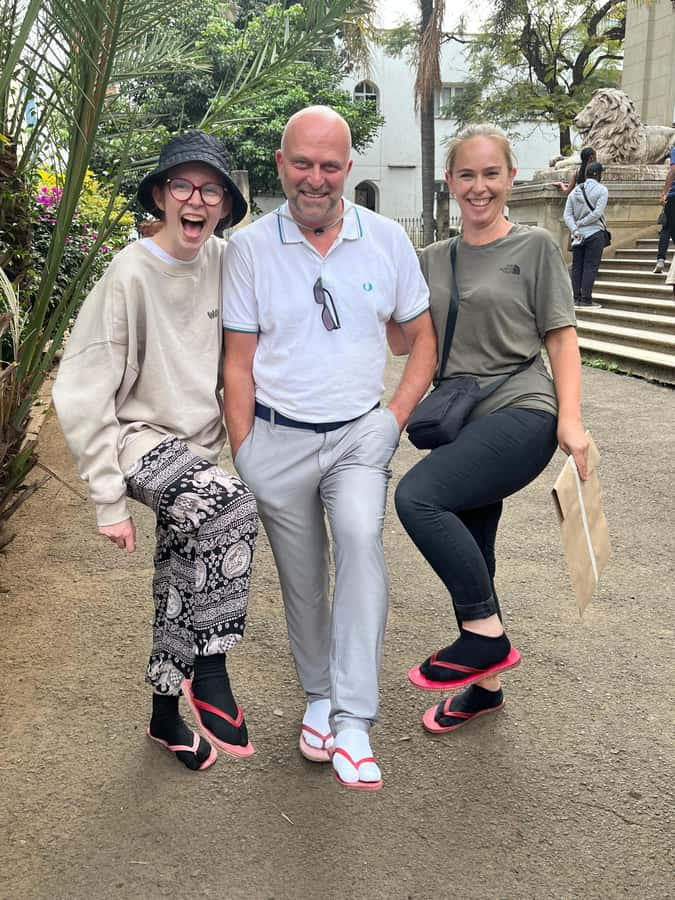
The tour also pays for a shoe cleaning from a local vendor. It is a modest extra, but it gives you a direct interaction with someone working in the city center and leaves your shoes looking much better for the rest of the walk. A street-style photograph by a local urban photographer may also be included, adding a personal memento beyond the usual landmark snapshot.
Jamia Mosque, McMillan Library, and old Nairobi
After the market, the route passes Jamia Mosque and the McMillan Memorial Library. You see the mosque from the outside unless access is available, so dress respectfully and follow your guide’s instructions.
The McMillan Library and nearby sites help explain Nairobi’s older civic and commercial core. The route then continues by the Nation Centre, Kenyatta Avenue, and the Sarova Stanley hotel. These stops are mostly exterior views, with short explanations rather than lengthy visits inside.
That format is worth understanding before booking. You see many places, but you do not spend an hour in any single building. The reward is the connection between them: religious life, print culture, hotels, offices, shopping streets, and government all appear within one compact walk.
More City Highlights Walking Tours in the world:
- Historic Charleston Guided Sightseeing Walking Tour
★ 5.0 · 6,216 reviews - Dublin Highlights and Hidden Gems Guided Walking Tour
★ 5.0 · 6,020 reviews - Vienna: Guided Walking Tour of City Center Highlights
★ 4.7 · 4,989 reviews - Best of Lisbon Small-Group Guided Walking Tour
★ 5.0 · 4,869 reviews
Monuments that connect Kenya’s past and present
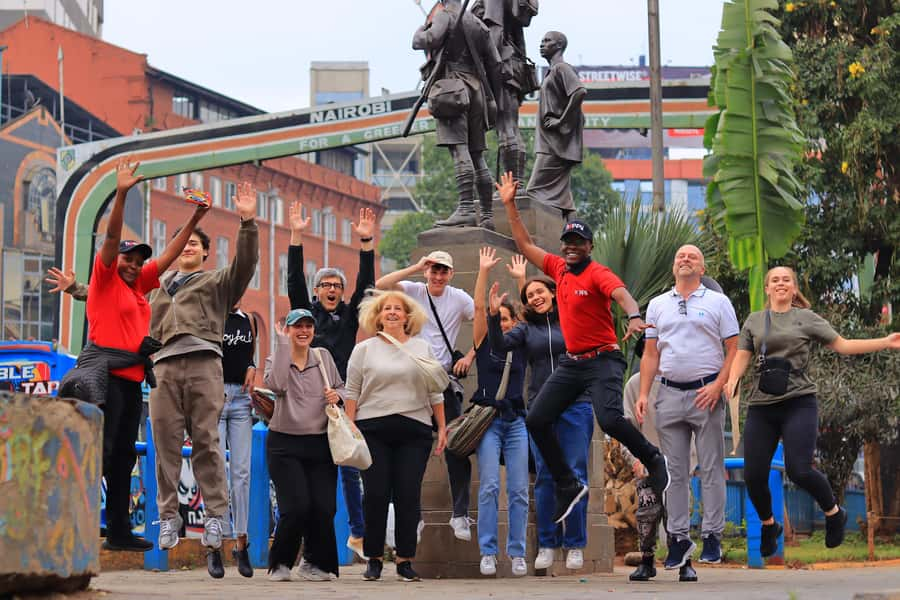
The Kimathi Statue is one of the route’s more important public monuments. Dedan Kimathi was a central figure in Kenya’s anticolonial struggle, and the stop gives your guide a chance to discuss independence, memory, and how Nairobi presents its past in public spaces.
The itinerary also includes the Askari Monument, the Galton-Fenzi Memorial, and views of other central landmarks. Some receive only a few minutes, but they add useful pieces to the city’s story. If a particular monument interests you, ask questions rather than waiting for a long formal explanation. The guides are generally happy to adjust the conversation and explain more.
The tour also passes the Hilton area, Baus Optical, Mama Ngina Street, the Nairobi Governor’s Office, and the Parliament Buildings. This is where the modern city becomes more visible. You see commercial Nairobi, government Nairobi, and older memorials in the same walk.
Coffee at Java House and a breather on Mama Ngina Street
A 20-minute break at Java House gives your feet a rest. Coffee tasting is part of the planned stop, but the cost of additional food and drinks is not included. If you want a snack or another drink, budget separately.
I like this pause because three hours of walking and talking can become tiring, especially in the sun. It also gives you a relaxed chance to ask about daily life, local prices, and places to eat after the tour. Several guides use these quieter moments to get to know the group rather than rushing straight to the next monument.
Do not mistake the coffee stop for a formal Kenyan coffee farm experience. It is a city café break, useful for rest and conversation.
Supreme Court, Parliament, and the civic center
The route continues past the Supreme Court building and the Governor’s Office, then toward Parliament Buildings and Holy Family Basilica. These are mostly sightseeing stops from outside, with short explanations and photo opportunities.
Holy Family Basilica adds another religious and architectural reference point near the government district. The nearby clock tower and the Galton-Fenzi Memorial help fill in the visual details of central Nairobi, even though each stop is brief.
This section is best for people who like seeing how a capital city is organized. You move through the spaces where national government, courts, business, religion, and public memory meet. You will not enter every building, so keep your expectations focused on street-level context.
KICC rooftop views over Nairobi
The high point is the rooftop of the Kenyatta International Convention Centre. The scheduled stop lasts about 30 minutes, and the view gives you a clear sense of Nairobi’s shape after you have walked through its central streets.
From above, your guide can point out different parts of the city and explain how the central district fits together. The breeze is welcome after the walk, and this is the best place for photographs. One practical note: KICC entry is not included in the tour price, so bring money for the admission fee.
If you are uneasy with heights, take this into account. One person found the tower uncomfortable and would skip it on a future visit. You can still enjoy the rest of the tour, but the rooftop is a major part of the final experience.
What the $23 price really covers

At $23 per person, the tour offers good value if you want a guided first look at Nairobi rather than a private vehicle tour. The price includes a guide, bottled Dasani water, WiFi hotspot access, fruit salad, and hotel pickup and drop-off if you select that option.
The company also covers several small experiences that would otherwise add up: the fruit, shoe cleaning, street photography, and some local food experiences. KICC entry, extra food, and drinks are separate. That distinction matters, so carry some local money or another accepted payment method for optional purchases and admission.
The value is less about entering major attractions and more about having a local person make the city easier to understand. You receive context, safety guidance, shopping help, language tips, and a route through places you might not confidently connect on your own.
Timing, footwear, and the Sunday question
Three hours is the advertised duration, but allow extra time. Pickup arrangements, a late arrival, a large group, or extended explanations can make the outing longer. One large group received an extra hour so everyone could complete the planned stops, while another group experienced a one-hour delay. Do not place a fixed appointment immediately afterward.
Wear comfortable shoes and light, comfortable clothes. Nairobi’s weather can change, and much of the experience takes place outdoors. Bring sun protection if you use it, and keep valuables secure in the ordinary way you would in any busy city center.
Sunday deserves special attention. Sunday morning can feel quiet because many shops are closed and the central district is less active. Sunday afternoon is more social, with young people out cycling, skateboarding, taking photographs, making videos, and modeling. Choose morning for a calmer walk, or afternoon for more street activity.
The tour is not suitable for wheelchair users or people with mobility impairments. There are frequent walking sections, uneven city conditions, and a rooftop visit.
Who will get the most from this tour?
I would choose this tour early in a Nairobi stay. It gives you basic Swahili phrases, a sense of where the central district sits, advice on local prices, and a better idea of where you feel comfortable walking. You can then explore more independently with a clearer sense of the city.
It suits solo visitors, couples, first-time visitors, and anyone who wants history mixed with ordinary city life. It also works well for people who are nervous about visiting downtown alone. A guide can make the difference between passing a building without understanding it and seeing how each place fits into Kenya’s story.
It is less suitable if you want long museum visits, a food-focused tour, or a private, slow-paced itinerary. The route is busy with stops, and most sites are viewed from the street. You should also look elsewhere if you need wheelchair access or cannot manage several hours on foot.
Should you book the Nairobi Historic and Modern Highlights Walking Tour?
Book it if you want a friendly, affordable introduction to Nairobi with real city texture. The best parts are the market visit, fruit tasting, shopping guidance, Swahili practice, and the KICC view. Guides such as Jackie, Simon, Jeff, Sharon, and Dennis have been especially effective at making the walk feel personal, safe, and easy to follow.
Skip it if your schedule is too tight for possible delays, if you dislike walking, or if you want to spend most of your time inside attractions. For most first-time visitors, though, the mix of monuments, markets, food, conversation, and practical advice makes this a smart first-day choice.
FAQ
How long does the Nairobi walking tour last?
The scheduled duration is three hours. Delays, group size, pickup arrangements, or extra time at stops can make the experience longer.
What languages are available?
The tour is offered in English, Swahili, and Spanish. Google Translate can be used if you do not speak fluent English.
Is hotel pickup included?
Hotel pickup and drop-off are included only if you select that option when booking. Otherwise, meet the guide near CJ’s restaurant on Koinange Street.
What food is included?
A fruit salad and bottled Dasani water are included. Nyama choma, extra food, coffee, and other drinks may cost extra.
Is KICC rooftop entry included?
No. Admission to the KICC rooftop is not included in the tour price.
What should I bring?
Wear comfortable clothes and comfortable shoes. You should also allow extra time if you have a later appointment because the tour can run longer than three hours.
Is the tour suitable for wheelchair users?
No. The experience is not suitable for wheelchair users or people with mobility impairments.
New walking tours around the world
- Niagara Falls, Canada: White Water Walk Entry Ticket★ 4.5 · 147 reviews
- NYC: Walking Tour with Local Guide and 30+ Top NYC Sights★ 4.5 · 248 reviews
- Zadar: Food Tasting & Old Town Walking Tour★ 5.0 · 94 reviews
- Niagara Falls: Walking Tour, Journey Behind Falls, & Cruise★ 4.8 · 773 reviews
- New York City: Gangsters and Ghosts 2-Hour Walking Tour★ 4.7 · 615 reviews
- NYC: History of Slavery & Underground Railroad Walking Tour★ 4.7 · 87 reviews
- New York City’s Hell’s Kitchen: Walking Food Tour★ 4.8 · 200 reviews
- NYC: Brooklyn Bridge and DUMBO Guided Walking Tour★ 4.8 · 93 reviews
City Highlights Walking Tours, side by side.

Historic Charleston Guided Sightseeing Walking Tour
Read our review →
Dublin Highlights and Hidden Gems Guided Walking Tour
Read our review →
Vienna: Guided Walking Tour of City Center Highlights
Read our review →
Best of Lisbon Small-Group Guided Walking Tour
Read our review →
Florence: Highlights Walking Tour with Expert Guide
Read our review →
Explore Berlin: See All The Iconic Sights & Some Hidden Gems
Read our review →
Bangkok: City Highlights Temple and Market Walking Tour
Read our review →
Best of Lisbon Walking Tour: Rossio, Chiado & Alfama
Read our review →Lists this walk sits on