Review · CHARLESTON
Charleston: Old Walled City Historical Walking Tour
Charleston’s past is written into its streets. On this two-hour walk, you move from colorful colonial homes and churchyards to the old waterfront, while your guide explains how piracy, rice wealth, war, disease, fire, hurricanes, and an earthquake shaped the city. The local angle matters here. Guides such as Bruce, a seventh-generation Charlestonian, and Alfie, who has led tours since 1982, bring family memory and sharp local stories to the usual dates and names.
I like this tour for two clear reasons: it covers a useful range of Charleston without needing a full day, and it does not skip the difficult parts of the city’s past. I also like that guides have tailored the walk to children, wheelchair users, and guests’ interests. The main drawback is the pace. You cover plenty of ground in two hours, and the amount of information can come quickly, especially if you have hearing trouble or prefer a slower walk.
Key points to know before you book
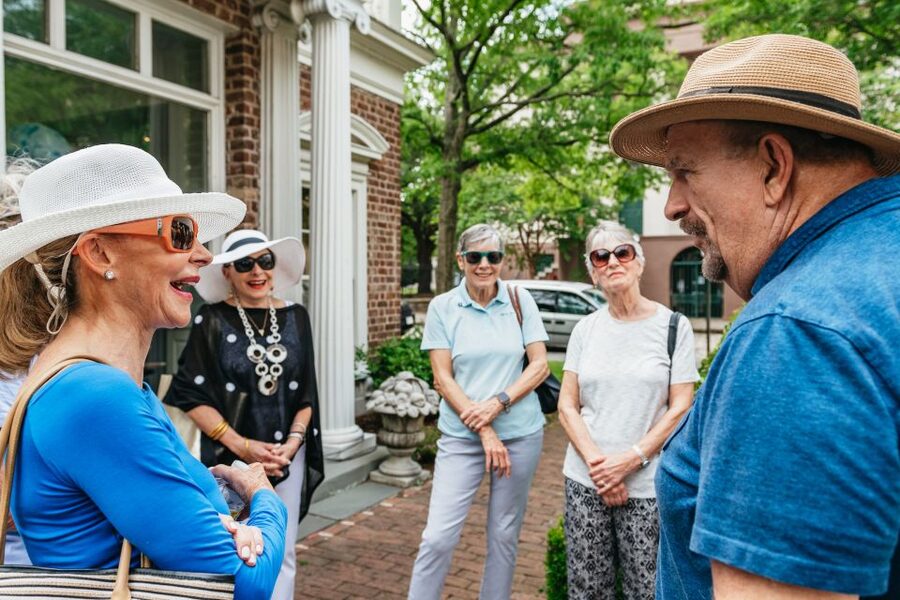
- A local voice: Guides include seventh-generation Charlestonian Bruce and longtime guide Alfie, along with Al, Eric, Bob, Kent, Judi, and others.
- A broad historical sweep: The walk moves from colonial beginnings and piracy to rice planters, disasters, sieges, bombardments, and the earthquake.
- Important central sights: Expect the French Quarter, Dock Street Theatre, Old Exchange and Provost Dungeon, Waterfront Park, Rainbow Row, Heyward-Washington House, and St. Michael’s Episcopal Church.
- A story-led tour: Tombstone symbols, famous residents, architecture, legends, and personal memories give the route more life than a list of dates.
- Good first-day choice: The central route helps you get your bearings before exploring Charleston on your own.
- Practical warning: Wear comfortable shoes, carry water and sunscreen, and expect substantial walking outdoors.
Why this two-hour Charleston walk works so well

Charleston can look easy to understand at first. Its streets are compact, its homes are photogenic, and the central district is pleasant to explore without a plan. But the city’s story is anything but simple. A house façade may point to colonial trade, slavery, wealth from rice, wartime destruction, or rebuilding after a natural disaster.
This tour gives you a framework for reading those details. Instead of seeing a church as just a handsome building, you learn how it fits into the city’s growth. Instead of treating the waterfront as a scenic place for a stroll, you hear about commerce, defense, shipping, and the forces that repeatedly damaged the city.
The experience costs $30 per person. For two hours with a professional guide, that is a fair price if you want context rather than a quick orientation. You are paying for interpretation, not admission to several buildings. The stops are mainly viewed from the outside, with visits and photo stops along the route.
The value is strongest early in your stay. I would take it on a first morning or afternoon, then use the rest of your time to revisit the places that caught your attention. If you already know Charleston well, the local anecdotes may still make the walk worthwhile, though you should not expect an in-depth interior tour of every building.
More History Walking Tours in the USA
- History and Hauntings of Salem Guided Walking Tour
★ 5.0 · 14,564 reviews - Boston: Freedom Trail History Small Group Walking Tour
★ 5.0 · 6,450 reviews - Historic Charleston Guided Sightseeing Walking Tour
★ 5.0 · 6,216 reviews
Meeting the guide on Chalmers Street
The meeting point is on the sidewalk at the corner of Meeting Street and Chalmers Street, with Chalmers being the cobblestone street. Take a moment to identify the exact corner before the start. Charleston’s historic center has many similar-looking streets, and arriving rushed is no fun when you are about to walk for two hours.
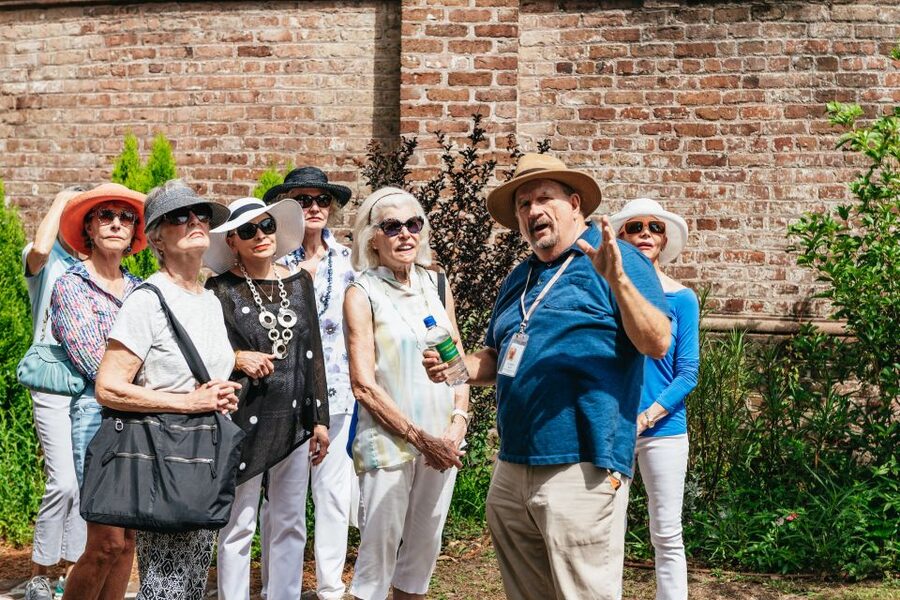
The guide speaks English, and the experience is led live rather than delivered through an audio device. That gives you a chance to ask questions and steer the conversation toward architecture, family stories, famous residents, or the city’s disasters.
The guide can shape the experience to the group. One guide adjusted the route for a husband using a wheelchair, and another was praised for being kind and patient with children. That does not turn the walk into a fully accessible tour, though. The route includes cobblestones and substantial walking, so tell the guide about mobility needs at the start and be realistic about your comfort level.
Several guides are associated with especially strong local storytelling. Bruce is a seventh-generation Charlestonian. Alfie is a native Charlestonian who has guided since 1982. Al is often praised for humor, local detail, and enthusiasm. Eric has been noted for linking stories to people in the group and for his command of architecture. Your guide may be someone else, but the experience clearly depends a great deal on who leads it.
The French Quarter: a strong opening chapter
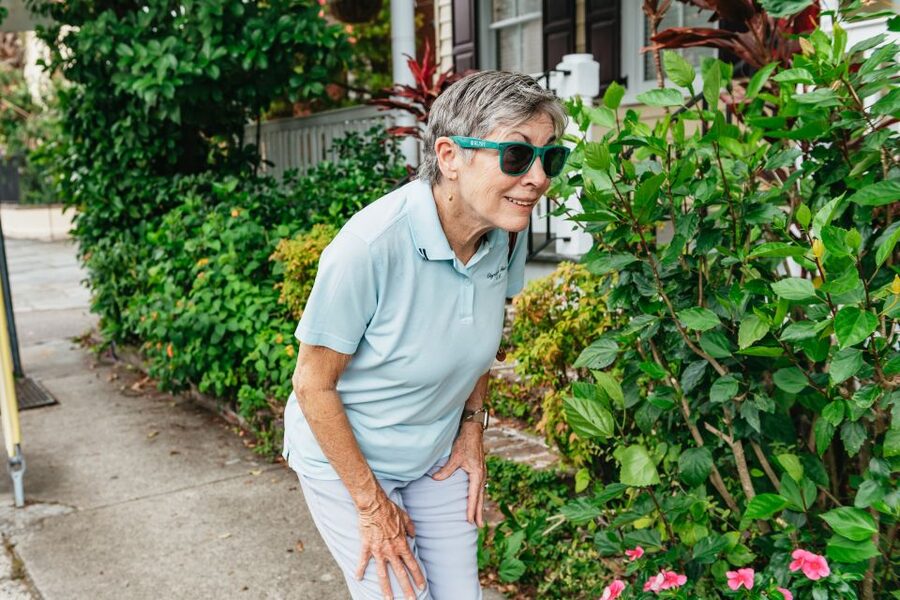
The first major section takes about 50 minutes and focuses on the French Quarter and nearby historic streets. This is the longest part of the route, and it gives the guide time to set up Charleston’s story rather than rush from one landmark to the next.
You walk past colorful pre-colonial and post-colonial homes, storefronts, churches, and public buildings. The value here is not only the architecture. Your guide explains what these buildings reveal about trade, wealth, religion, and changing ideas about the city.
Expect stories about Charleston’s colonial roots, its period of rapid growth, the age of piracy, and the rise of rice planters. These subjects help explain why the city developed the way it did. They also make clear that Charleston was shaped by commerce and power, not only by pretty streets and gracious houses.
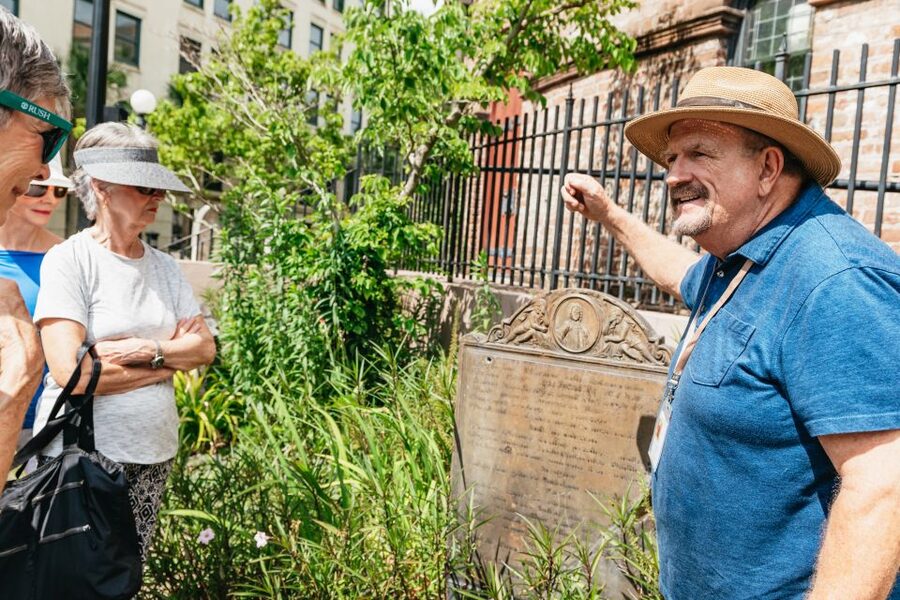
The guide may point out tombstones and ancient symbols, explaining how to read clues in old graveyards. This is one of the more distinctive parts of the walk. A cemetery can feel like a quiet photo stop, but symbols and inscriptions can tell you about belief, status, family, and the hazards of earlier life.
This section may be information-heavy. That is good if you enjoy history, but you should expect a steady stream of names, dates, anecdotes, and connections. One guide was so enthusiastic that the presentation moved faster than one guest preferred. If you need a slower pace, say so early.
Dock Street Theatre and the story behind the façade
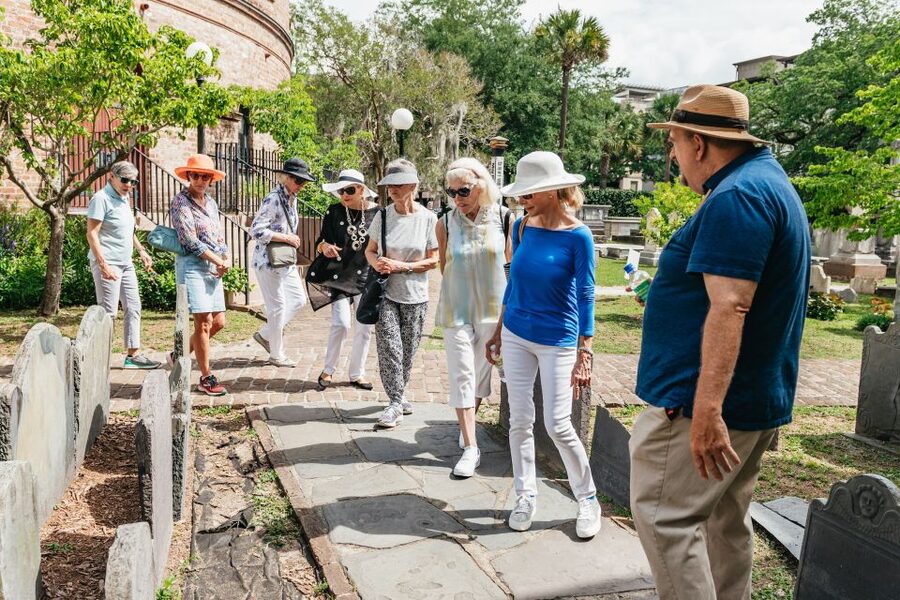
The walk continues to Dock Street Theatre for a roughly 15-minute stop. You have time for photographs, a closer look, and an explanation of why the building matters.
The theatre adds a cultural layer to the tour. Charleston’s story is not just about battles, merchants, churches, and grand homes. Public entertainment and civic life also helped define the city. The guide connects the building to the wider changes taking place around it.
This is a relatively short stop, so think of it as a focused explanation rather than a performance venue visit. The itinerary describes a visit and walk, but it does not promise an extended interior tour or a show. You are mainly here to understand the site and its place in the historic district.
Same streets, a different story:
- New Orleans Premier Ghost, Voodoo and Vampire Walking Tour
★ 4.5 · 12,856 reviews - Little Havana Food and Walking Tour in Miami
★ 5.0 · 8,882 reviews - Chicago: Gangsters and Ghosts Walking Tour
★ 5.0 · 7,155 reviews - New Orleans Food Walking Tour of the French Quarter with Small-Group Option
★ 5.0 · 6,118 reviews
The Old Exchange and Provost Dungeon
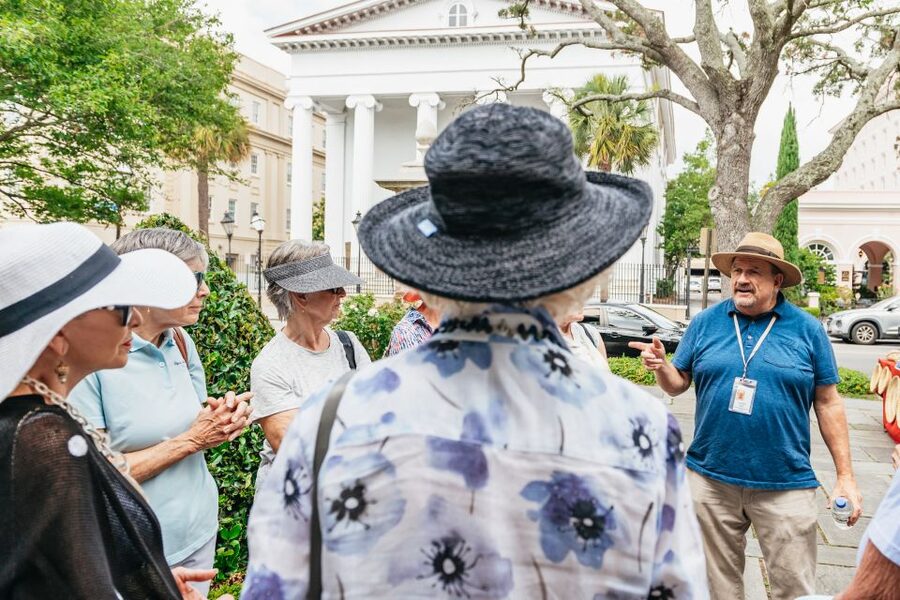
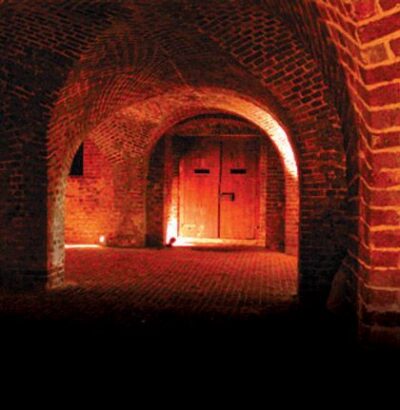
The Old Exchange and Provost Dungeon receives about 12 minutes. This is an ideal place for the tour’s darker themes, including conflict, imprisonment, and the unstable periods that interrupted Charleston’s growth.
Your guide brings the city’s political and military chapters into the story. Charleston experienced sieges and bombardments, and the old exchange helps you picture how public buildings could become tied to trade, government, and war.
The stop is short, which keeps the walk moving but limits how much detail can be covered. If this site interests you most, make a note to return on your own. The walking tour gives you a useful introduction, not a full museum visit.
Waterfront Park and Charleston’s repeated disasters
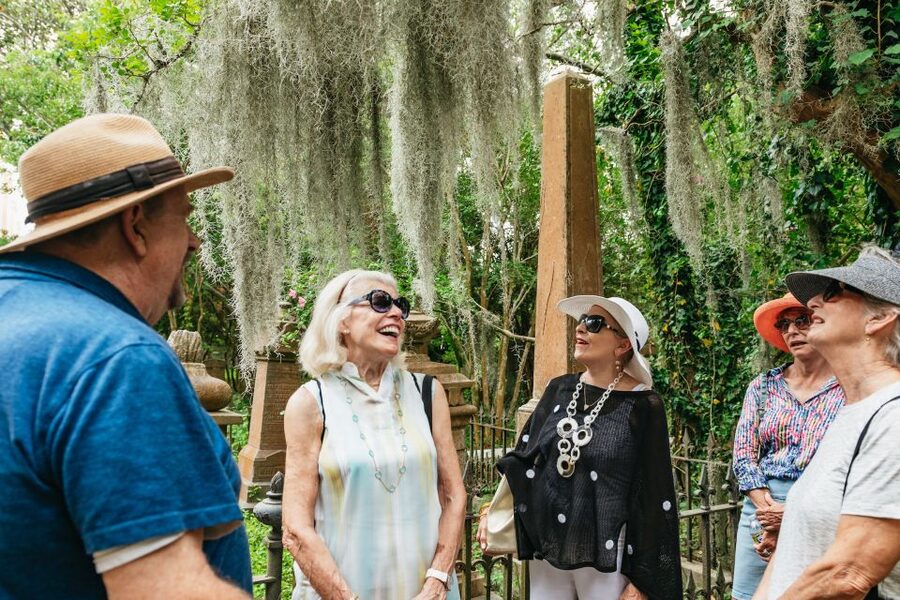
Waterfront Park takes about 15 minutes and provides a welcome scenic pause. You will have views along the water while the guide explains how Charleston’s position affected its growth and its troubles.
The tour pays unusual attention to disasters. You hear about seven major fires, hurricanes, epidemics, sieges, bombardments, and a devastating earthquake. This makes the city’s survival feel more tangible. Charleston was not simply built once and preserved unchanged. It was damaged, rebuilt, adapted, and reshaped again and again.
I appreciate this focus because natural disasters are often treated as side notes on city tours. Here, they are part of the main story. They help explain gaps in the old city, changes in construction, and the persistence of certain buildings and streets.
Waterfront Park is also a good point to take a breath. Much of the tour takes place in sun and heat, especially in warmer months. Bring water, wear sunscreen, and use weather-appropriate clothing. The park does not turn the tour into a rest stop for long, but it breaks up the denser architectural and historical sections.
Rainbow Row and the pleasure of looking up
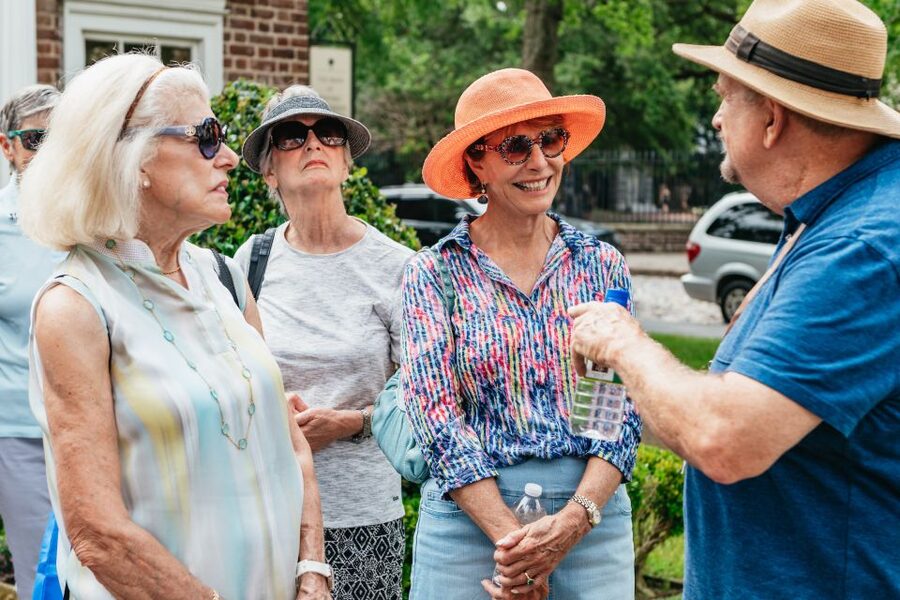
Rainbow Row is a quick seven-minute stop, but it is one of the most photogenic places on the route. The colorful façades make an immediate impression, yet the guide adds a reason to look beyond the picture.
You get a sense of how Charleston’s streets combine beauty and practical history. Color, scale, narrow façades, and the close arrangement of buildings all become part of the city’s visual character. This is also a moment when the tour feels lighter after stories of war, disease, and disaster.
Do not expect a long stop. The tour uses Rainbow Row as part of a larger route, so you have time for photographs and explanation, not an extended architecture lesson.
Heyward-Washington House and famous residents
The Heyward-Washington House receives about five minutes. That is brief, but the stop helps connect the grand homes to the people who lived in them.
The tour includes stories about famous residents and the city’s prominent families. This adds personality to the architecture, while also giving you a chance to think about who had wealth and influence in Charleston. One of the strengths of a local guide is the ability to connect a house to wider neighborhood stories rather than treating it as an isolated landmark.
Again, this is not advertised as a full house tour. You see the site, hear its place in Charleston’s story, and continue. If you want to go inside, you will need to plan that separately.
St. Michael’s Episcopal Church and the final stretch
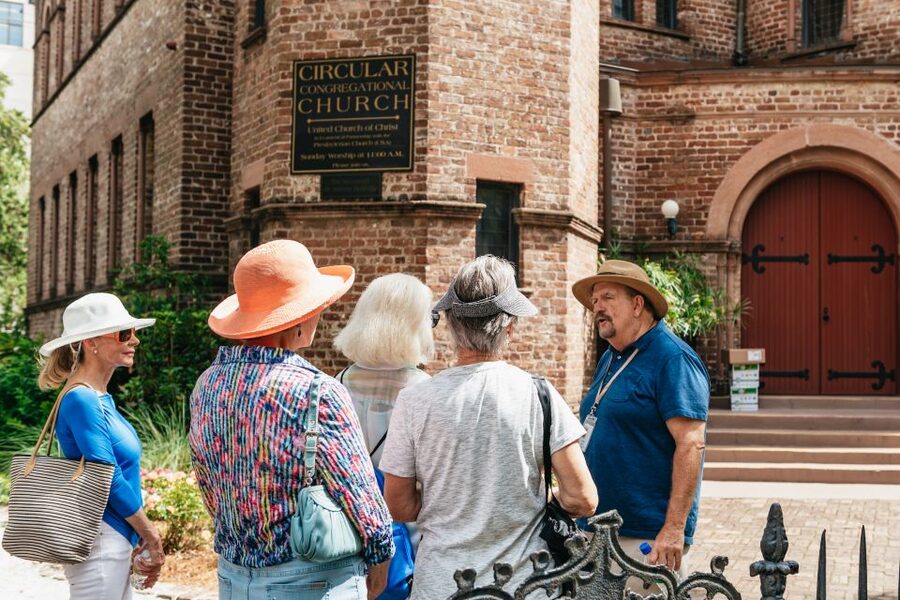
St. Michael’s Episcopal Church is allotted about 12 minutes. The stop gives the route another view of Charleston’s religious and civic history, as well as a chance to study one of the city’s best-known church settings.
Churches matter on this tour because they are more than attractive backdrops. They show how worship, public life, social rank, and the city’s changing population were tied together. Your guide places St. Michael’s within that larger story.
From here, the route returns to the starting point at Shop Historic Charleston. The finish is useful because you end where you began, already oriented to the central streets. You can continue walking, stop for food, visit a museum, or revisit one of the landmarks while the explanations are still fresh.
The guide makes or breaks the experience
This is a guide-led tour, so the personality and delivery matter. The strongest guides combine facts with stories, humor, and a clear sense of place.
Al is repeatedly praised for enthusiasm, humor, and a strong grasp of Charleston, both old and modern. Bruce brings the perspective of a seventh-generation local. Alfie has decades of guiding experience. Eric is especially good at mixing architecture, dates, personal connections, and practical suggestions for the rest of your visit.
The tone is not purely academic. Guides tell stories about growing up in Charleston, famous people who lived there, and details you might miss on your own. At the same time, the best accounts do not soften the city’s difficult subjects. One guide was singled out for being honest and thoughtful when discussing painful parts of Charleston’s past.
There are a few practical limits. A lively guide may speak quickly. Outdoor sound can be hard to follow, especially for anyone who is hard of hearing. Stay near the guide, ask for repetition when needed, and tell the guide if you need a stronger speaking volume. The group size can vary. Some walks have only two people, while another had eight, so the experience may feel nearly private or more like a standard group walk.
Who should book this Charleston walking tour?
I would recommend it to first-time visitors who want a clear introduction to the historic center. It also suits people who like architecture, local stories, and a tour that takes difficult history seriously.
Families can make it work, especially since guides have adapted to children. History fans may want more time at individual sites, but the broad sweep gives you plenty of leads for later exploration. The route can also suit a wheelchair user in some circumstances, though cobblestones and the amount of walking require advance discussion with the guide.
I would be more cautious if you dislike walking in warm weather, have trouble standing for long periods, or prefer a quiet, self-guided pace. You may also find the amount of information tiring. This is a talkative tour, not a casual stroll with occasional comments.
Book it early in your Charleston stay if you want orientation and context. If you are visiting for only a short time, the route covers many central highlights efficiently.
Practical details that matter
The tour lasts two hours and costs $30 per person. It is offered in English with a live professional guide. Free cancellation is available up to 24 hours before the start, and you can reserve now and pay later, which helps if your schedule is still shifting.
Wear comfortable shoes. Chalmers Street is cobblestoned, and the tour involves a substantial amount of walking. Carry water and sunscreen, and dress for the weather. There is no promise of a slow pace or extensive indoor time, so plan for an outdoor experience.
The tour returns to its starting point. That makes it easy to continue sightseeing afterward, but do not assume the walk ends near every attraction you may want to visit next. Use the route as a map of the historic center, then choose what deserves more of your time.
Should you book it?
Book this tour if you want a local storyteller to connect Charleston’s buildings with its wars, disasters, commerce, religion, and people. At $30, it offers solid value for a first look at the old city, especially when your guide is one of the experienced Charleston natives associated with the walk.
Skip it if you want long interior visits, a very slow pace, or a tour focused on just one subject. For most first visits, though, the combination of central landmarks, personal stories, architecture, and unvarnished history makes this a smart way to start.
FAQ
How long is the Charleston Old Walled City Historical Walking Tour?
The tour lasts two hours.
How much does the tour cost?
The price is $30 per person.
Where does the tour meet?
Meet on the sidewalk at the corner of Meeting Street and Chalmers Street, the cobblestone street.
What language is the tour offered in?
The tour is offered in English with a live guide.
Which sights are included?
The route includes the French Quarter, Dock Street Theatre, the Old Exchange and Provost Dungeon, Waterfront Park, Rainbow Row, the Heyward-Washington House, and St. Michael’s Episcopal Church. It returns to Shop Historic Charleston.
What should I bring?
Bring comfortable shoes, sunscreen, water, and weather-appropriate clothing. The tour involves a substantial amount of walking.
New walking tours around the USA
- NYC: Walking Tour with Local Guide and 30+ Top NYC Sights★ 4.5 · 248 reviews
- New York City: Gangsters and Ghosts 2-Hour Walking Tour★ 4.7 · 615 reviews
- NYC: History of Slavery & Underground Railroad Walking Tour★ 4.7 · 87 reviews
- New York City’s Hell’s Kitchen: Walking Food Tour★ 4.8 · 200 reviews
- New York City: Central Park Walking Tour★ 4.7 · 82 reviews
- NYC: Brooklyn Bridge and DUMBO Guided Walking Tour★ 4.8 · 93 reviews
- New Orleans: French Quarter Ghost and Legends Walking Tour★ 4.3 · 129 reviews
- New Orleans: Witches Coven Garden District Walking Tour★ 4.9 · 113 reviews
Charleston Walking Tours, side by side.

Historic Charleston Guided Sightseeing Walking Tour
Read our review →
Ghosts of Charleston Night-Time Walking Tour with Unitarian Church Graveyard
Read our review →
Hidden Alleyways and Historic Sites Small-Group Walking Tour
Read our review →

Charleston French Quarter or Brunch Food Tour with 7+ Tastings
Read our review →
Charleston Haunted Booze and Boos Ghost Walking Tour
Read our review →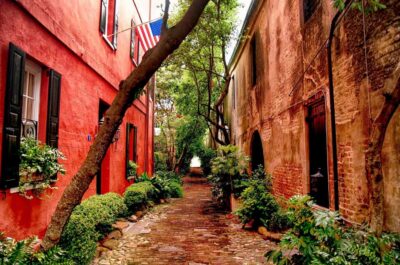
Charleston: History and Architecture Guided Walking Tour
Read our review →