
Review · SAN FRANCISCO
San Francisco: Chinatown Culinary Walking Tour
San Francisco Chinatown reveals itself best through its food shops, narrow alleys, tea counters, herb stalls, and small temples. This three-hour walk takes you beyond the main tourist route, with tastings ranging from dim sum and pork rolls to moon cake, fortune cookies, and fragrant tea. I especially like the direct contact with local shopkeepers and the way food is tied to Chinese culture, immigration, and daily life.
I also like that guides such as Brian, Andre, Scott, Cynthia, and Isabella bring different personalities to the route while keeping the focus on Chinatown. The main thing to consider is the pace: you cover a lot in three hours, and one guide has been noted as speaking and walking quickly. Wear good shoes, and do not eat much beforehand. The portions add up fast.
Key points at a glance
- A food-heavy three hours: Expect dim sum, pastries, fortune cookies, tea, and several other tastings.
- More than a restaurant crawl: The walk includes markets, tea and herb shops, alleys, crafts, cookware, temples, and a cathedral.
- A useful first visit: You get an introduction to Chinatown’s food, customs, shops, and local history in one organized route.
- Guides with strong local knowledge: Andre, Brian, Scott, Cynthia, Isabella, and others have been praised for clear explanations and friendly group care.
- Come with an empty stomach: Several tastings are generous enough to replace a meal.
- Good value for food lovers: At $84, the price includes the guide and all food and drink tastings, not just a walk with a few samples.
Starting beneath the Chinatown Gate
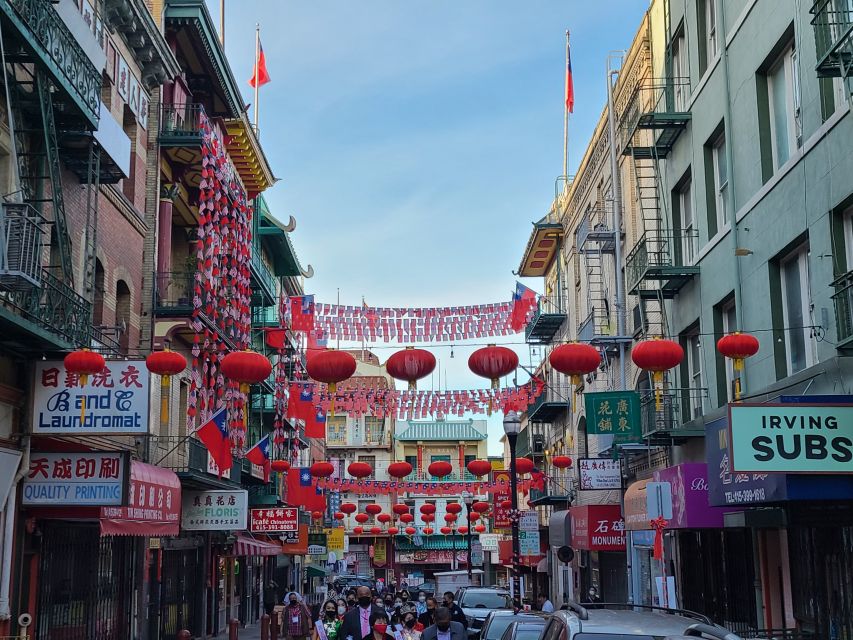
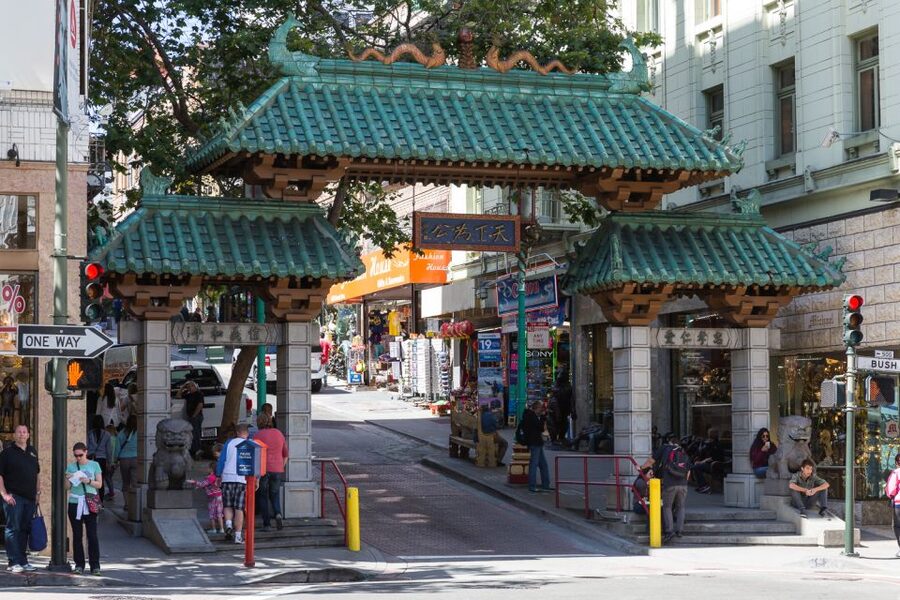
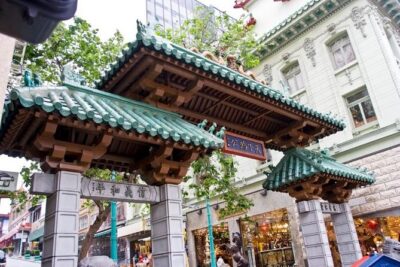
The tour begins at the Chinatown Gate at Bush and Grant streets. That puts you at a useful dividing line: Grant Avenue carries the district’s familiar storefronts and decorations, while nearby Stockton Street and the side lanes give you a closer look at everyday shopping and local trade.
Your guide gathers the group here and sets the plan for the afternoon. This early briefing matters because the outing is not simply a series of restaurant stops. You will walk, pause for explanations, enter shops, taste several foods, and move through places that are easy to miss if you are on your own.
Expect a fair amount of standing and walking. The route has been described as covering roughly eight blocks, but it feels full because the stops are frequent and the streets can be crowded. Comfortable shoes are essential. The tour is in English, and the exact starting time depends on the date you choose.
I would arrive a few minutes early and avoid scheduling a major meal immediately before the meeting point. The warning to come hungry is not sales talk. By the end, the food can include onion buns, pork rolls, moon cake, dim sum, pastries, fortune cookies, tea, and more.
More Food Walking Tours in the USA
- Little Havana Food and Walking Tour in Miami
★ 5.0 · 8,882 reviews - New Orleans Food Walking Tour of the French Quarter with Small-Group Option
★ 5.0 · 6,118 reviews - Savannah First Squares Culinary & Cultural Walking Food Tour
★ 5.0 · 3,229 reviews
Grant Avenue, Stockton Street, and the side lanes
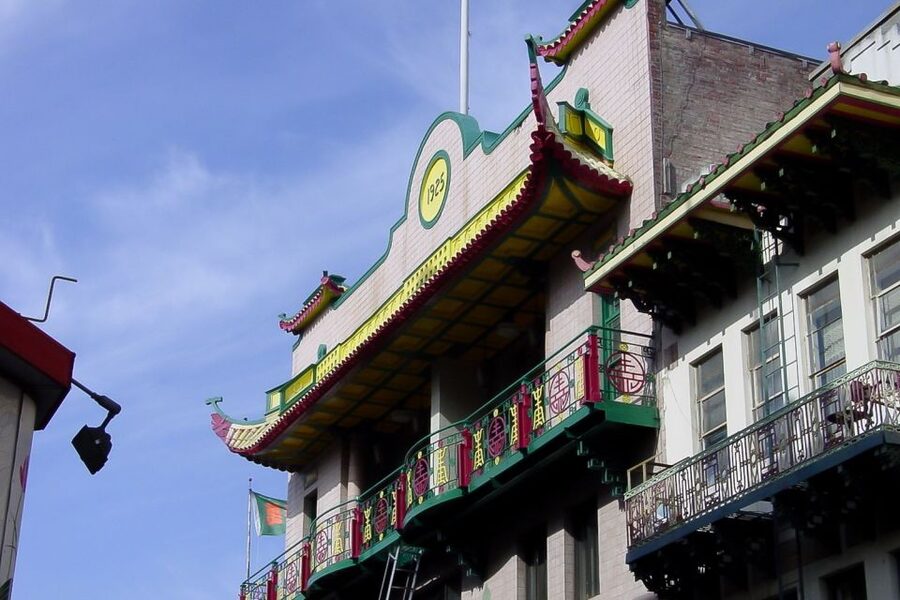
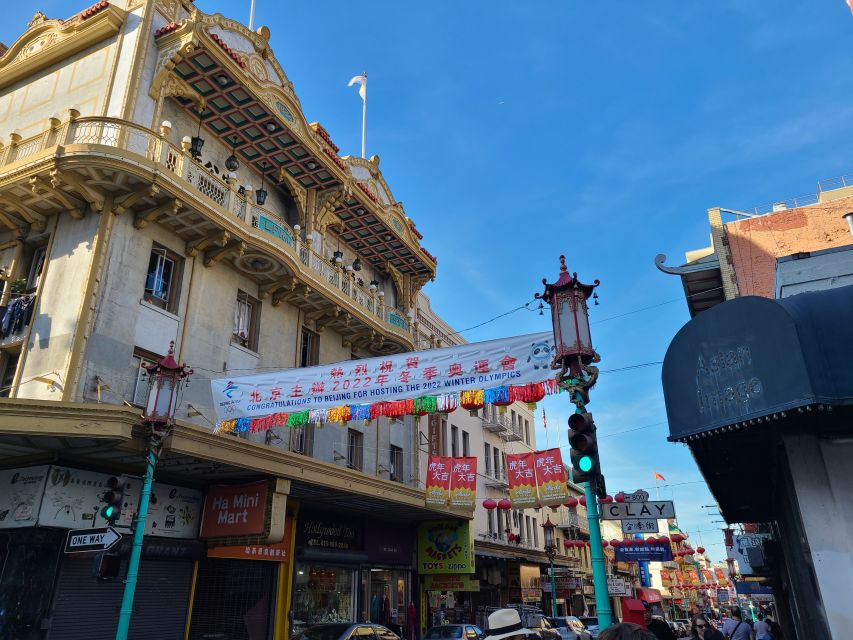
The first pleasure of this walk is learning to read Chinatown as a working district rather than a postcard backdrop. Grant Avenue is the most familiar street, with its signs, souvenir shops, restaurants, and decorative details. Stockton Street offers a different feel, with food markets and goods aimed more at local residents.
Your guide points out the small alleys and tucked-away businesses that are easy to miss when you are focused on the main road. You might see unusual produce, cooking equipment, pottery, ritual objects, and crafts. Shopfronts also display antiquities and statuettes, some described as thousands of years old.
The value here is context. A shelf of dried ingredients or a row of unfamiliar vegetables becomes easier to understand when someone explains how it is used. A traditional object becomes more interesting when you learn why it matters. You do not just photograph the merchandise. You get a sense of how food, belief, family customs, and commerce meet in this compact neighborhood.
The pace can be brisk, especially when the guide is enthusiastic and the group is trying to stay together. That is useful if you want to see a lot in half a day, but less ideal if you prefer long shopping stops or slow photography. I would save serious browsing for a return visit and treat this tour as your orientation.
Tea, herbs, and the smell of a working neighborhood
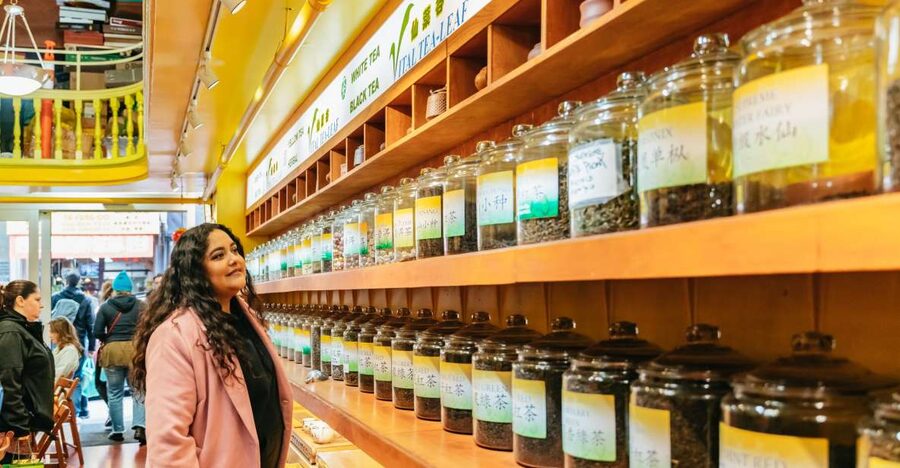
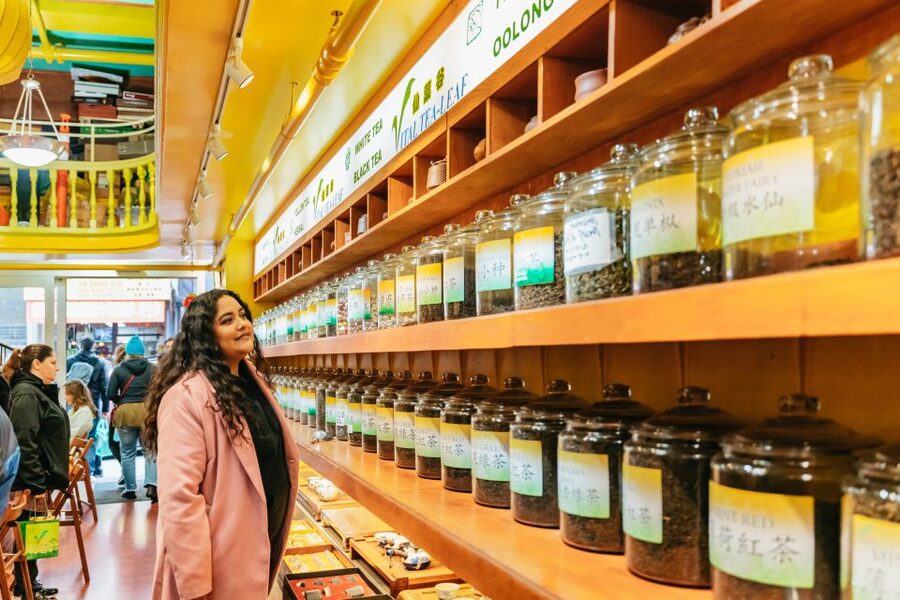
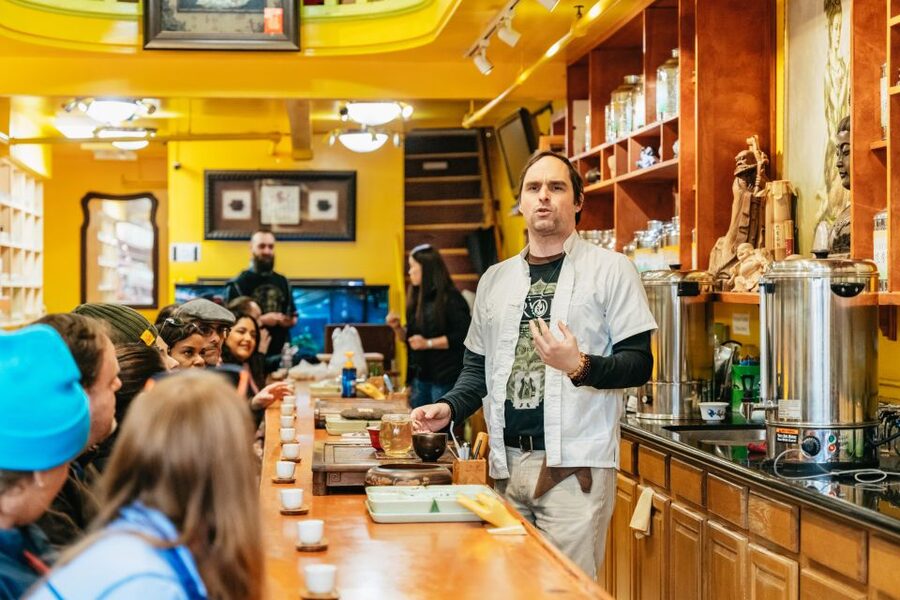
The tea tasting is one of the most consistently praised parts of the experience. You visit a tea shop and learn about different Chinese teas, rather than simply receiving a small cup with no explanation. The tasting gives you a chance to notice differences in aroma and flavor while hearing how tea fits into Chinese food culture.
You also spend time with local vendors who sell herbs and other traditional ingredients. This is one of the more useful stops for a first-time visitor because the shelves can be bewildering. Dried roots, leaves, mushrooms, and other products may look decorative or mysterious until someone explains their purpose.
The guides appear to treat this part as a conversation, not a lecture. A guide such as Mae has been singled out for making the tea tasting memorable, while several guides have been praised for explaining food and customs in detail. The exact vendor and guide may vary, so do not expect a fixed script or identical presentation every time.
Tea is also a welcome pause in a food-heavy afternoon. You get a chance to slow down, taste carefully, and reset before the next snack. If you are not used to strong or unfamiliar flavors, this is a gentler part of the route than some of the cooked dishes.
Fortune cookies made by hand
One of the tour’s most fun stops shows how fortune cookies are made by hand. This connects a familiar American-Chinese treat with the people and work behind it. You can see the process rather than just buying a packaged cookie from a souvenir shelf.
The stop is short, but it adds a welcome bit of theater and texture. The heat, smells, movement, and quick handling of the cookies make the experience feel more like a working food district than a museum display. You also get to taste fortune cookies during the tour.
This is a good example of how the route blends food with cultural detail. The point is not that a fortune cookie represents all Chinese cuisine. It is that Chinatown has developed its own traditions, and the walk gives you room to look at those traditions with a little more care.
Same streets, a different story:
- History and Hauntings of Salem Guided Walking Tour
★ 5.0 · 14,564 reviews - New Orleans Premier Ghost, Voodoo and Vampire Walking Tour
★ 4.5 · 12,856 reviews - Chicago: Gangsters and Ghosts Walking Tour
★ 5.0 · 7,155 reviews - Boston: Freedom Trail History Small Group Walking Tour
★ 5.0 · 6,450 reviews
Dim sum, bakery treats, and a very full stomach
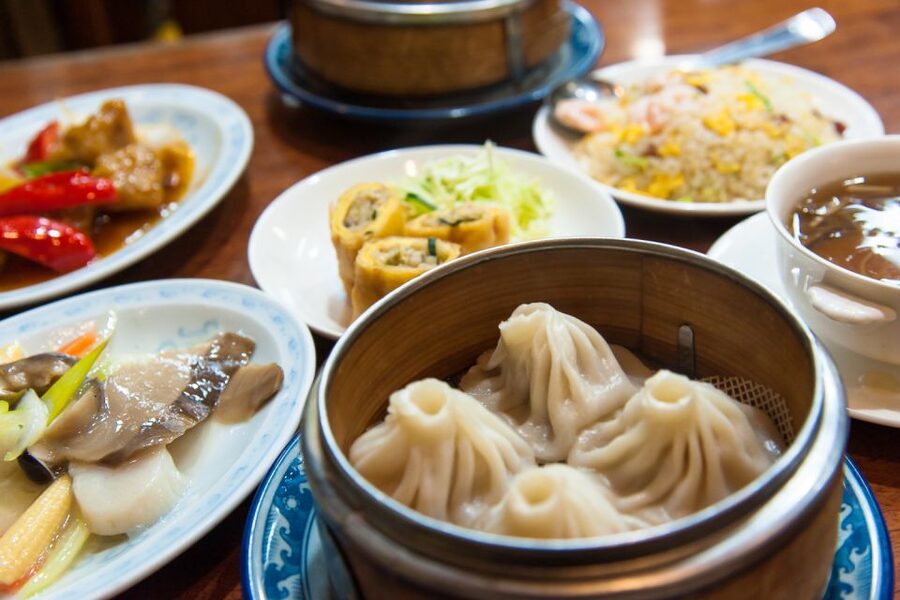
Food is the core of the tour, and the samples are not token bites. The route includes dim sum at the oldest Chinese bakery in the city, along with other pastries and savory items. Depending on the day and stops, you might taste onion buns, pork rolls, moon cake, fortune cookies, and food at two sit-down meals.
The variety is a major strength. You are not asked to commit to one restaurant or one style of dish. Instead, you sample different textures and flavors as you move through Chinatown. For someone who wants a broad introduction, that is more useful than spending three hours at a single table.
The sit-down stops also give the group a chance to talk. You eat with people you have just met, which can make the tour feel social without forcing constant group interaction. Guides have been praised for keeping conversation lively and for making sure people understand what they are eating.
Dietary needs deserve a quick note. Several guides, including Brian and Cynthia, have taken care to provide alternatives for vegetarian guests, people who avoid pork, and people with gluten restrictions or other food concerns. You should still state your needs clearly when booking or at the start. The information provided does not promise that every dish can be changed, but the guides have shown a willingness to adapt.
The quantity is both a strength and a small challenge. At $84, generous tastings make the price easier to justify. But if you dislike eating on the move, have a small appetite, or want a light snack tour, this may feel like too much food. Go easy at breakfast or lunch, and bring the appetite you would normally reserve for a full meal.
A Buddhist temple and one of the city’s old cathedrals
Food alone would make this a worthwhile walk, but the cultural stops give it more depth. The route includes a visit inside a Buddhist temple, described by one guide as being on a fourth floor. That detail matters because it is exactly the sort of place you might not notice while walking along the street.
You also visit one of San Francisco’s oldest cathedrals. The combination of a Buddhist temple and a cathedral helps show how many traditions occupy Chinatown and the surrounding streets. The tour does not present the neighborhood as a single, frozen idea of Chinese culture. Instead, it gives you glimpses of worship, community, migration, business, and food.
Please remember that religious sites are places of worship, not just photo stops. Follow your guide’s instructions, keep your voice low, and ask before taking pictures. The supplied information does not specify a dress code or photography rule, so your best approach is simple respect.
These visits may be among the most meaningful parts of the afternoon if you are interested in culture beyond eating. They also break up the food stops and give the route a stronger sense of place.
What the guides add to the route
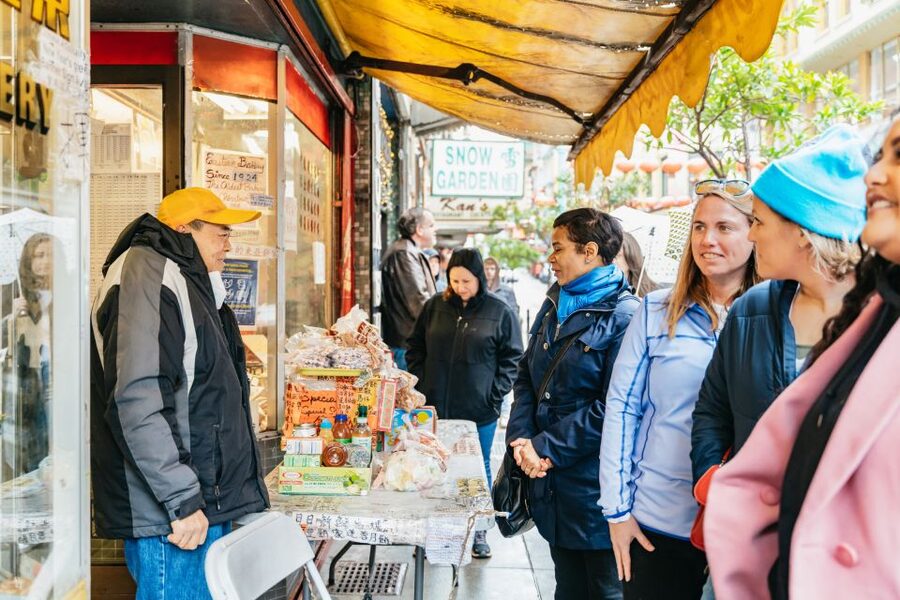
The guides are a major part of the experience. Andre is repeatedly praised for clear explanations about Chinatown and San Francisco, while Brian is noted for his connections with local businesses and his lively storytelling. Scott receives strong marks for keeping the historical material interesting, and Isabella is praised for her warmth, food choices, and attention to individuals in the group.
Cynthia has been described as friendly, considerate, and attentive to comfort. Other guides, including Ryan and Lean, have also received warm comments. You cannot choose a particular guide unless the booking system allows it, so think of these names as examples of the kind of personal approach the company aims to provide.
The best guides do more than recite dates. They explain what you are seeing, help you order or taste unfamiliar food, and make introductions at the shops. That local connection is a key reason to book a guided walk instead of simply following a self-guided map.
The tradeoff is that personalities and pacing vary. A guide who speaks quickly may cover more ground but give you less time to absorb each stop. If you need a slower pace, say so early. Several guides have been praised for accommodating special needs, but the group still has to move together.
Is $84 a fair price?
The cost is $84 per person, including the walking tour, English-speaking guide, and all food and drink tastings. The price makes sense if you plan to eat most of what is offered. Several people have described the amount of food as substantial, with enough to rival a meal or more.
You are also paying for access and explanation. On your own, you can walk Grant Avenue for free and buy dim sum or tea as you go. What is harder to reproduce is the route through side streets, the introductions to shopkeepers, the explanations of herbs and tea, the temple visit, and the ability to sample several places without guessing where to go.
I would consider the tour good value for a first visit, especially if you want both food and background. It is less compelling for someone who already knows Chinatown well and prefers to spend the afternoon choosing individual restaurants. In that case, the tour may repeat familiar streets, though the hidden alleys, tea tasting, and cultural stops could still add something new.
The free cancellation up to 24 hours before the start and reserve-now, pay-later option also reduce the risk of booking ahead. Keep the practical details simple: meet at the Chinatown Gate, wear comfortable shoes, and leave room in your schedule after the tour in case you want to return to a shop.
Who should book this Chinatown food walk?
I would recommend it most strongly to first-time visitors to San Francisco Chinatown, curious eaters, and anyone who wants a structured introduction instead of making restaurant decisions on the spot. It also suits people who enjoy local stories, markets, religious sites, and small food tastings in the same outing.
Families and mixed groups may appreciate the variety, though the brisk walking pace and substantial food could be tiring for some people. People with dietary restrictions should speak up early. The guides have made accommodations for vegetarian, gluten-free, and no-pork needs, but you should not assume every stop will offer a perfect substitute.
This is not the best choice if you want a slow photography walk, a quiet private meal, or a narrow focus on high-end dining. The appeal is variety, access, and explanation. You move often, taste often, and see more than you would by wandering without a plan.
Should you book it?
Book this tour if you want Chinatown to make sense quickly. The combination of dim sum, bakery treats, tea, fortune cookies, markets, temples, and stories gives you a strong first look at the district. I especially value the food quantity and the guides’ willingness to explain unfamiliar ingredients and adjust for dietary needs.
Skip it only if you already know Chinatown well, dislike group walking, or prefer to choose every dish yourself. For most first-time visitors, $84 is a reasonable price for three hours of food and local background, provided you arrive hungry and ready to keep moving.
FAQ
Where does the San Francisco Chinatown Culinary Walking Tour meet?
The tour meets in front of the Chinatown Gate at the corner of Bush and Grant streets.
How long does the tour last?
The walking tour lasts three hours. Starting times vary, so check availability for your chosen date.
What food and drinks are included?
All food and drink tastings are included. The experience can include dim sum, bakery items, fortune cookies, tea, onion buns, pork rolls, moon cake, and tastings at sit-down meals.
Is the tour conducted in English?
Yes. The tour has a live English-speaking guide.
Should I eat before the tour?
You should eat very lightly, if at all, beforehand. The tasting portions are described as ample, and the food can add up to a full meal or more.
What should I bring?
Bring comfortable shoes for the three-hour walk. You should also tell the guide about dietary restrictions or food preferences at the start of the tour.
New walking tours around the USA
- NYC: Walking Tour with Local Guide and 30+ Top NYC Sights★ 4.5 · 248 reviews
- New York City: Gangsters and Ghosts 2-Hour Walking Tour★ 4.7 · 615 reviews
- NYC: History of Slavery & Underground Railroad Walking Tour★ 4.7 · 87 reviews
- New York City’s Hell’s Kitchen: Walking Food Tour★ 4.8 · 200 reviews
- New York City: Central Park Walking Tour★ 4.7 · 82 reviews
- NYC: Brooklyn Bridge and DUMBO Guided Walking Tour★ 4.8 · 93 reviews
- New Orleans: French Quarter Ghost and Legends Walking Tour★ 4.3 · 129 reviews
- New Orleans: Witches Coven Garden District Walking Tour★ 4.9 · 113 reviews
San Francisco Walking Tours, side by side.
Chinatown & North BeachLittle Italy: 7 Tastings & History
Read our review →
North Beach & Little Italy Walking Tour: Food, History & Flavor
Read our review →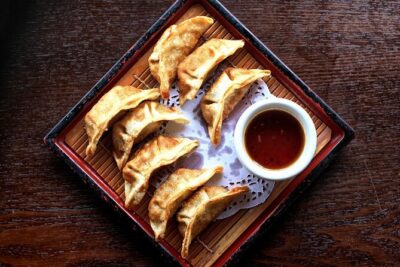
San Francisco Authentic Food Tour with 5 Locals Favorites Dishes
Read our review →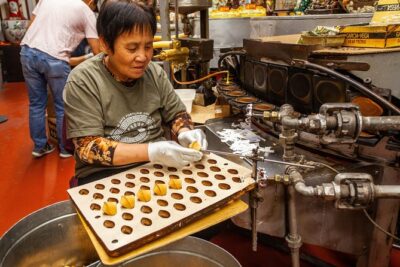
Lists this walk sits on