
Review · BELGRADE
Belgrade: 3-Hour Serbian History Walking Tour
Belgrade’s story is easiest to grasp on foot, where grand government buildings, old lanes, churches, parks, and fortress walls sit close together. This three-hour walk links those pieces into a readable story, from the city’s position between eastern and western powers to the politics of modern Serbia. Guides such as Marija, Pedja, Jovana, Aleksandar, and Tibor are praised for explaining difficult subjects in plain English.
I like the route for two reasons: it gives you a useful first look at central Belgrade, and it does not dodge the harder parts of Serbian and Balkan history. I also like the practical local advice, including suggestions for restaurants and museums. The main drawback is the pace. Four kilometers and many centuries of history make three hours feel short, and hot weather or small children may require a slower walk.
Key points to know before you book
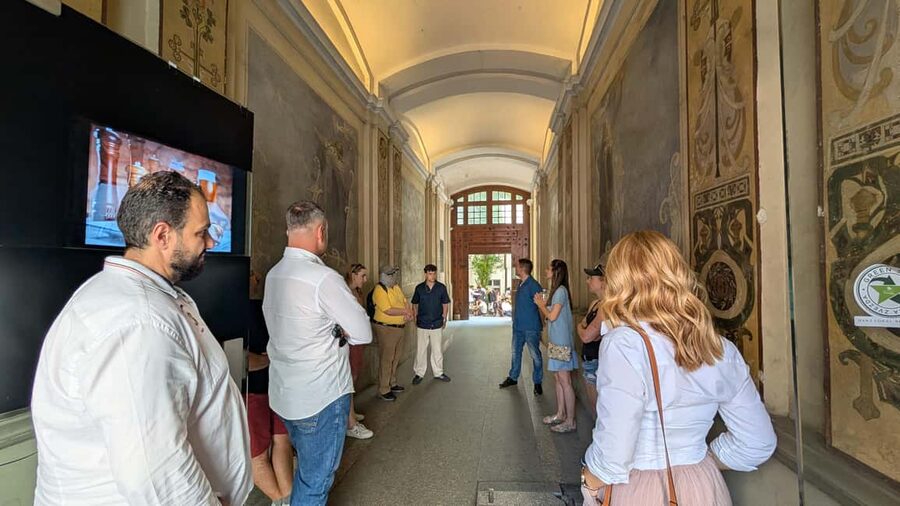
- A 4-kilometer route through central Belgrade: Start at Terazije Square and finish by Rajićeva Shopping Center, with no transport between stops.
- History linked to real places: The route uses Republic Square, Skadarlija, the fortress, churches, and monuments as pages in a larger story.
- Strong guide-led explanation: Marija, Pedja, Jovana, Aleksandar, Tibor, Tibi, and others are praised for clear storytelling and thoughtful answers.
- Modern Serbia is part of the conversation: You can ask about politics, the 1990s, religion, culture, and current life, not only old battles.
- Good value at $35: For a first introduction to Belgrade, the cost is reasonable, especially if your guide helps shape the rest of your stay.
- Bring proper shoes: The walk lasts three hours, covers about four kilometers, and includes parks, streets, and fortress areas.
Why this walk is a smart first look at Belgrade
Belgrade can feel hard to read at first. It has Ottoman and Austro-Hungarian threads, Roman and Byzantine references, Orthodox churches, socialist-era memories, and the scars of more recent conflict. The city’s position between two rivers and between east and west helps explain why so many powers fought over it.
That broad setting is the real subject of the walk. You are not simply ticking off monuments. Your guide connects buildings and streets to the forces that shaped Serbia, Yugoslavia, and the wider Balkans.
I especially value the chance to ask direct questions. The tour is designed for discussion, including subjects that can seem uncomfortable or complicated. Guides have explained religion, politics, geography, current affairs, and the 1990s in a way that makes the material easier to follow without turning the walk into a lecture.
The strongest guide reports focus on clarity and personality. Marija is repeatedly praised for explaining difficult history in simple language and for offering more than one point of view. Pedja is described as friendly and patient, while Aleksandar is noted for making the history of Serbia and Yugoslavia easy to understand. Tibi and Tibor are praised for personal stories and an easy connection with the group.
That matters here. Serbian history is not a subject that fits neatly into a few dates. A good guide needs to explain what happened, why it mattered, and how people in Serbia understand it today. This walk appears to do that better than a bare list of monuments.
More History Walking Tours in the world:
- History and Hauntings of Salem Guided Walking Tour
★ 5.0 · 14,564 reviews - Lisbon: History, Stories and Lifestyle Walking Tour
★ 4.8 · 10,902 reviews - Boston: Freedom Trail History Small Group Walking Tour
★ 5.0 · 6,450 reviews
Terazije Square and the National Assembly
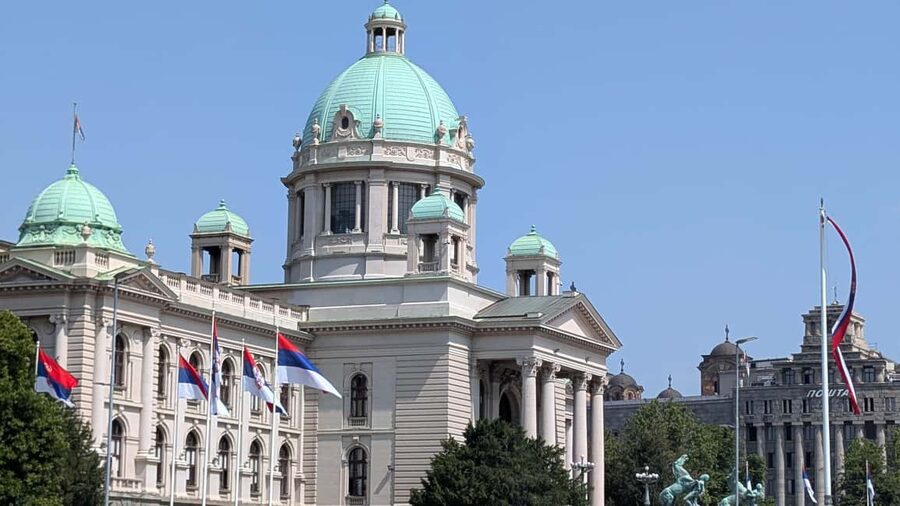
Meet at Terazije 20, next to the fountain in Terazije Square. This is a central and practical starting point, and the opening stop at the National Assembly of the Republic of Serbia gives the tour an immediate link to the country’s modern political life.
You get about 20 minutes here for guided explanation, sightseeing, and some free time. That balance is useful. You begin with a major public building, but you are not rushed past it while trying to keep up with a long speech.
Pay attention to how your guide frames Belgrade as both a capital and a place shaped by outside powers. The conversation may move from geography to government, then back to the city’s older role as a frontier point. That connection is one of the tour’s strengths.
Kneza Mihaila, Republic Square, and the city center
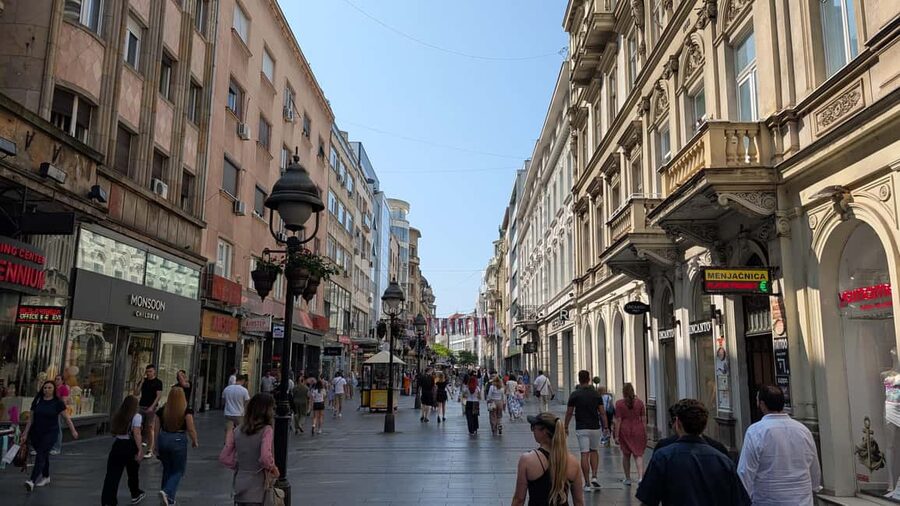
From the assembly, the walk continues along Kneza Mihaila for about 20 minutes. This is one of the key central streets, and it gives you time to get familiar with the city’s public heart while your guide explains what you are seeing.
The route then reaches Republic Square for another 20-minute visit. This is a useful stop because it places everyday Belgrade beside its formal cultural and civic spaces. You get sightseeing, walking, and historical context rather than a quick photo stop.
I would use this part of the tour to ask practical questions. If you want suggestions for the rest of your visit, this is a good time to ask about museums, restaurants, or places connected to the subjects that interest you most. Several guides have offered useful ideas for continuing the visit after the walk.
Skadarlija, Belgrade’s old bohemian lane
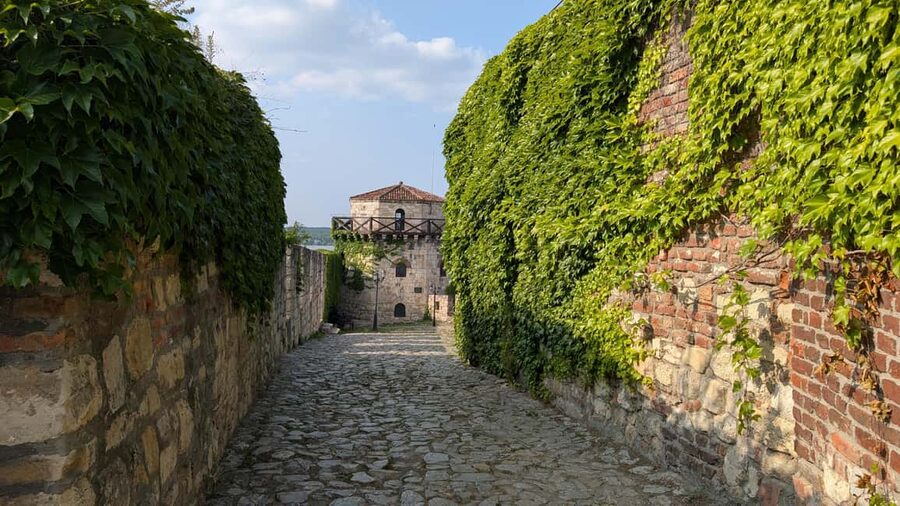
Skadarlija brings a different mood. The tour allows around 20 minutes for a photo stop, sightseeing, and explanation. The change from major civic spaces to a narrower historic street helps show that Belgrade’s identity is not only political.
Your guide may use Skadarlija to discuss Serbian traditions, habits, art, and social life. This is where local detail can make the walk feel more personal. One guide, Jovana, is praised for sharing Serbian customs and everyday practices along with historical facts.
Do not expect a long meal stop here. The published timing gives you a short visit, not a full restaurant experience. If Skadarlija interests you, note the places you want to return to later. The tour gives you orientation and context, then keeps moving.
More three-hour walks around the world:
- Prague: 3-Hour Walking Tour of Old Town & Prague Castle
★ 4.7 · 5,696 reviews - Eat Like a Local: Venice 3-Hour Small-Group Food Tasting Tour
★ 5.0 · 3,137 reviews - Experience Porto’s Charm: 3-Hour Guided Walking Tour
★ 5.0 · 2,432 reviews - Valletta: 3-Hour Walking Tour
★ 4.7 · 2,219 reviews
Student Park and Holy Archangel Michael
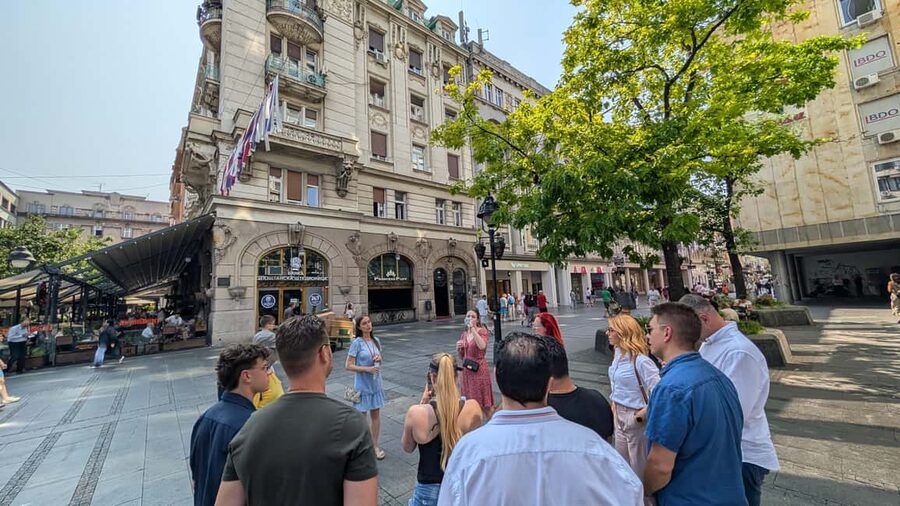
Student Park receives about 10 minutes, so this is a brief stop rather than a major visit. It helps break up the walk and adds another part of central Belgrade to the route.
The next stop, Holy Archangel Michael, receives about 15 minutes. Here the focus turns more clearly toward Serbian religious and cultural life. Religion is important to understanding the region, and the tour uses the church visit to add context rather than treating it as a decorative pause.
This is also a good point to ask your guide how faith, national identity, and political history overlap in Serbia. The subject can be sensitive, but the guides are repeatedly praised for keeping their explanations clear and open to questions.
Kalemegdan Park and the Military Museum
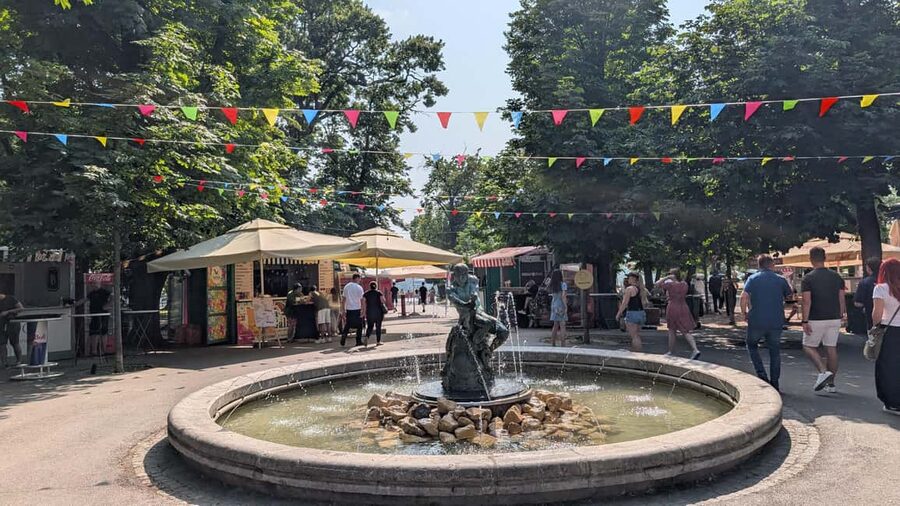
Kalemegdan Park is allotted about 20 minutes. You walk through the park, visit parts of it, and pass by other areas as your guide explains the setting. The park leads naturally toward Belgrade Fortress, so this section feels like a transition from the modern center into the city’s oldest strategic zone.
The Military Museum is one of the listed highlights. The tour’s timing does not suggest a full museum visit, so you should think of it as an encounter connected with the fortress area, not a separate museum tour. If military history is your main interest, ask your guide exactly how much time is available and consider returning independently.
Kalemegdan is valuable because it helps you see Belgrade’s geography. The city’s location at a meeting point between major regions is not an abstract idea here. From the park and fortress area, your guide can connect geography with invasions, borders, power, and the long struggle to control the city.
Belgrade Fortress and the riverside views
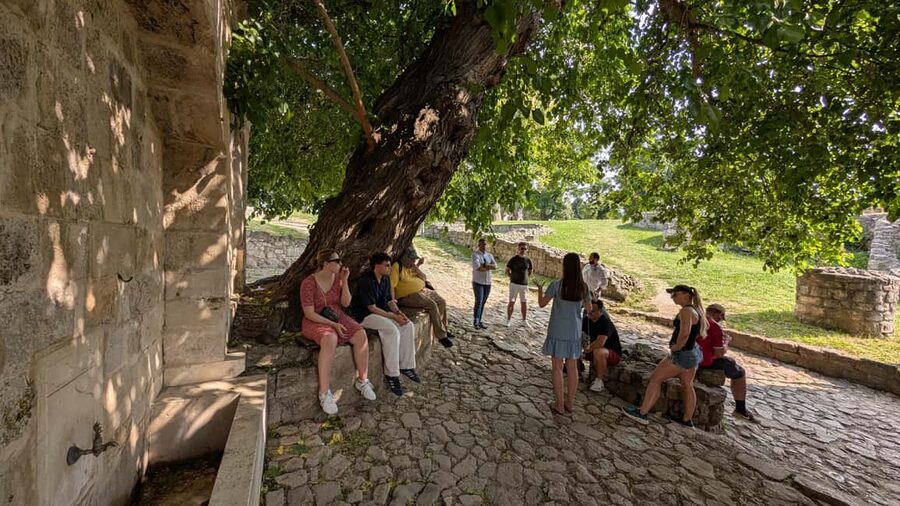
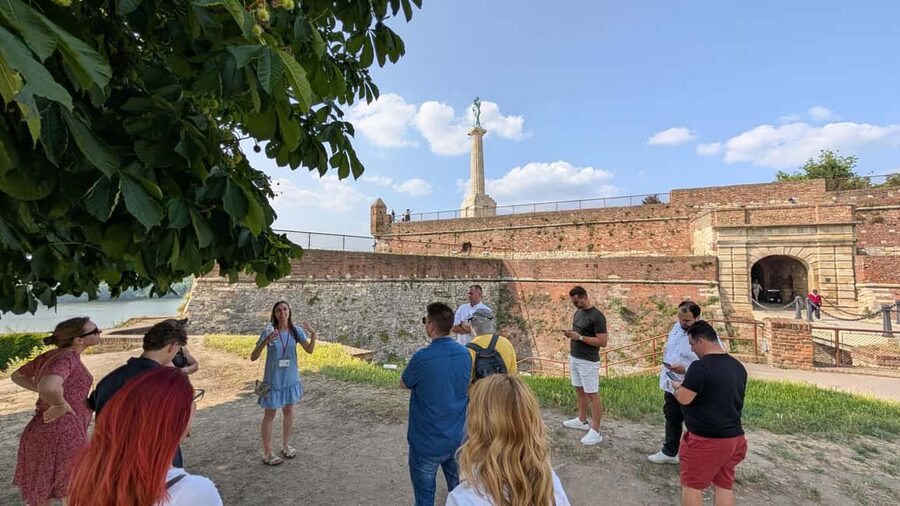
The fortress section lasts about 20 minutes and includes a visit, a photo stop, walking, and scenic views. This is the visual high point of the route.
The fortress is where the tour’s long historical thread comes together. Celts, Romans, Byzantines, Ottomans, Austro-Hungarians, Germans, and Russians are all part of the city’s wider story. Your guide explains how different empires fought over Belgrade and why the city became so important.
The setting also gives you a chance to pause and look outward. The rivers and the surrounding city make the political geography easier to understand. You can see why Belgrade mattered as a border city and why its history contains so many layers of conquest and rebuilding.
Expect uneven or varied walking conditions around historic areas, even though the activity is listed as wheelchair accessible. If you use a wheelchair or have mobility concerns, confirm the exact route and access arrangements before booking. The tour is not a bus ride or a gentle promenade. It covers about four kilometers on foot.
Ružica Church and the Monument of Gratitude to France
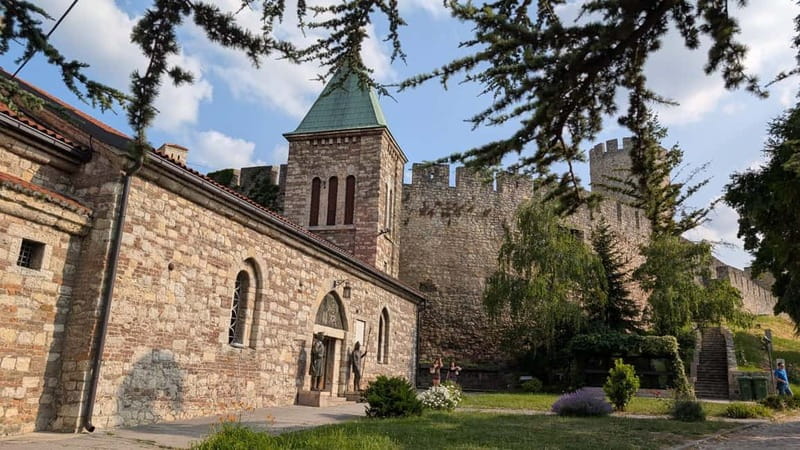
Ružica Church is one of the most distinctive stops. The church was built in the 15th century, and the tour allows about 15 minutes for a visit, photos, and explanation.
I like this stop because it gives the walk a more intimate scale after the open fortress area. Instead of discussing history only through armies and rulers, you get a place tied to worship, memory, and continuity. Ask your guide about the church’s role in the wider story of Belgrade.
The final sightseeing stop is the Monument of Gratitude to France, with about 15 minutes allotted. It adds another international layer to the route and shows that Belgrade’s public monuments also reflect relationships beyond Serbia’s borders.
The tour finishes at Rajićeva Shopping Center. That is a practical ending in the central area, where you can continue shopping, find food, or walk back toward the streets covered earlier. It also means you do not finish far outside town with the need to arrange transport immediately.
How the history is handled
The best feature of this experience is not simply the number of stops. It is the attempt to explain how old events connect to modern Serbia.
The guides discuss the long struggle between eastern and western powers, the geography of the Balkans, the breakup of Yugoslavia, the 1990s, religion, and current political questions. You can also hear stories about figures such as Duško Popov and Mehmed Sokolović, depending on your guide and the direction of the conversation.
That range can be very useful, but it also means the walk is not a quiet architectural tour. If you want only photographs and light commentary, this may feel too serious. If you enjoy asking why a city looks and thinks the way it does, the subject matter is a good fit.
I appreciate that several guides are praised for separating fact from personal opinion while still allowing discussion. One guide is specifically credited with presenting complex subjects without forcing a viewpoint. Another is praised for offering personal perspectives on historic and current events. That balance is important in a region where memory and politics can be closely linked.
Pace, weather, and family comfort
The route is about four kilometers and lasts three hours. Comfortable shoes are essential. The walk includes city streets, parks, church areas, and the fortress, so you should not treat it as a short stroll between nearby cafés.
Heat can affect the experience. On a very hot day, one guide adjusted the route to find shade and maintained the pace without cutting the explanation short. That is encouraging, but you should still choose a suitable start time, carry water, and dress for the weather.
The walk can work with children, but small children may slow the group. A guide named Pedja was praised for being patient with a two-year-old and taking time around a child’s shorter steps and baby equipment. That suggests a family-friendly attitude, though the four-kilometer distance still matters.
Three hours is enough for a strong introduction, not a complete study of Belgrade. You will get a broad framework and see many important places, but the schedule allows only short visits at most stops. If you want to enter museums in depth or spend long periods inside churches, plan extra time after the tour.
Is $35 a fair price?
At $35 per person, the price is fair for a three-hour guided walk in central Belgrade. The value comes from the explanation. You could pass the National Assembly, Skadarlija, Kalemegdan, and the fortress on your own, but you would miss much of the connection between them.
The tour can also save you time at the start of a trip. Several guides give suggestions for museums, food, and further sightseeing, and one guide offered help with questions for the rest of a visitor’s stay. That kind of local orientation can make the fee worthwhile, especially if Belgrade is your first stop in Serbia.
The value depends on your expectations. This is not a private custom tour, and the exact guide may vary. It is also not a full museum tour, a food tour, or a deep architectural study. You are paying for a well-planned route and an English-speaking guide who can put Serbian history into everyday context.
Free cancellation up to 24 hours before the start and a reserve-now, pay-later option make the booking fairly flexible. The activity is offered in English and is listed as wheelchair accessible.
Who should book this Belgrade walking tour?
I would choose this tour if you are visiting Belgrade for the first time, enjoy history, or want help making sense of Serbia’s place in the Balkans. It is especially useful for people who like asking questions rather than simply following a guide from one photo stop to another.
It also suits couples, solo visitors, families with older children, and anyone who wants practical advice for the rest of a stay. The guides are praised for humor, patience, clear speech, and an ability to adjust explanations to the group.
I would hesitate if you dislike political discussion, cannot comfortably walk four kilometers, or want long museum visits. In that case, the compact schedule may feel demanding.
Should you book it?
Yes, if you want a serious but approachable introduction to Belgrade. The route covers the city center, Skadarlija, Kalemegdan, Belgrade Fortress, Ružica Church, and a useful set of civic and religious landmarks. More important, it gives you a way to understand why Belgrade has been fought over for centuries and how that past still shapes Serbia.
Book it early in your stay so you can use the guide’s suggestions afterward. Wear comfortable shoes, allow extra time for the fortress area, and arrive ready to ask questions. At $35, this is a practical way to get your bearings and give the rest of your Belgrade visit more meaning.
FAQ
How long is the Serbian history walking tour?
The tour lasts three hours.
How far does the walking route cover?
The route covers approximately four kilometers on foot.
Where does the tour start?
The meeting point is Terazije Square, next to the fountain, at Terazije 20.
Where does the tour finish?
The tour finishes at Rajićeva Shopping Center.
What language is the tour offered in?
The live tour guide speaks English.
Is the tour wheelchair accessible?
Yes, the activity is listed as wheelchair accessible. Since the route covers about four kilometers and includes historic areas, confirm the specific access details before booking if needed.
New walking tours around the world
- Niagara Falls, Canada: White Water Walk Entry Ticket★ 4.5 · 147 reviews
- NYC: Walking Tour with Local Guide and 30+ Top NYC Sights★ 4.5 · 248 reviews
- Zadar: Food Tasting & Old Town Walking Tour★ 5.0 · 94 reviews
- Niagara Falls: Walking Tour, Journey Behind Falls, & Cruise★ 4.8 · 773 reviews
- New York City: Gangsters and Ghosts 2-Hour Walking Tour★ 4.7 · 615 reviews
- NYC: History of Slavery & Underground Railroad Walking Tour★ 4.7 · 87 reviews
- New York City’s Hell’s Kitchen: Walking Food Tour★ 4.8 · 200 reviews
- New York City: Central Park Walking Tour★ 4.7 · 82 reviews
History Walking Tours, side by side.
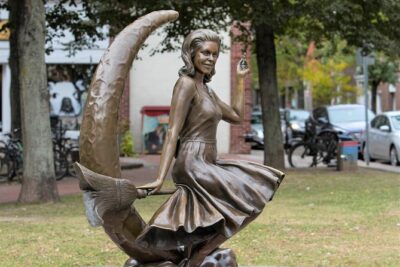
History and Hauntings of Salem Guided Walking Tour
Read our review →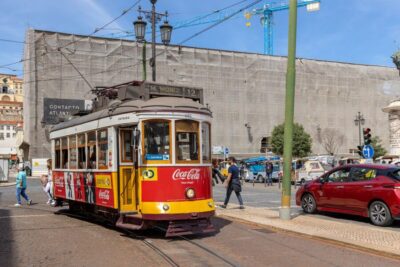
Lisbon: History, Stories and Lifestyle Walking Tour
Read our review →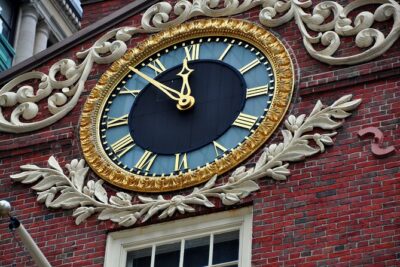
Boston: Freedom Trail History Small Group Walking Tour
Read our review →
Historic Charleston Guided Sightseeing Walking Tour
Read our review →
Barcelona: Tapas Walking Tour with Food, Wine, and History
Read our review →
Savannah History and Haunts Candlelit Ghost Walking Tour
Read our review →
A History of Terror – Belfast City Centre Walking Tour
Read our review →Lists this walk sits on