Review · LIVERPOOL
Best Of Liverpool Heritage, History & Culture Guided Walking Tour
Liverpool’s story is much bigger than The Beatles. This 2-hour-15-minute walking tour links the old maritime city with its grand civic buildings, buried docks, medieval traces, and music landmarks. You walk from the Bluecoat through Ropewalks and the waterfront, then finish at Mathew Street, close to the Cavern Club.
I like the route’s range. You get both the polished Three Graces and less obvious places such as Campbell Square’s old gaol. I also like the local voice: guides including Mike, Carl, Pam, Roy, Allan, and Colleen are known for adding humor, personal insight, and useful suggestions for the rest of your stay.
The main consideration is pace and weather. You cover a lot of ground in just over two hours, often on cobbles, and the tour requires good weather. One useful review noted that not every planned stop was covered, so the exact order or route can sometimes shift.
Key points before you book
- A strong first look at Liverpool: The route connects the city center, Ropewalks, docks, grand waterfront buildings, and Beatles sites.
- Local guides shape the experience: Mike, Carl, Pam, Roy, Allan, Paul, Rob, Chris, and Colleen are among the guides praised for clear explanations, humor, and love of Liverpool.
- The waterfront is more than a photo stop: You learn how docks, shipping, the Titanic connection, and civic power helped shape the city.
- The Beatles appear, but do not take over: You pass the Beatles Statue and finish near Mathew Street and the Cavern Quarter.
- Expect uneven ground: There are no hills or stairs on the planned walk, but cobbles make comfortable, non-slip shoes a smart choice.
- Small groups are possible: The maximum group size is 20, and some departures may be much smaller.
Start at the Bluecoat and enter Liverpool’s older center
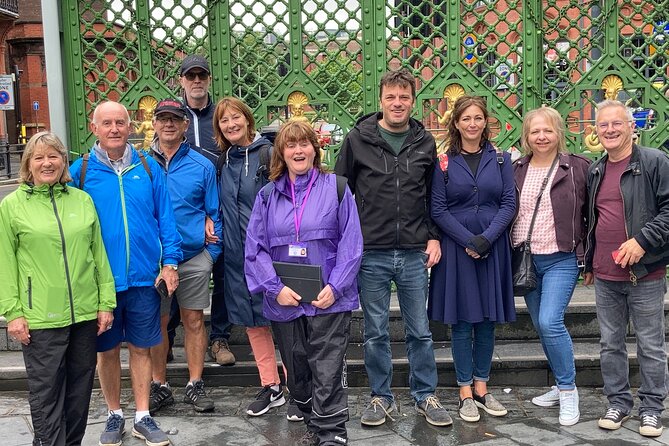
Meet your guide in front of the Bluecoat on School Lane. This is a practical starting point in the city center, close to public transport and surrounded by streets you can continue exploring after the walk.
The Bluecoat is a fitting place to begin because the tour quickly moves beyond the familiar Beatles story. Your guide sets the scene for Liverpool as a port, a commercial center, and a city shaped by people arriving and leaving by sea.
You do not enter the Bluecoat as part of the tour, and there is no admission charge for the stop. The first five minutes are mainly about gathering the group and getting oriented. If you arrive early, you will have a convenient chance to locate the meeting point without rushing.
From there, the route turns toward the Liverpool Sailors Home Gateway. This monument honors the Sailors Home, an institution linked to the city’s maritime community. It is also a good early photo stop, thanks to the golden Liver bird.
Your guide can use this place to explain why Liverpool’s symbols are tied so closely to the waterfront. The Liver bird is not just a decorative emblem. It appears across the city and helps connect civic identity with the port that made Liverpool famous.
More City Highlights Walking Tours in the UK
- Wizard Walk of York – WINNER Best Tour & Best of York Award
★ 5.0 · 918 reviews - York: City Highlights Small Group Walking Tour
★ 4.9 · 867 reviews - London Sightseeing Walking Tour with 30+ sights
★ 5.0 · 705 reviews
Ropewalks shows a less polished side of the city
The walk continues to Henry Street and the Ropewalks district. The name comes from the rope-making trade once needed by sailing ships. This is one of the route’s better historical turns because it shows how an ordinary urban neighborhood could be tied to global shipping.
I like this section because it gives you a picture of working Liverpool rather than only its grand monuments. The streets and buildings are part of a former industrial zone, and the guide explains how rope production fitted into the needs of a major port.
The stop lasts about 15 minutes. That is enough time for a clear explanation and a look around, but not enough for a detailed architectural study of every building. Think of Ropewalks as a well-chosen piece of the larger story, not a stand-alone neighborhood tour.
Next comes Campbell Square, tucked close to Ropewalks. The square is home to The Bridewell, a converted Victorian gaol. Depending on access, you may get a look inside one of the original cells.
This is one of the route’s more unexpected moments. An old jail now used as a restaurant gives the tour a bit of texture, and it helps you see how Liverpool has reused older buildings. Access inside is not guaranteed, so treat the cell visit as a bonus rather than a promise.
Thomas Steers Way connects the city to its buried docks
At Thomas Steers Way, you learn about the site of Liverpool’s first dry dock. The maritime story is made visible through a large fountain, and you can take a quick look through a port hole.
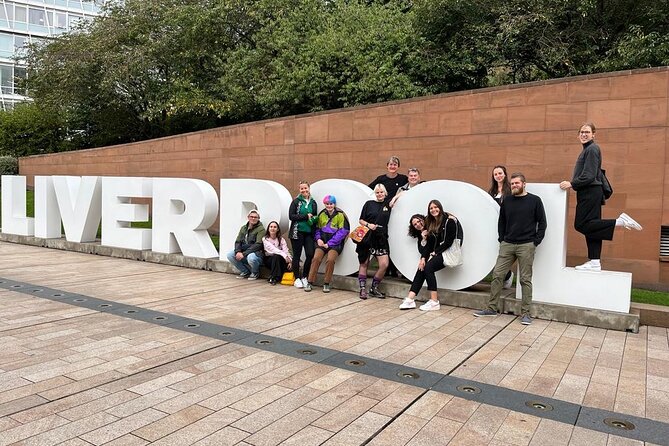
This stop works best as a short piece of historical interpretation. You are not visiting a preserved dockyard, but the guide helps you picture the working waterfront that once occupied this part of the city. The oversized LIVERPOOL sign is here too, with colors that change for seasons or events.
You will have about ten minutes at this stop. That gives you time for photos and a concise explanation. If you enjoy visual reminders of old city infrastructure, the port hole and fountain add something to the walk. If you prefer long visits inside museums, this will feel brief.
Royal Albert Dock brings the maritime story into view
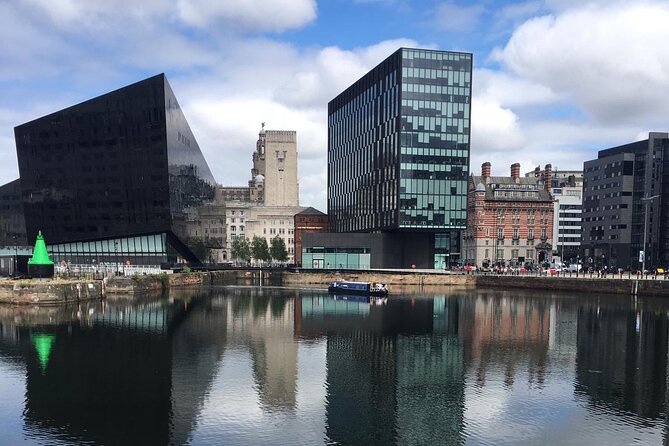
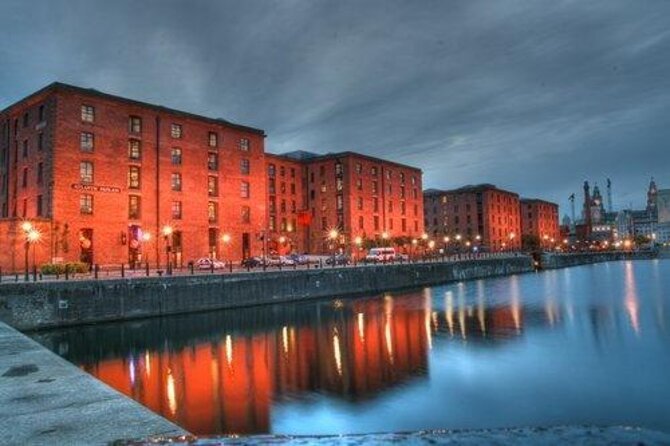
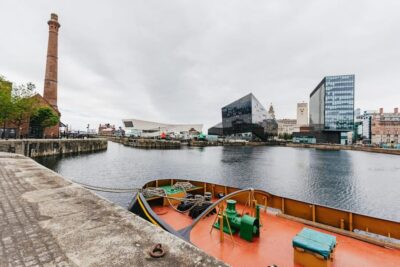
The route then heads to Royal Albert Dock, one of Liverpool’s most recognizable areas. You spend about 20 minutes here, learning how the docks helped shape the city and how the Titanic story became part of Liverpool’s maritime identity.
This is where the tour’s earlier pieces begin to connect. Rope-making, dry docks, sailors, shipping, and civic wealth all point toward the same fact: Liverpool’s fortunes were built around the water.
You also see a mix of old and new architecture along the waterfront. The walk does not include entry to a museum or attraction, so your guide’s explanation is the main way you get context. That is useful on a short visit, especially if you have not yet worked out which waterfront buildings deserve a closer look later.
The bronze statue to Bill Fury is another stop along the way. It has become a fan shrine, giving the tour a local cultural detail that is easy to miss if you only follow the main tourist path. This kind of detail is part of the route’s appeal. It adds people and passions to the larger story of docks and buildings.
More History Walking Tours in the UK
- A History of Terror – Belfast City Centre Walking Tour
★ 5.0 · 2,883 reviews - Edinburgh: Old Town History and Tales Walking Tour
★ 4.8 · 2,361 reviews - Old Town Walking Tour History and Tales in Edinburgh
★ 5.0 · 2,168 reviews - Shadows of York: Ghost Walk and Horrible History.
★ 5.0 · 1,403 reviews
The Beatles appear at the right point in the walk
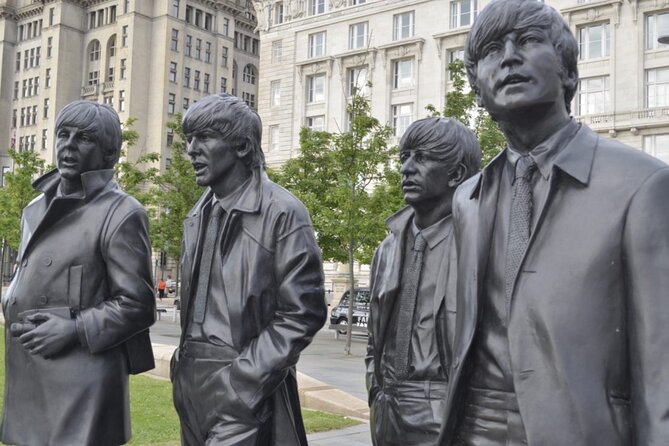
At the Beatles Statue, you can pose with the Fab Four sculpture by Andrew Edwards. For many people, this will be the most anticipated photo of the day.
The tour gives The Beatles their place without making them the whole subject. That balance matters. Liverpool’s music identity is central to the city, but the wider story includes maritime trade, migration, civic architecture, industrial work, and local politics.
Access to the Andrew Edwards statue can occasionally be restricted. If that happens, the route may use alternative statues instead. If your main reason for booking is a specific Beatles photograph, keep this small possibility in mind.
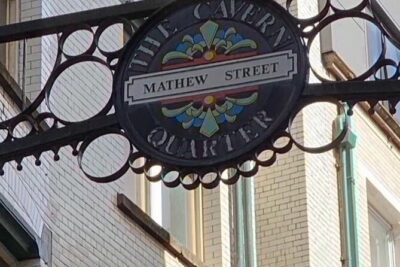
The tour ends at the entrance to Mathew Street, putting you close to the Cavern Quarter. The listed route takes you past the Cavern Club area, but a full Beatles-focused explanation is not the same as taking a dedicated Beatles walk. You can explore Mathew Street on your own afterward or book a separate Beatles tour.
That ending is useful. You are not dropped far from the center with a long trip back. You can continue with music history, stop for food, or simply use the location as a base for the rest of your afternoon.
The Three Graces explain Liverpool’s civic ambition
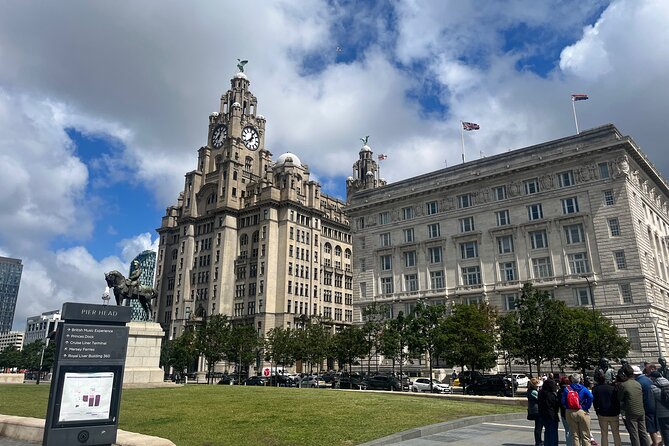
The waterfront’s Three Graces are the Cunard Building, the Port of Liverpool Building, and the Liver Building. Together, they form one of Liverpool’s defining architectural views.
The guide explains the history and heritage of these Grade II listed buildings, along with the iconic Liver Building. The time here is about 15 minutes, enough to understand why the group of buildings matters and to take photographs.
This section is valuable even if you are not an architecture specialist. The Three Graces show the confidence of a city that once handled major international trade. They also give you a clear visual marker for Liverpool, the sort of place that helps you build a mental map quickly.
Look up as you walk. The scale of the buildings is part of the point, and the Liver birds provide a link back to the symbol you saw near the Sailors Home Gateway.
Castle Street and Town Hall reveal older Liverpool
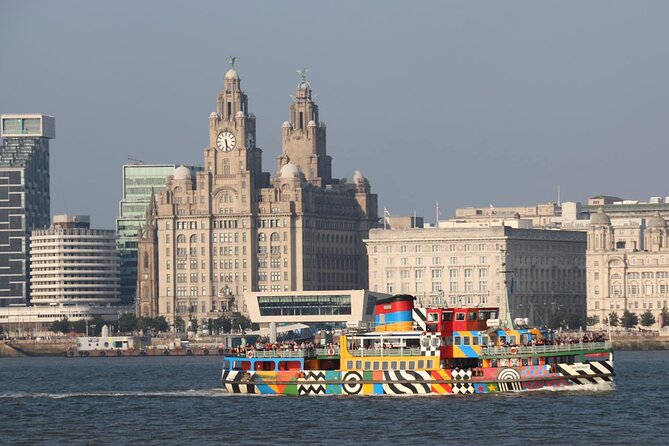
The route leaves the waterfront and follows Castle Street. The street has a connection to medieval Liverpool and is framed by handsome historic buildings.
You hear about the city’s earlier development as the route moves through a more formal civic area. This is a helpful change of pace after the open waterfront. The tour is not simply a line between famous photo stops. It shows how Liverpool’s medieval beginnings, commercial success, and later civic pride sit beside one another.
Liverpool Town Hall follows. The current Grade I listed building is recognized as one of England’s finest surviving 18th-century town halls. Your guide also discusses earlier town halls dating back to the 1500s.
The stop lasts about ten minutes. You do not go inside as part of the walking tour, so check the timing if you hope to see the interior on another visit. Even from outside, the building gives you a useful sense of how the city presented itself when Liverpool had growing wealth and influence.
Exchange Flags and Derby Square add political and military stories
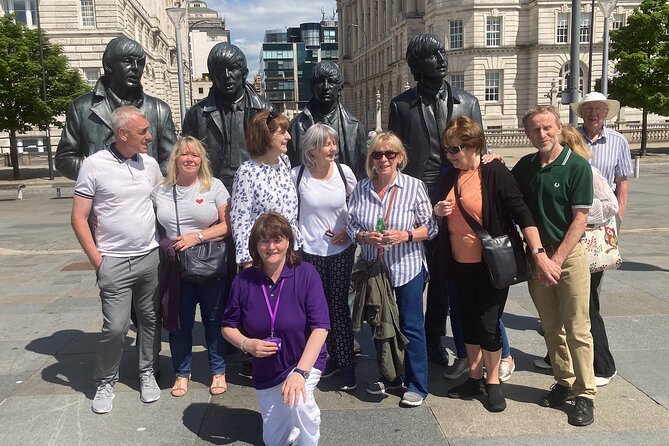
Exchange Flags forms a listed courtyard facing the Town Hall. Its history includes an important role during the Second World War, and the area also contains a large bronze monument to Nelson dating from the early 1800s.
This stop adds a military and political layer to the route. The courtyard setting also gives you a break from busy streets and a chance to take in the relationship between the Town Hall and surrounding buildings.
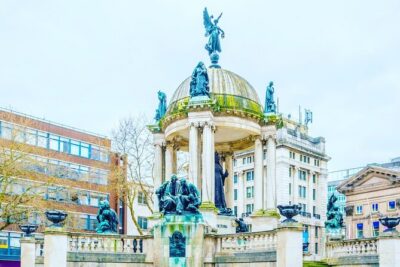
At Derby Square, your guide tells you about the Liverpool Castle that once occupied the area. The square is now home to an imposing monument to Queen Victoria.
These are short stops, around ten minutes each. Their value depends on the guide’s storytelling. A good guide can make a vanished castle and a familiar statue feel connected to the city’s changing power. The route does not offer a long archaeological visit, so listen for the broad explanation and mark the places you want to investigate later.
What the guides add to the walk
The strongest part of this experience is the guiding. Names attached to particularly positive feedback include Mike Dowling, Carl, Pam, Roy, Allan, Colleen, Paul, Rob, Chris, Michael, and Mathew.
The descriptions are consistent: clear explanations, local knowledge, good humor, strong pacing, and a willingness to answer questions. Mike is praised for enthusiasm and passion. Carl is described as especially helpful for questions and as a guide who gives a good overview in limited time. Roy brings local Scouse humor, while Colleen is known for extensive research and lively delivery.
Small groups can make a real difference. One departure had only a few people, which allowed the guide to answer questions quickly and tailor the conversation. The maximum is 20 people, but the actual number may be lower.
One practical caution: a review noted that the guide moved quickly and that headphones would have helped with hearing questions from other people. If you have hearing concerns, position yourself near the guide and speak up when you need clarification.
Price, timing, and who gets the best value
At $31.90 per person, this is a reasonable price for a guided introduction lasting just over two hours. You are paying for a local guide, a carefully connected route, and context that would take time to assemble on your own.
The value is strongest if you are new to Liverpool or have only a short stay. In one walk, you get the center, Ropewalks, the docks, Royal Albert Dock, the Three Graces, Castle Street, Town Hall, Derby Square, and Beatles landmarks.
The price is less compelling if you want inside visits, food, or a full Beatles history. No meals, drinks, museum tickets, or attraction admissions are included. You are buying orientation and stories, not a series of paid entries.
The tour is offered in English and uses a mobile ticket. Children under 16 need to be with a responsible adult. Service animals are allowed, and well-behaved dogs are welcome, though busy streets and group walking may not suit every dog.
Wear comfortable shoes with good grip. The route has no planned hills or stairs, but cobbles and uneven surfaces can make two hours harder than the distance suggests. Bring water, especially on a warm day.
Should you book the Liverpool walking tour?
Book it if you want a broad first look at Liverpool, prefer learning from a local guide, and want The Beatles placed within the city’s larger story. It is especially useful at the beginning of a visit, since the guide can point you toward places to return to later.
I would choose it over a short bus overview if you want to walk through Ropewalks, get close to the docks, and see how the city center changes from medieval traces to grand waterfront architecture. The route also suits people who enjoy quirky details, such as a former jail cell and the Bill Fury statue.
Choose something else if your priority is entering museums, spending a long time at the Cavern Club, or taking a dedicated Beatles tour. Also think twice if wet weather or cobbles would make a long walk uncomfortable.
Free cancellation is available up to 24 hours before the start time. The experience depends on good weather, and poor conditions may lead to a new date or a full refund. Routes can also change for operational reasons, and access to some statues or locations is not always guaranteed.
FAQ
Where does the tour start?
The tour starts at the front gates of the Bluecoat on School Lane, Liverpool L1 3BX.
Where does the tour end?
It ends at the entrance to Mathew Street in Liverpool city center, near the Cavern Quarter and Cavern Club.
How long does the walking tour last?
The tour lasts approximately 2 hours and 15 minutes.
Is food or drink included?
No. Food and drink are not included. You are advised to bring a bottle of water for the walk.
Is the Beatles tour included?
This experience includes a stop at the Beatles Statue and ends near Mathew Street. A separate Beatles Walking Tour is available for a fuller Beatles-focused experience.
Is the route suitable for people with limited mobility?
The route has no hills or stairs, but it includes areas with uneven surfaces and cobbles. A moderate level of physical fitness is recommended, and comfortable non-slip shoes are advised.
Can children and dogs join the tour?
Children under 16 must be accompanied by a responsible adult. Well-behaved dogs and service animals are allowed, although the walk includes busy areas and group walking.
More Cultural Walking Tours around the UK
- Belfast: Best of Belfast History, Culture & Art Walking Tour
★ 4.9 · 158 reviews - Savannah First Squares Culinary & Cultural Walking Food Tour
★ 5.0 · 3,229 reviews - Tokyo Tsukiji Fish Market Food and Culture Walking Tour
★ 5.0 · 3,184 reviews - New Orleans French Quarter, Voodoo and Culture Walking Tour
★ 4.5 · 2,961 reviews
New walking tours around the UK
- London: Old City Walking Tour★ 4.8 · 135 reviews
- Manchester: Music-Themed City Walking Tour★ 4.4 · 109 reviews
- Manchester: Media City & The Quays Guided Walking Tour★ 5.0 · 165 reviews
- Manchester City Highlights Walking Tour★ 4.8 · 299 reviews
- London: Witches and History Bankside Walking Tour★ 4.8 · 223 reviews
- London: Palaces and Parliament Walking Tour★ 4.8 · 365 reviews
- London: Winston Churchill and London in WWII Walking Tour★ 4.8 · 143 reviews
- London: Westminster Walking Tour & The Tower of London Entry★ 4.6 · 131 reviews
Liverpool Walking Tours, side by side.
A Walk Through Time: History of Liverpool Walking Tour
Read our review →
Beatles Famous Walking Tour Of Liverpool- Fully Guided
Read our review →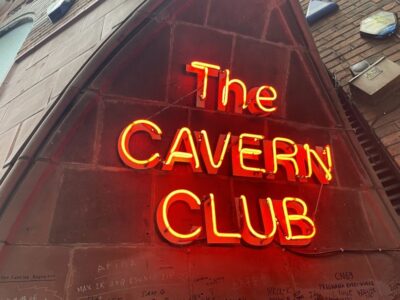
Liverpool: The Beatles and Cavern Quarter Walking Tour
Read our review →