

Review · BOSTON
Cambridge, Massachusetts: MIT and Harvard Walking Tour
MIT has flying objects, odd student inventions, architectural experiments, and the famous Smoot markings on Harvard Bridge. Harvard has centuries-old gates, a statue with three misleading claims, Washington connections, and the grand view toward Widener Library. This 3.5-hour walking tour links both campuses with a short subway ride.
I like the mix of serious history and student humor, and I like that the subway fare is included instead of leaving you to work out the route. Guides such as Jenny, Alexandria, Maria, Holly, and Marybeth have been praised for clear storytelling, good pacing, and keeping groups involved.
The main drawback is simple: you do not go inside any buildings. The tour is also demanding on your feet and is not suitable for wheelchair users or people with mobility impairments.
Key points at a glance
- MIT starts with science, pranks, and bold architecture, including the Media Lab, Green Building, Killian Court, and Stata Center.
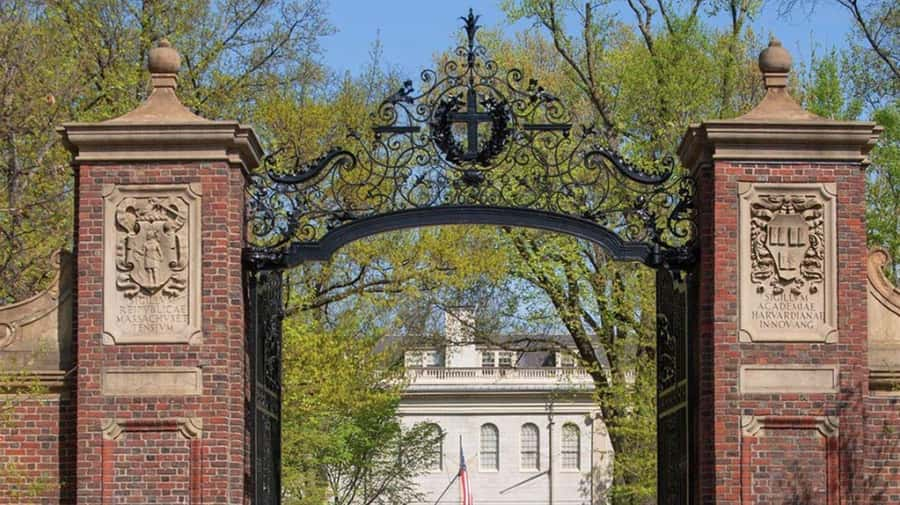
- Harvard adds old-college atmosphere, with Harvard Yard, Johnston Gate, Memorial Hall, and Widener Library.
- The subway connection is part of the experience, with the fare included and two stops between MIT and Harvard.
- The Smoot markings turn Harvard Bridge into a campus curiosity, not just a route across the Charles River.
- The tour is about stories and buildings, not admissions, so prospective students should contact the universities separately.
- The $49 price is fair for the length and coverage, especially since it includes a licensed guide and subway ticket.
Why this MIT and Harvard tour works
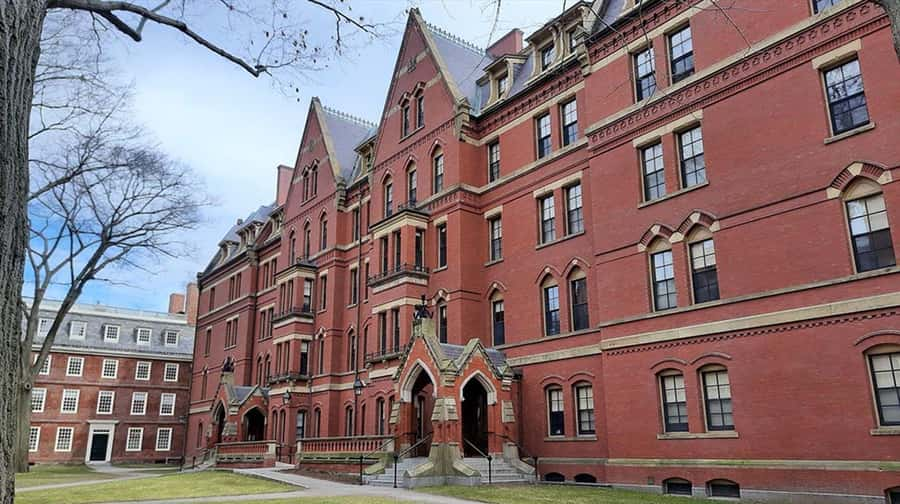
Many campus tours can feel like a slow march past impressive buildings. This one has a more useful shape. You begin at MIT, where the subject matter is modern, odd, and often playful. You then cross to Harvard, where the mood shifts toward colonial history, academic tradition, and old brick courtyards.
That contrast is the tour’s best feature. MIT and Harvard sit close together, but they do not feel alike. Seeing both in one outing helps you notice the difference rather than treating Cambridge as one large college district.
The tour earns a 4.7 rating from 486 bookings, and that high score fits the strongest pattern in the feedback: guides are repeatedly praised for energy, humor, clear explanations, and a good pace. Jenny appears often in the comments, as do Alexandria and Alex. Maria, Holly, and Marybeth are also singled out for making the walk easy to follow and enjoyable.
You should not expect a formal academic lecture. The guide mixes institutional history with odd traditions, famous graduates, student life, architectural criticism, and bits of Boston trivia. That makes the outing work for adults, families, and teenagers who might lose interest during a dry history talk.
More walking tours around Boston:
- Boston: Freedom Trail History Small Group Walking Tour
★ 5.0 · 6,450 reviews - Harvard University Campus Guided Walking Tour
★ 4.5 · 3,632 reviews - Boston Freedom Trail Walking Tour with Costumed Guide
★ 4.5 · 2,531 reviews
Starting at MIT near Kendall Square
Meet in front of Ripple Cafe, next to the MIT and Kendall subway station. Your guide wears a Boston Hidden Gems shirt, which gives you a clear way to identify the group in a busy area.
The MIT portion covers many stops, but most are short. That is a good thing. You are not parked in one place for half an hour while the group cools its heels. Instead, you move from one building or courtyard to the next, hearing a focused story at each.
The MIT Media Lab gives the tour an immediate sense of the school’s inventive side. The stop is listed for about 15 minutes, enough time for the guide to discuss the school’s background and the ideas associated with its work without trying to turn the visit into a technical seminar.
At Gray House, you get a brief look at one of the campus landmarks. The Green Building receives a longer stop, about 10 minutes, and helps show the range of MIT architecture. Some buildings here are admired, while others are used as examples of design that did not age gracefully. That frankness adds character to the walk.
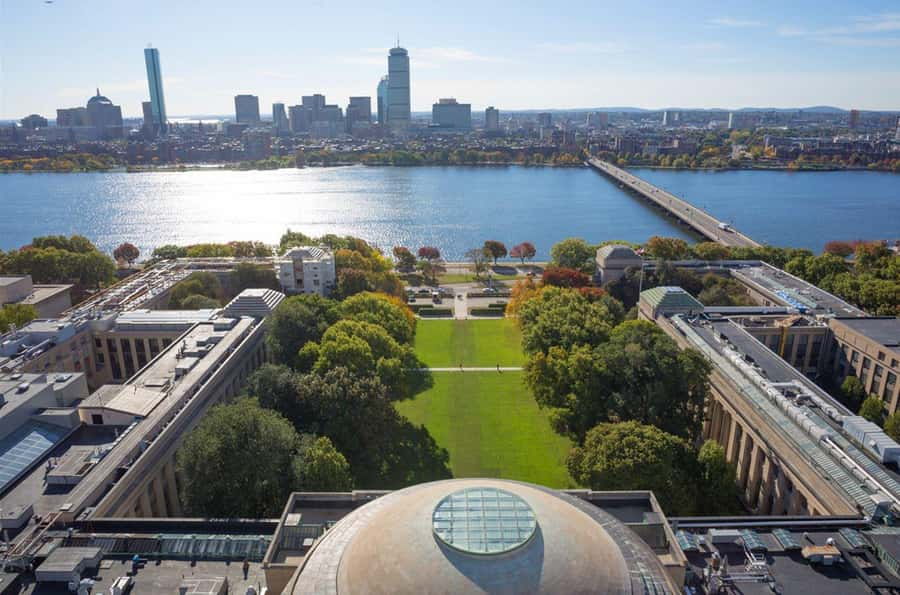
Killian Court, the Dome, and MIT’s public face
Killian Court is one of the more formal-looking places on the MIT route. It offers a pause from the more experimental buildings and gives you the sort of setting that makes a strong photograph.
The Great Dome is another obvious photo stop. It is one of the campus images most people expect to see, and the guide puts it into the larger story of MIT rather than treating it as a quick backdrop. Bring your phone ready. The tour includes several good picture opportunities, including the MIT Dome and, later, Widener Library.
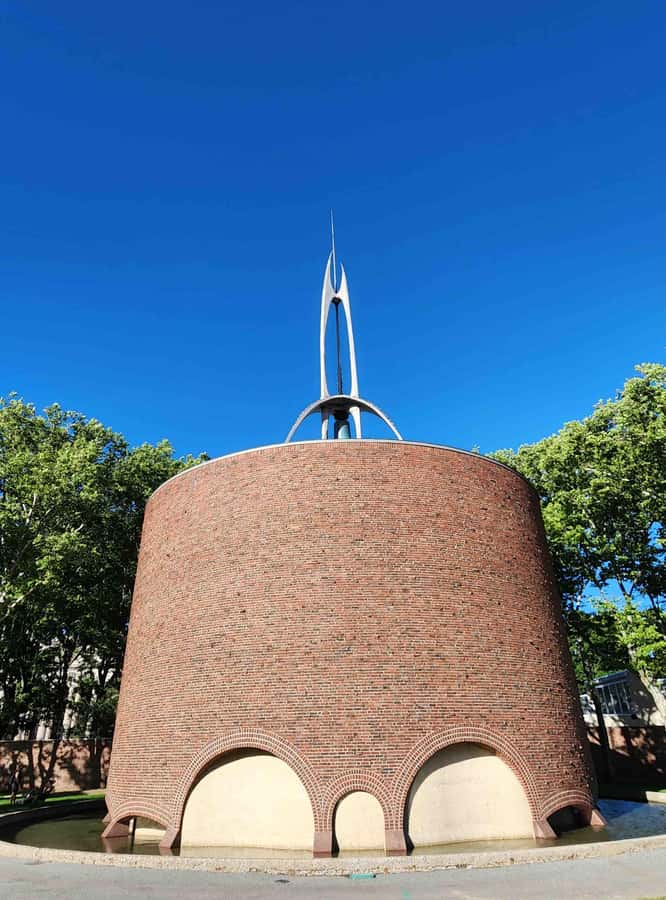
The MIT School of Architecture and Planning adds another layer to the campus story. You will hear about architecture as an active subject at MIT, not merely as decoration around classrooms and laboratories. The nearby MIT.nano stop shifts attention back toward advanced scientific work.
The MIT section also includes the Banana Lounge, a small and unusual student-related stop. This is exactly the sort of detail that separates the tour from a basic campus orientation. You get a sense of where student culture becomes quirky and informal.
Stata Center and the campus of practical jokes
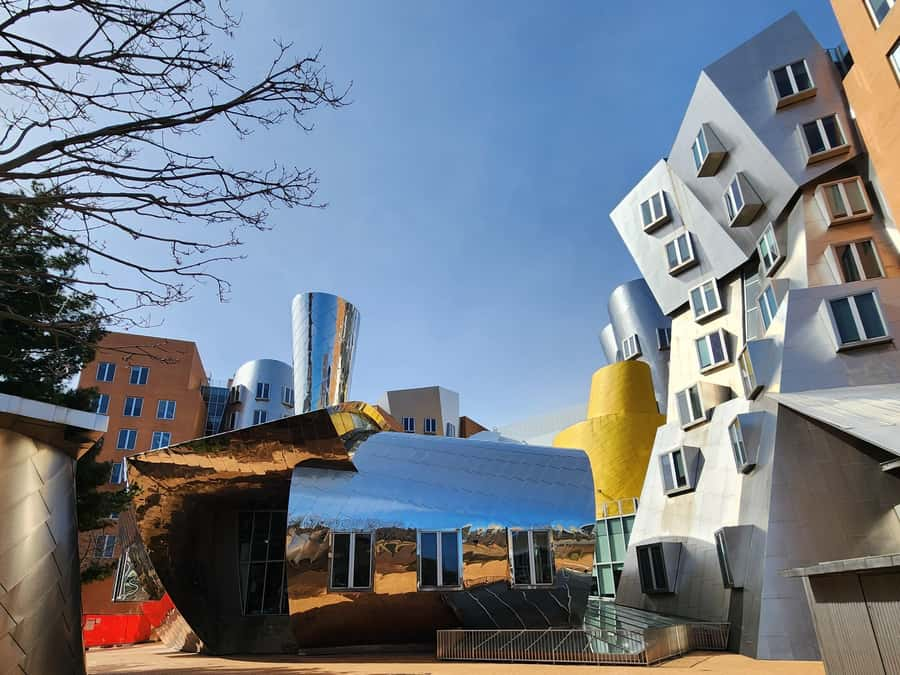
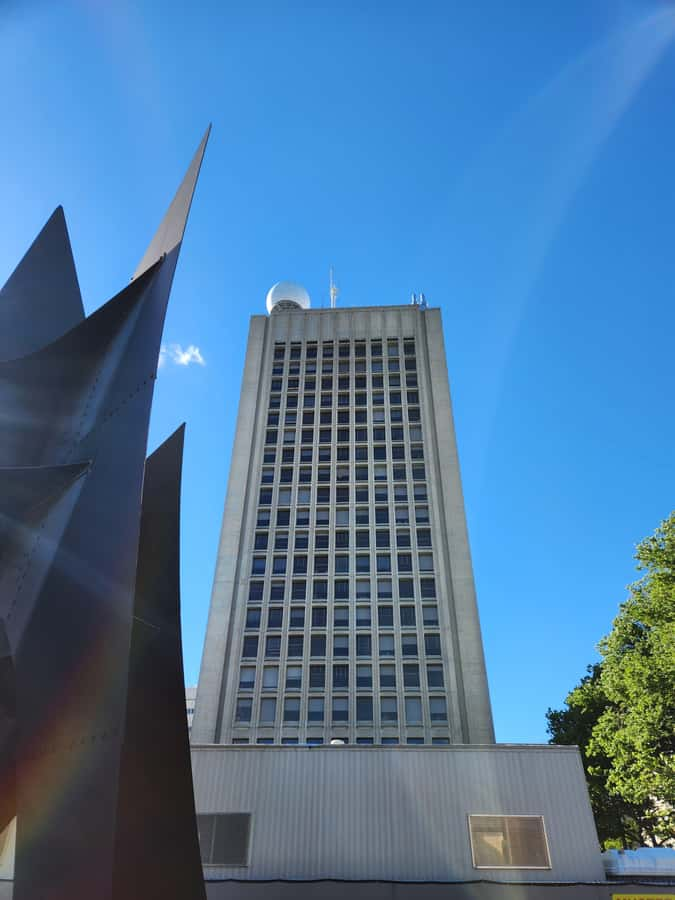
The Stata Center receives about 15 minutes, making it one of the longer MIT stops. Its unusual form is hard to miss, and it gives the guide plenty to discuss about the work of architect Frank Gehry and the arguments that follow unconventional design.
The tour also covers MIT pranks, or hacks, and stories linked to dormitories and campus traditions. These details matter because MIT can look intimidating from the outside. Student humor makes the institution feel less remote and more human.
You may hear about famous graduates, inventions, and strange events connected with the school. The information is aimed at curious sightseers, not engineering specialists. If you enjoy architecture, science, or stories about how clever students test the limits of campus rules, you will probably find this section the most fun.
A 15-minute break follows the MIT portion. The schedule does not specify every detail of the break, but it gives you a needed pause before the subway transfer. Wear comfortable shoes and use the break wisely. The full outing is long enough that your feet will notice it.
Same streets, a different story:
- The Full Revolutionary Story Epic Small Group Boston Walking Tour
★ 5.0 · 2,356 reviews - Boston’s Freedom Trail: A Revolutionary Walking Tour
★ 4.9 · 1,748 reviews - Boston: Freedom Trail History Small Group Walking Tour
★ 4.9 · 1,590 reviews - Boston North End Food Tour of 6+ Tastings, Cannoli, Lobster Roll
★ 5.0 · 1,404 reviews
Crossing the Charles River by subway
The move from MIT to Harvard takes about 20 minutes by subway and covers two stops. The fare is included, which is a small but useful value point. You do not have to buy a separate ticket or guess which route to take.
The guide also explains something about the history of Boston’s subway while you wait. That turns a practical transfer into part of the tour rather than dead time. You still need to manage your belongings, keep up with the group, and be ready for stairs or platform movement.
This is not a coach tour. The subway ride and the walking between stops give the outing a local feel, but they also make it less comfortable for anyone who has trouble walking, standing, or navigating public transport. The operator specifically lists mobility impairments, wheelchair use, mobility scooters, walking sticks, electric wheelchairs, and crutches as unsuitable for this activity.
Entering Harvard through Johnston Gate
The Harvard section begins at Johnston Gate in Cambridge. The change in atmosphere is immediate. MIT’s route is shaped by laboratories, modern design, and student invention. Harvard’s route feels older and more ceremonial, with gates, courtyards, memorial buildings, and long-standing college traditions.
Harvard was founded in 1636, and the guide uses that date as a starting point for the school’s place in American education. You will hear about the university’s academic legacy, notable graduates, and the way students live within the house system.
Housing Day is part of the story. At the end of freshman year, Harvard students learn which house will be their home for the rest of their undergraduate years. The tour points out houses connected to that system, including Lowell House and Kirkland House. The Kirkland stop lasts about 15 minutes, giving the guide room to explain more about student residences and traditions.
This is useful if you want to understand how Harvard functions as a community, rather than seeing only famous stone buildings. It also helps explain why the campus is more than Harvard Yard and the main library facade.
The Three Lies and John Harvard’s polished shoe
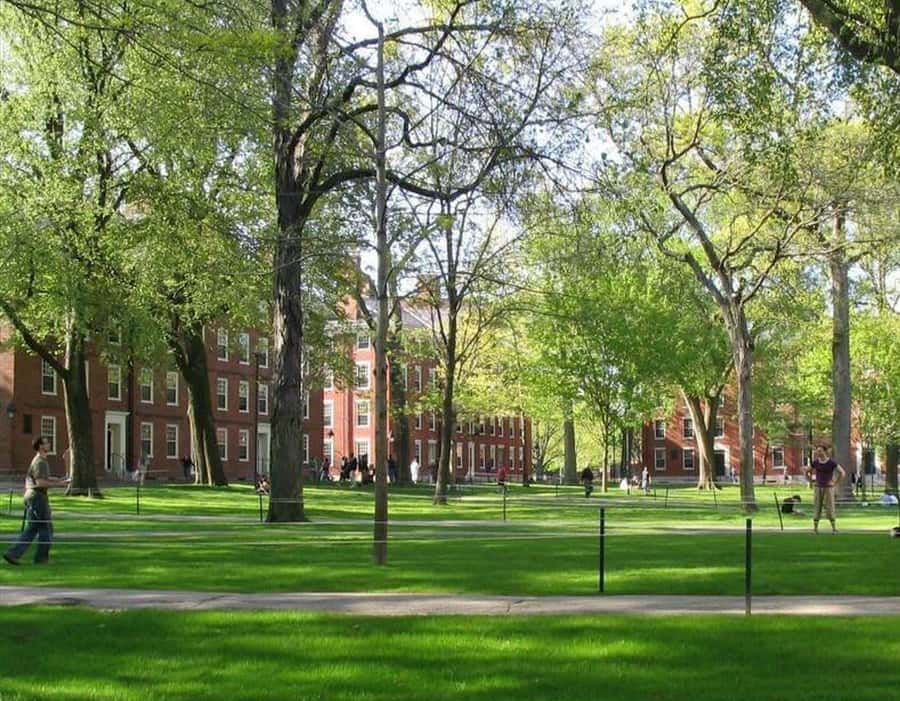
Harvard Yard includes two of the tour’s most recognizable stops. The first is the Statue of the Three Lies, located in the center of the Yard. Its claims have misled visitors for nearly 150 years, making it a fine example of how Harvard takes its own symbolism seriously while also leaving room for a joke.
The John Harvard Statue offers another classic photo opportunity. The guide explains why the statue’s identity and reputation have become part of the Harvard visit. You will also see the familiar polished toe, touched by countless hands over the years.
These stops can be crowded, especially around the statue. Listen closely when the guide gathers the group and gives the explanation, then take your pictures without blocking the path. If you want a photo of yourself, ask the guide. Guides such as Jenny have been praised for helping with pictures, and that small service can make the visit easier for solo visitors and families.
Memorial Hall, Memorial Church, and Widener Library
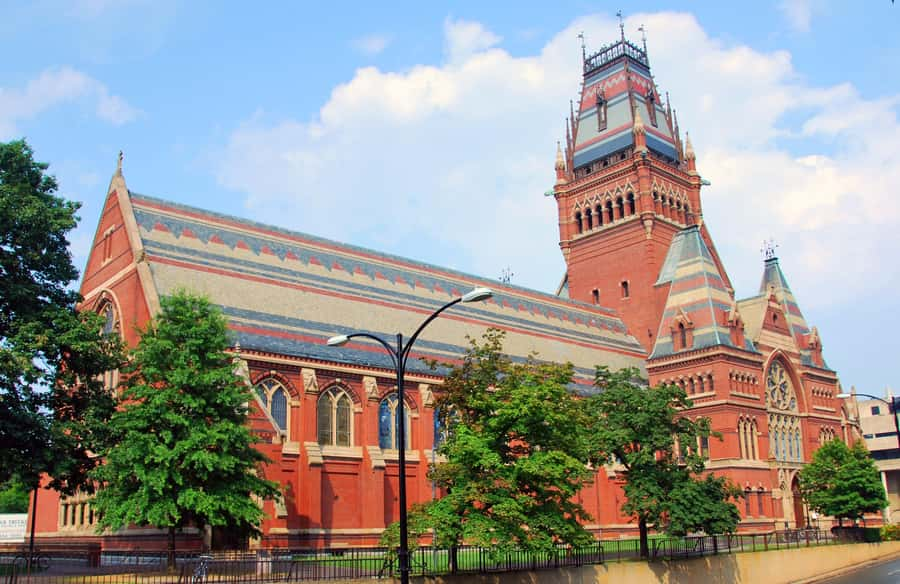
Memorial Hall and Memorial Church add a solemn side to the Harvard route. They are not just attractive facades. The guide places them within the university’s past and explains their role in the campus setting.
Widener Library is one of the strongest visual moments of the Harvard walk. Its broad front and formal scale make it an easy place for an epic photo, especially after the tighter spaces of Harvard Yard. The building also helps you understand Harvard’s public image: serious, old, and built to suggest lasting academic importance.
You do not enter the library or any other Harvard building. Harvard does not allow non-students into campus buildings, so the outdoor focus is not a minor limitation that might change on the day. It is central to the design of this tour.
If you hoped to inspect reading rooms, laboratories, or student interiors, this is not the right product. If you want the stories, exterior architecture, and campus setting, the restriction is less of a problem.
Wadsworth House and George Washington’s Boston
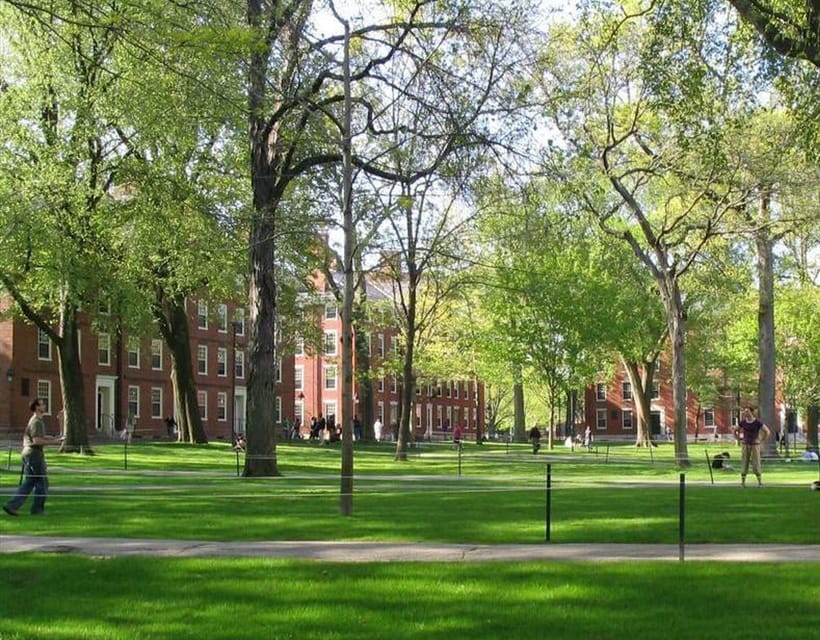
Wadsworth House brings the tour back to the American Revolution. The guide discusses the house where George Washington stayed during his visit to Boston and Harvard’s role in the war.
This kind of stop gives the campus a wider setting. Harvard is not treated as an isolated academic bubble. Its buildings connect to the political and military story of Boston, which makes the walk useful even if you are not especially interested in college admissions or student life.
The tour also includes Harvard Square, where the official walk ends. You can ask your guide for local suggestions after the tour. Several guide comments describe this extra help as useful, especially for planning what to do next in the area.
What $49 gets you
The price is $49 per person for 210 minutes. You receive a licensed English-speaking guide and the subway ticket from MIT to Harvard.
That works out to a reasonable hourly cost for a small-scale city tour, especially when you consider that you are visiting two major institutions with a guide who connects the buildings to history and student culture. You are paying for interpretation and navigation, not entry tickets.
The value is strongest if you would otherwise wander both campuses without knowing what you are seeing. The MIT route alone includes enough stops to fill a substantial walk, and Harvard adds another series of courtyards, statues, houses, and historic buildings.
The price is less appealing if you only want a few photographs or intend to explore the campuses at your own pace. You can see many exteriors without a guide. You are paying for the stories, organization, subway help, and the ability to cover both places in one planned outing.
Pace, weather, and group comfort
The schedule gives most major stops between five and 15 minutes. That keeps the tour moving, and one guest described the pace as a good balance between useful information and overload. Three and a half hours is long, but the short talks and break make it manageable for people who enjoy walking.
Weather matters. Nearly the entire tour takes place outside, and the route crosses open areas. On hot days, guides have adjusted the walk to use shade when possible. On a rainy day, the tour can still run, but you should dress for it. Bring comfortable shoes and plan for changing conditions.
The tour is not designed for unaccompanied minors. It is also not suitable for people over 95 according to the activity information. A family with a three-year-old completed the route with help from the guide, but the formal accessibility rules still deserve attention before you book.
Harvard Yard can occasionally be closed for a private event or concert. One scheduled visit faced that problem, and the guide changed the plan to include other Harvard buildings and sites. That shows why flexibility helps, but you should understand that access to particular outdoor areas can change.
Who should book this experience
I would choose this tour if you want both institutions in one outing and prefer stories to a bare list of facts. It suits adults, families with older children, teenagers, architecture fans, and anyone curious about the difference between MIT’s inventive culture and Harvard’s older traditions.
It is especially useful on a first visit to Boston or Cambridge. The guide handles the subway transfer, points out details you could easily miss, and gives you a framework for exploring Harvard Square afterward.
Prospective students need a different kind of visit. The tour does not explain admissions requirements, campus housing in the practical sense, academic programs, or what it takes to get accepted. It is a history and architecture walk, not an official university information session.
I would also skip it if you dislike group walking, public transportation, outdoor sightseeing, or stories about buildings you cannot enter. A self-guided visit may suit you better.
FAQ
How long is the MIT and Harvard walking tour?
The tour lasts 210 minutes, or about three and a half hours.
Where does the tour begin?
It begins in front of Ripple Cafe next to the MIT and Kendall subway station. The guide wears a Boston Hidden Gems shirt.
Where does the tour finish?
The tour finishes in Harvard Square.
Is the subway fare included?
Yes. The subway ticket from MIT to Harvard is included, and the trip takes two stops.
Can I go inside MIT or Harvard buildings?
No. The tour visits outdoor areas only. It focuses on history, architecture, student traditions, and campus stories.
Is the tour suitable for wheelchair users?
No. The activity is not suitable for wheelchair users or people with mobility impairments. It also lists mobility scooters, walking sticks, electric wheelchairs, and crutches as not allowed.
Should you book it?
Book this tour if you want a well-paced introduction to two very different campuses and value a guide who can turn architecture, history, pranks, and student traditions into one connected story. The included subway fare and the amount covered make $49 reasonable.
Skip it if going inside buildings is essential, if you need an accessible route, or if you are seeking admissions advice. For most visitors who want the MIT Dome, Harvard Yard, the Smoot markings, the Three Lies, and Widener Library without doing the research themselves, this is a practical and entertaining way to see Cambridge.
New walking tours around Boston
- Boston: North End Pizza Walking Tour with 3 Slices & Cannoli★ 4.8 · 162 reviews
- Boston: Salem by Boat – Witch Trials & Walking Tour★ 4.3 · 263 reviews
- Boston: Freedom Trail Guided Walking Tour in French★ 4.9 · 106 reviews
- Boston: Full Revolution Story Epic Small Group Walking Tour★ 4.9 · 132 reviews
- Boston: 2-Hour Historic Walking Tour★ 4.7 · 88 reviews
- Self Guided Classic Freedom Trail Location Aware (GPS) Walking Audio Tour★ 4.5 · 258 reviews
- Beacon Hill Boston History + Photo Walking Tour (SMALL Group)★ 5.0 · 163 reviews
- Boston Pizza Lovers Food and History Walking Food Tour★ 4.5 · 1,082 reviews
Boston Walking Tours, side by side.
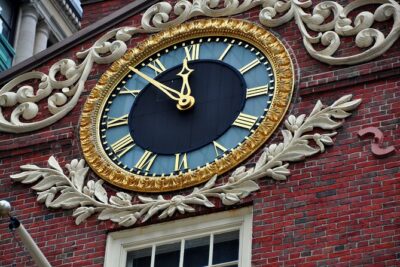
Boston: Freedom Trail History Small Group Walking Tour
Read our review →
Harvard University Campus Guided Walking Tour
Read our review →
Boston Freedom Trail Walking Tour with Costumed Guide
Read our review →
The Full Revolutionary Story Epic Small Group Boston Walking Tour
Read our review →
Boston’s Freedom Trail: A Revolutionary Walking Tour
Read our review →
Boston North End Food Tour of 6+ Tastings, Cannoli, Lobster Roll
Read our review →
Boston Pizza Lovers Food and History Walking Food Tour
Read our review →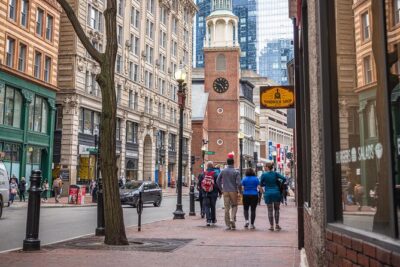
Boston History Tour: Scenic Walk Through Time & Landmarks
Read our review →Lists this walk sits on