
Review · SOUTH AFRICA
Cape Town: Art, Culture & History Walking Tour
Cape Town’s story comes into focus block by block on this two-hour walk from Bo-Kaap to District Six. You’ll see colorful homes, an old mosque, market stalls, colonial buildings, and places tied to apartheid and forced removals, while a local guide explains how these pieces fit together.
I like the strong mix of history and daily life, and I like that the tour treats art, language, religion, and identity as part of the city’s story. The main drawback is its quick pace: two hours is enough for an introduction, but not enough for long museum visits or a leisurely look at every stop.
Key points at a glance
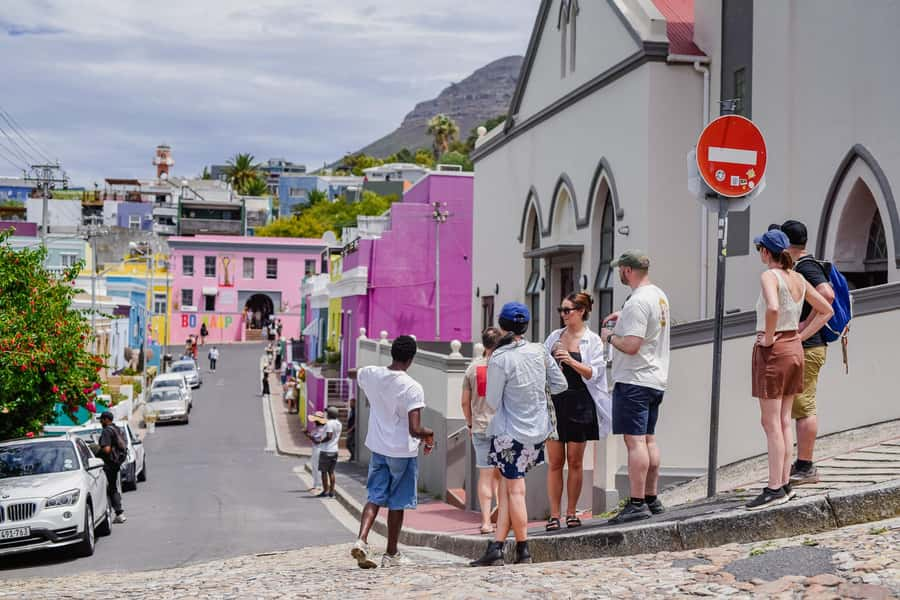
- Bo-Kaap begins the story: See colorful homes and Auwal Masjid while learning about Cape Malay culture and community life.
- The route links several eras: Walk from Wale Street and Long Street to Greenmarket Square, the Company’s Garden, and District Six.
- History is handled directly: The Slave Lodge, Parliament, City Hall, and District Six provide context about slavery, colonial rule, apartheid, and forced removals.
- Art is part of the walk: Look for galleries, handmade goods, textiles, public art, and creative projects along the route.
- Local guides shape the experience: Mandi, Olwethu, Diego, Basil, and Sipho have led walks, with English explanations and practical advice.
- Good first-day value: At $37 per person, you get a guided city orientation without paying for transport, lunch, or museum admission.
Why this Cape Town walk works
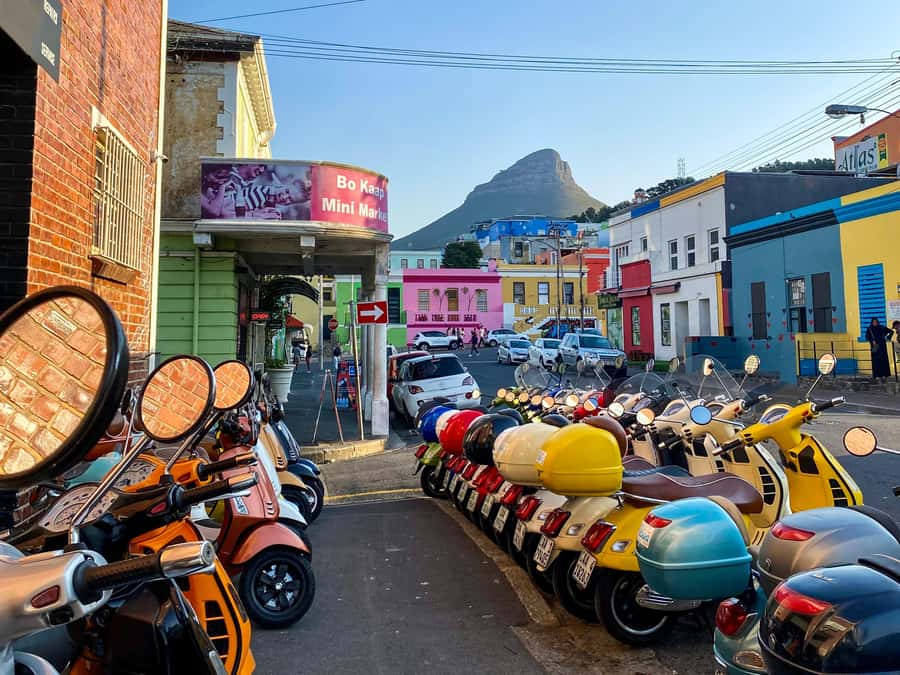
The best reason to book this tour is the route. It does not limit itself to one postcard neighborhood. You begin in Bo-Kaap, pass through the central city, and finish around District Six, moving through places that reveal different parts of Cape Town’s past and present.
That range matters. Bo-Kaap can look like a row of cheerful painted houses if you only stop for photos. With a guide, the buildings and mosques become an entry point into Cape Malay culture, religious life, family ties, and the effort to protect local identity. Later, District Six gives the walk a harder edge, showing how displacement still shapes the city.
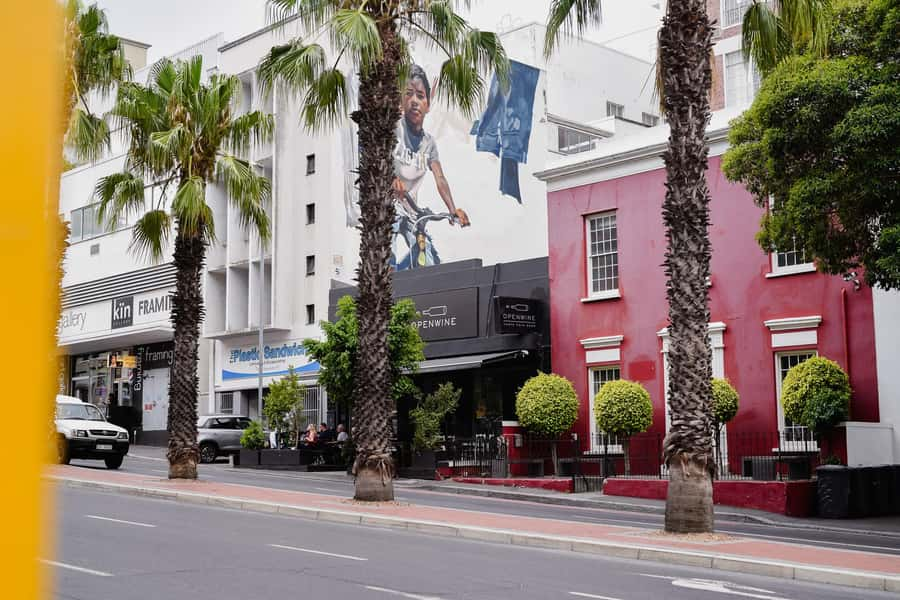
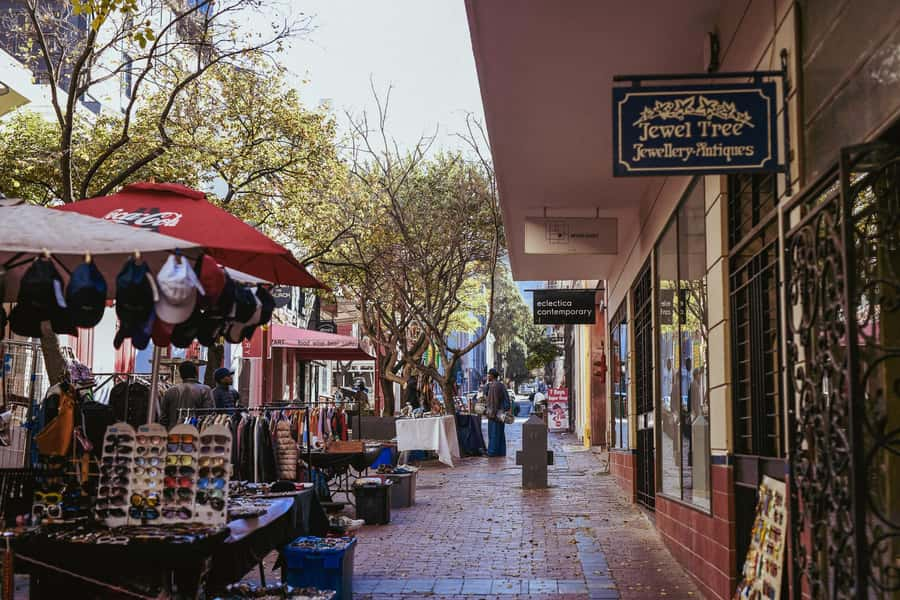
I also like the way the tour includes ordinary city spaces. Long Street is not simply a sight to tick off. Its Victorian-era buildings, bars, bookshops, and vintage shops show how Cape Town’s center has changed over time. Greenmarket Square adds another layer, with handmade goods, local art, textiles, and the quick exchange between sellers and shoppers.
You should think of this as an introduction rather than a full historical course. The guide provides a framework, then you can return to the places that interest you most.
More History Walking Tours in the world:
- History and Hauntings of Salem Guided Walking Tour
★ 5.0 · 14,564 reviews - Lisbon: History, Stories and Lifestyle Walking Tour
★ 4.8 · 10,902 reviews - Boston: Freedom Trail History Small Group Walking Tour
★ 5.0 · 6,450 reviews
Starting at Bo-Kaap Deli
The meeting point is Bo-Kaap Deli at 97 Church Street, Bo-Kaap, Cape Town 8001. Arrive ready to walk, with water and sun protection close at hand. The tour does not include hotel pickup, so you must arrange your own way to the starting point.
Beginning here is a smart choice. Bo-Kaap gives you an immediate sense of place, with steep streets, brightly painted facades, and historic mosques. The colors are striking, but the guide’s explanation is more important than the photographs. You learn why Cape Malay culture has such a strong place in Cape Town and how the community has helped shape the city’s food, faith, customs, and public identity.
The walk includes a stop at Auwal Masjid, one of the key religious landmarks on the route. You can pause for photographs and hear about its place in the neighborhood. Since this is a walking tour rather than a dedicated mosque visit, expect an exterior-focused stop unless the guide says otherwise.
Allow yourself time to look around before the group leaves. Bo-Kaap’s streets are attractive, but they also carry real community meaning. A respectful approach matters. Keep the camera ready, but listen before treating the neighborhood as a backdrop.
Wale Street and Long Street: the city in transition
From Bo-Kaap, the route continues along Wale Street and toward Long Street. This is where the tour shifts from neighborhood history to the wider city center.
Long Street brings together Victorian-era architecture and present-day street life. You pass bookshops, bars, vintage boutiques, and busy sidewalks. The point is not simply to admire old facades. You begin to see how Cape Town reuses historic buildings while its businesses and social scene keep changing.
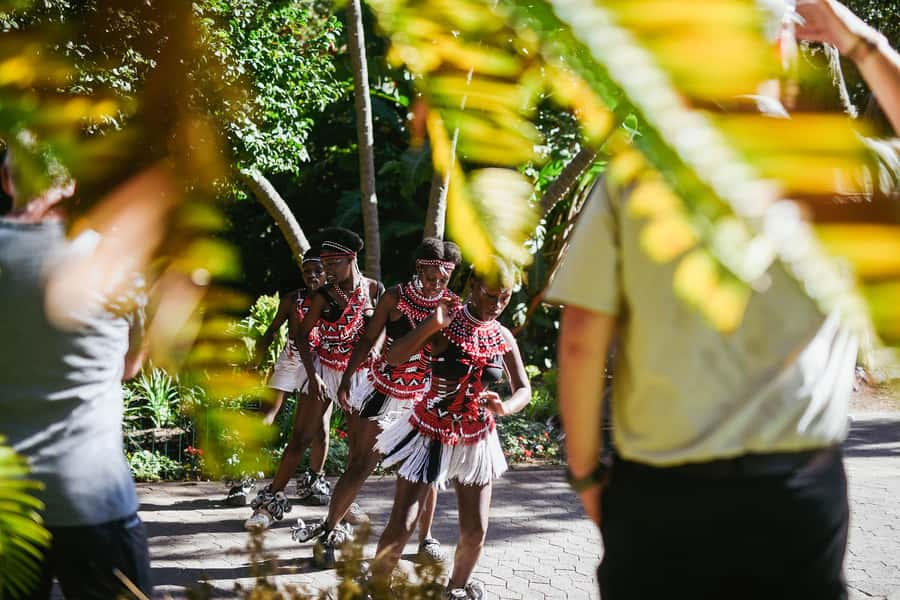
The guide can also help you notice the contrast between the formal city and its creative side. You might hear about local art, changing neighborhoods, and the different communities that use the central streets. Several people who took the walk appreciated the way their guides mixed historical facts with humor, conversation, and practical tips.
This section suits you if you like context more than a string of dates. Guides such as Mandi, Olwethu, and Diego have been praised for explaining clearly, answering questions, and keeping the walk conversational. The quality of a city walk depends heavily on the person holding the group together, and the strong feedback about these guides is an important reason to consider this experience.
Greenmarket Square and Cape Town’s creative side
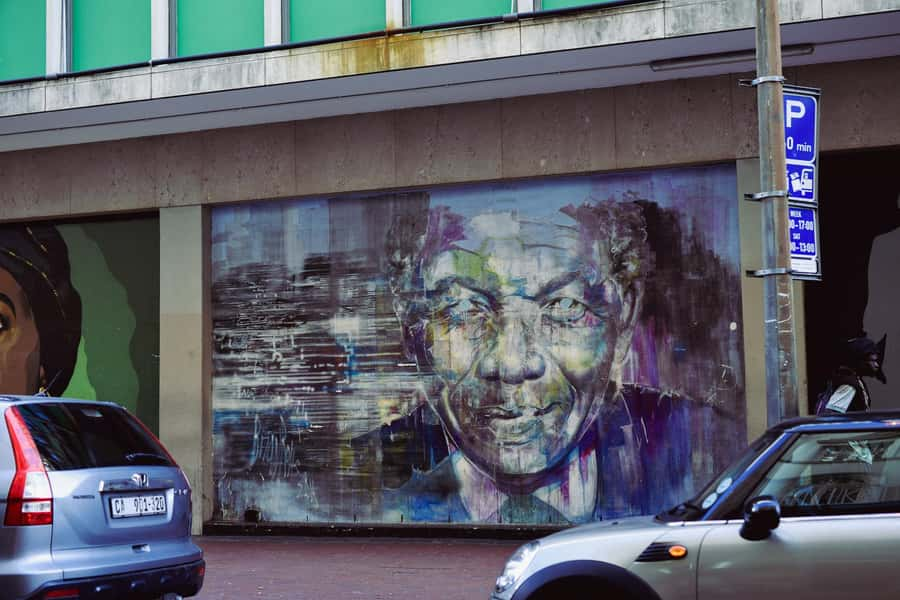
Greenmarket Square is one of the liveliest stops. Traders sell handmade goods, local art, and colorful textiles, giving you a chance to browse while the guide explains the square’s role in city life.
I would not treat this as a dedicated shopping trip. The stop is short, around 20 minutes, and the main value is seeing how commerce and creativity meet in the center. If you want to buy something, keep your expectations practical. Prices, quality, and originality can vary, so look carefully and ask questions before paying.
The art focus continues through references to galleries, public works, and local creative projects. One person especially enjoyed a recycling artist’s studio, while another liked the chance to look around art galleries and shops early in the walk. The exact opportunity may depend on the day, timing, and what is open, so do not book this expecting a formal gallery tour.
Still, art gives the route a useful balance. Cape Town’s story is not only about government buildings and painful events. It is also about how people express belonging, preserve memory, and make a living.
More Cultural Walking Tours around the world:
- Savannah First Squares Culinary & Cultural Walking Food Tour
★ 5.0 · 3,229 reviews - Tokyo Tsukiji Fish Market Food and Culture Walking Tour
★ 5.0 · 3,184 reviews - New Orleans French Quarter, Voodoo and Culture Walking Tour
★ 4.5 · 2,961 reviews - Amsterdam: Cultural Highlights Walking Tour
★ 4.9 · 2,629 reviews
The Company’s Garden, the Slave Lodge, and City Hall
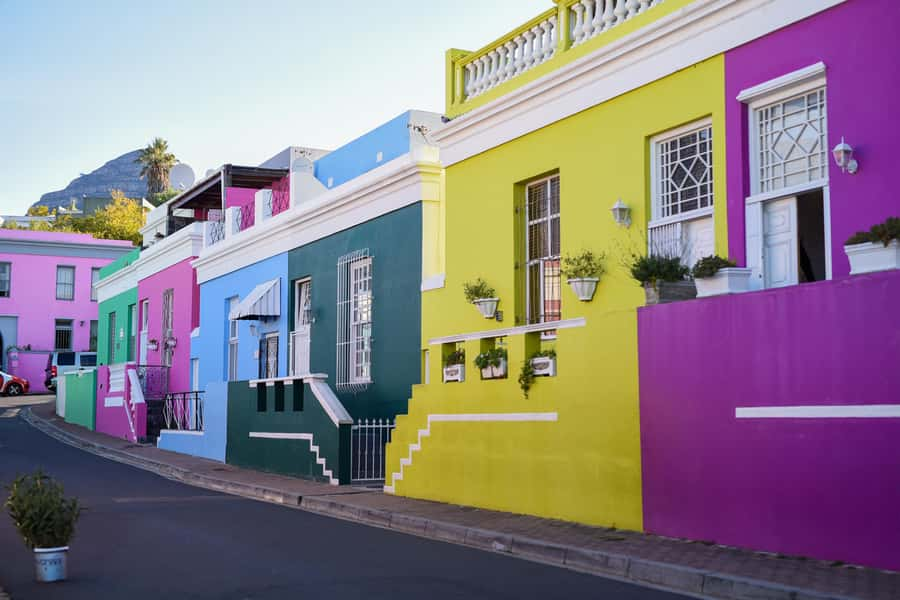
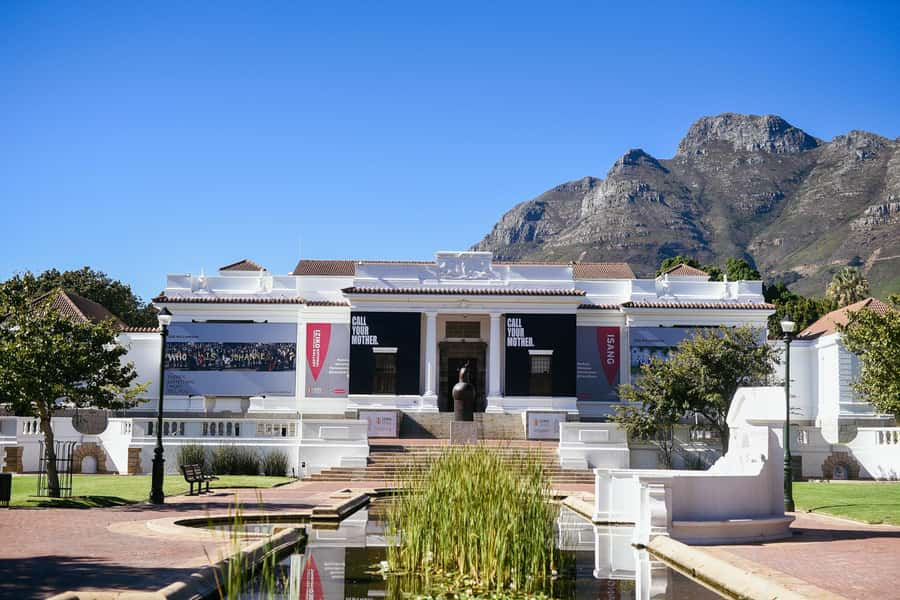
The route then reaches the Company’s Garden, a calmer green space in the middle of the city. You stop for photographs, a guided walk, and a look at the area’s role in the development of Cape Town.
Nearby, the Iziko Slave Lodge brings the city’s colonial past into sharper focus. The stop is listed as a brief guided visit and pass-by, so you should not assume there is time for a full museum visit. The guide’s explanation helps connect the building to the people who were enslaved and to the systems that shaped early Cape Town.
This is one of the moments when the tour’s short length becomes both a strength and a limit. You get a clear introduction without spending the entire afternoon indoors. But if slavery, colonial rule, or museum collections are central to your interests, plan a separate visit so you can read the exhibits at your own pace.
The walk also passes Parliament and Cape Town City Hall. These buildings help explain how political power has been exercised and challenged. City Hall is particularly meaningful because historic speeches and protests once took place there, and the route may include an exhibition connected with Nelson Mandela.
Do not expect a long stop inside every building. The tour uses these places as teaching points. You see the setting, hear why it matters, and keep moving.
District Six and the cost of forced removal
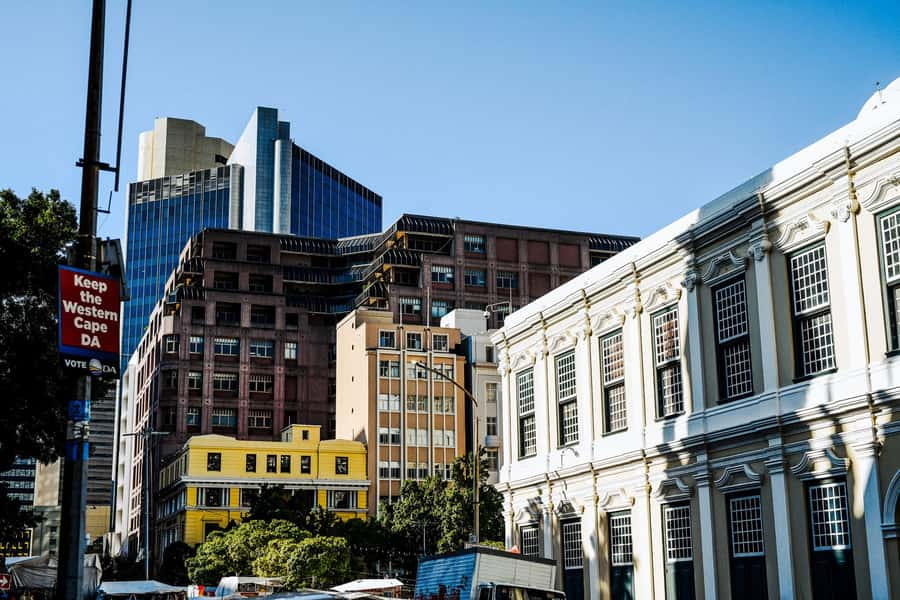
District Six gives the walk its most serious section. This former neighborhood is tied to forced removals under apartheid, when residents were pushed out and communities were broken apart.
The guide explains how displacement affected families, culture, and the shape of Cape Town. That context is valuable because District Six is not just a demolished area or a museum topic. Its story continues to influence debates about land, memory, identity, and who has the right to remain in the city.
The District Six Museum is included as a guided stop and photo opportunity. The time listed for this part is short, so check what is possible on the day if you want a full museum visit. The walk gives you the background and points you toward further study rather than replacing it.
I appreciate that the tour does not smooth over the difficult parts of South African history. The best guides make room for questions and connect national events to streets, homes, and people. Several guides have been praised for handling the city’s darker past with care while keeping the discussion approachable.
Truth Coffee Roasting and the final stretch
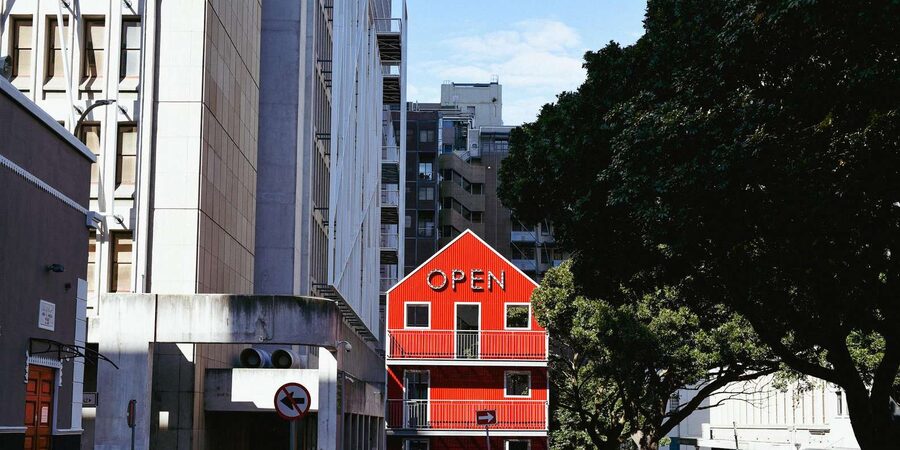
The final listed stop is Truth Coffee Roasting. You can stop for coffee, take photographs, and finish the walk with more conversation.
Coffee is a pleasant way to close a demanding history walk, though the price of any drink is not included. It also gives you a chance to ask the guide for suggestions about the rest of your stay. Past guides have offered tips on restaurants, wine places, shopping areas, and other parts of Cape Town.
The exact order and timing may shift. The listed stops add up to more than a strict two-hour schedule if every minute is counted, and coffee or gallery time may vary. Treat the schedule as a route outline, not a promise that each stop receives a full timed visit.
What the guide adds
The guide is the heart of this experience. English is the tour language, and guides have included Mandi, Olwethu, Diego, Basil, and Sipho. Their approaches differ, but the strongest pattern is clear: you are likely to get explanation, conversation, and local advice rather than a memorized list of dates.
Mandi has been described as energetic, clear, and willing to answer questions. Olwethu has helped people who were late by sharing her location and has even waited to make sure a taxi arrived safely. Diego has taught visitors greetings in African languages, helped with souvenir shopping, and balanced humor with serious discussion.
Those details matter because the walk covers sensitive subjects and busy streets. A guide who can read the group, answer questions, and explain local customs makes the experience more useful.
The tour also works well for solo visitors and couples. A small group can feel personal, though the group size is not specified, so you should not assume a private tour.
Walking conditions, safety, and practical preparation
Wear comfortable shoes. The route covers several central neighborhoods, and you will be on your feet for most of the two hours. Bring water, sunscreen, sunglasses, a sun hat, and a camera. Rain gear and personal medication are sensible additions, since the tour runs outdoors.
The activity is described as wheelchair accessible, but the route includes city streets and multiple walking sections. If you use a wheelchair or have mobility concerns, confirm current route conditions before booking.
Stay with the guide, especially after the formal walk ends. One person reported a frightening robbery after receiving a suggestion to walk down another street alone. That was not part of the guided tour, but it is a useful warning. Ask your guide about the safest way to reach your next stop, and use a taxi or other arranged transport if you feel uncertain.
Alcohol and drugs are not allowed. People over 95 are listed as unsuitable for the activity, though the main practical issue for most people will be walking comfort and the ability to keep to the group’s pace.
Is $37 a fair price?
At $37 per person, the tour is good value if you want a guided introduction to central Cape Town. You pay for a professional guide, the walk through Bo-Kaap and the city center, and the interpretation that ties the landmarks together.
You do not pay for hotel transport, lunch, personal purchases, or extra food and drinks. You also should not assume that every museum admission is included. Those limits are reasonable for a short walking tour, but they matter when you compare the total cost of your day.
The value is strongest at the start of a Cape Town visit. In two hours, you get practical orientation, historical context, art references, and ideas for places to revisit. If you already know the central city well, the price may feel less attractive unless you want local interpretation or a fresh look at District Six and Bo-Kaap.
Free cancellation up to 24 hours before the start and reserve-now, pay-later booking make it easier to fit into a changing itinerary.
Who should book this walk?
I would choose this for a first visit, especially if you want to understand Cape Town before filling your days with Table Mountain, the peninsula, or the winelands. It suits people who enjoy history, street scenes, architecture, local art, and thoughtful conversation.
It is also a good choice if you want a useful city orientation without committing to a full-day excursion. The route gives you ideas for later meals, shopping, museums, and neighborhoods.
I would not choose it if you want extended time inside museums, a food tour, or a slow photography walk. The pace is purposeful, and the experience depends on outdoor conditions and the guide’s ability to manage several subjects in a short time.
Should you book it?
Book this tour if you want the city’s landmarks explained through culture, politics, art, and personal identity, not just photographed. The route from Bo-Kaap to District Six is well chosen, and the guides have earned strong praise for warmth, clarity, humor, and useful local advice.
Skip it if you prefer to explore alone or already have detailed plans for the Slave Lodge, District Six Museum, and central city. For most first-time visitors, though, $37 is a sensible price for a thoughtful two-hour foundation. Start early in your stay, stay with the group, and use the guide’s suggestions to shape the rest of your time in Cape Town.
FAQ
Where does the Cape Town walking tour begin?
The tour begins at Bo-Kaap Deli, 97 Church Street, Bo-Kaap, Cape Town 8001.
How long does the tour last?
The stated duration is two hours. Starting times vary, so check availability when booking.
What language is the tour conducted in?
The live tour guide speaks English.
Which places are included on the walking route?
The route includes Bo-Kaap, Auwal Masjid, Wale Street, Long Street, Greenmarket Square, the Company’s Garden, the Iziko Slave Lodge, Parliament, District Six Museum, and Truth Coffee Roasting.
Is hotel pickup included?
No. Hotel pickup and drop-off are not included, and you must arrange transportation to the meeting point.
Is food included?
No. Lunch and personal food expenses are not included. Coffee at Truth Coffee Roasting is also an additional personal expense.
Is the tour wheelchair accessible?
The activity is listed as wheelchair accessible. Because it is a city walking route, confirm the current route details if you have specific mobility requirements.
What should I bring?
Bring comfortable shoes, sunglasses, a sun hat, a camera, sunscreen, water, rain gear, personal medication, and hand sanitizer or tissues.
Can I cancel the booking?
You can cancel up to 24 hours in advance for a full refund. The activity also offers reserve-now, pay-later booking.
New walking tours around the world
- Niagara Falls, Canada: White Water Walk Entry Ticket★ 4.5 · 147 reviews
- Zadar: Food Tasting & Old Town Walking Tour★ 5.0 · 94 reviews
- Niagara Falls: Walking Tour, Journey Behind Falls, & Cruise★ 4.8 · 773 reviews
- NYC: Walking Tour with Local Guide and 30+ Top NYC Sights★ 4.5 · 248 reviews
- New York City: Gangsters and Ghosts 2-Hour Walking Tour★ 4.7 · 615 reviews
- NYC: History of Slavery & Underground Railroad Walking Tour★ 4.7 · 87 reviews
- New York City’s Hell’s Kitchen: Walking Food Tour★ 4.8 · 200 reviews
- New York City: Central Park Walking Tour★ 4.7 · 82 reviews
South Africa Walking Tours, side by side.

Soweto: Walking Tour with a Local Guide and Lunch
Read our review →
Plettenberg Bay: Bungee Jumping with Zipline and Sky Walk
Read our review →
Cape Town Walking Tour: Bo-Kaap & City Highlights
Read our review →

Cape Town: Bo-Kapp Walking Tour and Malay Cooking Class
Read our review →
Lists this walk sits on