Review · CHARLESTON
Charleston walking tour with a Citadel history professor
Charleston’s past comes alive in its old alleys, graveyards, churches, and courthouse corners on this three-hour walk with Eric Lager, a Citadel history professor. He connects colonial Charleston to the Revolution, the Civil War, architecture, religion, and the people who shaped the city, both famous and forgotten.
I like the small group limit of 12, which makes it easier to hear, ask questions, and get a more personal lesson. I also like the mix of major sights and overlooked details, from the Dock Street Theater and French Huguenot Church to the reasons Charleston’s buildings look and work the way they do. The main drawback is the pace: three hours on foot takes stamina, and there are no house museum entries, food, or drinks included.
Key points
- A professor leads the walk: Eric Lager teaches South Carolina and Charleston history at the Citadel and brings academic training to a friendly, conversational tour.
- Small groups improve the experience: The tour accepts no more than 12 people, with past groups often closer to 10.
- The route covers major themes: Expect colonial history, the American Revolution, slavery and the antebellum era, the Civil War, religion, politics, architecture, and modern Charleston.
- You see more than the usual postcard views: Old alleys, graveyards, church sites, and architectural details add substance to the famous landmarks.
- The tour is built around stories: Characters from Charleston’s past help turn dates and buildings into memorable human events.
- Plan for a real walk: Wear comfortable shoes, bring water, and be ready for rain unless conditions become unsafe.
A Charleston history lesson that keeps moving
Many Charleston tours give you a string of pretty buildings and a few dates. This one aims for something more useful: an explanation of how the city developed and why its streets, churches, public spaces, and houses look the way they do.
Eric Lager specializes in South Carolina history from the Colonial Era through the Civil War, along with the years before and after those major periods. His background matters here because Charleston’s story is not tidy. Colonial trade, religion, slavery, political conflict, war, architecture, and daily life all overlap.
I like that this tour is not limited to one narrow theme. You are not simply looking at decorative homes or hearing ghost stories. Instead, you use the historic district as a classroom. A church can lead to a conversation about religious freedom. A courthouse intersection can open the door to law and civic power. A graveyard can reveal social rank, family connections, and the way a city remembered its dead.
The three-hour length gives Eric time to provide context instead of rushing through a list of stops. That also means you should treat the tour as a serious walking activity, not a quick orientation stroll. Several people who took shorter versions of the walk describe spending about two and a half hours, while the advertised duration is three hours.
More History Walking Tours in the USA
- History and Hauntings of Salem Guided Walking Tour
★ 5.0 · 14,564 reviews - Boston: Freedom Trail History Small Group Walking Tour
★ 5.0 · 6,450 reviews - Historic Charleston Guided Sightseeing Walking Tour
★ 5.0 · 6,216 reviews
Meeting Eric Lager at 108 Meeting Street

The meeting point is at 108 Meeting Street, beside the brick wall on the sidewalk in front of a building with four small white Ionic Greek columns. The building now serves as a graphic design center for the city and is not open to the public.
Look across the street for Hibernian Hall and the pink Mills House Hotel. Those landmarks make the location easier to find, especially if you are unfamiliar with Charleston’s historic center. There are restrooms at the Mills House Hotel, but none at the meeting point, so plan ahead before the walk begins.
Eric’s teaching background shapes the tone. He has nearly 20 years of combined college teaching and public history work, and the tour is designed to be educational without becoming a lecture hall on pavement. His style includes humor, questions, and room for conversation.
The small group matters more than it may seem. A group of 12 is easier to hear than a crowd of 20, especially on a busy street. You can ask about a particular building, pause to clarify a point, or follow up on a subject that catches your interest. The format also gives Eric a chance to speak with people individually rather than addressing a mass of listeners.
Colonial Charleston in alleys and graveyards
The tour begins with Charleston’s early history, reaching back to the city’s founding in 1670. Walking through old lanes and graveyards gives you a better feel for the physical city than a museum display alone. You are looking at the spaces where people lived, worshiped, worked, governed, and were buried.
Charleston’s colonial story includes more than grand merchants and political leaders. It also includes religious communities, craftsmen, laborers, enslaved people, immigrants, and families whose names may not appear in the standard version of the city’s past. Eric’s focus on individuals helps keep the history grounded in people rather than only dates.
Graveyards can be easy to walk past if you do not know what to look for. On this tour, they become clues. Tombstones, names, dates, and location can help explain the city’s social structure and changing population. The setting is also a useful reminder that Charleston’s past is not confined to its most polished streets.
The old alleys offer a different view of the historic district. They show how Charleston functioned behind its grand facades and help you notice the relationship between public streets and private buildings. You may find that the city feels less like a collection of preserved attractions and more like a place shaped by practical needs over many generations.
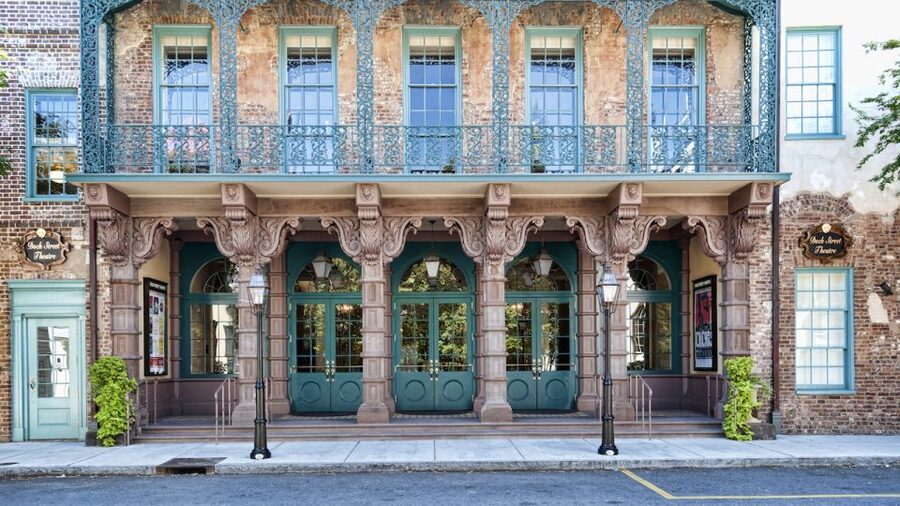
Dock Street Theater and the French Huguenot Church

The Dock Street Theater is one of the tour’s recognizable landmarks. Its importance is not just visual. A theater provides a way to discuss entertainment, public life, status, and the changing culture of Charleston.
You will also encounter the French Huguenot Church, a reminder that Charleston’s religious story includes communities with distinct origins and beliefs. The church adds an important layer to the city’s past because religion influenced settlement, architecture, politics, and social life.
These stops work well in combination. One represents public performance and civic culture. The other points toward faith, migration, and community identity. Rather than treating each building as an isolated photo stop, Eric uses places like these to show how different parts of Charleston’s society fit together.
Entry into house museums is not included, and the supplied information does not promise interior access to the churches or theater. Expect the tour to focus on the historic district and the stories connected with what you see from the route. If entering a specific building is important to you, plan that visit separately.
Same streets, a different story:
- New Orleans Premier Ghost, Voodoo and Vampire Walking Tour
★ 4.5 · 12,856 reviews - Little Havana Food and Walking Tour in Miami
★ 5.0 · 8,882 reviews - Chicago: Gangsters and Ghosts Walking Tour
★ 5.0 · 7,155 reviews - New Orleans Food Walking Tour of the French Quarter with Small-Group Option
★ 5.0 · 6,118 reviews
The Four Corners of Law and Washington Park
The Four Corners of Law is one of the clearest places to see Charleston’s civic structure. The name refers to the grouping of legal and governmental institutions around a central intersection. It offers a compact lesson in how authority was organized and displayed in the city.
This is a good example of why a trained historian adds value. You can see the buildings on your own, but the meaning of the arrangement is easier to grasp when someone explains the political and legal setting. Eric’s approach links the physical site to larger questions about power, public order, and Charleston’s place in South Carolina.
Washington Park provides another important pause in the walk. Public parks can seem simple, but they often carry layers of civic memory. Here, the park helps connect Charleston’s streets to the people, conflicts, and public events that shaped the city.
The tour also addresses famous and infamous characters from Charleston’s past. That human focus keeps the walk from becoming a dry architectural survey. You will hear stories about people who built reputations, caused trouble, influenced public life, or became part of the city’s lasting memory.
Architecture that explains how people lived

One of the strongest parts of this experience is the attention to architecture. Eric does not simply point out attractive facades. He explains that the design and construction of homes had practical reasons behind them.
That might mean looking at how a building was arranged, why a feature was useful, or how local conditions influenced construction. The supplied information does not specify every architectural feature along the route, so I would not book this expecting a fixed catalog of house interiors or technical restoration details. But architecture is clearly a major part of the lesson.
This approach changes how you see Charleston afterward. A narrow building, side entrance, window arrangement, or street-facing facade can seem decorative until you understand its function. Once Eric explains the connection between form and daily life, the city becomes easier to read.
The architecture also helps connect private life with public history. A house reflects wealth, family structure, work, social position, and the materials available at the time. Churches and civic buildings tell a different story, showing how groups expressed identity and authority.
If you have already walked Charleston’s historic district, this is where the tour may offer the biggest payoff. You will likely recognize some streets and landmarks, but the explanations give familiar views a new purpose.
Why the professor-led format works
Eric Lager’s academic credentials are useful, but the main benefit is not a string of degrees. It is his ability to place a detail in context and answer the natural follow-up question.
A guide can tell you that a building dates from a certain period. A history professor can explain what was happening at that time, who had power, what local people feared, and why the building mattered. That broader frame is what turns sightseeing into understanding.
The teaching style also seems to leave room for discussion. The small group makes questions practical, not disruptive. If you want to ask about the Revolution, Civil War memory, religious communities, architecture, or a particular person, this is a better setting than a large tour where the guide must keep moving.
Eric is also described as funny and approachable. That matters during a three-hour walk. History needs seriousness, especially when discussing slavery, war, and political conflict, but a little humor helps keep the experience human and prevents the talk from feeling like a textbook read aloud.
The best fit is someone who wants detail. If you only want a quick list of photo stops, this may feel too long. If you enjoy asking why, how, and what happened next, the format should suit you well.
What the three hours feel like on foot
The pace is described as easy, but you still need to walk for most of the experience. Charleston’s historic streets are the setting, and the route includes alleys, graveyards, public spaces, churches, theaters, and civic landmarks.
Wear comfortable shoes. Bring water. Summer heat, damp weather, or a long day of sightseeing can make three hours feel longer than expected. There are no food or drinks included, and you should use a restroom before meeting at 108 Meeting Street.
The tour runs rain or shine unless conditions become unsafe. A light rain may simply change the mood of the old streets, but you should bring suitable protection if the forecast is poor. The experience is not suitable for wheelchair users, so check the route and your own comfort carefully before booking.
There is no hotel pickup or drop-off. You make your own way to the meeting point and continue on foot from there. That is normal for a Charleston city walk, but it is worth remembering if you are staying outside the historic center or planning another timed activity immediately afterward.
Is $40 a good value?
At $40 per person, this tour costs more than a casual self-guided walk but less than many private history experiences. The value comes from the amount of time, the small group, and Eric’s specialist background.
You are paying for three hours with a trained historian rather than a quick orientation. The tour also combines several subjects: colonial Charleston, the Revolution, the antebellum period, the Civil War, architecture, religion, politics, and local personalities. If you want to understand the city rather than simply photograph it, that is a fair use of your sightseeing budget.
The small group improves the calculation. A lower-priced tour with a large crowd may give you less chance to hear clearly or ask questions. Here, the cap of 12 keeps the experience more personal and makes the professor-led format more useful.
The price does not cover museum admission, food, drinks, transportation, or hotel service. You should budget separately if you want to enter house museums or add another attraction. Still, for a three-hour walking lesson in the center of Charleston, the cost is reasonable for people who place a high value on history and interpretation.
Free cancellation up to 24 hours before the tour and the option to reserve now and pay later make planning easier. Those policies are helpful if your Charleston schedule is still changing.
Who should book this Charleston walk?

I would choose this tour for a first visit if you want a strong introduction to Charleston’s past. It gives you a broad base, then leaves you better prepared to explore museums, churches, historic houses, and neighborhoods on your own.
It also suits repeat visitors. Several people who already knew the city found new value in the architectural and historical detail. That makes sense: once you have seen the obvious landmarks, the next step is learning how to read them.
History enthusiasts should be especially happy here, but you do not need an academic background. Eric’s humor and conversational style help keep the material accessible. Families with older children may also find the stories more engaging than a formal museum visit, provided everyone is comfortable walking for three hours.
I would think twice if you dislike long explanations, need frequent seated breaks, or want interior access to historic buildings. This is an outdoor walking class, not a hop-on vehicle tour or a house museum program.
Should you book it?
Book this Charleston History Walk if you want the city explained by someone who teaches its past for a living. Eric Lager combines colonial stories, public spaces, religious history, architecture, politics, war, and colorful local characters in a small group that allows real conversation.
The choice is less clear if you want a short, lightweight introduction or a tour centered on indoor attractions. For everyone else, the combination of three hours, a maximum of 12 people, and a $40 price makes this one of the better ways to get your bearings and understand what you are seeing. Reserve early if your dates are fixed, bring water, and wear shoes you can trust on Charleston’s streets.
FAQ
How long is the Charleston walking tour?
The tour lasts three hours. Some past outings have lasted about two and a half hours, but you should plan your schedule around the full advertised duration.
Who leads the tour?
Eric Lager leads the walk. He is a Citadel history professor with professional experience teaching college students and working in public history. His specialties include the Colonial Era, American Revolution, Antebellum Era, and Civil War.
How large is the tour group?
The group is limited to no more than 12 people. Groups have also been reported at about 10 people, which allows more questions and easier conversation with the guide.
What sights are included?
The walk includes places such as the Dock Street Theater, French Huguenot Church, Washington Park, and the Four Corners of Law. It also includes old alleys, graveyards, and other historic district locations.
Are museum admissions, food, or drinks included?
No. Entry into house museums, food, and drinks are not included. Hotel pickup and drop-off are also not provided.
What should I bring, and does the tour run in bad weather?
Bring comfortable shoes and water. The tour takes place rain or shine unless conditions are unsafe. Pets are not allowed, but assistance dogs are permitted.
New walking tours around the USA
- NYC: Walking Tour with Local Guide and 30+ Top NYC Sights★ 4.5 · 248 reviews
- New York City: Gangsters and Ghosts 2-Hour Walking Tour★ 4.7 · 615 reviews
- NYC: History of Slavery & Underground Railroad Walking Tour★ 4.7 · 87 reviews
- New York City’s Hell’s Kitchen: Walking Food Tour★ 4.8 · 200 reviews
- NYC: Brooklyn Bridge and DUMBO Guided Walking Tour★ 4.8 · 93 reviews
- New York City: Central Park Walking Tour★ 4.7 · 82 reviews
- New Orleans: French Quarter Ghost and Legends Walking Tour★ 4.3 · 129 reviews
- New Orleans: Witches Coven Garden District Walking Tour★ 4.9 · 113 reviews
Charleston Walking Tours, side by side.

Historic Charleston Guided Sightseeing Walking Tour
Read our review →
Ghosts of Charleston Night-Time Walking Tour with Unitarian Church Graveyard
Read our review →
Hidden Alleyways and Historic Sites Small-Group Walking Tour
Read our review →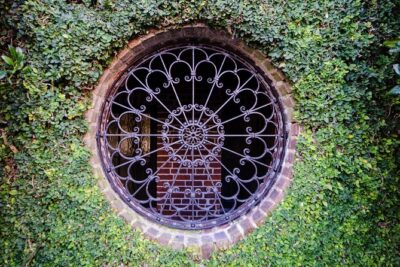

Charleston French Quarter or Brunch Food Tour with 7+ Tastings
Read our review →
Charleston Haunted Booze and Boos Ghost Walking Tour
Read our review →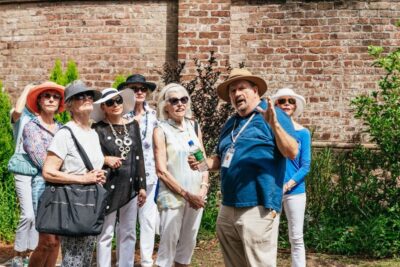
Charleston: Old Walled City Historical Walking Tour
Read our review →