Review · LISBON
Lisbon: Food and Wine Small Group Walking Tour
Portugal’s food culture makes its best introduction in small portions, busy taverns, old cafés, and a glass passed across the counter. This three-hour Lisbon food tour gives you 15 tastings at six stops, moving through Baixa with enough time to hear the story behind what you eat.
I like the generous range, from Vinho Verde and codfish cake to bifana, Port, chouriço, and ginjinha. I also like the guides’ personal touch. José, Daniel, Filipa, Martin, Pedro, and others are praised for making the history useful and entertaining. The main caution is alcohol: this is not a light nibble tour, and vegan, celiac, kosher, and most vegetarian needs cannot be handled reliably.
Key points to know before booking
- Six stops, 15 tastings: Expect proper portions and drinks, not just tiny samples.
- A strong first taste of Lisbon: The route links food, local customs, and central neighborhoods.
- Well-liked guides: José, Daniel, Filipa, Martin, Pedro, and Alex are among the guides noted for humor and local insight.
- Mostly short walks: The stops are close together, though you still need comfortable shoes on Lisbon’s hard streets.
- Alcohol is part of the meal: Wine, beer, Port, and ginjinha are built into the experience.
- Best for flexible eaters: Traditional venues mean dietary substitutions are limited.
Why this Baixa food walk works
Lisbon can be hard to read from a restaurant menu. You see bacalhau, bifana, ginjinha, and unfamiliar wine names, but a menu rarely explains how those foods fit into daily Portuguese life. This walk gives you a guided introduction while you are still getting your bearings in the city.
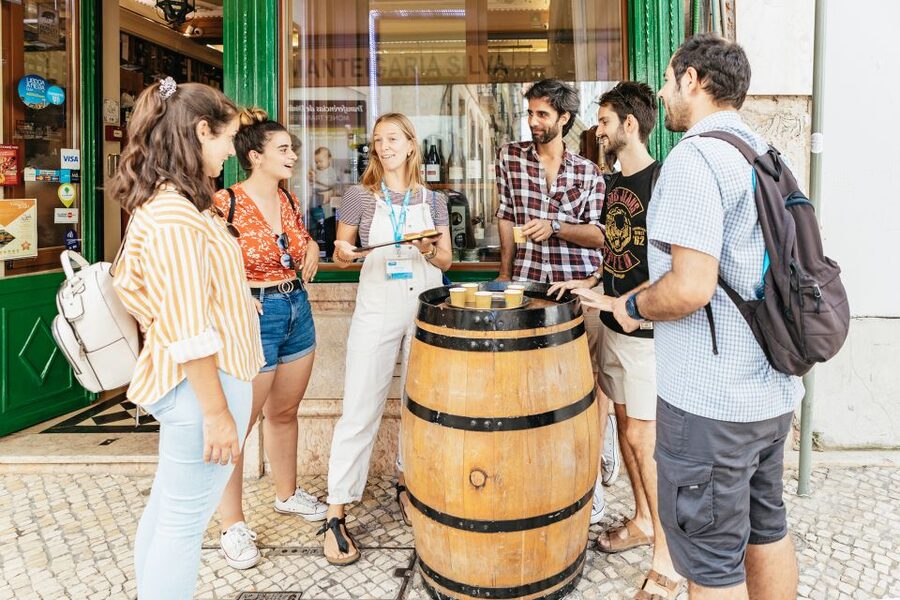
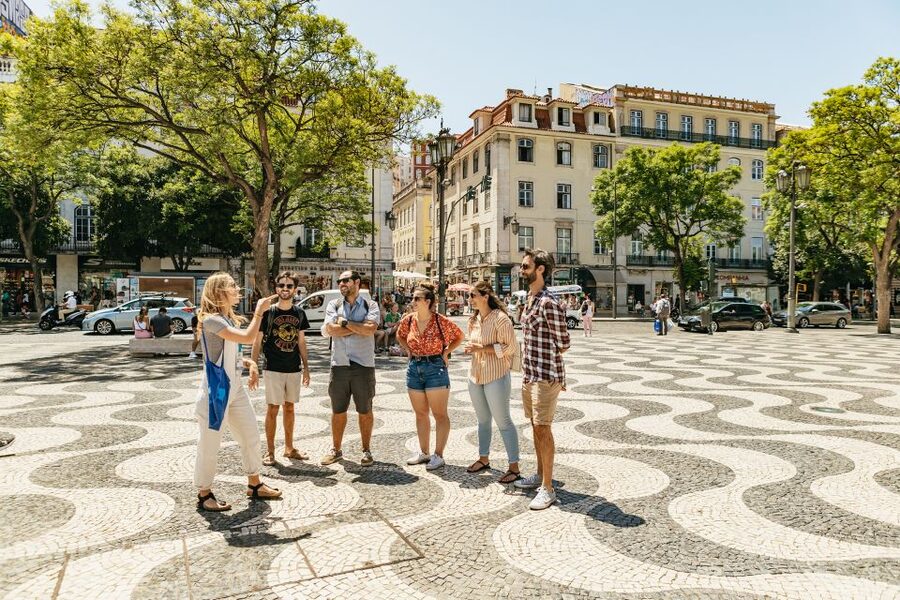
The route begins at Praça Dom Pedro IV, better known as Rossio Square. Look for the guide near the central statue of D. Pedro IV, carrying a blue badge, blue bag, or black backpack. The nearby Rossio Metro station is on the green line, making the meeting point easy to reach.
From there, the route stays in and around Baixa. The streets and stops are close enough that the walking feels like a series of short links between meals rather than a long city hike. One person with a mild to moderate walking difficulty may find the route manageable, but Lisbon’s pavement can still be uneven, and standing at small venues is possible.
The atmosphere matters. This is not a polished tasting room with a formal lecture. You visit cafés, tascas, bottle shops, and small local places. That gives the tour a more useful feel, because you learn where Lisbon residents actually stop for a quick bite or drink.
More Food Walking Tours in Lisbon
- Lisbon Food Tour with 10+ Tastings of Local Delicacies & Wines
★ 5.0 · 1,339 reviews - Lisbon Roots – Small group Food & Culture Walking Tour w/tastings
★ 5.0 · 910 reviews - Lisbon Private Food Tour – Taste 10+ Local Dishes & Wines
★ 5.0 · 896 reviews
The first taste: Vinho Verde and codfish cake
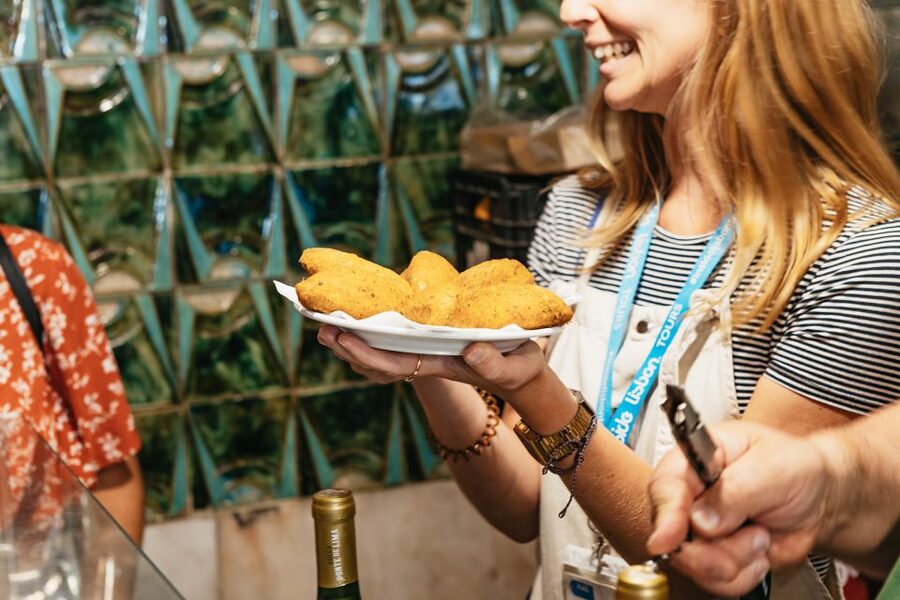
One early stop pairs a glass of Vinho Verde with a codfish cake. Vinho Verde is usually light and refreshing, and it makes a sensible opening drink before the heavier food arrives. The codfish cake offers a quick introduction to Portugal’s favorite salted fish in a form that is easy to eat while standing or chatting.
This first pairing also sets the pattern for the tour. You do not simply receive a dish and move on. The guide explains where it fits in Portuguese cooking and how local food traditions developed. Guides such as Carlos, Guilherme, and Pedro have been praised for connecting the tastings with Portugal’s wider past and with the food cultures of the Iberian Peninsula.
The drawback is that the schedule leaves limited room for lingering over each course. You get enough time to taste and ask questions, but this is still a moving tour, not a long restaurant meal.
Port, local cheese, and a lesson in fortified wine
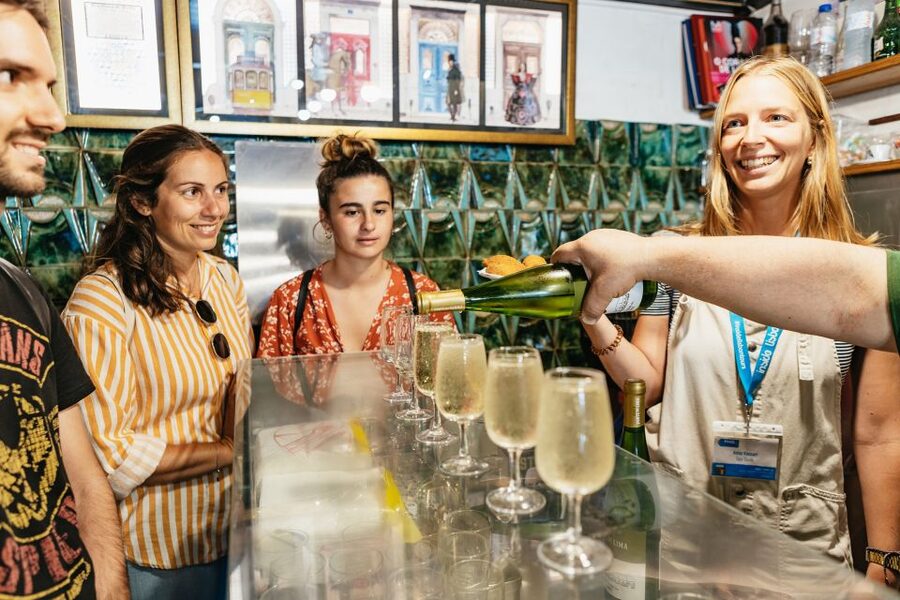
A café stop follows with cheese and wine, including the famous Port. Port is a fortified wine, and the guide explains how it differs from ordinary table wine. The cheese makes the drink easier to appreciate, especially if you are new to Port or usually find sweet wines too strong on their own.
This is one of the better educational parts of the experience because it connects a familiar name with an actual Portuguese drinking tradition. You learn through tasting rather than through a long technical talk.
The portions are not always minimal. Some groups have received full dishes and proper pours instead of token mouthfuls. That is good value, but it also means you should arrive hungry and pace yourself. If you plan to drink every sample, keep your afternoon or evening free of other major plans.
St. Dominic’s Square and Lisbon’s ginjinha tradition
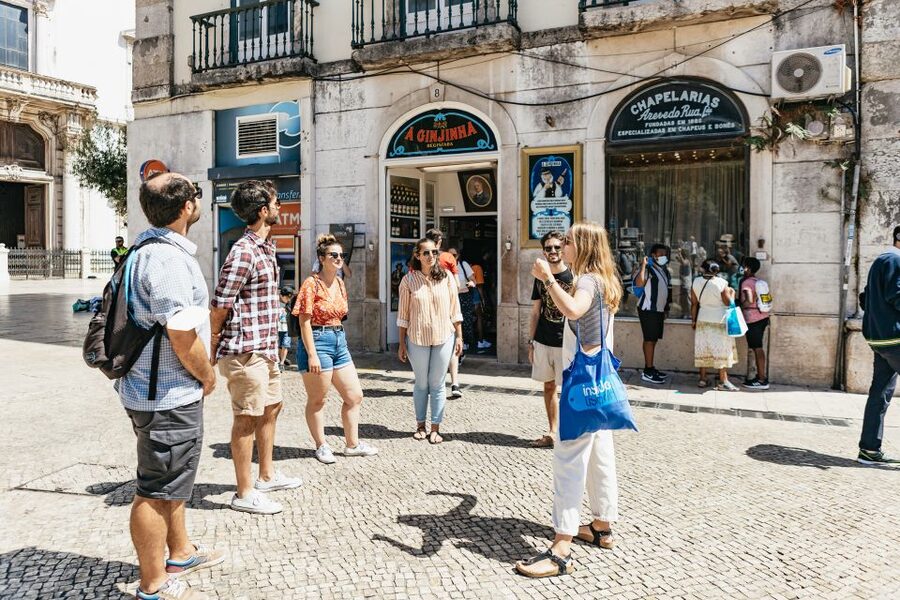
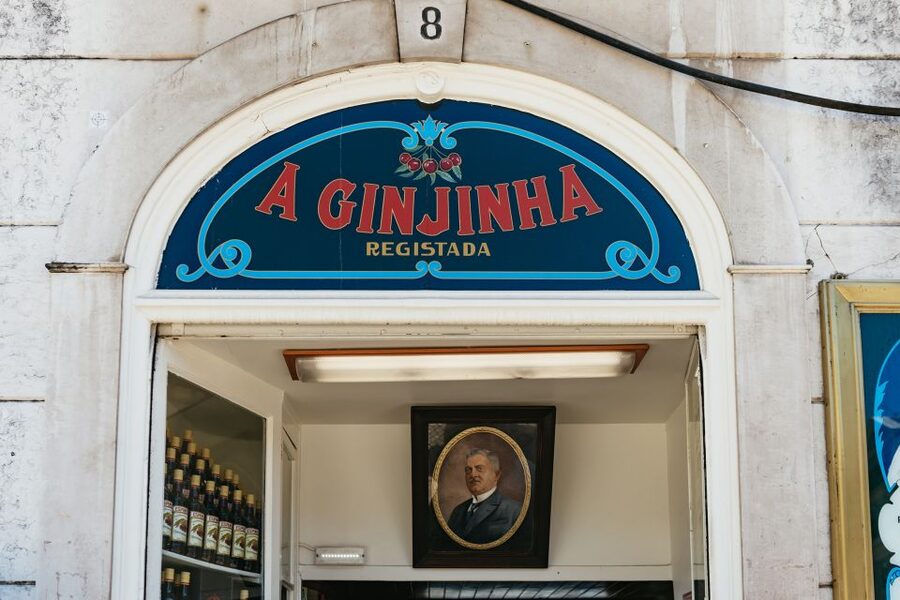
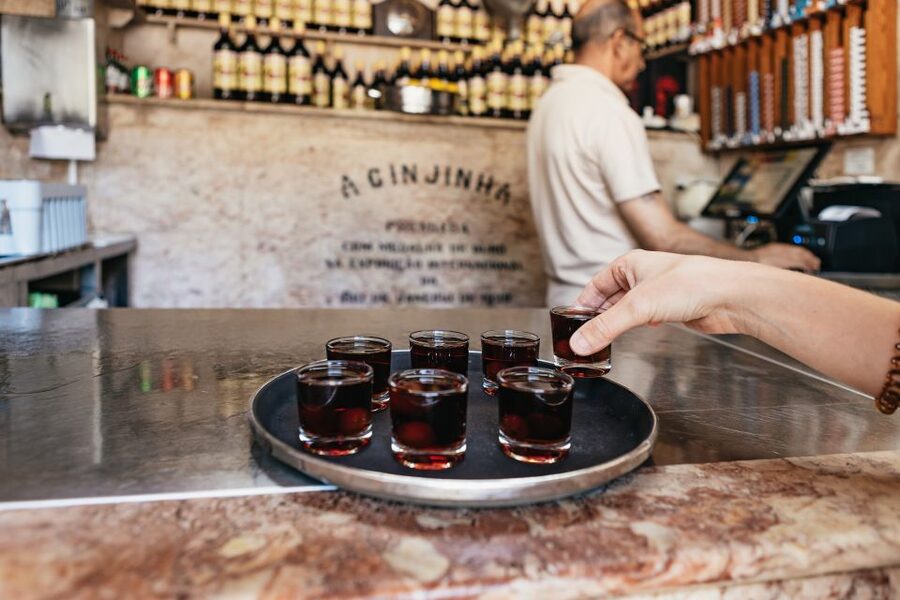
At St. Dominic’s Square, the focus shifts to spirits. Here you taste ginjinha, the sweet cherry liqueur strongly linked with Lisbon. The tasting takes place at a historic bar associated with the first commercial sale of ginjinha in 1840.
This stop is short, around 15 minutes, but it gives you one of the city’s most recognizable drinking customs. Ginjinha is often served in a small glass, sometimes with a cherry, and it is easy to underestimate because of its sweetness. The guide can explain how it became part of Lisbon’s everyday culture.
This is also a useful stop for learning the difference between a tourist souvenir and a local habit. You are not just buying a bottle to take home. You are trying the drink in the setting that made it famous.
More Food Walking Tours in Portugal
- Eat & Walk Through Lisbon: A Local Food & Wine Experience
★ 4.9 · 458 reviews - Lisbon: Baixa Food Walking Tour with Drinks
★ 4.9 · 354 reviews - Lisbon: Food & Wine Walking Tour Through Baixa
★ 4.9 · 287 reviews - Lisbon Through the Eyes of a Local – Food and Walking Tour
★ 4.9 · 141 reviews
A classic bifana with draft beer
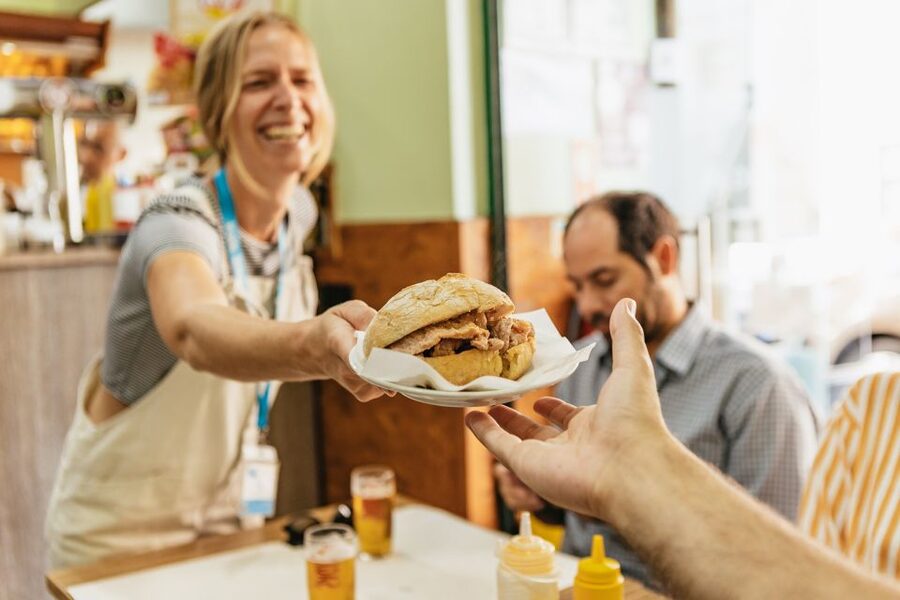
One of the most satisfying stops is a traditional tasca, or tavern, for a bifana and a cold draft beer. A bifana is a seasoned pork sandwich, simple in appearance but central to Portugal’s quick-meal culture.
The sandwich is practical, filling, and very different from the polished small plates found on many modern food tours. Pairing it with beer shows how Portuguese eating often works: a modest dish, a straightforward drink, and a lively local room.
The tour does not promise a single fixed venue for every departure, so the exact setting can vary. Still, the purpose is clear: take you somewhere associated with ordinary Lisbon dining rather than a restaurant designed mainly for sightseeing groups.
This stop can also help with later meals. Once you know what a bifana tastes like, you can spot it on menus and decide if you want another one during your stay.
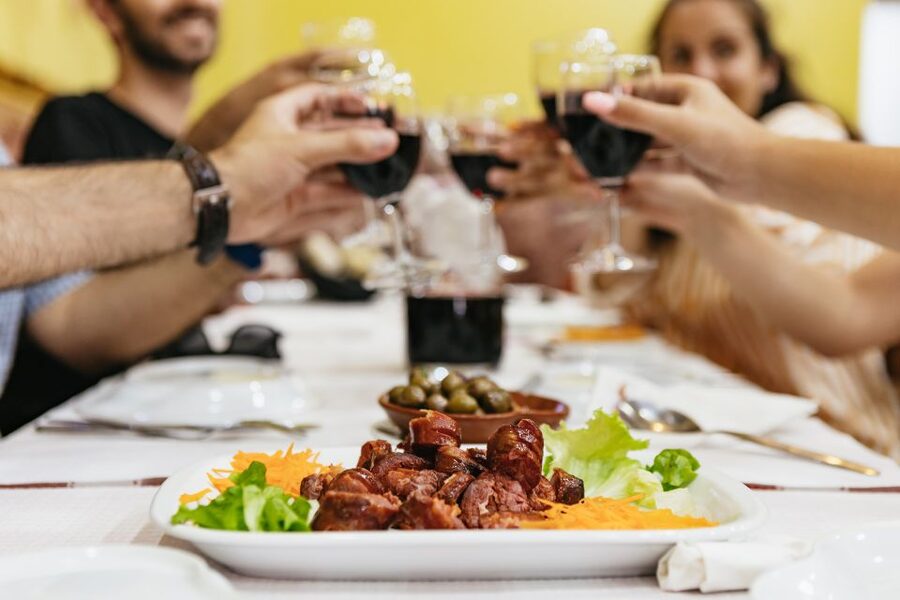
Chouriço, bread, cheese, and red wine
Another stop brings together chouriço, Portuguese bread, local products, and red wine. Chouriço has a stronger, smokier flavor than the lighter opening tastings, and the bread helps balance it.
The setting is described as a true local venue, which is important. Small Portuguese bars and food shops often reveal more about eating habits than a formal restaurant does. You can see how people order, how long they stay, and how food is served with drinks rather than separated into strict courses.
This section also gives you a better sense of Portuguese wine beyond Port and Vinho Verde. The red wine is selected for the food, so you get a simple lesson in pairing without having to sit through a formal tasting.
Some guides, including Daniel and Martin, have been especially good at explaining the connection between food, trade, and city life. Martin is also praised for giving practical suggestions about places to eat and visit after the tour. That sort of advice can be more useful than a list of famous restaurants, since it comes while you are discussing dishes you have actually tasted.
The changing rice dish and a proper final course
The final food stop features a traditional Portuguese rice dish served with wine. The exact preparation depends on fresh ingredients available that day, so this is the least predictable course. That is a strength if you want seasonal food, but a weakness if you need to know the exact menu in advance.
The dish is prepared daily and paired with a selected wine. It may be soupy or comforting rather than dry and formal, giving the meal a homestyle finish. After the earlier sandwiches, cheese, sausage, and drinks, this course helps the tour feel like a real meal rather than a string of unrelated samples.
The changing menu is also why people with serious food restrictions should think carefully before booking. The provider says vegan and celiac options are not available, and gluten-free, kosher, and vegetarian substitutions may not be possible. Tell the provider about allergies, but do not assume a replacement will be found.
What the guides add to the food
The food is the reason to book, but the guide determines how much you take away. The strongest guide comments repeatedly focus on warmth, humor, storytelling, and a clear grasp of Lisbon’s past and food customs.
José is frequently singled out for his kindness, humor, and ability to keep a group together. Daniel is praised for his rapport with venue owners and for explaining food in an easy way. Filipa is described as warm and entertaining, while Alex is noted for making the experience feel like a friend was showing you around.
Other guides such as Pedro, Martin, Guilherme, Franco, Carlos, Alexandra, and Felipe also receive strong praise for local context and good pacing. The guide assigned to your departure will shape the tone, but the format leaves room for questions and conversation.
A good guide also helps solo participants. One-person bookings fit naturally into the group, and the shared tasting format gives you an easy way to talk with people from different countries. Some groups have stayed together for drinks after the tour, though that is an informal choice, not part of the scheduled activity.
How much walking, food, and alcohol to expect
The tour lasts three hours and covers six stops. The walks between venues are generally short, so the physical demand is moderate rather than strenuous. You still need comfortable shoes, especially if the pavement is wet or uneven.
The food quantity is worth stressing. Several courses are described as generous, and the tour can include a bifana, codfish cake, cheese, chouriço, bread, a rice dish, and other local products. Add wine, beer, Port, Vinho Verde, and ginjinha, and you have more than a casual snack.
If you do not drink alcohol, this may not be the right food tour. The drink pairings are central to the schedule, not an optional extra. You can ask what alternatives are possible, but the published information does not promise nonalcoholic replacements.
The group size can vary. Some departures have been intimate, with four people, while others have reached around 14 or 15. A smaller group allows more questions, while a larger group may feel more social. The guide’s ability to include everyone matters, and José, in particular, has been praised for doing that with a group of 15.
Is $72 a good value?
At $72 per person, the tour costs about $24 per hour. That is not cheap for a casual lunch, but the price includes six food stops, 15 tastings, wine, beer, spirits, a guide, and a three-hour walk through central Lisbon.
The value is strongest if you want both food and orientation. You are paying for the tastings, but also for the guide’s explanations, the introductions to traditional venues, and the chance to learn what to order later. If you visited six places independently, you might spend a similar amount, but you would not necessarily get the same range or context.
The value is weaker if you eat very little, avoid alcohol, or need a tightly controlled menu. In that case, you may pay for items you cannot use. For an unrestricted eater who wants a first-night overview, the price is reasonable, especially because the portions can be generous.
Many people choose this as an early Lisbon activity. That makes sense. You can use the guide’s restaurant suggestions for the rest of your stay, and the route helps you understand Baixa before exploring it alone.
Practical details that can make the tour easier
Book with the meeting point in mind. Rossio Square is large, and the guide will be by the statue of D. Pedro IV, not the statue of a man on horseback. Look for the blue badge, blue bag, or black backpack near the center column.
The tour is conducted in English. Hotel pickup and drop-off are not included, so plan your own way to Rossio and from the final area. The route can finish in Baixa or near Alfama, both central parts of Lisbon with access to further sightseeing.
Wear comfortable shoes and avoid arriving after a large meal. You want enough appetite for the later rice dish, but you should also be prepared for a steady flow of drinks. Pets are not allowed.
Cancellation is flexible up to 24 hours before the start for a full refund, and you can reserve now and pay later. Check the available starting time when booking, since the tour schedule can vary.
Who should book this Lisbon food tour?
I would recommend it to first-time visitors who want a fast but substantial introduction to Portuguese food. It is also a good choice for couples, solo participants, and small groups who enjoy talking with a guide and sharing a table or counter with new people.
Food lovers who want local staples rather than fine dining will get the most from it. The bifana, ginjinha, chouriço, Port, and changing rice dish show everyday Portugal better than a formal tasting menu might.
I would not choose it for vegans, people with celiac disease, or anyone who needs strict control over ingredients. Vegetarians and people with allergies should also treat the tour as unsuitable unless the provider confirms specific arrangements in advance.
Should you book it?
Book this tour if you want a generous first taste of Lisbon, enjoy wine and spirits, and like learning the story behind each dish. The close-together stops, social setting, and lively guides make it a useful first or second day activity.
Skip it if you want a quiet sit-down meal, a fixed menu, or a tour built around nonalcoholic drinks. For everyone else, $72 buys more than food. It buys a practical introduction to Baixa, a list of dishes to recognize later, and a friendly way to start eating your way through Lisbon.
FAQ
Where does the Lisbon food and wine tour meet?
Meet at Rossio Square, also called Praça Dom Pedro IV. Find the guide near the central statue of D. Pedro IV, marked by a blue badge, blue bag, or black backpack.
How long does the tour last?
The walking food and wine tour lasts three hours.
How many tastings are included?
The experience includes 15 tastings across six popular local stops.
What foods and drinks are included?
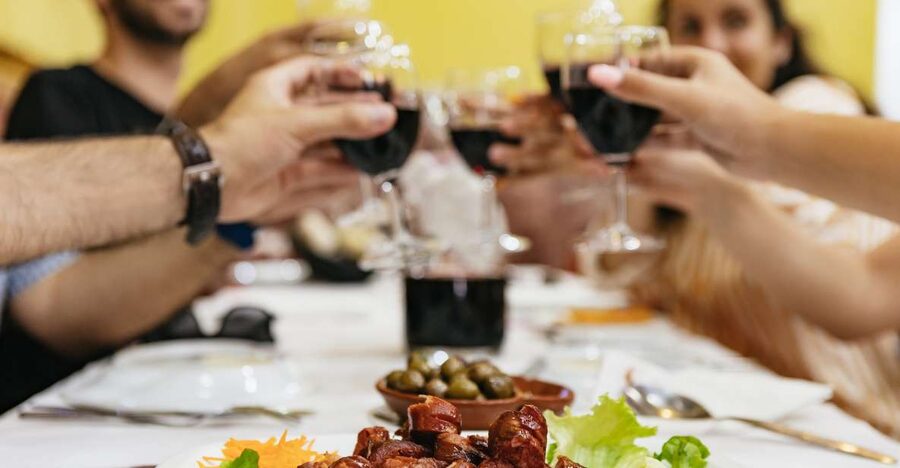
The tastings can include codfish cake with Vinho Verde, Port with local cheese, a bifana with draft beer, ginjinha, chouriço with bread and red wine, and a traditional rice dish with wine.
Is the tour conducted in English?
Yes. The live guide conducts the tour in English.
Are vegan or gluten-free options available?
Vegan and celiac options are not available. Gluten-free, kosher, and vegetarian alternatives may also be difficult to arrange because the tour visits traditional venues.
Is hotel pickup included?
No. You must make your own way to Rossio Square, and hotel pickup and drop-off are not included.
What should I bring?
Wear comfortable shoes. Pets are not allowed on the tour.
More Small-Group Walking Tours in Lisbon
- Best of Lisbon Small-Group Guided Walking Tour
★ 5.0 · 4,869 reviews - Amsterdam Anne Frank: Small-Group Walking Tour & Local Guide
★ 4.8 · 12,789 reviews - Boston: Freedom Trail History Small Group Walking Tour
★ 5.0 · 6,450 reviews - New Orleans Food Walking Tour of the French Quarter with Small-Group Option
★ 5.0 · 6,118 reviews
More Wine and Tapas Walking Tours around Lisbon
- Barcelona Tapas and Wine Experience Small-Group Walking Tour
★ 5.0 · 5,804 reviews - Authentic Parisian Gourmet Food Tour with 10 Local Dishes & Wines
★ 5.0 · 4,754 reviews - Barcelona: Tapas Walking Tour with Food, Wine, and History
★ 4.8 · 4,261 reviews - Madrid Tapas & Wine Tasting Walking Tour – Small Group Local Bars
★ 5.0 · 3,644 reviews
New walking tours around Lisbon
- Lisbon: Walking Tour in the Center (Max 12 Participants)★ 5.0 · 741 reviews
- Lisbon Tram No. 28 Ride & Walking Tour★ 4.1 · 766 reviews
- Lisbon: Kickstart Street Art Walking Tour★ 4.9 · 717 reviews
- Lisbon Through the Eyes of a Local – Food and Walking Tour★ 4.9 · 141 reviews
- Lisbon: Private Boat Trip, Guided Walking Tour, Bike & Tram★ 4.8 · 116 reviews
- Lisbon: Jewish Walking Tour★ 4.9 · 96 reviews
- Lisbon: Food and Culture 3-Hour Walking Tour★ 4.7 · 95 reviews
- Lisbon: Street Art Walk★ 5.0 · 79 reviews
Lisbon Walking Tours, side by side.
Lisbon: History, Stories and Lifestyle Walking Tour
Read our review →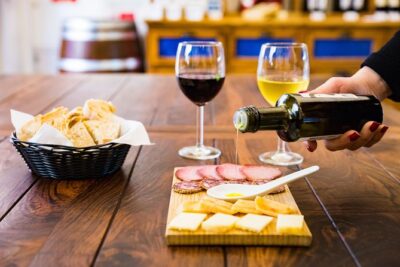
Best of Lisbon Small-Group Guided Walking Tour
Read our review →
Best of Lisbon Walking Tour: Rossio, Chiado & Alfama
Read our review →
Lisbon Food Tour with 10+ Tastings of Local Delicacies & Wines
Read our review →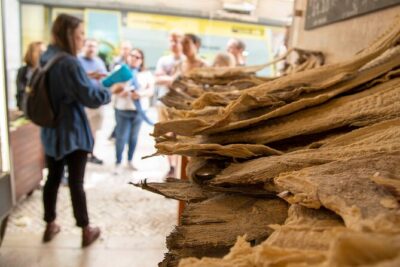
Lisbon Roots – Small group Food & Culture Walking Tour w/tastings
Read our review →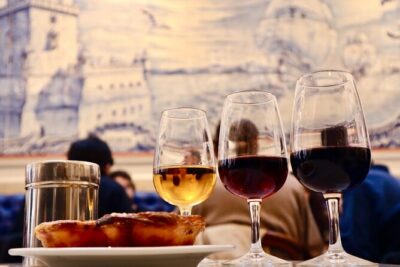
Lisbon Private Food Tour – Taste 10+ Local Dishes & Wines
Read our review →