Review · MADRID
Madrid Tapas & Wine Tasting Walking Tour – Small Group Local Bars
Madrid’s best food lesson may happen standing at a bar with a plate of Iberian ham in one hand and a glass of Tempranillo in the other. This three-hour walk through the Literary Quarter takes you to up to four local bars, where you taste more than 12 tapas and learn how Madrid eats.
I like the small maximum of 12 people, which gives guides such as Noemí, Carlos, Eva, and Juan Felipe room to explain each dish. I also like the route’s mix of old taverns, wine shops, and open kitchens. The main consideration is that the food selection and final stop can change, and some people find the generous tastings equal to dinner while others still want a meal afterward.
Key points to know before booking
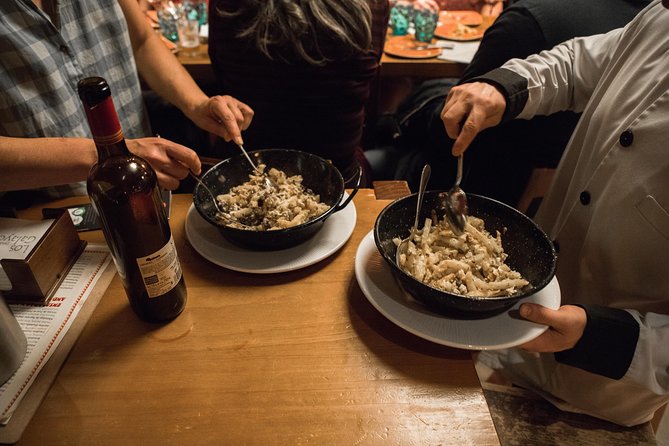
- Four bars, more than 12 tapas: Expect enough food for many people to skip dinner, though appetites vary.
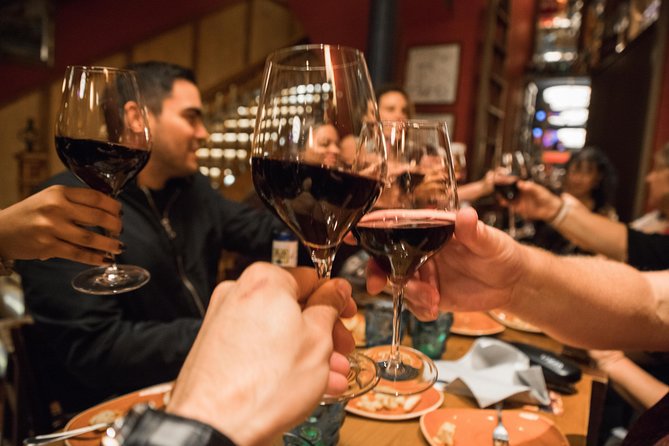
- Spanish wines with local context: Taste wines such as Tempranillo, Malvar, Garnacha, and Parellada, with beer or soft drinks available instead.
- A maximum of 12 people: The group size helps you ask questions and keep up during the walk.
- Literary Quarter setting: The route links food with Madrid streets, tavern traditions, and Plaza Mayor.
- A social tour: Solo visitors can easily meet people from several countries during the shared tastings.
- Plan for changes: Bars, dishes, order of stops, and the exact ending point depend on the day, guide, venues, and weather.
Why this Madrid food walk works
This is not simply a series of restaurant reservations. The useful part is the movement between stops. As you walk from Plaza de Santa Ana along streets such as Calle de las Huertas, your guide explains the food in front of you and the neighborhoods around it.
Madrid’s tapas culture has been shaped by local cooking and by people arriving from other parts of Spain and beyond. That shows up in the dishes. A stop might bring salted cod, cod brandade, Spanish omelet, chickpea stew, Iberian ham, roasted eggplant with honey, or garlic shrimp. The selection is not limited to the familiar tourist plate of olives and patatas bravas.
The guides add another layer. Noemí is praised for explaining wine, food, and local history in a warm, personal way. Carlos is described as especially keen on Spanish wine, and Juan Felipe brings first-hand memories of growing up close to Plaza Mayor. The guide you receive will depend on the date, but the strongest part of the experience is the combination of food instruction and street-level Madrid stories.
The tour is offered in English, with bilingual guides able to use Spanish when needed. That matters when a dish, wine style, or old tavern custom needs more than a quick translation.
More Food Walking Tours in Madrid
- Toledo Tour & Vineyard Walk with Wine Tasting from Madrid
★ 5.0 · 2,546 reviews - Madrid: Tapas & Wine Tasting Tour with Local Guide
★ 4.8 · 2,171 reviews - Madrid by Night Small Group Tour: Stories, Sights and Tapas Bites
★ 5.0 · 1,956 reviews
Starting at Plaza de Santa Ana
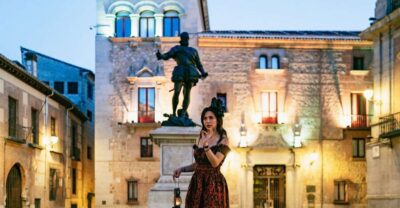
The meeting point is the Federico García Lorca statue in Plaza de Santa Ana, a convenient central location in Madrid’s Centro district. You begin on foot, so wear shoes suitable for several hours of walking and standing.
The opening stop is brief, but it sets up the evening. Your guide introduces the group, outlines the food plan, and gives you a sense of the Literary Quarter. The small group makes a difference here. With no more than 12 people, you are less likely to be separated from the explanation while the guide describes the next dish or answers a question.
This is also a good reason to book the tour early in your Madrid stay. You receive restaurant ideas, wine names, and neighborhood guidance that can help with the rest of your visit. Several of the listed bars are places you can return to independently, provided you note their names and locations.
The tour runs in the afternoon or evening. The afternoon option can work well if you want a substantial late lunch and a free evening. The evening option fits travelers who want food, wine, and a walk to replace a formal dinner reservation.
Stop one: a traditional sherry bar
The first bar is described as an old-fashioned Castilian sherry bar with an atmospheric interior and a chalkboard listing daily tapas. It offers a useful introduction to Spanish fortified wine, from crisp fino to aged oloroso.
You may receive one wine and one tapa at each bar, with the exact pairing subject to change. The food could include a traditional item such as Iberian ham or Spanish omelet. The guide’s role is important here because sherry can seem confusing if you only see names on a menu. Hearing the difference between lighter and more mature styles gives the tasting a clear purpose.
The bar also shows why this tour is different from eating at four modern restaurants. These are places with a long connection to Madrid’s bar culture. The atmosphere may be compact and old-school rather than polished. That is part of the point, though anyone who prefers spacious dining rooms should know that a traditional tavern can feel crowded or informal.
The stop lasts about 35 minutes. That gives the group time to eat, drink, ask questions, and move on without turning the tour into one long seated meal.
Calle de las Huertas and the Literary Quarter
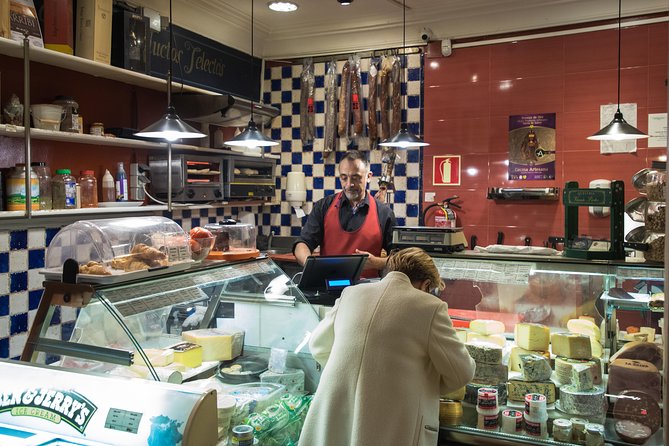
Between bars, you walk through the Literary Quarter. The route is not a sightseeing tour in the usual museum-and-monument sense, but the streets provide a useful frame for Madrid’s food traditions.
Your guide discusses the origin of tapas, the way regional recipes changed as people moved to Madrid, and the connection between dishes and local customs. You are not just told what is on the plate. You learn why a particular ingredient matters and how a dish fits into Spanish eating habits.
The walk also keeps the pace varied. After a drink and several bites, a short stroll helps reset your appetite. It gives you a chance to see central Madrid at street level instead of spending three hours in one dining room.
The route includes Calle de las Huertas and may pass through other nearby streets. Exact details depend on the bars open that day and on the weather. The listed path is an example, not a fixed promise, so book this for the food and guidance rather than for a guaranteed sequence of streets.
More Food Walking Tours in Spain
- Madrid Historic Centre Food Tour with Authentic Tapas & Wines
★ 5.0 · 814 reviews - Madrid: Street Food Walking Tour in the Plaza Mayor Area
★ 5.0 · 119 reviews - Madrid: Old Madrid Walking Food and Wine Tour
★ 4.9 · 111 reviews - Barcelona: Tapas Walking Tour with Food, Wine, and History
★ 4.8 · 4,261 reviews
Stop two: a wine shop behind the bottles
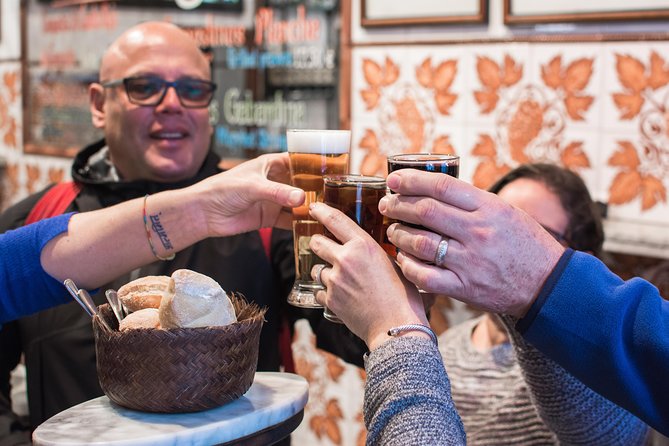
The second stop is a wine bar that also operates as a store. The tasting space is tucked behind liquor bottles, creating a particularly memorable setting. If you enjoy one of the wines, you can purchase it to take home.
This is the best stop for anyone who wants to turn the tasting into a practical lesson. Ask the guide which bottle matches the wine poured at the bar, where it comes from, and how it differs from the other glasses you have tried. The listed wines include Tempranillo, Malvar, Garnacha, and Parellada, so you can expect a range of Spanish styles rather than one repeated red.
A tapa accompanies the drink. It might be eggplant with honey, cod brandade, or another dish selected by the venue. The sweet honey with roasted eggplant offers a good example of the tour’s wider appeal: some combinations are familiar, while others may not be dishes you would order without help.
If you do not drink wine, you can choose beer or a soft drink. Vermouth and water are also listed among the drink choices. Cocktails and spirits are not included, so do not expect a mixed-drink tasting.
Stop three: an open kitchen on Calle de la Cruz
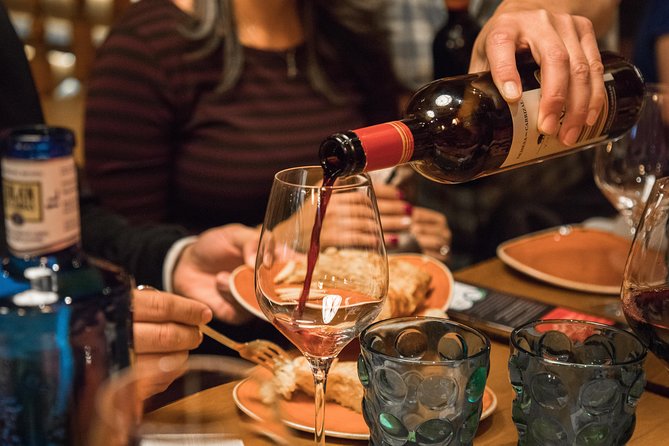
The third bar is a warm neighborhood tavern with an open kitchen. You can see food being prepared, which adds a simple but useful connection between the dish on your plate and the people making it.
This stop may feature a more substantial tapa such as chickpea stew, cod, or another cooked specialty. The precise menu varies. A guide can explain how the ingredients are used and how the dish relates to regional Spanish cooking.
The open kitchen is also a reminder that this is a working bar, not a staged cooking demonstration. You are eating in a place that serves its own customers, with the tour group fitting into the normal rhythm of the venue. That can feel more genuine, but service timing may not be as controlled as it would be in a private class.
The experience notes say dietary needs can be addressed, and vegetarian requests have been accommodated. Still, you should tell the guide before the tour begins. Do not assume every dish can be changed at the last minute, especially when the food is prepared in shared batches.
Stop four: a century-old Madrid tavern
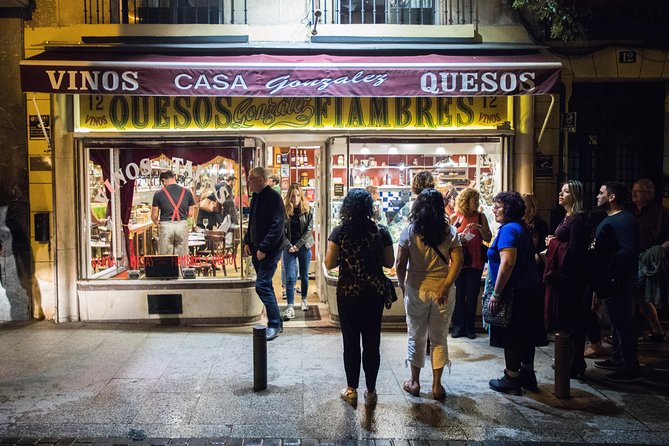
The final bar is a dark, bohemian tavern that has been operating for more than 100 years. It is a fitting place to finish because the setting connects food with Madrid’s older drinking culture.
You receive another drink and food here. It may be a full-bodied wine, though beer, vermouth, soft drinks, or water remain alternatives. The dishes can include items such as ham, omelet, chickpea stew, eggplant with honey, or other traditional tapas.
By this stage, you should have tasted enough to identify what suits you. Pay attention to the wines you preferred, and ask your guide where to find more of them. The same applies to the bars. The route is useful partly because it gives you several places to revisit later without guessing from a menu outside.
The final stop may be near Plaza Mayor, though the exact endpoint changes with the guide, schedule, venues, and weather. The supplied meeting information also identifies Plaza de Santa Ana as the start and end location, so confirm the day’s final point with the operator if you need to coordinate transport or another booking.
What you actually eat and drink
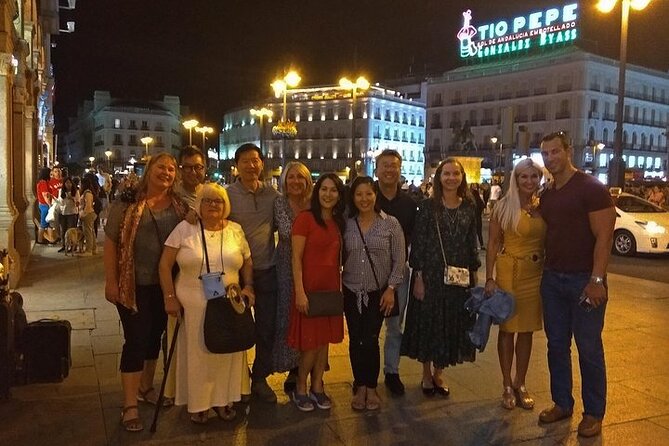
The tour includes more than 12 tapas across four bars, with one drink at each stop. That is a substantial amount of food for three hours, but it is served as a progression of small portions rather than as one large plate.
Possible dishes include:
- Iberian ham
- Spanish omelet
- Salted cod or cod brandade
- Roasted eggplant with honey
- Chickpea stew
- Garlic shrimp
- Other daily tapas selected by the bars
The variety is a major strength. You get a broad look at Spanish ingredients and cooking styles, instead of spending the whole evening on one kind of snack.
There is one honest caveat: portion sizes and personal appetites differ. One person canceled a later dinner because the tour was more filling than expected. Another felt it was not quite enough for dinner. If you eat lightly, the tastings may cover your evening meal. If you have a large appetite, keep a late snack in mind.
Wine is the main theme, with examples such as Tempranillo, Malvar, Garnacha, and Parellada. You do not need to be a wine expert. The value lies in tasting several styles while someone explains them in plain terms. The minimum age for wine tasting is 18.
The social side of a 12-person group
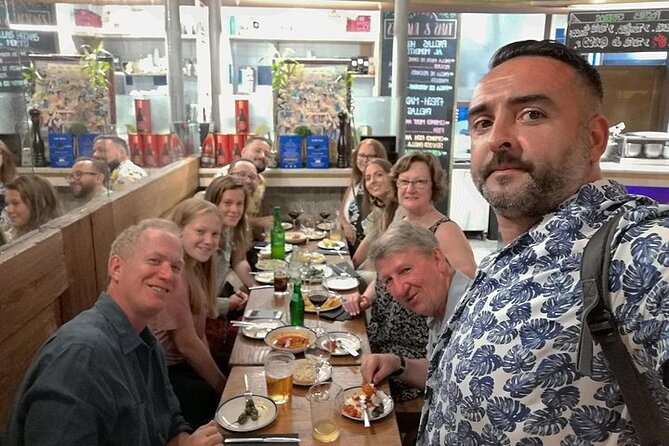
Food tours work best when the group is small enough to talk. A maximum of 12 people gives you a reasonable chance to hear the guide, get served without a long delay, and meet the others at the bar.
The format suits solo visitors particularly well. Shared tables and repeated stops create easy conversation, and the food gives everyone an immediate subject. One couple on an anniversary trip ended up exchanging travel advice with people from the United Kingdom, Sweden, Malta, and Germany. That kind of connection is not guaranteed, but the setup makes it possible.
The group can also shape the mood. If everyone is eager to ask questions, the tour feels like a casual food class. If the group is quieter, the guide carries more of the conversation. The 12-person limit helps, but it does not turn a public walking tour into a private tour.
Is the $93.12 price fair?
At $93.12 per person, this is not the cheapest way to eat tapas in Madrid. You could order small plates and drinks on your own for less, especially if you choose modest portions.
The value comes from the structure. Your fee covers four venues, more than 12 tapas, four drinks, a bilingual local guide, and the time saved finding places that fit the route. You also receive context about the dishes, wine regions, tavern traditions, and Literary Quarter. For a first visit, that guidance can prevent a lot of trial and error.
The price makes the most sense if you want an active introduction to Madrid food rather than a simple meal. It is less compelling if you already know the city’s bars, dislike group dining, or want to choose every dish yourself.
The tour is booked an average of 33 days ahead, so popular dates may fill early. Free cancellation is available up to 24 hours before the start time. Changes or cancellations inside that window are not refunded, and a minimum number of participants is required for the tour to operate.
Who should book this experience?
I would choose this tour for a first or second visit to Madrid, especially if you want help ordering local food. It also suits solo visitors, couples, and small groups who like walking between stops instead of sitting in one restaurant.
It is a good match for you if:
- You enjoy trying dishes you might not order alone.
- You want Spanish wine explained without a formal lecture.
- You like old taverns and local bars more than polished dining rooms.
- You want food recommendations for the rest of your stay.
- You are comfortable with a shared group and a flexible route.
I would think twice if you need a fixed menu, a guaranteed restaurant list, or a fully seated dinner. Children under four cannot participate, and the wine tasting requires participants to be at least 18. Most people can take part, and service animals are allowed.
FAQ
Where does the Madrid tapas tour start?
You meet at the Federico García Lorca statue in Plaza de Santa Ana, in central Madrid.
How long does the walking tour last?
The experience lasts approximately three hours.
How many people are in the group?
The tour has a maximum of 12 participants.
How many bars will the tour visit?
The route visits up to four local bars. The exact venues and order can change depending on the day, guide, weather, and availability.
What food and drinks are included?
More than 12 tapas and one drink at each bar are included. Drink choices may include wine, beer, vermouth, soft drinks, or water. Cocktails and spirits are not included.
Can children join the tour?
Children under four cannot participate. The minimum age for wine tasting is 18.
Should you book it?
Book this tour if you want Madrid explained through its food, not just served on a plate. The strongest reasons are the small group, the four contrasting bars, the range of tapas, and guides who add useful stories about wine and local life.
Choose an afternoon departure if you want a late lunch and an open evening. Choose the evening option if you want the tastings to serve as your main dinner. Go with an appetite, tell the guide about dietary needs early, and treat the listed bars as a flexible plan rather than a fixed promise.
With a 4.9 rating from 3,644 ratings and 97 percent of participants recommending it, the experience has a strong record. Still, one person found the tapas average and another wanted more food, so the right expectation matters. This is a social, guided introduction to Madrid’s bars, not a private feast. For most food-focused visitors, that is exactly why it is worth booking.
More Wine and Tapas Walking Tours around Madrid
- Authentic Parisian Gourmet Food Tour with 10 Local Dishes & Wines
★ 5.0 · 4,754 reviews - Lisbon: Food and Wine Small Group Walking Tour
★ 4.9 · 4,082 reviews - Rome: Guided Food Walking Tour with Wine in Trastevere
★ 4.9 · 3,105 reviews - Montmartre Hill French Gourmet Food and Wine Tasting Walking Tour
★ 5.0 · 2,588 reviews
More Small-Group Walking Tours in Spain
- Madrid: Day Trip to Toledo with Walking Tour & Small Group
★ 4.2 · 111 reviews - Barcelona Tapas and Wine Experience Small-Group Walking Tour
★ 5.0 · 5,804 reviews - Barcelona Old Town & Gothic Quarter Small Group Tour
★ 5.0 · 1,308 reviews - Seville: Small-Group City Highlights Walking Tour
★ 5.0 · 1,204 reviews
New walking tours around Madrid
- Madrid: Welcome to Madrid Guided Walking Tour in English★ 4.9 · 263 reviews
- Madrid: Visit to the Royal Palace & Walking Tour of the City★ 4.4 · 288 reviews
- Madrid: Private Walking Tour with a Local★ 4.4 · 161 reviews
- Madrid: Old Town & Poets District Guided Walking Tour★ 4.6 · 188 reviews
- Madrid: Street Food Walking Tour in the Plaza Mayor Area★ 5.0 · 119 reviews
- Madrid: Old Madrid Walking Food and Wine Tour★ 4.9 · 111 reviews
- Madrid: Enchanted Evening Walking Tour in Spanish★ 4.4 · 120 reviews
- Madrid: Day Trip to Toledo with Walking Tour & Small Group★ 4.2 · 111 reviews
Madrid Walking Tours, side by side.

Toledo Tour & Vineyard Walk with Wine Tasting from Madrid
Read our review →
Madrid: Tapas & Wine Tasting Tour with Local Guide
Read our review →
Madrid: Royal Palace Skip-the-Line Guided Tour
Read our review →
Madrid by Night Small Group Tour: Stories, Sights and Tapas Bites
Read our review →
Madrid Old Town & Royal Palace Walking Tour Skip the Line Ticket
Read our review →
Madrid: Welcome to Madrid Guided Walking Tour
Read our review →