
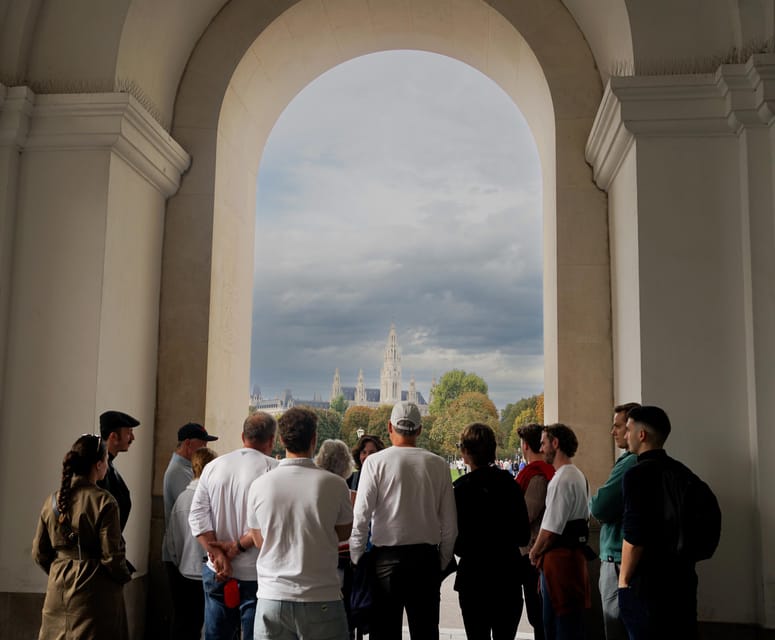
Review · VIENNA
Vienna: Guided Walking Tour of City Highlights & Hidden Gems
Vienna’s imperial center is compact, but its monuments carry centuries of stories. This two-hour walk connects the Last Supper mosaic in the Minoriten Church with the Hofburg, Spanish Riding School, State Opera, and St. Stephen’s Cathedral, giving you a useful first look at the city without spending time inside museums.
I like two things here. First, the route is efficient, finishing at St. Stephen’s Cathedral, a handy place to continue sightseeing or stop for food. Second, guides such as Michael, Petra, Max, Celine, and Ivo are praised for clear storytelling, humor, and practical advice. The main drawback is simple: everything is viewed from outside, and two hours can feel brisk if you want long stops or detailed museum visits.
Key points
- See the Last Supper mosaic: Begin at the Minoriten Church, where a striking copy of Leonardo’s work provides an unusual first stop.
- Cover Vienna’s imperial core: Walk from Michaelerplatz to the Hofburg, Heldenplatz, and the Spanish Riding School.
- Finish at St. Stephen’s Cathedral: The tour ends in the heart of Vienna, close to food, shops, and further city walks.
- Listen easily in a large group: Headsets have been provided on many tours, making it easier to hear the guide without crowding around.
- Get useful orientation early: Guides often point out places to visit later and help you understand the layout of the first district.
- Expect a true walking tour: Wear comfortable shoes, prepare for weather, and note that the route is not suitable for wheelchair users or people with mobility impairments.
Why this two-hour walk works well on a first day
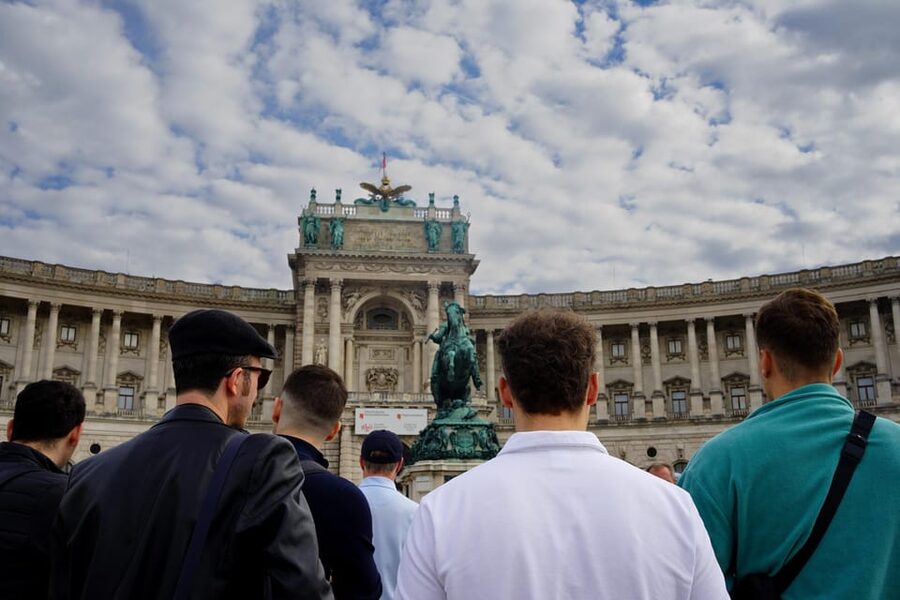
Vienna can seem grand and spread out at first. Palace courtyards, broad ceremonial squares, churches, opera houses, and museums fill the central district, yet many major sights are only a short walk apart. This route helps you connect them.
You begin near Minoritenplatz and move through the historic center at a steady pace. Rather than entering one attraction and spending an hour inside, you get a broad introduction to several important places. I find that useful when you have only a short stay or want to decide which buildings deserve a return visit.
The guides bring different personalities to the walk. Michael is repeatedly praised for his humor, warmth, and command of Austrian history. Max mixes historical material with memories of growing up in Vienna. Petra, Celine, Ivo, Karl, Marlene, and others are described as lively and easy to follow. The exact guide matters, of course, but the consistent strength is the way the history is explained aloud rather than simply pointed out.
This tour is also a practical orientation session. Several guides offer suggestions for the rest of your stay, and the final stop gives you an easy place to continue on your own. I would book it near the beginning of a Vienna visit, not on your last afternoon.
More Hidden Gems Walking Tours in the world:
- Dublin Highlights and Hidden Gems Guided Walking Tour
★ 5.0 · 6,020 reviews - Explore Berlin: See All The Iconic Sights & Some Hidden Gems
★ 5.0 · 4,429 reviews - Kyoto Geisha Walking Tour: Gion District & Hidden Gems
★ 4.7 · 3,273 reviews
Starting at Minoritenplatz and the Last Supper mosaic
The meeting point is in front of the Leopold-Figl statue at Minoritenplatz, about a 10-minute walk from Stephansplatz. You can also take the U3 subway to Herrengasse station and follow the signs to Minoritenplatz.
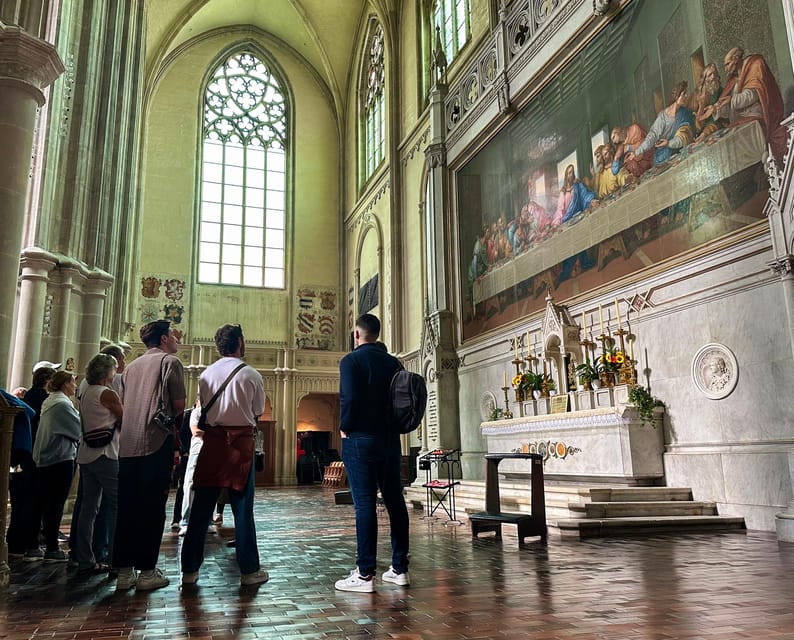
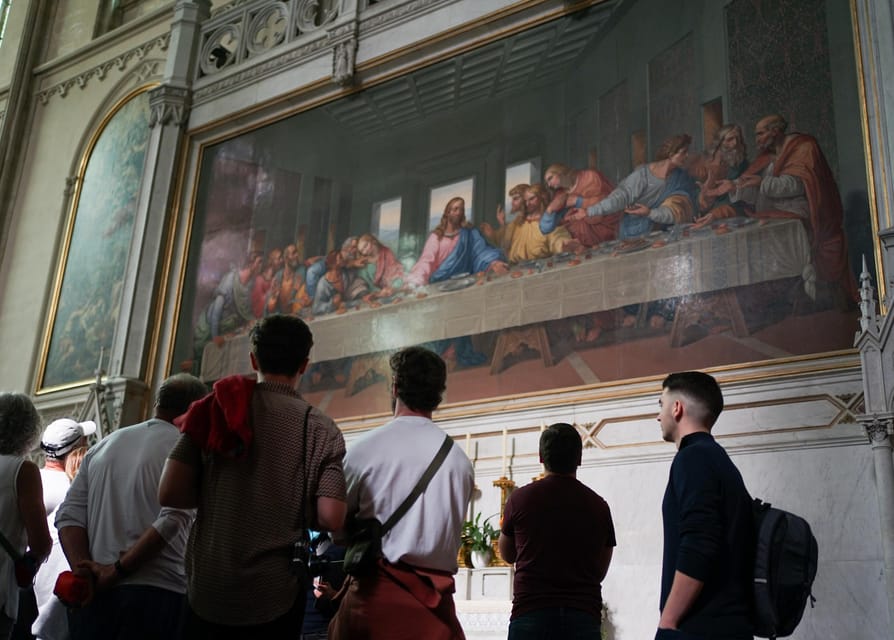
The opening stop is the Church of the Minorities, commonly known as the Minoritenkirche. Its most unusual feature for many visitors is the Last Supper mosaic, a large reproduction of Leonardo da Vinci’s famous painting. It gives the tour an immediate visual hook and shows how Vienna’s churches can hold surprises beyond their main altars or façades.
You should know that access to the church is not guaranteed during Mass. If a service is taking place, the guide cannot take you inside. That is an important limitation, especially if the mosaic is the detail that first attracted you to the tour.
The route is primarily outdoors from this point onward. Bring a camera, but also bring a coat or rain layer. The walk operates in all weather, and winter reviews describe cold and windy conditions. Guides such as Michael and Petra kept groups engaged in chilly weather, but no guide can make thin shoes or wet clothing comfortable.
Michaelerplatz and the Hofburg’s imperial entrance
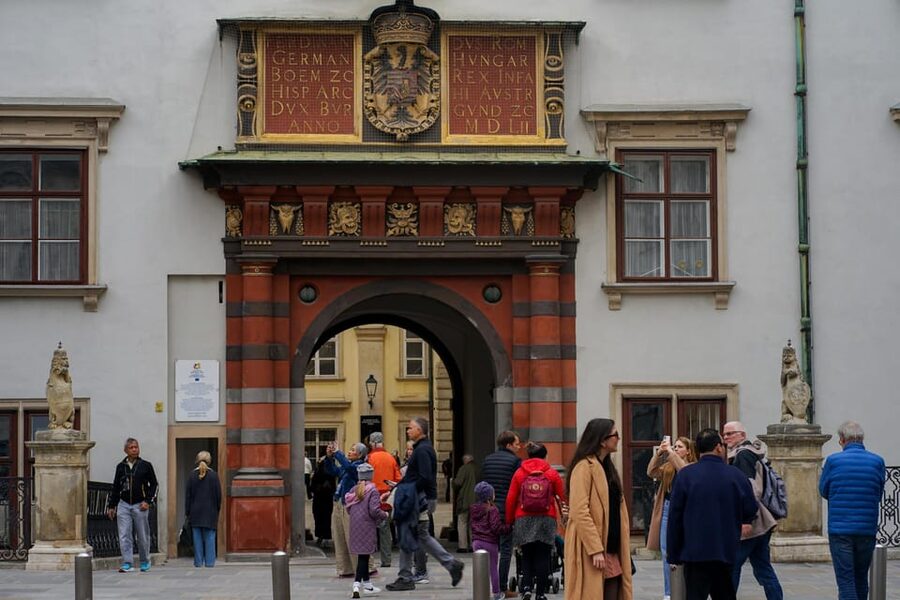
From Minoritenplatz, the walk continues toward Michaelerplatz. This broad, dramatic square provides one of the best exterior views of the Hofburg complex. The grand entrance frames the former imperial center, and the guide uses the setting to explain Vienna’s royal and political past.
I like this part of the tour because the Hofburg is easier to understand once you see its relationship to the surrounding streets and squares. A museum visit can give you objects and rooms, but a walking route shows how the palace meets the city. You get a sense of the scale of the Habsburg court without paying another entrance fee.
The tradeoff is that Michaelerplatz can be busy, and the route does not include the palace interiors. If you want the Imperial Apartments, the Sisi Museum, or other paid attractions inside the Hofburg, you will need to arrange those separately. This walk helps you choose them, but it does not replace them.
Listen for the guide’s explanation of Vienna’s imperial traditions and the way the city’s ceremonial spaces were used. The best part of this stop is not simply taking a palace photograph. It is understanding why this particular entrance and square mattered.
Heldenplatz and the Spanish Riding School
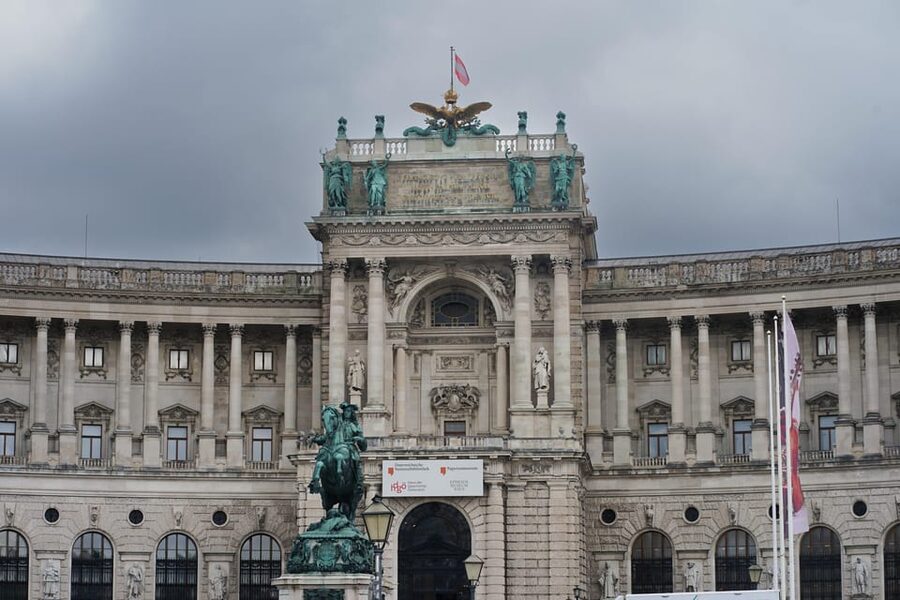
The next section takes you through Heldenplatz, one of Vienna’s most recognizable open spaces. The square connects visually with the Hofburg and gives you room to appreciate the scale of the imperial complex.
The Spanish Riding School is another major stop. You learn about its place in Viennese tradition and its connection to the Habsburg court. The tour does not include a performance, stable visit, or interior access, so think of this as an exterior introduction rather than a full Spanish Riding School experience.
That distinction matters when you compare prices. At $27 per person, this is inexpensive for a guided introduction to several central sights, but you are paying for the guide and route, not entry tickets. If you want to watch the Lipizzaner horses perform, you will need a separate ticket and schedule.
The guide’s storytelling is especially useful here. Austrian history can become a blur of rulers, wars, titles, and dates. A good guide turns the buildings into a sequence of people and decisions. Reviews describe the strongest guides as funny, enthusiastic, and able to bring the past into everyday terms. That makes the walk more memorable than a list of dates.
More City Highlights Walking Tours in the world:
- Historic Charleston Guided Sightseeing Walking Tour
★ 5.0 · 6,216 reviews - Vienna: Guided Walking Tour of City Center Highlights
★ 4.7 · 4,989 reviews - Best of Lisbon Small-Group Guided Walking Tour
★ 5.0 · 4,869 reviews - Florence: Highlights Walking Tour with Expert Guide
★ 4.6 · 4,662 reviews
Albertina and the Vienna State Opera
After the Hofburg area, the route passes the Albertina Museum. You see the building from outside and hear about its place among Vienna’s major cultural institutions. No museum ticket is included, so you can return later if the collection interests you.
The Albertina stop also helps show how close Vienna’s major cultural sights are to one another. You are not crossing the city by bus or spending time underground. You are walking through the central district, moving from imperial architecture toward the city’s musical heart.
The Vienna State Opera follows. Its exterior is one of Vienna’s defining sights, and the guide explains its role in the city’s musical life. Again, there is no interior visit or performance ticket. If opera is a priority, treat this stop as a useful preview and plan a separate visit.
The pace here can be brisk. One review described a group of about 30 people, while other groups used earpieces so everyone could hear. The listening equipment is a real advantage in a large group. Instead of pressing close to the guide or missing half a sentence, you can stand back and still follow the explanation.
Still, a headset does not turn a large group into a private tour. If you want to ask many questions or set the pace yourself, a private group may suit you better. The private option is available, but the supplied details do not state its price or exact group size.
Arriving at St. Stephen’s Cathedral
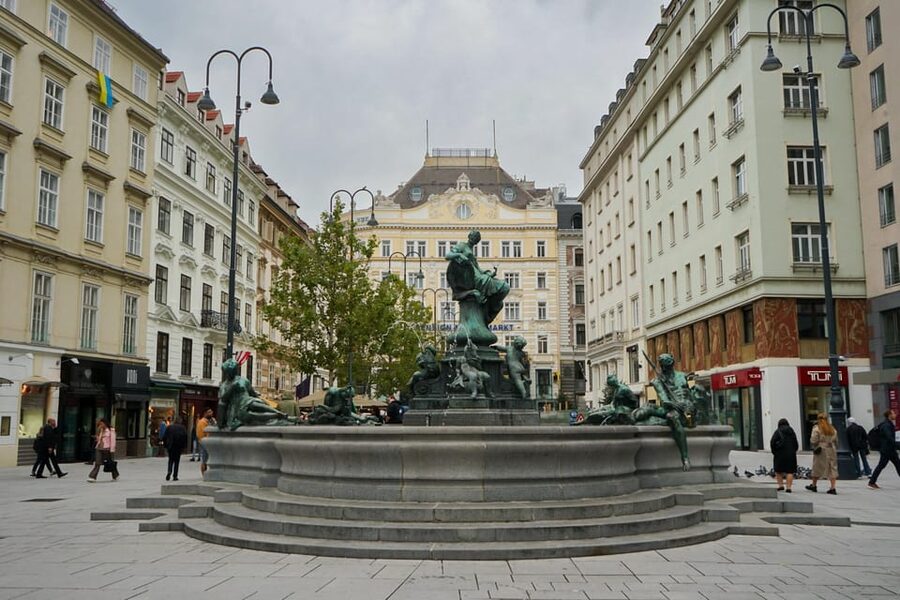
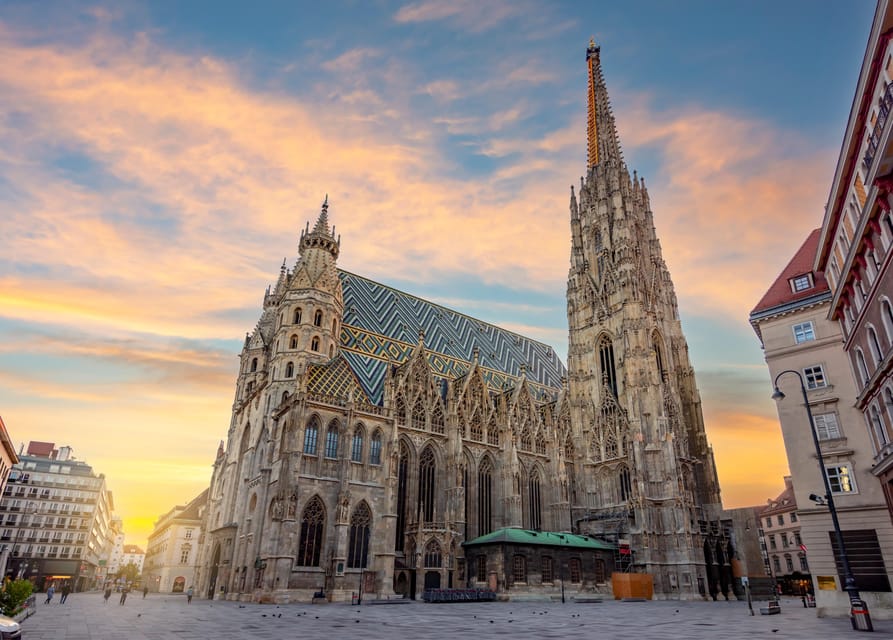
The walk ends at St. Stephen’s Cathedral, Vienna’s great Gothic landmark. Its patterned roof and tall exterior give the tour a strong finish, and the cathedral sits in a useful location for the rest of your day.
Ending here is one of the route’s smartest choices. You can continue around Stephansplatz, find a meal, use nearby public transport, or return later for a paid interior visit. One person specifically appreciated finishing at the cathedral because it made finding food afterward easy.
The tour only covers the outside of St. Stephen’s Cathedral. If you want to see the interior, catacombs, towers, or other paid areas, those are not included. The guide can provide context, but you will need additional time and admission arrangements for those experiences.
Take a moment here before rushing off. The tour has moved quickly through several major sights, and St. Stephen’s gives you a chance to review the city’s layout. You should now recognize the relationship between the Hofburg, opera district, museum quarter area, and cathedral center.
What the guide and group experience are like
The tour is offered in English, German, and Italian. The guide is live, and the quality of the experience depends heavily on how that person tells the story. The strongest feedback centers on clear explanations, humor, local knowledge, and practical suggestions for the rest of a Vienna visit.
Named guides praised for those qualities include Michael, Max, Petra, Celine, Ivo, Karl, Marlene, Virginia, Raffael, Nora, and Stephan. That does not mean you can choose a particular guide when booking, but it gives you a sense of the team’s range. Some guides focus on personal memories, while others are especially strong on imperial history or lively anecdotes.
Headsets are worth noting. Celine and Petra used listening equipment with their groups, and several people found it helpful in cold weather and larger crowds. The system lets the guide speak at a normal volume and helps you stay engaged while walking.
There are a few practical limits. The tour moves continuously for two hours, and one person wished there were a toilet break. No bathroom stop is listed, so take care of that before meeting the guide. Late arrivals are subject to a no-show policy, so arrive with time to find the statue.
Is $27 good value for Vienna?
At $27 per person, I consider this good value if your aim is a guided overview of central Vienna. You see many of the city’s headline landmarks in two hours, hear the stories that connect them, and avoid spending your limited sightseeing time figuring out the route.
The value is strongest for:
- A first visit to Vienna
- A short stay
- People who prefer history explained aloud
- Solo visitors who want an easy group activity
- Anyone deciding which museums or interiors to visit later
The value is weaker if you already know Vienna’s center well or mainly want interior access. You will not enter the Hofburg, Albertina, State Opera, Spanish Riding School, or St. Stephen’s Cathedral. Food, drinks, transport, and museum admission are also separate.
I would compare the price with the cost of booking several individual attractions. This tour does not replace those visits, but it can help you avoid paying for places that do not match your interests. For many people, that planning help is part of the value.
You can cancel up to 24 hours before the start for a full refund, and the reserve-now, pay-later option keeps your plans flexible. Check the available start times before booking because the exact schedule is not fixed in the activity details.
Who should book this walking tour?
I would recommend it to you if you want a fast, organized introduction to Vienna’s first district. It is particularly useful on your first full day, when you still need to understand where the main sights are and how to arrange the rest of your visit.
It also suits people who enjoy stories more than silent sightseeing. The best guides add anecdotes, personal memories, historical context, and practical suggestions. That human layer is the main reason to choose this walk over following a map on your own.
You should think twice if you have difficulty walking for two hours, need wheelchair access, or dislike outdoor sightseeing in poor weather. The tour is not suitable for wheelchair users or people with mobility impairments, and it runs in rain, wind, and cold.
You should also choose a different experience if your priority is going inside famous buildings. This is an exterior route, not a museum tour, palace tour, cathedral visit, or opera performance.
Should you book it?
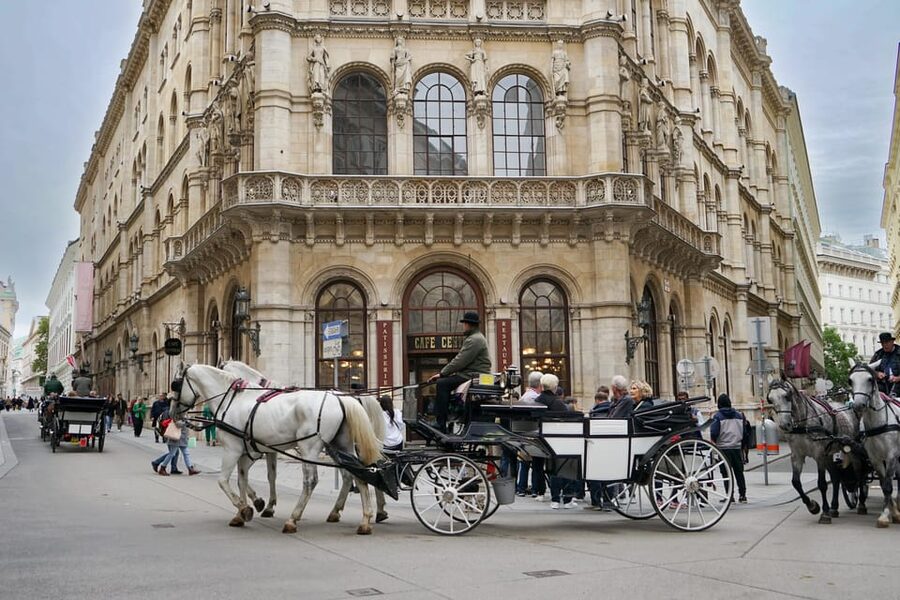
Book this tour if you want to see Vienna’s central landmarks quickly, learn how they fit together, and receive useful ideas for the rest of your stay. The route is well chosen, the $27 price is fair, and the guides are often praised for strong storytelling and friendly energy.
Skip it if you already know the center or want a slow, detailed look inside each attraction. For most first-time visitors, though, this is a sensible opening walk. Start near Minoritenplatz, wear solid shoes, bring weather protection, and finish at St. Stephen’s Cathedral with enough time left to explore on your own.
FAQ
Where does the Vienna walking tour begin?
The meeting point is in front of the Leopold-Figl statue at Minoritenplatz. It is about a 10-minute walk from Stephansplatz.
How can I reach the meeting point by subway?
Take the U3 subway to Herrengasse station. Follow the signs for Minoritenplatz and exit there.
Where does the tour finish?
The tour finishes at St. Stephen’s Cathedral.
How long is the walking tour?
The guided walk lasts two hours.
Is the Last Supper mosaic included?
Yes. The tour includes a visit to the Last Supper mosaic at the Minoriten Church, although church access is not possible during Mass.
Do I enter the museums and landmarks?
No. The tour is exterior-only. Museum and landmark entrance fees are not included.
Is the tour offered in English?
Yes. Live guiding is available in English, German, and Italian.
Are private groups available?
Yes. A private group option is available.
What should I bring?
Bring comfortable shoes, a camera, and clothing suitable for the weather.
Is the tour suitable for wheelchair users?
No. The activity is not suitable for wheelchair users or people with mobility impairments.
New walking tours around the world
- Niagara Falls, Canada: White Water Walk Entry Ticket★ 4.5 · 147 reviews
- NYC: Walking Tour with Local Guide and 30+ Top NYC Sights★ 4.5 · 248 reviews
- Zadar: Food Tasting & Old Town Walking Tour★ 5.0 · 94 reviews
- Niagara Falls: Walking Tour, Journey Behind Falls, & Cruise★ 4.8 · 773 reviews
- New York City: Gangsters and Ghosts 2-Hour Walking Tour★ 4.7 · 615 reviews
- NYC: History of Slavery & Underground Railroad Walking Tour★ 4.7 · 87 reviews
- New York City’s Hell’s Kitchen: Walking Food Tour★ 4.8 · 200 reviews
- New York City: Central Park Walking Tour★ 4.7 · 82 reviews
Vienna Walking Tours, side by side.
Vienna: Guided Walking Tour of City Center Highlights
Read our review →
Vienna: Viennese Underworld Guided Walking Tour
Read our review →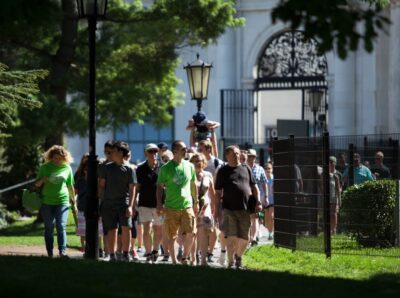
Vienna Historic Center Small Group Walking Tour
Read our review →
Lists this walk sits on