
Review · BUDAPEST
3-Hour Orientation Walking Tour of Buda and Pest
Budapest makes far more sense once you understand its two halves. This three-hour orientation tour links the grand streets of Pest with the hilltop sights of Buda, using a short public-transport ride to cross the Danube. Guides such as Zoli, Alexandra, Monika, Flora, Louisa, and Verónika bring local stories, practical advice, and a clear sense of how the city works today.
I like the tour for two main reasons: it gives you a useful first look at the major sights, and it teaches you how to get around without wasting time or money. The main consideration is pace. You cover a lot in three hours, so this is an overview rather than a slow visit inside every landmark.
Key points to know before booking
- Two city halves in one outing: See central Pest, cross the Danube, and explore Buda’s castle district.
- A guide-led introduction: Learn about Hungarian history, present-day culture, food, public transport, and local customs.
- Major landmarks included: The route covers Saint Stephen’s Basilica, Parliament, Matthias Church, Buda Castle, and the Royal Palace.
- Public transport is part of the plan: Bring 1,400 HUF per person for four metro, bus, or other required tickets.
- Small groups can feel personal: Private and small-group options allow more questions and some flexibility.
- Best at the start of your stay: Use the guide’s recommendations to plan museums, meals, neighborhoods, and later sightseeing.
Starting beside Saint Stephen’s Basilica in Pest
The tour begins next to Saint Stephen’s Basilica, in front of California Coffee Company. This is a practical meeting point in central Pest, close to one of Budapest’s most recognizable churches and within easy reach of other central sights.
Starting in Pest gives you a good introduction to the flatter, more urban half of Budapest. You can expect an explanation of the city’s layout, its history, and the difference between Buda and Pest before moving through the streets. That basic orientation matters. Budapest is not one compact old town, and first-time visitors can easily spend too much time crossing the river or searching for landmarks.
Saint Stephen’s Basilica is one of the tour’s main reference points. The building is important both as a church and as a major city landmark. Depending on the timing and arrangement of your outing, the visit may also include entry to the Basilica and a tower climb. One group described the tower views as a highlight, but I would confirm the exact inclusion before booking if the climb matters to you.
The Basilica area also helps set up the tour’s practical side. Guides use the surrounding streets to explain what to do later, where to eat, and how to reach other parts of town. Zoli, Alexandra, and several other guides are praised for giving useful recommendations rather than stopping at dates and architectural labels.
More three-hour walks around Budapest:
- Budapest: 3-Hour Grand City Tour and Castle Walk
★ 4.3 · 1,437 reviews - Budapest 3-Hour Walking Tour in Italian
★ 4.6 · 217 reviews - Budapest: 3-hour City Tour with Castle Walk + 1-hour Cruise
★ 4.1 · 204 reviews
Parliament and the grand side of Pest
The Hungarian Parliament building is one of Budapest’s defining sights, and the tour includes it among the main stops. Even if you only view it from outside, this is a worthwhile part of the walk. Parliament sits along the Danube and gives you one of the clearest pictures of Budapest as a capital city.
Your guide can place the building within Hungary’s political and national story. The tour is not designed as an interior Parliament visit, so you should not book it expecting a long indoor tour there. Its value is the setting, the exterior view, and the explanation that connects the building to Hungary’s past and present.
The Pest portion also offers a chance to ask questions that are hard to answer from a guidebook. You might want to know how public transport tickets work, which areas are best after dark, or where to find traditional food without paying only for a tourist setting. The guides are specifically described as helpful with these practical details. One guide showed visitors how to buy the best-value transport ticket, a useful lesson early in a Budapest stay.
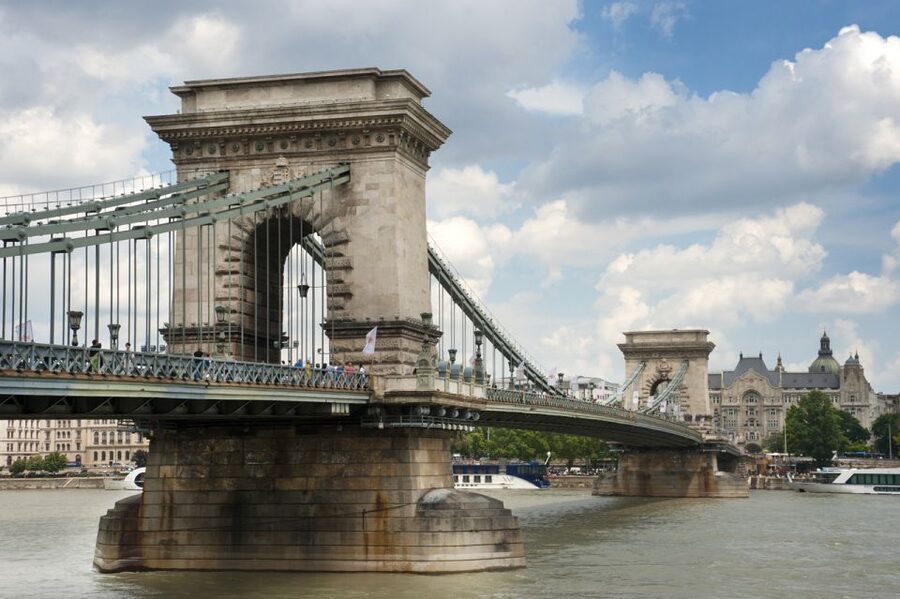
Crossing the Danube by public transport
This is not a walking tour in the strictest sense. You walk for most of the three hours, but you also use public transport to cross from Pest to Buda. The transport leg is more than a time-saving trick. It shows you how locals move between the two sides and helps you understand Budapest as a working city rather than a collection of postcard views.
The tour price does not include the required transport tickets. You should budget 1,400 HUF per person for four tickets. That extra cost is modest, but it is important to know before you arrive, especially if you have not yet bought a transit pass or learned how Budapest’s ticket system works.
The exact combination of metro, bus, tram, or other public transport can vary with the route and conditions. One outing included both a tram and a bus, while other descriptions simply refer to public transport for the river crossing. Wear shoes suitable for steady walking, and keep your ticket money ready so the group does not lose time at a machine.
Buda Castle and the Royal Palace
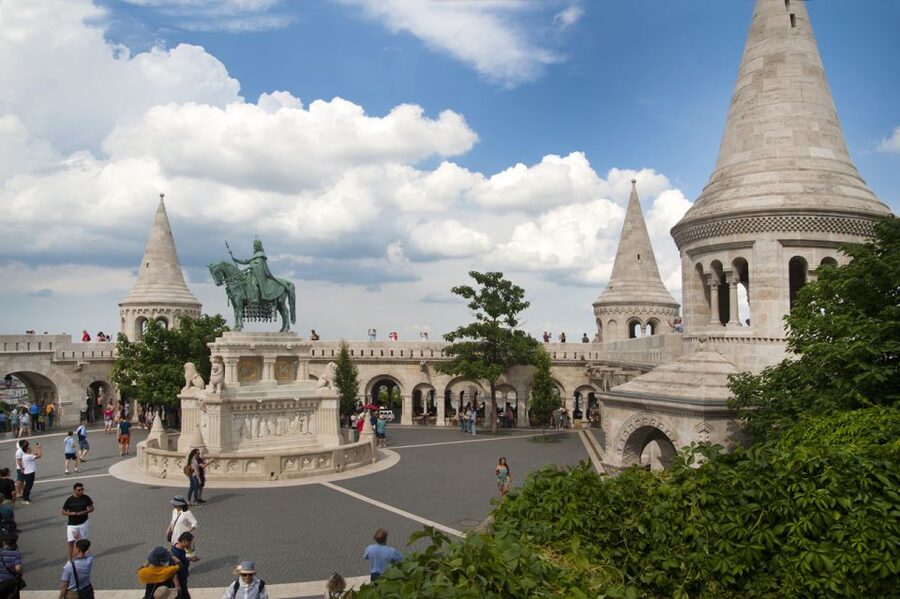
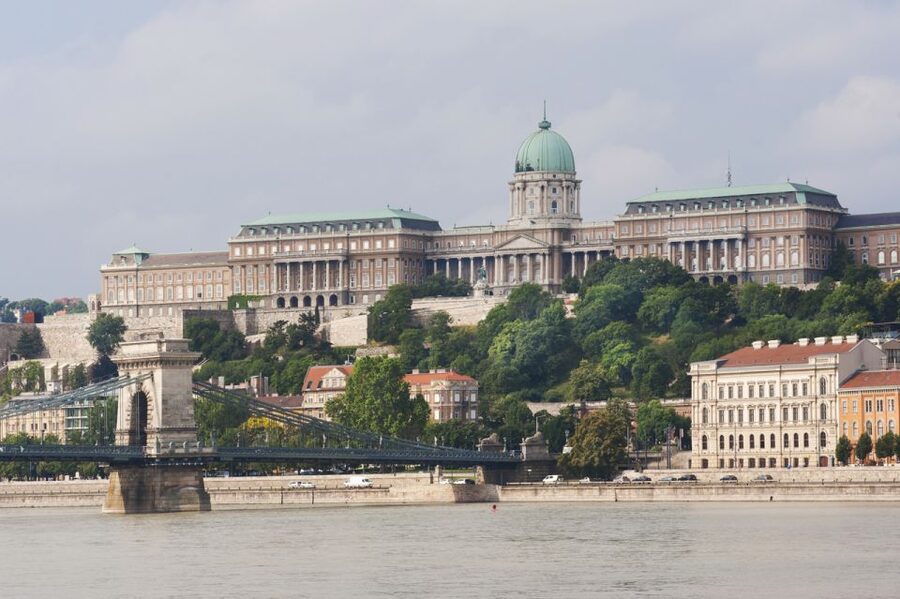
Once you reach Buda, the atmosphere changes. The route heads toward the Castle District, where Buda Castle and the Royal Palace provide the main historical focus. You get a hilltop setting, old streets, major viewpoints, and a strong contrast with the broad avenues of Pest.
Buda Castle is not just one building to tick off. It is the name most visitors use for the larger castle area, which includes courtyards, historic buildings, and open spaces. The Royal Palace forms the center of the district and gives the guide plenty to explain about Hungary’s rulers, wars, rebuilding, and changing political fortunes.
The hill is also where pace becomes important. The walk is manageable for many people, but it is not the same as strolling on level Pest streets. Older visitors and anyone who prefers a gentler outing should consider a private or small-group booking, where the guide can adjust the speed and allow more time for questions or photographs.
A private tour can also help if your group has a particular interest. The guides have adjusted outings to suit different requests, and the smaller format makes it easier to pause when a story or view catches your attention. On a larger group tour, you may have less control over how long you spend at each stop.
More walking tours around Budapest:
- Budapest: Buda Castle Walk with Saint Stephen’s Hall
★ 4.5 · 3,012 reviews - Big Bus Budapest Hop-On Hop-Off Bus and Walking Tour
★ 3.5 · 2,206 reviews - Budapest: Buda Castle District Walking Tour
★ 4.6 · 2,108 reviews - Budapest City Landmarks Walking Tour in 2 Hours
★ 5.0 · 2,048 reviews
Matthias Church and the castle district views
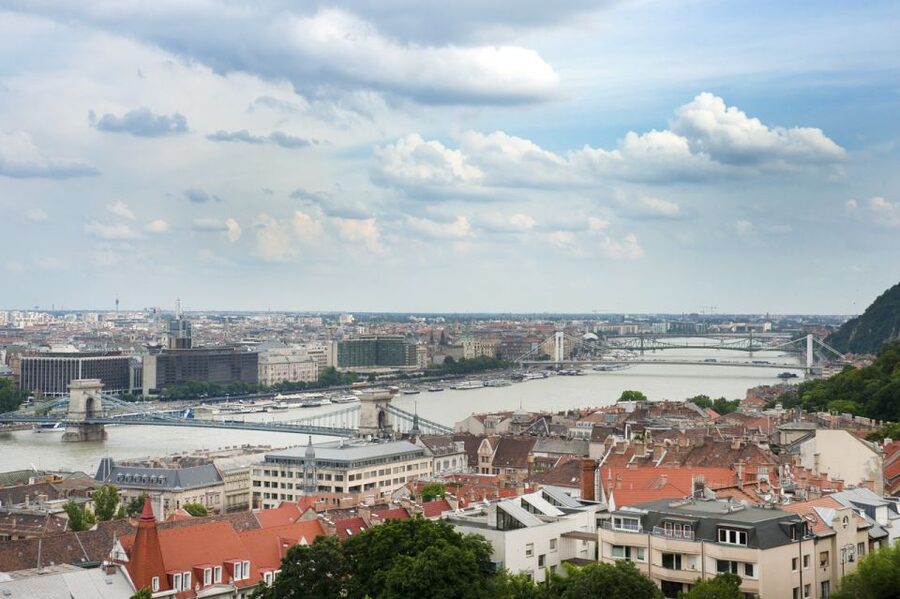
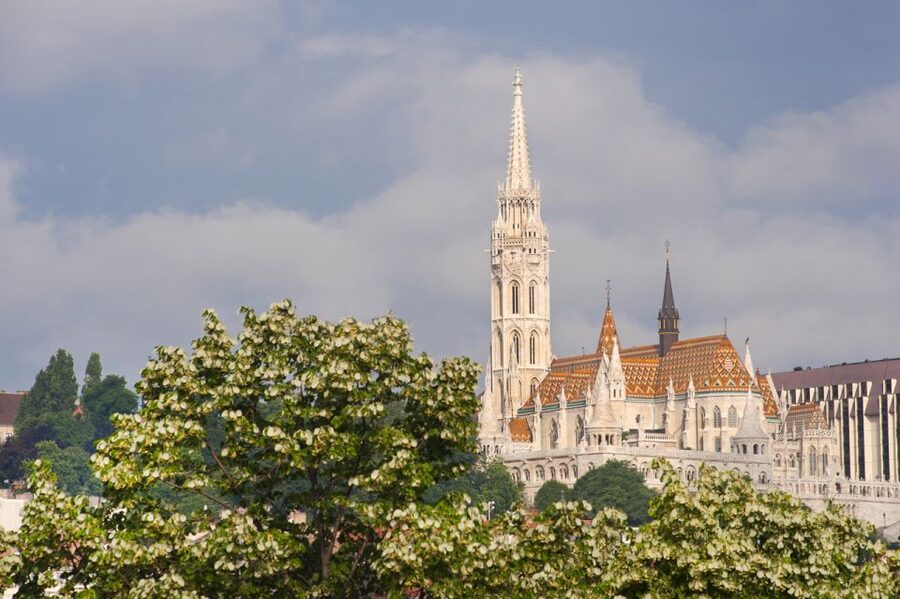
Matthias Church is another central Buda sight. Its distinctive roof and historic setting make it one of the most memorable stops in the Castle District. The tour gives you context for the church and its place within the city, rather than leaving you to see it as a handsome façade with no explanation.
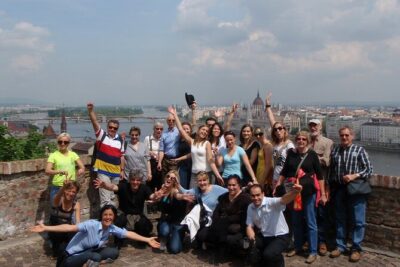
The surrounding district is also one of the best places on this short tour to look back toward Pest. From the Buda side, you can understand the relationship between the river, Parliament, the city center, and the bridges. Your guide will point out details that are easy to miss when you are trying to navigate, take photographs, and keep moving at the same time.
This is where the tour’s orientation purpose pays off. You see the key sights, but you also learn which places deserve a longer visit later. You may decide to return to the Castle District for a museum, spend more time around the church, or simply come back when you can enjoy the views without a schedule.
The drawback is that three hours cannot give every Buda sight the attention it deserves. If you want a detailed architectural tour, a long church visit, or several museums, book separate time after this introduction.
History explained through stories, not just dates
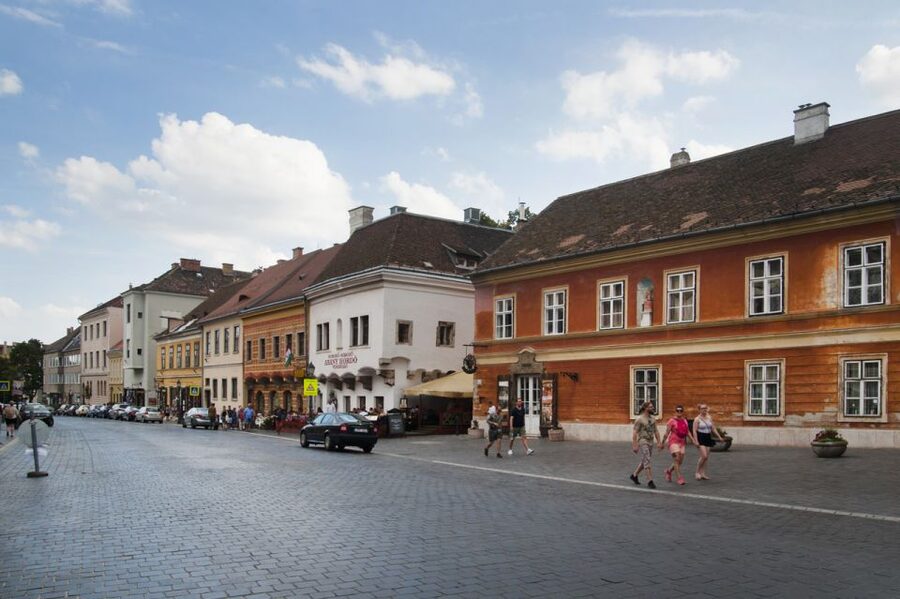
The strongest part of this experience is the guide. The available languages are English, French, German, Italian, Russian, and Spanish, and the guides named in the feedback include Zoli, Alexandra, Monika, Flora, Louisa, Verónika, Zsóka, Petra, Leticia, Lora, and others.
The praise is remarkably consistent around a few traits. Guides explain difficult periods in Hungarian and Budapest history in plain language, answer questions patiently, and connect the past with daily life now. Zoli is noted for humor and clear stories. Alexandra is praised for combining historical detail with personal observations. Flora is described as especially good at explaining Hungarian culture and ordinary ways of life.
That variety matters because a walking tour can become tiring if it feels like a lecture. The better approach here is conversational. You can ask about food, local customs, transport, or the parts of the city you plan to visit next. Verónika even adapted to Portuguese for a Portuguese-speaking group, which made the outing more comfortable for them.
The tour also includes contemporary culture, not only monuments and old conflicts. That gives you a more useful picture of Budapest. You learn how the city relates to its past while also getting advice for eating, sightseeing, and moving around during your own stay.
How much can three hours really cover?
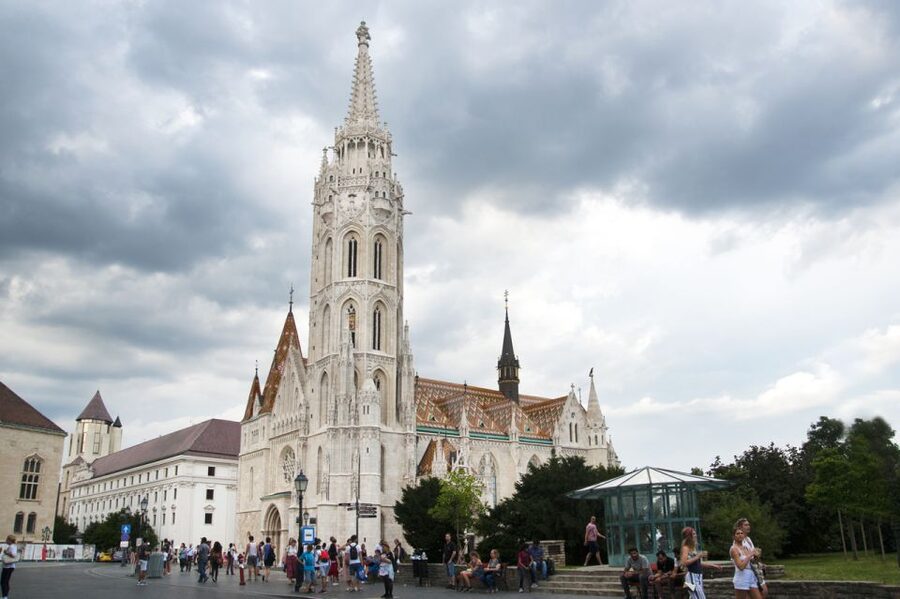
Quite a lot, but the word orientation is important. The route connects Saint Stephen’s Basilica, Parliament, the Danube crossing, Buda Castle, the Royal Palace, and Matthias Church. You should expect a brisk sequence of walks, explanations, views, and transport rather than long stops at every site.
The tour’s rating is 4.8 from 1,834 reviews, and the repeated practical point is that the three hours go quickly. That makes sense: the route covers both sides of the river, and the guides add history, culture, and recommendations along the way.
You will get the most from it if you treat the tour as a planning tool. Listen for suggestions about what deserves a return visit. Note restaurants, neighborhoods, museums, and viewpoints that match your interests. Ask how to reach them before you leave the guide.
The tour is especially useful if you have only two days in Budapest. One recent group used it to understand the city in a short stay, while another described it as a good first-day activity. I agree with that timing. It gives you the basic map before you commit precious hours to independent sightseeing.
Price, group size, and value
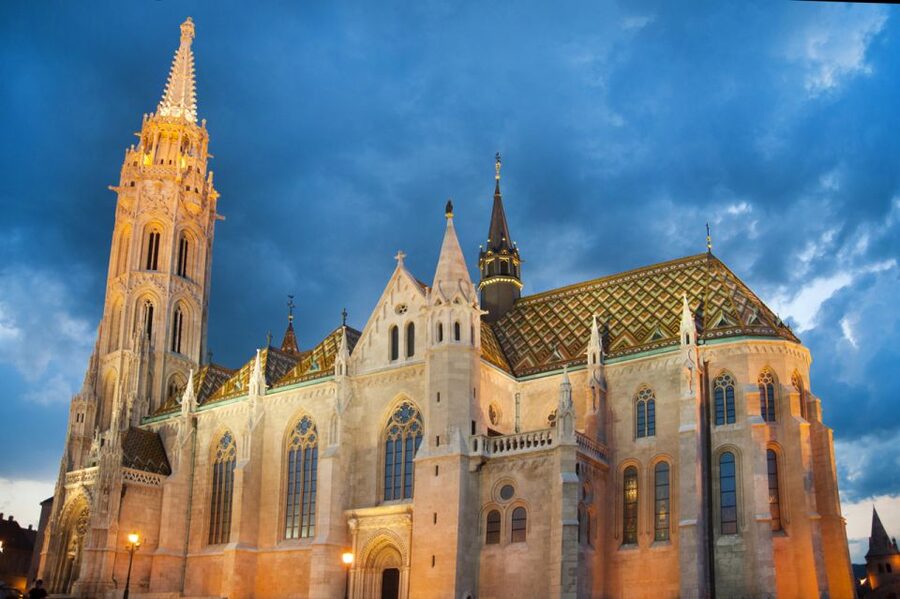
At $41 per person, the tour sits in the affordable range for a guided three-hour city introduction. The price includes the guide and the tour itself, but not the four public-transport tickets, which cost 1,400 HUF per person.
I think the value depends on how much you want from a guide. If you only need directions between the main sights, you could walk much of central Budapest on your own. If you want the story behind the buildings, help with transport, food ideas, and answers to your own questions, the fee is easier to justify.
Small groups and private bookings improve the value for people who dislike rigid group tours. You can ask more questions and move at a pace that suits your party. A standard small group may be the better budget choice, while a private tour makes sense for families, older visitors, or anyone with strong interests.
The tour is described as suitable for younger and older tourists, but the walking and Buda’s hill still deserve attention. Choose comfortable shoes and tell the guide if you need a slower pace. The route is not a seated sightseeing trip.
Free cancellation is available up to 24 hours before the start, and you can reserve now and pay later. Check the available start times for your dates, since the duration is fixed at three hours but the departure schedule can vary.
Who should book the Buda and Pest walk?
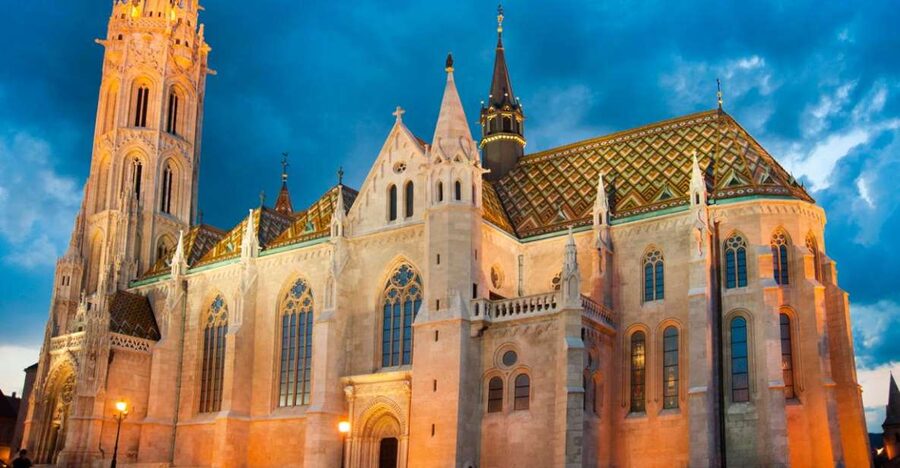
I would choose this tour if you are visiting Budapest for the first time, have limited time, or want local help before exploring alone. It is also a good fit if history interests you but you prefer stories and conversation to a formal lecture.
Food-focused visitors should pay attention to the guide’s recommendations. Several guides offered useful restaurant and local food tips, which can save you from spending every meal near the most obvious tourist streets.
The tour also suits independent travelers who want a quick lesson in the transport system. Learning how to buy tickets and cross the city early can make the rest of your stay less stressful.
I would look elsewhere if you want long interior visits, a museum-heavy route, or a slow photographic walk. This experience covers many important places, but its strength is connection and context. You see the city’s main structure, then choose where to return.
Should you book this Budapest orientation tour?
Book it early in your stay if you want a friendly guide to explain how Buda and Pest fit together. The mix of major landmarks, public transport, history, culture, and practical tips gives you more than a simple checklist of sights.
For the best experience, bring comfortable shoes, 1,400 HUF for transport, and a short list of questions. If you can choose a small group or private format, you will have more room to adjust the pace. If the Basilica tower climb matters to you, confirm that detail before booking.
At $41, this is a sensible introduction rather than a full sightseeing day. It earns its place in your plans by helping you use the rest of your Budapest visit better.
FAQ
Where does the tour meet?
Meet next to Saint Stephen’s Basilica, in front of California Coffee Company coffee shop.
How long does the tour last?
The tour lasts three hours.
Which sights are included?
The route covers Saint Stephen’s Basilica, the Hungarian Parliament building, Matthias Church, Buda Castle, and the Royal Palace.
Does the tour use public transport?
Yes. The tour is mainly on foot, but you use public transport to cross the Danube from Pest to Buda.
How much do public-transport tickets cost?
Public transport tickets are not included. The stated cost is 1,400 HUF per person for four tickets.
Which languages are available?
Live guides are available in English, French, German, Italian, Russian, and Spanish.
Can I book a private tour or cancel if my plans change?
Private and small-group options are available. You can cancel up to 24 hours in advance for a full refund, and you can reserve now and pay later.
New walking tours around Budapest
- Jewish Quarter of Budapest Walking Tour★ 4.7 · 369 reviews
- Budapest 3-Hour Walking Tour in Italian★ 4.6 · 217 reviews
- Budapest: Castle District Walking Tour★ 4.8 · 223 reviews
- Budapest: Walking Tour to the Shoes Memorial and Parliament★ 4.7 · 151 reviews
- Budapest: Walking Tour and Photoshoot with Digital Photos★ 4.7 · 82 reviews
- Budapest: Buda Castle District Walking Tour with a Historian★ 4.9 · 867 reviews
- Budapest: Jewish History Guided Walking Tour with Historian★ 4.8 · 205 reviews
- Budapest: Inner City Walking Tour in German★ 5.0 · 76 reviews
Budapest Walking Tours, side by side.
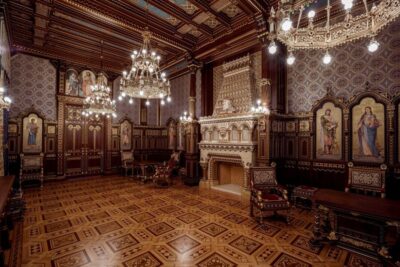
Budapest: Buda Castle Walk with Saint Stephen’s Hall
Read our review →
Big Bus Budapest Hop-On Hop-Off Bus and Walking Tour
Read our review →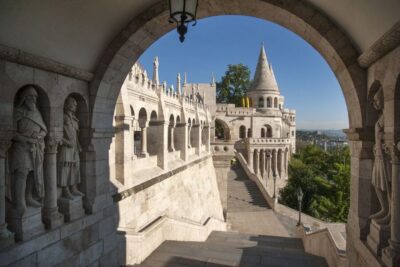
Budapest: 3-Hour Grand City Tour and Castle Walk
Read our review →

Budapest Food Walking Tour: Eat, Sip & Explore Like a Local
Read our review →
BloodThirsty Hungary: Walking tour & Dark Historical Stories
Read our review →Lists this walk sits on