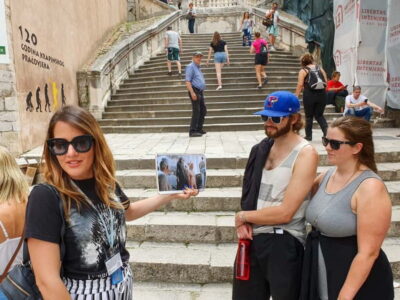
Review · DUBROVNIK
Dubrovnik Old Town History Walking Tour
Dubrovnik’s Old Town is compact, but its story is not. In 90 minutes, this walking tour links the city’s grandest streets, churches, palace, market, and harbor into one clear introduction. I especially like the way it moves from the Large Onofrio Fountain down Stradun, then into the quieter streets and out to the port. You get the basic map of the city along with the political, religious, and maritime story that shaped it.
I also like the local touch. Guides such as Ivana, Jelena, Sara, Joseph, and Ermina have been praised for adding personal stories, humor, restaurant and gelato tips, and explanations of the 1990s Homeland War. The main drawback is the short format: you see many important places, but you do not go inside most of them, and a group of up to 30 people can make narrow streets and busy squares feel crowded.
Key points to know before booking
- A strong first-day orientation: The route gives you a useful mental map of Dubrovnik before you explore on your own.
- Nine major sights in about 90 minutes: You pass the Franciscan Monastery, Stradun, Rector’s Palace, the Cathedral, Old Port, and Orlando Column.
- History beyond medieval walls: The story includes Ragusa’s government, trade, religion, Yugoslavia, and the Homeland War.
- Local guides make the difference: Ivana, Jelena, Sara, Joseph, Ermina, and others have been praised for warmth, humor, and personal detail.
- Good value for a short tour: At $24.19 per person, the cost is modest for a guided introduction in one of Croatia’s most expensive cities.
- Easy, central meeting point: Meet beside the red umbrella at the Large Onofrio Fountain, next to the Hard Rock Cafe, and finish back there.
Starting beside Dubrovnik’s Large Onofrio Fountain
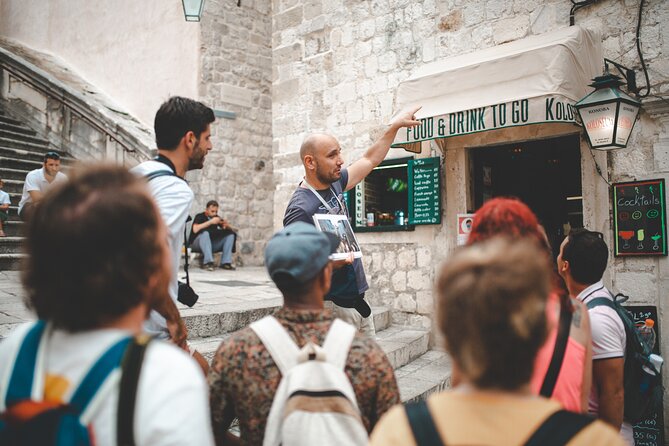
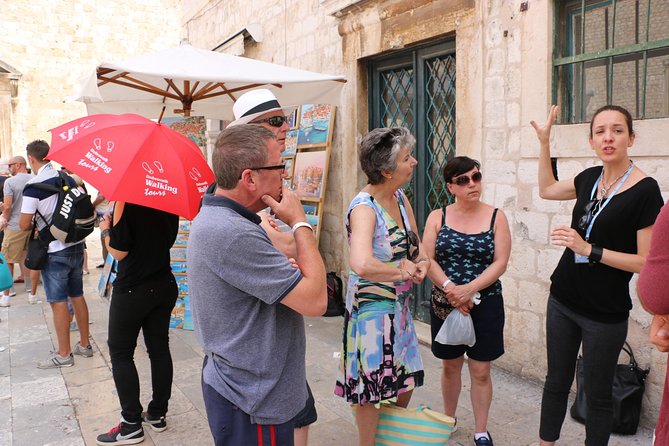
The tour begins at the Large Onofrio Fountain, a practical meeting point just inside the Old Town and beside the Hard Rock Cafe. Look for the red umbrella. The guide introduces the group, then leads everyone into the city.
This opening location is more than a convenient landmark. The fountain belongs to the old aqueduct system that brought water into Dubrovnik. It gives the guide an immediate way to explain how Ragusa, the former name of Dubrovnik’s republic, grew into a small but capable maritime trading state.
I like this kind of beginning because it places the city’s beauty beside its practical achievements. Dubrovnik was not simply a walled town with pretty stone streets. It needed water, trade, laws, ships, storage, defenses, and a working government. The fountain helps set up that wider story.
The opening talk takes about 10 minutes, so it should not feel like a long lecture. You get enough background to understand the sights ahead without spending the first part of the walk buried in dates.
More History Walking Tours in Croatia
- Dubrovnik: Ancient City Walls & Wars Walking Tour
★ 5.0 · 1,270 reviews - Dubrovnik: Old Town History Walking Tour
★ 4.9 · 474 reviews - Zagreb: City & History Walking Tour & WW2 Tunnels
★ 4.9 · 1,202 reviews
Walking Stradun from the Holy Savior Church to the Franciscan Monastery
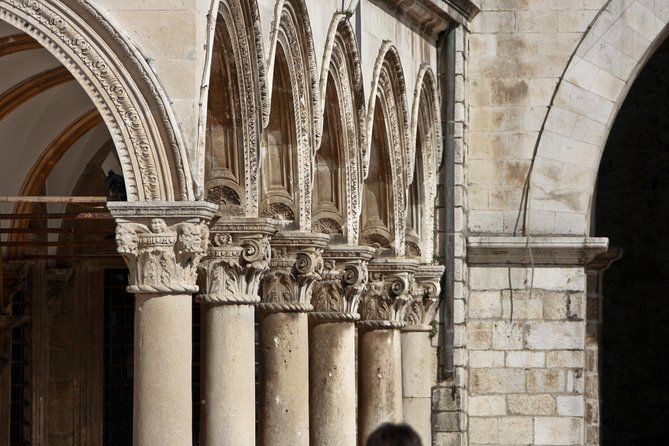
From the fountain, the group heads down the main street, officially called Placa and commonly known as Stradun. Before reaching the Franciscan complex, you pass the small Church of the Holy Savior.
This brief stop adds a useful religious layer. Churches were not just places for private prayer. They helped shape public life, traditions, processions, and the appearance of the city. The guide explains how religion influenced Dubrovnik’s buildings and customs.
Then comes the Franciscan Church and Monastery, one of the route’s most rewarding stops. The complex includes a church, monastery, library, and pharmacy. Its pharmacy dates to 1317 and is described as the third-oldest still-functioning pharmacy in the world. The library contains more than 20,000 books, including about 1,200 old manuscripts.
You should keep your expectations clear here. The tour discusses the complex but does not include a separate admission visit to its interiors. That is not a flaw in a short orientation tour, though it does mean you may want to return later if the library, pharmacy, or religious art catches your interest.
This is also the point where local traditions enter the story. Guides explain customs that have survived for centuries, making the stop feel less like a list of architectural facts and more like a look at how the city has carried its past into the present.
Reading Dubrovnik’s story along Stradun
Stradun is the Old Town’s main promenade, business street, processional route, and gathering place. It divides the city into northern and southern sections and provides one of the clearest places to understand Dubrovnik’s layout.
The broad stone street is easy to follow, but its polished appearance can hide the city’s difficult past. Here, the guide moves from the old Republic of Ragusa to its decline, then into the more recent period of Yugoslavia and the Homeland War of the 1990s.
That modern section matters. A tour that stops at medieval walls and noble palaces gives you only half of Dubrovnik. The city suffered shelling during the Homeland War, and the tour explains how the Old Town endured and rebuilt. Ermina, one of the guides highlighted for this experience, has been appreciated for discussing places affected by the Croatian War and for connecting the subject to her own family and local life.
The pace is brisk, but that works well on Stradun. You can listen, look up at the buildings, and get your bearings without standing in one place too long. I would still take notes on places you want to revisit. The tour provides direction, not enough time for a close inspection of every facade.
Leaving the main street for the Orthodox church and Gundulic Square
The route turns off Stradun into narrower inner streets as it heads toward the harbor. This change of scale is welcome. Dubrovnik’s main promenade shows its public face, while the side streets give you a better sense of the Old Town’s layout and religious mix.
The stop at the Church of the Holy Annunciation introduces the city’s Orthodox Christian community. The guide also discusses the role of Jewish and Muslim communities in Dubrovnik’s past. This is one of the more valuable parts of the tour because it prevents the city’s story from becoming a single Catholic or aristocratic narrative.
Next comes Gundulic Square and its green market. The monument honors poet Ivan Gundulic, and the market offers a chance to see local produce and hear about customs tied to food and daily life.
The market stop is short, around 10 minutes. That is enough to take in the scene and ask a question, but not enough for a leisurely browse. If you want to buy produce or local items, save that for after the tour. The guide’s role here is to explain the square and its traditions, not to turn the group loose for shopping.
More Old Town Walking Tours in Croatia
- Dubrovnik: Old Town Walking Tour
★ 4.8 · 5,174 reviews - Dubrovnik Discovery Old Town Walking Tour
★ 5.0 · 4,458 reviews - Dubrovnik: City Walls, Old Town Walking Tour & Adriatic View
★ 4.9 · 982 reviews - Dubrovnik: Old Town Walking Tour
★ 4.9 · 792 reviews
Rector’s Palace and the machinery of Ragusa
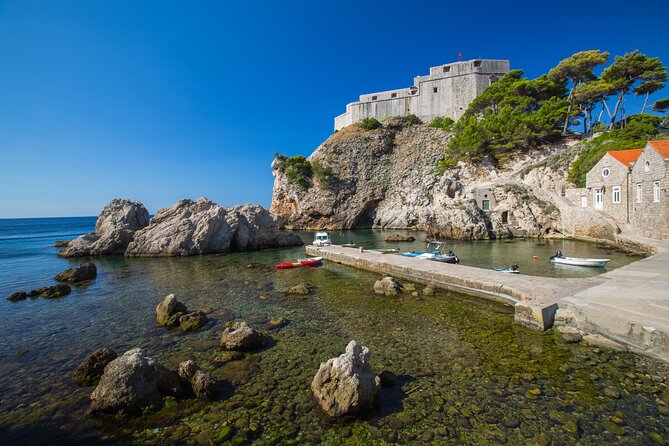
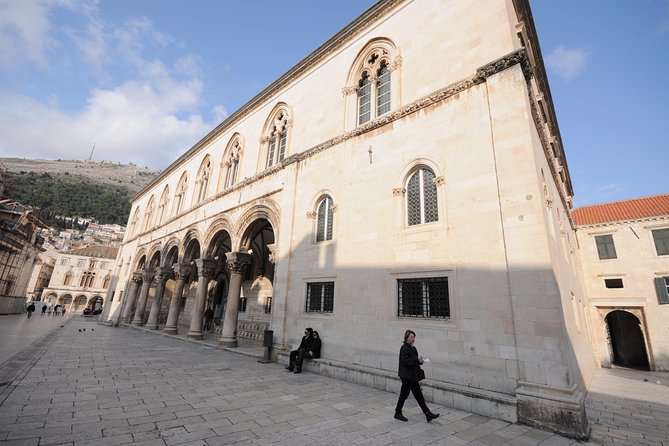
Near the square, the walk reaches Rector’s Palace, one of Dubrovnik’s most important political buildings. From the 14th century until 1808, it served as the seat of the Rector of the Republic of Ragusa. It also housed the Minor Council and the state administration.
The palace’s practical functions reveal how much work went into running the republic. It included an armoury, powder magazine, watch house, and prison. That combination of government, security, and punishment makes the building more than a pretty residence.
The guide uses the palace to explain how Ragusa operated. The republic was small, but it had a structured government and a strong commercial role. That helps explain why Dubrovnik’s walls and public buildings feel unusually substantial for a city of its size.
Again, you see the exterior as part of the walking route rather than taking a full museum visit. If you want to study the palace rooms and collections, plan separate time. The walking tour gives you the political context first, which can make a later visit more rewarding.
The Cathedral and the Richard the Lionheart legend
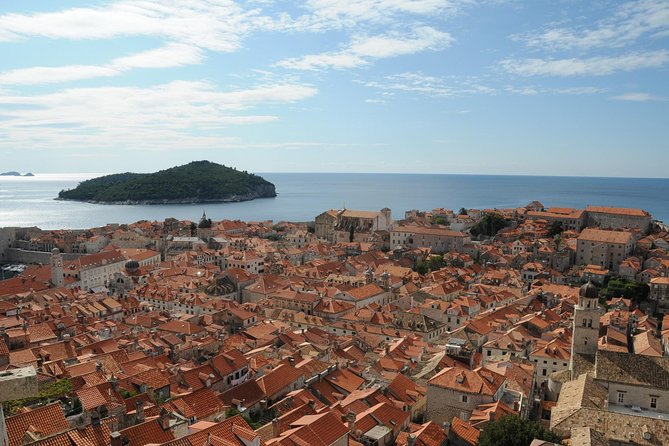
The Cathedral of the Assumption of the Virgin Mary follows. The guide shares the local legend that Richard the Lionheart was shipwrecked near Dubrovnik in 1192 while returning from the Crusades, eventually reaching Lokrum Island.
It is a short stop, listed at about five minutes, so do not expect a detailed art or architecture lesson. The value is in the story and the connection between Dubrovnik, the nearby island, and the wider medieval Mediterranean world.
This is a good example of the tour’s balance. Some facts are firmly tied to buildings and institutions. Others are legends that have remained part of the city’s identity. A good guide helps you understand the difference without draining the fun from the tale.
Old Port, quarantine, and Dubrovnik’s seafaring power
The walk continues to the City Harbor, or Old Port. Here the emphasis shifts from government and worship to ships, trade, and public health.
Dubrovnik’s vessels were known around the Mediterranean, and galleons from the Republic served in fleets across Europe and beyond. The guide discusses the Arsenal, where ships were built and loaded, then turns to the old quarantine arrangements and the fortresses of St. Luke and St. John.
This is one of the most useful stops for understanding Dubrovnik’s success. The city’s strength came not only from walls. It came from its ability to move goods, protect ships, manage visitors, and respond to disease. Quarantine was part of that system.
The harbor also gives the walk a change of scenery after the tight streets and crowded main route. The stop lasts about 15 minutes, making it one of the longer sections of the tour. Still, it is an introduction rather than a harbor cruise or fort visit. If you want views of the walls from the water, you will need a separate boat experience.
Finishing at Orlando Column and Luza Square
The final section returns toward the eastern end of Stradun, under the City Bell Tower and onto Luza Square. This is a dense cluster of landmarks, so the guide covers several items in one stop.
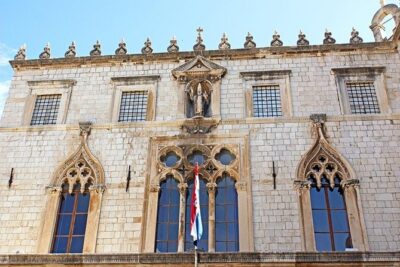
You hear about St. Blaise, Dubrovnik’s patron saint, and the legend of the knight Orlando. Orlando’s column is one of the city’s best-known symbols. The guide also points out Sponza Palace, the Small Onofrio Fountain, and the high bell tower.
This ending works well because it brings together several themes from the tour. You see religion in St. Blaise, civic life in the square, water management in the smaller fountain, and public identity in Orlando’s column. It also returns you close to the center of the Old Town, where you can continue exploring on foot.
The activity ends back at the original meeting point. That makes it easy to use the tour as your first stop of the day, then revisit the places you want to enter. Guides have also offered practical suggestions for the rest of a visit, including food and gelato tips.
How the 90-minute format affects the experience

The tour lasts about an hour and a half. That is long enough to cover the main Old Town route but short enough to fit into a busy day, especially if you arrive by cruise ship or have limited time in Dubrovnik.
The schedule is organized around short stops, usually five to 15 minutes. You will keep moving, which helps the tour maintain energy. It also means you should not expect long pauses for photographs, shopping, or interior visits.
A group can include up to 30 people. That is a reasonable size for a public walking tour, but it may feel large in narrow streets or around busy squares. Stay close to the guide, especially at the Large Onofrio Fountain and along Stradun.
The pace has generally been adjusted to suit the group. Guides such as Ivana, Jelena, Sara, and Joseph are repeatedly praised for making the material engaging, adding humor, and answering questions. That personal approach is important because the itinerary covers a lot of ground quickly.
Price, meeting point, and practical details
At $24.19 per person, I consider this good value for a first look at Dubrovnik. You are paying for an English-speaking local guide, the route, and the explanations that connect separate monuments into one story. All taxes, fees, and handling charges are included.
The tour does not include hotel pickup or drop-off. That is not a serious problem because the meeting point is in the Old Town itself, at the Large Onofrio Fountain. You need to make your own way there and arrive ready to walk.
A mobile ticket is accepted, and confirmation is provided at booking. Service animals are allowed, and the activity is near public transportation. Most people can take part, but Dubrovnik has many steps and uneven stone surfaces in and around the Old Town. One useful point from the practical feedback is that this particular route is a step-free introduction, though less mobile visitors may still find the broader city difficult because of stairs, crowds, and stone paving.
The tour is offered in English, with departure times chosen to fit your schedule. It is often booked well ahead, with the average booking made 37 days before the date, so I would not leave it until the last minute during a busy season.
Free cancellation is available up to 24 hours before the start time for a full refund. Changes or cancellations inside that window are not refunded. The activity requires good weather, and if poor weather forces cancellation, you are offered another date or a full refund.
Who should book this Dubrovnik walking tour?
I would book this if you are visiting Dubrovnik for the first time and want a clear introduction before exploring alone. It suits couples, families, and solo visitors who prefer a short, guided walk rather than a long historical lecture.
It is especially useful during the first day or two. Once you know where Stradun, the harbor, Rector’s Palace, the Cathedral, and the main squares are located, you can spend the rest of your stay choosing what deserves more time.
I would also recommend it if you care about local voices. The guides do more than recite dates. Personal stories, family connections, humor, and comments about daily life help explain how Dubrovnik functions beyond its postcard views.
I would skip it only if you want extensive interior visits, a small private group, or a slow photography walk. The maximum group size is 30, and the 90-minute route favors breadth over detail.
Should you book it?
Yes, if you want an efficient and fairly priced introduction to Dubrovnik’s Old Town. The strongest feature is the range: in one short walk, you move from medieval waterworks to Franciscan tradition, Ragusan government, religious diversity, maritime trade, quarantine, and the recent war.
Book it early if your dates are fixed, choose it near the start of your stay, and treat the tour as a foundation rather than the whole Dubrovnik experience. Afterward, return to the Franciscan Monastery, Rector’s Palace, Cathedral, market, or harbor at your own pace. That is where this tour offers its best value: it shows you what matters, then leaves you better prepared to explore it.
FAQ
How long does the Dubrovnik Old Town History Walking Tour last?
The tour lasts approximately 1 hour and 30 minutes.
Where does the tour begin?
It begins at the Large Onofrio Fountain on Poljana Paska Miličevića, next to the Hard Rock Cafe. Look for the red umbrella.
Where does the tour end?
The activity ends back at the original meeting point near the Large Onofrio Fountain.
What language is the tour offered in?
The tour is offered in English.
What is included in the price?
A local guide and all taxes, fees, and handling charges are included.
Is hotel pickup included?
No. Hotel pickup and drop-off are not included.
How many people can join the tour?
The group can include a maximum of 30 people.
What is the cancellation policy?
You can cancel up to 24 hours before the start time for a full refund. Cancellations or changes made less than 24 hours before the start time are not refunded. If poor weather causes the tour to be canceled, you are offered another date or a full refund.
More History Walking Tours in Dubrovnik
- History and Hauntings of Salem Guided Walking Tour
★ 5.0 · 14,564 reviews - Lisbon: History, Stories and Lifestyle Walking Tour
★ 4.8 · 10,902 reviews - Boston: Freedom Trail History Small Group Walking Tour
★ 5.0 · 6,450 reviews - Historic Charleston Guided Sightseeing Walking Tour
★ 5.0 · 6,216 reviews
More Old Town Walking Tours in Dubrovnik
- Dubrovnik: Panoramic Ride and Old Town Guided Walking Tour
★ 4.7 · 261 reviews - Dubrovnik: Old Town & City Walls Private Walking Tour
★ 5.0 · 206 reviews - Underground Vaults Walking Tour in Edinburgh Old Town
★ 4.5 · 8,506 reviews - Prague: 3-Hour Walking Tour of Old Town & Prague Castle
★ 4.7 · 5,696 reviews
New walking tours around Dubrovnik
- Dubrovnik: Old Town Walking Tour★ 4.9 · 792 reviews
- Dubrovnik: Walls and Wars Walking Tour★ 4.8 · 501 reviews
- Dubrovnik: Panoramic Ride and Old Town Guided Walking Tour★ 4.7 · 261 reviews
- Dubrovnik: Game of Thrones And Iron Throne Walking Tour★ 4.8 · 505 reviews
- Dubrovnik: Game of Thrones&Lokrum Island Walking Tour★ 4.8 · 245 reviews
- Dubrovnik: Karaka – Game of Thrones Cruise & Walking Tour★ 4.8 · 613 reviews
- Dubrovnik By Night Walking Tour★ 4.8 · 208 reviews
- Dubrovnik: City Walls, Old Town Walking Tour & Adriatic View★ 4.9 · 982 reviews
Dubrovnik Walking Tours, side by side.
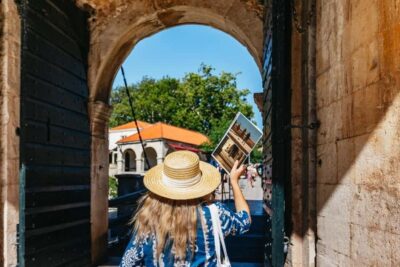
Dubrovnik: The Original Game of Thrones Tour & Lokrum Option
Read our review →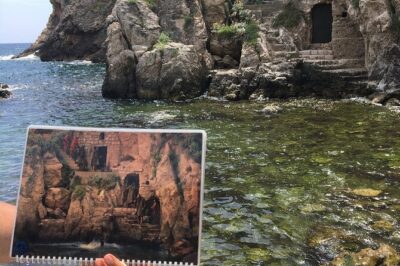

Dubrovnik: City Walls Early Morning or Sunset Walking Tour
Read our review →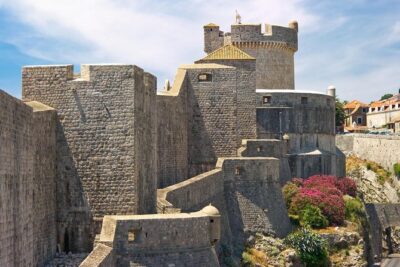
Dubrovnik: Ancient City Walls & Wars Walking Tour
Read our review →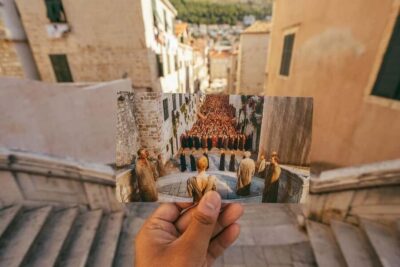
Dubrovnik: City Walls, Old Town Walking Tour & Adriatic View
Read our review →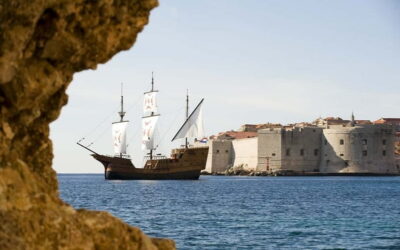
Dubrovnik: Karaka – Game of Thrones Cruise & Walking Tour
Read our review →