
Review · DUBAI
Dubai: Old City Walking Tour with Abra Ride
Dubai’s modern skyline gets all the postcards, but Old Dubai explains how the city began. This three-hour walk leads you through Al Seef, Al Fahidi’s wind towers, the textile market, Dubai Creek, and the spice and gold souks, with a traditional abra ride linking the two sides.
I like the small tastings of Arabic coffee and dates, which give the walk a human touch, and I like the way the route combines quiet lanes with the lively markets. The main drawback is the heat: most of the tour is on foot, and some historic sites may be closed for renovation.
Key points at a glance
- A story of change: Learn how Dubai grew from a desert trading town into a global city.
- Traditional architecture: Walk among Al Fahidi’s courtyards, narrow lanes, and wind towers.
- A short creek crossing: Ride a shared wooden abra from Bur Dubai to Deira.
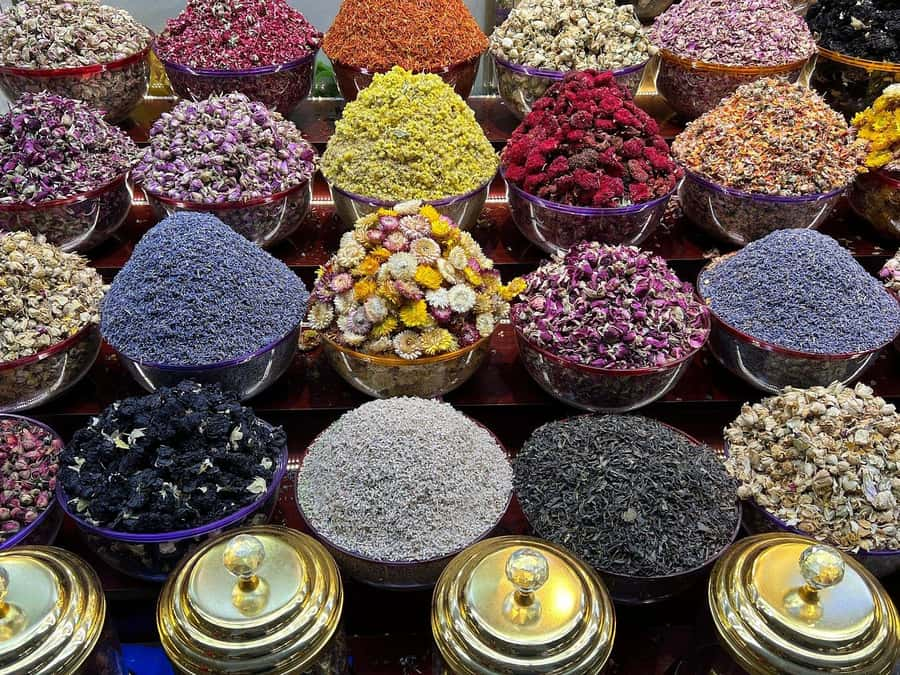
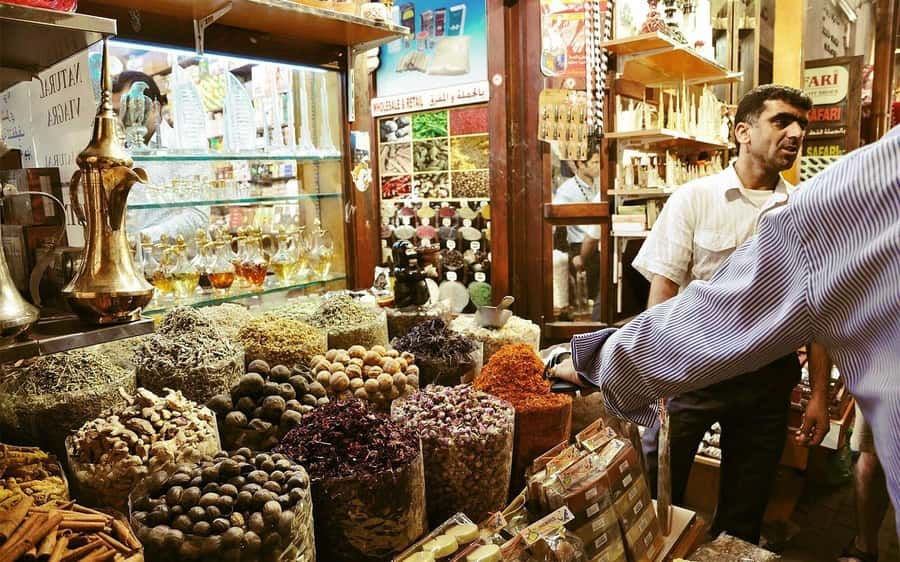
- Market time included: Explore the spice souk and gold souk with time to browse or shop.
- Personal guiding: Guides such as Abdullah, Shahzad, Mazher, and Muhammad Tahir Khan are praised for answering questions and explaining local culture.
- Good value at $19: The price includes the guide, abra ride, water, tea or coffee, a small tasting, and market visits.
Why Old Dubai makes a better starting point than the skyline
If you begin your Dubai visit with the skyscrapers, the city can feel as if it appeared overnight. This walk gives you the missing first chapter. You see the older neighborhoods, hear about daily life before oil wealth, and cross the creek in the same basic way people have crossed it for generations.
The tour also shows how history and commerce sit side by side. A restored lane in Al Fahidi leads to a coffee stop. A quiet courtyard gives way to the old textile market. On the Deira side, spice stalls and jewelry shops carry on the trading role that made the creek so important.
I would choose this experience for your first or second day in Dubai, especially if you want context rather than a quick photo stop. It helps you understand the city before you spend time in Downtown Dubai, Palm Jumeirah, or the newer districts.
More Old Town Walking Tours in the world:
- Underground Vaults Walking Tour in Edinburgh Old Town
★ 4.5 · 8,506 reviews - Prague: 3-Hour Walking Tour of Old Town & Prague Castle
★ 4.7 · 5,696 reviews - Dubrovnik: Old Town Walking Tour
★ 4.8 · 5,174 reviews
Meeting at Sharaf DG and starting the walk
The standard meeting point is Sharaf DG Metro Station, exit 4. The station was formerly called Al Fahidi Metro Station, so keep both names in mind when checking directions.
From there, you walk to the first parts of the route. The walking distances between stops are short, generally three to ten minutes, but the full outing involves plenty of time on your feet. Wear comfortable shoes, carry sun protection, and drink the bottled water provided.
Hotel pickup and drop-off are not automatic. They are available only with the selected pickup option. If you choose that service, the driver is scheduled to collect you roughly 40 minutes to one hour before the tour begins, so allow extra time before the main walking portion.
The tour is offered in English, Hindi, or Urdu. Guide quality is central to this experience. Abdullah is praised for explaining history, culture, local rules, and the way Dubai developed. Shahzad is repeatedly singled out for clear explanations and a friendly manner. Mazher, Muhammad, Ikram, Imran, and Asad are also named as strong guides in individual tour experiences.
Al Seef shows Dubai’s old-new contrast
The first main stop is Al Seef, with about 20 minutes for photos, a guided walk, and a look around. This waterfront district is designed in a traditional style, so it is not the same as walking through an untouched old neighborhood. Still, it provides a useful introduction to the visual language of old Dubai.
You can expect low buildings, traditional-looking details, and views toward the creek. Your guide sets up the contrast between the older trading settlement and the newer city that surrounds it.
I would not treat Al Seef as the most authentic stop of the afternoon, but it is a comfortable opening. It gives you a clear sense of place and lets you begin with the creek nearby before moving into Al Fahidi’s older lanes.
Al Fahidi reveals the city before the towers
The walk continues to Al Bastakiya, another name commonly used for the historic Al Fahidi area. You spend about 15 minutes here with your guide, looking at traditional houses, narrow alleyways, courtyards, and wind towers.
The wind towers are more than decorative features. They were built to help move air through homes before modern cooling systems. This is one of the most useful parts of the walk because the architecture gives you a direct way to picture everyday life in an earlier Dubai.
The lanes are also a welcome change from the broad roads and large developments elsewhere in the city. Your guide can explain how the neighborhood was arranged and how homes, courtyards, and shaded passages worked together.
Do not expect a large museum complex at every turn. This section is mainly about walking, looking, and listening. Its value comes from the explanation around the buildings.
More walking tours around the world:
- Magical London: Harry Potter Guided Walking Tour
★ 4.7 · 22,044 reviews - Reykjavik Food Walk – Local Foodie Adventure in Iceland
★ 5.0 · 18,952 reviews - History and Hauntings of Salem Guided Walking Tour
★ 5.0 · 14,564 reviews - New Orleans Premier Ghost, Voodoo and Vampire Walking Tour
★ 4.5 · 12,856 reviews
Coffee, dates, and a taste of local life
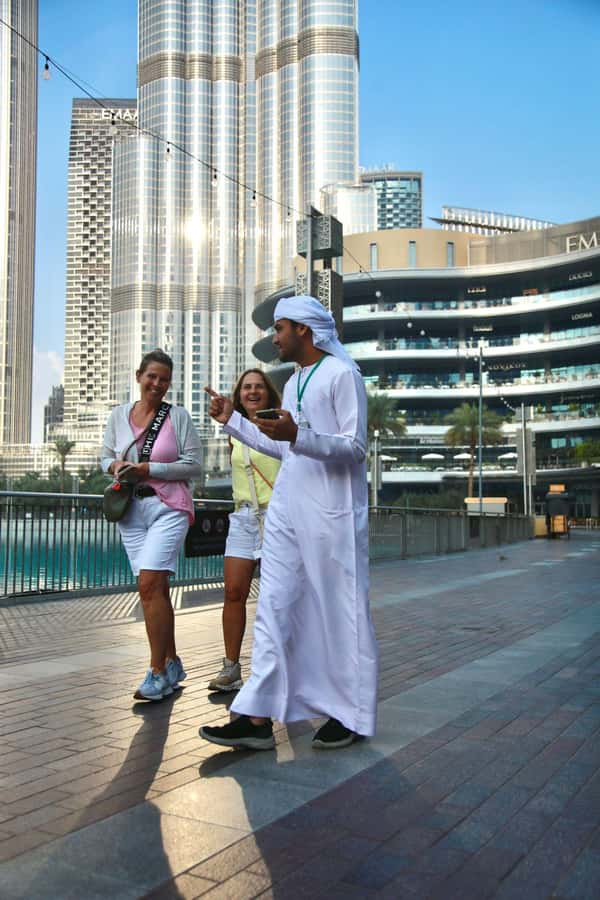
A stop at Bayt Al Khanyar Museum and Coffee Shop, described as the coffee museum portion of the tour, lasts about 15 minutes. You receive tea or coffee and a small tasting, with dates mentioned by several people who took the tour.
That pause matters. Arabic coffee is not simply a drink to gulp down while moving between sights. It gives your guide a natural way to talk about hospitality and daily customs. The dates add a simple local taste without turning the tour into a food tour.
The coffee stop is also one of the useful air-conditioned breaks, especially on a hot afternoon. One person specifically appreciated having several stops indoors during a very warm day.
The visit is brief, so you should think of it as an introduction rather than a detailed museum visit. If you want a long coffee lesson or a full meal, this tour will not provide that. You get a short cultural stop that breaks up the walking.
Al Fahidi Fort and Dubai’s early story
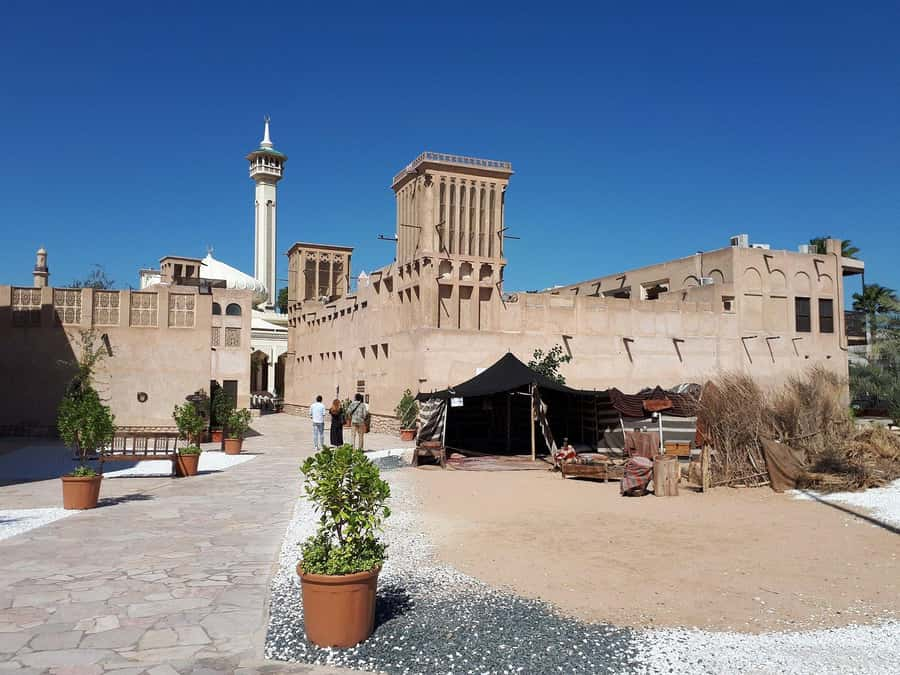
The route then reaches Al Fahidi Fort, with around 20 minutes listed for a guided look and a pass by. The fort is important to the story of Dubai, but the exact access can vary. Some areas have been closed because of renovation, so do not book this walk expecting every interior room to be open.
Your guide connects the fort and surrounding district to the wider story of Dubai as a trading town. That explanation is the main benefit here. The tour is not only about old walls. It is about how a small settlement built around trade, the creek, and regional connections began to grow.
If the fort or another museum section is unavailable, the walk still includes Al Fahidi’s architecture and the surrounding lanes. The route has enough variety that one closure does not remove the main point of the experience.
The textile market adds a working side to the walk

The old textile market comes next, with roughly 15 minutes for a guided pass and photos. This is less polished than Al Seef and gives you a better feel for the commercial side of the old district.
You may see fabrics, shopfronts, and lanes where browsing is part of the experience. The stop is short, so you will not have unlimited time to compare every item. It is best viewed as part of the larger story, showing that Old Dubai is not only preserved architecture. It remains a place for business and shopping.
Your guide can help you understand what you are seeing and may point out places to pause. If you want to buy fabric or souvenirs, keep your pace in mind. The main shopping time comes later at the spice and gold souks.
The abra ride is short, simple, and memorable
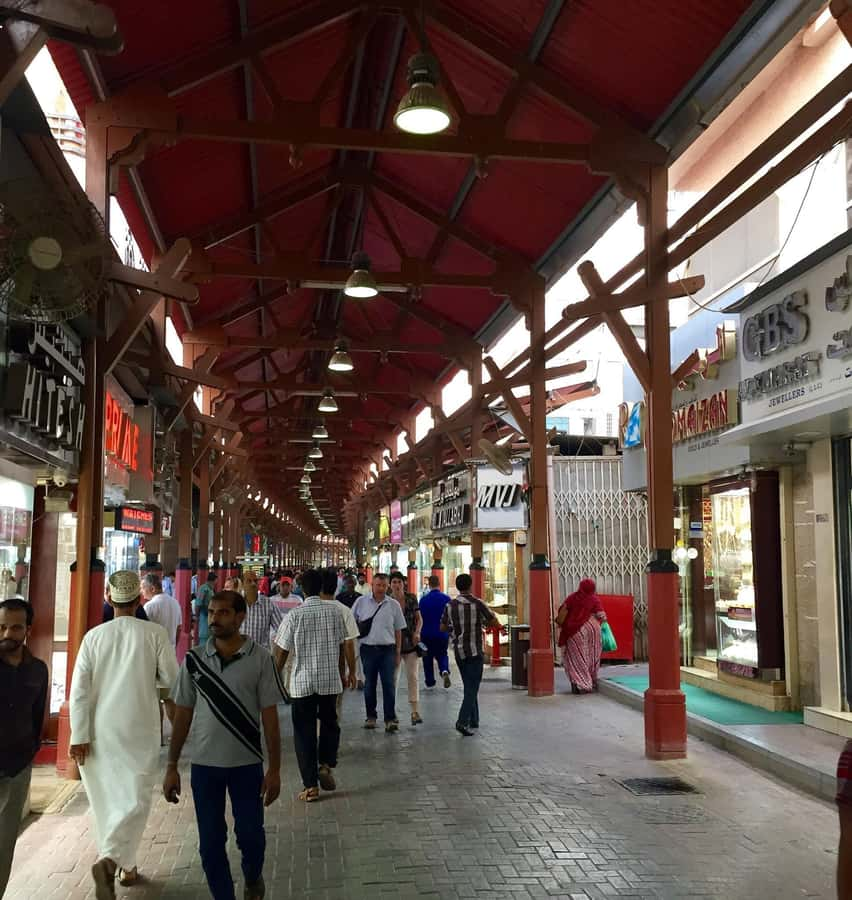
After the walking section, you reach the water and take a shared abra across Dubai Creek. The ride itself lasts about 10 minutes.
This is not a luxury cruise. That is exactly why it works. You sit in a traditional wooden water taxi, feel the movement of the creek, and look back toward the older waterfront. The view gives you a physical sense of why the creek mattered to Dubai’s growth.
The crossing also changes the mood of the tour. You leave the Al Fahidi side and arrive in Deira, where the markets feel more commercial and crowded. It is a small ride, but it connects the two halves of the afternoon in a meaningful way.
Expect to share the abra with other passengers. The tour includes the fare, so you do not need to arrange that part yourself.
Spice Souk is the best stop for browsing
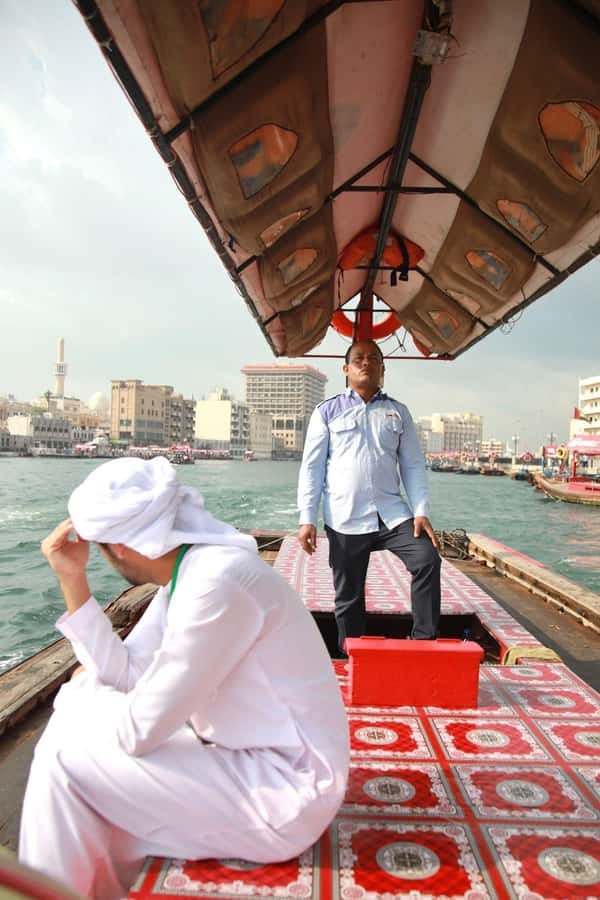
On the Deira side, you spend about 30 minutes at the Dubai Spice Souk. This is your first proper block of free time, with a guided introduction followed by shopping and sightseeing.
The stalls may display spices, dried foods, teas, sweets, chocolates, and other items aimed at visitors. A spice-shop visit can sometimes feel sales-focused, so keep your spending choices simple and do not feel obliged to buy. The useful part is learning what you are looking at and how the market operates.
The tour includes entry and a small tasting, but it does not include a shopping budget. Your $19 covers the experience, not purchases. If you want souvenirs, this is a good place to compare prices and choose something light enough to carry.
I like this section because it is more active than simply looking at old buildings. You can smell the products, ask questions, and decide for yourself if you want to take something home.
The Gold Souk is visual, even if you do not shop
The final major stop is Dubai’s Gold Souk, with another 30 minutes for a guided visit, free time, photos, and shopping. You do not need to buy jewelry to enjoy it. The displays alone make this a strong finish to the route.
Your guide can explain the role of gold trading in Dubai and help you understand what you are seeing. The souk is a commercial area, so the experience differs from the quiet courtyards of Al Fahidi. That change is part of the point: the tour moves from homes and heritage buildings to the trade that still shapes Deira.
If you are considering a purchase, use the free time to look rather than rush. The tour does not promise detailed jewelry-buying advice, and the half-hour stop is limited. Treat it as an introduction to the market, not a private shopping consultation.
The walk then continues for about 10 minutes toward the drop-off area near Al Ras Metro Station.
What the $19 price really includes
At $19 per person, this is a low-cost way to cover several parts of Old Dubai in one outing. The price includes a licensed local guide, the abra crossing, bottled water, tea or coffee, a small tasting, and the guided route through Al Seef, Al Fahidi, the textile market, Spice Souk, and Gold Souk.
The value is strongest if you would otherwise wander without knowing what you are looking at. The historic districts are easy enough to reach, but signs alone will not explain the wind towers, the role of the creek, or the changes in Dubai’s daily life.
It is less valuable if you want a private car, long museum visits, or a food-heavy experience. Most of the tour is walking, the abra is shared, and shopping purchases cost extra.
Some departures may end up feeling almost private if the group is small, but you should not assume a private tour when booking. The guide is the main variable, and the named guides in the supplied tour information receive particularly strong praise for friendly explanations and patience with questions.
Who should book this Old Dubai walk?
I would recommend it to first-time visitors, couples, families with older children, and anyone interested in local culture rather than only modern attractions. It also suits people on a short Dubai stay because three hours covers a wide area without taking the whole day.
It is a good choice if you want:
- A clear introduction to Dubai’s early development
- A guided walk through Al Fahidi and Al Seef
- A traditional abra ride without arranging transport yourself
- Time at the spice and gold souks
- Short cultural stops with coffee, tea, and dates
- A budget-friendly alternative to a private sightseeing vehicle
Think twice if you dislike heat, walking, market sales pitches, or shared transport. The pace is described as comfortable, but this is still an outdoor tour with several walking sections.
Book an early or later starting time if available during the hottest part of the year, and confirm the meeting instructions before setting out. Comfortable shoes matter more here than smart clothes.
Should you book it?
Yes, if you want Dubai’s backstory and a practical introduction to its older neighborhoods. The best parts are the clear local explanations, the creek crossing, the contrast between Al Fahidi and Deira, and the chance to see the spice and gold markets in one route.
I would not choose it for grand interiors or a long museum program. Site access can change, and the walk is primarily outdoors. At $19, though, the combination of guide, abra, tasting, water, and market visits offers solid value. For a first look at Old Dubai, it gives you far more context than wandering alone.
FAQ
How long does the Old Dubai walking tour last?
The tour lasts three hours.
What is the meeting point?
The standard meeting point is Sharaf DG Metro Station, exit 4. The station was formerly called Al Fahidi Metro Station.
Is hotel pickup available?
Hotel pickup and drop-off are available if you select that option when booking. The driver is scheduled to arrive about 40 minutes to one hour before the activity starts.
What languages are offered?
The tour is offered in English, Hindi, and Urdu.
Is the abra ride included?
Yes. A shared abra crossing on Dubai Creek is included in the tour price.
Which markets does the tour visit?
The route includes the Dubai Spice Souk and the Dubai Gold Souk. It also passes through the old textile market.
Does the price include food?
The tour includes tea or coffee, bottled water, and one small dish or tasting. It is not presented as a full meal.
Does the tour enter the Dubai Museum?
The route includes Al Fahidi Fort with a guided visit or pass by. Access to some areas may vary because of renovations.
What should I bring?
Bring comfortable shoes. Most of the experience is on foot.
Can I cancel for a full refund?
You can cancel up to 24 hours in advance for a full refund. The activity also offers reserve now and pay later.
New walking tours around the world
- Niagara Falls, Canada: White Water Walk Entry Ticket★ 4.5 · 147 reviews
- NYC: Walking Tour with Local Guide and 30+ Top NYC Sights★ 4.5 · 248 reviews
- Zadar: Food Tasting & Old Town Walking Tour★ 5.0 · 94 reviews
- Niagara Falls: Walking Tour, Journey Behind Falls, & Cruise★ 4.8 · 773 reviews
- New York City: Gangsters and Ghosts 2-Hour Walking Tour★ 4.7 · 615 reviews
- NYC: History of Slavery & Underground Railroad Walking Tour★ 4.7 · 87 reviews
- New York City’s Hell’s Kitchen: Walking Food Tour★ 4.8 · 200 reviews
- New York City: Central Park Walking Tour★ 4.7 · 82 reviews
Old Town Walking Tours, side by side.
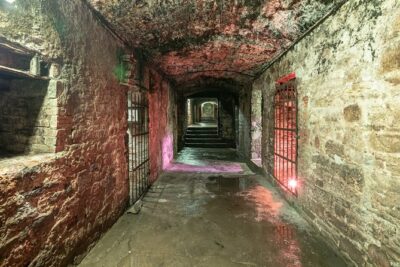
Underground Vaults Walking Tour in Edinburgh Old Town
Read our review →
Prague: 3-Hour Walking Tour of Old Town & Prague Castle
Read our review →
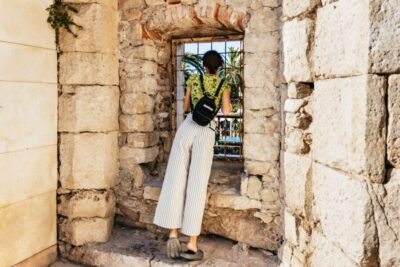
Split: Old Town and Diocletian Palace Walking Tour
Read our review →

Prague: Old Town and Jewish Quarter Guided Walking Tour
Read our review →
Cartagena: Historic Center and Getsemaní Shared Walking Tour
Read our review →
Prague Ghost and Legend of Old Town Walking Tour
Read our review →Lists this walk sits on