
Review · ATHENS
Acropolis monuments & Parthenon Walking Tour with Optional Acropolis Museum
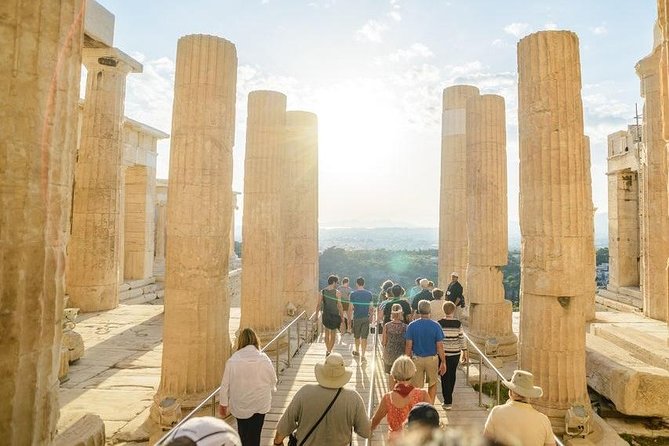
The best part of this Athens tour is the way the ruins begin to make sense. The Parthenon is grand on its own, but a guide can point out why the building looks slightly curved, how the Acropolis was planned, and what you are seeing beyond the famous postcard view. The Acropolis Museum option adds the missing pieces: statues, friezes, and artifacts that help explain the hilltop monuments.
I like the choice of tour times and the useful audio system, which lets you hear the guide even in a group of up to 20. I also like the guides’ strong command of archaeology and mythology. Guides including Lisa, Anna, John, Aphrodite, and Dionysios have been praised for making the past clear without rushing the group.
The main drawback is physical, not cultural. You will climb steep paths, walk on uneven surfaces, and spend a lot of time standing in the Greek sun. The base price may also exclude entry tickets, so you need to select the correct option or arrange admission yourself.
Key points to know before booking
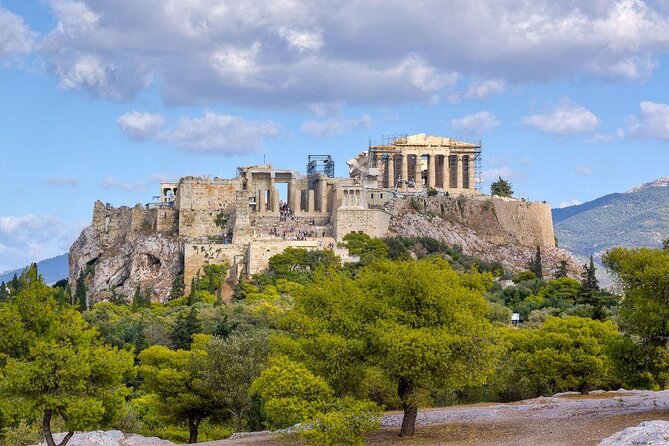
- The Acropolis visit covers the main monuments: You see the Theatre of Dionysus, Herod Atticus Odeon, Propylaea, Temple of Athena Nike, Parthenon, and Erechtheion.
- The museum upgrade is worth considering: It adds about an hour with ancient sculptures, architectural pieces, and Parthenon-related displays.
- The group size is capped at 20: Groups larger than five use a whisper audio system, making it easier to follow the guide.
- Tickets depend on the option you choose: The advertised price of $42.33 may not include Acropolis or museum admission.
- Bring identification for reduced fares: Visitors under 25 need a passport or copy, and EU citizens under 25 may enter the Acropolis free.
- Plan for hills and heat: Comfortable shoes, a hat, and sun cream are not optional extras here.
Why a guide changes the Acropolis visit
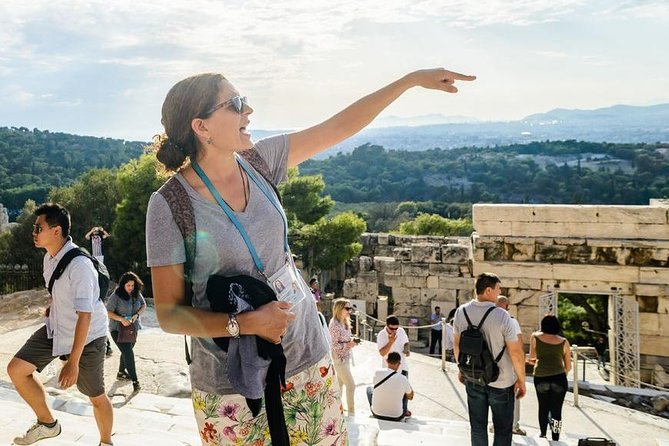
You can walk up the Acropolis alone, look at the ruins, and take excellent photographs. What you cannot easily do on your own is connect the buildings to the political, religious, and artistic world that produced them.
This tour begins near Porinou 5, a short walk from the Acropolis entrance. After check-in, the guide leads the group toward the hill. The nearby office has Wi-Fi, which is handy if you need to confirm tickets, regroup, or get your bearings before the climb.
The tour is offered in English and lasts about four hours. The first part takes place outdoors on the Acropolis slopes and summit. If you choose the museum option, the tour continues indoors and ends at the Acropolis Museum. Without the museum, the experience ends at the monuments.
The audio equipment is a real help. With a group of fewer than 20 people, you are not packed into a huge crowd, and the microphone system means you can keep looking at the ruins while still hearing the explanation. Several guides have archaeological training, and that background matters most at places where a quick glance does not reveal much.
More museum stops on the way around Athens:
- Frida Kahlo VIP [Museum Tickets Included] Walk, Markets & Churros
★ 5.0 · 982 reviews - Bogotá City Tour with Monserrate, Gold and Botero Museums
★ 4.9 · 584 reviews - Dresden: Guided Walking Tour and Chocolate Museum Ticket
★ 4.5 · 479 reviews
Theatre of Dionysus: where Greek drama began
The first major stop is the Theatre of Dionysus Eleuthereus, on the south slope of the Acropolis. The site began as part of a sanctuary to Dionysus and hosted the City Dionysia, one of ancient Athens’ major festivals.
You spend about 15 minutes here. That is enough time to look across the theater and hear how performances fit into religious life in ancient Athens. The theater is also a useful opening lesson because it shows that the Acropolis was not only a collection of temples. It was tied to drama, civic life, worship, and public identity.
The stop is outdoors, so listen closely before the group begins climbing. You may be standing on sloped ground, and the stone can feel tiring later in the morning.
Herod Atticus Odeon: a Roman theater below the summit
The Odeon of Herodes Atticus sits on the southwest slope. It was completed in AD 161 and later renovated in 1950. Unlike the earlier Greek theater, this is a Roman-era structure, which gives the guide a natural chance to explain how Athens continued to matter long after the classical age.
The tour allows about 15 minutes here. The theater is often admired from outside rather than entered, but its scale is easy to appreciate from the slope. Its curved seating and high stone wall make it one of the most striking views on the approach to the Acropolis.
This is a good place for photographs, though you should not let the photo stop turn into a long delay. The more time you spend here, the more time you will later spend standing at the summit.
The Propylaea and Temple of Athena Nike

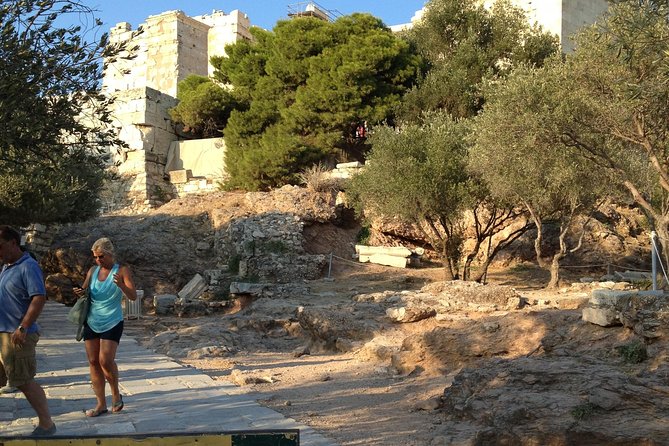
The Propylaea is the monumental entrance to the Acropolis. It was designed around 2,500 years ago and still gives the approach a sense of ceremony. You do not simply walk into the site. You pass through a formal gateway built to impress visitors arriving at the sacred hill.
The tour allows about 15 minutes at the entrance. This is one of the places where a guide adds real value, since the structure can look like a damaged gateway until someone explains its purpose and design.
Nearby is the Temple of Athena Nike, dedicated to Athena as the goddess of victory. The small Ionic temple dates from around 420 BC and is described as the earliest fully Ionic temple on the Acropolis. The itinerary lists this monument twice, first as an approach stop and again as a formal temple stop. In practical terms, you should expect to see the temple as part of the entrance route, with about 10 to 15 minutes devoted to it.
The temple is compact, but do not dismiss it because it is smaller than the Parthenon. Its position above the entrance gives it an important place in the Acropolis design, and its delicate Ionic style contrasts with the heavier Doric character of the Parthenon.
More walking tours around Athens:
- Athens: Acropolis and Parthenon Guided Walking Tour
★ 4.6 · 5,882 reviews - Acropolis and Parthenon Guided Walking Tour
★ 5.0 · 4,755 reviews - Greek Food Walking Tour in Athens
★ 5.0 · 4,740 reviews - Acropolis: Acropolis and Parthenon Guided Walking Tour
★ 4.7 · 3,442 reviews
The Parthenon: the main event, with time to look
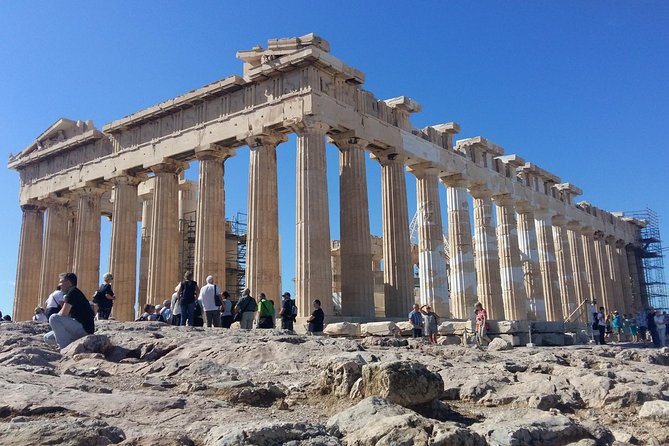
The Parthenon receives about 30 minutes of focused attention, followed by a broader period exploring the Acropolis. Built for Athena, it is the monument most people picture before arriving in Athens. Even in its ruined state, its scale and precision are remarkable.
The guide’s explanation helps you see beyond the columns. You will hear about the temple’s role, its architectural details, and the way ancient Greek artists used proportion to create an impression of balance. Guides also bring in mythology and the wider story of Athens, so the building does not feel like an isolated pile of marble.
You will not walk inside the Parthenon itself. The experience is about viewing it from the Acropolis, understanding its design, and seeing the surrounding monuments. Expect plenty of standing while the guide speaks. One guide may keep a slow pace so the group can manage the climb, but this is still a vigorous half-day for some people in their 60s or for anyone unused to hills.
Take your photos, but reserve time to put the camera down. The Parthenon is one of those places where the view changes as you move only a few steps.
The Erechtheion and the Caryatids
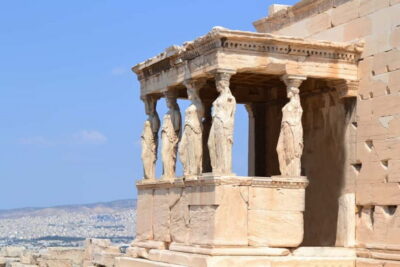
The Erechtheion is another essential stop. It is best known for the Caryatids, the carved female figures used as architectural supports on its porch. The monument has an unusual plan and a more complex appearance than the Parthenon, making it a useful contrast.
The stop lasts about 10 minutes, though you will continue seeing the building as you explore the summit. A guide can explain why the Erechtheion does not look as orderly as the Parthenon and how different sacred traditions shaped the Acropolis.
This is often a favorite place for close-up details. Look at the folds of the carved clothing and the way the figures support the porch. The Caryatids you see on the monument are copies, while original sculptures are protected in the Acropolis Museum and the British Museum. The museum portion of this tour helps make that distinction clearer.
One hour across the Acropolis summit
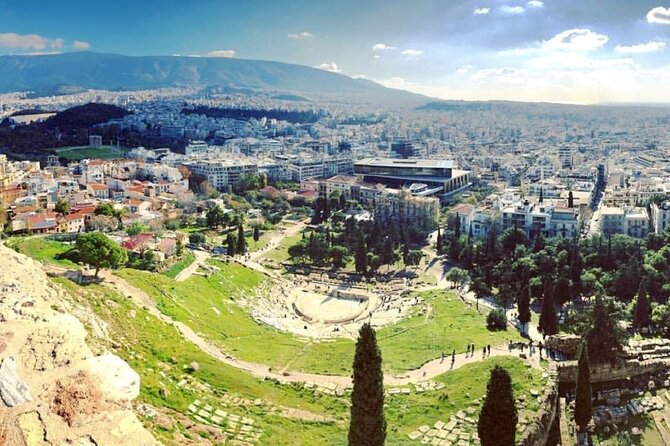
The wider Acropolis visit lasts about an hour. This gives you time to move between monuments, hear the larger story, and take in the views across Athens.
The hilltop is not a flat museum floor. You will walk over stone and climb gradual or steep sections. Comfortable shoes are essential, and a hat and sun cream are wise in warm weather. There is little point dressing for a formal city tour here. Wear clothing that lets you move and stand comfortably.
The guide manages the pace and keeps the group together. That is useful when the site is crowded or when people pause for photos. The audio system lets you stay near the group without having to stand directly beside the guide.
A morning start is a sensible choice, especially in hot months. The tour offers several times, so compare the available schedule with your energy level and any other Athens plans. A four-hour visit is long enough to feel substantial, but you should avoid scheduling an important lunch reservation too tightly afterward.
The Acropolis Museum: the upgrade that completes the story
If you can afford the additional ticket and time, I would choose the Acropolis Museum option. The outdoor ruins show architecture in place. The museum shows the sculpture, decoration, and archaeological evidence that make those buildings easier to understand.
The museum portion lasts about an hour. Guides such as Lisa and Anna have been especially effective here, using the objects to explain the monuments rather than simply naming each display. John, who has an archaeology background, has also been praised for bringing energy and clarity to the museum visit.
The museum tour is necessarily selective. You will not examine every gallery in detail in one hour. The guide points out the most important pieces, including material connected with the Parthenon friezes, then the tour ends inside the museum so you can continue looking on your own.
That final detail matters. If the guided hour feels fast, you are not forced to leave with the group. You can stay and explore the displays at your own pace, provided the museum’s visitor rules allow you to continue. The museum also has an area beneath the building where archaeological remains of Athens can be viewed without buying a museum ticket, with access from outside.
The museum is also a welcome change after the hill. You get air conditioning, level floors, and a chance to study objects close up after seeing their original setting.
Price, tickets, and what you really pay
The listed price is $42.33 per person, but treat that as the starting point rather than the full cost. The tour has different booking options, and admission may or may not be included.
The Acropolis adult entrance fee is listed as €30 from April 2025 and €10 from November through March. The Acropolis Museum is listed at €20 per adult. If you choose an option with tickets, the convenience is clear: the company handles the admission process and you do not need to arrange separate entry.
If you choose a tour option without tickets, you must purchase Acropolis admission online in advance through the official website. You also need to arrange the museum ticket if you add that visit. Check the exact option before paying, because a low advertised price can become less attractive once separate admission is added.
Reduced prices make identification important. EU citizens under 25 may enter the Acropolis free, while other visitors under 25 receive a 50 percent discount. People under 18 should bring a passport or ID, and anyone under 25 should carry a passport or photocopy showing the birth date.
For value, the tour makes the most sense if you want interpretation and ticket help. If you are happy to read on your own and already understand classical Greek architecture, you may prefer a self-guided visit. The group guide is the reason to pay extra.
Who should book this Athens tour?
I would recommend it for a first visit to Athens, especially if you want the major monuments explained in plain English. It also suits history, archaeology, architecture, and mythology fans who would rather hear a connected story than collect isolated facts.
The museum option is best for anyone who wants more than photographs. It adds context and lets you see objects that cannot remain exposed on the hill. It is also the better choice if you have only one substantial Acropolis visit planned.
Solo visitors can fit in easily, and the small group format offers structure without the feel of a large coach tour. The company has also shown some flexibility when late arrivals contact them, but you should not rely on that. Get to Porinou 5 early, with your voucher ready in paper or electronic form.
This is not the right pick if you have difficulty with steep climbs, uneven paths, or long periods of standing. The tour is described as requiring moderate physical fitness. Poor weather can also cancel the experience, with a different date or full refund offered.
With a rating of 4.9 from 2,678 reviews and 97 percent of customers recommending it, the experience has a strong record. The most consistent praise goes to the guides’ clear explanations, good pacing, humor, and archaeological background. The recurring caution is just as clear: the hill is demanding, and the museum portion may feel rushed if you want to inspect every object.
Should you book it?
Book this tour if you want the Acropolis to feel like a place with a story, not just a famous ruin. Choose the museum option if your budget allows, and select tickets included unless you have a good reason to arrange admission yourself.
Skip it only if you prefer complete independence, plan to study the site on your own, or know that four hours of climbing and standing will be too much. For most first-time visitors, the guide, audio system, small group, and museum finish make this a sensible way to handle Athens’ biggest sight.
FAQ
How long does the Acropolis and Parthenon tour last?
The experience lasts approximately four hours. The Acropolis Museum portion adds about one hour when you select that option.
Where does the tour begin?
The meeting point is at Porinou 5, Athens 117 42, Greece. It is close to the Acropolis and near public transportation.
Where does the tour end?
The tour ends at the Acropolis monuments if you choose the Acropolis-only option. If you add the museum, it ends at the Acropolis Museum on Dionysiou Areopagitou 15.
Are Acropolis entrance tickets included?
Tickets are included only when you select a booking option with entrance tickets. The basic option may exclude the Acropolis admission fee.
Is the Acropolis Museum ticket included?
The museum ticket is included only with the option that includes museum admission. The museum ticket is otherwise an additional cost.
What are the Acropolis admission prices?
The listed adult Acropolis price is €30 from April 2025 and €10 from November through March. Prices for reduced admission require valid identification.
Can visitors under 25 receive a reduced ticket?
Yes. EU citizens under 25 may enter the Acropolis free, while other visitors under 25 receive a 50 percent discount. Bring a passport or photocopy showing your birth date.
Is the tour suitable for someone with limited mobility?
The tour requires moderate physical fitness and includes steep climbs, uneven paths, walking, and extended standing. It may not suit anyone who finds those conditions difficult.
What happens if bad weather cancels the tour?
If poor weather causes cancellation, you will be offered a different date or a full refund. You can also cancel for a full refund if you do so at least 24 hours before the start time.
New walking tours around Athens
- Athens: History of Rebellion Walking Tour★ 5.0 · 110 reviews
- Eat Your Way Through Athens: A Local Food Walk★ 4.9 · 97 reviews
- Athens: Women in Ancient Greece Guided Walking Tour★ 5.0 · 86 reviews
- Athens: Private Walking Tour with a Local★ 4.5 · 93 reviews
- Athens: The Acropolis Walking Group Tour with a French Guide★ 4.7 · 469 reviews
- Athens: Evening Food Walking Tour★ 4.9 · 422 reviews
- Athens: The Acropolis Guided Walking Tour in German★ 5.0 · 362 reviews
- Athens: The Acropolis Guided Walking Tour in Dutch★ 4.9 · 107 reviews
Athens Walking Tours, side by side.
Athens: Acropolis and Parthenon Guided Walking Tour
Read our review →

Athens: Guided Greek Food Walking Tour with Tastings
Read our review →
Acropolis, Parthenon & Athens Old City Heritage Walking Tour
Read our review →
Athens Authentic Greek Food Walking Tour (Small Group)
Read our review →
Athens: Ultimate Food Walking Tour with 15 Tastings
Read our review →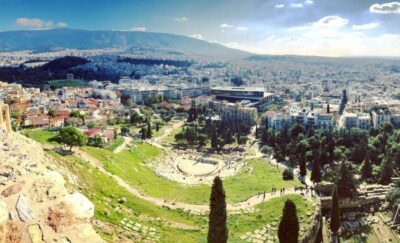
Athens: The Acropolis Walking Group Tour with a French Guide
Read our review →
Lists this walk sits on